Arizona Agreed Order Authorizing Release and Payment of Funds Held in the Court Registry
Description
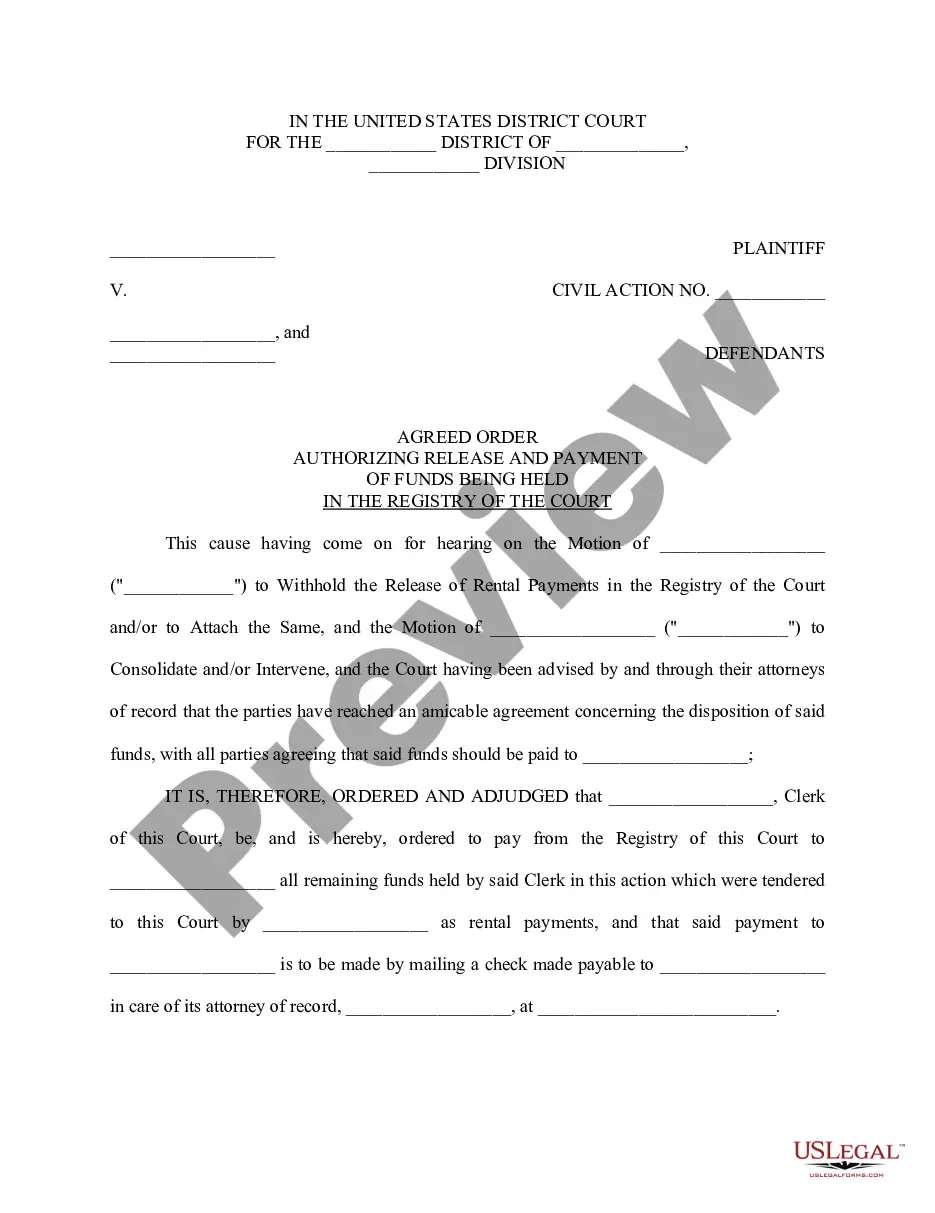
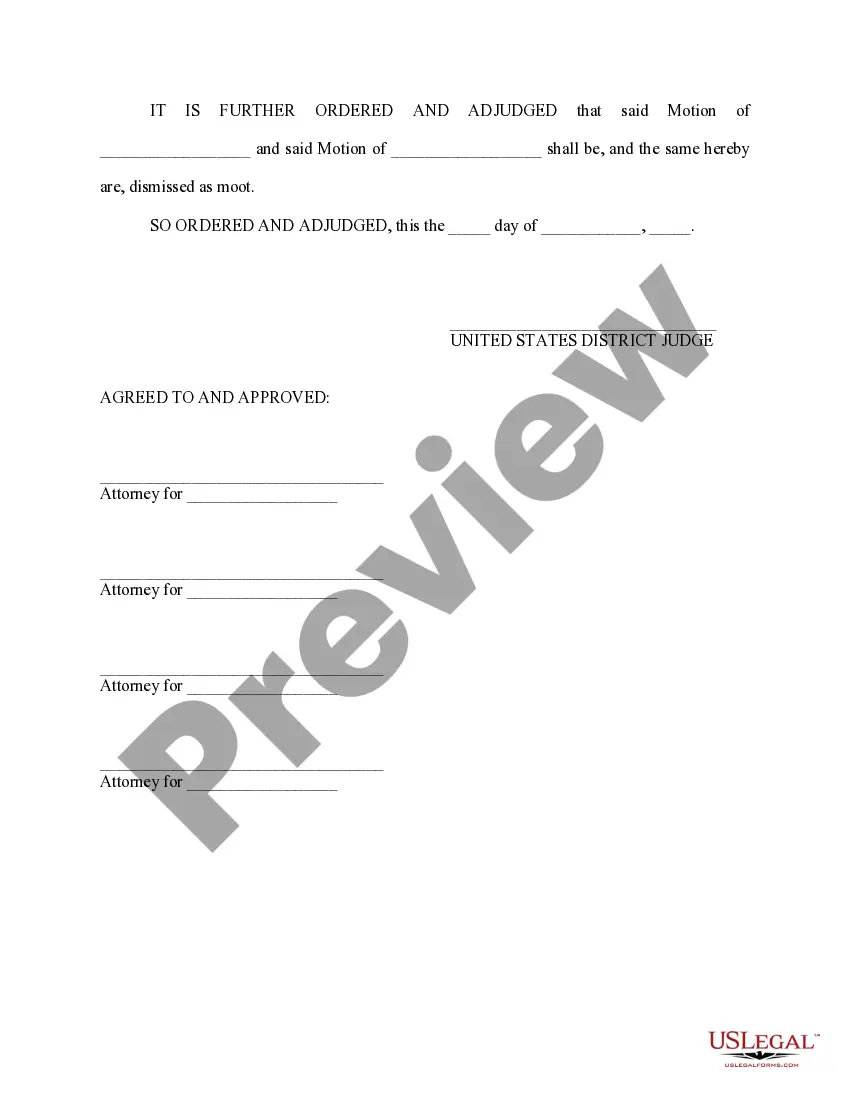
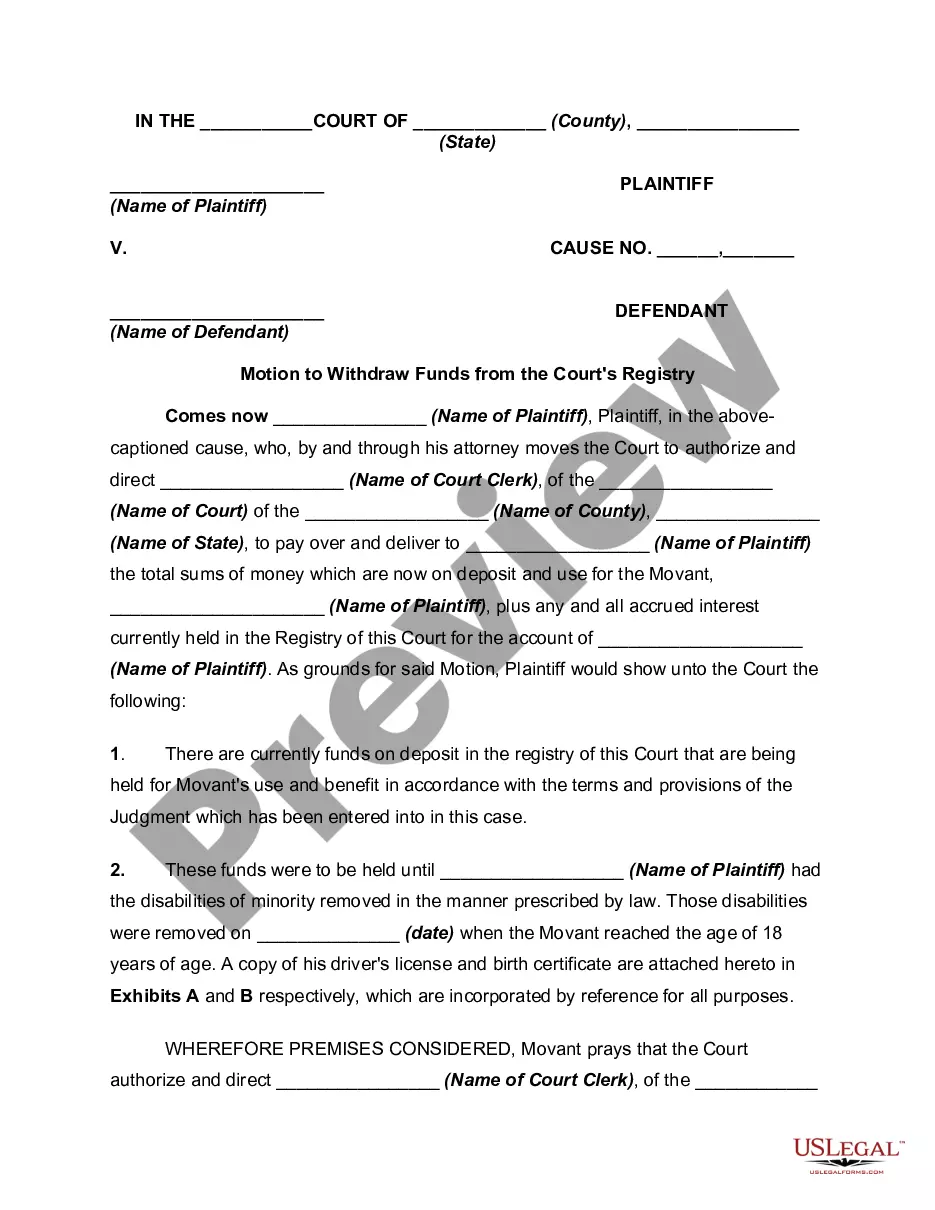
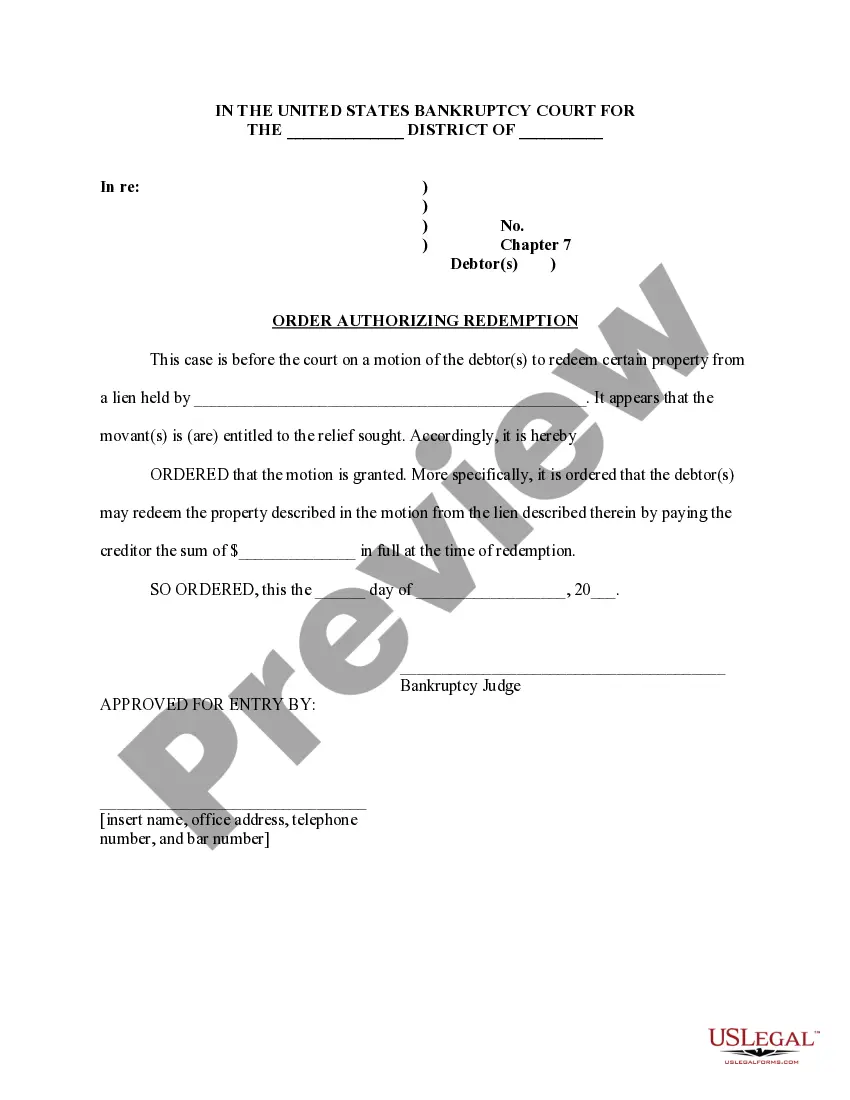


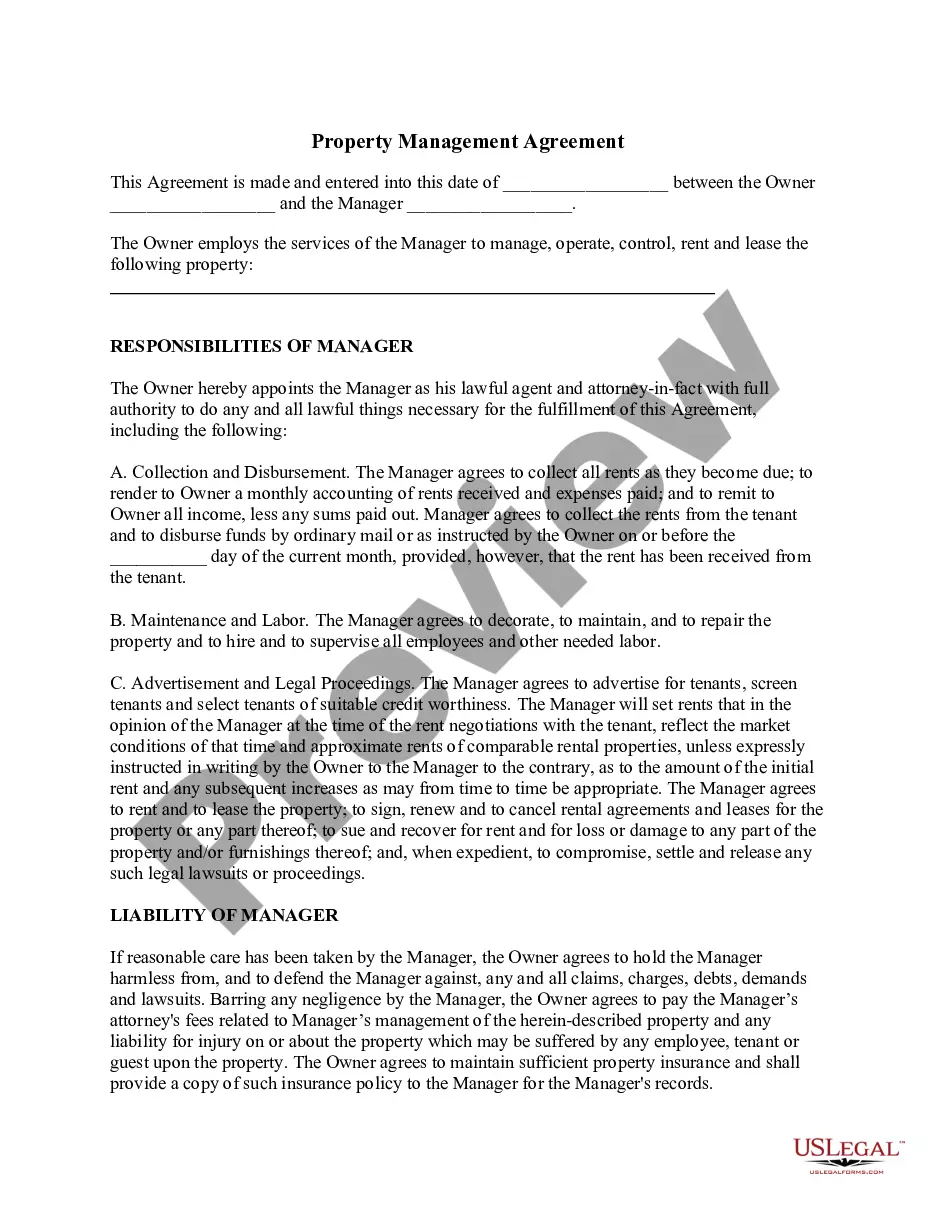
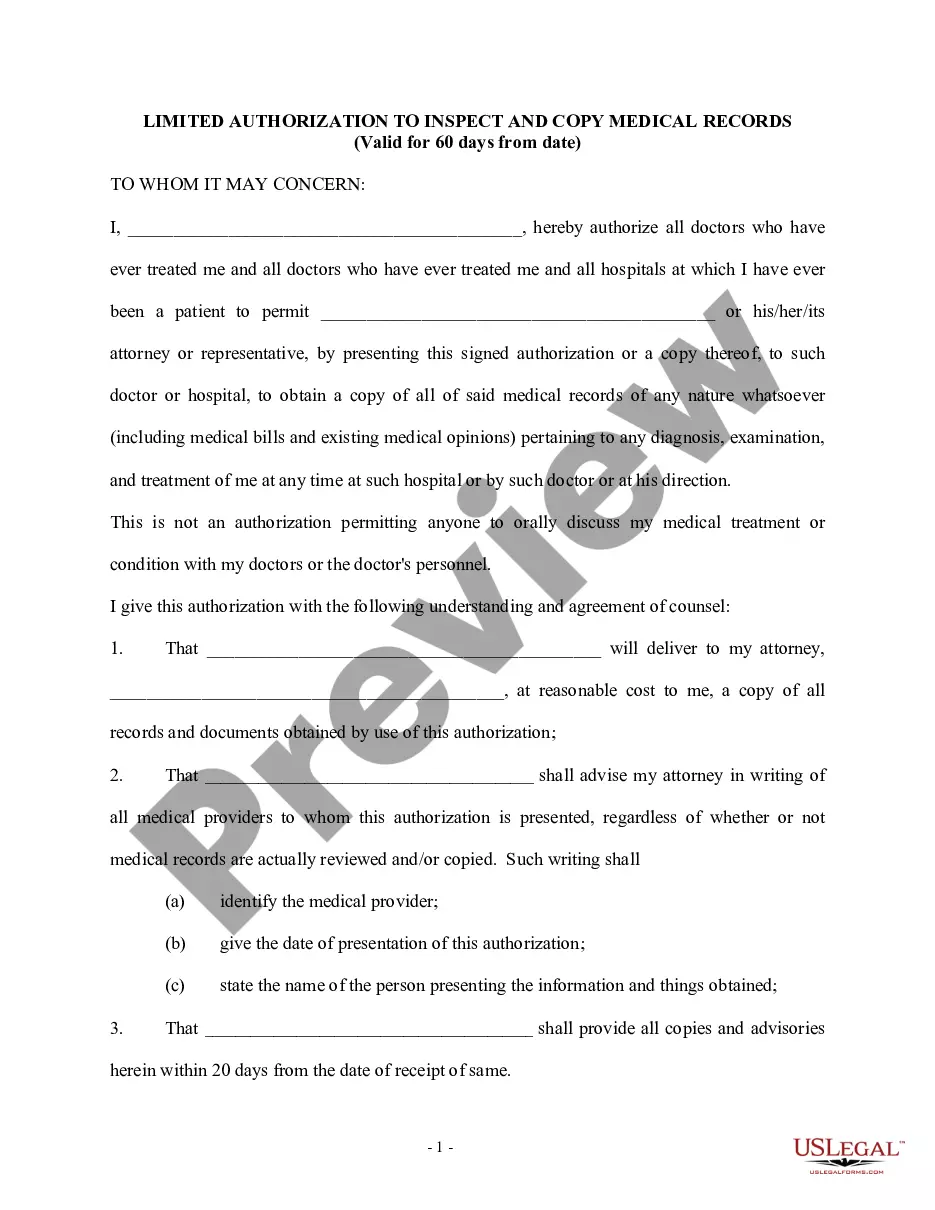
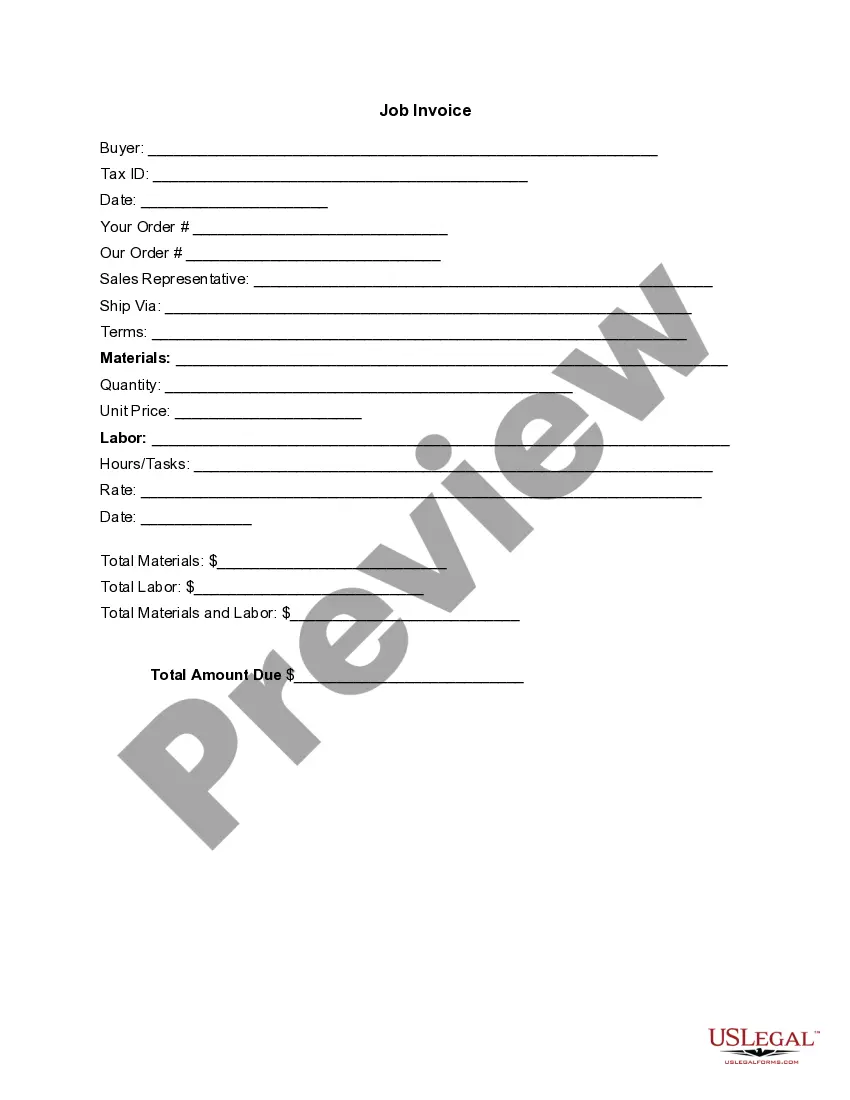
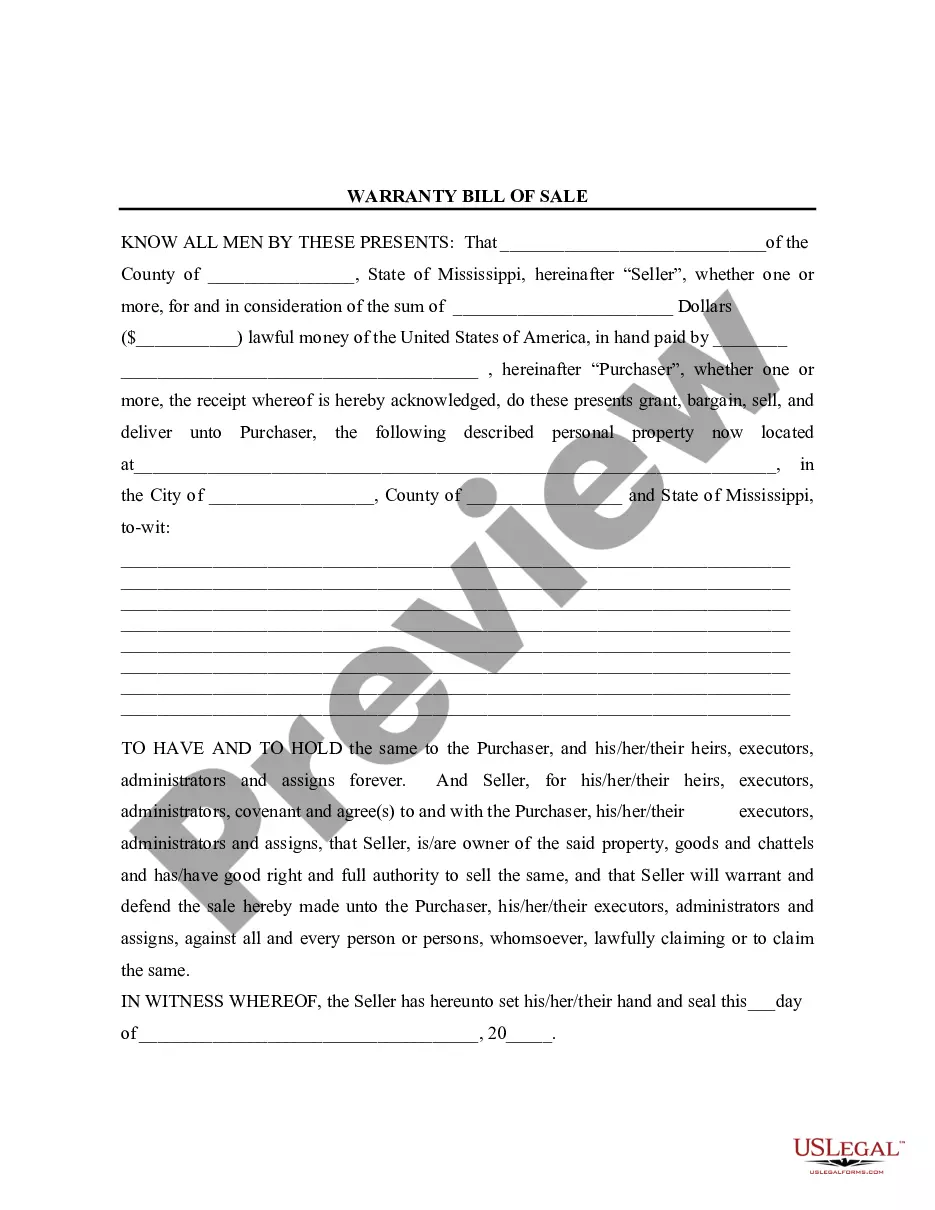

How to fill out Agreed Order Authorizing Release And Payment Of Funds Held In The Court Registry?
Have you ever found yourself in a situation where you need documents for both business or personal purposes almost every workday.
There are numerous legal document templates accessible online, but finding ones you can trust isn’t easy.
US Legal Forms offers thousands of form templates, such as the Arizona Agreed Order Authorizing Release and Payment of Funds Held in the Court Registry, which are designed to meet federal and state requirements.
Choose the payment plan you want, fill in the necessary information to create your account, and pay for the transaction using your PayPal or credit card.
Select a convenient file format and download your copy. Access all the document templates you have purchased in the My documents section. You can obtain another copy of the Arizona Agreed Order Authorizing Release and Payment of Funds Held in the Court Registry at any time if needed. Just select the required form to download or print the document template.
- If you are already familiar with the US Legal Forms website and have an account, simply Log In.
- Then, you can download the Arizona Agreed Order Authorizing Release and Payment of Funds Held in the Court Registry template.
- If you do not have an account and want to start using US Legal Forms, follow these steps.
- Obtain the form you require and make sure it is for the correct city/county.
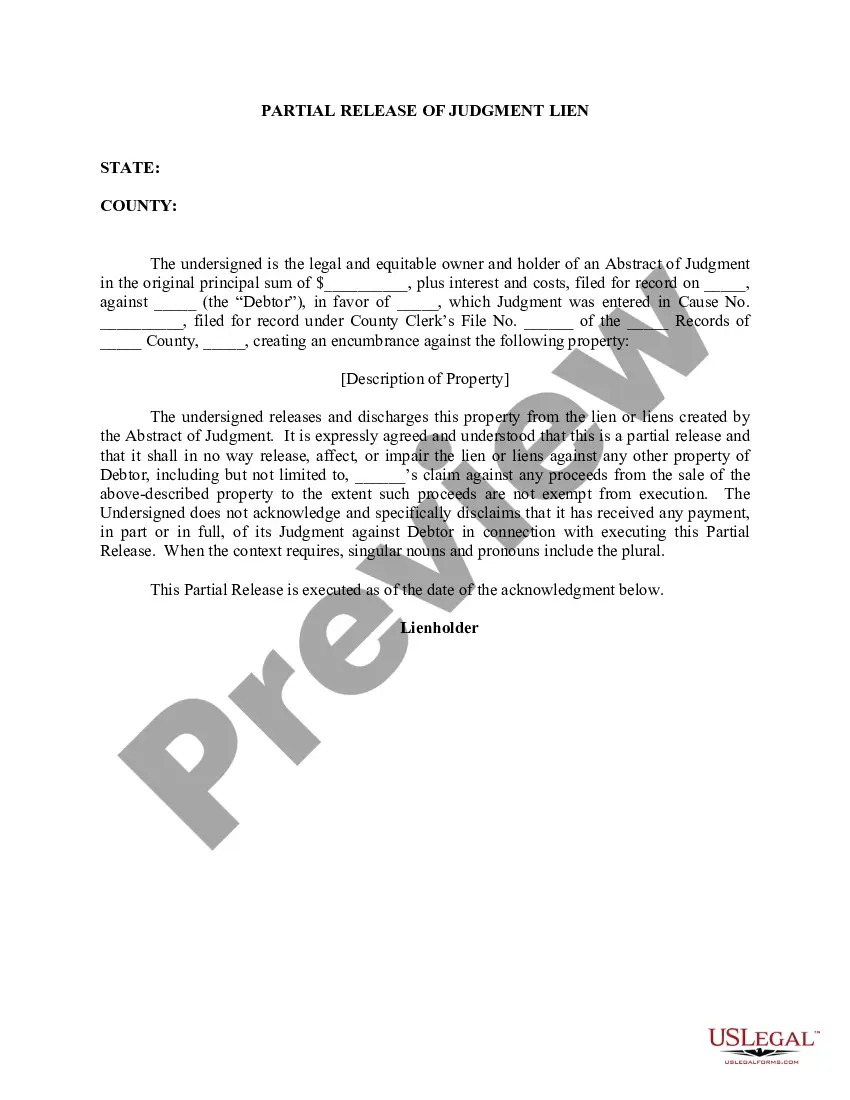
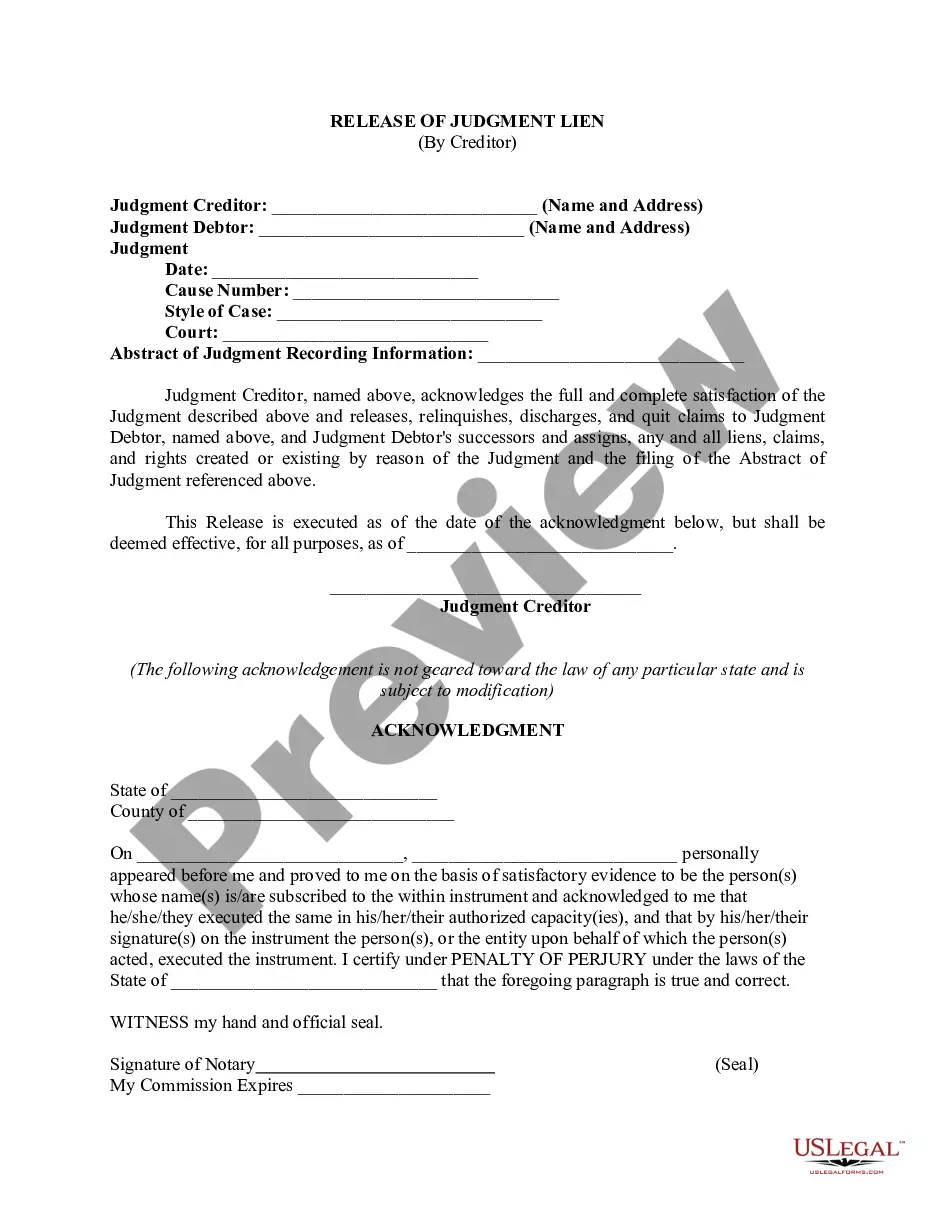
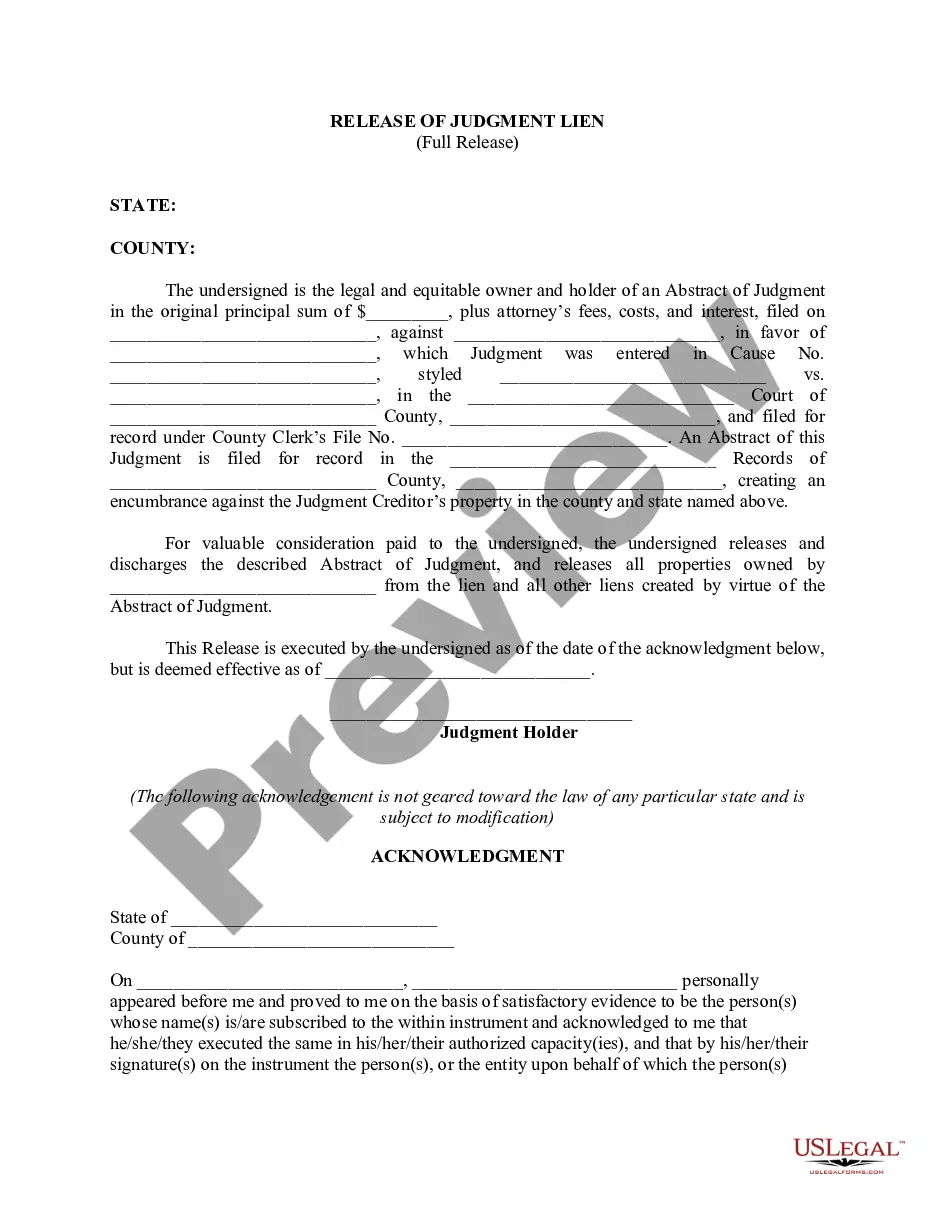
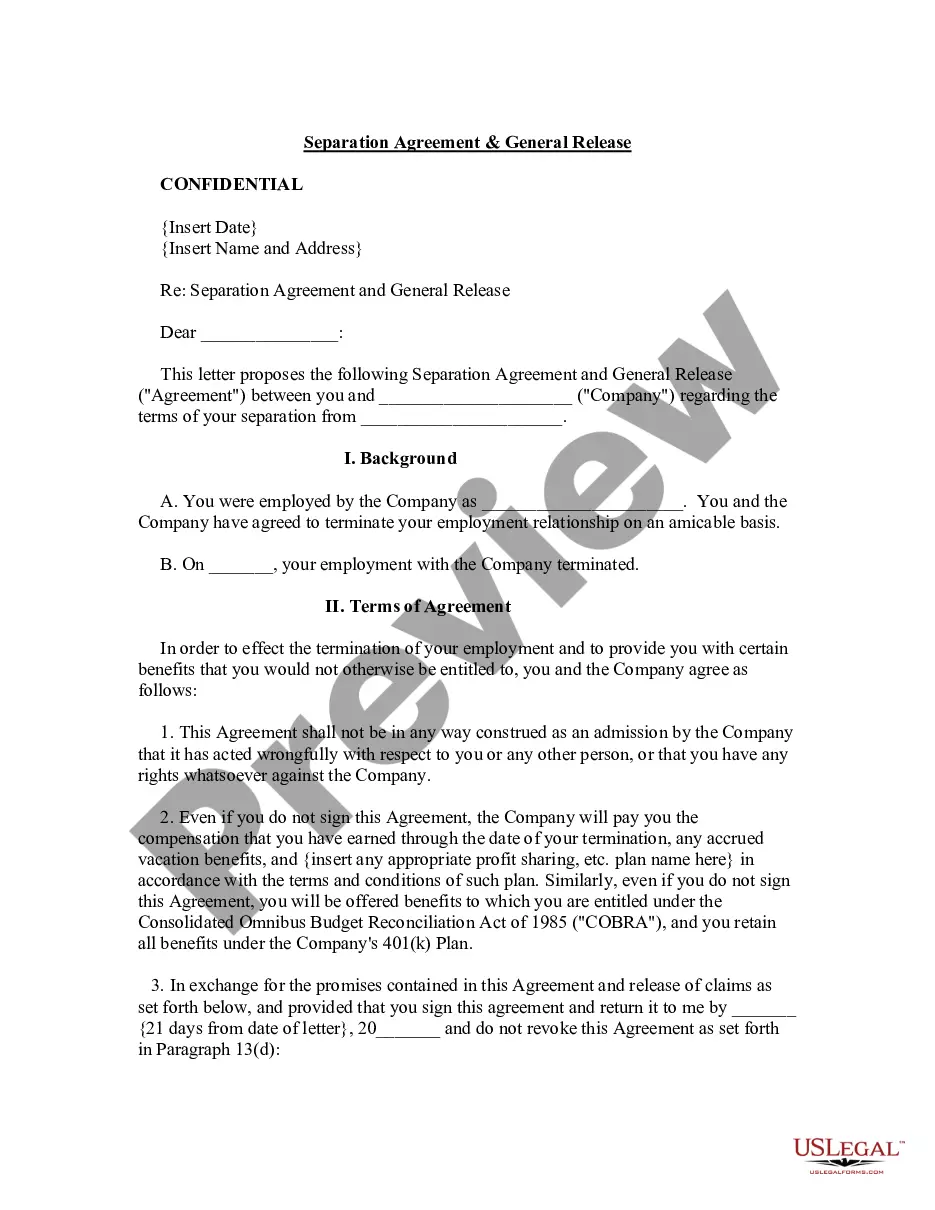
- Utilize the Preview button to inspect the form.
- Review the summary to ensure you have selected the correct document.
- If the form isn’t what you’re looking for, use the Search field to find the form that suits your needs.
- Once you find the appropriate form, click on Purchase now.
Form popularity
FAQ
Rule 48 of the Arizona Rules of Family Law Procedure governs when a Court may issue an ex parte emergency order.
Ing to Arizona Rule of Family Law Procedure 76.1 (Rule 76.1), the court must hold a scheduling conference to formulate a plan for trial, including procedures for admitting evidence, presenting witnesses, and filing a pretrial statement.
A party may use a uniform interrogatory when it is appropriate to the legal or factual issues of the particular action, regardless of how the action or claims are designated. A party propounding a uniform interrogatory may do so by serving a notice that identifies the uniform interrogatory by form and number.
Rule 51 (General Provisions Governing Discovery). Rules 51 through 65 of the Arizona Rules of Family Law Procedure regard the procedures for obtaining information, documents and other evidence from the other party and/or other sources. These regard requests for discovery that go beyond Rule 49.
Arizona Rule of Family Law Procedure 49 (Rule 49) requires both parties to share information in family law cases. It requires each party send to the other party a detailed statement with the specific positions the party proposes to resolve all issues.
As long as the defendant shows up when they're summoned, the bail bond will be dissolved when the case ends. All collateral will be given back (except for the bond agent's fee). If the defendant fails to appear in court, such action results in the forfeiture of the bail bond.
Disclosure of Witnesses Rule 49 also requires each party to disclose the names, addresses, and telephone numbers of any witnesses each party intends to call along with a summary of the expected testimony. If a witness is not properly disclosed, the family court may not allow the witness to testify.
(a) Motion for Summary Judgment or Partial Summary Judgment. The court must grant summary judgment if the moving party shows that there is no genuine dispute as to any material fact and the moving party is entitled to judgment as a matter of law.