Arizona Revocation of Living Will
Overview of this form
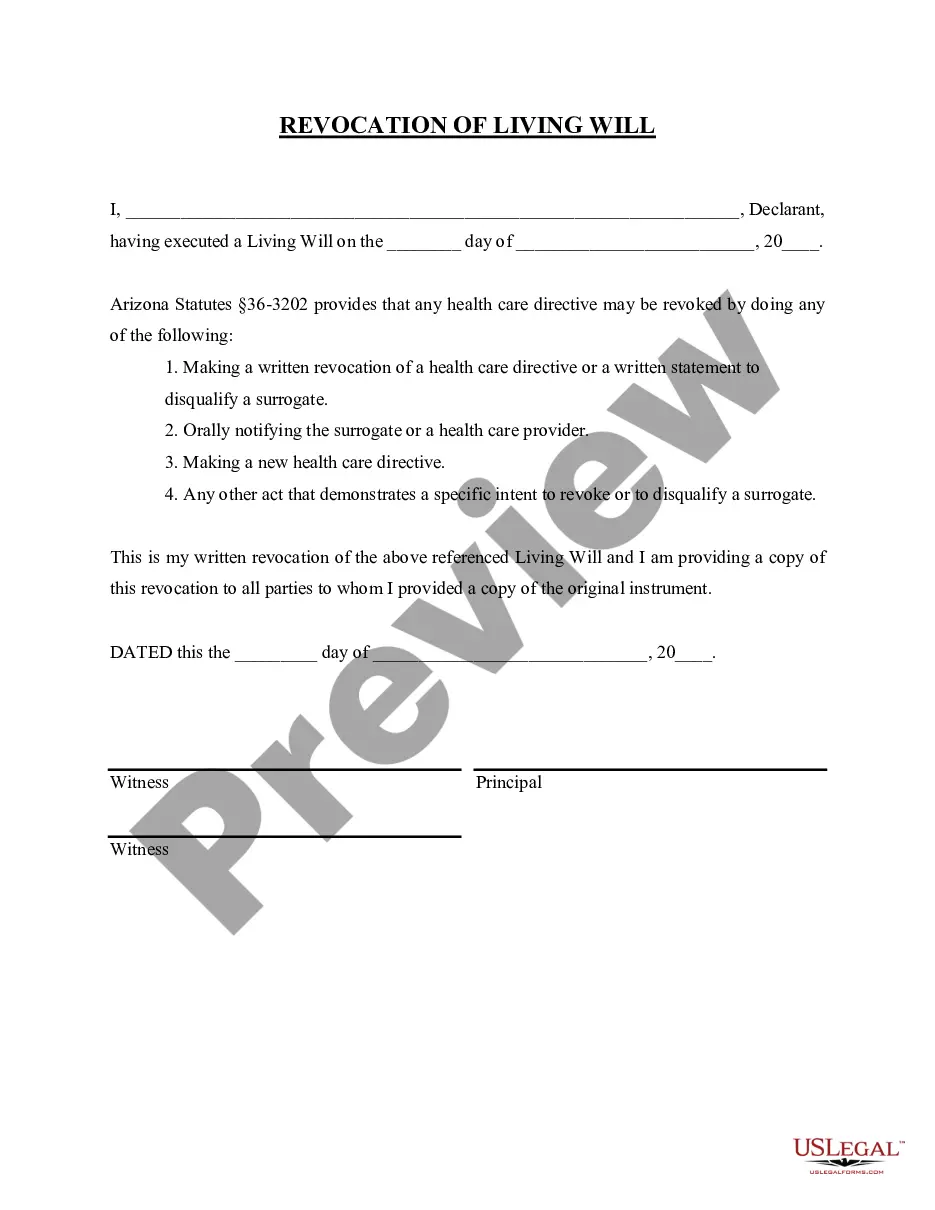
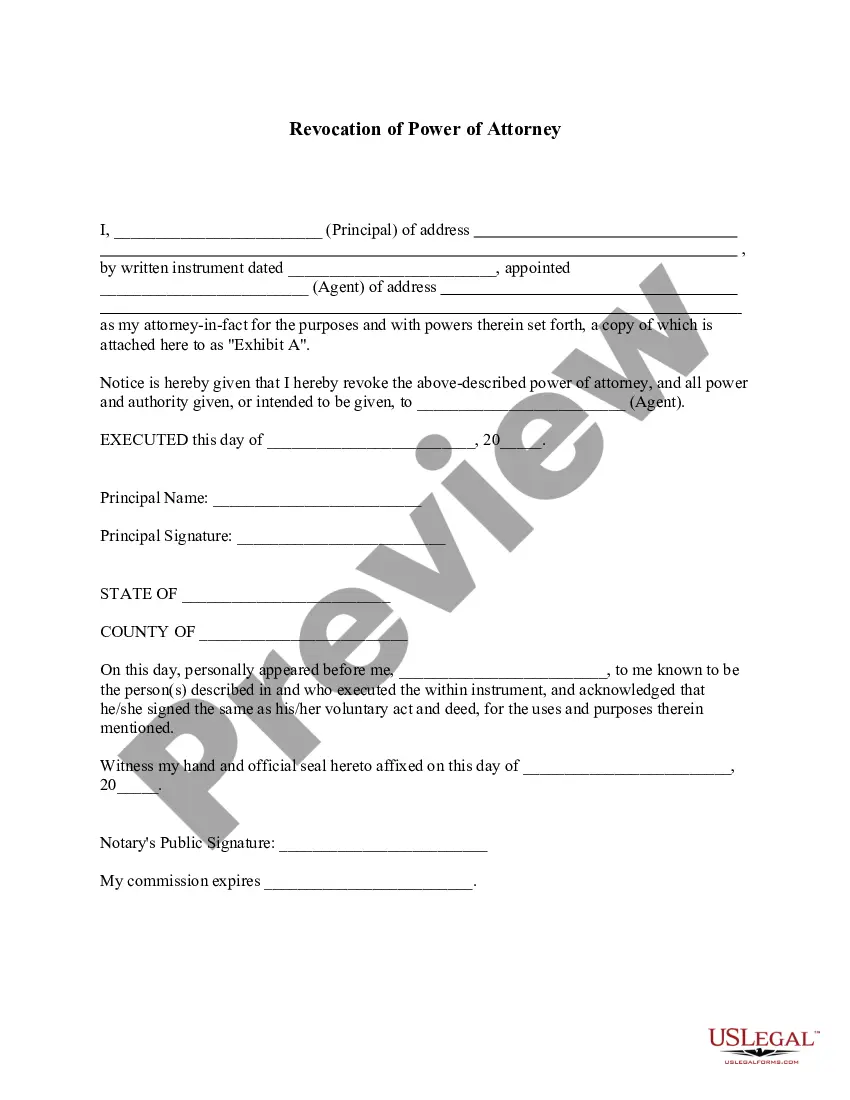
The Revocation of Living Will is a legal document that allows you to revoke a previously executed Living Will. This form ensures that your wishes regarding medical treatment and life-sustaining procedures are updated or nullified. It is distinct from the original Living Will, which expresses your desires about medical care in the event of a terminal condition. By completing this revocation form, you clearly communicate your new intentions regarding end-of-life care.
Key parts of this document
- Declarant information: Includes your name and address as the person revoking the Living Will.
- Date of original Living Will: Specifies when the original document was signed.
- Revocation statement: A declaration that you are revoking your previous Living Will.
- Notification clause: States that you will provide copies of the revocation to relevant parties.
- Signature and date: Requires your signature and the date on which the revocation is executed.
Common use cases
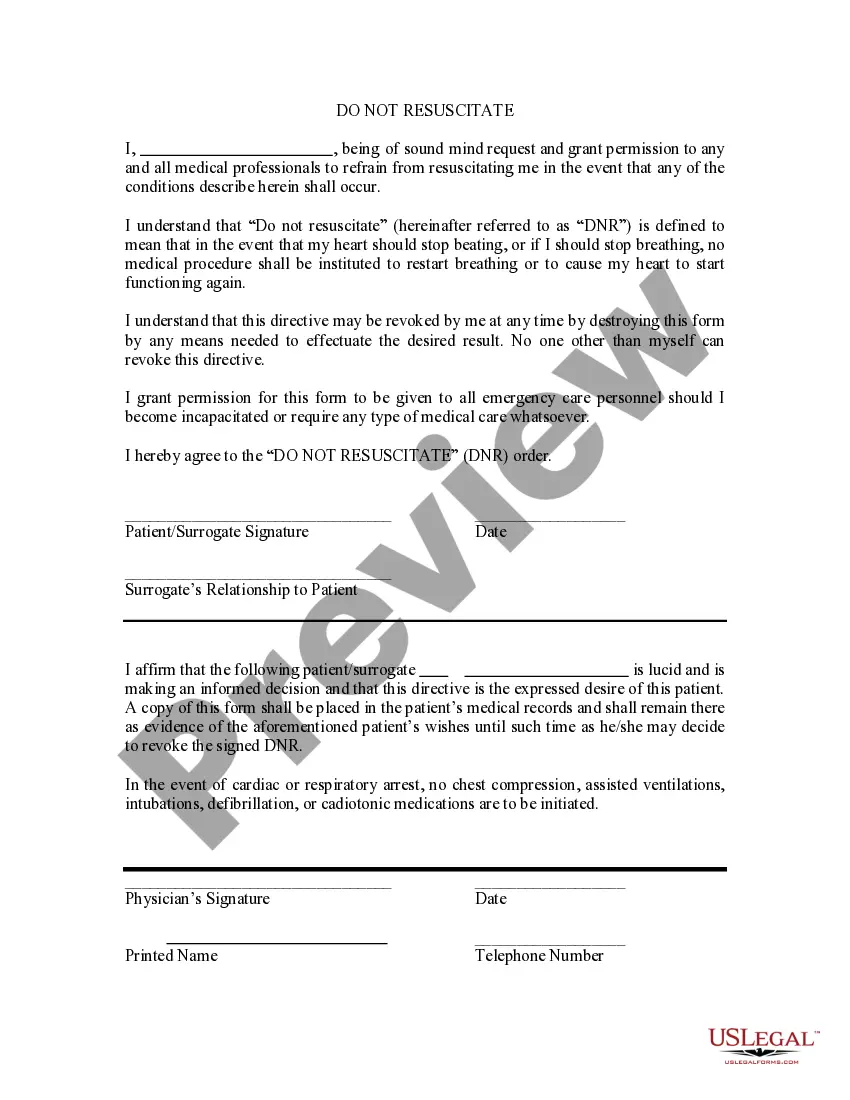
You should use the Revocation of Living Will when you wish to change your previously stated medical preferences regarding life-sustaining treatments. Reasons might include changes in personal beliefs, health status, or family circumstances. It is important to revoke an older Living Will to prevent any confusion among health care providers and family members regarding your current wishes.
Who this form is for
- Individuals who have previously executed a Living Will in Arizona.
- Persons who wish to change their end-of-life care preferences.
- Anyone looking to ensure clarity and avoid conflict over medical treatment wishes.
Steps to complete this form
- Identify yourself as the Declarant by providing your full name and address.
- Enter the date when your original Living Will was executed.
- Clearly state your intention to revoke the previous Living Will.
- Provide the date of completing the Revocation of Living Will.
- Sign the document and ensure that it is witnessed by suitable parties.
Is notarization required?
This form does not typically require notarization unless specified by local law. It is important to check the regulations applicable to your situation to ensure compliance.
Get your form ready online
Our built-in tools help you complete, sign, share, and store your documents in one place.
Make edits, fill in missing information, and update formatting in US Legal Forms—just like you would in MS Word.
Download a copy, print it, send it by email, or mail it via USPS—whatever works best for your next step.
Sign and collect signatures with our SignNow integration. Send to multiple recipients, set reminders, and more. Go Premium to unlock E-Sign.
If this form requires notarization, complete it online through a secure video call—no need to meet a notary in person or wait for an appointment.
We protect your documents and personal data by following strict security and privacy standards.

Make edits, fill in missing information, and update formatting in US Legal Forms—just like you would in MS Word.

Download a copy, print it, send it by email, or mail it via USPS—whatever works best for your next step.

Sign and collect signatures with our SignNow integration. Send to multiple recipients, set reminders, and more. Go Premium to unlock E-Sign.

If this form requires notarization, complete it online through a secure video call—no need to meet a notary in person or wait for an appointment.

We protect your documents and personal data by following strict security and privacy standards.
Mistakes to watch out for
- Failing to date the revocation form, which may lead to confusion.
- Not notifying all relevant parties about the revocation.
- Overlooking the need for witness signatures if required.
Benefits of using this form online
- Convenience of completing the form from home.
- Easy access to up-to-date legal templates created by licensed attorneys.
- Editability allows personalization to fit specific needs.
Summary of main points
- The Revocation of Living Will formally cancels any previous directives.
- It ensures your current healthcare wishes are documented and respected.
- Clear communication of this revocation is vital for it to be effective.
Looking for another form?

Form popularity
FAQ
In Arizona, the principal, who is the person that created the power of attorney, holds the authority to override it. If the principal decides to revoke the power of attorney, they must follow the procedures for an Arizona Revocation of Living Will. This process typically involves a written document stating the revocation and notifying the agent of this change. Additionally, family members or legal representatives can assist in ensuring the revocation is recognized and properly executed.
Terminating an irrevocable trust in Arizona is complex and generally requires consent from all beneficiaries and occasionally court approval. Depending on the terms of the trust, you may also need to redistribute the trust assets according to state law. Consulting with experts can provide clarity, especially when considering how it relates to the Arizona revocation of living will.
Deactivating a trust typically requires following the trust's terms as outlined in the trust document itself. This process may involve formally distributing the assets and making necessary filings with the state. Being knowledgeable about the Arizona revocation of living will ensures that your decisions align with your overall estate strategy.
The cheapest way to set up a trust often involves using online legal services or templates. However, consulting an attorney ensures that the trust fully complies with Arizona laws and meets your specific needs. Understanding how the Arizona revocation of living will interacts with trust setups is also crucial for overall planning.
To revoke a living trust in Arizona, you need to create a formal revocation document that states your intent to terminate the trust. This document should be signed and may require notarization for added legal strength. Being aware of the implications of the Arizona revocation of living will helps ensure your estate wishes are honored.
The best way to contest a will involves gathering substantial evidence that supports your claims, then filing a petition in the relevant probate court. Having legal representation can significantly enhance your chances of success. Additionally, familiarity with the Arizona revocation of living will can assist in navigating any complexities that arise during the process.
Setting up a revocable trust in Arizona involves drafting a trust document that outlines the terms and your intentions for asset distribution during your lifetime and beyond. It’s advisable to consult with an experienced attorney to ensure compliance with legal requirements. A solid understanding of the Arizona revocation of living will will also contribute to effective trust management.
A will may be considered invalid in Arizona if it does not meet state legal requirements, such as proper signing and witnessing. Moreover, if the testator lacked the mental capacity at the time of signing, this can also invalidate the will. Awareness of these conditions is vital when considering the implications of the Arizona revocation of living will.
To amend a trust in Arizona, you should draft a formal amendment document that specifies the changes. It’s crucial to sign the amendment, and, in some cases, have it notarized, depending on the trust's original terms. Understanding this process is essential, particularly if you wish to align this with your wishes concerning the Arizona revocation of living will.
A valid will in Arizona requires the testator to be at least 18 years old, mentally competent, and the will must be signed by the testator and at least two witnesses. Additionally, the will should clearly express the testator’s wishes regarding asset distribution. Knowing the requirements helps safeguard against issues including the Arizona revocation of living will.