Arizona Single Family Residence Provisions
About this form
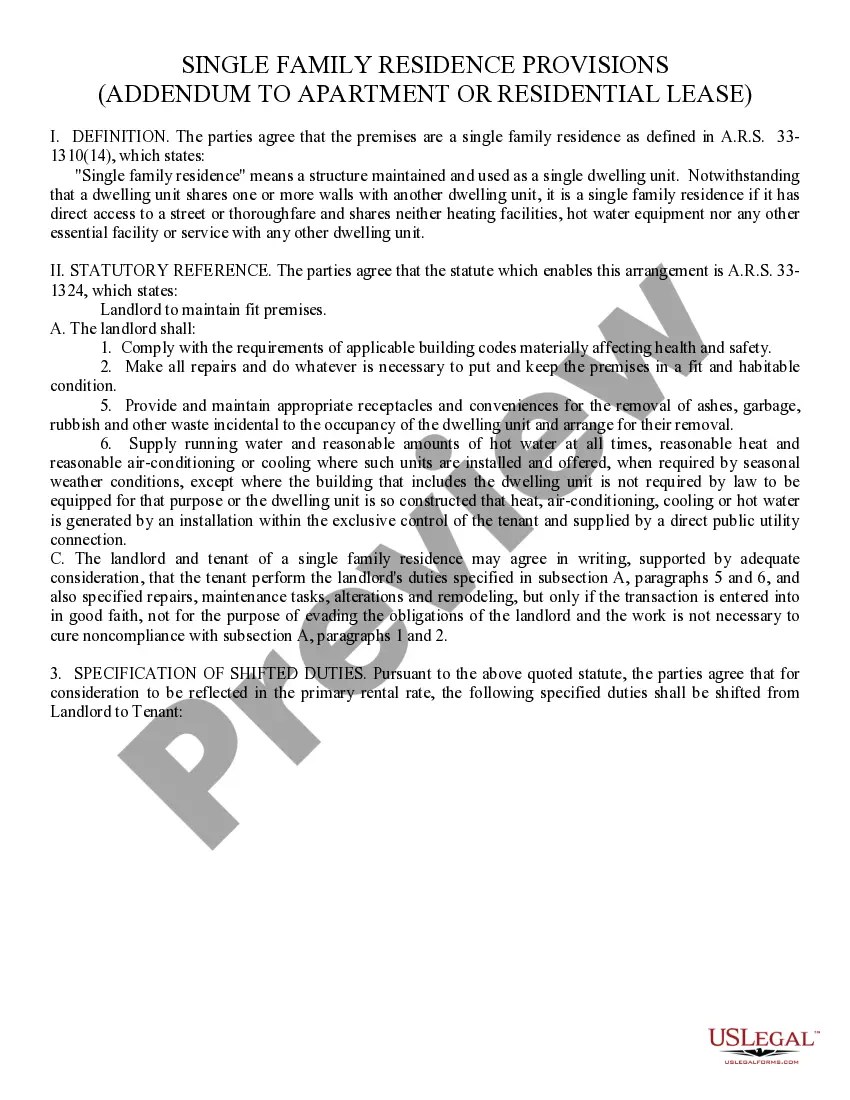
The Single Family Residence Provisions form is a legal document that establishes the responsibilities of landlords and tenants specific to single-family residences. This form outlines the requirements landlords must meet to maintain the property, ensuring it remains fit for habitation. Unlike other rental agreements, this form focuses specifically on single-family homes, detailing the necessary repairs, maintenance obligations, and waste management practices expected from landlords to ensure tenant safety and comfort.
Form components explained
- Definition of a single-family residence based on applicable statutes.
- Legal obligations for landlords to comply with building codes and ensure habitability.
- Requirements for waste management and provision of essential services like running water and heating.
- Provisions for shifting specific maintenance duties from landlord to tenant, with conditions.
- Legal framework supporting the agreement, citing relevant statutes.
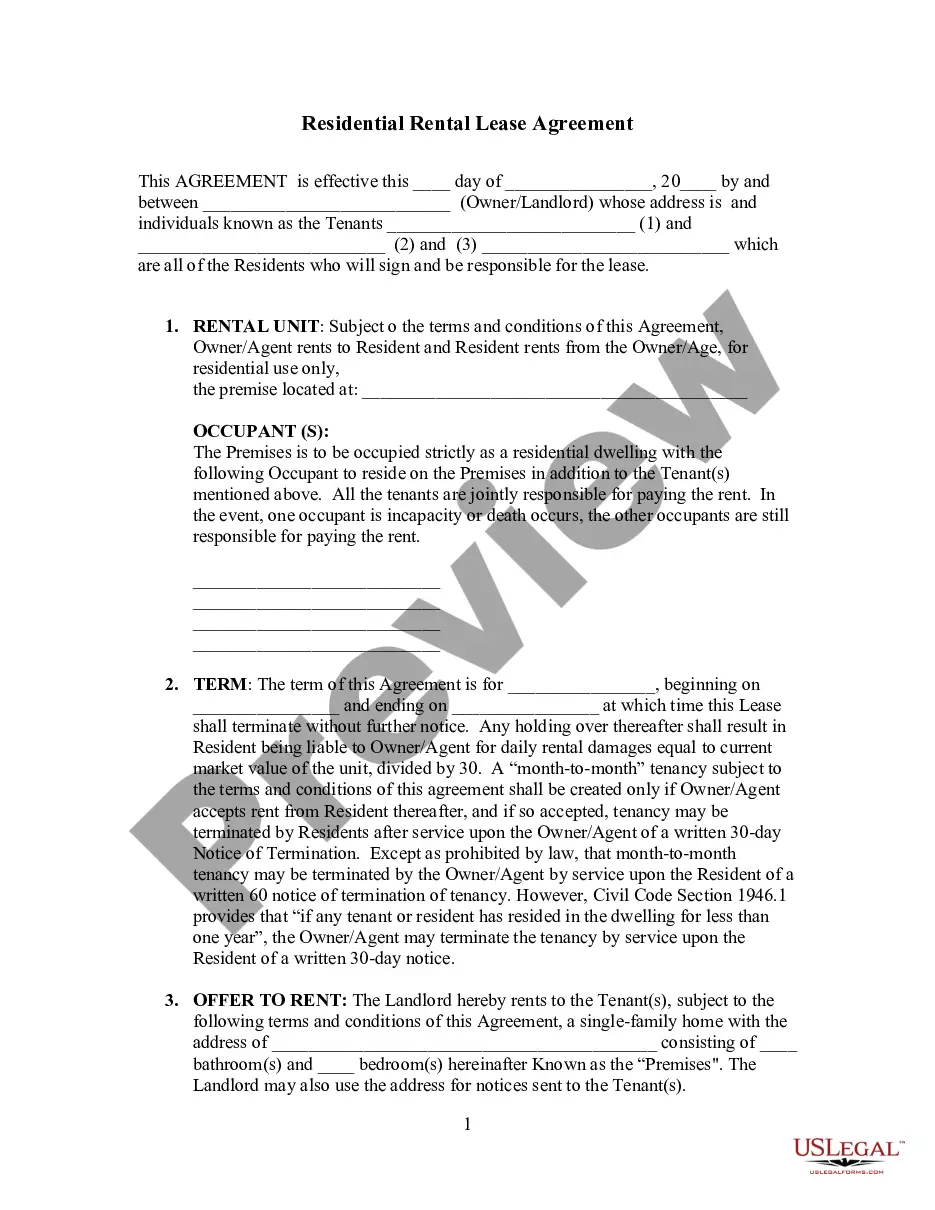
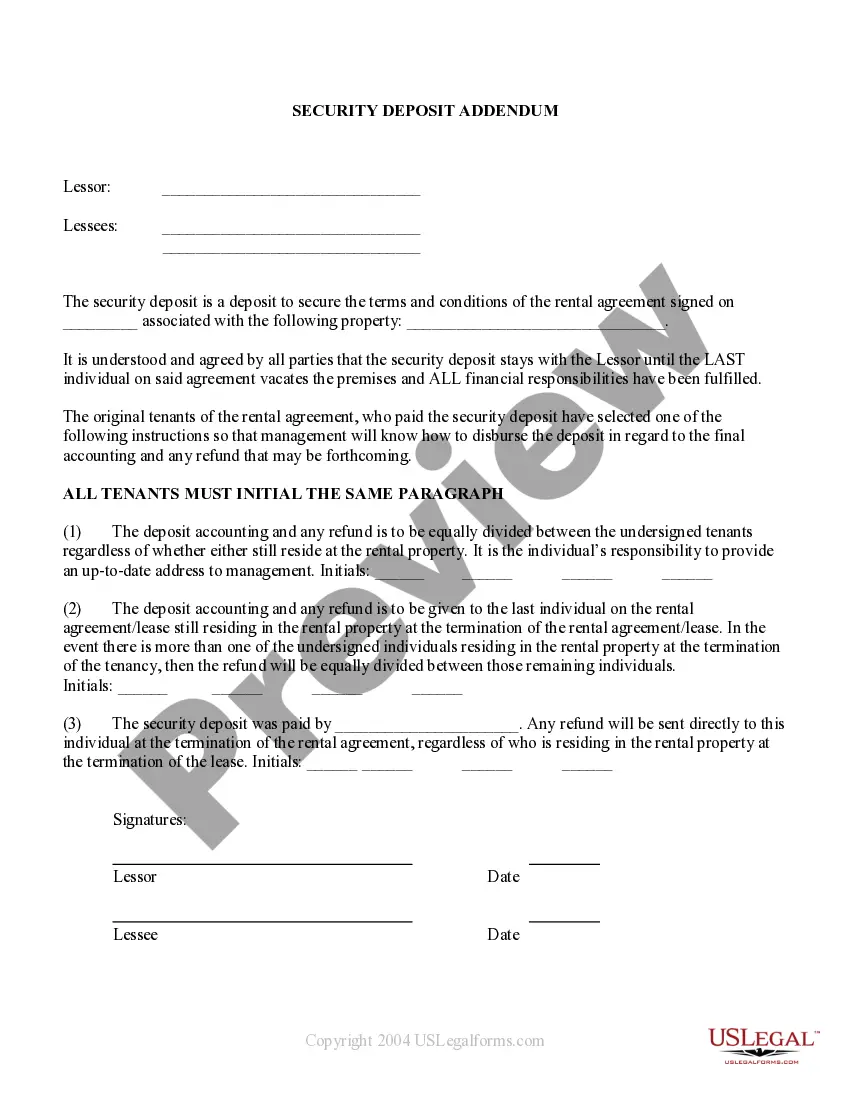
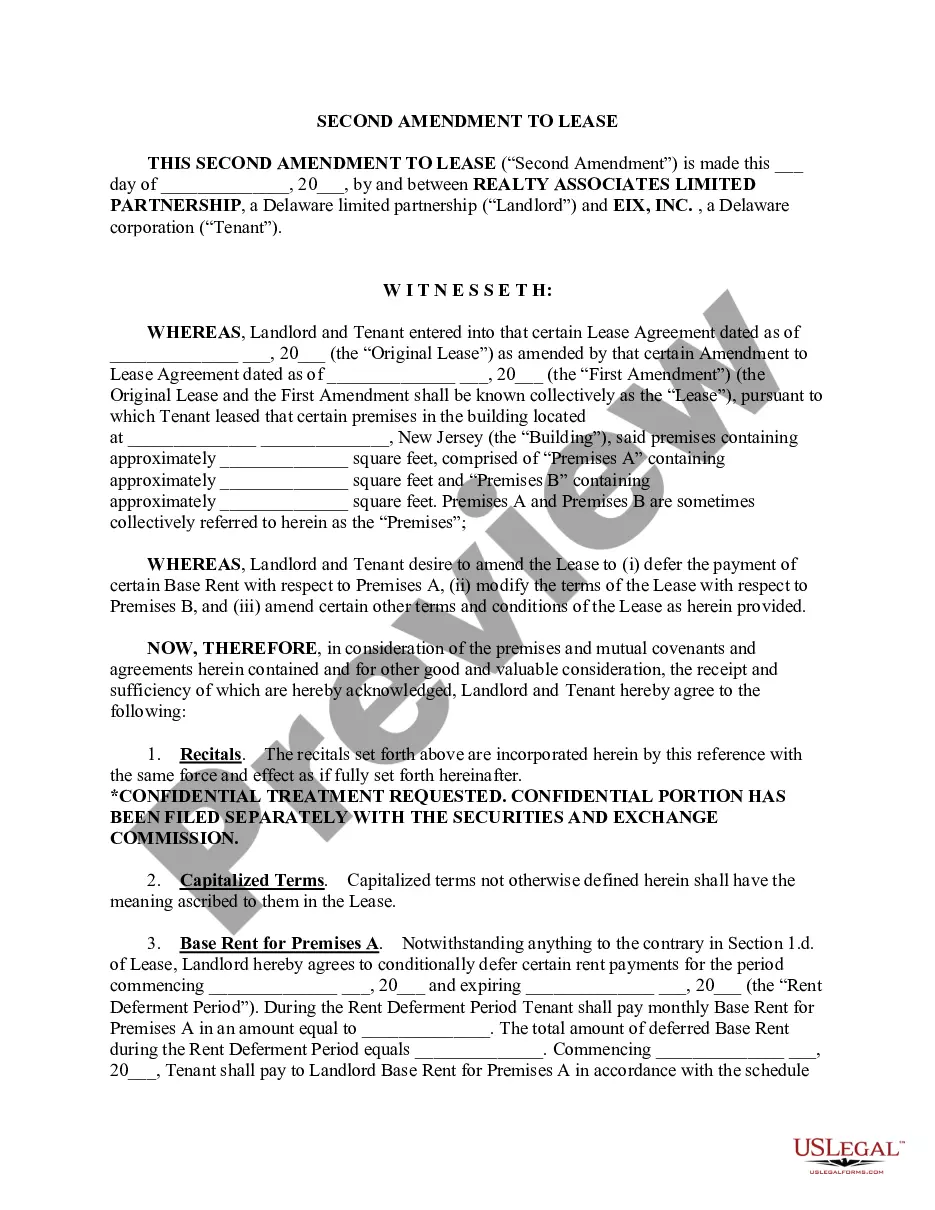
When to use this document
This form should be used when entering into a rental agreement for a single-family residence. It is particularly useful if you as a landlord need to outline your obligations to maintain the property, or if you are a tenant who wants to ensure that these responsibilities are clearly defined. Additionally, this form is relevant in cases where maintenance tasks are to be delegated to tenants by mutual agreement.
Who should use this form
- Landlords renting out a single-family residence.
- Tenants looking to clarify their rights and landlord responsibilities in a rental agreement.
- Property managers handling single-family homes seeking to ensure compliance with local housing laws.
- Real estate attorneys assisting clients in drafting property agreements.
How to prepare this document
- Identify the parties involved (landlord and tenant).
- Specify the details of the property being rented, including the address.
- Enter the date of the agreement and the duration of the lease.
- Outline specific responsibilities of the landlord concerning maintenance and repairs.
- Include any agreements on shifted duties where the tenant may assume certain responsibilities.
- Have both parties sign and date the agreement to validate the contract.
Notarization guidance
This form usually doesn’t need to be notarized. However, local laws or specific transactions may require it. Our online notarization service, powered by Notarize, lets you complete it remotely through a secure video session, available 24/7.
Get your form ready online
Our built-in tools help you complete, sign, share, and store your documents in one place.
Make edits, fill in missing information, and update formatting in US Legal Forms—just like you would in MS Word.
Download a copy, print it, send it by email, or mail it via USPS—whatever works best for your next step.
Sign and collect signatures with our SignNow integration. Send to multiple recipients, set reminders, and more. Go Premium to unlock E-Sign.
If this form requires notarization, complete it online through a secure video call—no need to meet a notary in person or wait for an appointment.
We protect your documents and personal data by following strict security and privacy standards.

Make edits, fill in missing information, and update formatting in US Legal Forms—just like you would in MS Word.

Download a copy, print it, send it by email, or mail it via USPS—whatever works best for your next step.

Sign and collect signatures with our SignNow integration. Send to multiple recipients, set reminders, and more. Go Premium to unlock E-Sign.

If this form requires notarization, complete it online through a secure video call—no need to meet a notary in person or wait for an appointment.

We protect your documents and personal data by following strict security and privacy standards.
Avoid these common issues
- Failing to clearly define the responsibilities of both landlord and tenant.
- Not providing complete property details or addresses.
- Omitting clauses about maintenance and repair obligations.
- Not having both parties sign the agreement, rendering it unenforceable.
Benefits of completing this form online
- Convenience of downloading and filling out forms from home.
- Editability allows for customization to fit specific situations.
- Access to forms drafted by licensed attorneys ensures legal accuracy.
- Time-saving compared to traditional methods of obtaining legal documents.
Quick recap
- The Single Family Residence Provisions form clarifies responsibilities between landlords and tenants.
- It is essential for maintaining compliance with state housing laws in Arizona.
- Properly completing the form protects the rights of both parties involved in the rental agreement.
- Ensuring clear documentation can prevent disputes throughout the rental period.
Looking for another form?
Form popularity
FAQ
Arizona features several zoning types, including residential, commercial, industrial, and agricultural categories. Each zoning type serves specific purposes and can affect property development and use. When considering Arizona Single Family Residence Provisions, understanding the complexities of these zoning classifications is crucial in making informed real estate decisions. Platforms like uslegalforms can provide valuable insights into zoning regulations to help navigate your choices.
C3 zoning in Arizona allows various commercial activities, including more intense uses than C-1 or C-2 zoning. This zoning encourages a mix of uses, accommodating larger businesses that significantly contribute to the local economy. As you explore Arizona Single Family Residence Provisions, keep in mind how C3 zoning impacts the real estate market in your desired area. This knowledge can enhance your evaluation of potential properties.
C3 zoning generally refers to a category that includes a broader range of commercial developments. This classification can support larger retail chains, entertainment complexes, and office buildings. It’s essential to consider Arizona Single Family Residence Provisions when evaluating how C3 zoning affects surrounding residential areas. Understanding these dynamics can lead to smarter investment choices in Arizona’s diverse property landscape.
R 3 zoning in Arizona permits multi-family residential buildings, such as apartments and townhouses. This type of zoning supports higher density living arrangements, aligning with urban development goals. Familiarizing yourself with Arizona Single Family Residence Provisions can help you navigate the implications of R 3 zoning if you're exploring residential property options. Keeping abreast of these classifications will assist you in choosing the right location for your needs.
2 zoning in Arizona is designed for commercial and retail uses. This zoning classification allows for a variety of businesses, including restaurants and retail stores, within defined areas. When considering Arizona Single Family Residence Provisions, it's important to note how 2 zoning can impact nearby residential areas and property values. Understanding local zoning regulations can help you make informed decisions about property investments.
While it is possible to own multiple properties in Arizona, you can only designate one as your primary residence for tax purposes. The state typically recognizes the property where you spend the most time as your primary residence. Understanding the Arizona Single Family Residence Provisions can help clarify how this designation affects your taxes.
Certain individuals may qualify for exemptions from Arizona state income tax, including some retired individuals and disabled veterans. Additionally, specific income types may also be exempt. Knowing the Arizona Single Family Residence Provisions can help you identify any potential tax advantages or exemptions related to your property.
To establish residency in Arizona for tax purposes, you must physically live in the state and demonstrate intent to stay. This can be achieved through obtaining an Arizona driver's license, registering to vote, and filing state taxes. Exploring the Arizona Single Family Residence Provisions will provide insights into how residency impacts your tax obligations.
Yes, non-residents must file an Arizona tax return if they earn income from an Arizona source. This includes rental income from properties located in the state. Understanding the implications of the Arizona Single Family Residence Provisions can clarify your tax liabilities as a non-resident.
Arizona Form 165 is filed by corporations that operate in Arizona and are subject to corporate income tax. This includes most entities that conduct business and earn income in Arizona. If you own a single-family residence, reviewing the Arizona Single Family Residence Provisions can help determine any tax benefits or responsibilities.