Arizona Sale or Return
What is this form?
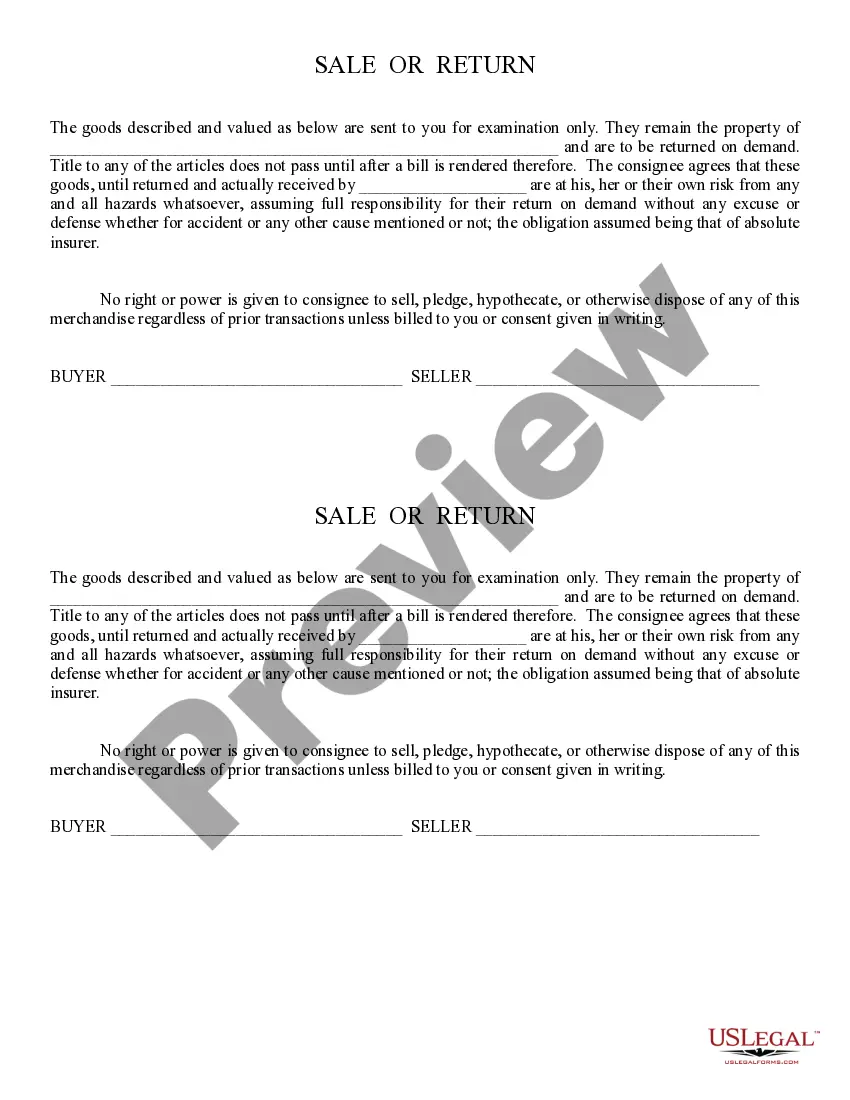
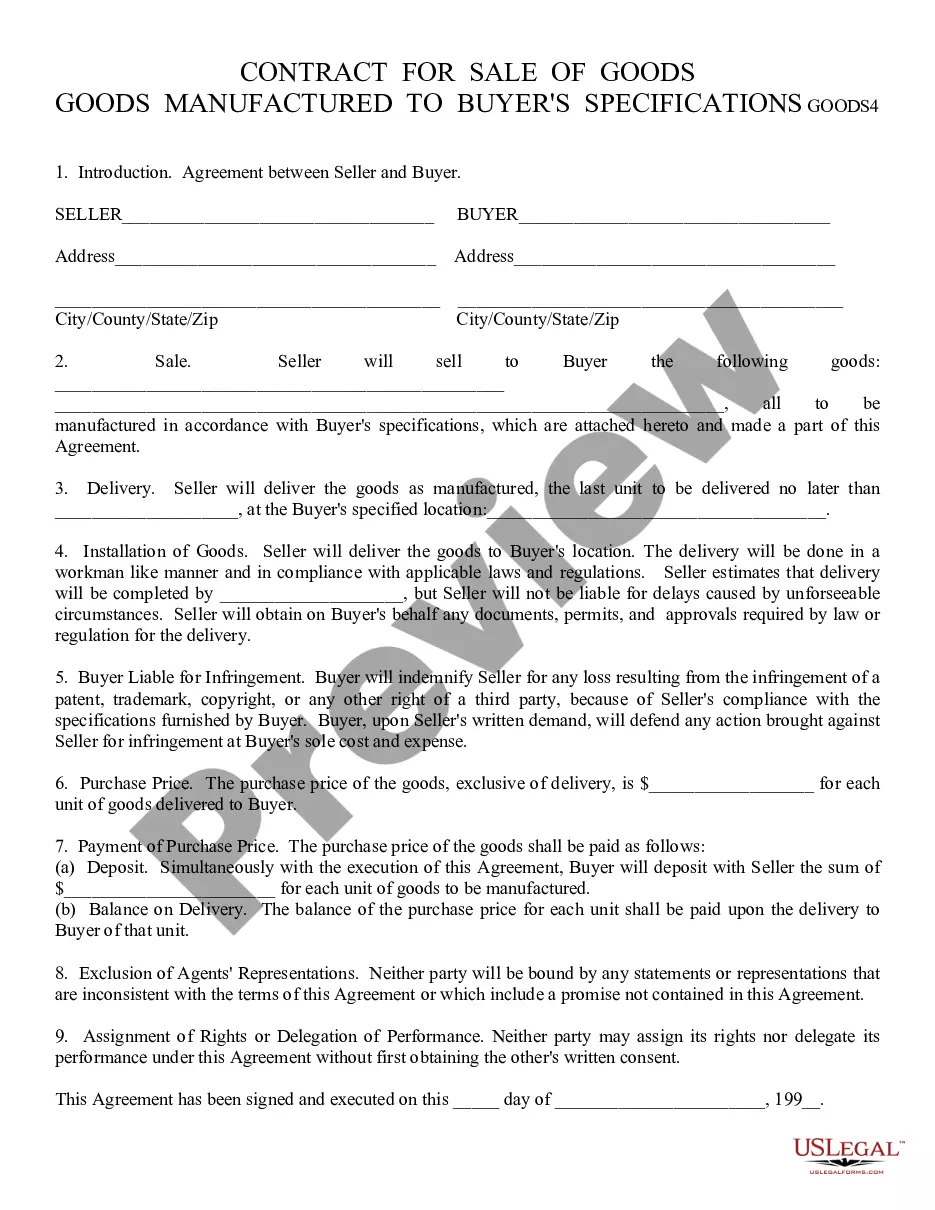
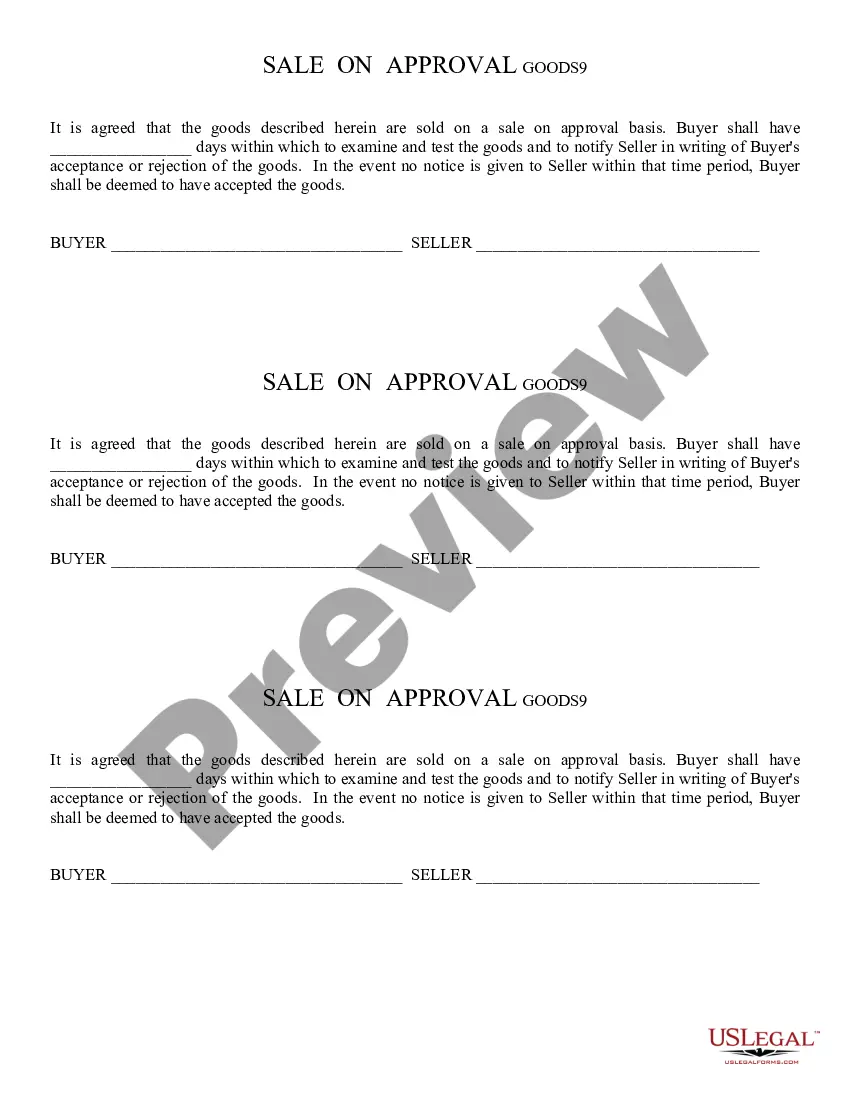
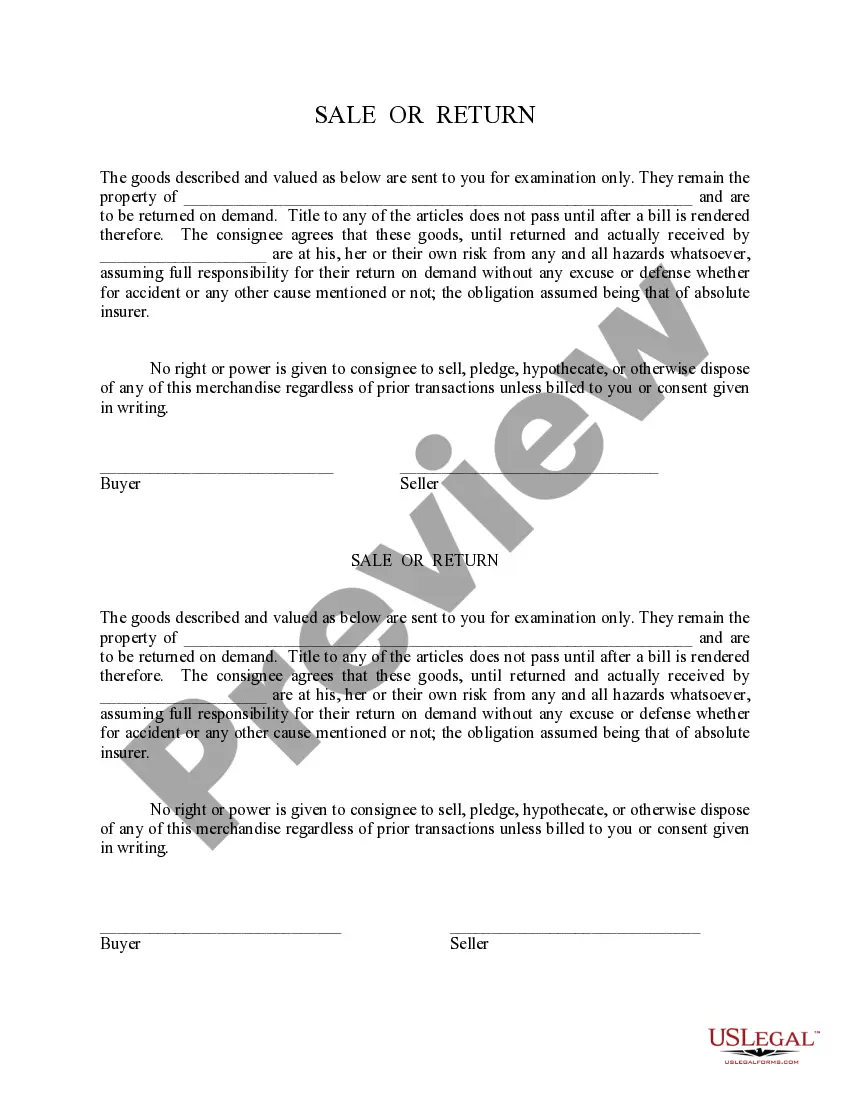
The Sale or Return form is a legal document that clarifies the terms under which goods are sent for examination. This form specifies that the goods remain the property of the seller until payment is made. Unlike a standard sales agreement, this document protects sellers by ensuring that the recipient holds the goods at their own risk and cannot sell or otherwise dispose of them without explicit consent.
Key parts of this document
- Identification of the goods sent for examination.
- Statement of property ownership, asserting the seller's ownership until payment is made.
- The consignee's responsibility for the goods while in their possession.
- Conditions under which the goods must be returned at the seller's demand.
- Agreement that the consignee cannot sell or otherwise dispose of the goods without permission.
When to use this document
This form is useful when a seller wants to provide goods to a buyer for examination without relinquishing ownership. It is particularly relevant in situations such as retail merchandise testing, sample goods provided to potential customers, or any scenario where the seller needs assurance that the buyer will not take ownership until payment is confirmed.
Who needs this form
- Retailers providing goods to customers for review.
- Wholesalers offering samples to potential buyers.
- Individuals or businesses wanting to ensure legal protections when sending goods for examination.
- Sellers who require documentation to uphold property rights until payment is secured.
How to complete this form
- Identify and describe the goods being sent.
- Enter the full name and contact information of the seller.
- Specify the recipient's name as the consignee.
- Clearly state the conditions for returning the goods.
- Both parties should sign and date the document to affirm agreement.
Does this document require notarization?
This form does not typically require notarization unless specified by local law. However, having it notarized can strengthen its enforceability.
Get your form ready online
Our built-in tools help you complete, sign, share, and store your documents in one place.
Make edits, fill in missing information, and update formatting in US Legal Forms—just like you would in MS Word.
Download a copy, print it, send it by email, or mail it via USPS—whatever works best for your next step.
Sign and collect signatures with our SignNow integration. Send to multiple recipients, set reminders, and more. Go Premium to unlock E-Sign.
If this form requires notarization, complete it online through a secure video call—no need to meet a notary in person or wait for an appointment.
We protect your documents and personal data by following strict security and privacy standards.

Make edits, fill in missing information, and update formatting in US Legal Forms—just like you would in MS Word.

Download a copy, print it, send it by email, or mail it via USPS—whatever works best for your next step.

Sign and collect signatures with our SignNow integration. Send to multiple recipients, set reminders, and more. Go Premium to unlock E-Sign.

If this form requires notarization, complete it online through a secure video call—no need to meet a notary in person or wait for an appointment.

We protect your documents and personal data by following strict security and privacy standards.
Common mistakes to avoid
- Failing to include a clear description of the goods.
- Not specifying the return conditions adequately.
- Omitting signatures from both parties, which may lead to enforceability issues.
Benefits of using this form online
- Convenient access from any device, allowing for easy downloading and printing.
- Editability enables users to customize the form to fit specific needs.
- Reliable templates drafted by licensed attorneys ensure legal compliance.
Looking for another form?
Form popularity
FAQ
To collect sales tax in Arizona, you must register with the Arizona Department of Revenue and obtain a Transaction Privilege Tax (TPT) license. Once registered, you can start applying the correct tax rate during transactions. For businesses handling Arizona Sale or Return situations, automated accounting solutions available on platforms like US Legal Forms can assist you in ensuring precise tax collection.
Sales tax nexus in Arizona refers to the level of connection a business has with the state, which determines whether it must collect sales tax. Having a physical presence, such as a store or warehouse, generally creates nexus. If you are involved in Arizona Sale or Return transactions, understanding your nexus is vital for appropriate tax compliance.
The Arizona sales tax rate is currently set at 5.6%. However, combined local taxes can raise the total rate to anywhere from 5.6% to over 10% depending on the locality. For an accurate assessment in an Arizona Sale or Return scenario, it's crucial to check the specific tax rate for your location.
Yes, if your business engages in sales in Arizona, you are required to file for sales tax. This applies regardless of your location, as the tax is based on the destination of the sale. Take the time to understand the sales tax filing requirements associated with Arizona Sale or Return activities, as non-compliance can result in fines. Utilizing resources like USLegalForms can simplify this process for you.
If you earn income from Arizona sources, you may need to file a tax return, regardless of your residency status. Filing is essential if you engaged in Arizona Sale or Return activities that generate taxable income. Staying compliant with Arizona tax requirements helps you avoid potential fines and ensures you meet your financial obligations. Consider using USLegalForms to streamline your filing process.
The difference lies in where the sale originates versus where the goods are delivered. Origin refers to the location of the seller, while destination refers to where the buyer receives the goods. In Arizona Sale or Return scenarios, understanding this distinction is vital because it influences sales tax applicability. This knowledge can help you make informed decisions when navigating your sales processes.
As a non-resident, you are generally required to file a tax return in Arizona if you have income sourced from the state. However, the specifics can vary based on your individual circumstances and the nature of your income. If you are unsure how your Arizona Sale or Return activities affect your tax obligations, consulting a tax professional can provide clarity and guidance.
The Arizona Department of Revenue plays a key role in determining sales tax rates and regulations. They establish guidelines that businesses must follow when collecting sales tax. If you are involved in Arizona Sale or Return activities, it is important to stay informed about any changes in tax legislation that may impact your transactions. Regularly checking their website can provide valuable updates.
In Arizona, sales tax is based on the destination of the sale. This means that the tax rate applied depends on where the buyer takes possession of the goods. Understanding this concept is crucial for accurate calculations, especially when considering Arizona Sale or Return transactions. Ensuring compliance with Arizona tax laws can help you avoid potential penalties.
To change your Arizona state tax withholding, submit a new Form A-4 to your employer. This form allows you to adjust the amount of state tax withheld from your paycheck. Making these changes timely can significantly affect your Arizona Sale or Return, helping you better manage your tax responsibilities.