Arizona Property Manager Agreement
Understanding this form
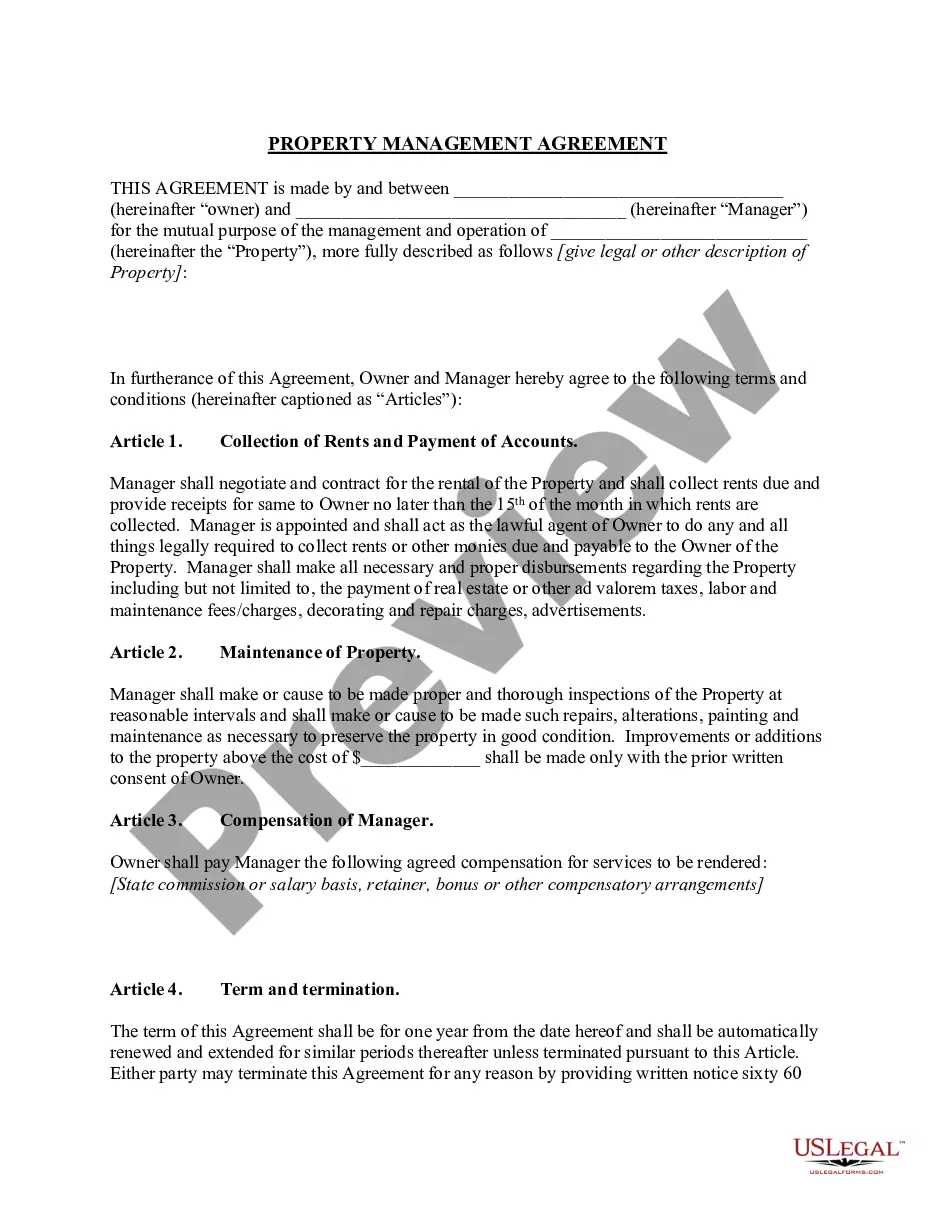
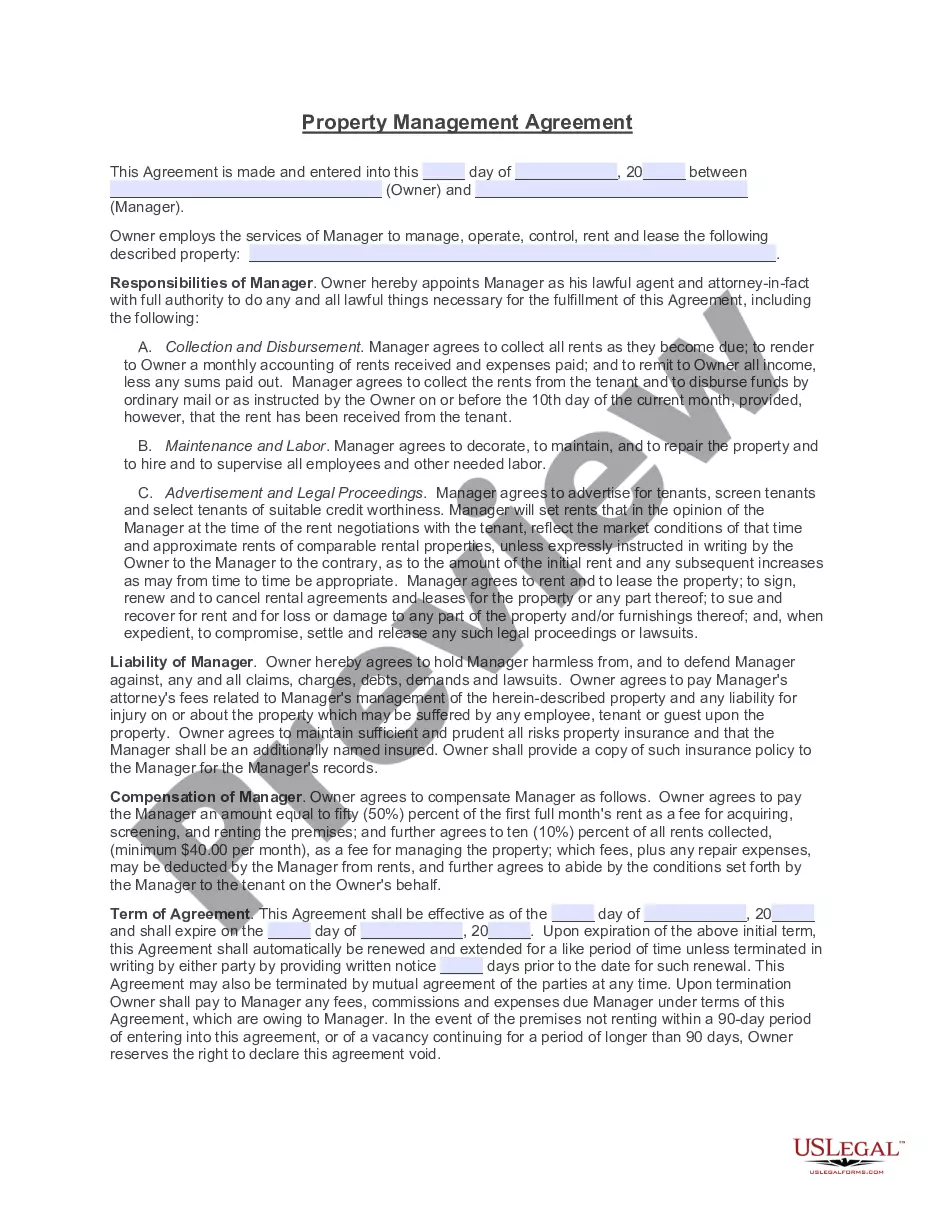
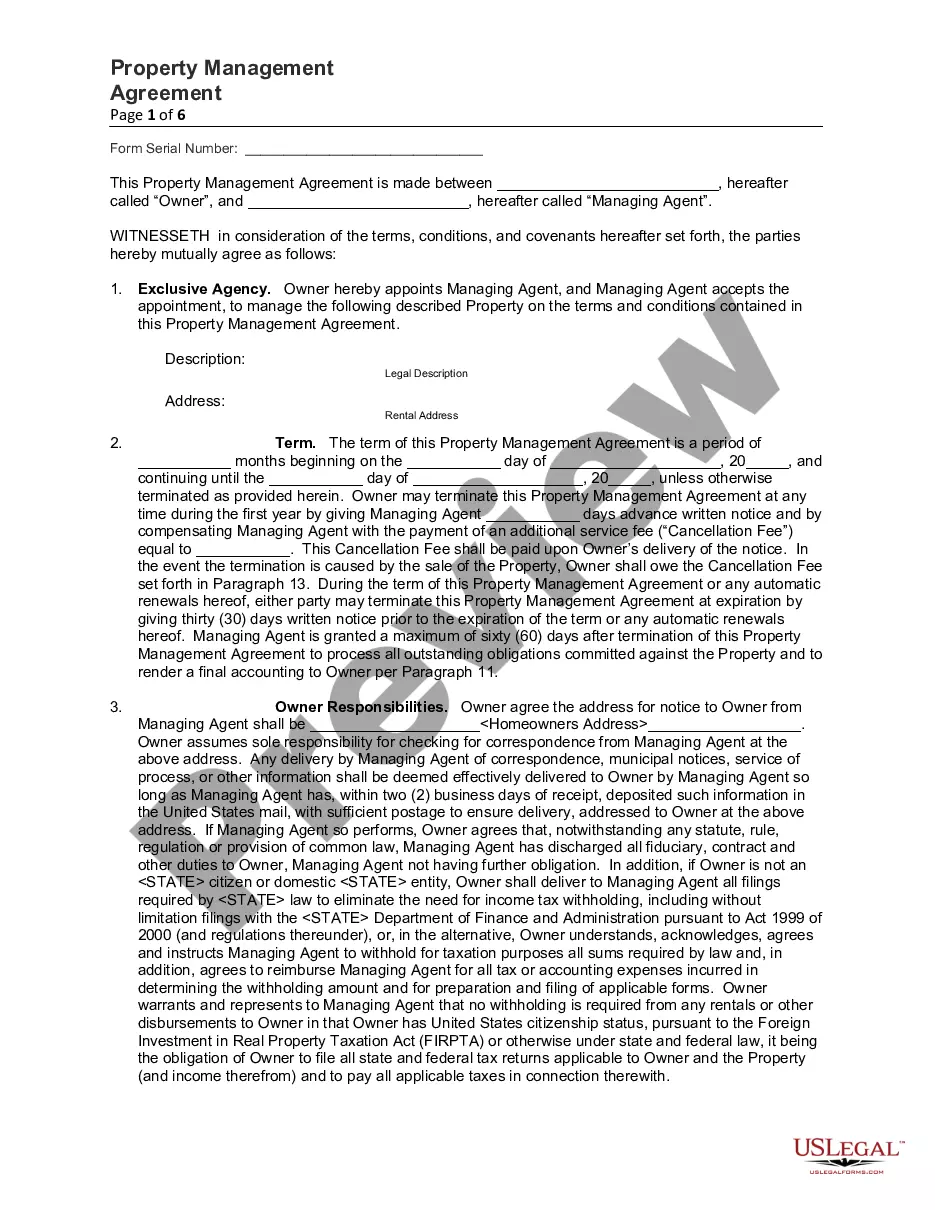
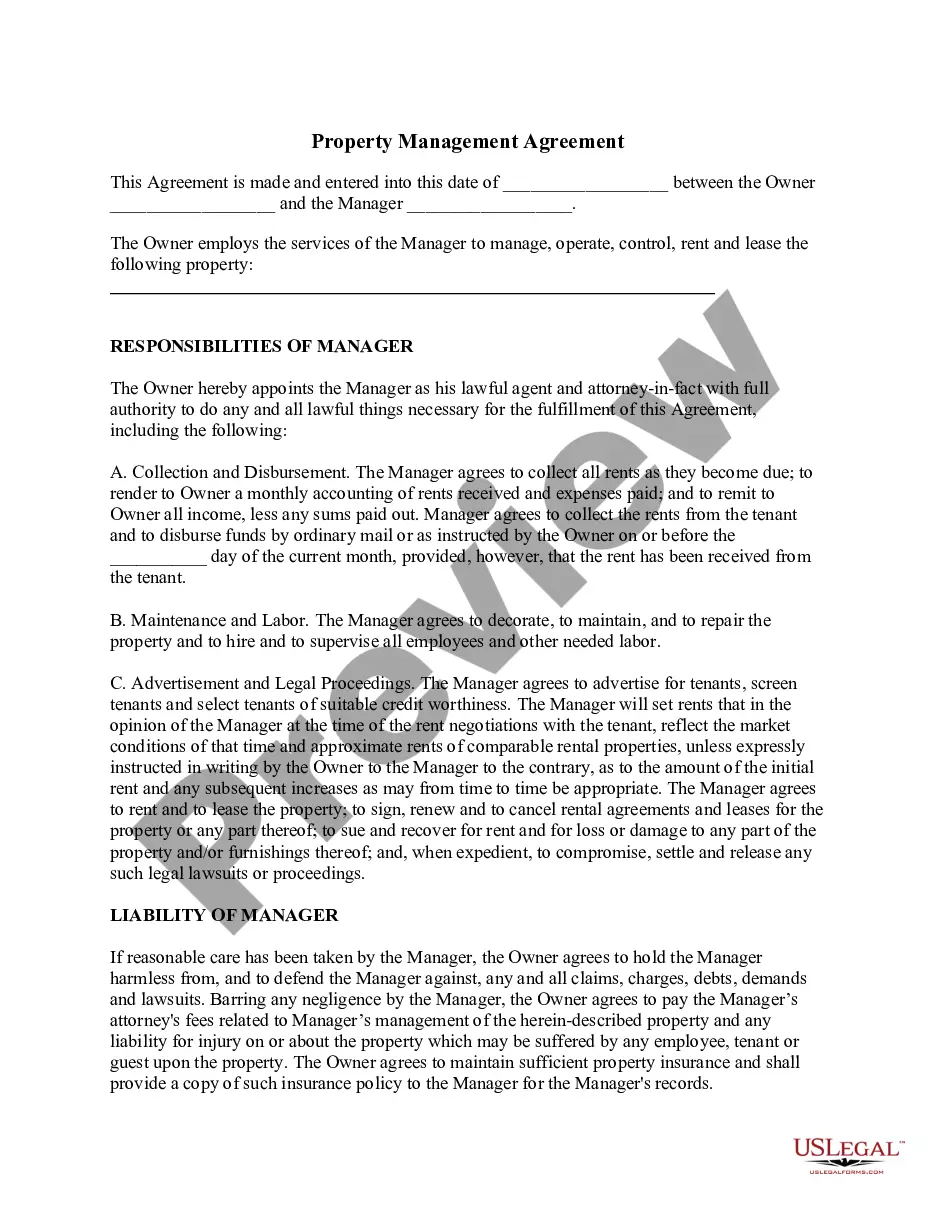
The Property Manager Agreement is an employment contract outlining the terms and conditions between a property owner and a property manager. This agreement ensures that both parties understand their responsibilities and duties concerning rental property management. Unlike other forms of lease or rental agreements, this document specifically focuses on the relationship between the owner and manager, addressing operational roles more directly.
Key components of this form
- Identification of the owner and manager
- Description of the property being managed
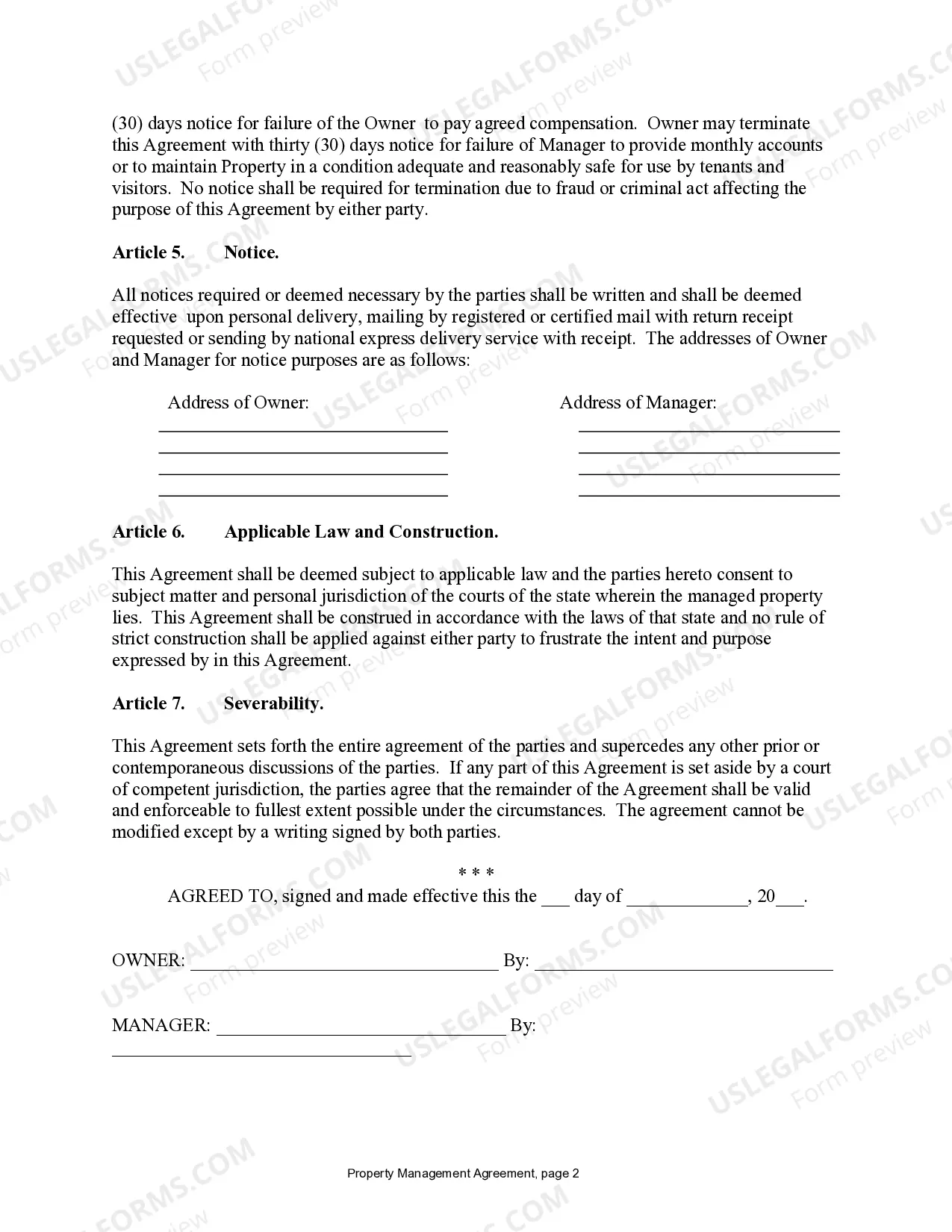
- Term of the agreement and renewal conditions
- Termination conditions and notice requirements
- Severability clause for enforceability
- Signatures of both parties to finalize the agreement
When this form is needed
This Property Manager Agreement should be used whenever a property owner hires a manager to oversee rental properties. It is ideal for landlords looking to formalize their arrangement with management professionals, especially in scenarios of multi-property management or specific operational requirements, ensuring clarity and legal protection for both parties.
Who this form is for
- Property owners seeking to hire a professional property manager
- Property managers who need a formal contract to outline their duties
- Real estate investors managing multiple rental properties
- Individuals with limited knowledge of property management contracts looking for a clear agreement
Instructions for completing this form
- Identify and enter the names of the parties involved: the owner and the property manager.
- Specify the property being managed in detail.
- Define the term of the agreement, including any renewal conditions.
- Outline termination notice periods for both parties.
- Each party must sign and date the agreement to make it legally binding.
Does this document require notarization?
Notarization is not commonly needed for this form. However, certain documents or local rules may make it necessary. Our notarization service, powered by Notarize, allows you to finalize it securely online anytime, day or night.
Get your form ready online
Our built-in tools help you complete, sign, share, and store your documents in one place.
Make edits, fill in missing information, and update formatting in US Legal Forms—just like you would in MS Word.
Download a copy, print it, send it by email, or mail it via USPS—whatever works best for your next step.
Sign and collect signatures with our SignNow integration. Send to multiple recipients, set reminders, and more. Go Premium to unlock E-Sign.
If this form requires notarization, complete it online through a secure video call—no need to meet a notary in person or wait for an appointment.
We protect your documents and personal data by following strict security and privacy standards.

Make edits, fill in missing information, and update formatting in US Legal Forms—just like you would in MS Word.

Download a copy, print it, send it by email, or mail it via USPS—whatever works best for your next step.

Sign and collect signatures with our SignNow integration. Send to multiple recipients, set reminders, and more. Go Premium to unlock E-Sign.

If this form requires notarization, complete it online through a secure video call—no need to meet a notary in person or wait for an appointment.

We protect your documents and personal data by following strict security and privacy standards.
Mistakes to watch out for
- Failing to provide clear descriptions of the property.
- Not specifying the term and renewal terms of the agreement.
- Overlooking notice periods required for termination.
- Not having both parties sign the document.
- Using vague language that may lead to misunderstandings.
Benefits of completing this form online
- Convenient access to a lawyer-drafted agreement anytime.
- Edit and customize the template easily to fit specific needs.
- Reliable format that complies with state laws.
- Instantly downloadable for immediate use.
What to keep in mind
- The Property Manager Agreement formalizes the relationship between the property owner and manager.
- It outlines essential terms, including responsibilities and termination rights.
- Using this form online provides convenience and customization options.
- Always ensure local law compliance when finalizing the agreement.
Looking for another form?
Form popularity
FAQ
Yes, a property manager can initiate the eviction process in Arizona under specific circumstances. The eviction must follow local laws and the terms outlined in the Arizona Property Manager Agreement. This includes providing proper notice and following legal procedures. If you need guidance, consider using US Legal Forms to access the appropriate documentation and ensure compliance with the law.
In Arizona, verbal rental agreements can be legally binding, but they come with significant risks. A clear Arizona Property Manager Agreement in writing offers stronger protection and outlines terms precisely. Without written documentation, misunderstandings can easily arise and lead to disputes. It is wise to use a formal agreement to ensure clarity and enforceability.
Yes, property managers in Arizona must hold a real estate license. The Arizona Property Manager Agreement outlines the requirements and responsibilities of licensed professionals. Ensuring that your property manager is licensed protects you and your property. If you need assistance, consider using US Legal Forms to find compliant agreements.
A management arrangement refers to the structured agreement between a property owner and a property manager outlining how the property will be managed. This arrangement details responsibilities, payment terms, and expectations to ensure both parties are aligned. Utilizing an Arizona Property Manager Agreement can help define these arrangements effectively, leading to a successful management experience.
A manager agreement is a contract that specifies the terms under which a property manager operates on behalf of a property owner. This agreement includes information on compensation, management duties, and the duration of the contract. Having a well-crafted Arizona Property Manager Agreement protects both the owner’s investment and the manager’s interests.
A CM agreement, or construction management agreement, outlines the responsibilities and duties of a construction manager in a property development project. It defines the scope of work, project timelines, and the budget. This agreement plays a crucial role in property management, ensuring all aspects of development are executed smoothly, similar to the clarity provided by an Arizona Property Manager Agreement.
The four main types of agreements in property management include exclusive right to lease, exclusive agency, open listing, and net lease agreements. Each type serves different needs, depending on how involved the property owner wants to be in managing the property. Understanding these agreements is essential for property owners entering into an Arizona Property Manager Agreement.
Yes, in Arizona, property managers must hold a real estate license or a property management license. This requirement ensures that property managers understand local regulations and can effectively manage properties. By securing a qualified property manager, property owners can protect their investments and comply with state laws.
An Arizona Property Manager Agreement should clearly outline the roles and responsibilities of both the property owner and the manager. Key components include management fees, payment terms, maintenance responsibilities, and lease enforcement procedures. Including these details helps ensure a smooth relationship and provides clarity for both parties.
In Arizona, you do not need a specific license to be a landlord, but compliance with local laws is crucial. It's important to understand the landlord-tenant laws governing rental agreements and property management. Creating an Arizona Property Manager Agreement can simplify the process by clearly defining the terms and conditions for your rental business. Consider consulting resources like US Legal Forms to ensure you have the necessary documentation to protect your interests as a landlord.