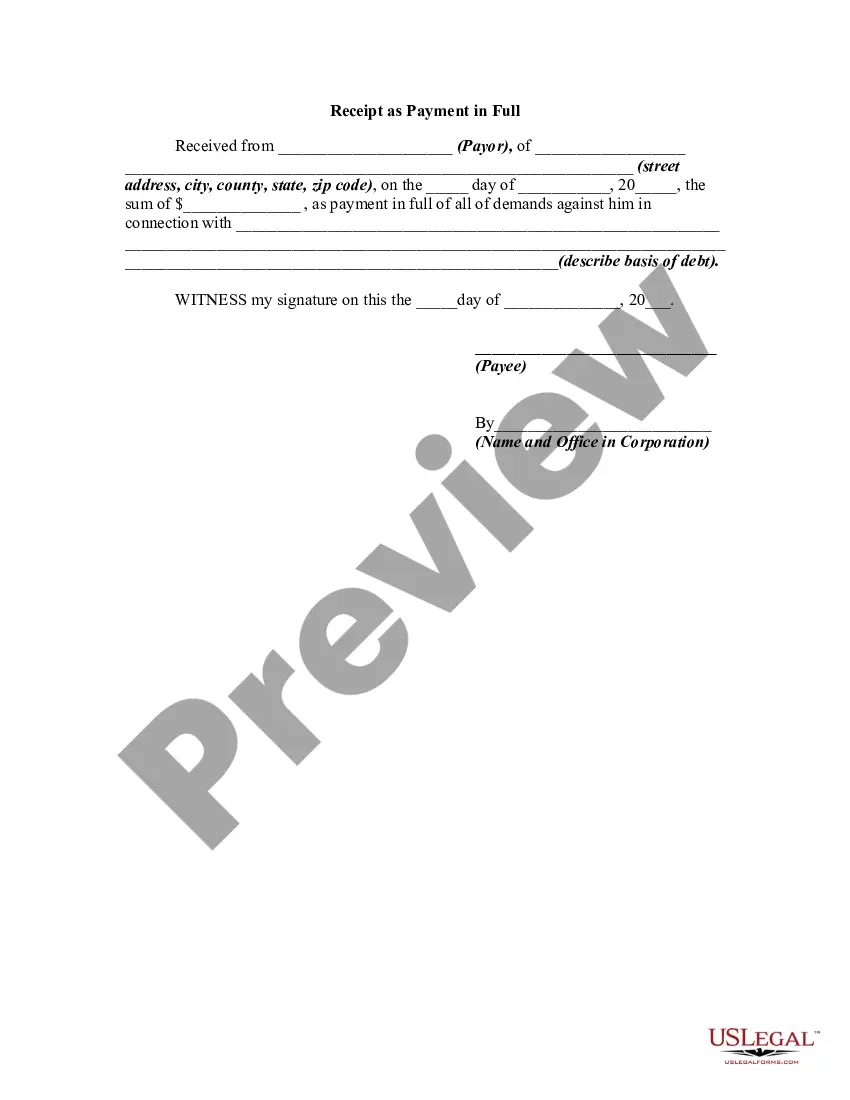
Arkansas Receipt as Payment in Full
Description
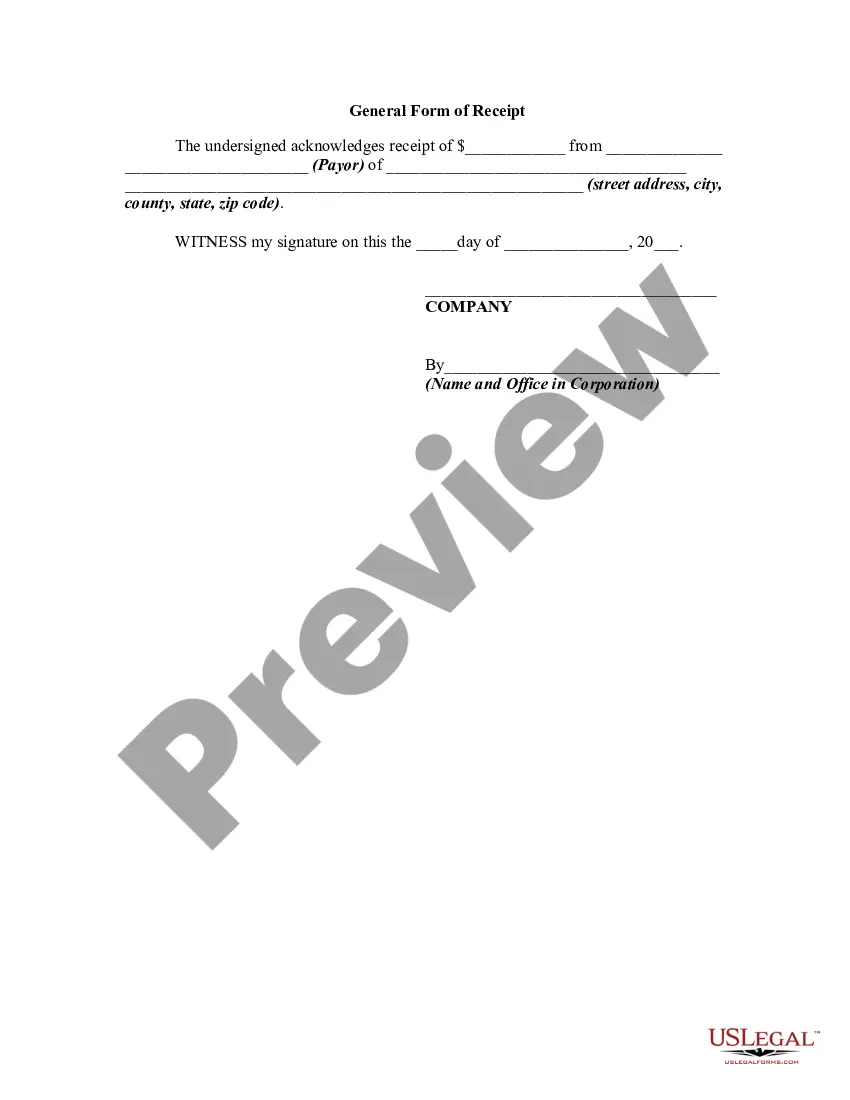
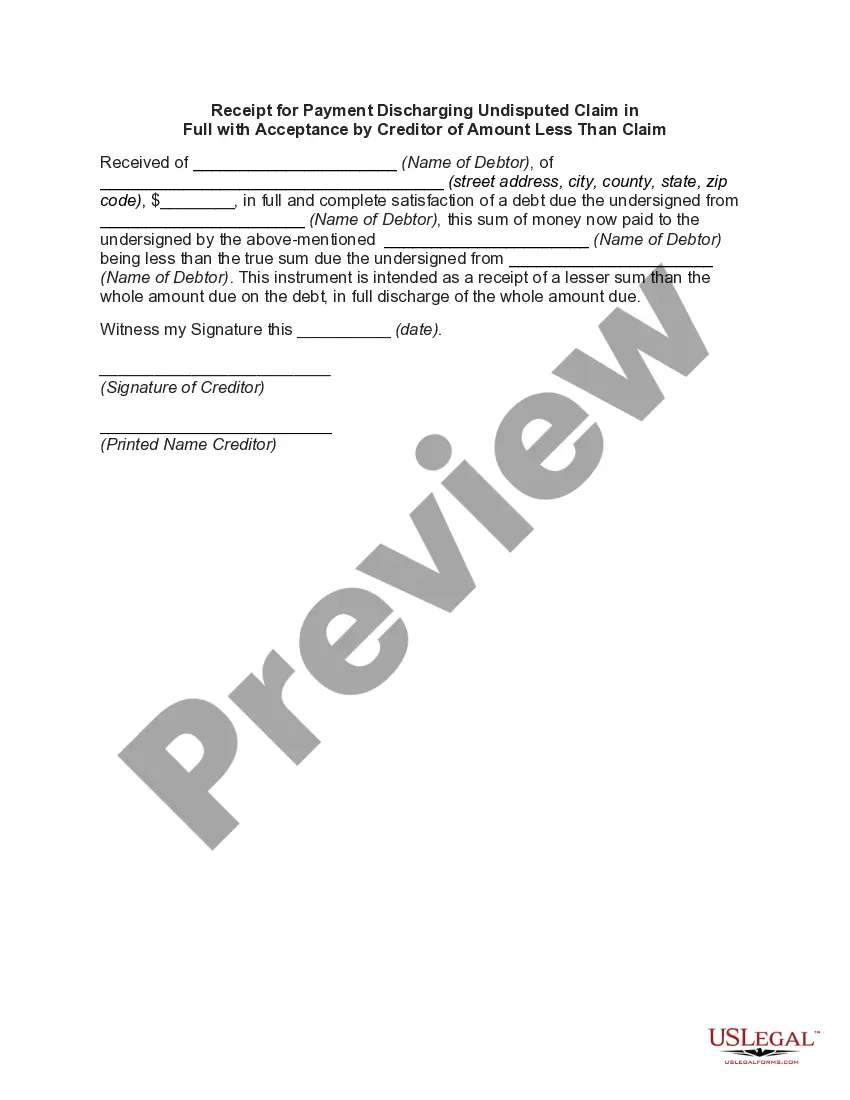
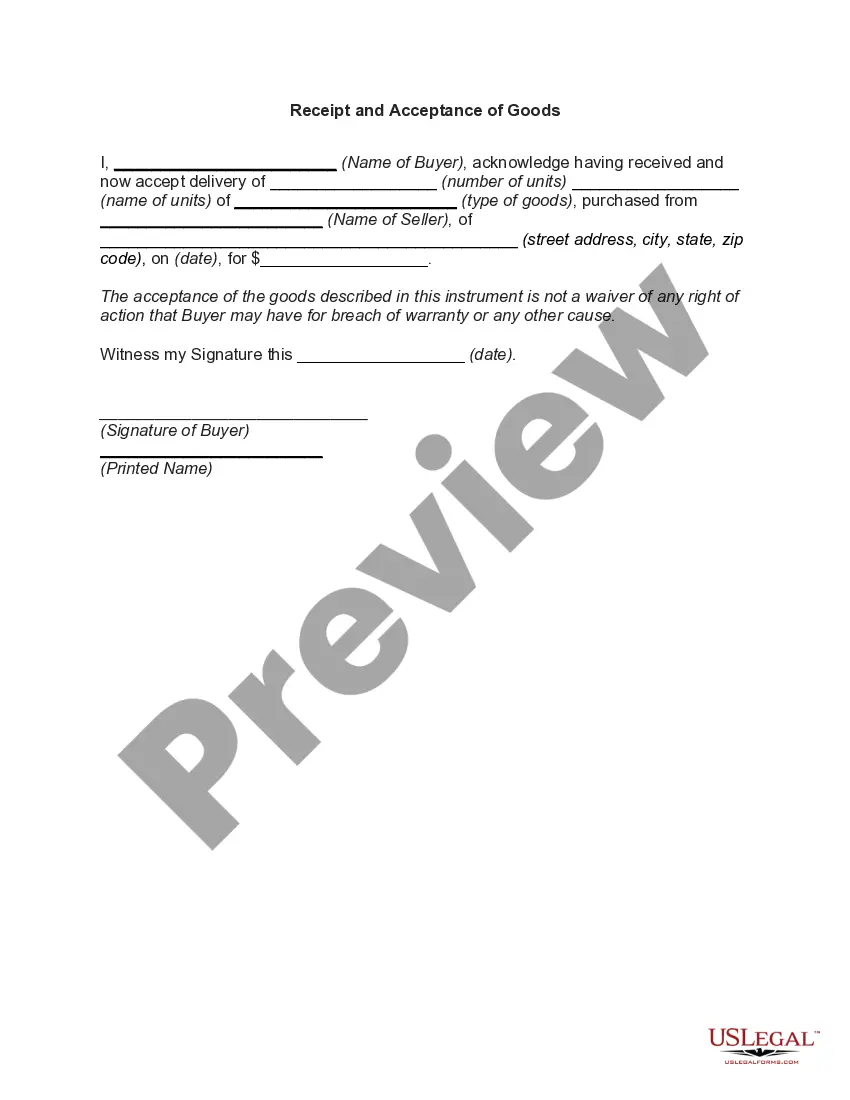
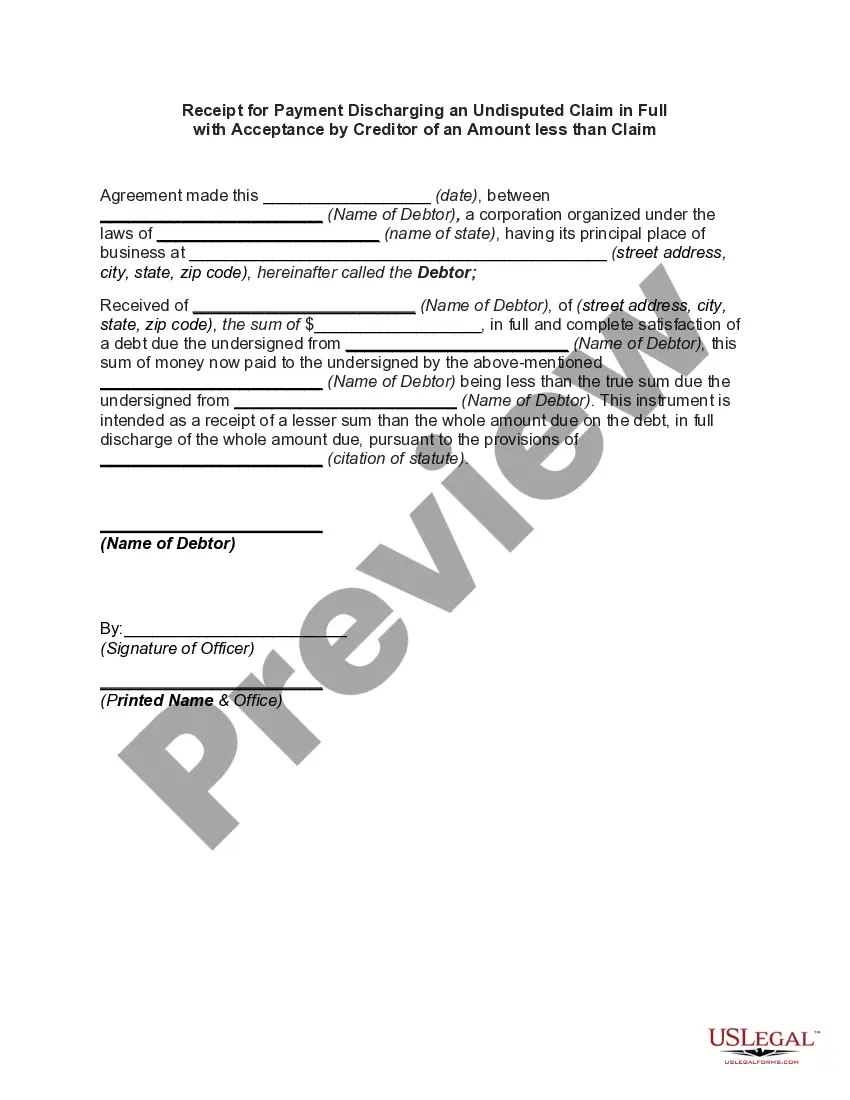
Get your form ready online
Our built-in tools help you complete, sign, share, and store your documents in one place.
Make edits, fill in missing information, and update formatting in US Legal Forms—just like you would in MS Word.
Download a copy, print it, send it by email, or mail it via USPS—whatever works best for your next step.
Sign and collect signatures with our SignNow integration. Send to multiple recipients, set reminders, and more. Go Premium to unlock E-Sign.
If this form requires notarization, complete it online through a secure video call—no need to meet a notary in person or wait for an appointment.
We protect your documents and personal data by following strict security and privacy standards.

Make edits, fill in missing information, and update formatting in US Legal Forms—just like you would in MS Word.

Download a copy, print it, send it by email, or mail it via USPS—whatever works best for your next step.

Sign and collect signatures with our SignNow integration. Send to multiple recipients, set reminders, and more. Go Premium to unlock E-Sign.

If this form requires notarization, complete it online through a secure video call—no need to meet a notary in person or wait for an appointment.

We protect your documents and personal data by following strict security and privacy standards.
Looking for another form?


How to fill out Receipt As Payment In Full?
You can dedicate hours on the web trying to locate the authentic document template that fulfills the state and federal criteria you need.
US Legal Forms offers thousands of authentic forms that can be reviewed by experts.
You can download or print the Arkansas Receipt as Payment in Full from the platform.
If available, use the Review button to search through the document template as well. If you wish to discover another version of the form, utilize the Search area to find the template that meets your needs and requirements.
- If you already have a US Legal Forms account, you can Log In and select the Download button.
- Subsequently, you can complete, modify, print, or sign the Arkansas Receipt as Payment in Full.
- Each legal document template you acquire is yours permanently.
- To obtain another copy of the downloaded form, visit the My documents section and click the relevant button.
- If you are using the US Legal Forms website for the first time, follow the simple instructions below.
- First, ensure that you have selected the correct document template for the state/city you choose.
- Review the form description to confirm you have selected the correct form.
Form popularity
FAQ
Paying owed taxes late in Arkansas results in penalties that taxpayers should avoid. You will incur a 10% penalty on the unpaid tax, along with interest that compounds monthly. Prompt payment is essential to prevent additional financial strain. The Arkansas Receipt as Payment in Full can serve as a useful tool when you need clarity on tax payments and deadlines.
Filing sales tax late in Arkansas comes with penalties that can impact your finances. Specifically, the state charges a penalty of 5% on the unpaid tax if you file late, which can increase with each month the tax remains unpaid. Late filings often attract interest charges as well. Using Arkansas Receipt as Payment in Full ensures that your filings remain on track, minimizing potential fees.
Nexus rules in Arkansas determine the connection a business has with the state. If you have a physical presence, including offices or employees in Arkansas, you establish nexus and must collect sales tax. Additionally, economic nexus applies to businesses making a certain level of sales in the state. Knowing about Arkansas Receipt as Payment in Full can help ensure your business complies without risking penalties.
In Arkansas, paying sales tax late can result in significant penalties. The state imposes a penalty of 10% of the unpaid tax amount, along with interest that accrues each month until the payment is made. Timely payments are crucial, as a delay can complicate your tax situation. Understanding the rules surrounding Arkansas Receipt as Payment in Full can help you manage and settle your tax obligations efficiently.
Yes, Arkansas does require estimated tax payments if you expect to owe tax of $1,000 or more when you file your return. You must make these payments on time to avoid penalties. Utilizing tools like US Legal Forms can help ensure that you meet all your tax obligations and keep accurate records, including an Arkansas Receipt as Payment in Full for your estimated payments.
To set up a payment plan for your Arkansas state taxes, visit the Arkansas Department of Finance and Administration website. You'll find clear guidelines that show you how to apply for a payment plan. Make sure you provide accurate information about your financial situation. This effort will help you receive an Arkansas Receipt as Payment in Full once your plan is in place.
Yes, Arkansas has a gross receipts tax that applies to various businesses and services. This tax is imposed on the total income generated by a business, before any deductions are made. When handling financial transactions, understanding the implications of the Arkansas Receipt as Payment in Full is crucial for business compliance. For more precise guidance on tax obligations in Arkansas, consider using resources like USLegalForms, which can provide necessary documentation and insights.
To make a tax payment in Arkansas, you can use various methods including online payments, by mail, or in person at designated locations. It's essential to keep records of your payments, and obtaining an Arkansas Receipt as Payment in Full is advisable to maintain clear documentation. This receipt will help you track your payments and ensure all transactions are accounted for.
To write a receipt for payment in full, start by clearly stating that the payment is for a specific transaction. Include the date, the amount received, and the name of the payer. Furthermore, add a note stating that this receipt serves as an Arkansas Receipt as Payment in Full. This documentation provides assurance for both parties regarding the completion of the transaction.