Arkansas Oil and Gas Acknowledgment
Overview of this form
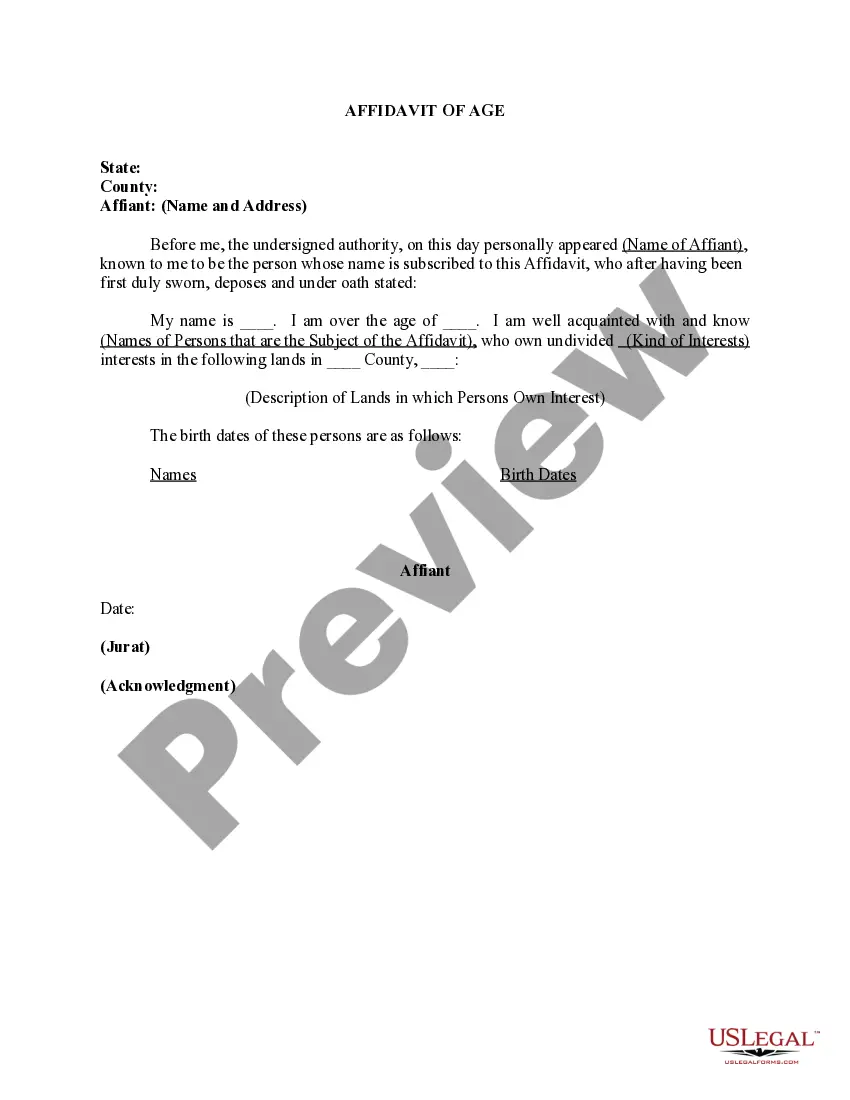
The Arkansas Oil and Gas Acknowledgment form is a legal document required to authenticate the signatures of parties involved in transactions related to oil and gas interests. This form serves to validate that the individual signing has done so voluntarily and is crucial in ensuring that the document can be recorded and enforced in relation to real property interests. Unlike other acknowledgments, this form specifically pertains to the context of oil and gas agreements, which may have unique local requirements and implications.
Main sections of this form
- Identification of the state and county where the acknowledgment takes place.
- Date of the acknowledgment.
- Signature of the notary public, along with their official seal.
- Printed name of the notary and the expiration date of their commission.
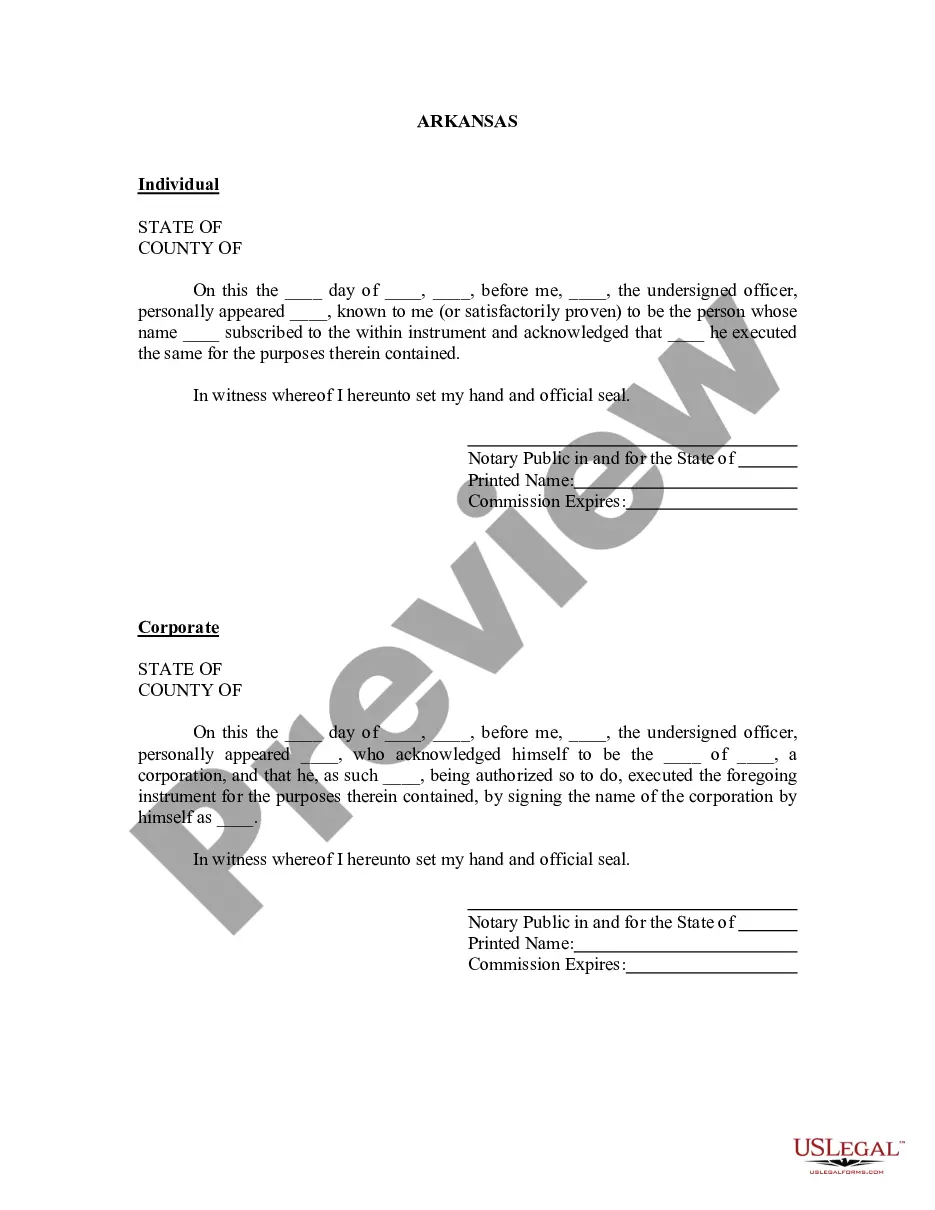
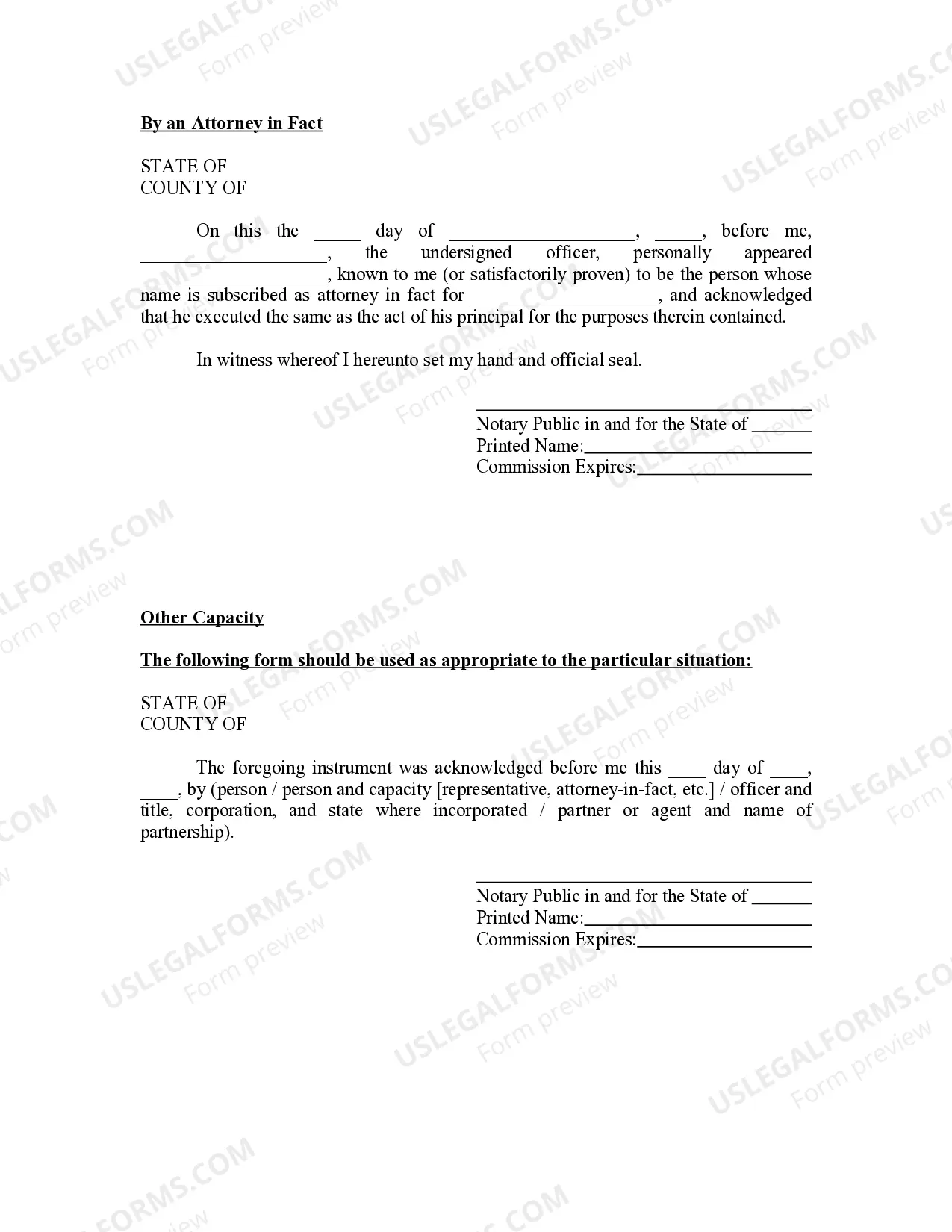
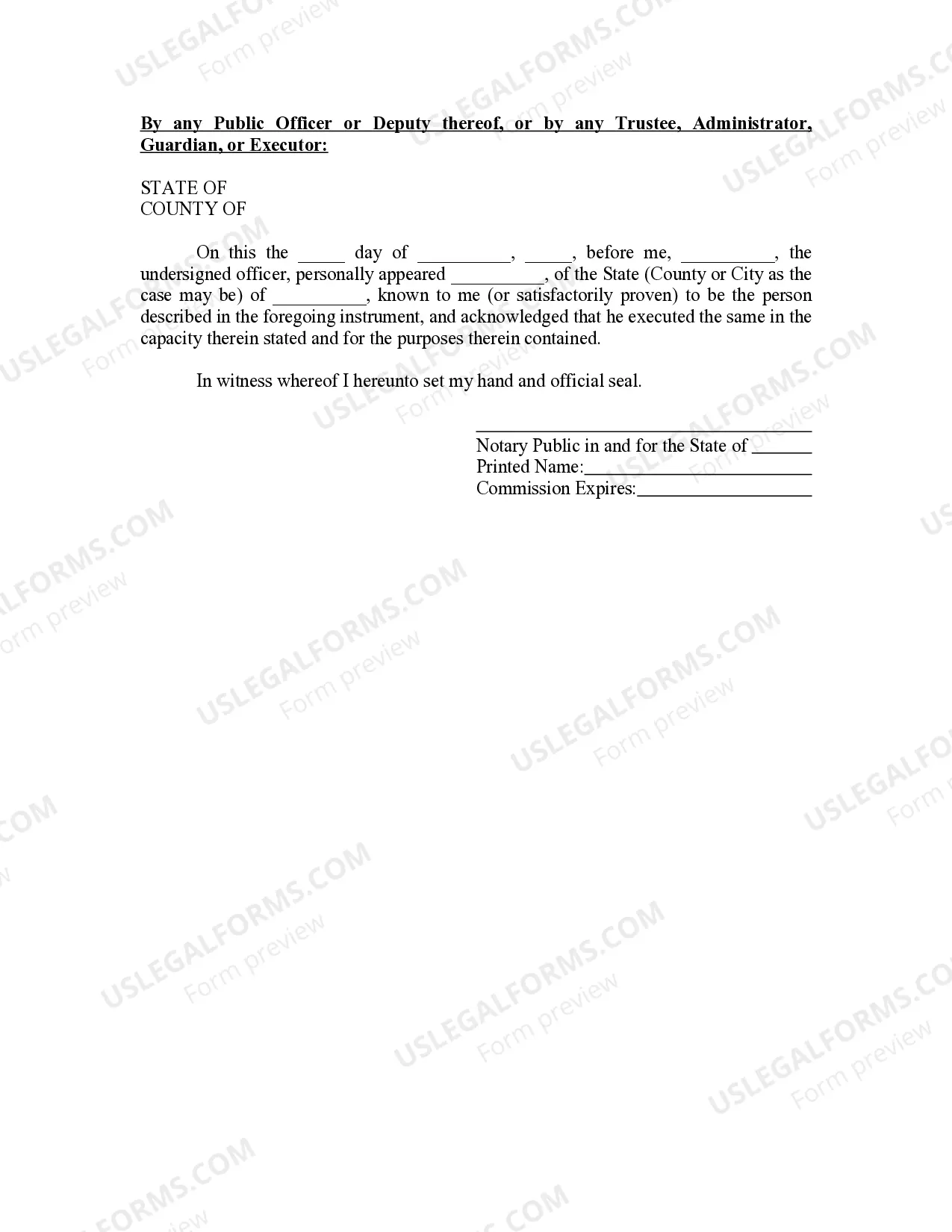
- Sections for individual, corporate, attorney-in-fact, and public officer acknowledgments.
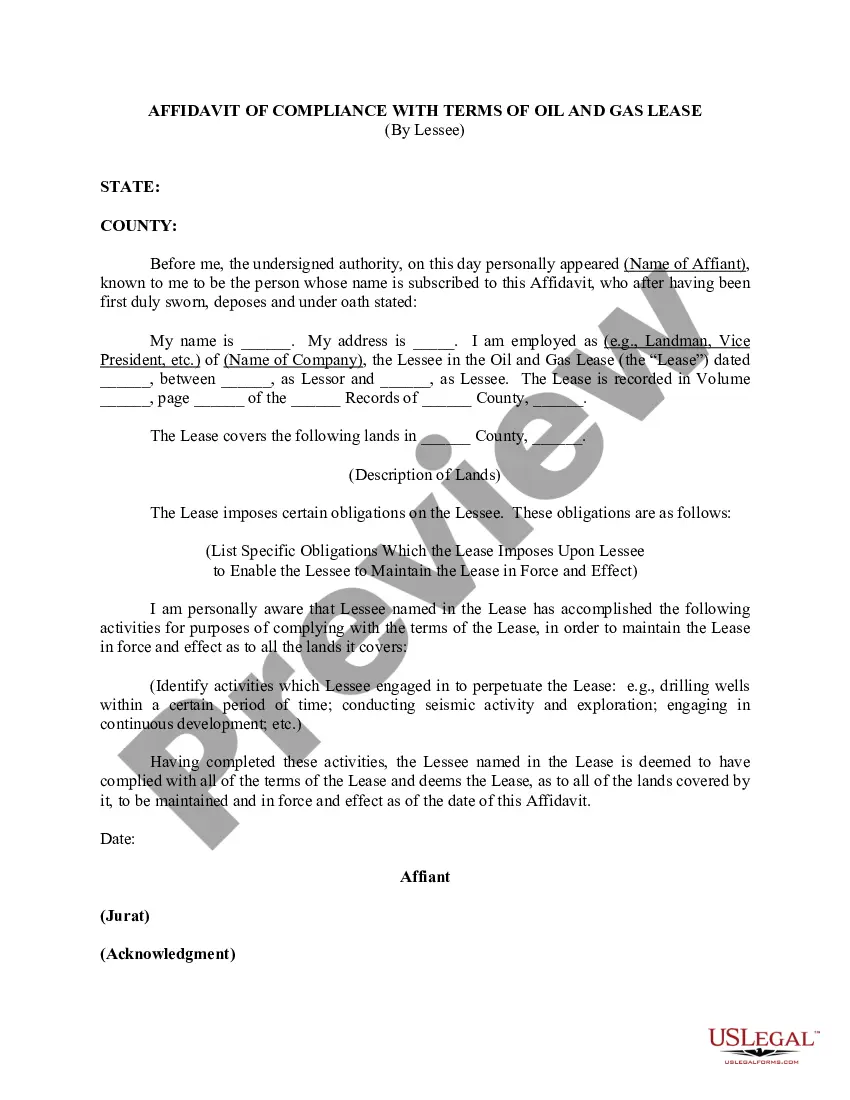
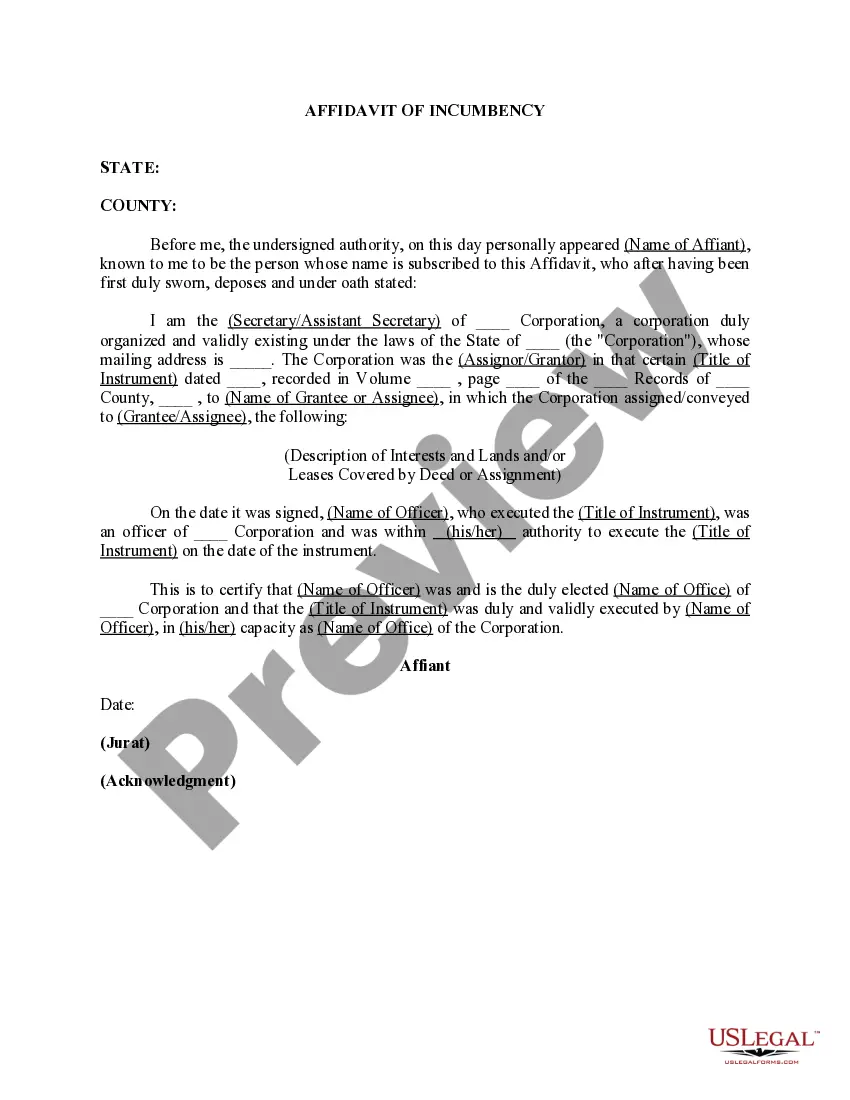
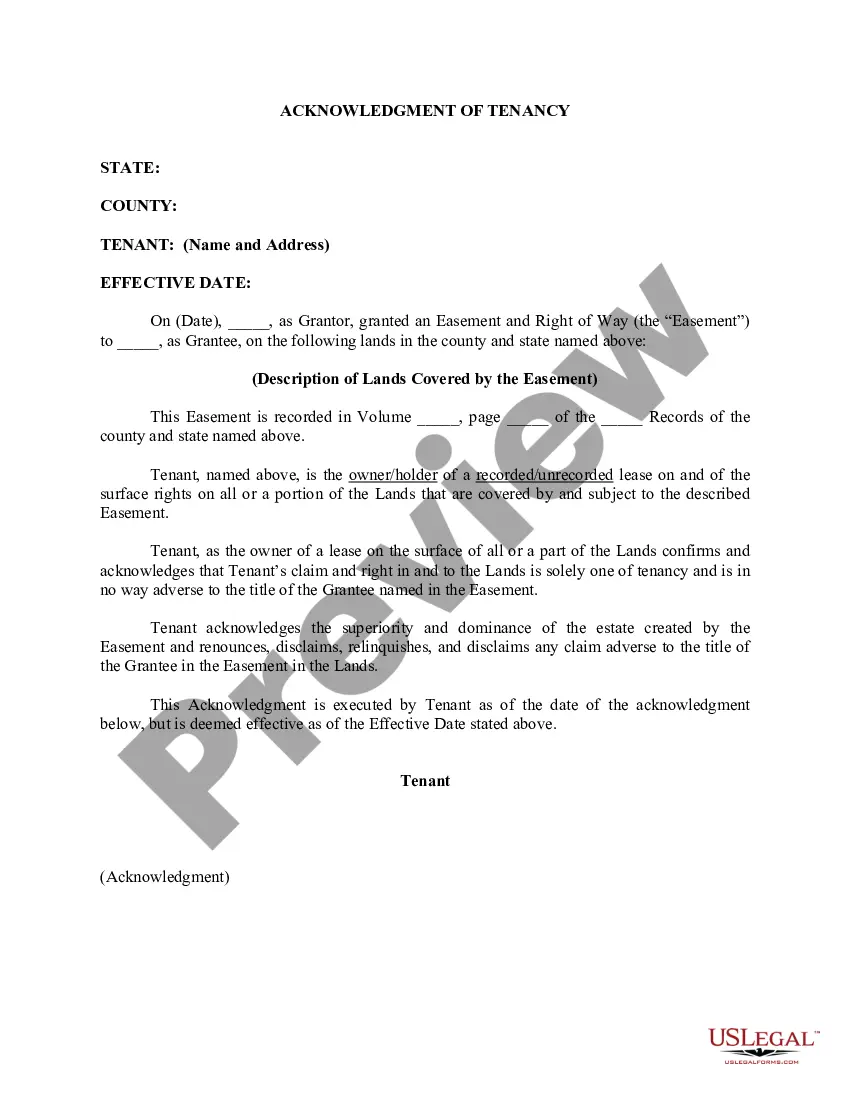
Common use cases
This form should be used when a party needs to acknowledge their signature on a legal instrument that involves oil and gas rights. It is particularly important when the instrument will be recorded with the county, such as deeds or leases affecting real property. Use this form to ensure legal recognition of agreements and to facilitate the transfer or use of property interests in the oil and gas sector.
Who can use this document
- Individuals signing contracts related to oil and gas transactions.
- Corporate representatives executing agreements on behalf of oil and gas companies.
- Attorneys acting on behalf of clients in oil and gas matters.
- Public officers, such as notaries and other officials, executing acknowledgments for legal documents.
Steps to complete this form
- Fill in the date of the acknowledgment.
- Identify the parties involved and their respective capacities (individual, corporate, etc.).
- Ensure that a notary public is present to witness the signing.
- Include the location details (state and county) where the acknowledgment occurs.
- Have the notary sign the document and affix their official seal.
Does this form need to be notarized?
Notarization is required for this form to take effect. Our online notarization service, powered by Notarize, lets you verify and sign documents remotely through an encrypted video session, available 24/7.
Get your form ready online
Our built-in tools help you complete, sign, share, and store your documents in one place.
Make edits, fill in missing information, and update formatting in US Legal Forms—just like you would in MS Word.
Download a copy, print it, send it by email, or mail it via USPS—whatever works best for your next step.
Sign and collect signatures with our SignNow integration. Send to multiple recipients, set reminders, and more. Go Premium to unlock E-Sign.
If this form requires notarization, complete it online through a secure video call—no need to meet a notary in person or wait for an appointment.
We protect your documents and personal data by following strict security and privacy standards.

Make edits, fill in missing information, and update formatting in US Legal Forms—just like you would in MS Word.

Download a copy, print it, send it by email, or mail it via USPS—whatever works best for your next step.

Sign and collect signatures with our SignNow integration. Send to multiple recipients, set reminders, and more. Go Premium to unlock E-Sign.

If this form requires notarization, complete it online through a secure video call—no need to meet a notary in person or wait for an appointment.

We protect your documents and personal data by following strict security and privacy standards.
Typical mistakes to avoid
- Failing to have the document signed in the presence of a notary.
- Not providing complete identification details of the parties involved.
- Omitting the date of acknowledgment or not completing it accurately.
Advantages of online completion
- Convenient access to legal documents from any location.
- Immediate download allows for quick completion and use.
- Editability of the forms ensures accuracy and compliance with legal standards.
- Secure and reliable process for documenting important transactions.
What to keep in mind
- The Arkansas Oil and Gas Acknowledgment is essential for validating signatures on documents related to oil and gas interests.
- A notary public must witness and authenticate signatures for the form to be valid.
- Proper completion of the form ensures legal recognition and enforceability of oil and gas agreements in Arkansas.
Looking for another form?


Form popularity
FAQ
Natural gas in Arkansas is provided by several utility companies, including Entergy Arkansas and CenterPoint Energy. These companies distribute gas throughout the state, playing a vital role in powering homes and businesses. The Arkansas Oil and Gas Acknowledgment is an invaluable resource for understanding gas distribution rights and regulations in the state.
The royalty rate for lithium in Arkansas typically aligns with national standards, ranging from 5% to 10%. The specific rate may be influenced by the unique characteristics of the mineral lease negotiated between landowners and mining companies. Leveraging the Arkansas Oil and Gas Acknowledgment ensures that landowners understand their rights and obligations regarding these royalties.
Yes, Arkansas hosts significant lithium deposits, particularly in areas like the Smackover Formation. The discovery of these deposits has gained attention due to the increasing demand for lithium in technology and energy sectors. For landowners, the Arkansas Oil and Gas Acknowledgment offers insights into the potential of these deposits and the associated legal considerations.
Royalty rates for lithium can vary widely; however, they generally range from 5% to 10% of the gross income from the sale of lithium products. It is essential for landowners to review and understand their contracts to ensure they receive appropriate compensation. Utilizing the Arkansas Oil and Gas Acknowledgment can help clarify these agreements and protect landowners' interests.
Royalties for lithium in Arkansas depend on various factors including market demand and mineral agreements. Landowners typically negotiate terms based on the current rates and potential yield of the lithium extracted. Understanding the Arkansas Oil and Gas Acknowledgment can help landowners secure fair royalty agreements based on standard industry practices.
Yes, Arkansas is known for its oil and gas production, particularly in areas like the Fayetteville Shale. Companies actively explore and drill for oil, contributing significantly to the local economy. The Arkansas Oil and Gas Acknowledgment provides essential guidelines for drilling activities, ensuring compliance with state regulations and protecting landowner rights.
Ownership of lithium resources in Arkansas varies and can include private landowners, mining companies, and state authorities. Generally, mineral rights ownership is distinct from surface rights, meaning landowners might not own the lithium beneath their property. The Arkansas Oil and Gas Acknowledgment plays a crucial role in defining these ownership rights, ensuring that stakeholders understand their financial responsibilities and benefits.
To report oil and gas income, start by determining your earnings from these activities during the tax year. Ensure you have all necessary documentation, such as the Arkansas Oil and Gas Acknowledgment forms, which can help clarify your income sources. It's important to accurately categorize your income and expenses related to oil and gas operations on your tax return. For assistance, consider using resources like US Legal Forms, which offers templates to help you manage your reporting effectively.
A notary in Arkansas must resign their commission if they move out of the state, or if they are convicted of a felony. Additionally, if a notary becomes unable to perform their duties or no longer wishes to serve, a resignation is necessary. It’s essential to stay updated on your status to continue facilitating important processes, like the Arkansas Oil and Gas Acknowledgment.
Yes, violating Arkansas law regarding the witnessing of signatures can lead to significant legal repercussions. In the realm of Arkansas Oil and Gas Acknowledgment, it's crucial to follow proper protocols to ensure the validity of documents. Non-compliance may invalidate agreements or create potential disputes, causing costly delays in processes related to oil and gas operations.