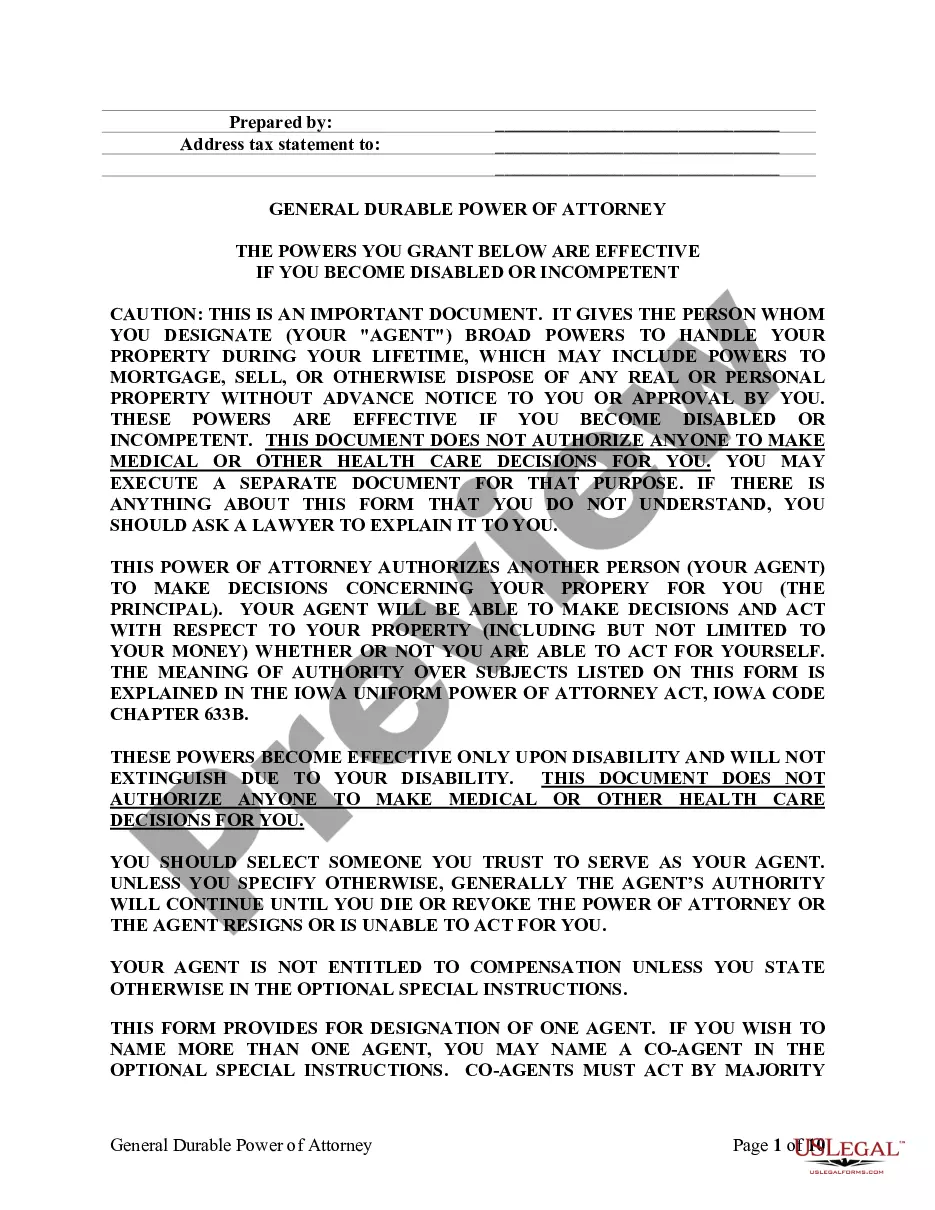
Arkansas Notice of Assignment to Living Trust
What this document covers
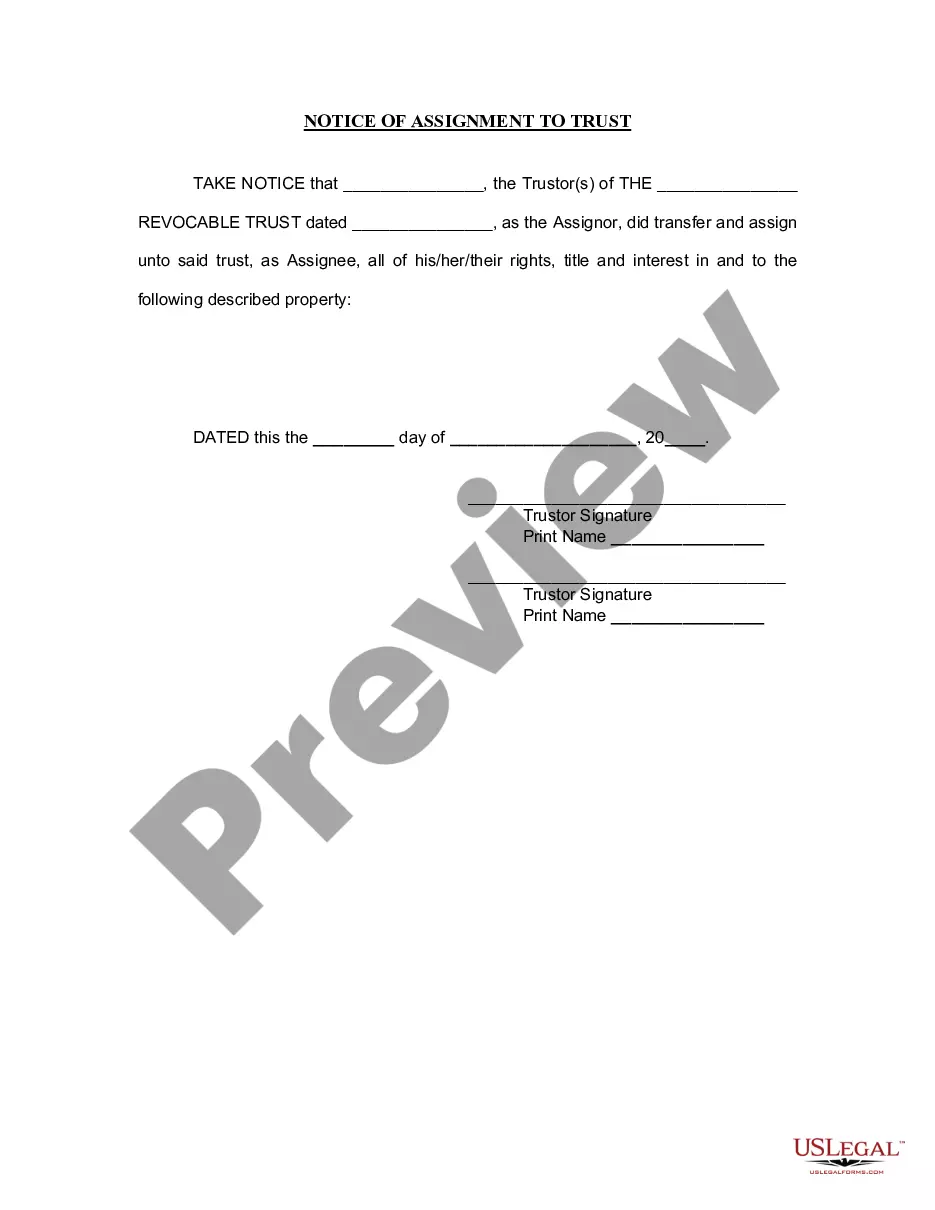
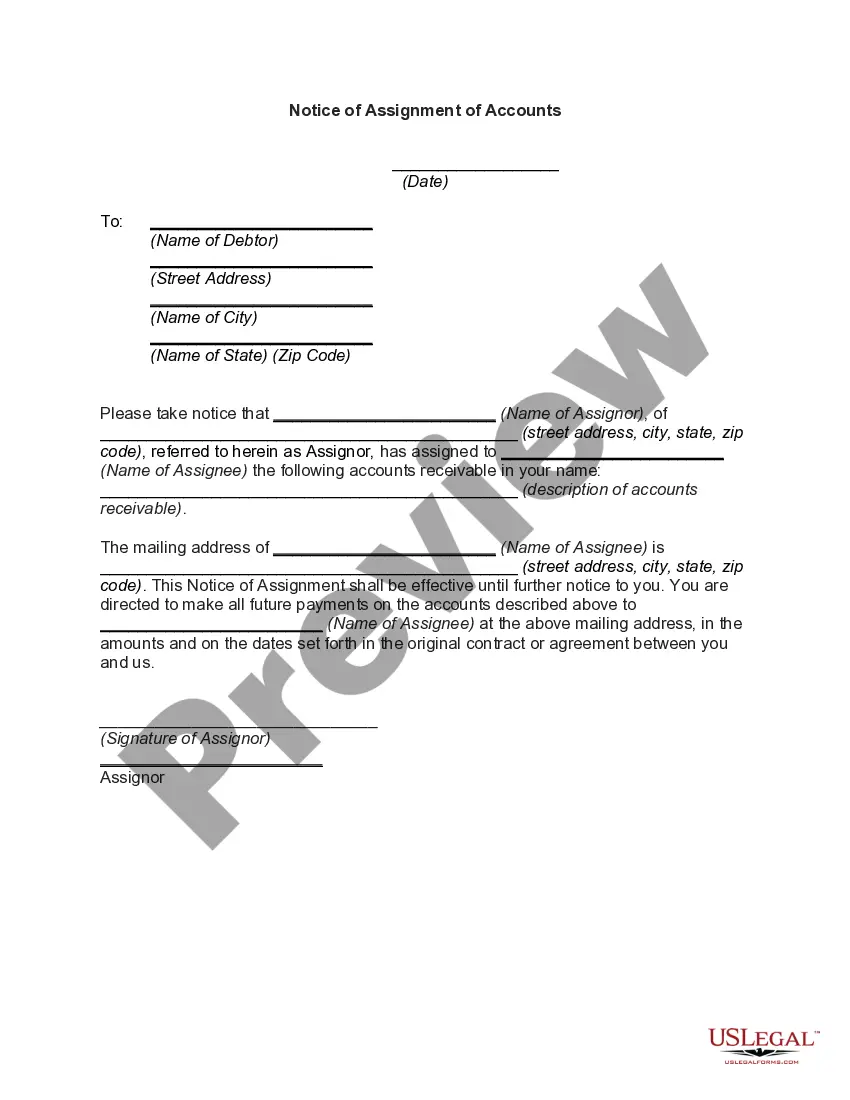
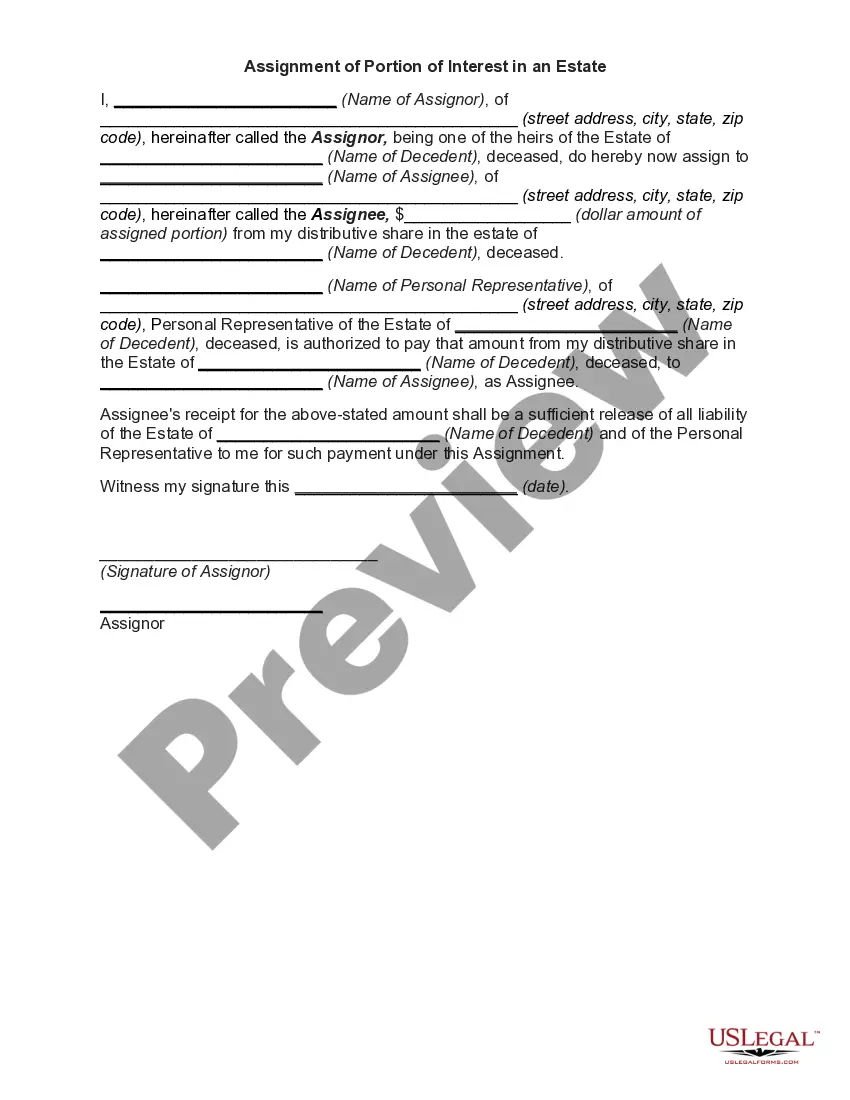
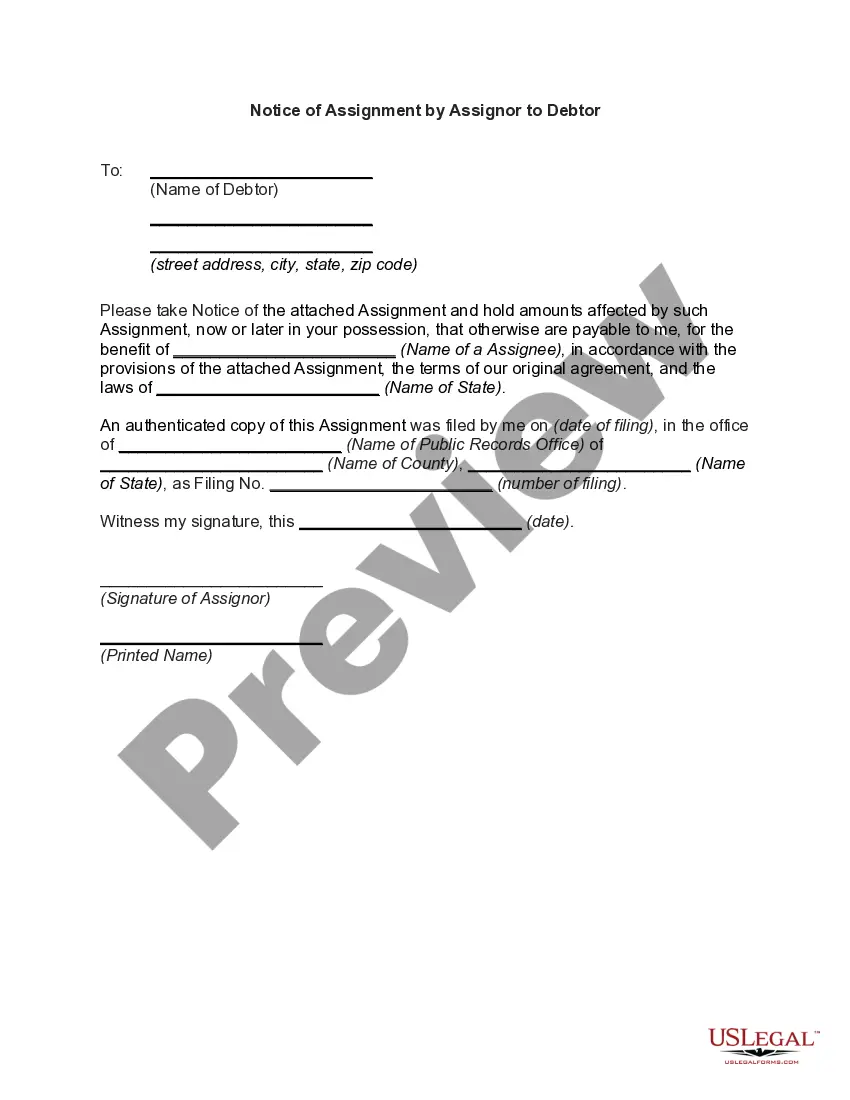
The Notice of Assignment to Living Trust is a legal document that officially recognizes the transfer of property and assets into a living trust, established during a person's lifetime. This form notifies parties involved that the trustor(s), who originally assigned their assets, have delegated their rights, title, and interest in specific property to the trust for effective estate planning. Unlike other property transfer documents, this notice specifically serves to acknowledge the establishment of a living trust and does not itself transfer title but rather confirms the assignment.
Form components explained
- Trustor(s): The individual(s) establishing the living trust.
- Assignor: The person or entity transferring property to the trust.
- Assignee: The living trust receiving the property.
- Property description: A detailed list of assets or property being transferred.
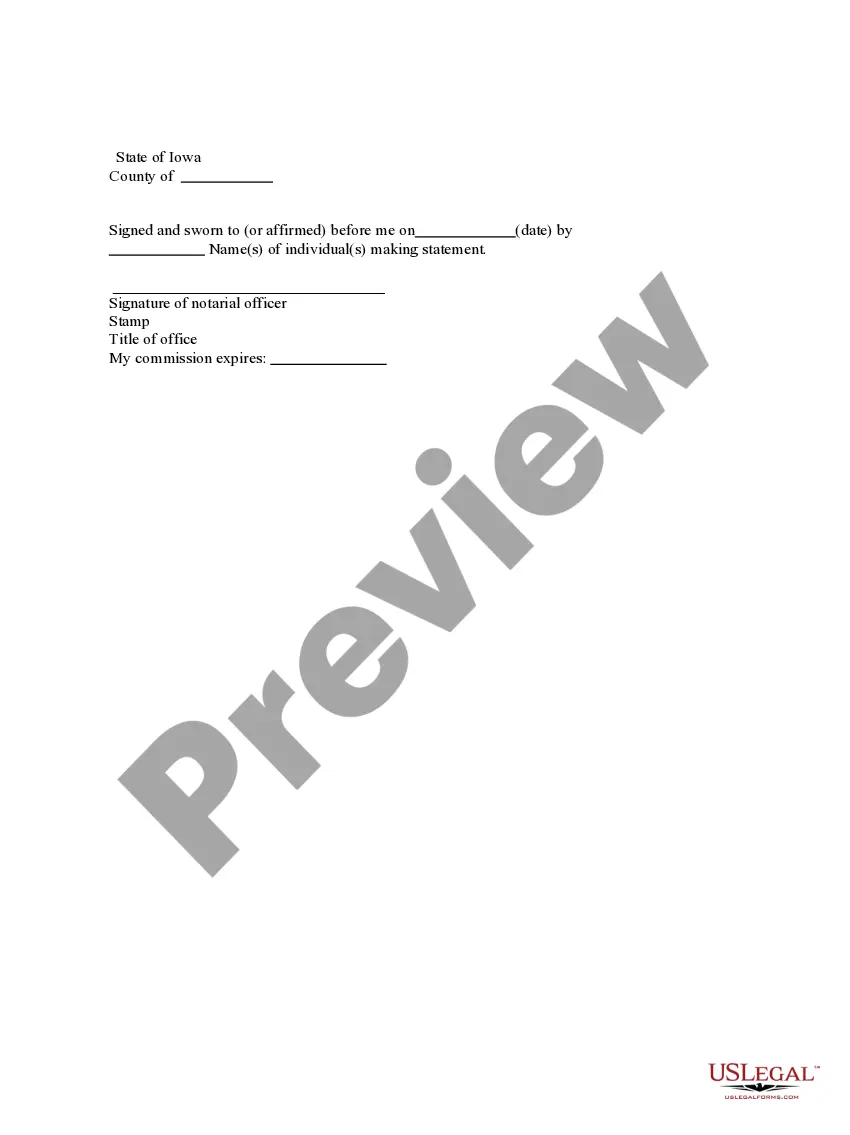
- Signatures: Signature lines for the trustor(s) and notary public where required.
When to use this form
This form is essential when an individual or individuals wish to formally assign property into a revocable living trust. It should be used when one or more trustors want to clearly document the transfer of ownership of their assets, ensuring that their estate is managed according to their wishes upon their death or incapacitation. This notice provides legal clarity and helps avoid disputes among beneficiaries later on.
Who should use this form
This form is intended for:
- Individuals setting up a revocable living trust.
- Trustors who have assets they wish to transfer into their living trust.
- Estate planners aiding clients in property assignment to a trust.
Instructions for completing this form
To complete the Notice of Assignment to Living Trust, follow these steps:
- Identify the parties involved, including the trustor(s) and the trust.
- Specify the assets or property being transferred to the trust.
- Fill in the date of the living trust.
- Provide the necessary signatures of the trustor(s) to confirm the assignment.
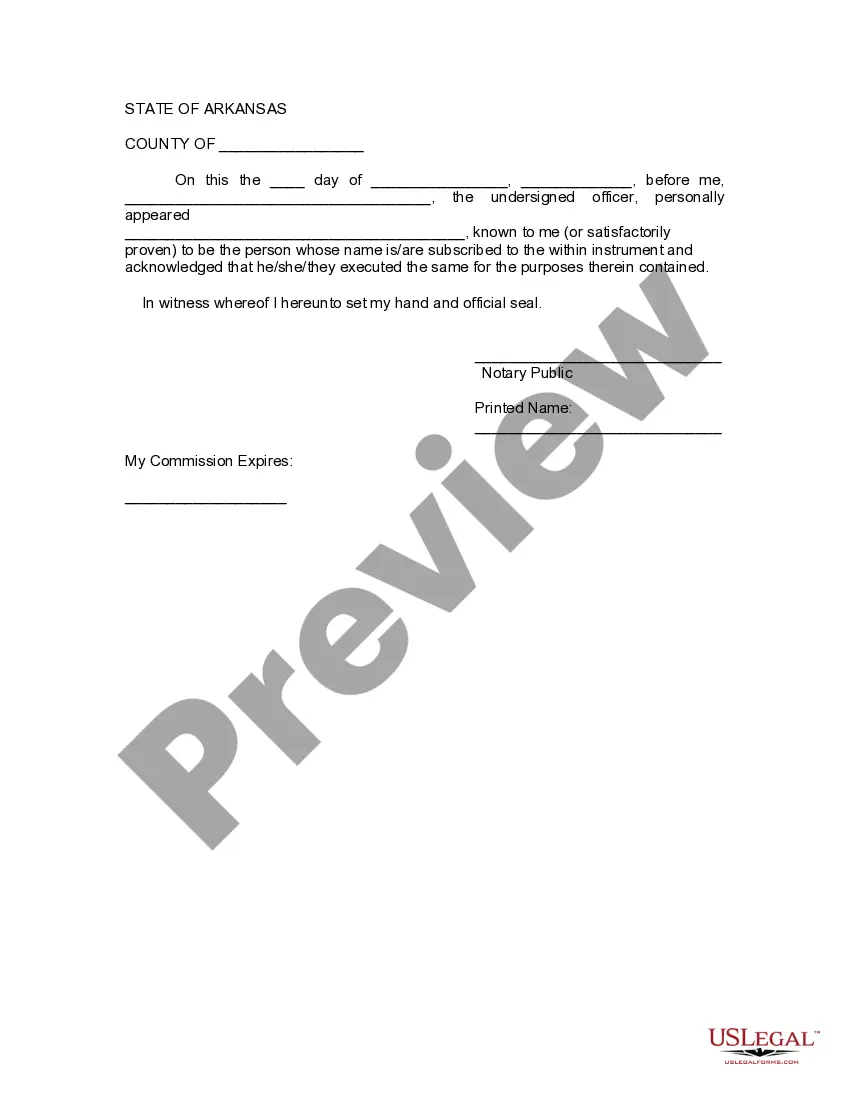
- Have the document notarized to ensure its legal validity.
Notarization requirements for this form
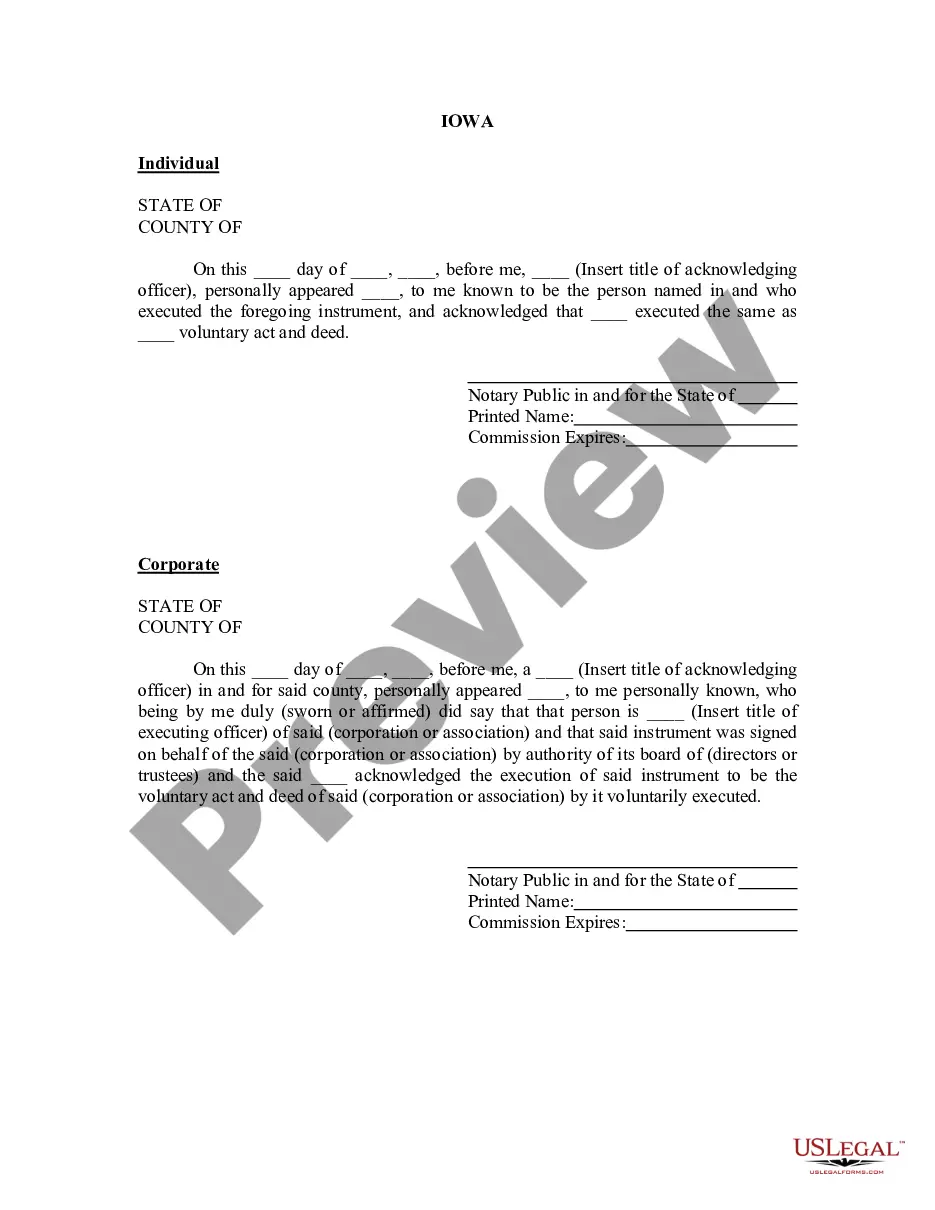
Yes, this form must be notarized to be legally valid. Notarization ensures that the identity of the signatories is verified, which helps prevent fraud. US Legal Forms offers integrated online notarization, providing 24/7 availability, secure video calls, and legal equivalence without the need to travel.
Get your form ready online
Our built-in tools help you complete, sign, share, and store your documents in one place.
Make edits, fill in missing information, and update formatting in US Legal Forms—just like you would in MS Word.
Download a copy, print it, send it by email, or mail it via USPS—whatever works best for your next step.
Sign and collect signatures with our SignNow integration. Send to multiple recipients, set reminders, and more. Go Premium to unlock E-Sign.
If this form requires notarization, complete it online through a secure video call—no need to meet a notary in person or wait for an appointment.
We protect your documents and personal data by following strict security and privacy standards.

Make edits, fill in missing information, and update formatting in US Legal Forms—just like you would in MS Word.

Download a copy, print it, send it by email, or mail it via USPS—whatever works best for your next step.

Sign and collect signatures with our SignNow integration. Send to multiple recipients, set reminders, and more. Go Premium to unlock E-Sign.

If this form requires notarization, complete it online through a secure video call—no need to meet a notary in person or wait for an appointment.

We protect your documents and personal data by following strict security and privacy standards.
Avoid these common issues
- Failing to provide a complete description of the property involved.
- Not obtaining the necessary signatures from all trustors.
- Neglecting to have the form notarized, if required by state law.
Benefits of using this form online
- Convenience of accessing the form online for immediate use.
- Editability makes it easy to adapt to specific needs and circumstances.
- Reliability from forms drafted by licensed attorneys, ensuring legal compliance.
Legal use & context
- This form serves as evidence of the trustor's intent to place property into a living trust.
- Using a Notice of Assignment helps to avoid potential disputes regarding asset ownership after the trustor's passing.
- Ensuring legal validity through notarization reinforces the enforceability of the document.
Main things to remember
- The Notice of Assignment is crucial for transferring property into a living trust.
- Completing the form correctly avoids future disputes regarding asset ownership.
- Notarization is required for the form to have legal standing.
Looking for another form?
Form popularity
FAQ
To write an amendment to a living trust, start by reviewing the original document to understand its terms and conditions. Clearly state the changes you want to make, and ensure you refer to the original trust by its name and date. You should sign the amendment, and it is advisable to have it notarized to add legal weight. For assistance, considering tools like the Arkansas Notice of Assignment to Living Trust can guide you through the process smoothly.
Determining whether a will or a trust is better in Arkansas often requires careful consideration of your goals. An Arkansas Notice of Assignment to Living Trust can enhance control over your assets and simplify the transfer process. However, for straightforward estates, a will might be adequate, making it essential to evaluate your needs carefully.
Opting for an Arkansas Notice of Assignment to Living Trust can offer numerous benefits. Trusts provide asset management during your lifetime and allow for a seamless transfer to beneficiaries after your death. This can be especially advantageous for families or those with significant assets who wish to avoid the lengthy probate process.
The strength of an estate plan hinges on your unique situation. While wills distribute your assets after your death, an Arkansas Notice of Assignment to Living Trust operates during your lifetime, allowing for immediate management of your assets. This means a trust often offers more flexibility, but the right choice ultimately depends on your specific needs.
When considering an Arkansas Notice of Assignment to Living Trust, it's important to note some disadvantages of trusts. Trusts require more initial setup and ongoing maintenance compared to wills. Additionally, they may involve higher legal fees at the start, and if not managed properly, they can lead to disputes among beneficiaries.
To place your house in a trust, start by creating an appropriate trust document that defines the terms and assigns your property to the trust. Next, execute a deed transferring your title from your name to the trust. Ensure you file the deed with county records for it to be legally recognized. By following these steps with an Arkansas Notice of Assignment to Living Trust, you can ensure your property is properly managed according to your wishes.
To put a house in a trust in Arkansas, begin by creating a revocable living trust. Once established, you will need to draft a deed that transfers ownership from you to the trust. After executing this deed, file it with the local county clerk to ensure your property is officially in the trust. Utilizing an Arkansas Notice of Assignment to Living Trust helps outline this process clearly.
An assignment to a trust refers to the process of transferring ownership and control of your assets into a trust. This legal action is essential for ensuring that your assets are managed according to your wishes, particularly during your lifetime and after your death. An Arkansas Notice of Assignment to Living Trust clearly outlines this transfer, helping to maintain organization and clarity in your estate planning.
The best trust for placing your house typically remains a revocable living trust. This type of trust provides flexibility, allowing you to maintain control over your property during your lifetime. Additionally, it helps facilitate a smoother transfer of your assets after your death. By creating an Arkansas Notice of Assignment to Living Trust, you ensure clear directions for your home's future.
Yes, a revocable trust can help your estate avoid probate in Arkansas. When you place assets into a revocable trust, these assets do not go through the probate process upon your passing. Instead, they transfer directly to your beneficiaries as outlined in the trust. Thus, utilizing an Arkansas Notice of Assignment to Living Trust can streamline the inheritance process.