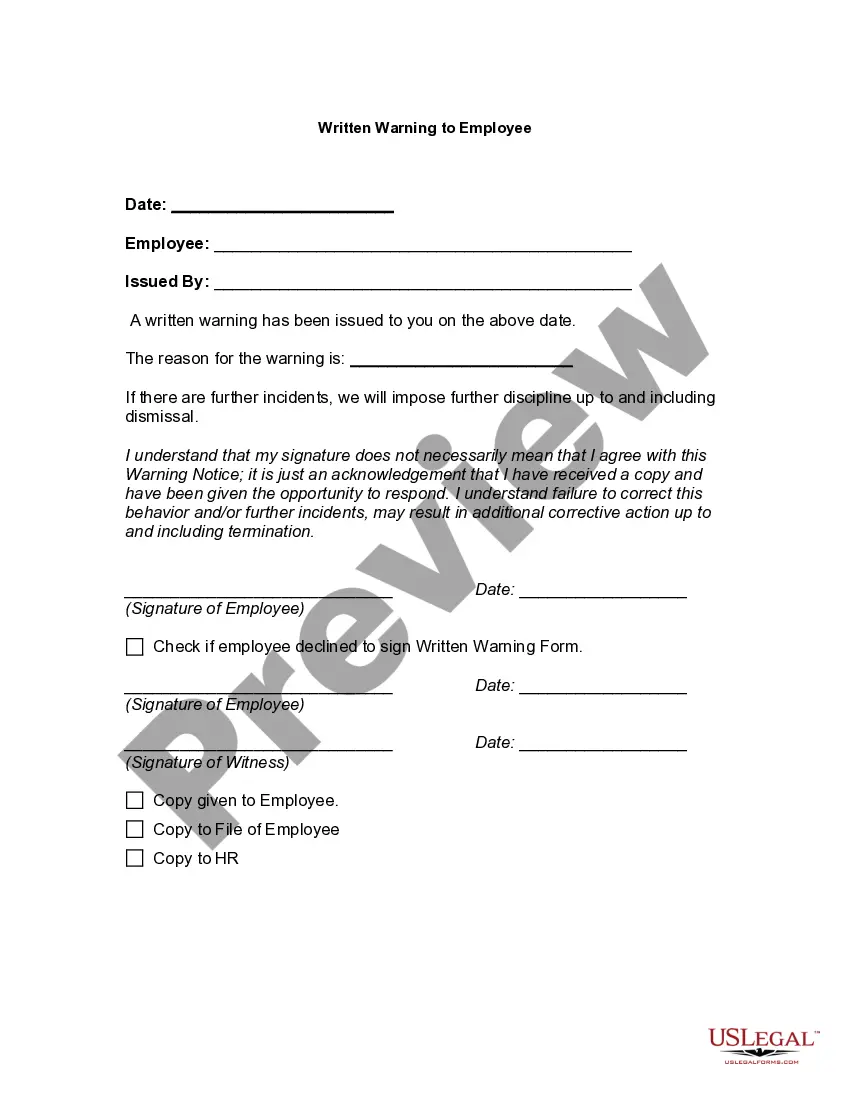
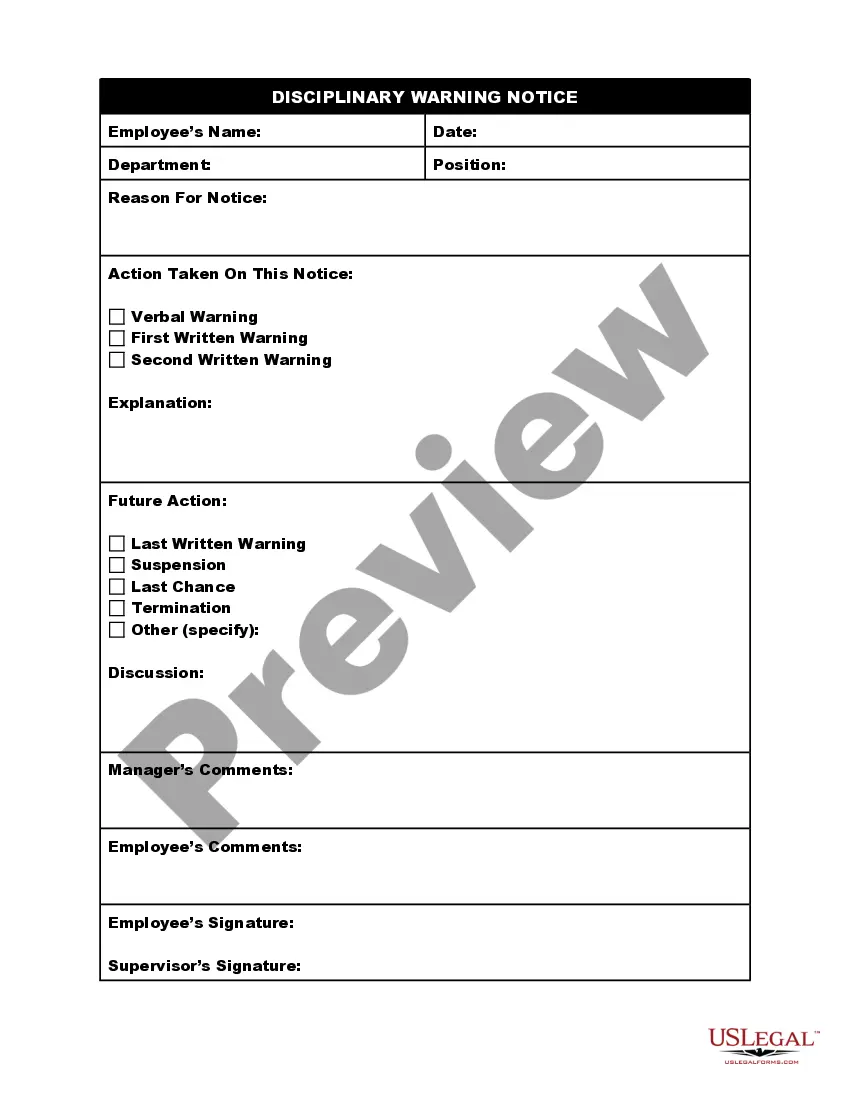
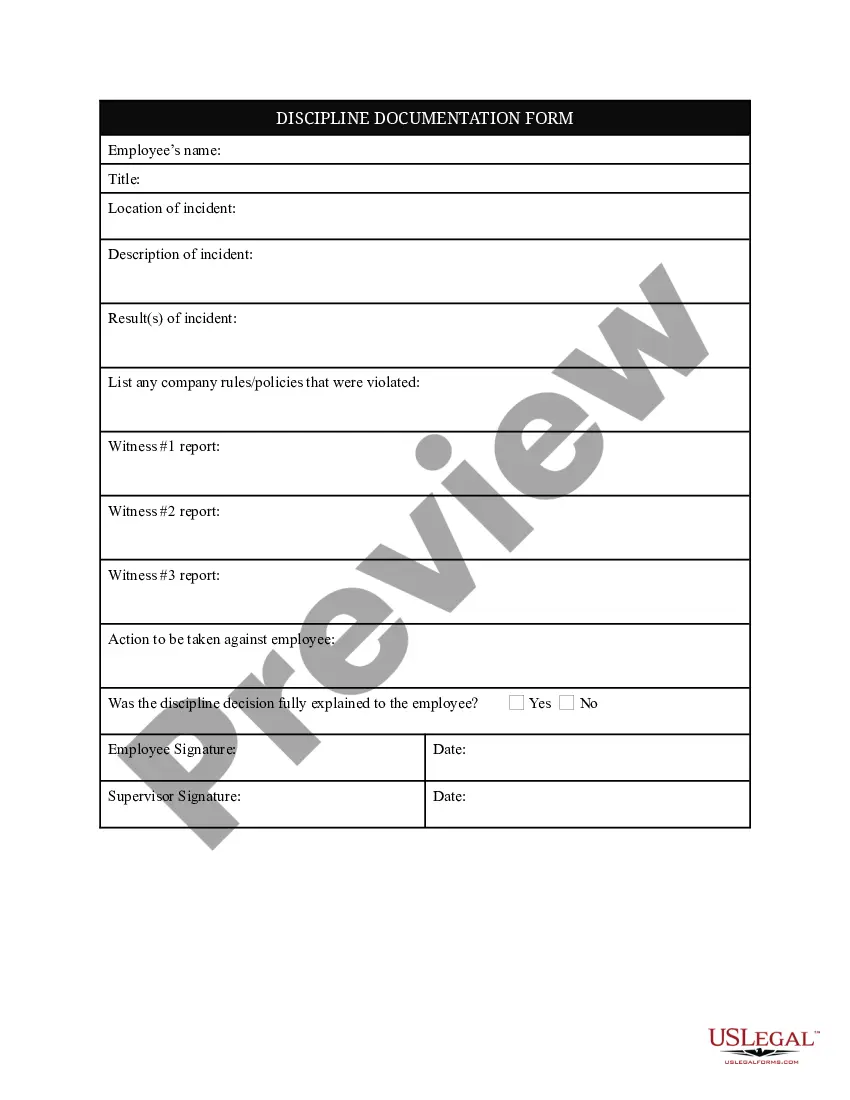
Alabama Discipline Documentation Notice
Description
Get your form ready online
Our built-in tools help you complete, sign, share, and store your documents in one place.
Make edits, fill in missing information, and update formatting in US Legal Forms—just like you would in MS Word.
Download a copy, print it, send it by email, or mail it via USPS—whatever works best for your next step.
Sign and collect signatures with our SignNow integration. Send to multiple recipients, set reminders, and more. Go Premium to unlock E-Sign.
If this form requires notarization, complete it online through a secure video call—no need to meet a notary in person or wait for an appointment.
We protect your documents and personal data by following strict security and privacy standards.

Make edits, fill in missing information, and update formatting in US Legal Forms—just like you would in MS Word.

Download a copy, print it, send it by email, or mail it via USPS—whatever works best for your next step.

Sign and collect signatures with our SignNow integration. Send to multiple recipients, set reminders, and more. Go Premium to unlock E-Sign.

If this form requires notarization, complete it online through a secure video call—no need to meet a notary in person or wait for an appointment.

We protect your documents and personal data by following strict security and privacy standards.
Looking for another form?



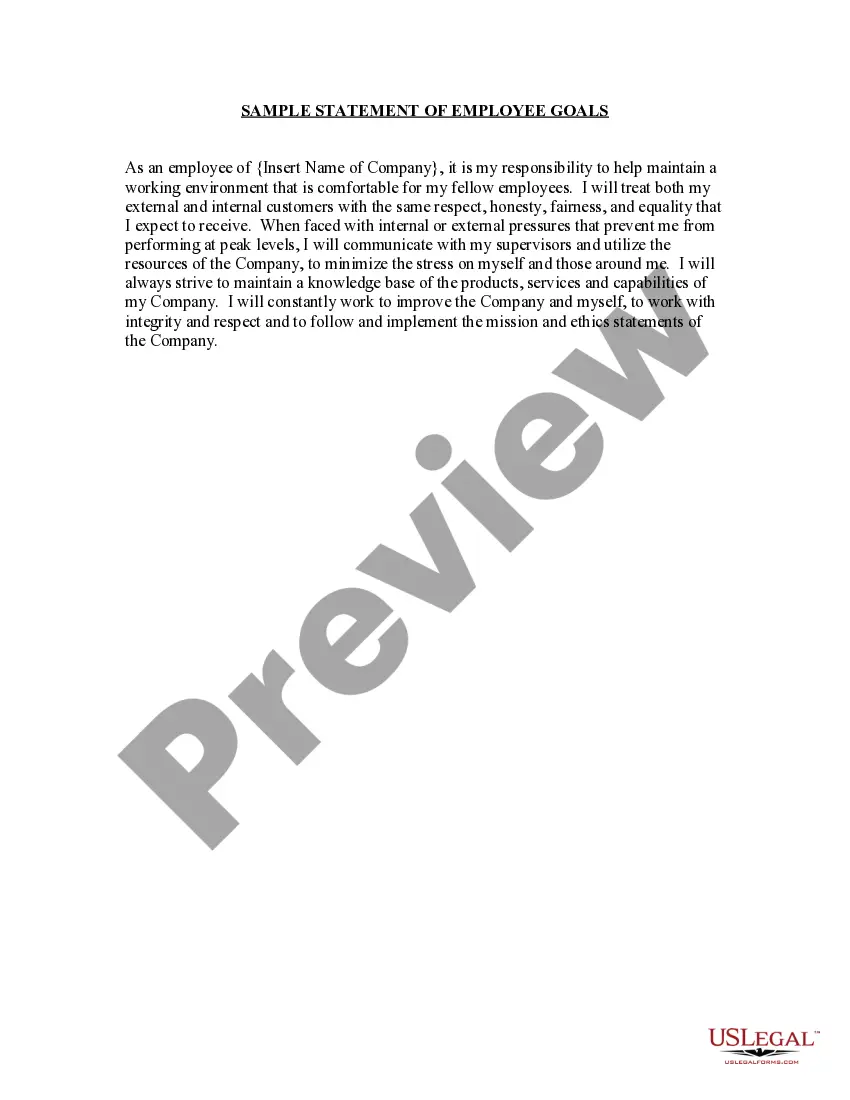

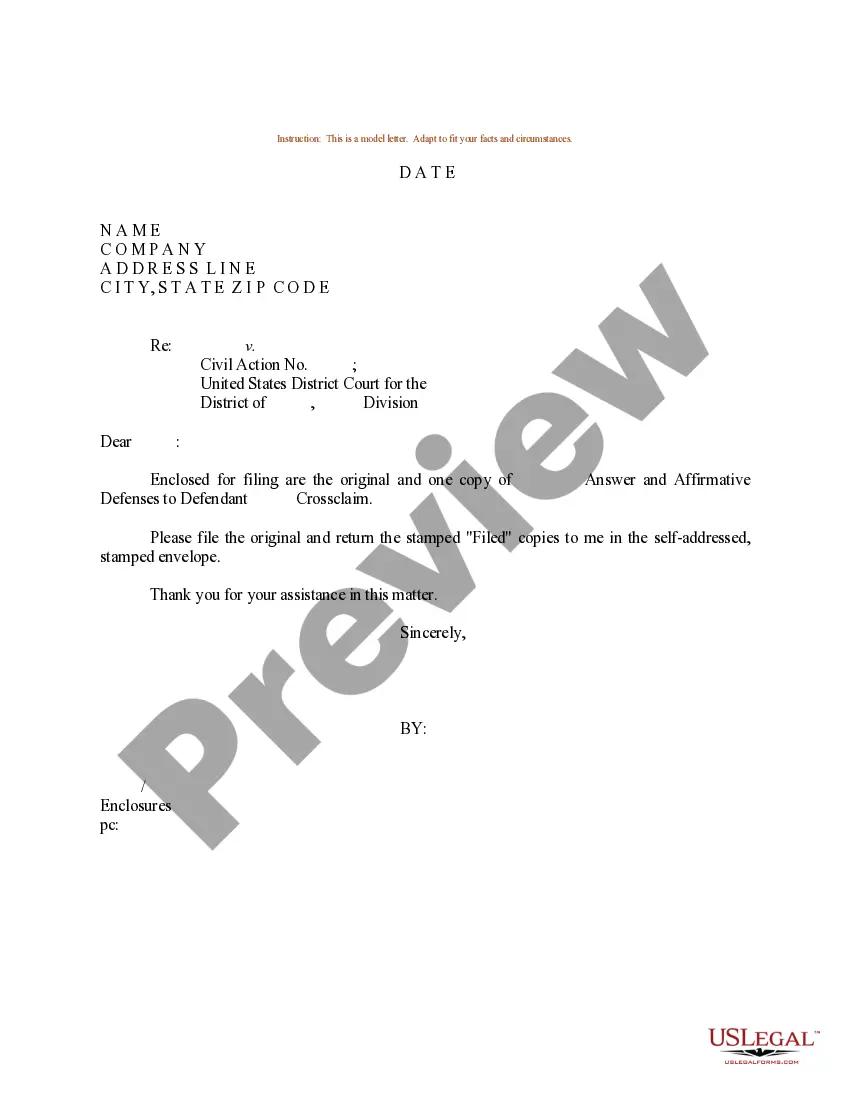

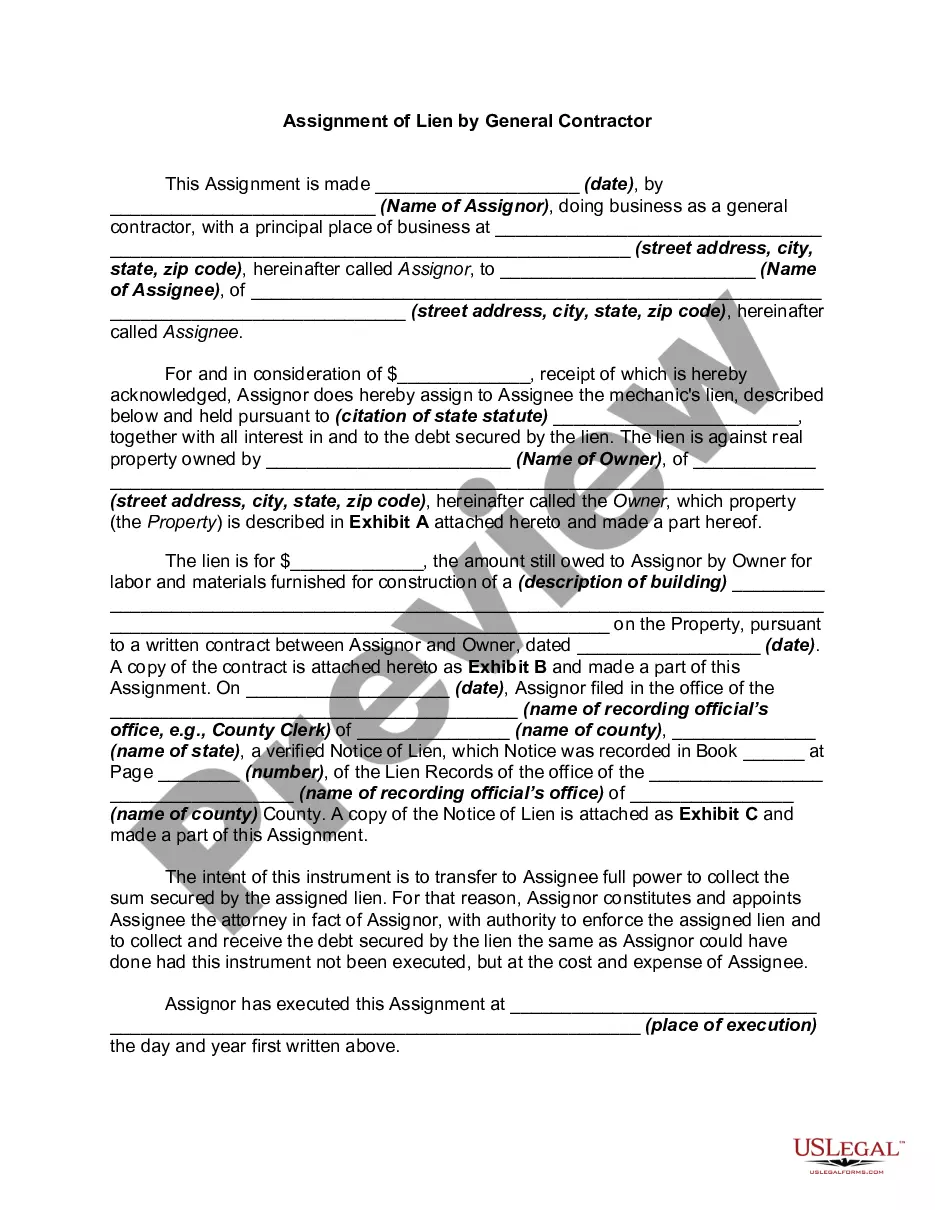
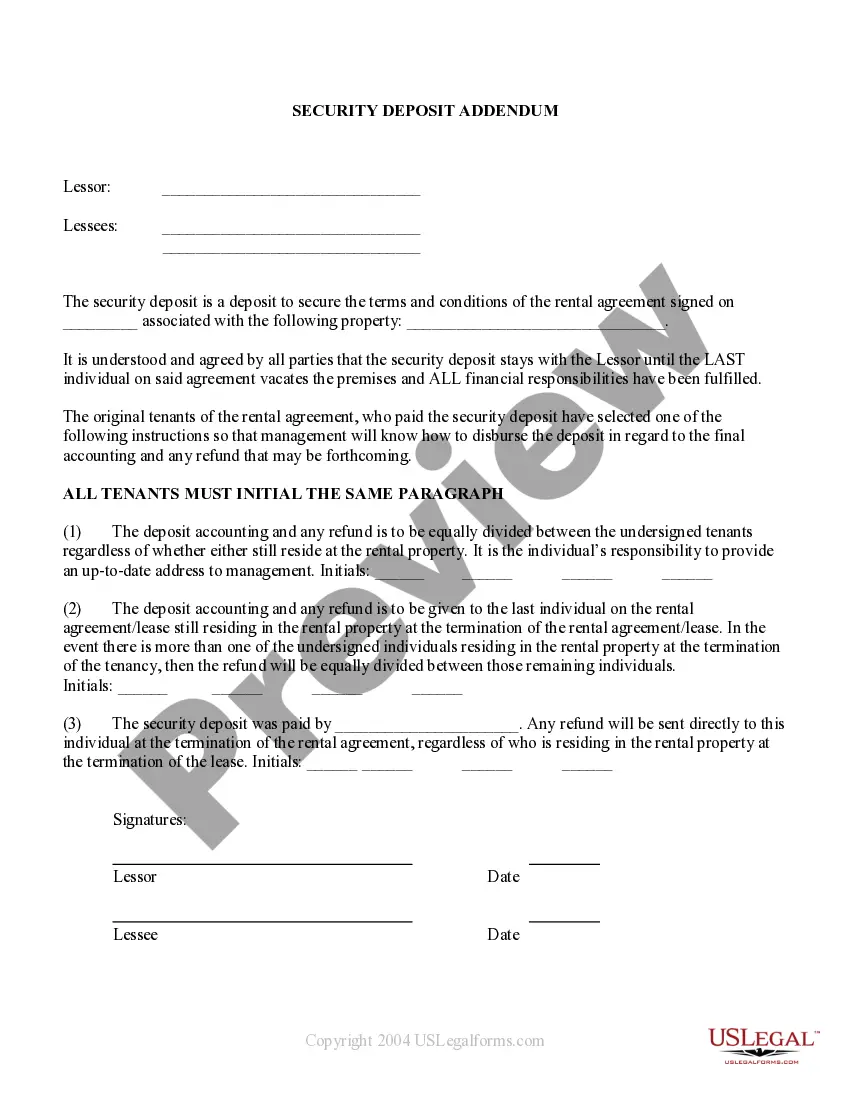
How to fill out Discipline Documentation Notice?
Are you currently in a position where you require documentation for business or personal activities on a daily basis.
There are numerous legal document templates available online, but finding reliable ones is not easy.
US Legal Forms provides a multitude of template documents, such as the Alabama Field Documentation Notice, that are designed to meet federal and state requirements.
Once you find the correct template, click Buy now.
Choose the pricing plan you prefer, fill in the necessary details to create your account, and complete your purchase using your PayPal or credit card.
- If you are already acquainted with the US Legal Forms site and have your account, simply Log In.
- Then, you can download the Alabama Field Documentation Notice template.
- If you do not have an account and wish to use US Legal Forms, follow these steps.
- Obtain the template you require and ensure it is for the correct city/state.
- Use the Preview button to review the document.
- Read the description to confirm that you have selected the proper template.
- If the template is not what you need, utilize the Search box to find the document that suits your requirements.
Form popularity
FAQ
How to Write a Memo for an Employee's DisciplineGive sufficient notice.Specify the course of action.Maintain privacy.Use significant wording.
How to conduct a disciplinary hearingExplain the complaint you have about the employee's behaviour.Go through the evidence you have collected about that behaviour.Give them a chance to tell their side of the story.Decide on next steps and what disciplinary action you're going to take next.
For instance, if you jump straight to a final warning when a certain employee is an hour late to work, but let another employee come in late regularly without so much as a written warning, you're setting yourself up for trouble. We generally recommend progressive discipline.
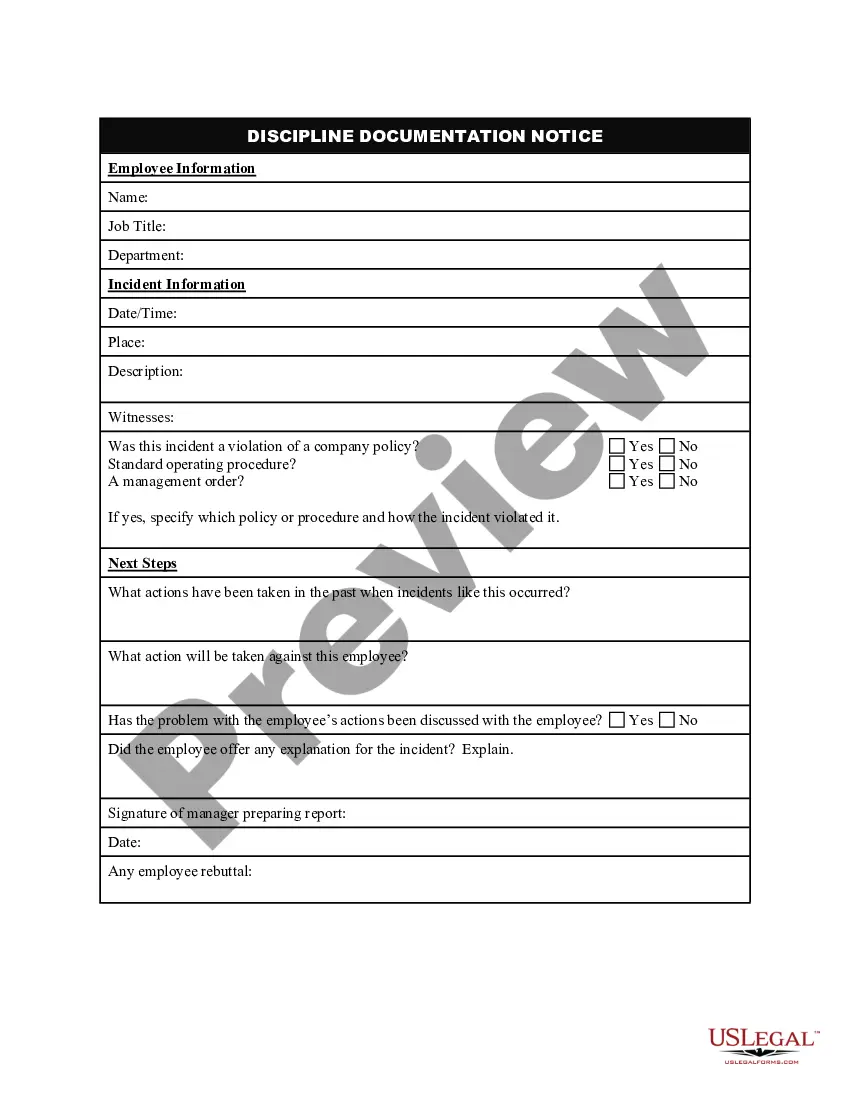
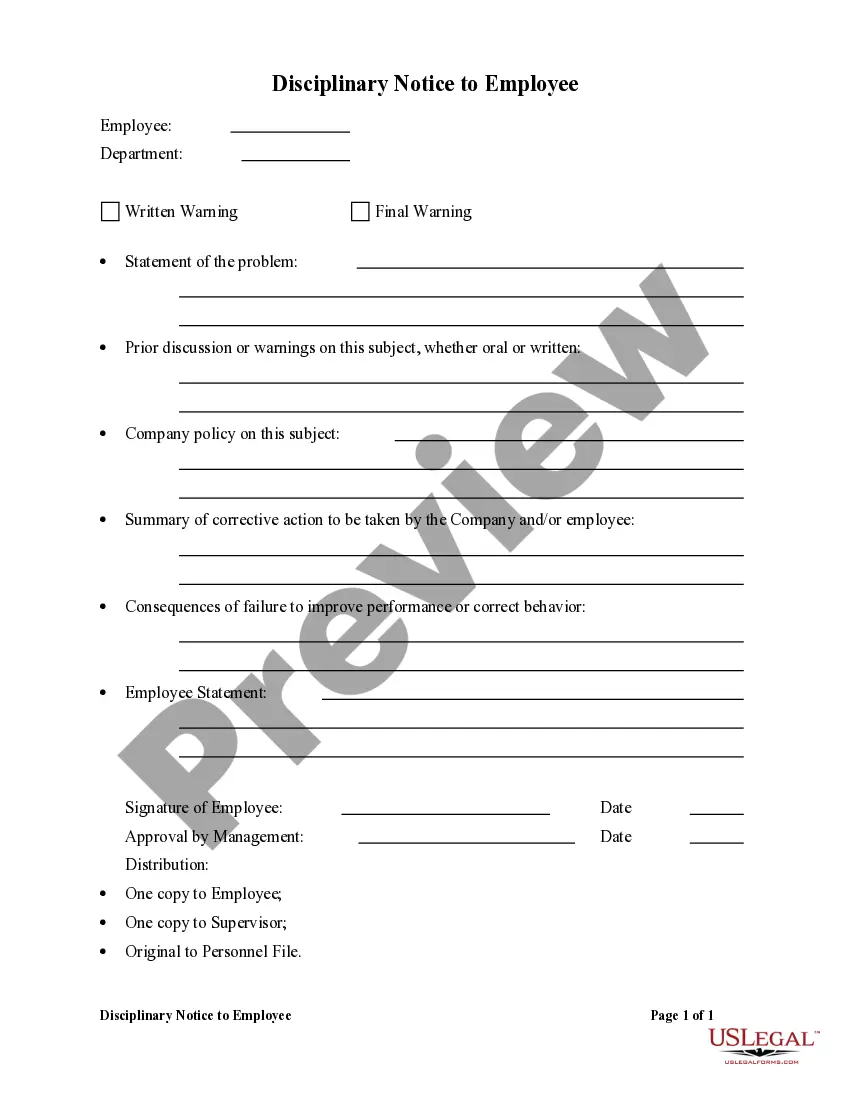
What to Include in a Disciplinary FormThe employee's name and the date of the write-up.Clearly state why they are being written up.How many times this employee has been written up.Clearly state details about the problem.Give the employee a deadline to fix the problem.Always have them sign and date the write-up.
How do you deliver a disciplinary action?Review the employee's file and performance records.Prepare for the employee discussion.Hold a meeting with the employee.State objectives of the disciplinary action.Ask for the employee's input.Provide a copy of the disciplinary action to the employee.Schedule a follow-up.
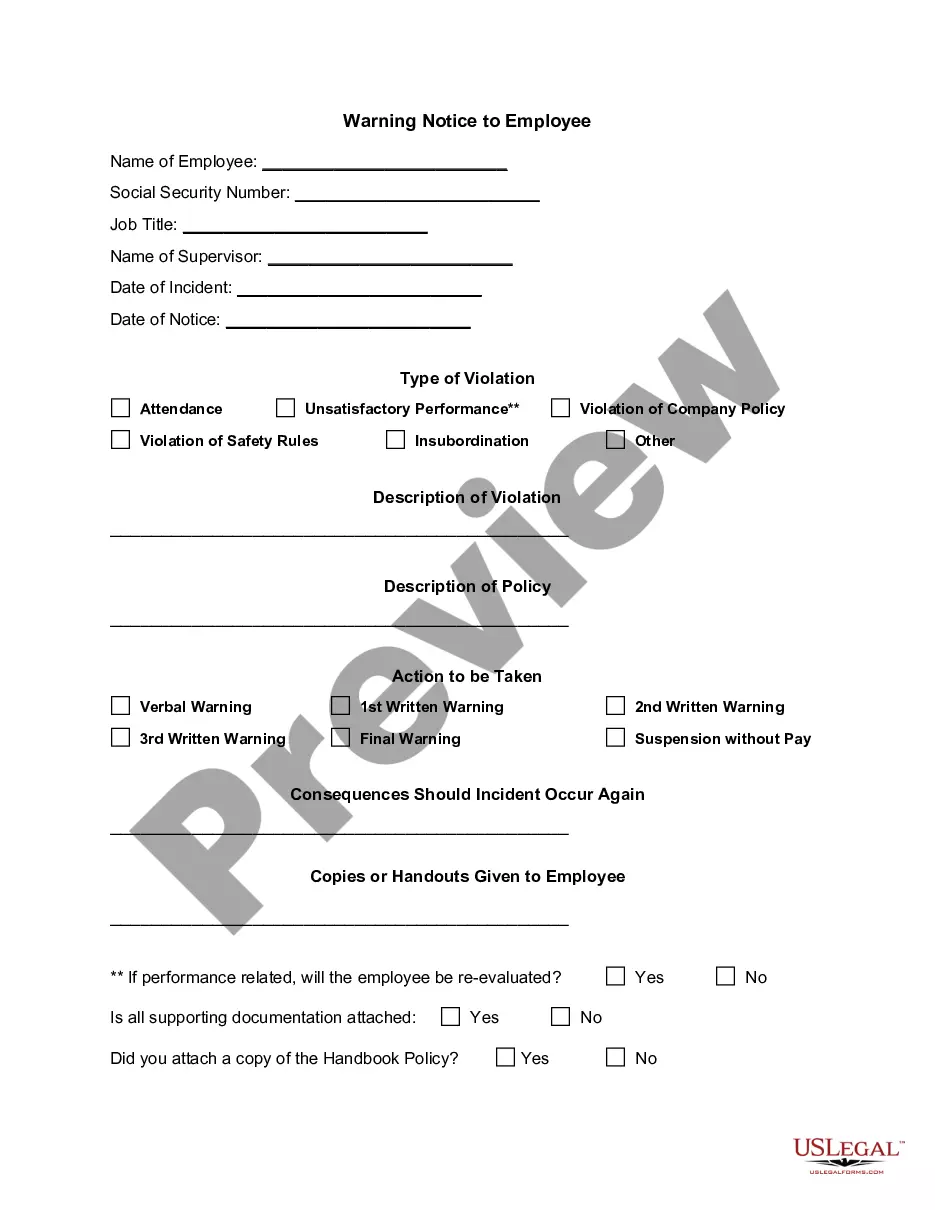
Depending on the severity of the case, a disciplinary action can take different forms, including:A verbal warning.A written warning.A poor performance review or evaluation.A performance improvement plan.A reduction in rank or pay.Termination.
6 Tips for Properly Documenting Employee Behavior and Performance IssuesFocus on the Behavior Not the Person.Be Careful Not to Embellish the Facts.Don't Contradict Previous Documentation.Identify the Rule or Policy Violated.Determine Consequences for Not Correcting the Problem.More items...?
Best Practices in Documenting Employee DisciplineHave an employee discipline form.Conduct a full and fair investigation.Get the facts.Be objective.Be clear and specific.Complete the form while the facts are fresh.Get the employee's acknowledgement.Allow the employee to explain the conduct.More items...?
Documentation Is Key. Most employers follow progressive discipline wherein an employee receives a series of warnings before termination. For example, the employee may get a verbal warning for a first offense, a written warning if the problem continues, a final written warning and, as a last step, termination.