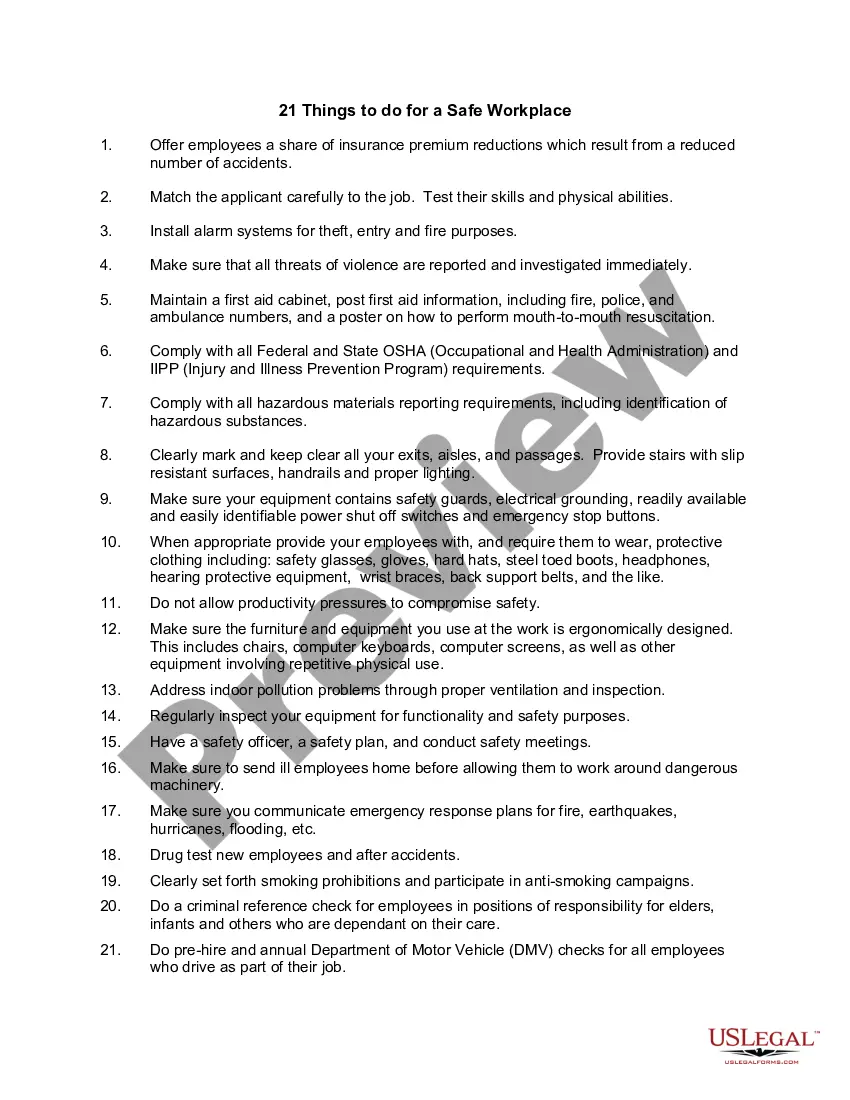
Alabama 21 Things to do for a Safe Workplace
Description
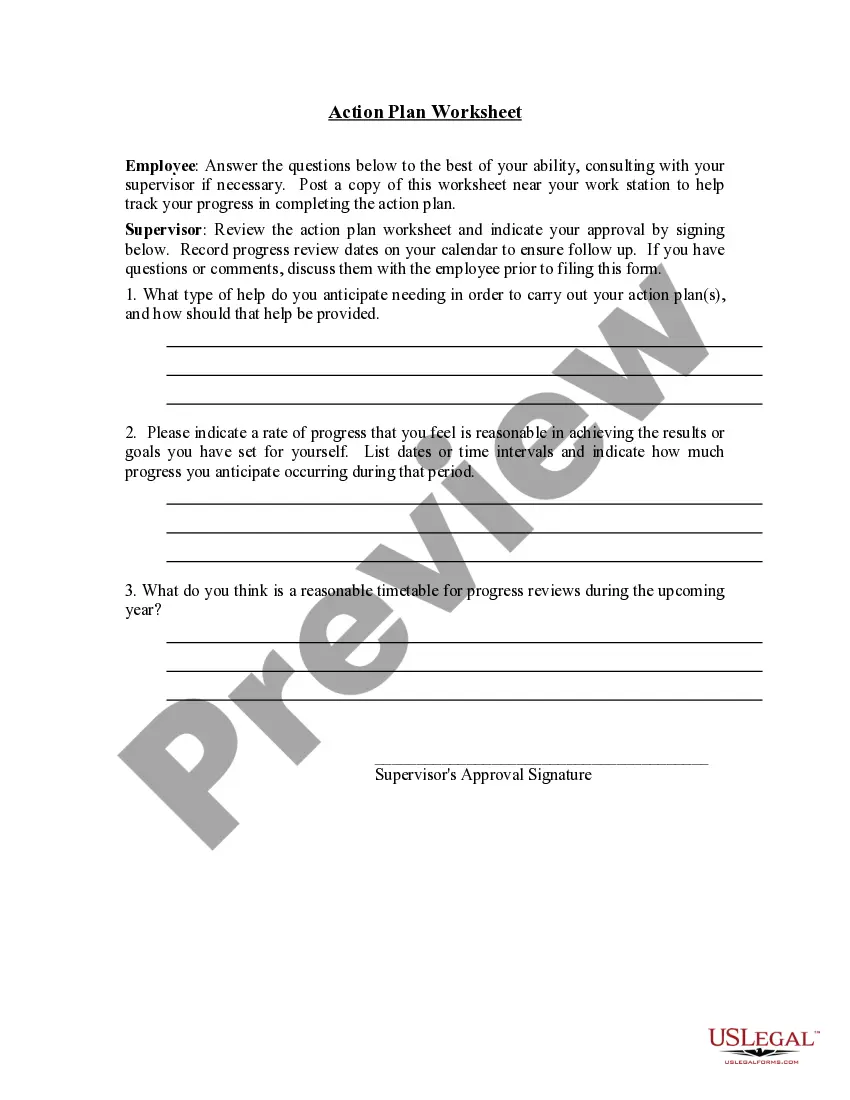
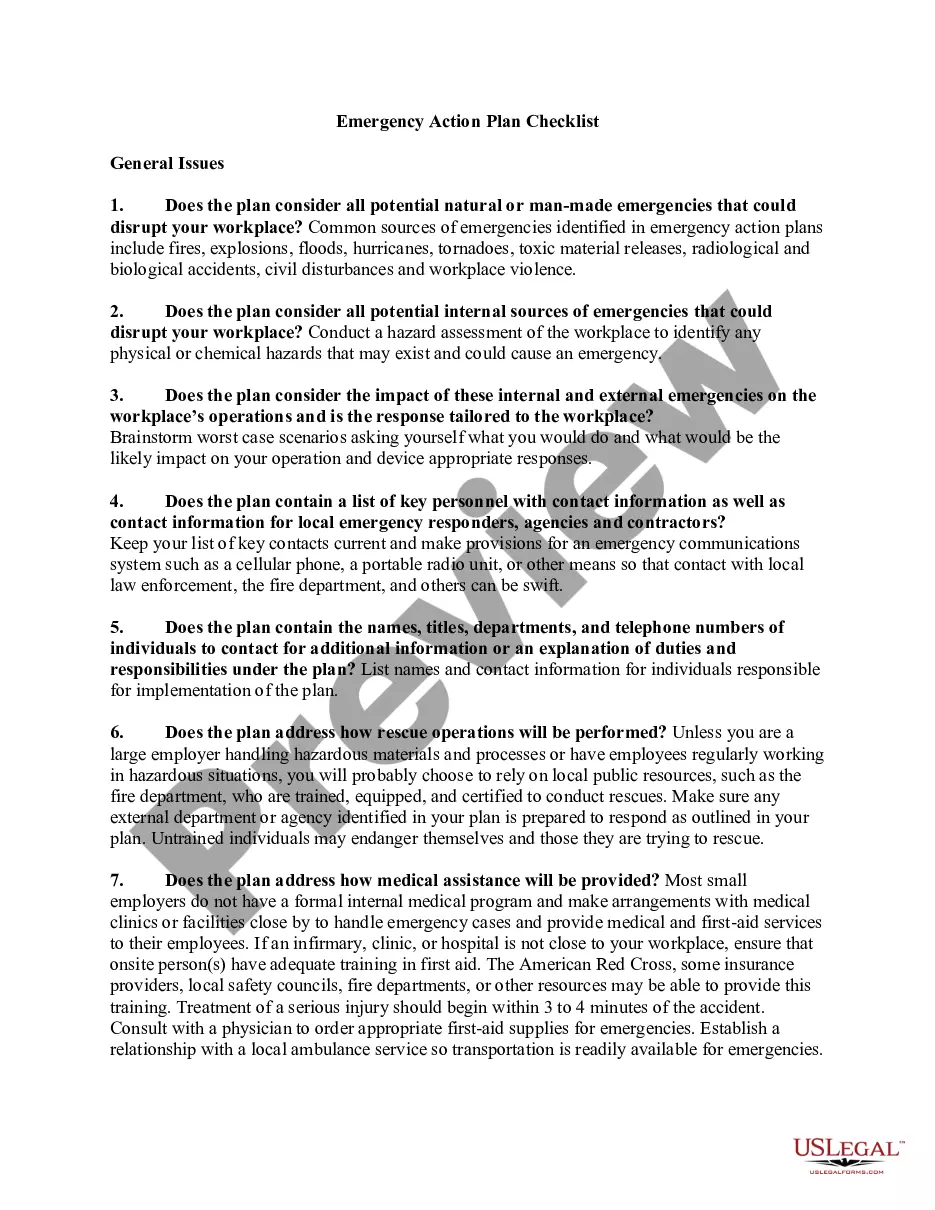
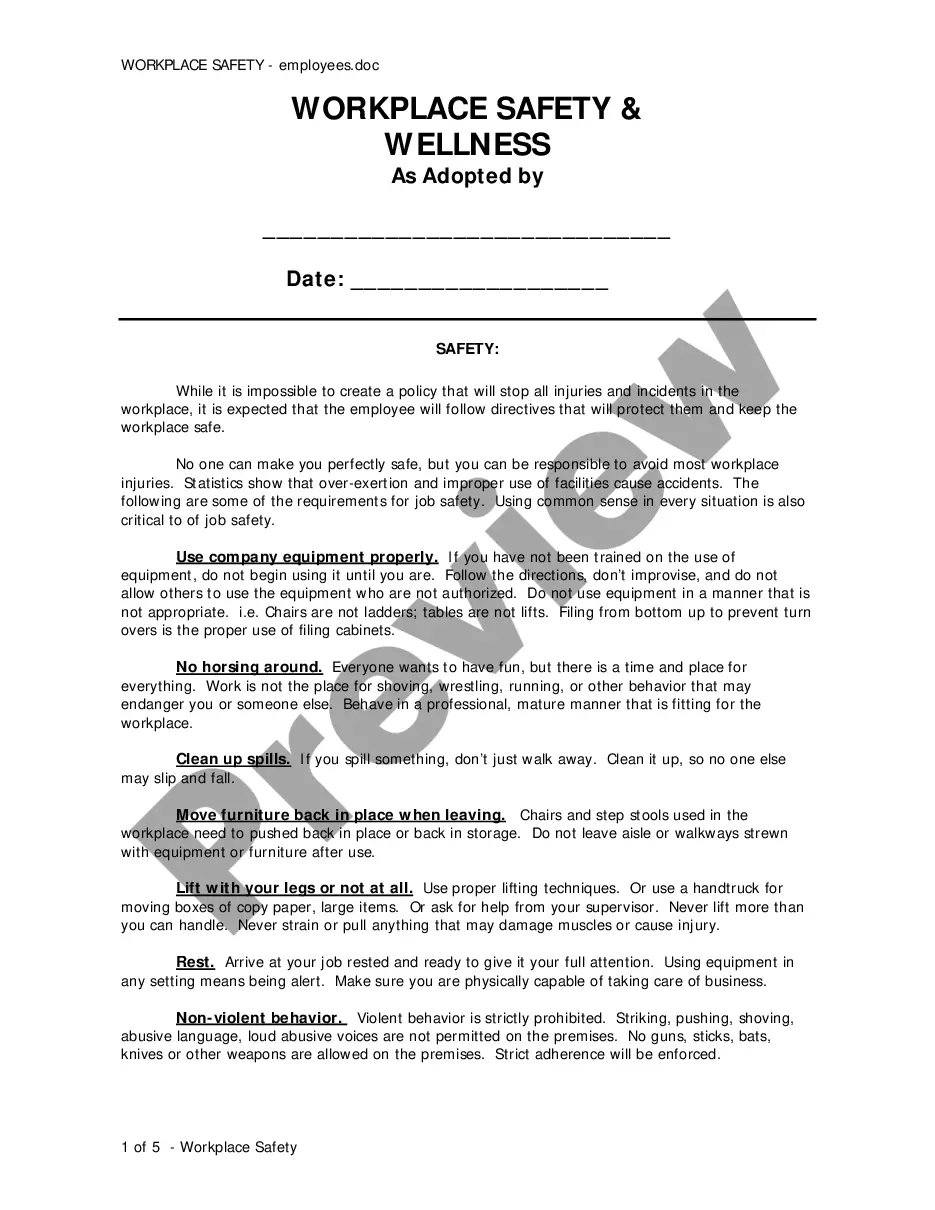
Get your form ready online
Our built-in tools help you complete, sign, share, and store your documents in one place.
Make edits, fill in missing information, and update formatting in US Legal Forms—just like you would in MS Word.
Download a copy, print it, send it by email, or mail it via USPS—whatever works best for your next step.
Sign and collect signatures with our SignNow integration. Send to multiple recipients, set reminders, and more. Go Premium to unlock E-Sign.
If this form requires notarization, complete it online through a secure video call—no need to meet a notary in person or wait for an appointment.
We protect your documents and personal data by following strict security and privacy standards.

Make edits, fill in missing information, and update formatting in US Legal Forms—just like you would in MS Word.

Download a copy, print it, send it by email, or mail it via USPS—whatever works best for your next step.

Sign and collect signatures with our SignNow integration. Send to multiple recipients, set reminders, and more. Go Premium to unlock E-Sign.

If this form requires notarization, complete it online through a secure video call—no need to meet a notary in person or wait for an appointment.

We protect your documents and personal data by following strict security and privacy standards.
Looking for another form?


How to fill out 21 Things To Do For A Safe Workplace?
Are you currently at the location that necessitates documents for both business or personal purposes almost every day.
There are numerous legal document templates available online, but locating trustworthy ones can be challenging.
US Legal Forms offers a vast array of document templates, including the Alabama 21 Essentials for a Secure Workplace, which can be tailored to meet federal and state standards.
Once you find the right template, click Purchase now.
Select the pricing plan you prefer, complete the necessary information to set up your payment, and finalize your purchase using PayPal or a credit card.
- If you are already familiar with the US Legal Forms website and have an account, simply Log In.
- Afterward, you can download the Alabama 21 Essentials for a Secure Workplace template.
- If you do not have an account and wish to start using US Legal Forms, follow these instructions.
- Locate the template you require and ensure it is suitable for your specific area/region.
- Utilize the Review button to examine the form.
- Check the description to confirm that you have selected the correct template.
- If the template does not match your needs, use the Search section to find the form that meets your requirements.
Form popularity
FAQ
Employers must regularly assess potential hazards and implement safety protocols. They are responsible for effective communication with employees about workplace safety and providing necessary resources for prevention. Adhering to the Alabama 21 Things to do for a Safe Workplace helps employers fulfill their obligations and protect their workforce.
Employers have a duty to ensure workers do not face unnecessary risks or dangerous situations. This includes providing proper training, safety equipment, and maintaining a clean environment. By following the Alabama 21 Things to do for a Safe Workplace, employers can create a culture of safety that benefits everyone.
To prove unsafe working conditions, you can collect evidence such as photographs, eyewitness accounts, and documentation of any incidents. These elements help demonstrate that safety regulations have been violated. Understanding the Alabama 21 Things to do for a Safe Workplace can guide you in compiling this information effectively.
Yes, the Occupational Safety and Health Administration (OSHA) requires employers to maintain a safe workplace. Specifically, employers must identify and eliminate hazards that can harm workers. This commitment aligns with the Alabama 21 Things to do for a Safe Workplace, ensuring you understand your rights and responsibilities.
Employers are responsible for ensuring a safe workplace by identifying and mitigating hazards, providing adequate training, and maintaining equipment. They must also comply with all safety regulations and create an environment where employees feel comfortable reporting unsafe conditions. Meeting these responsibilities is vital for achieving the goals outlined in the Alabama 21 Things to do for a Safe Workplace.
As a worker, you have the right to a safe workplace, the right to receive training on safety and health practices, and the right to speak up about safety concerns without fear of retaliation. These rights empower you to contribute to a safer work environment. Embracing these rights supports the essence of the Alabama 21 Things to do for a Safe Workplace.
Creating safe working conditions involves assessing potential hazards, implementing safety protocols, and providing regular training to employees. Engaging workers in safety discussions and encouraging feedback can foster a culture of safety. These practices align closely with the Alabama 21 Things to do for a Safe Workplace and ensure a secure environment for all.
The right to a safe workplace means employees are entitled to an environment that does not pose a risk to their health or safety. Employers must proactively identify and mitigate hazards, provide necessary safety equipment, and create policies that prioritize employee well-being. This right is central to the Alabama 21 Things to do for a Safe Workplace.
OSHA recommends several guidelines to ensure workplace safety, including maintaining clean and organized workspaces, providing adequate training for employees, implementing proper hazard communication, using personal protective equipment appropriately, regularly assessing and remedying risks, following safe equipment handling procedures, and reporting all accidents and near-misses. By following these guidelines, businesses can better align with the Alabama 21 Things to do for a Safe Workplace.
Employers must comply with OSHA standards and state regulations that require safe working environments. This includes providing necessary training and resources to ensure employee safety. The Alabama 21 Things to do for a Safe Workplace outlines critical steps that employers can take to meet these requirements effectively.