Alabama Amendment of Residential Lease
Overview of this form
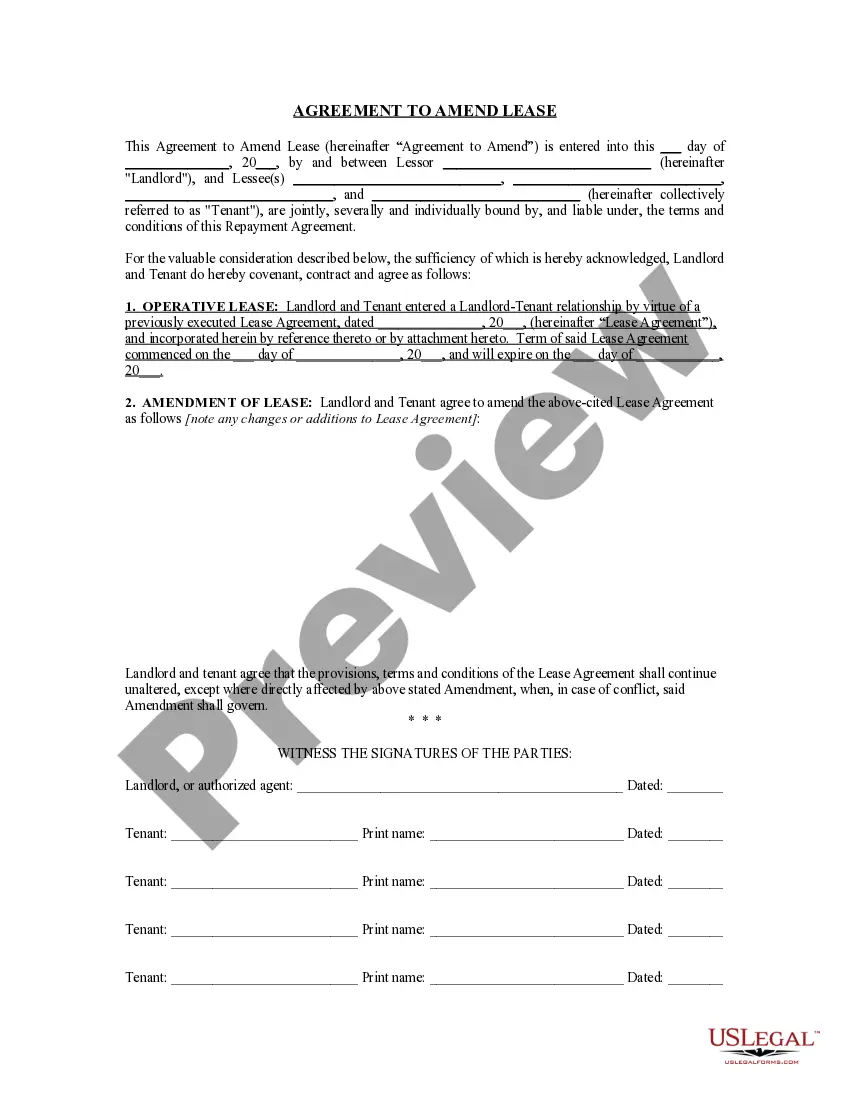
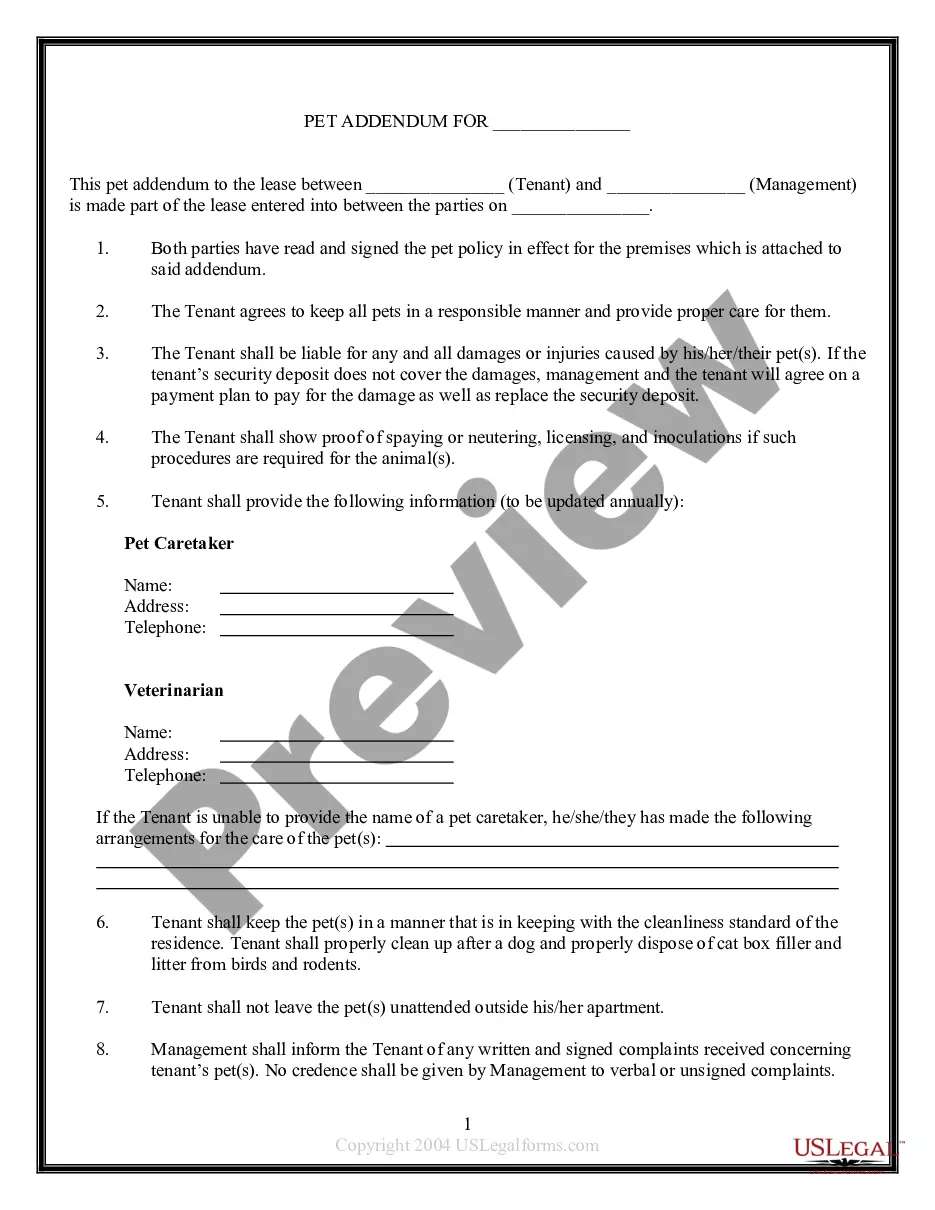
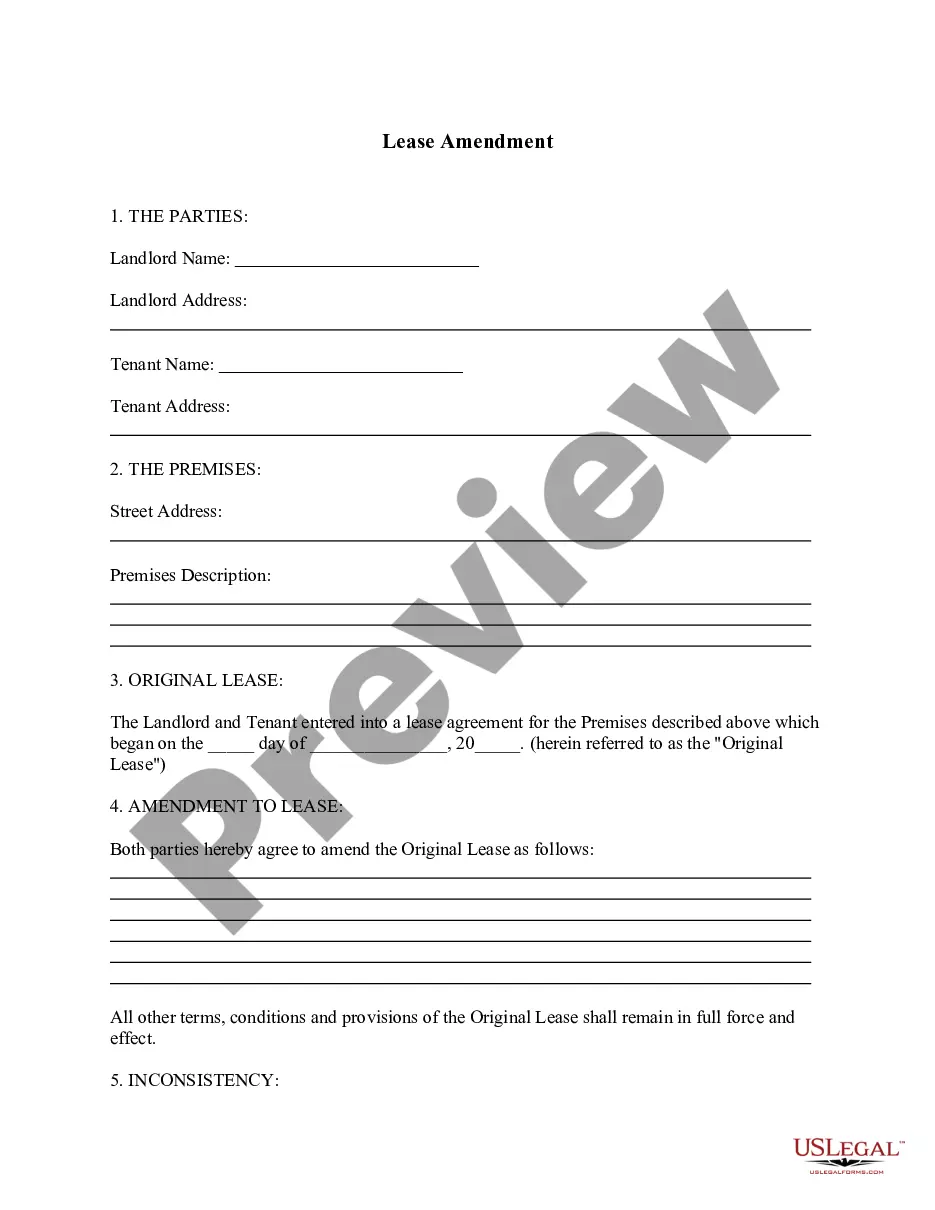
The Amendment of Residential Lease is a legal document that allows parties to modify the terms of an existing residential lease agreement. Unlike other lease forms, this amendment explicitly incorporates the agreed-upon changes into the overall lease contract, helping to prevent misunderstandings and ensuring compliance with applicable state laws.
Key parts of this document
- Identification of parties: Names of the landlord and tenants involved in the lease.
- Original lease details: Reference to the previously executed lease agreement, including start and expiration dates.
- Modification clauses: Specific terms being altered or added to the original lease, such as rent changes or extended terms.
- Signatures: Areas for all parties to sign, acknowledging their agreement to the amended terms.
When to use this form
This form is ideal for situations where tenants and landlords agree on changes to the lease agreement. Scenarios include increasing the rent, extending the lease duration, or adding new tenants. Using this amendment helps document and formalize these changes, reducing the likelihood of disputes in the future.
Who should use this form
Suitable users include:
- Landlords seeking to amend existing lease agreements.
- Tenants wanting to document changes to their lease terms.
- Property managers responsible for lease modifications.
- Anyone involved in a residential rental agreement who needs to formalize changes.
How to prepare this document
- Identify the parties: Fill in the names of the landlord and all tenants.
- Reference the original lease: Include details of the existing lease agreement, such as its date and duration.
- Specify the modifications: Clearly state the changes being made, such as rent adjustments or new lease terms.
- Gather signatures: Ensure all parties sign and date the form to acknowledge their agreement to the amendments.
Notarization guidance
This form does not typically require notarization unless specified by local law. Always check local regulations to ensure compliance.
Get your form ready online
Our built-in tools help you complete, sign, share, and store your documents in one place.
Make edits, fill in missing information, and update formatting in US Legal Forms—just like you would in MS Word.
Download a copy, print it, send it by email, or mail it via USPS—whatever works best for your next step.
Sign and collect signatures with our SignNow integration. Send to multiple recipients, set reminders, and more. Go Premium to unlock E-Sign.
If this form requires notarization, complete it online through a secure video call—no need to meet a notary in person or wait for an appointment.
We protect your documents and personal data by following strict security and privacy standards.

Make edits, fill in missing information, and update formatting in US Legal Forms—just like you would in MS Word.

Download a copy, print it, send it by email, or mail it via USPS—whatever works best for your next step.

Sign and collect signatures with our SignNow integration. Send to multiple recipients, set reminders, and more. Go Premium to unlock E-Sign.

If this form requires notarization, complete it online through a secure video call—no need to meet a notary in person or wait for an appointment.

We protect your documents and personal data by following strict security and privacy standards.
Mistakes to watch out for
- Failing to have all parties sign the amendment.
- Not specifying the date of the original lease agreement.
- Overlooking state-specific legal requirements for lease amendments.
- Informal or vague language that could lead to misinterpretation of the changes.
Advantages of online completion
- Convenience: Access and complete the form from anywhere at any time.
- Editability: Easily adjust the document to fit specific needs or circumstances.
- Reliability: Forms are drafted by licensed attorneys, ensuring legal validity.
Looking for another form?
Form popularity
FAQ
The First Amendment to a lease signifies the initial change made to the original lease agreement. This amendment could address a variety of issues such as rent adjustments or alterations in tenant responsibilities. It is an important tool for adapting to the needs of both landlords and tenants. In aligning with the Alabama Amendment of Residential Lease, you can ensure that all amendments are legally valid and recognized.
Legally removing someone from a lease involves following the steps outlined in the lease agreement and state laws. Typically, this includes providing written notice to the person being removed and obtaining consent from all parties involved. It is important to document this process thoroughly to avoid misunderstandings. The Alabama Amendment of Residential Lease can assist you in ensuring all legal protocols are followed in this process.
An amendment to a lease means that specific clauses or conditions of an existing lease agreement are changed or updated. This can involve modifications to rent, due dates, or tenant responsibilities. Such amendments are essential for accommodating changes in circumstances or agreements between landlords and tenants. The Alabama Amendment of Residential Lease serves as a crucial tool for managing these changes properly.
To write a letter removing someone from a lease, begin with a clear statement of your intent followed by the reasons for the removal. Include relevant details such as the lease date and the names of those involved. Be sure to check the lease terms and applicable laws in Alabama to ensure compliance, as this can vary. The Alabama Amendment of Residential Lease can guide you through drafting this document effectively.
An amendment to a lease listing refers to a legal document that alters certain terms of an existing residential lease in Alabama. This can include changes to rental amounts, lease duration, or tenant responsibilities. By amending the lease, both parties can agree to new conditions without needing to create an entirely new document. Utilizing the Alabama Amendment of Residential Lease ensures clarity and transparency in your agreements.
When a landlord chooses not to renew a lease in Alabama, they must provide a notice of at least 30 days. This requirement helps tenants avoid unexpected disruptions in their living situation. Familiarizing yourself with the Alabama Amendment of Residential Lease can guide landlords and tenants alike in navigating these notifications. Using legal resources, such as UsLegalForms, can provide clarity and ensure compliance with these standards.
Landlords in Alabama must give tenants at least a 30-day notice if they wish to terminate a month-to-month lease. This timeframe allows tenants adequate time to find new housing and prepare for their move. Understanding the Alabama Amendment of Residential Lease is vital, as it outlines both parties' responsibilities and rights, ensuring fairness in the rental process. Always check your rental agreement for specific terms.
In Alabama, the law requires landlords to provide a minimum notice to tenants when terminating a lease. Typically, this notice period is 30 days unless the lease specifies otherwise. It is essential for both parties to follow this guideline to ensure a smooth transition. The Alabama Amendment of Residential Lease can help clarify these regulations and provide structure to rental agreements.
Yes, landlords in Alabama can decide not to renew a lease after its term ends. While they are not required to provide a reason, landlords may choose to end the lease for various personal or business motives. Keep in mind that if a landlord fails to follow the proper legal procedures outlined in the Alabama Amendment of Residential Lease laws, they could encounter issues. Therefore, understanding your rights as a tenant is crucial.
Breaking up after signing a lease can be challenging, but it's important to address the situation calmly. If both parties are willing, consider an Alabama Amendment of Residential Lease to outline new arrangements regarding the lease. If needed, consult legal resources or mediators to help navigate this transition smoothly.