Alabama Motion For Production and Disclosure
About this form
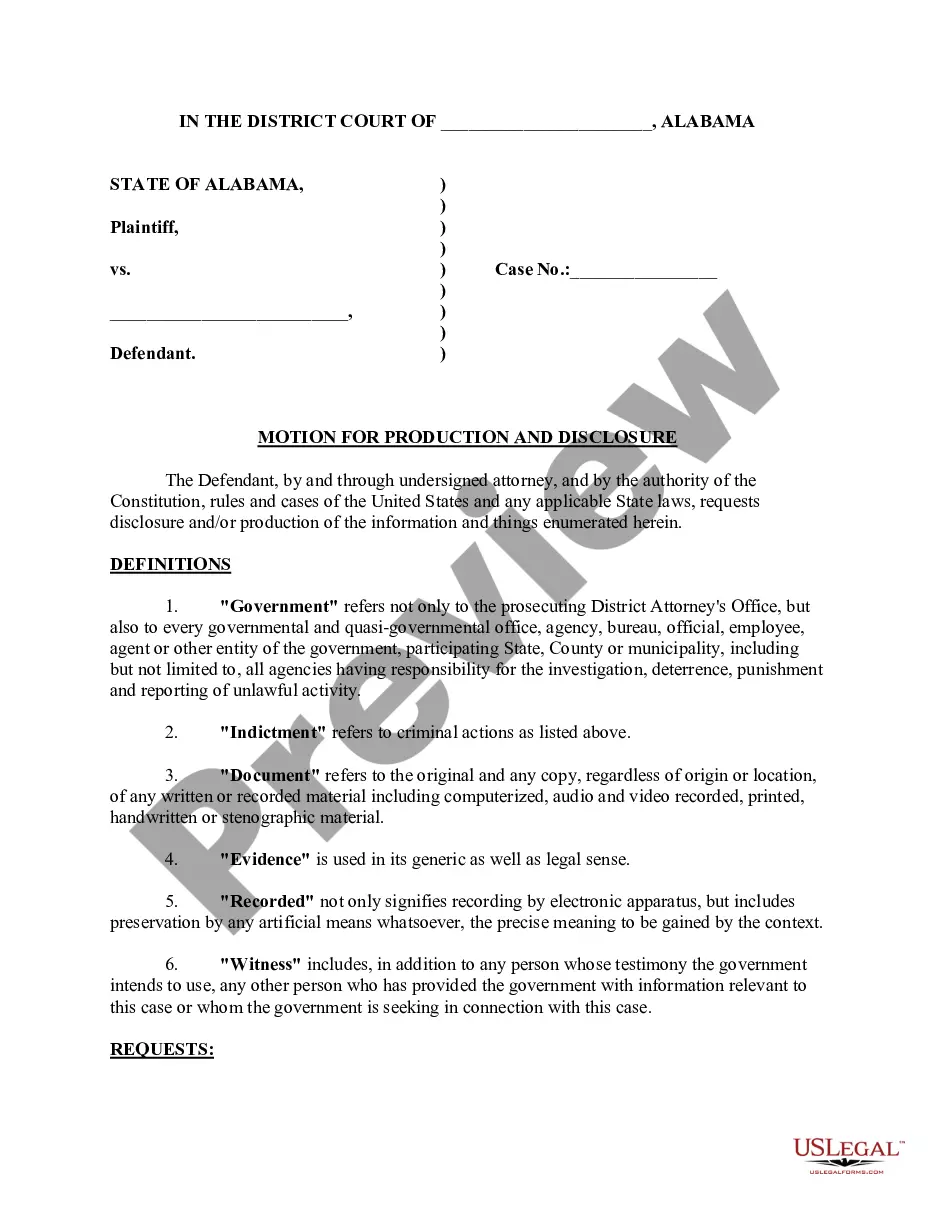
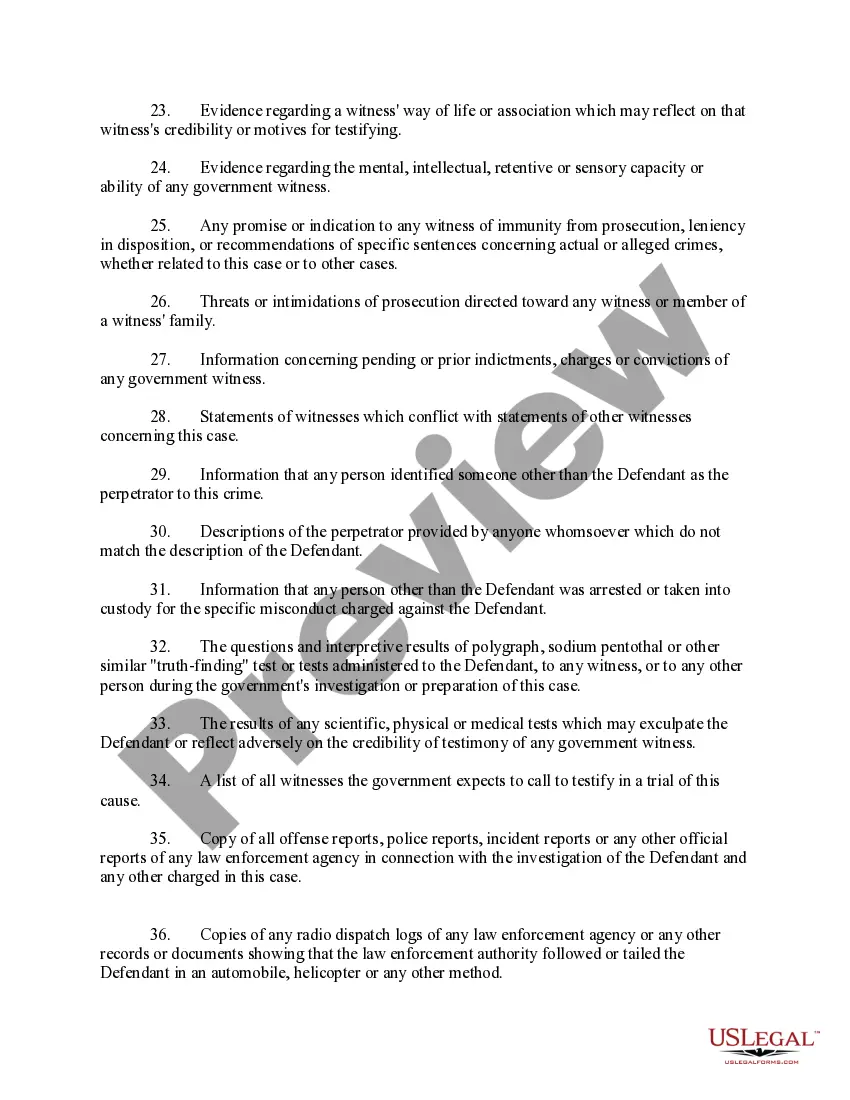
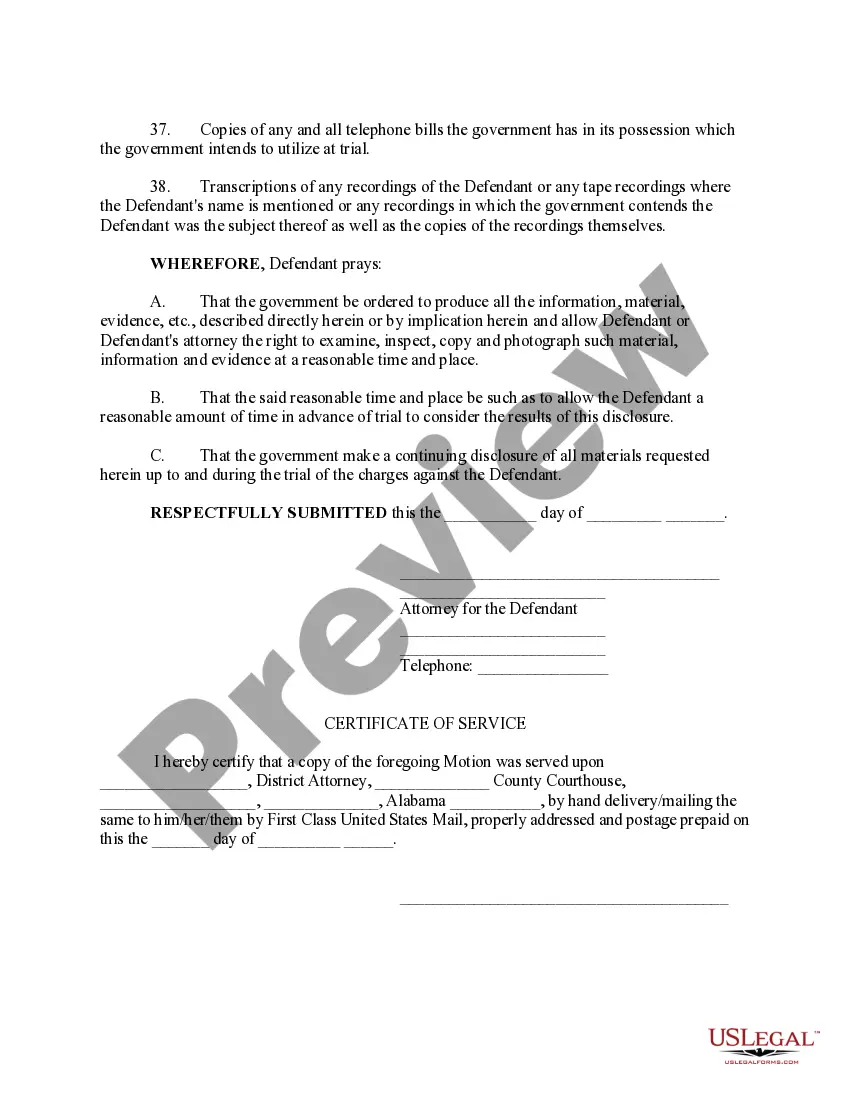
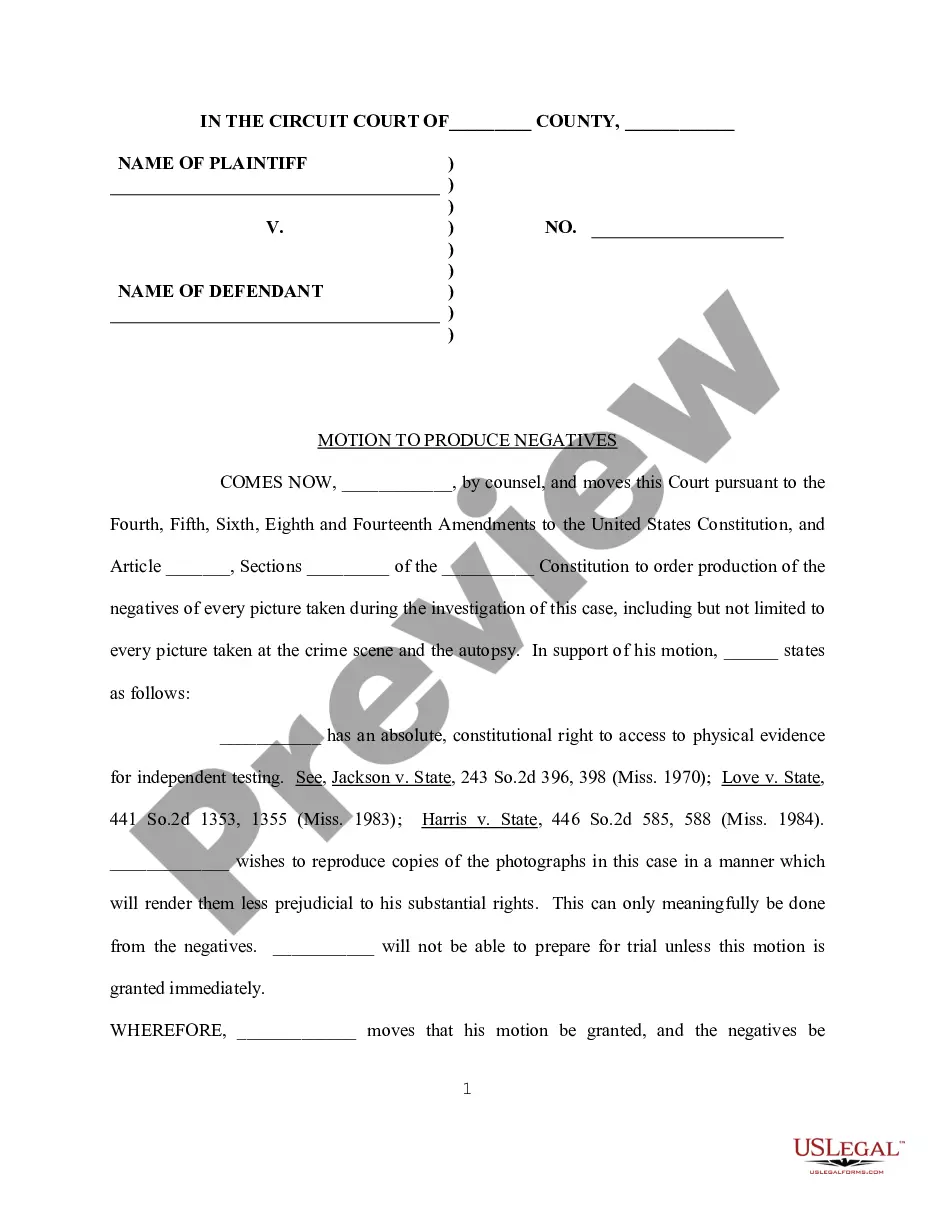
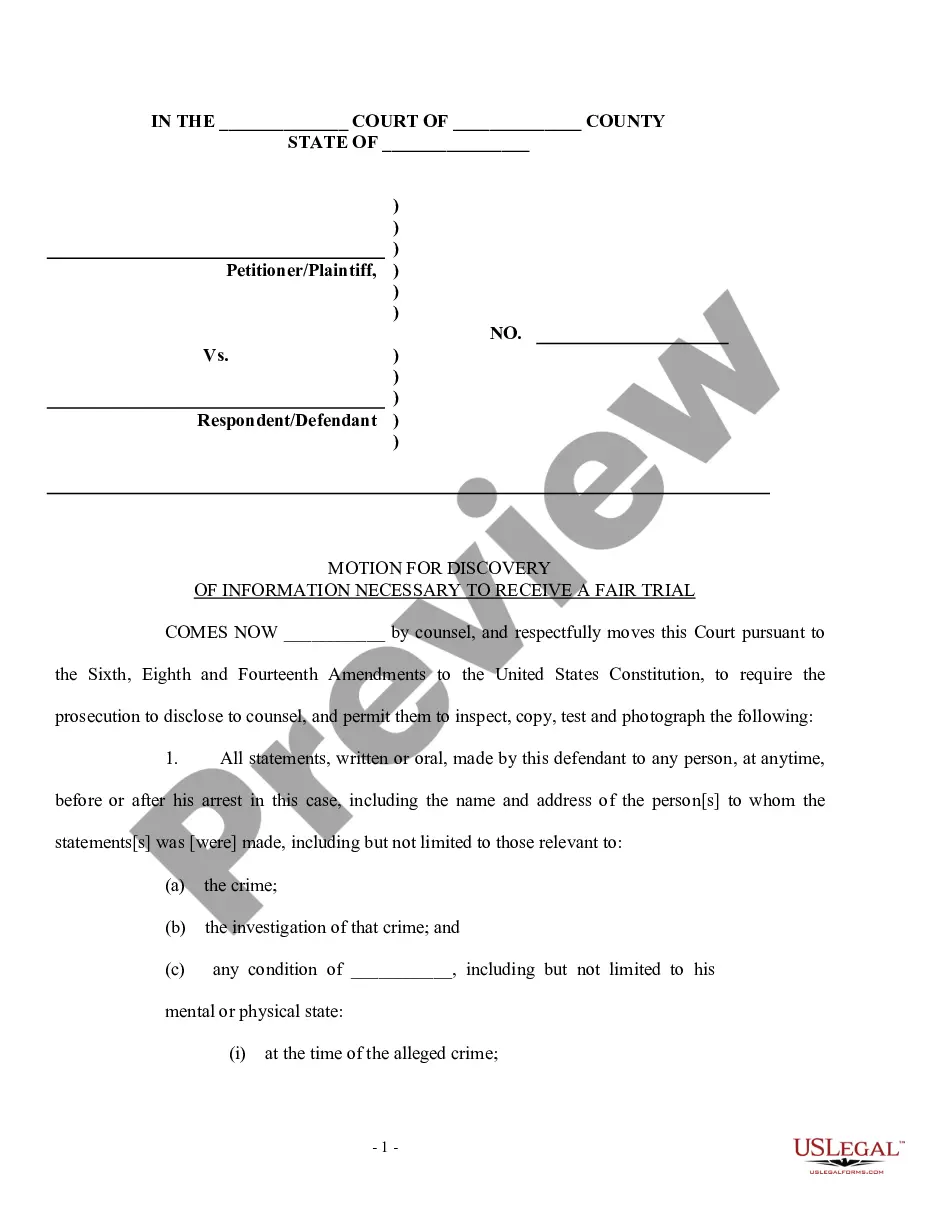
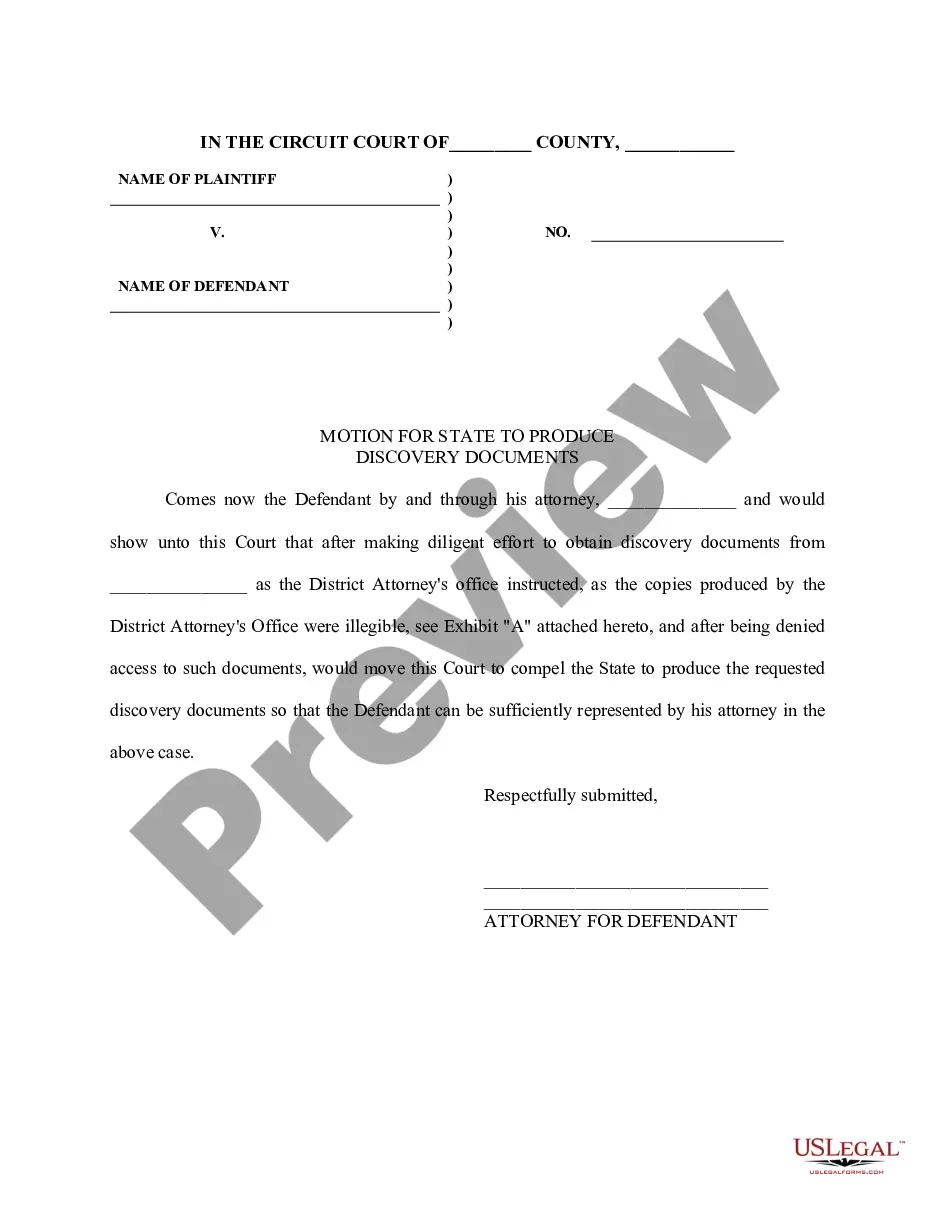
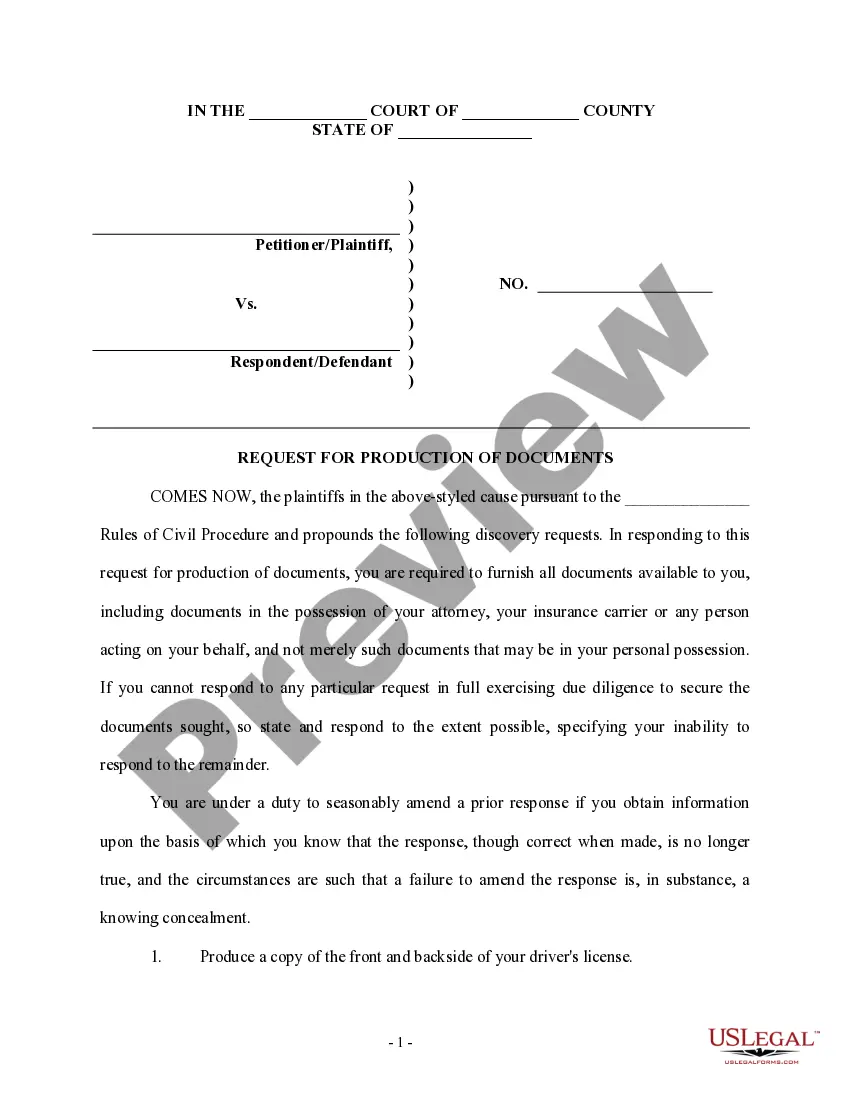
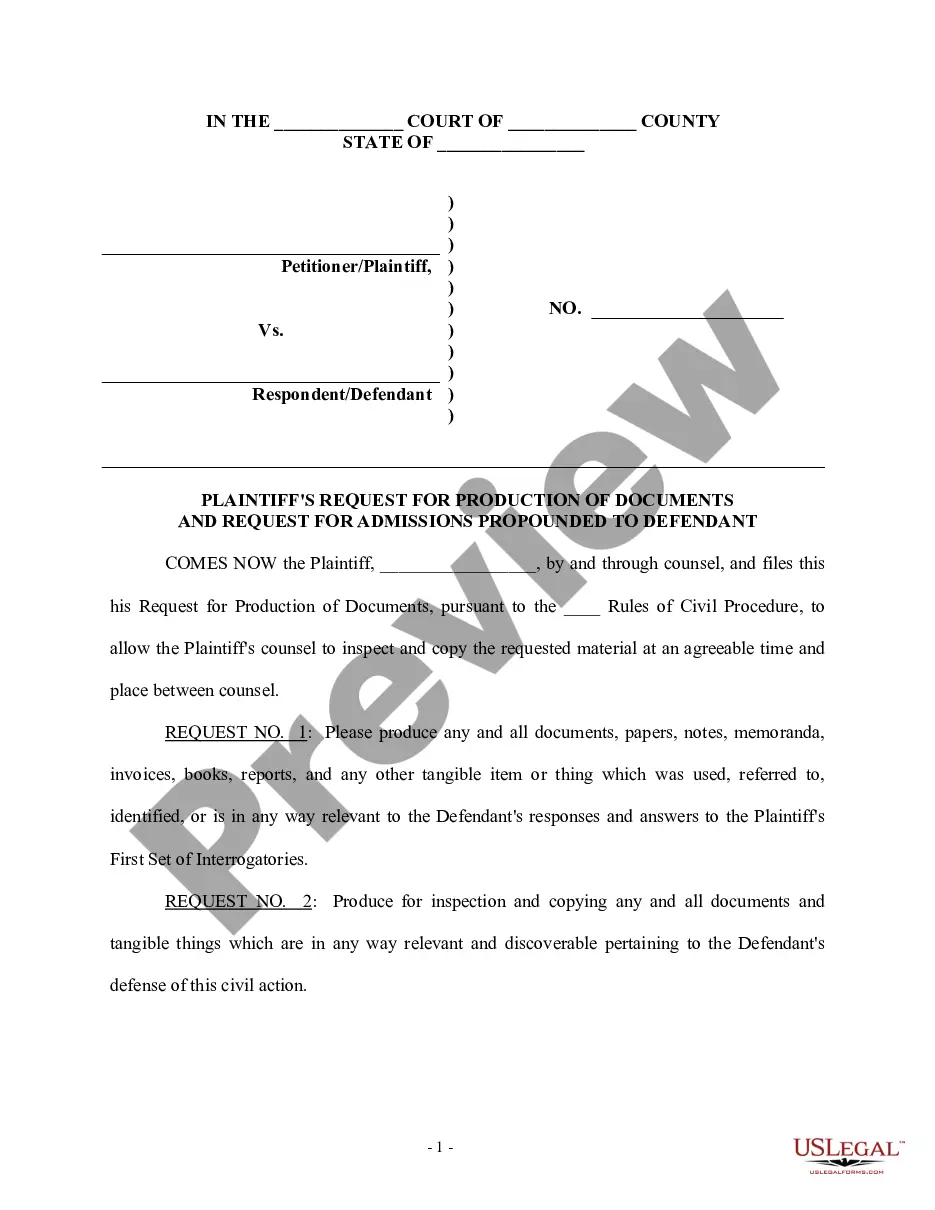
The Motion for Production and Disclosure is a legal document that allows a defendant to request the government to provide specific evidence and information related to their case. This form is essential in criminal proceedings, enabling defendants to prepare an effective defense by examining the evidence held against them. Unlike other motions, this form specifically focuses on acquiring material evidence and information relevant to the charges faced.
Key parts of this document
- Definitions of key terms such as 'government,' 'document,' and 'witness.'
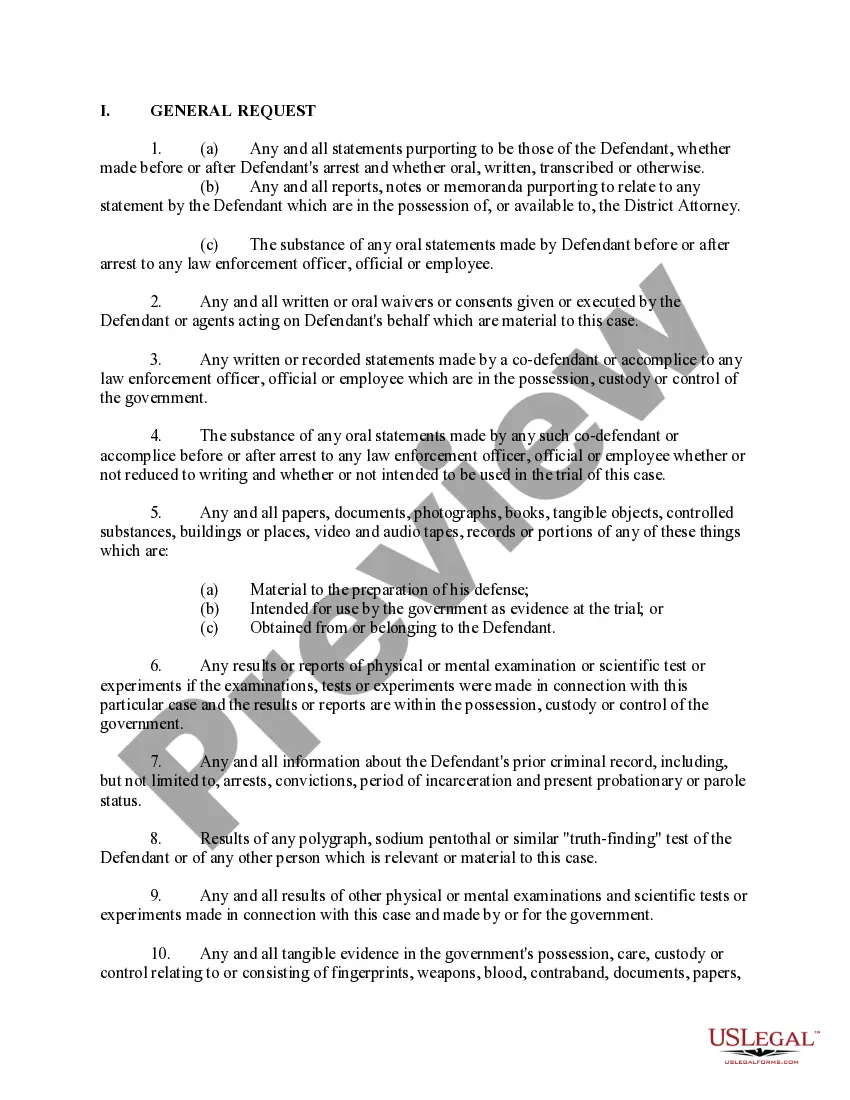
- A general request section for various types of evidence, including statements, documents, and witness information.
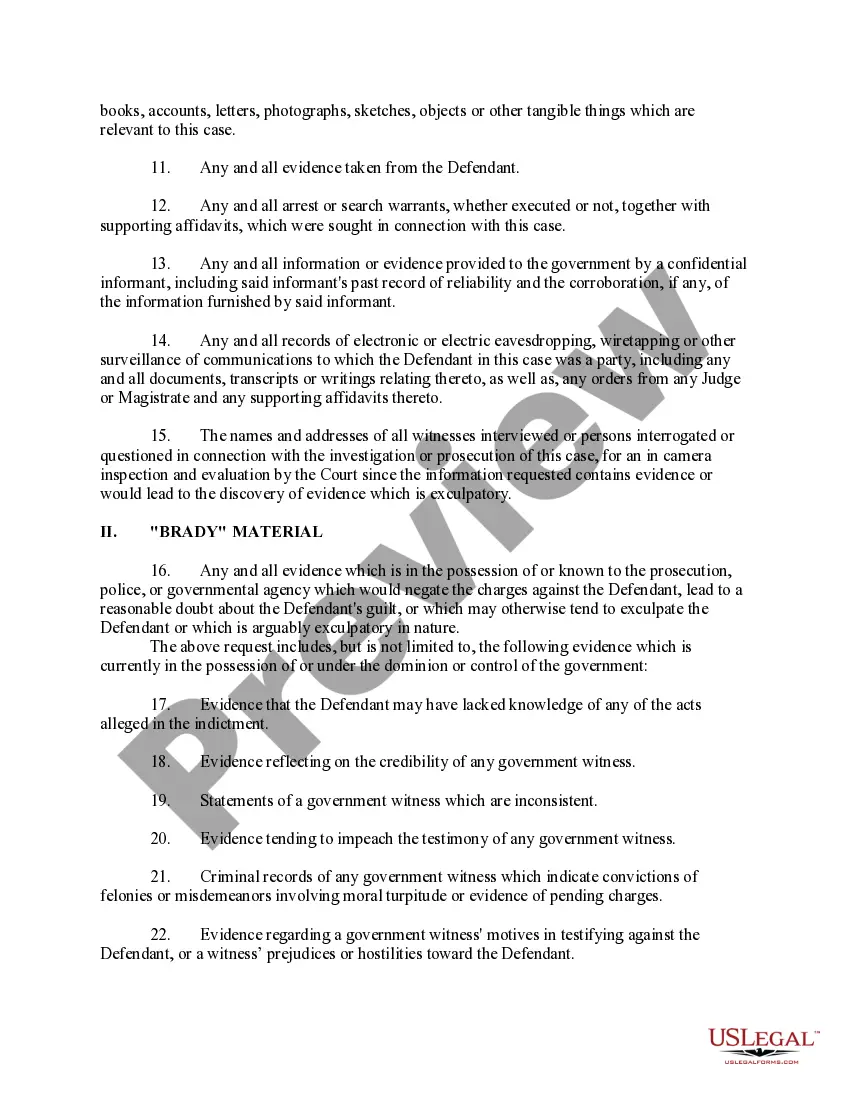
- A specific request for Brady material, which includes evidence that could exonerate the defendant or raise reasonable doubt.
- A section identifying the expected court procedures related to the disclosure of evidence.
When this form is needed
You should use this form when you are a defendant in a criminal case and need to obtain evidence and information from the government to support your defense. It is commonly used before the trial to ensure that you have access to all relevant materials that could impact the outcome of your case.
Who should use this form
This form is intended for:
- Defendants in a criminal case who require evidence for their defense.
- Defense attorneys representing clients facing criminal charges.
- Individuals seeking to understand their rights regarding evidence disclosure in a legal context.
Instructions for completing this form
To complete this form, follow these steps:
- Identify the parties involved, including the defendant and the government body.
- Clearly define the specific evidence or material you are requesting.
- Ensure that all definitions and terminology used in the form are appropriately understood.
- Include any additional requests for Brady material relevant to your defense.
- Review the form for accuracy and ensure it is signed by the defendant or their attorney.
Is notarization required?
This form does not typically require notarization unless specified by local law. It is advisable to check local legal requirements to confirm whether notarization is needed for your specific situation.
Get your form ready online
Our built-in tools help you complete, sign, share, and store your documents in one place.
Make edits, fill in missing information, and update formatting in US Legal Forms—just like you would in MS Word.
Download a copy, print it, send it by email, or mail it via USPS—whatever works best for your next step.
Sign and collect signatures with our SignNow integration. Send to multiple recipients, set reminders, and more. Go Premium to unlock E-Sign.
If this form requires notarization, complete it online through a secure video call—no need to meet a notary in person or wait for an appointment.
We protect your documents and personal data by following strict security and privacy standards.

Make edits, fill in missing information, and update formatting in US Legal Forms—just like you would in MS Word.

Download a copy, print it, send it by email, or mail it via USPS—whatever works best for your next step.

Sign and collect signatures with our SignNow integration. Send to multiple recipients, set reminders, and more. Go Premium to unlock E-Sign.

If this form requires notarization, complete it online through a secure video call—no need to meet a notary in person or wait for an appointment.

We protect your documents and personal data by following strict security and privacy standards.
Common mistakes to avoid
- Failing to specify the exact evidence being requested can lead to a denial of the motion.
- Not understanding the definitions of terms outlined in the form may result in incomplete requests.
- Submitting the motion too close to the trial date may limit the time available for material review.
Benefits of using this form online
- Completing this form online allows for easy access to legal templates and reduces the time spent on drafting.
- Editable documents can be tailored to fit specific cases and requirements.
- Access to forms created by licensed attorneys, ensuring legal compliance and accuracy.
- This motion helps uphold a defendant's right to a fair trial by ensuring access to evidence.
- Properly completed motions may be enforceable in court, subject to legal standards.
- Limitations may apply based on the specific legal context and the type of evidence requested.
Main things to remember
- The Motion for Production and Disclosure is critical for defendants to gain access to necessary evidence.
- Clear definitions and specific requests help streamline the discovery process.
- Filing this motion can enhance the chances of a fair trial by ensuring full disclosure of evidence.
Looking for another form?




Form popularity
FAQ
The Alabama Motion For Production and Disclosure is a criminal defense document filed by a defendant or defense counsel to compel the government to produce materials, evidence, and information relevant to the case. It ensures access to material that may affect the defense, emphasizes Brady material, and promotes ongoing disclosure leading up to trial.
This motion is filed by the defendant or defense counsel in a criminal case to request that the government disclose materials. It seeks documents, statements, and other materials the prosecution possesses that may aid the defense, including specific requests for evidence such as witness statements or prior records, consistent with the form’s components.
The Alabama Motion For Production and Disclosure is intended for defendants in criminal cases and their attorneys who need access to evidence held by the government. It applies when information may affect the defendant’s case or legal standing and may require the government to disclose materials before or during trial.
Key components include definitions of key terms, general requests for statements or documents, specific requests for evidence (such as witness statements and prior criminal records), emphasis on Brady material, and requirements for continuous disclosure of evidence by the government leading up to trial.
It should be used when the defendant believes the prosecution may have evidence that could benefit the case; it ensures that all relevant materials are disclosed before trial, allowing the defense to prepare effectively, assess exculpatory information, and challenge the government's case with all available information.
Unlike a general criminal discovery motion, this form focuses specifically on production and disclosure of materials, with explicit emphasis on Brady material and ongoing disclosure up to trial. It clarifies that the defendant seeks access to material that may exculpate or otherwise affect the defense and that the government has an obligation to update disclosures as the case progresses.