Alaska Waiver and Release From Liability For Minor Child for Shooting Range
Description
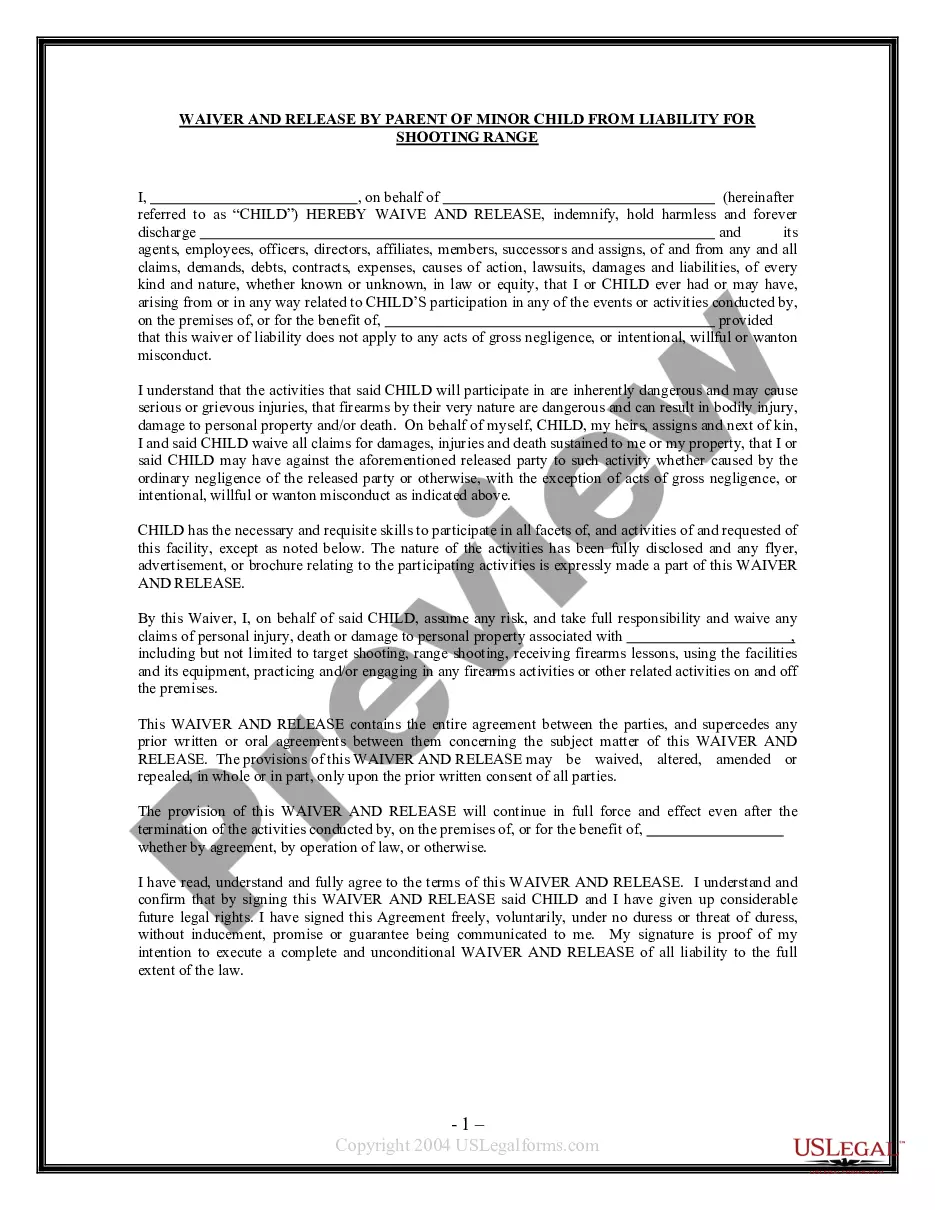
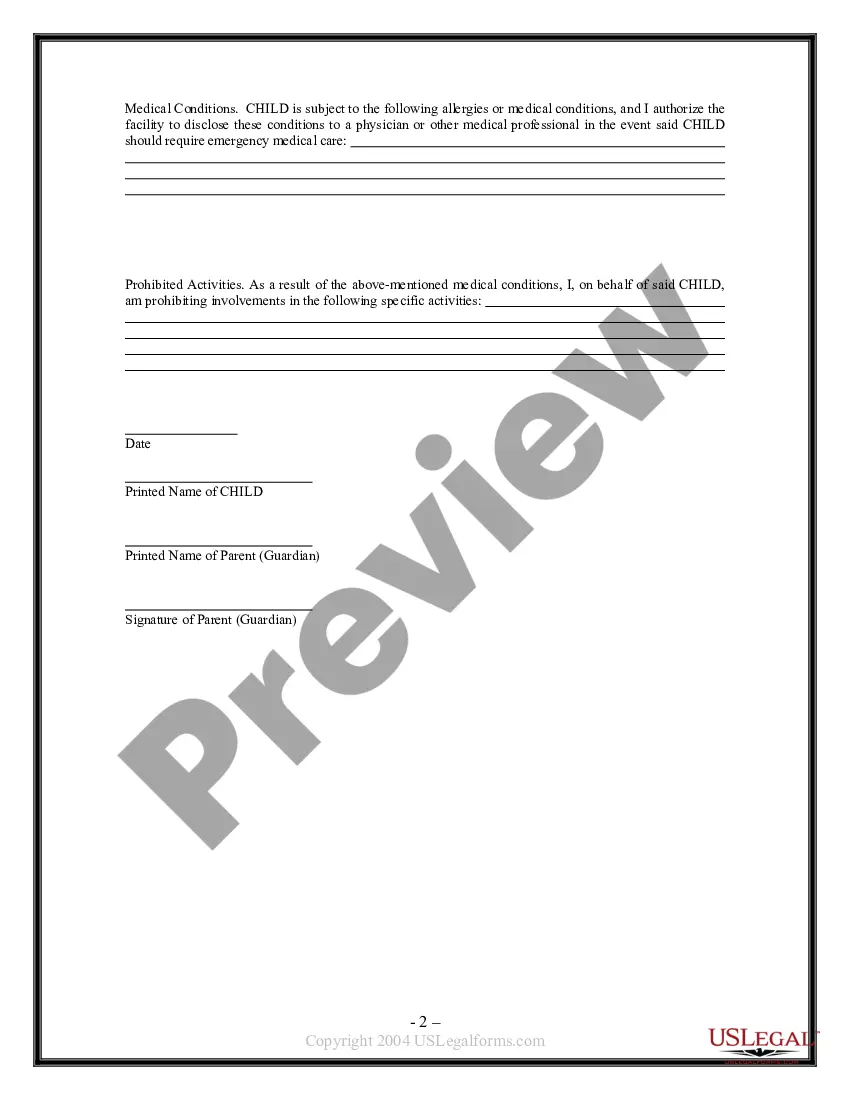
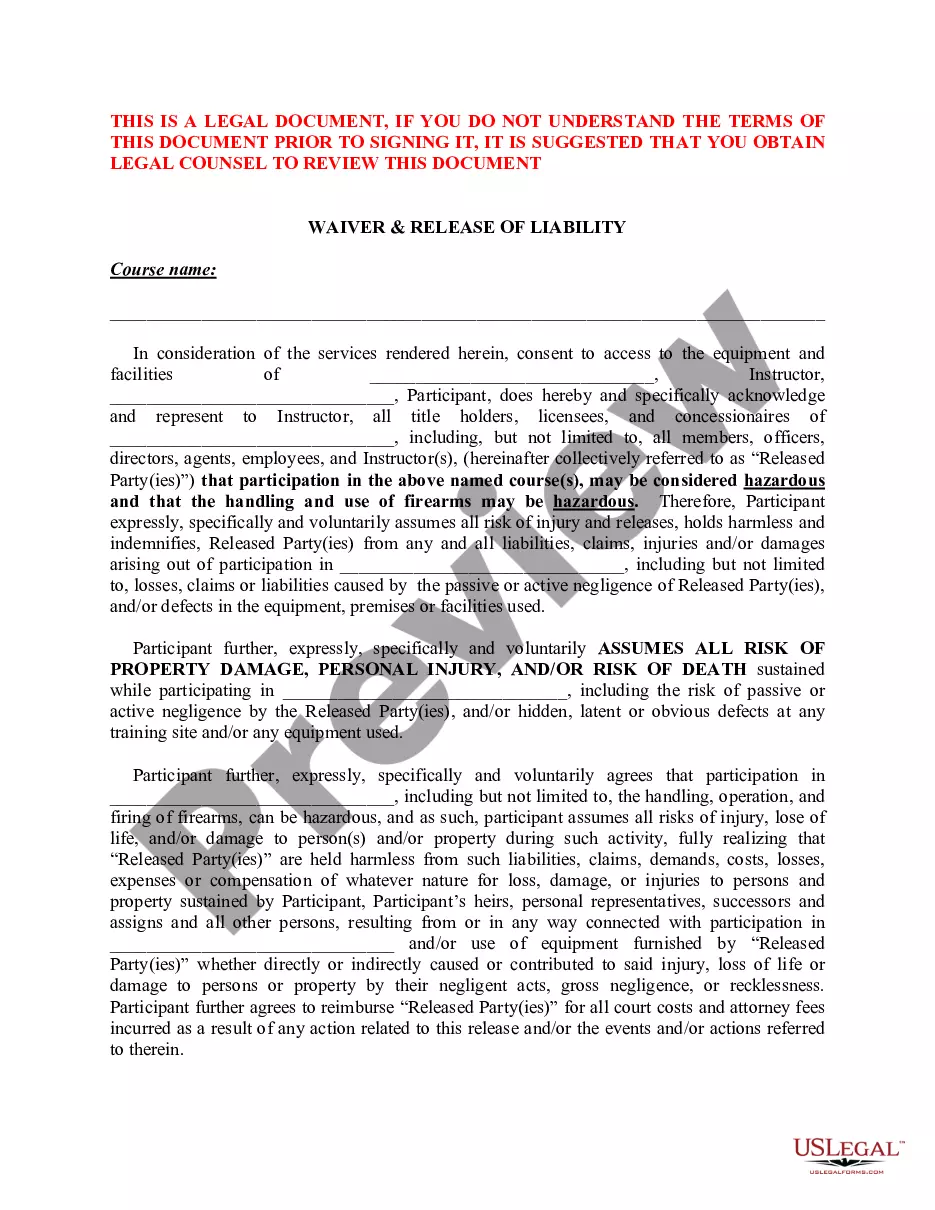
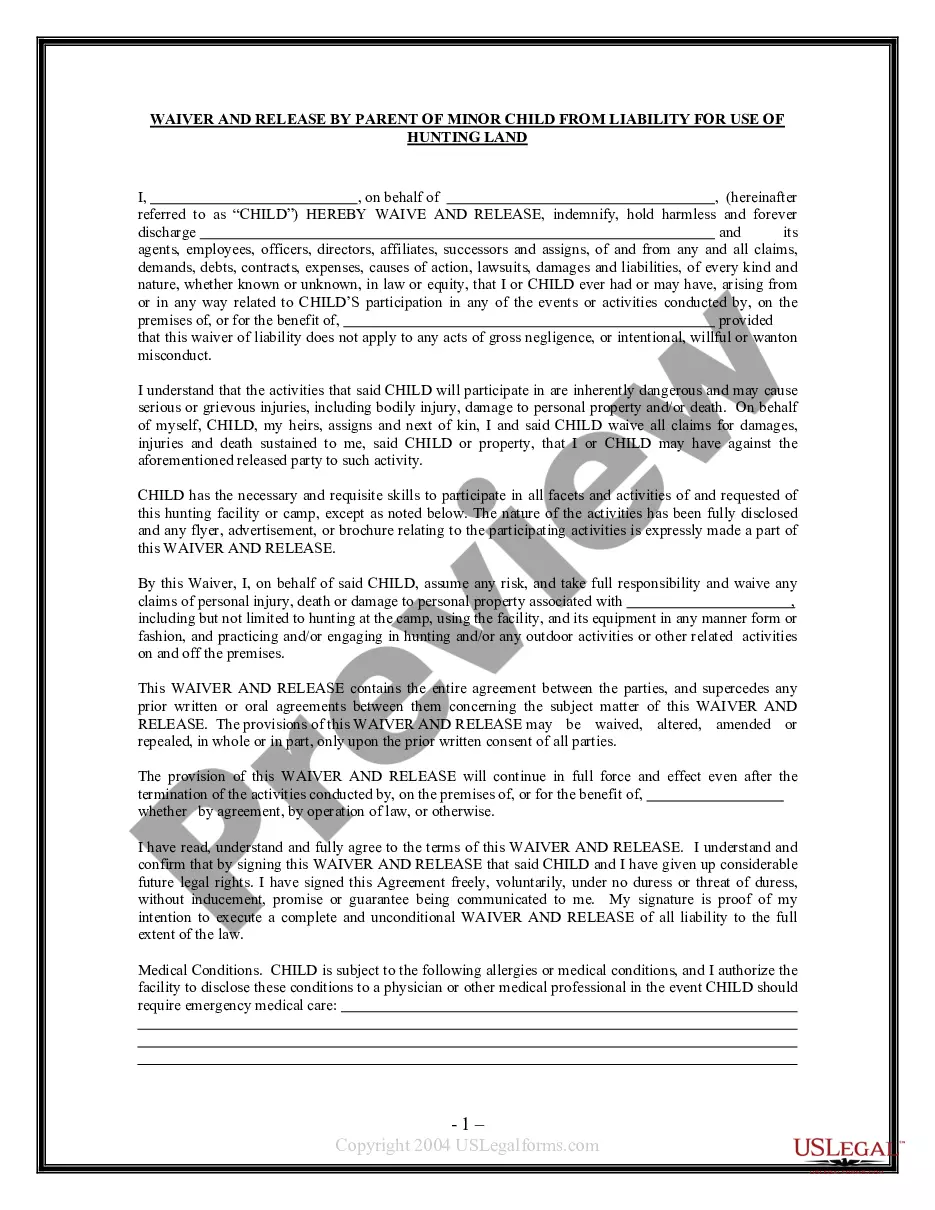
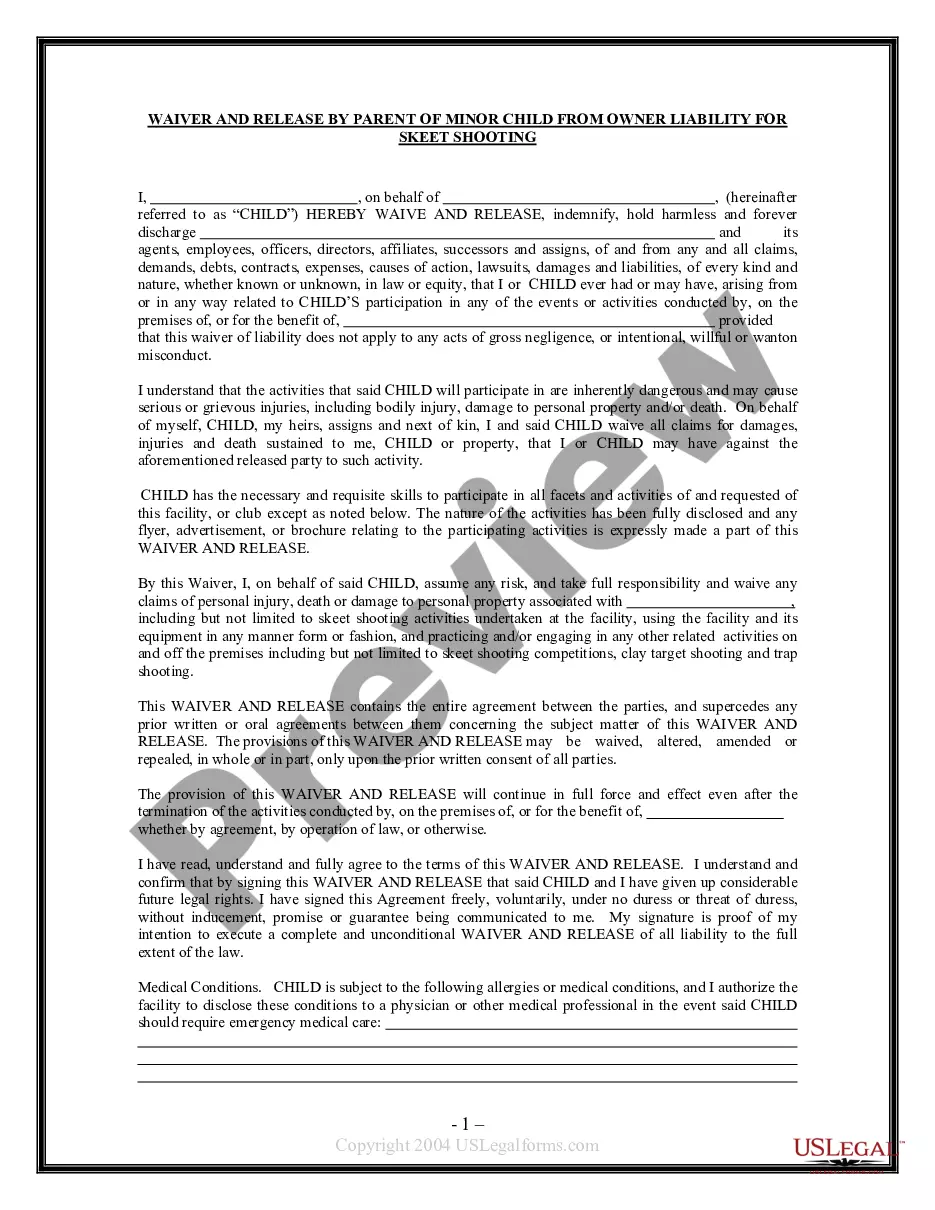
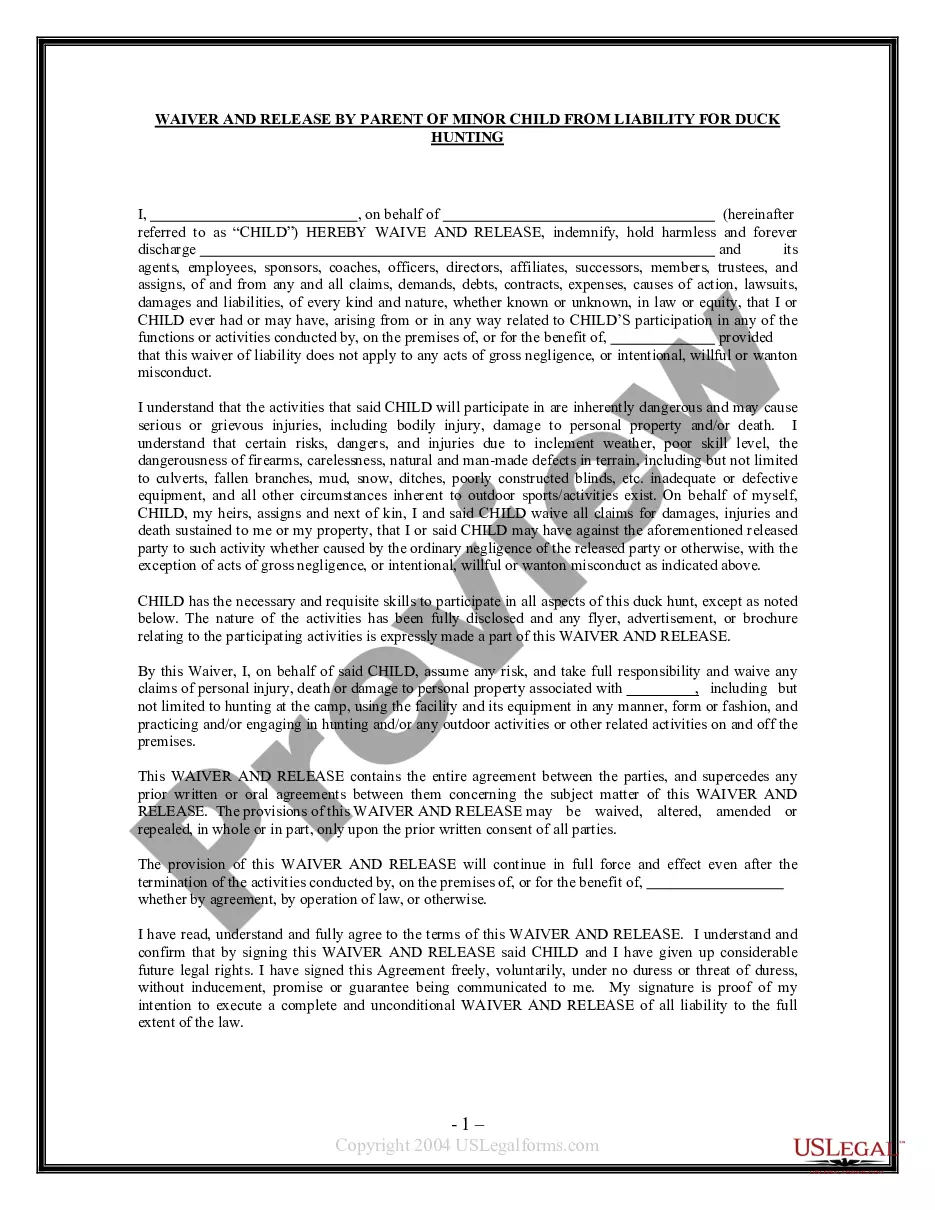
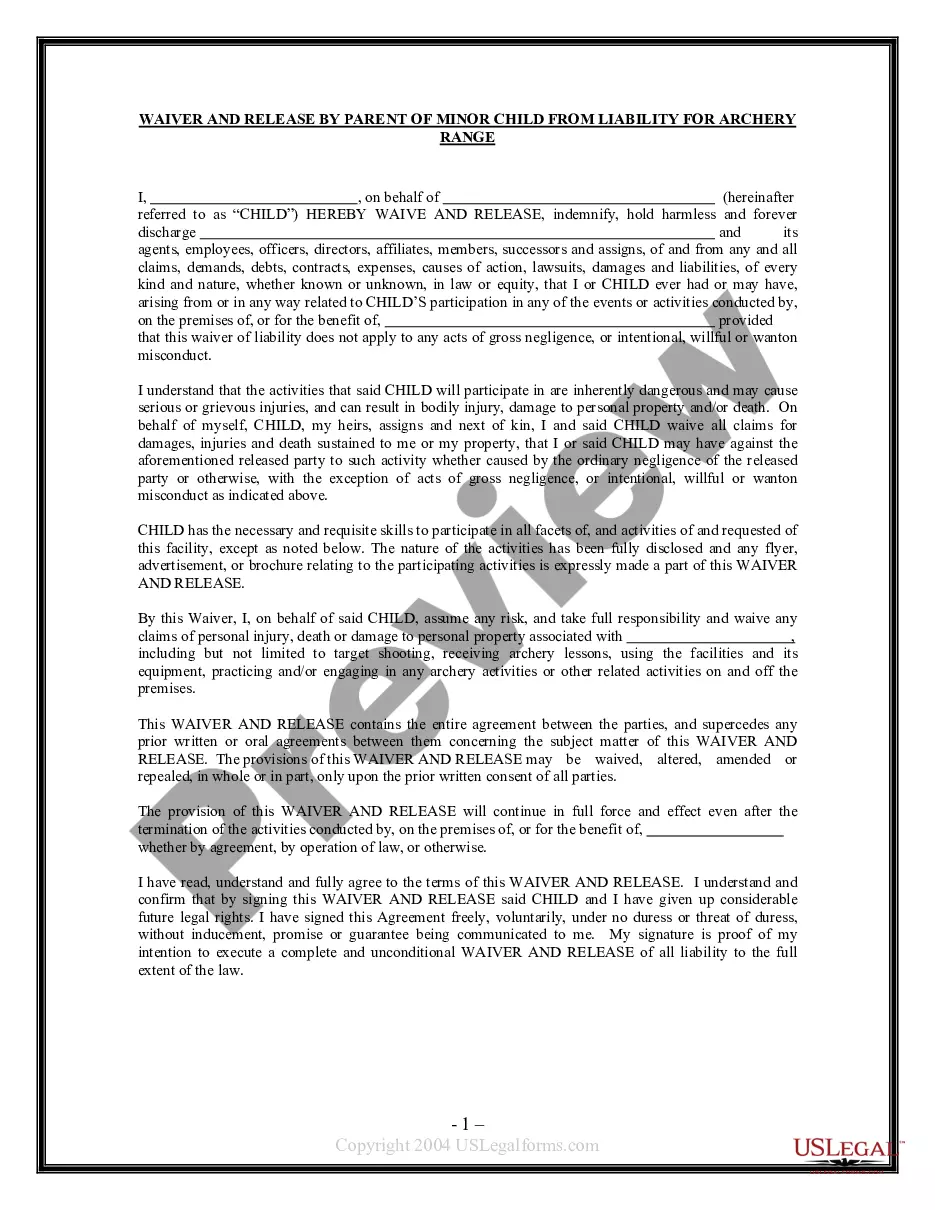
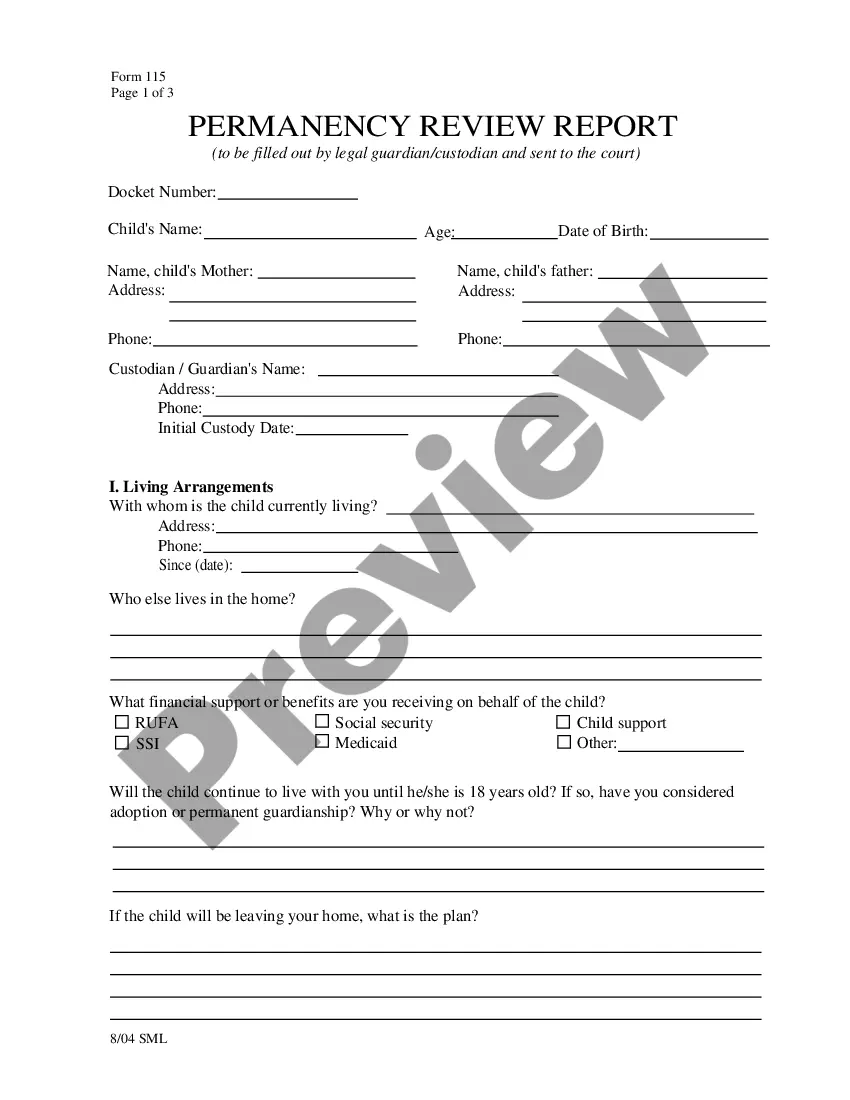
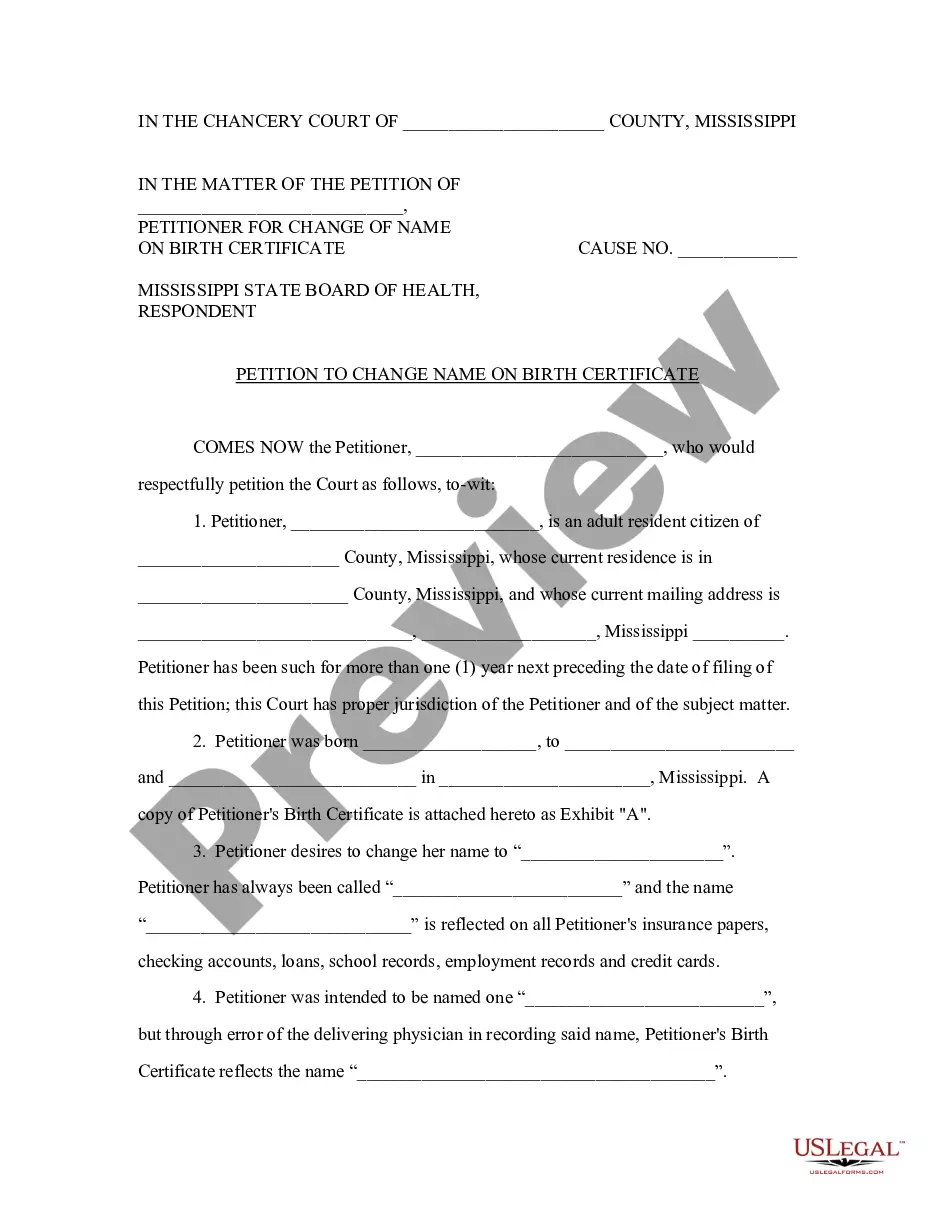
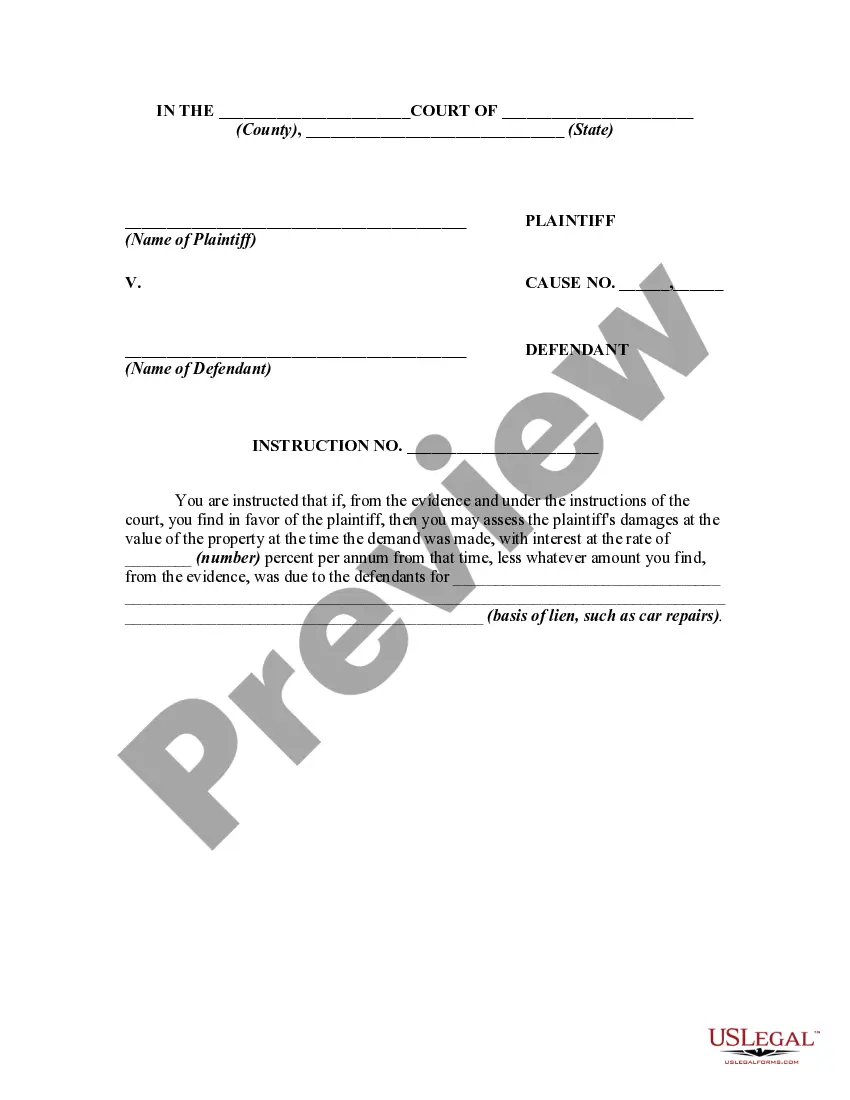
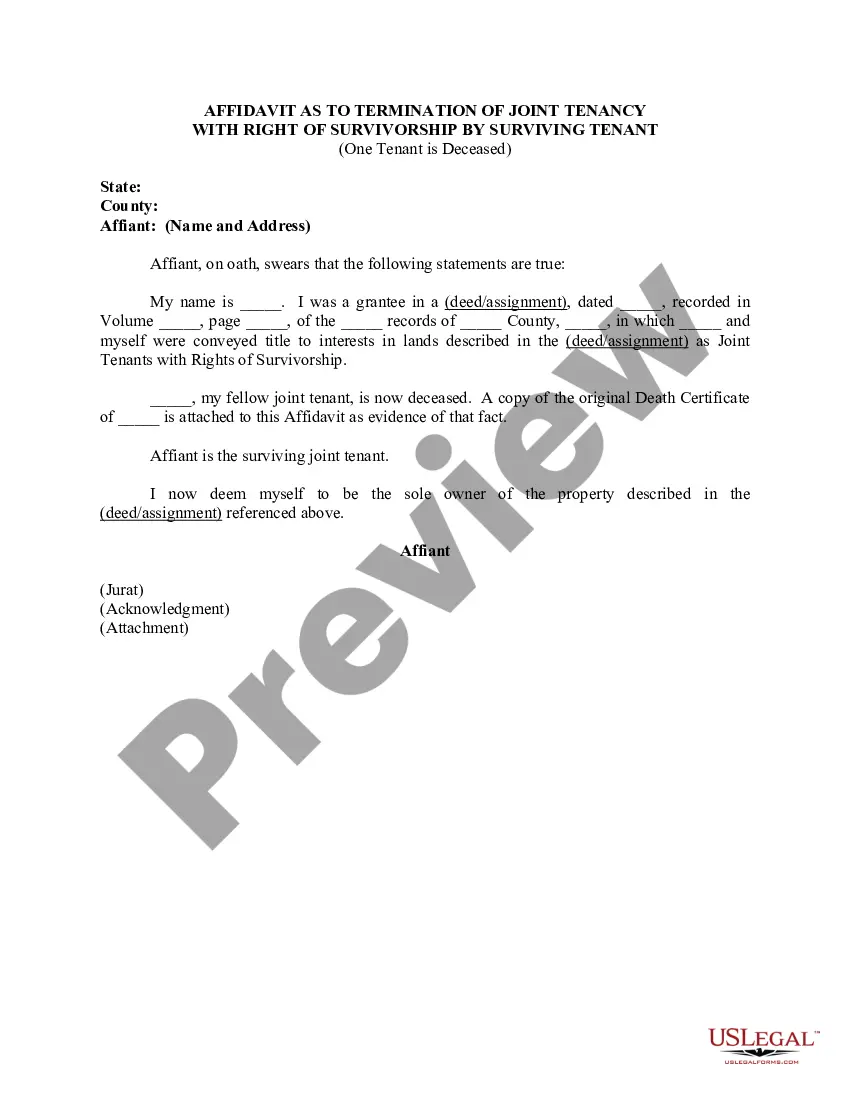


How to fill out Waiver And Release From Liability For Minor Child For Shooting Range?
If you desire to aggregate, acquire, or generate legitimate document templates, utilize US Legal Forms, the foremost collection of legal forms, available online.
Take advantage of the site's straightforward and user-friendly search to find the documents you need. Numerous templates for business and personal purposes are organized by categories and states, or keywords.
Use US Legal Forms to access the Alaska Waiver and Release From Liability For Minor Child for Shooting Range with just a few clicks.
Step 5. Complete the transaction. You can use your Visa or MasterCard or PayPal account to process the purchase.
Step 6. Select the format of the legal form and download it to your device. Step 7. Fill out, edit, and print or sign the Alaska Waiver and Release From Liability For Minor Child for Shooting Range. Every legal document template you purchase is yours for years. You have access to every form you downloaded within your account. Select the My documents section and choose a form to print or download again. Be proactive and obtain, and print the Alaska Waiver and Release From Liability For Minor Child for Shooting Range with US Legal Forms. There are countless professional and state-specific forms available for your business or personal needs.
- If you are already a US Legal Forms user, sign in to your account and click on the Download button to locate the Alaska Waiver and Release From Liability For Minor Child for Shooting Range.
- You can also access forms you previously downloaded in the My documents section of your account.
- If you are using US Legal Forms for the first time, follow the instructions below.
- Step 1. Ensure you have selected the form for the correct city/state.
- Step 2. Use the Preview feature to review the form's content. Remember to read through the summary.
- Step 3. If you are dissatisfied with the form, utilize the Search field at the top of the screen to find other forms in the legal form template.
- Step 4. Once you have found the form you want, click the Get now button. Choose the payment plan you prefer and provide your details to register for an account.
Form popularity
FAQ
In Alaska, the legal age to own a firearm is 21 years old for handguns and 18 years old for rifles and shotguns. This law aligns with federal regulations but allows some flexibility for younger individuals under specific circumstances. If you are a parent or guardian considering introducing your child to firearms, look into the Alaska Waiver and Release From Liability For Minor Child for Shooting Range to protect yourself legally while promoting safe practices.
In Alaska, you can legally have a loaded firearm in your vehicle. However, it is important to understand the specific laws governing firearm transport in the state. Always ensure that you comply with local regulations to avoid any legal issues. Additionally, if you plan to take a minor to a shooting range, consider using an Alaska Waiver and Release From Liability For Minor Child for Shooting Range to ensure safety and legal protection.
Signing a waiver does not mean you automatically do not have the right to file a lawsuit after suffering a serious injury in California. Liability laws are complex and often require an attorney's assistance. If you signed a waiver before an activity that gave you an injury, speak to a lawyer about your rights.
A generic form of release agreement for use when parties to a commercial contract are terminating or have terminated the contract (or a portion of it) and have agreed to deliver a mutual release of claims. This Standard Document has integrated notes with important explanations and drafting tips.
To sum it up, customers can still sue business owners even when they've signed a waiver to use the business.
A waiver/release is an exculpatory contract that attempts to excuse or relieve a party, for injuries to a participant that arise out of the known and unknown risks in an activity. This includes the inherent risks that arise from the sports organization's ordinary negligence.
Liability waivers are enforceable in California solely to the extent they shift to the customer the risk of ordinary negligence. Under California law, a liability waiver cannot excuse an injury caused by a defendant's gross negligence, recklessness or intentionally wrongful act.
If you are injured as a result of ordinary negligence, the liability waiver may fully protect the defendant and leave you without legal recourse. If you are injured as a result of gross negligence, then you may have a case.
Key Takeaways. A waiver is a legally binding provision where either party in a contract agrees to voluntarily forfeit a claim without the other party being liable. Waivers can either be in written form or some form of action.
A waiver is an exculpatory contract. That means it's used to excuse a party from responsibility when the other contracted party is injured by either known or unknown risks in a particular activity. This includes inherent risks and ordinary negligence.