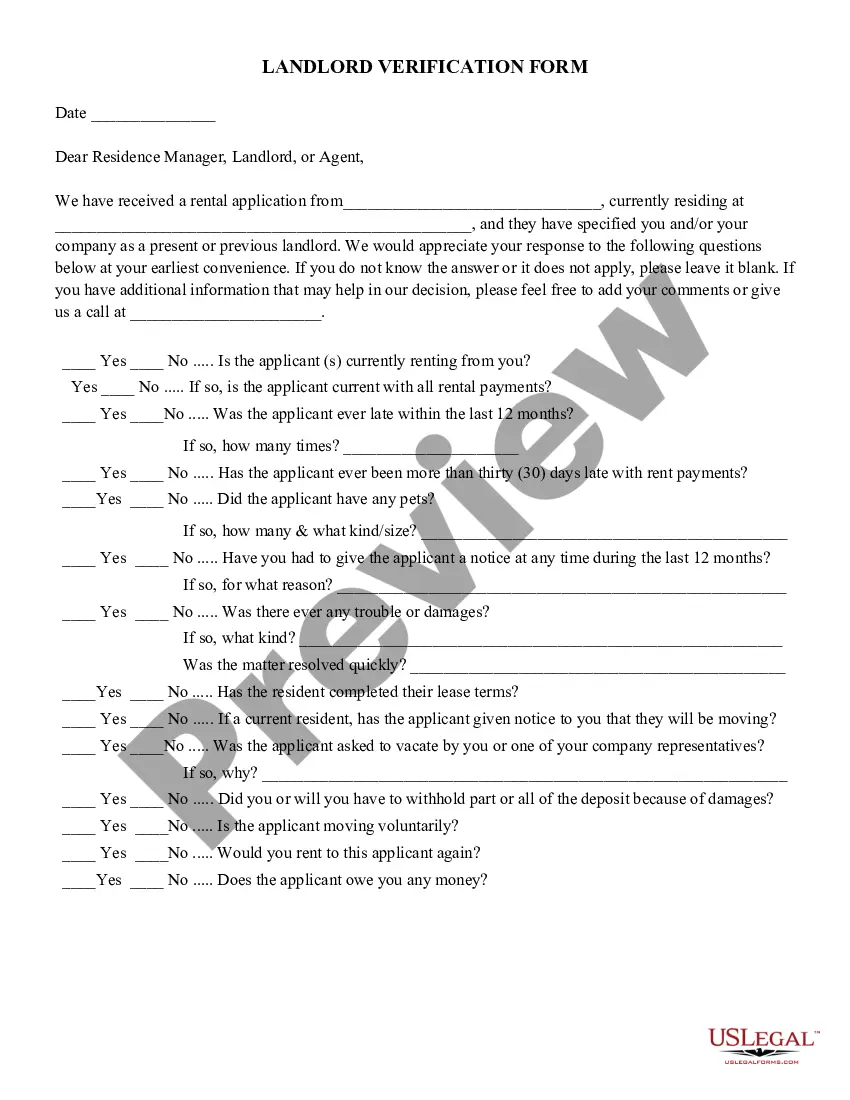
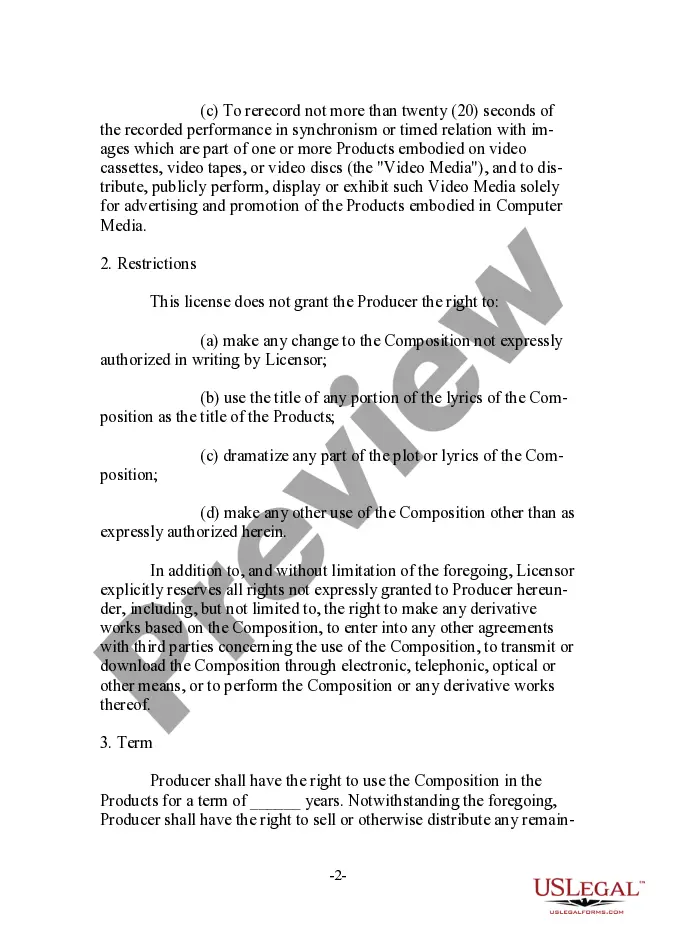
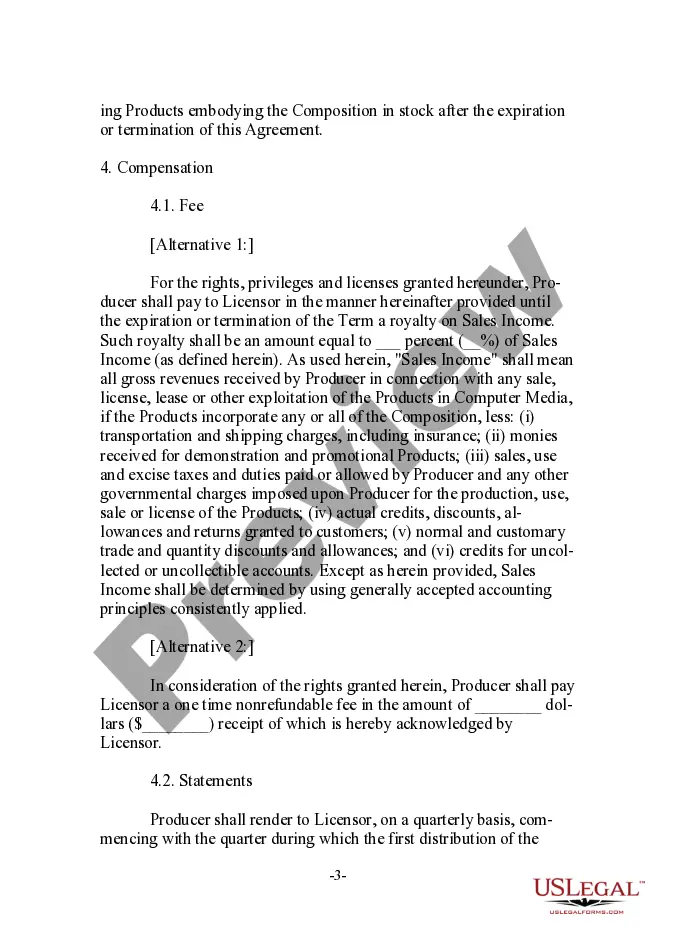
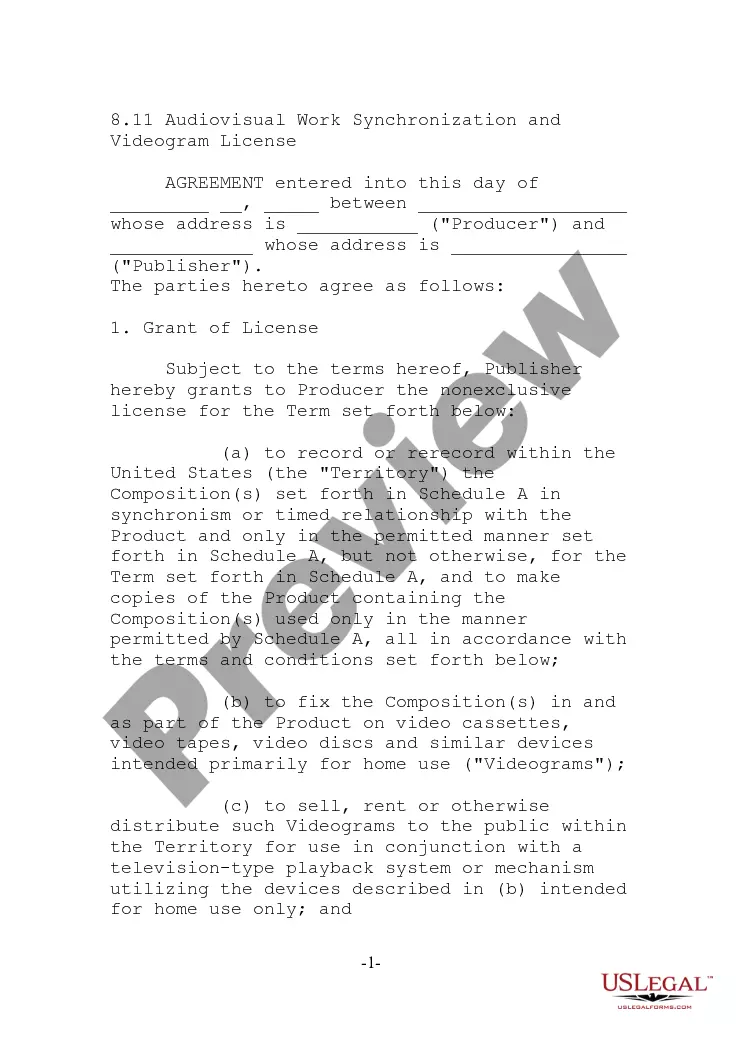
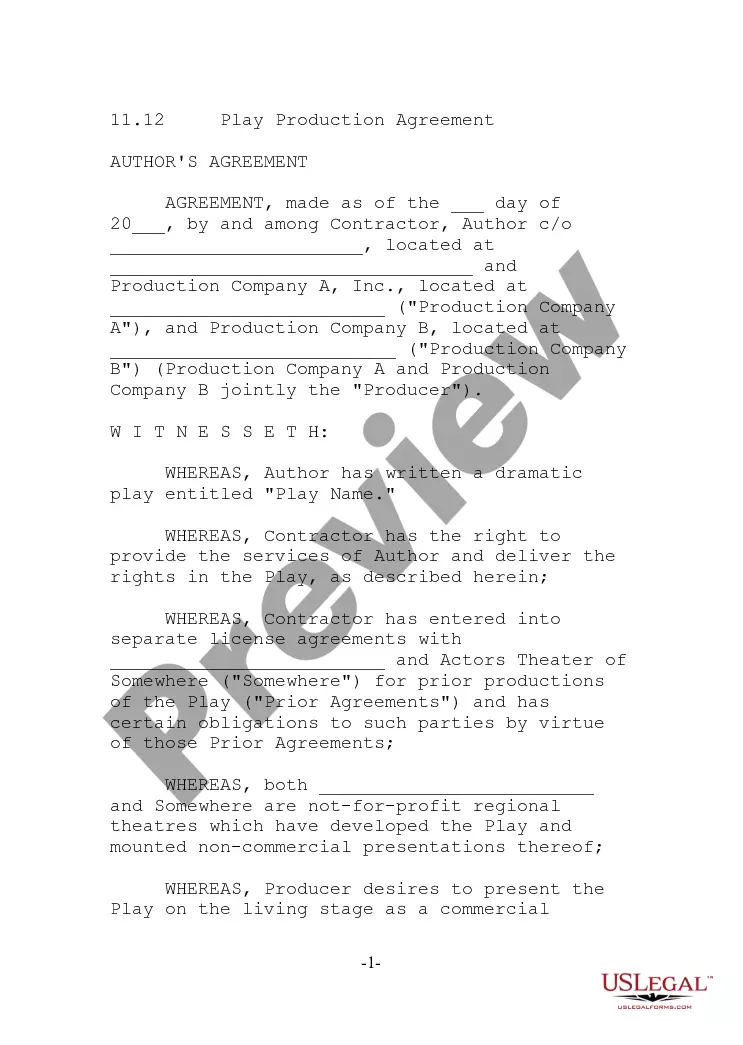
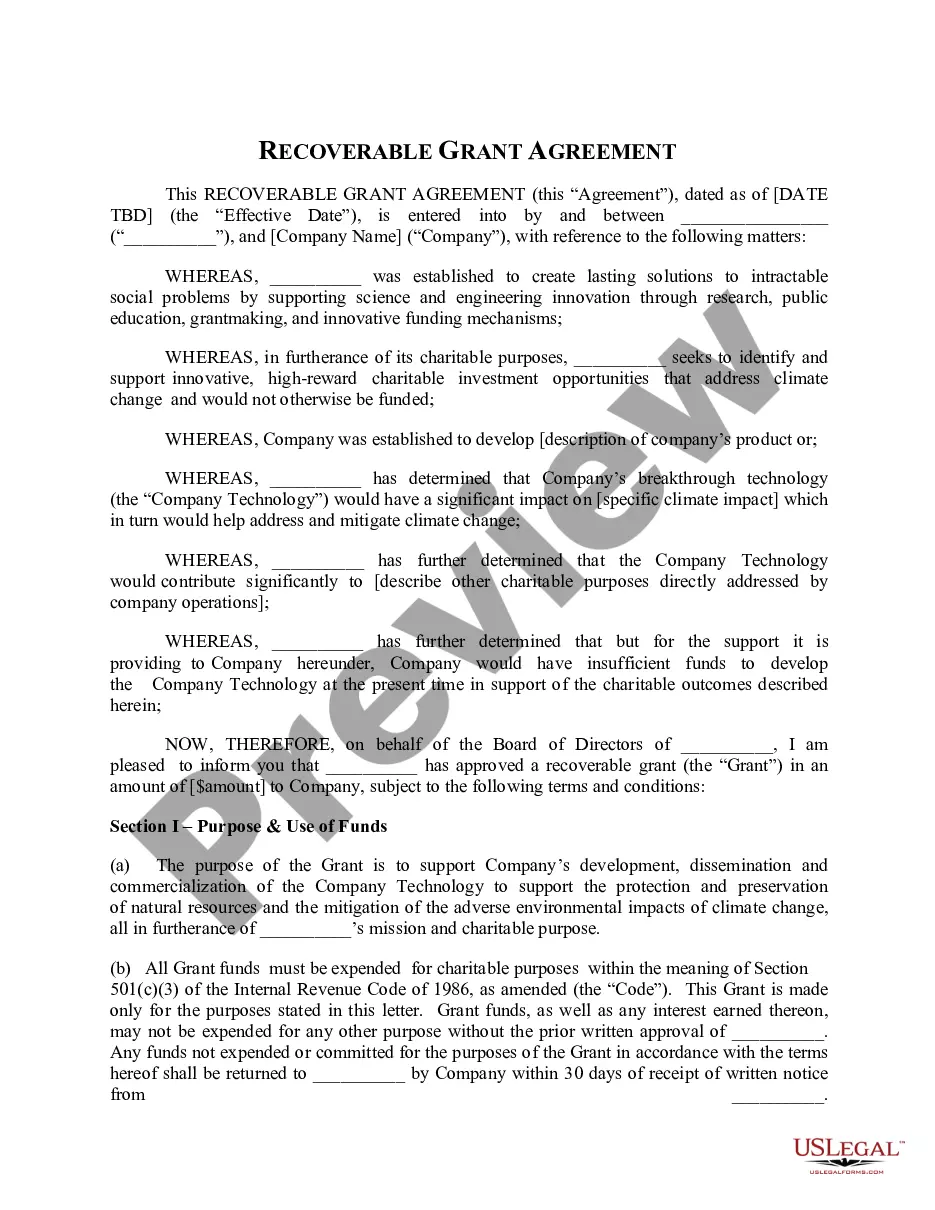
Alaska Synchronization and Public Performance License for Multimedia
Description
Get your form ready online
Our built-in tools help you complete, sign, share, and store your documents in one place.
Make edits, fill in missing information, and update formatting in US Legal Forms—just like you would in MS Word.
Download a copy, print it, send it by email, or mail it via USPS—whatever works best for your next step.
Sign and collect signatures with our SignNow integration. Send to multiple recipients, set reminders, and more. Go Premium to unlock E-Sign.
If this form requires notarization, complete it online through a secure video call—no need to meet a notary in person or wait for an appointment.
We protect your documents and personal data by following strict security and privacy standards.

Make edits, fill in missing information, and update formatting in US Legal Forms—just like you would in MS Word.

Download a copy, print it, send it by email, or mail it via USPS—whatever works best for your next step.

Sign and collect signatures with our SignNow integration. Send to multiple recipients, set reminders, and more. Go Premium to unlock E-Sign.

If this form requires notarization, complete it online through a secure video call—no need to meet a notary in person or wait for an appointment.

We protect your documents and personal data by following strict security and privacy standards.
Looking for another form?

How to fill out Synchronization And Public Performance License For Multimedia?
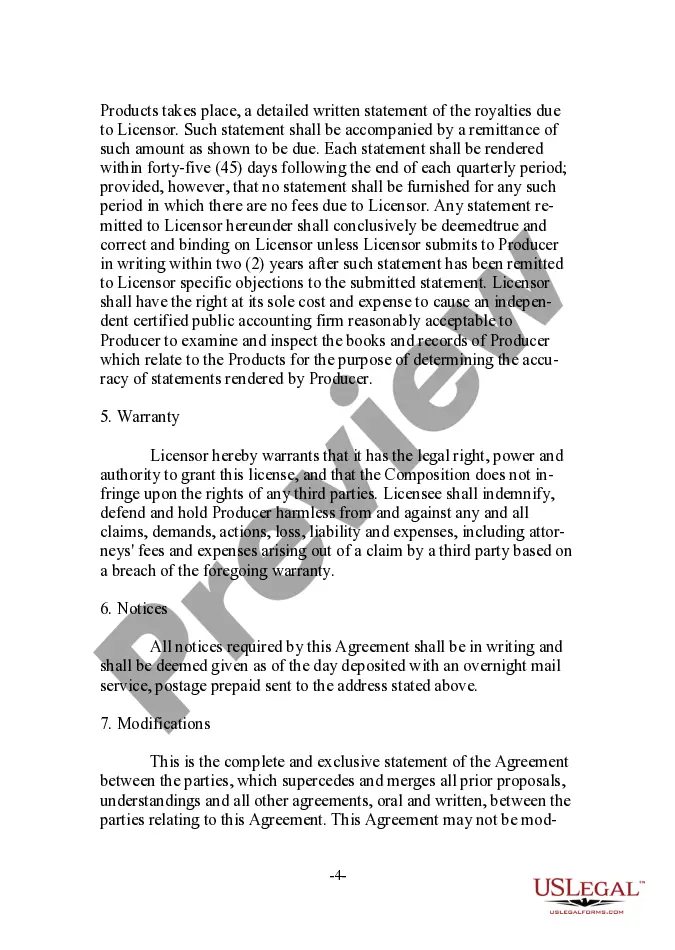
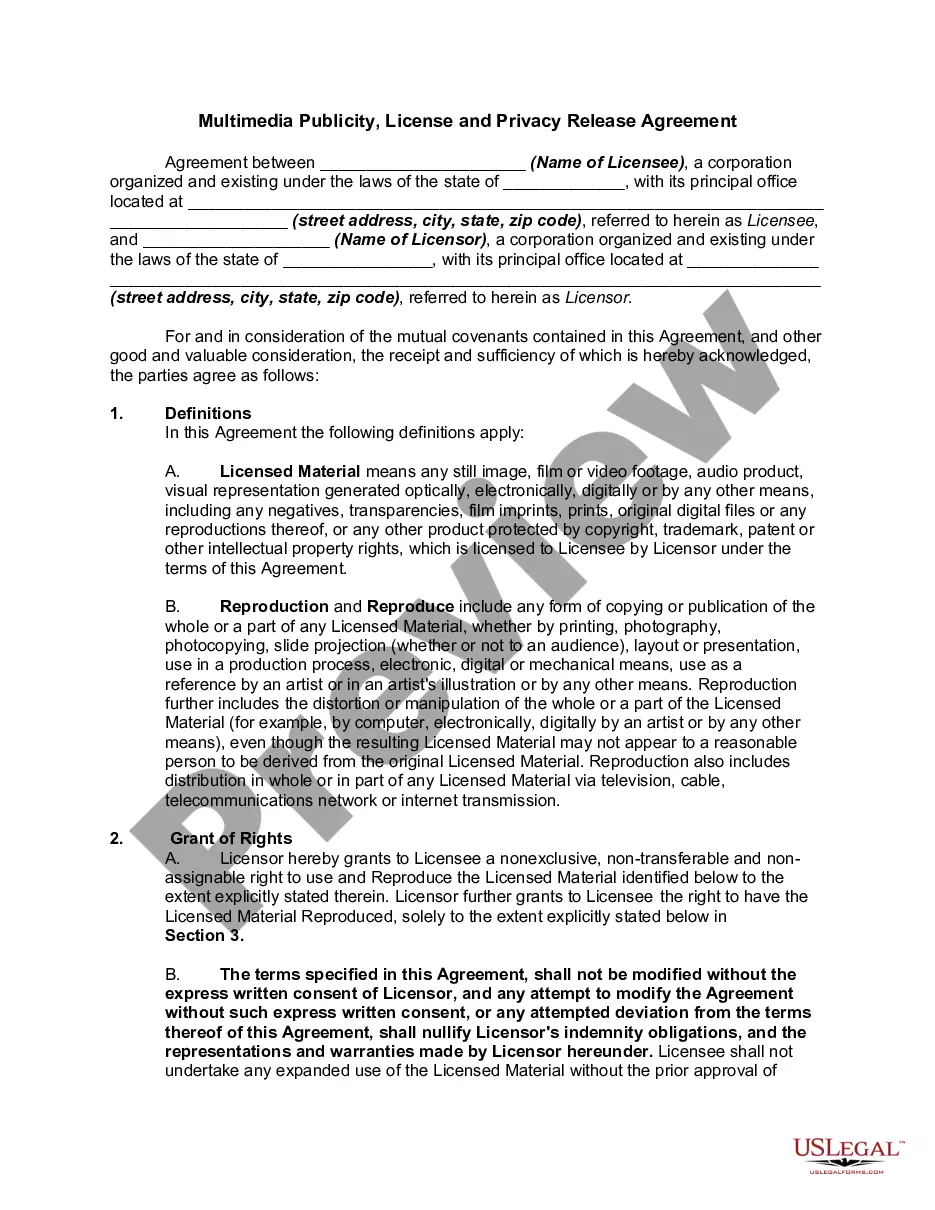
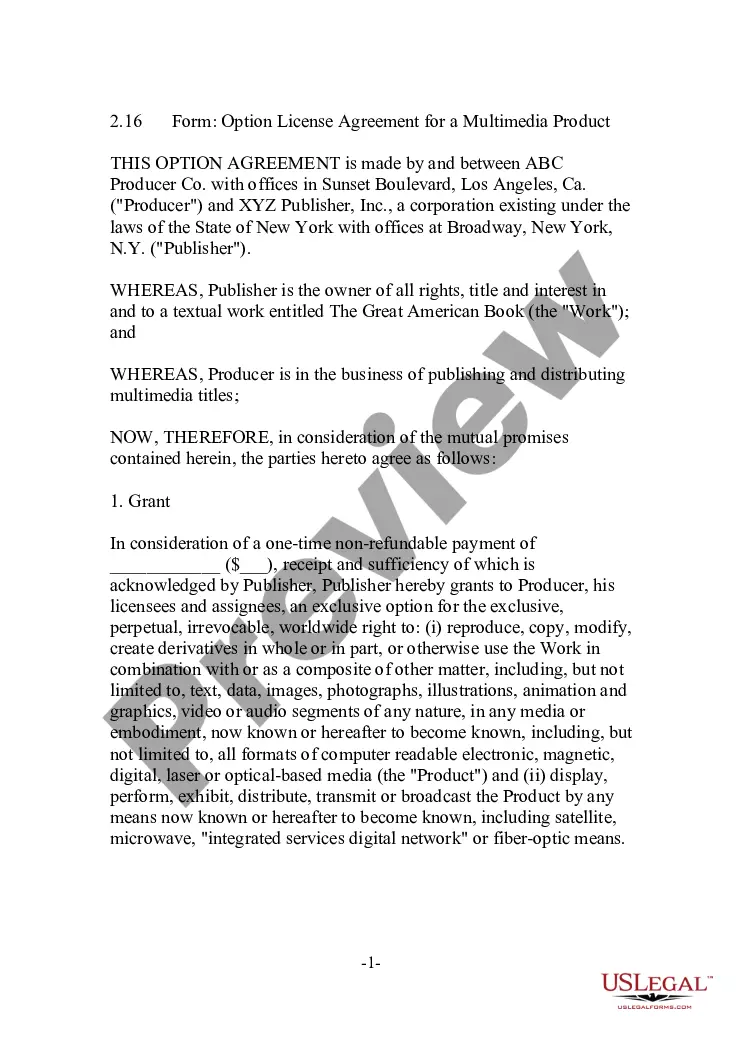
It is possible to devote several hours on-line attempting to find the legitimate document design that suits the state and federal specifications you want. US Legal Forms supplies 1000s of legitimate forms which can be analyzed by pros. It is simple to download or print out the Alaska Synchronization and Public Performance License for Multimedia from the assistance.
If you already have a US Legal Forms accounts, you can log in and click the Obtain option. Afterward, you can full, edit, print out, or signal the Alaska Synchronization and Public Performance License for Multimedia. Every legitimate document design you buy is your own permanently. To obtain one more copy of the obtained type, proceed to the My Forms tab and click the corresponding option.
If you are using the US Legal Forms internet site the very first time, keep to the straightforward recommendations beneath:
- Initial, ensure that you have chosen the right document design for that area/city that you pick. Look at the type outline to ensure you have picked out the appropriate type. If available, make use of the Review option to check from the document design at the same time.
- If you want to get one more variation from the type, make use of the Search industry to discover the design that suits you and specifications.
- When you have identified the design you would like, just click Get now to carry on.
- Find the rates prepare you would like, type your qualifications, and sign up for an account on US Legal Forms.
- Total the transaction. You may use your bank card or PayPal accounts to cover the legitimate type.
- Find the file format from the document and download it for your product.
- Make adjustments for your document if possible. It is possible to full, edit and signal and print out Alaska Synchronization and Public Performance License for Multimedia.
Obtain and print out 1000s of document web templates utilizing the US Legal Forms website, that provides the greatest collection of legitimate forms. Use expert and express-particular web templates to take on your organization or individual requirements.
Form popularity
FAQ
On average, the annual license fee can range from $300 to $500 for a small business. For very large establishments, these fees can be as much as $9,000 per location per year.
How To Get Permission to Use a Song in a Film or Video - YouTube YouTube Start of suggested clip End of suggested clip And BMI comm and search their repertoire. Then contact each publisher Sean and request theMoreAnd BMI comm and search their repertoire. Then contact each publisher Sean and request the permission for the use you have in mind. And then you wait for the quote.
Synchronization licenses are most commonly used for YouTube videos, cover song videos, wedding videos, and commercial and corporate videos. For example, if you release a YouTube video of your band playing a Rolling Stones song, even if you use only a portion of the song, you need a synchronization license.
Costs for licensing a famous song can range from as low as $100 for an independent artist to as high as several hundred thousand dollars plus licensing fees for a major recording artist or label. The cost is variable and dependent on the deal that you make with the copyright license holders.
A ?public performance? of music is defined in U.S. copyright law to include any music played outside a normal circle of friends and family that occurs in any public place. A public performance also occurs when music is transmitted to the public, via radio, TV broadcasts, digital service providers, and any other means.
Business owners in the United States should contact the three rights agencies that handle all public performance licensing in the United States, ASCAP, BMI, and SESAC, to inquire about obtaining public performance licenses.
With some exceptions, most music we hear is copyrighted. In a business setting, we typically hear that music via a ?public performance.? That's why the music license needed is called a ?public performance license?.