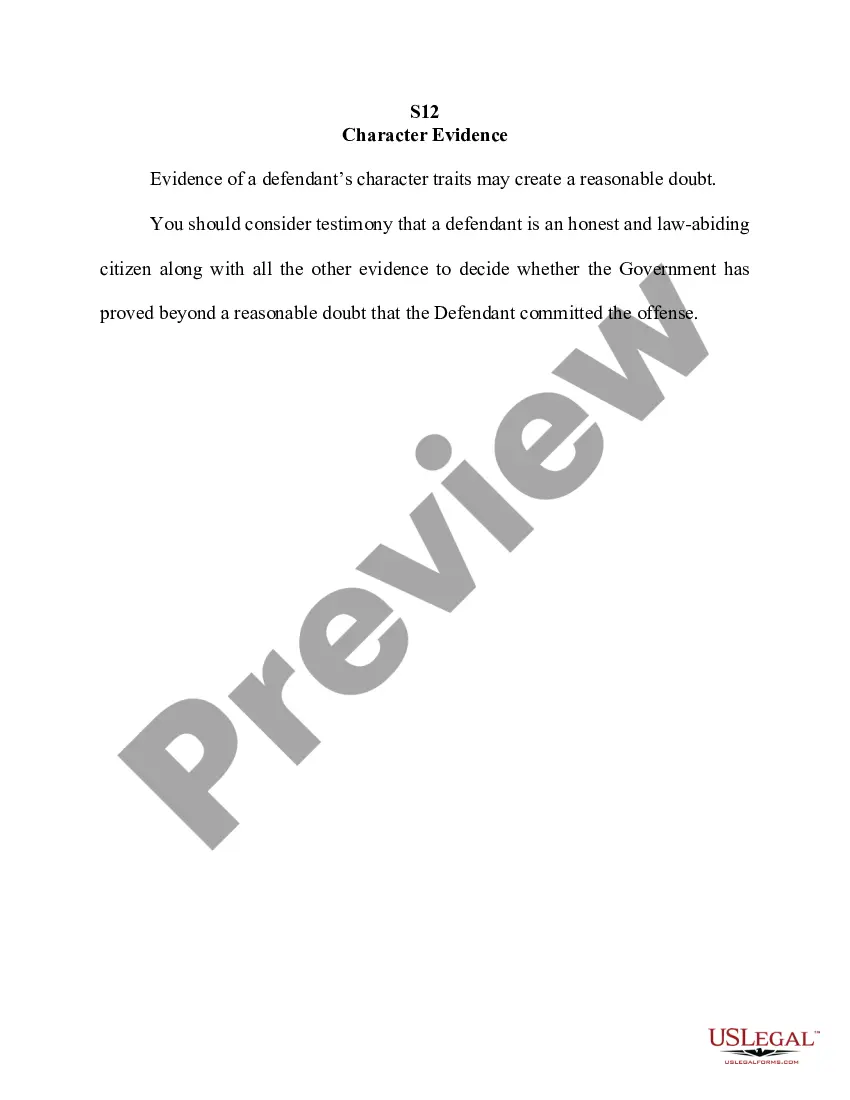
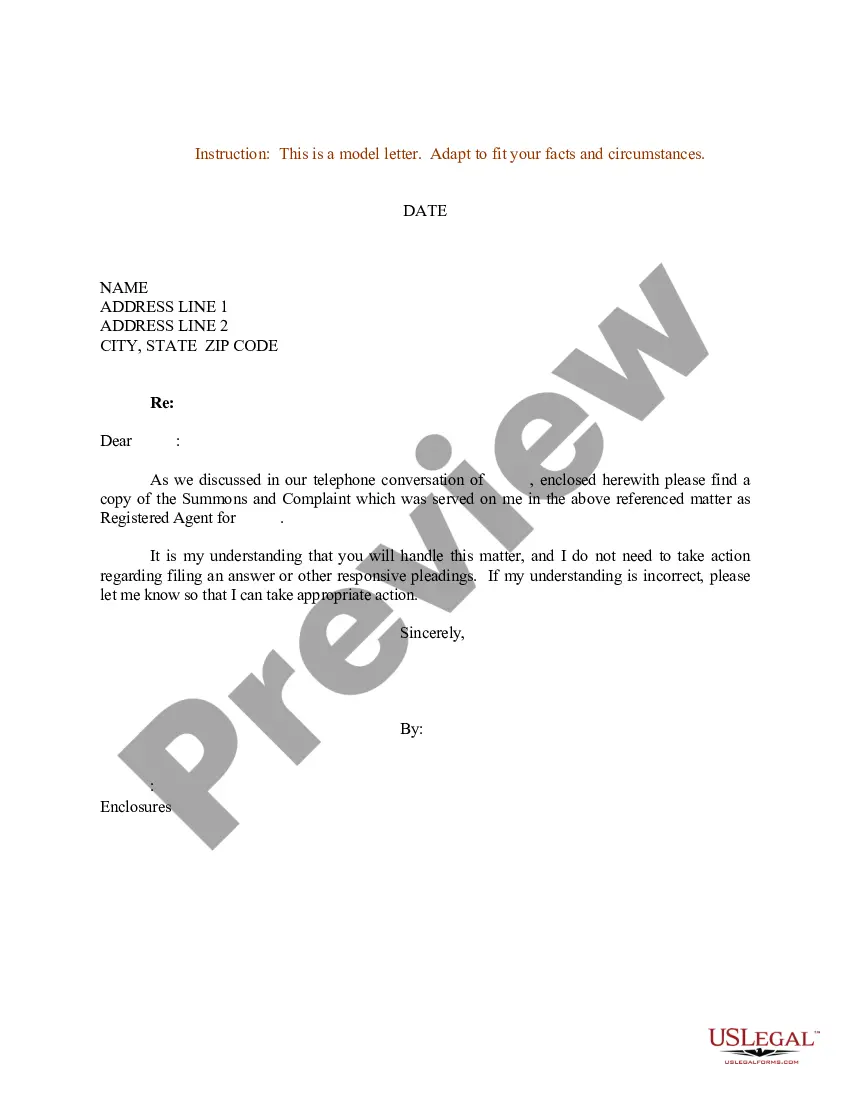
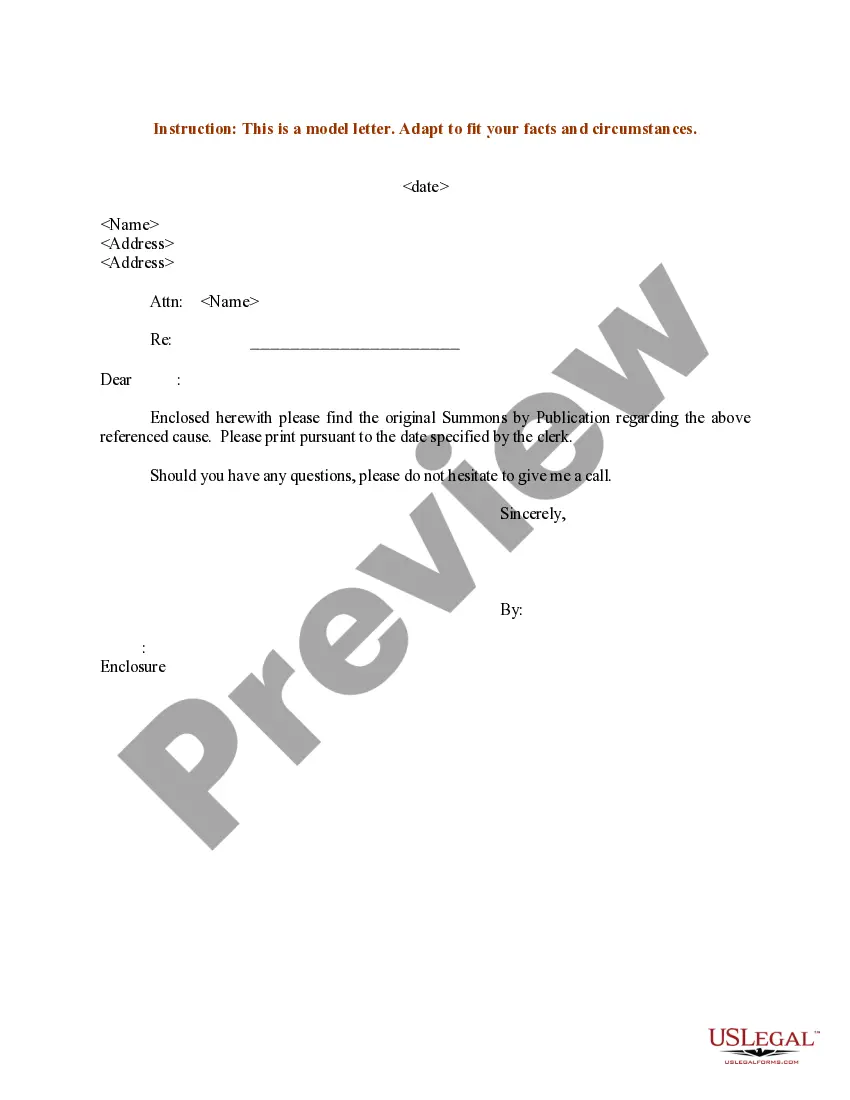
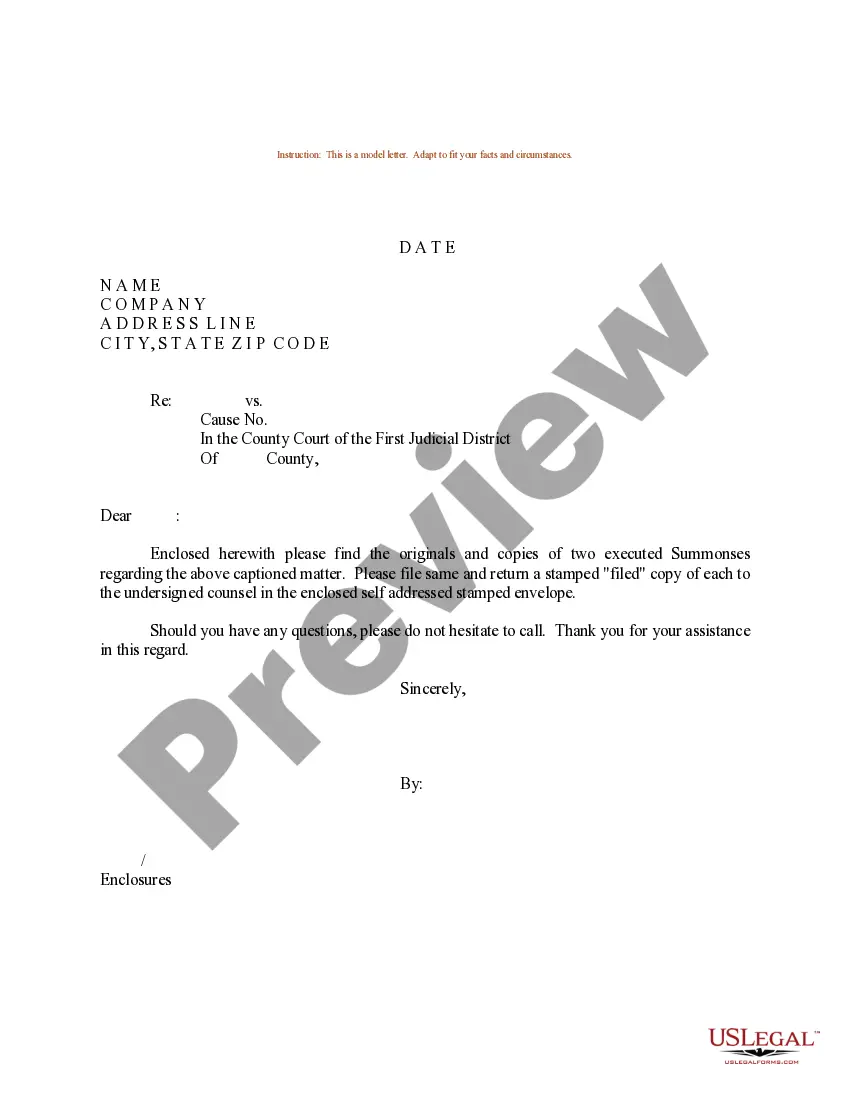
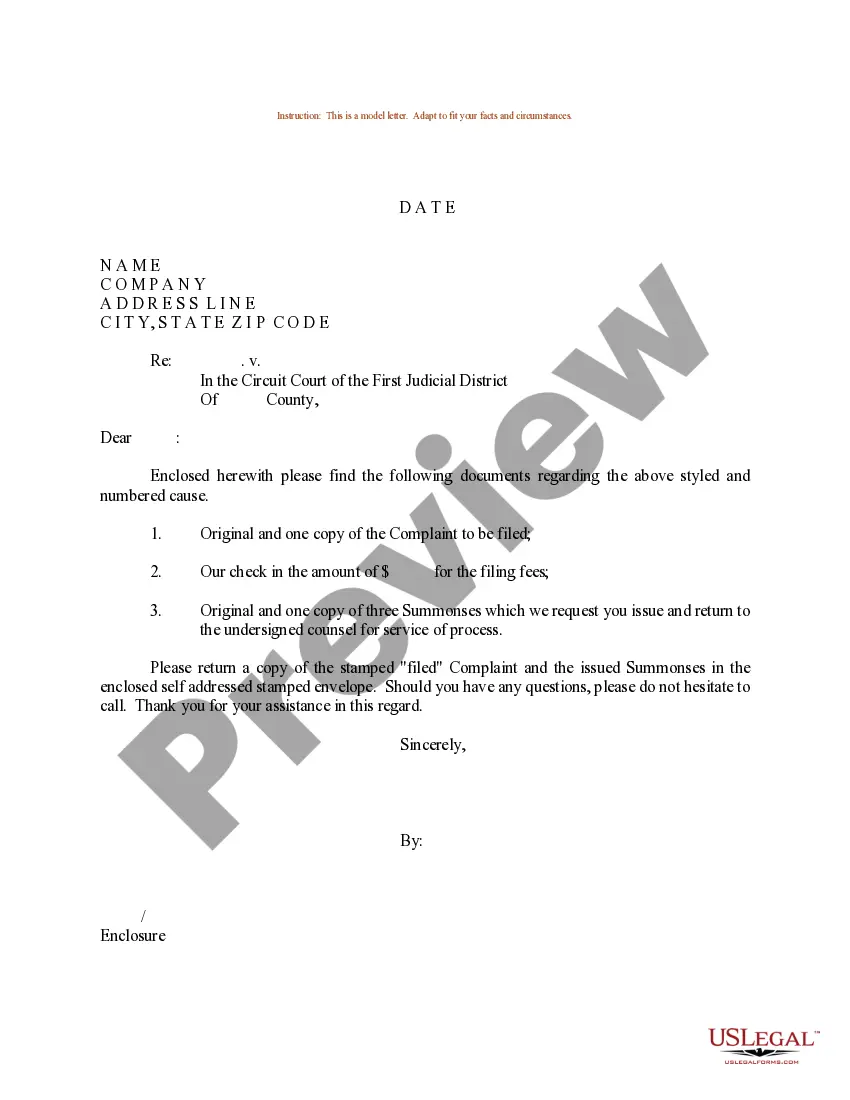
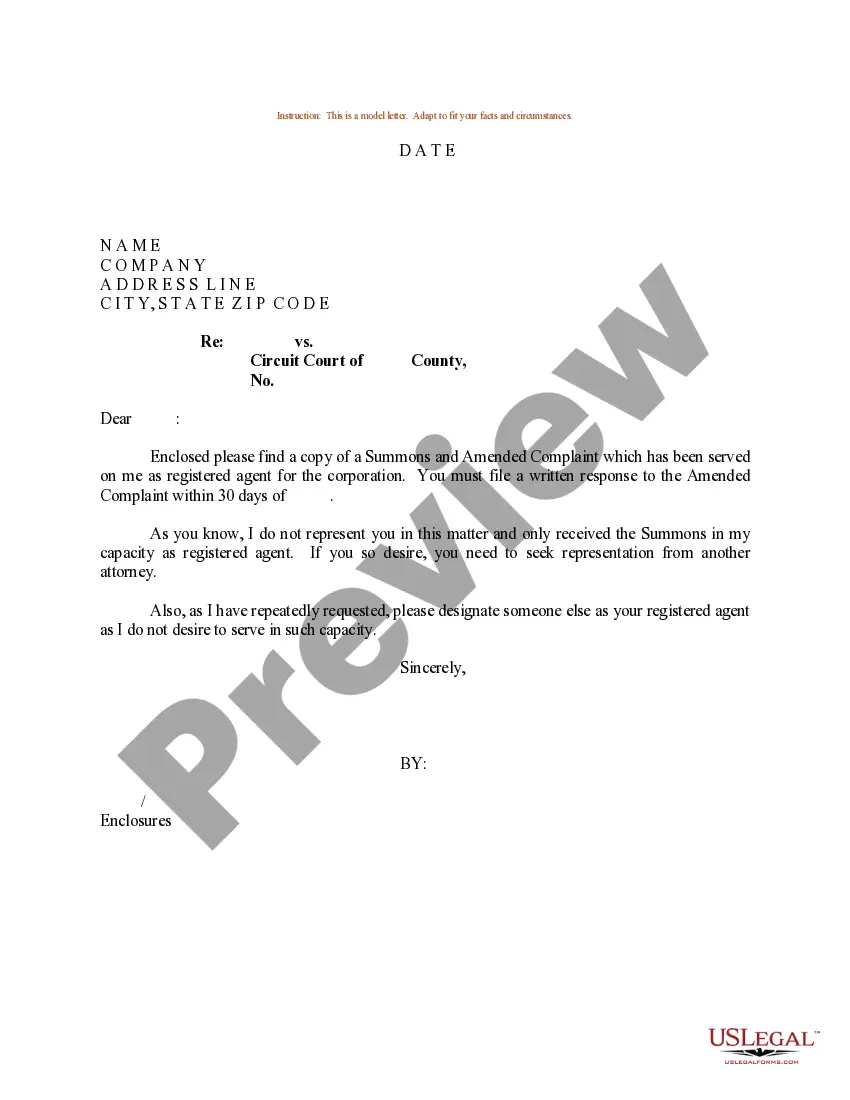
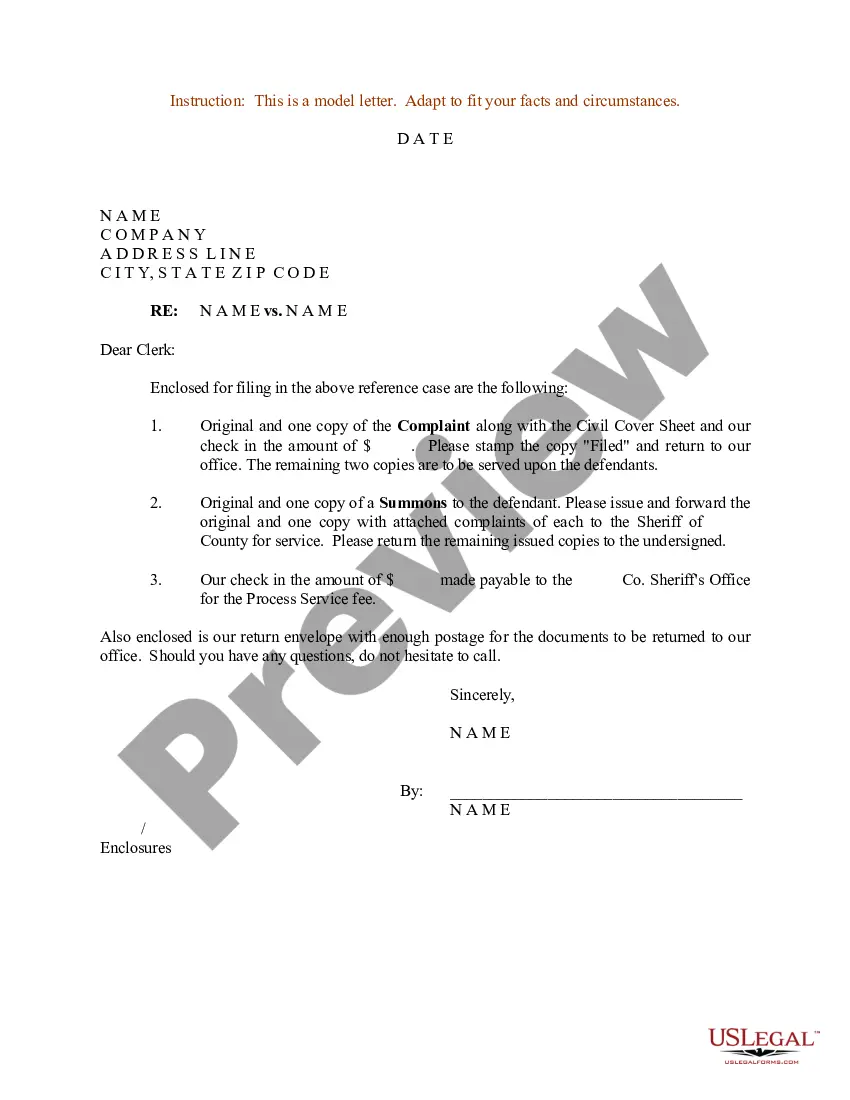
Alaska Sample Letter for Summons and Complaint
Description
Get your form ready online
Our built-in tools help you complete, sign, share, and store your documents in one place.
Make edits, fill in missing information, and update formatting in US Legal Forms—just like you would in MS Word.
Download a copy, print it, send it by email, or mail it via USPS—whatever works best for your next step.
Sign and collect signatures with our SignNow integration. Send to multiple recipients, set reminders, and more. Go Premium to unlock E-Sign.
If this form requires notarization, complete it online through a secure video call—no need to meet a notary in person or wait for an appointment.
We protect your documents and personal data by following strict security and privacy standards.

Make edits, fill in missing information, and update formatting in US Legal Forms—just like you would in MS Word.

Download a copy, print it, send it by email, or mail it via USPS—whatever works best for your next step.

Sign and collect signatures with our SignNow integration. Send to multiple recipients, set reminders, and more. Go Premium to unlock E-Sign.

If this form requires notarization, complete it online through a secure video call—no need to meet a notary in person or wait for an appointment.

We protect your documents and personal data by following strict security and privacy standards.
Looking for another form?
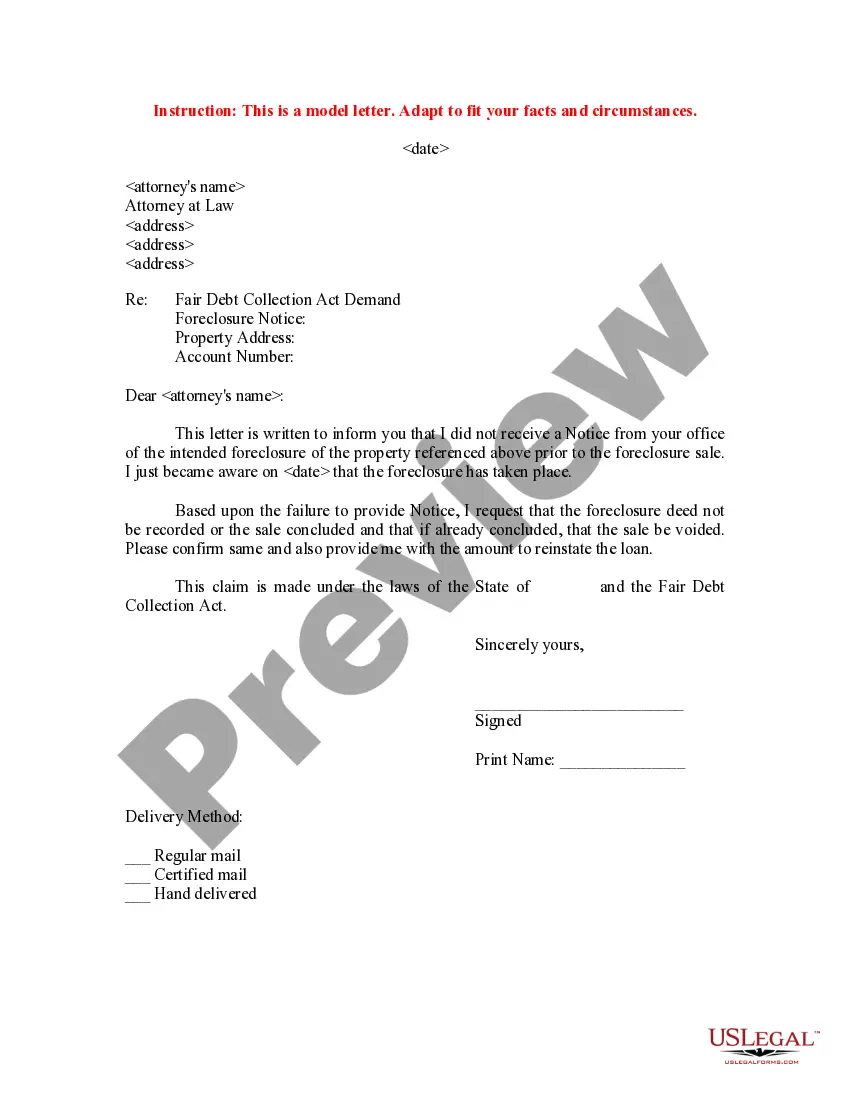

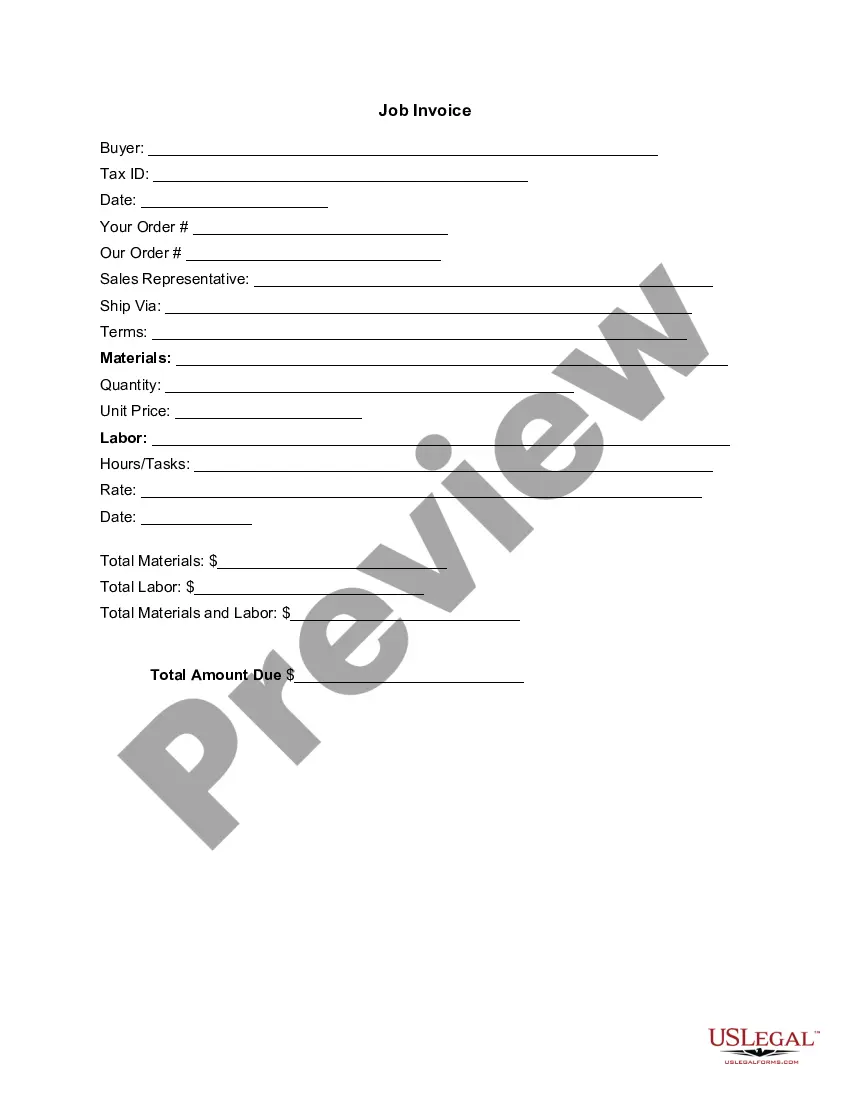

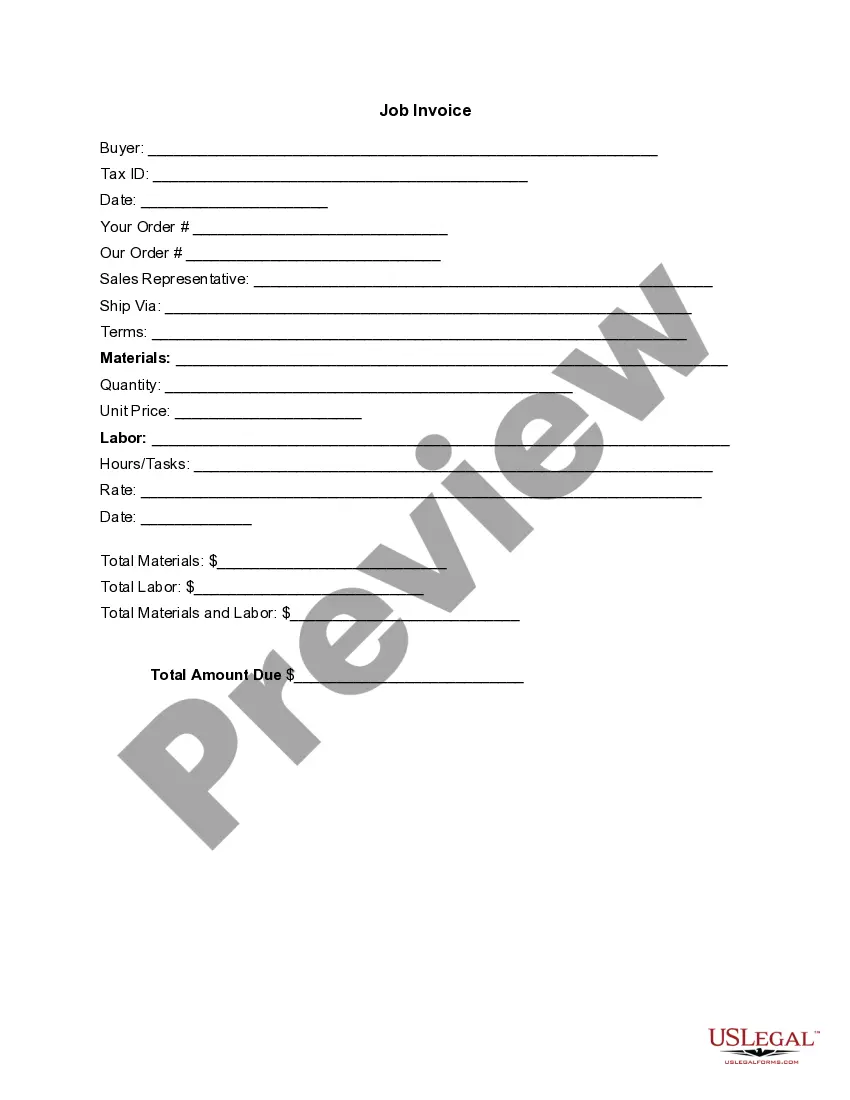




How to fill out Sample Letter For Summons And Complaint?
US Legal Forms - one of the largest collections of legal documents in the United States - offers a diverse selection of legal form templates that you can download or print. By using the website, you can obtain thousands of forms for business and personal purposes, organized by categories, states, or keywords. You can find the latest versions of forms like the Alaska Sample Letter for Summons and Complaint within seconds.
If you possess a subscription, Log In and download the Alaska Sample Letter for Summons and Complaint from the US Legal Forms library. The Download button will appear on every form you view. You can access all previously obtained forms in the My documents section of your account.
If you are using US Legal Forms for the first time, here are some simple tips to help you get started: Ensure you have selected the correct form for your state/region. Click the Review button to examine the form's content. Read the form summary to make sure you have chosen the right form. If the form does not meet your requirements, utilize the Search area at the top of the screen to find one that does. Once you are satisfied with the form, confirm your choice by clicking the Purchase now button. Then, select your preferred pricing plan and provide your details to register for an account.
- Process the payment. Use your credit card or PayPal account to complete the transaction.
- Select the format and download the form to your device.
- Make modifications. Fill, adjust, print, and sign the downloaded Alaska Sample Letter for Summons and Complaint.
- Each template you add to your account has no expiration date and belongs to you indefinitely. Therefore, if you wish to download or print another copy, simply go to the My documents section and click on the form you need.
- Access the Alaska Sample Letter for Summons and Complaint with US Legal Forms, the most extensive collection of legal document templates.
- Utilize a multitude of professional and state-specific templates that fulfill your business or personal needs and criteria.
Form popularity
FAQ
After a default judgment, the Plaintiff will try to collect the money you owe. The Plaintiff may be able to take money from your paycheck or bank account and put a lien on your property. If you don't have any assets to pay the debt, you can let the Plaintiff.
Tells the parties about the court's decision to dismiss the case and that more details about the dismissal are shown on Request for Dismissal (form CIV-110). Get form CIV-120.
A Statement of Damages (Form# CIV-050 ) for personal injury and wrongful death cases only.
States the final decision of the court in a limited or unlimited civil case. Get form JUD-100.
To serve the summons and complaint, you must either serve by: certified mail/restricted delivery/return receipt , or. hiring a process server.
Fill out form MC 03 (Answer, Civil) on the website or get a paper copy from the court to fill out. Write in the court number, case number, the court address, the court telephone number, and the names, addresses, and telephone numbers of the plaintiff and the defendant exactly as they are on your court papers.
Request for Entry of Default (Application to Enter Default) (CIV-100) Asks the court to enter a "default" against the defendant or cross-defendant because they failed to file an Answer or other responsive document in the case. Can be used to ask for a default alone, or also a default judgment. Get form CIV-100.
The Alaska Supreme Court is the highest level of state court in Alaska. It hears appeals from lower state courts and also administers the state's judicial system. The Supreme Court includes five justices. The justices, by majority vote, select one of their members to be the chief justice.