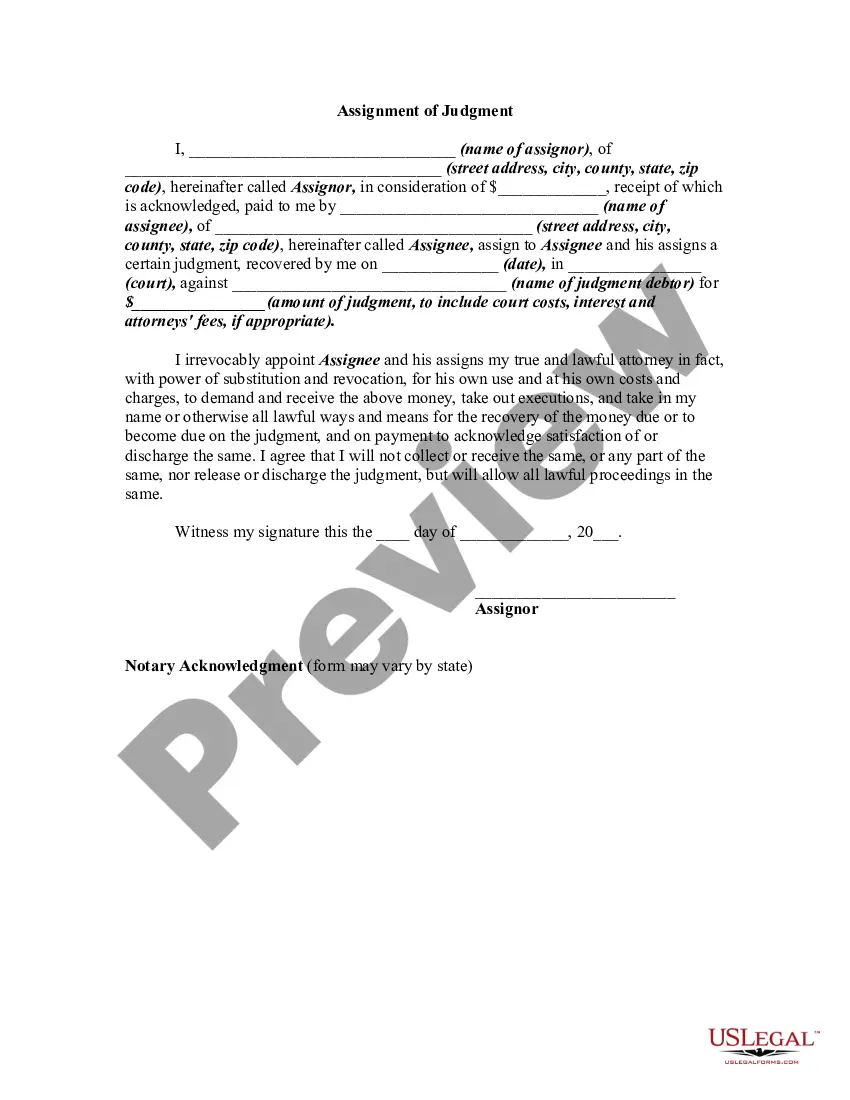
Alaska Assignment of Judgment
Description
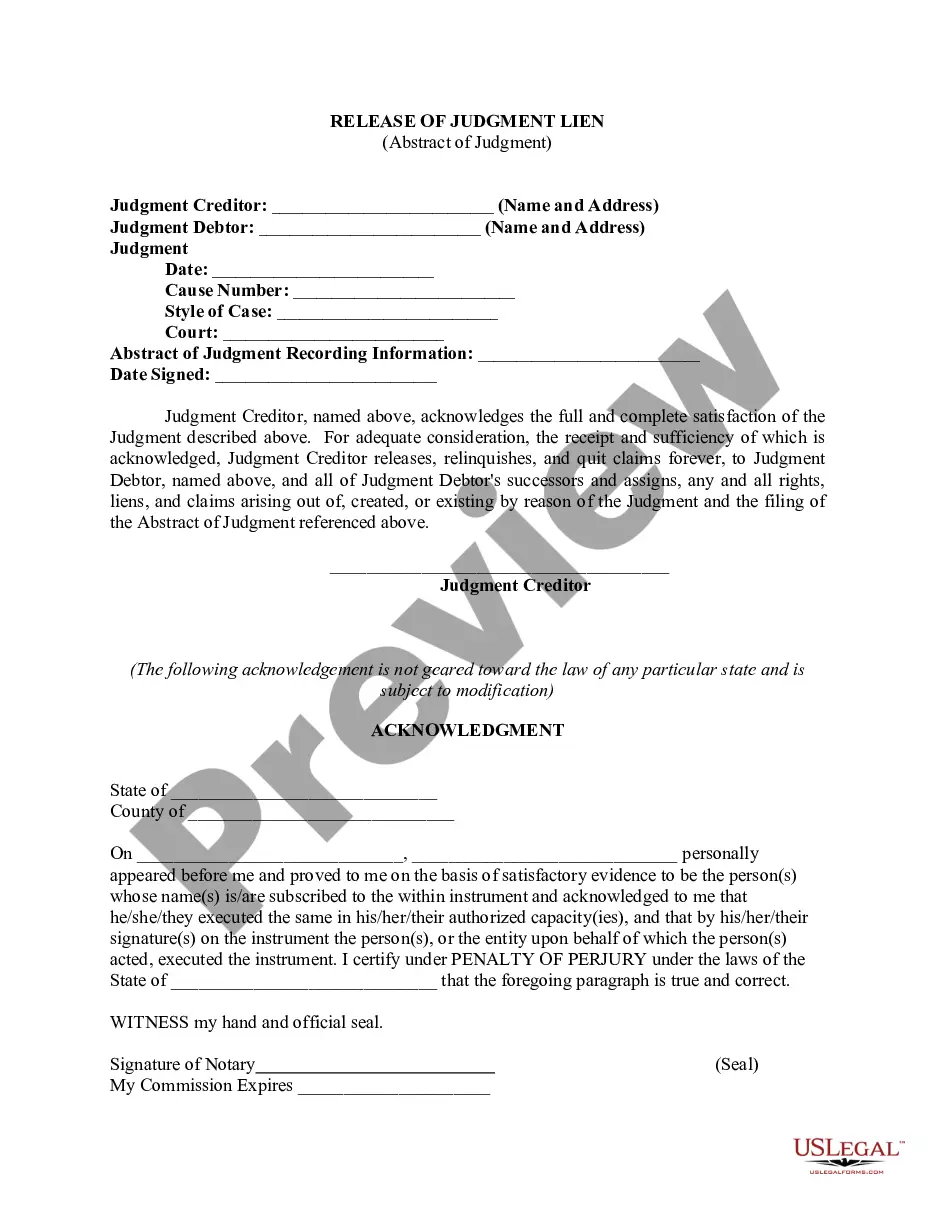
Get your form ready online
Our built-in tools help you complete, sign, share, and store your documents in one place.
Make edits, fill in missing information, and update formatting in US Legal Forms—just like you would in MS Word.
Download a copy, print it, send it by email, or mail it via USPS—whatever works best for your next step.
Sign and collect signatures with our SignNow integration. Send to multiple recipients, set reminders, and more. Go Premium to unlock E-Sign.
If this form requires notarization, complete it online through a secure video call—no need to meet a notary in person or wait for an appointment.
We protect your documents and personal data by following strict security and privacy standards.

Make edits, fill in missing information, and update formatting in US Legal Forms—just like you would in MS Word.

Download a copy, print it, send it by email, or mail it via USPS—whatever works best for your next step.

Sign and collect signatures with our SignNow integration. Send to multiple recipients, set reminders, and more. Go Premium to unlock E-Sign.

If this form requires notarization, complete it online through a secure video call—no need to meet a notary in person or wait for an appointment.

We protect your documents and personal data by following strict security and privacy standards.
Looking for another form?

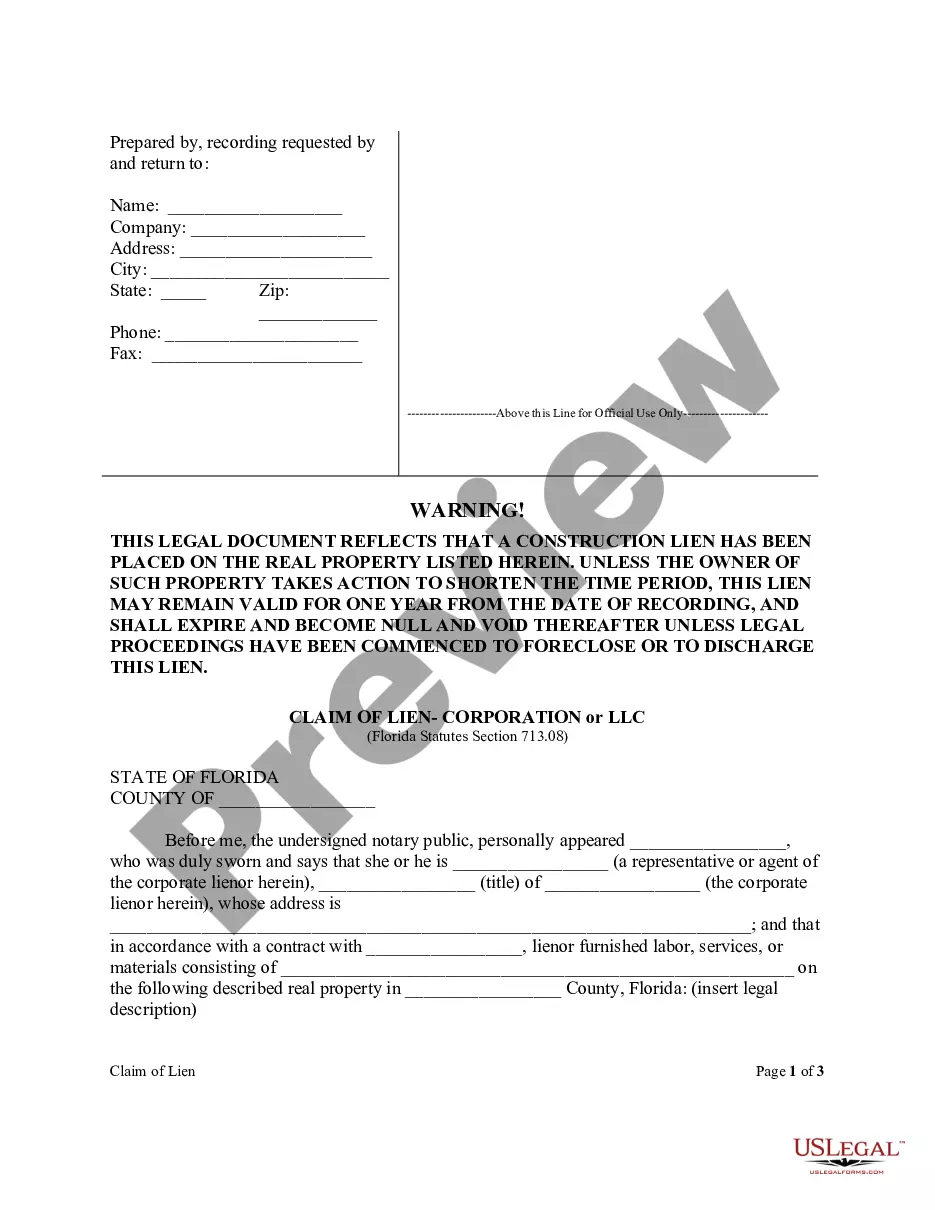
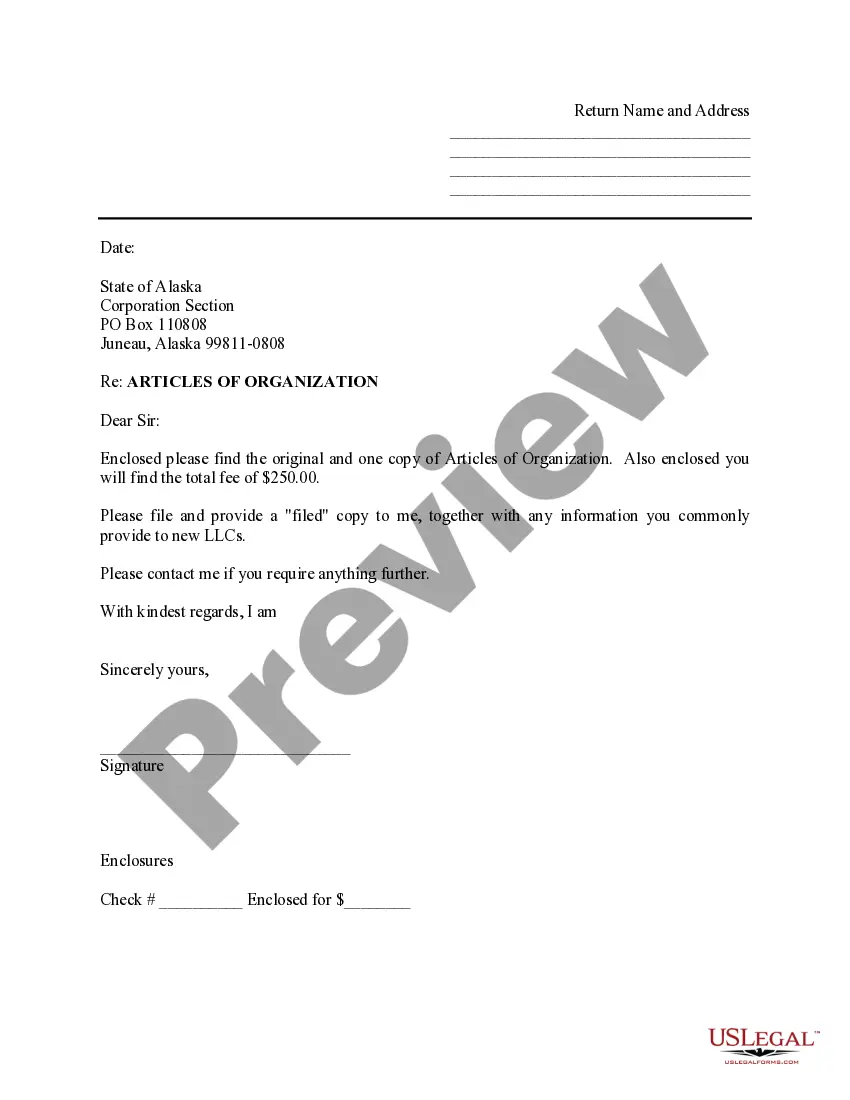
How to fill out Assignment Of Judgment?
Are you in a situation where you need documentation for occasional corporate or particular purposes almost daily.
There are numerous legal document templates accessible online, but finding versions you can rely on isn't straightforward.
US Legal Forms offers a vast array of template forms, such as the Alaska Assignment of Judgment, designed to comply with state and federal requirements.
Utilize US Legal Forms, the most extensive collection of legal forms, to save time and avoid errors.
The service offers properly crafted legal document templates that can be used for a variety of purposes. Create an account on US Legal Forms and begin making your life a bit easier.
- If you are already familiar with the US Legal Forms website and have an account, simply Log In.
- After that, you can download the Alaska Assignment of Judgment template.
- If you do not have an account and wish to start using US Legal Forms, follow these steps.
- Obtain the form you need and ensure it is for the correct city/county.
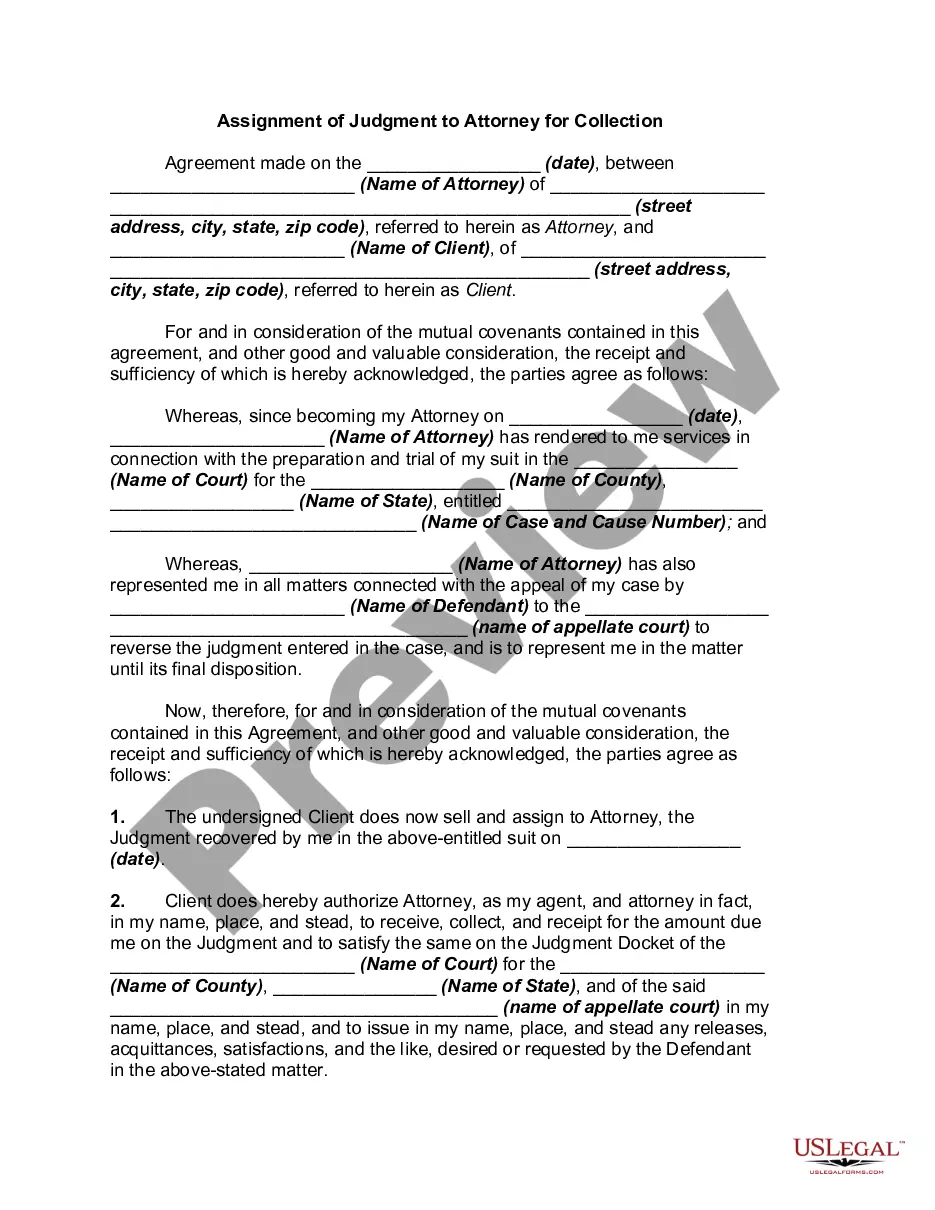
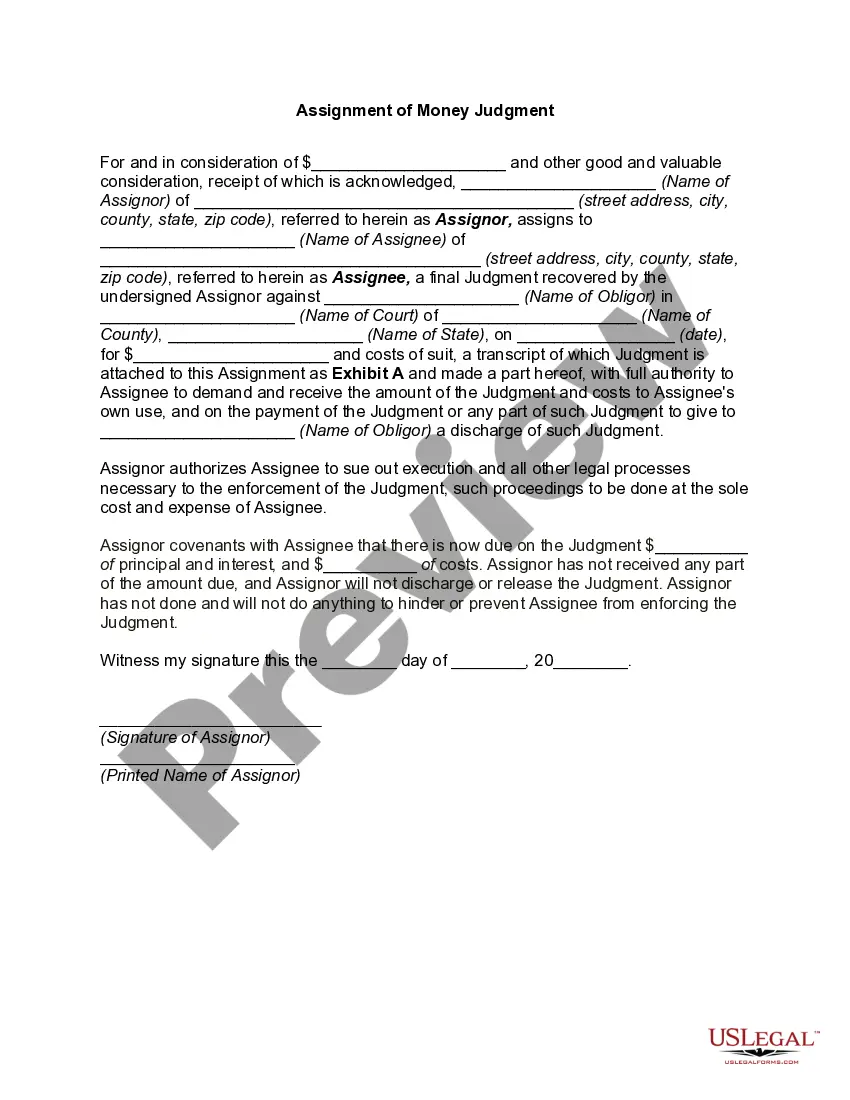
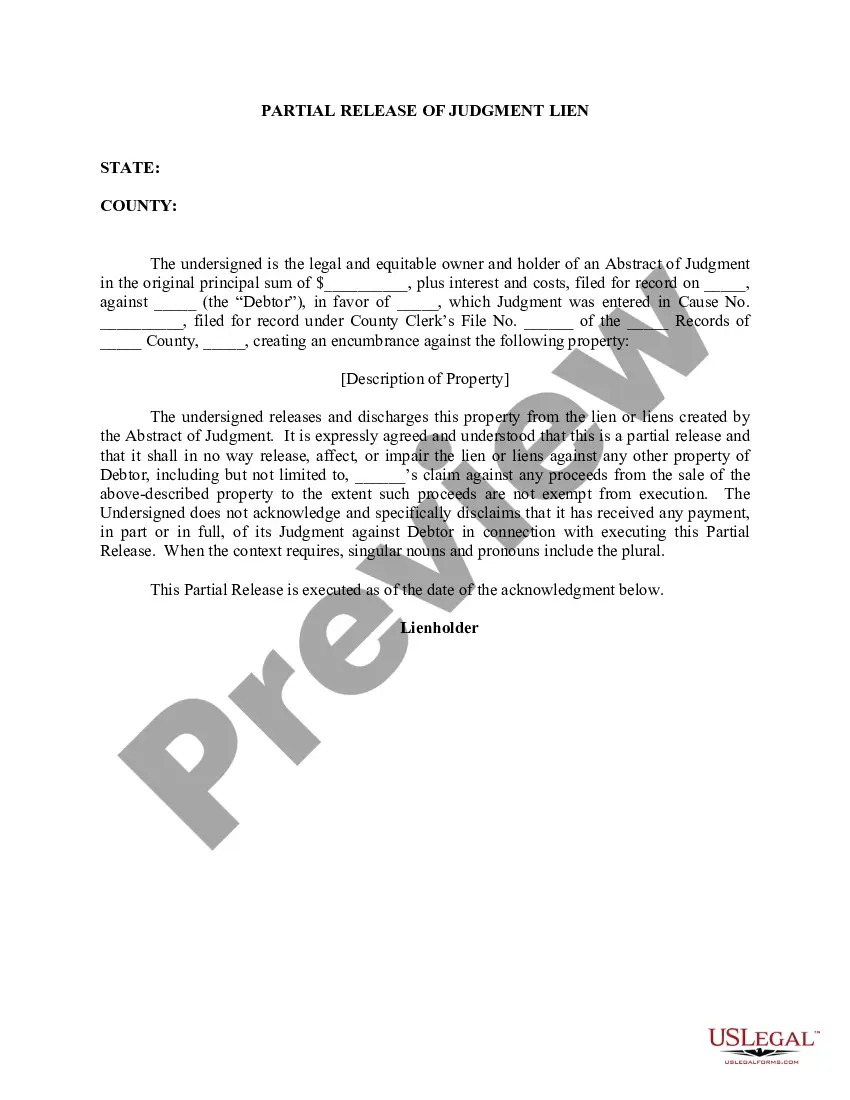
- Use the Preview button to review the form.
- Read the description to confirm that you have selected the right form.
- If the form isn't what you're looking for, use the Search field to find the form that meets your requirements.
- Once you find the correct form, click Get now.
- Select the pricing plan you prefer, fill out the required information to create your account, and pay for the transaction using your PayPal or credit card.
- Choose a convenient file format and download your copy.
- Access all of the document templates you have purchased in the My documents menu. You can obtain an additional copy of the Alaska Assignment of Judgment anytime, if needed. Just select the necessary form to download or print the document template.
Form popularity
FAQ
Rule 40 - Index to Cases (a) The court system shall maintain an index by last name of every party named in every case filed, regardless of whether a party's true name is protected in the public index under paragraphs (b) or (c) of this rule.
Rule 90 - Contempts (a)Contempt in Presence of Court. A contempt may be punished summarily if the judge certifies that the judge saw or heard the conduct constituting the contempt and that it was committed in the actual presence of the court.
Rule 11 - Pleas (a)Alternatives. A defendant may plead not guilty, guilty or nolo contendere. If a defendant refuses to plead, stands mute, or if a defendant corporation fails to appear, the court shall enter a plea of not guilty.
Rule 40 - Index to Cases (a) The court system shall maintain an index by last name of every party named in every case filed, regardless of whether a party's true name is protected in the public index under paragraphs (b) or (c) of this rule.
A parent or guardian of a minor who has a claim against another person has the power to execute a full release or a covenant not to sue, or to execute a stipulation for entry of judgment on such claim.
Rule 82 - Attorney's Fees (a)Allowance to Prevailing Party. Except as otherwise provided by law or agreed to by the parties, the prevailing party in a civil case shall be awarded attorney's fees calculated under this rule.
A defendant is entitled to a preliminary examination if the defendant is charged with a felony for which the defendant has not been indicted, unless (A) the defendant waives the preliminary examination, or (B) an information has been filed against the defendant with the defendant's consent in the superior court.
On motion and upon such terms as are just, the court may relieve a party or a party's legal representative from a final judgment, order, or proceeding for the following reasons: (1) mistake, inadvertence, surprise or excusable neglect; (2) newly discovered evidence which by due diligence could not have been discovered ...