Connecticut Application for Sublease
About this form
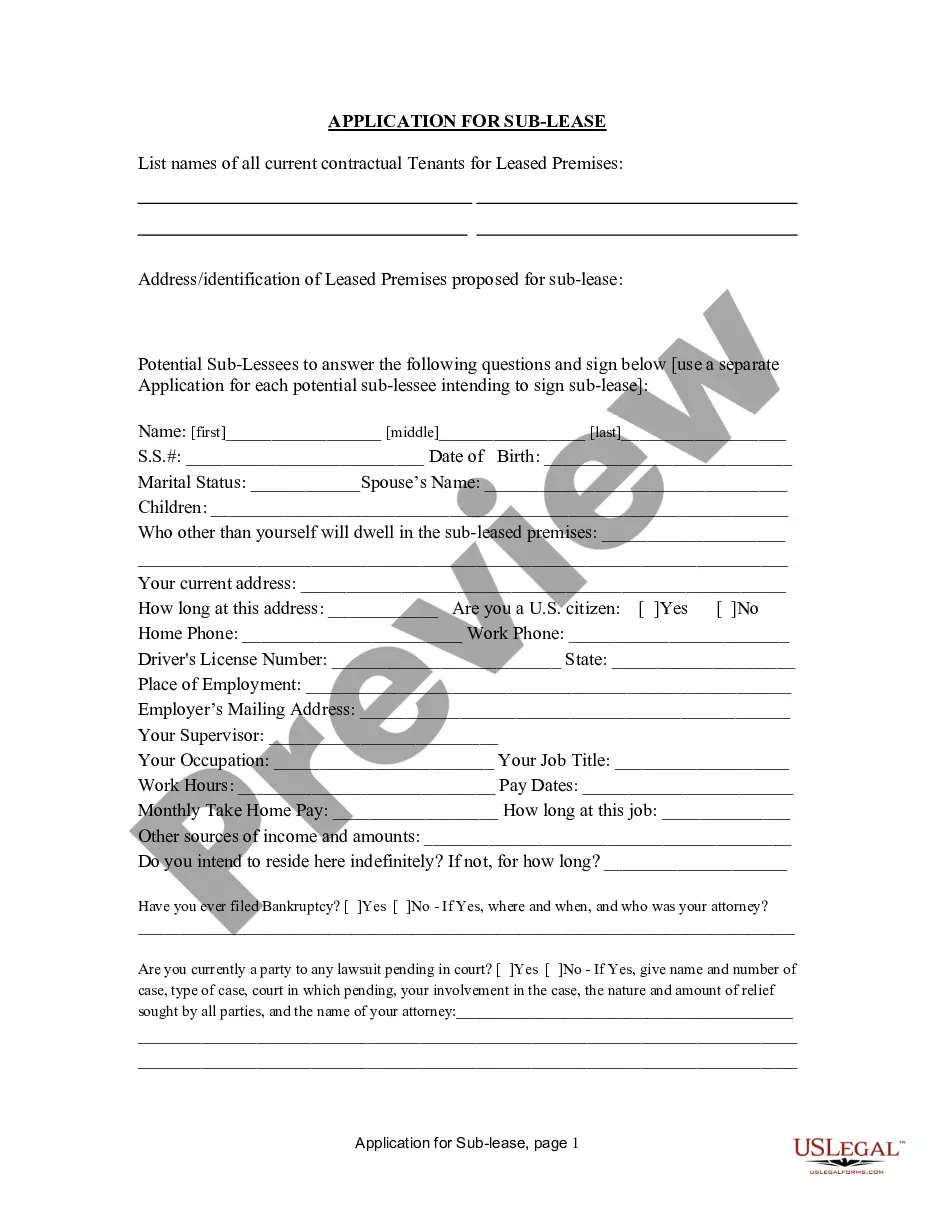
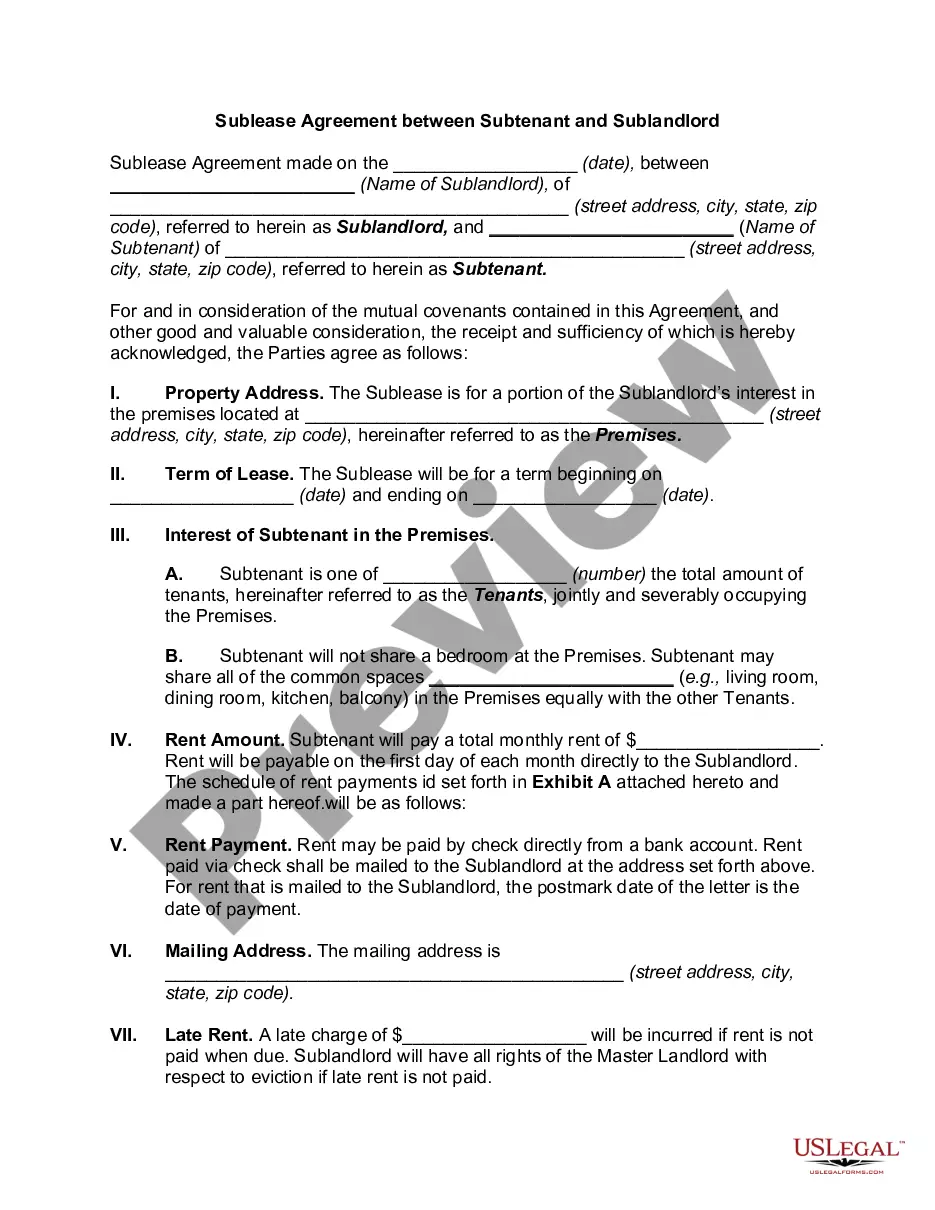
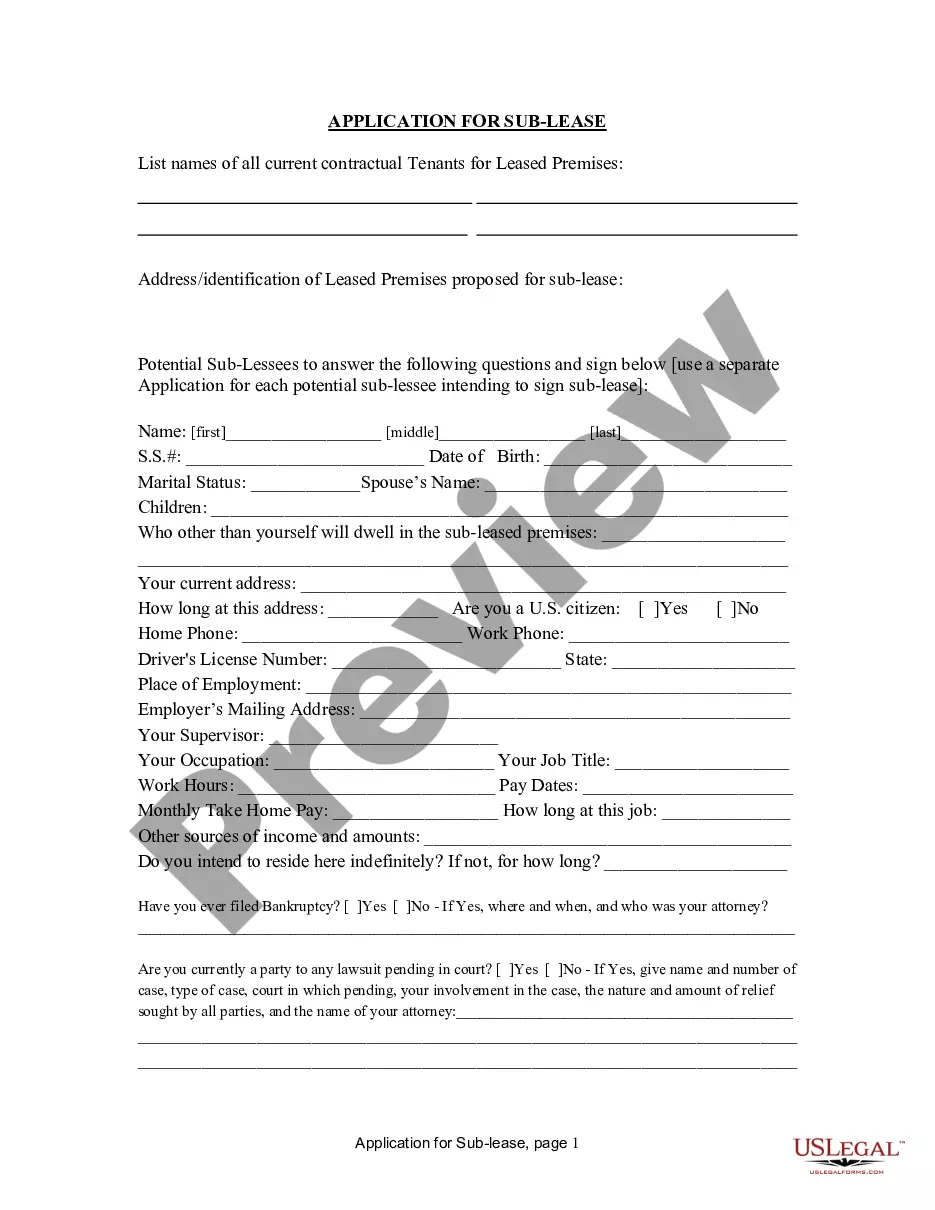
The Application for Sublease is a formal request from a potential sub-tenant to the landlord, seeking permission to sublease a rental property. This form is essential as it provides the landlord with necessary information to decide whether to approve or deny the sub-lease. Unlike a standard lease agreement, the Application for Sublease focuses primarily on the sub-tenant's qualifications and intentions regarding the property.
Form components explained
- Personal details of the applicant, including marital status and contact information.
- Employment information and income details of the applicant.
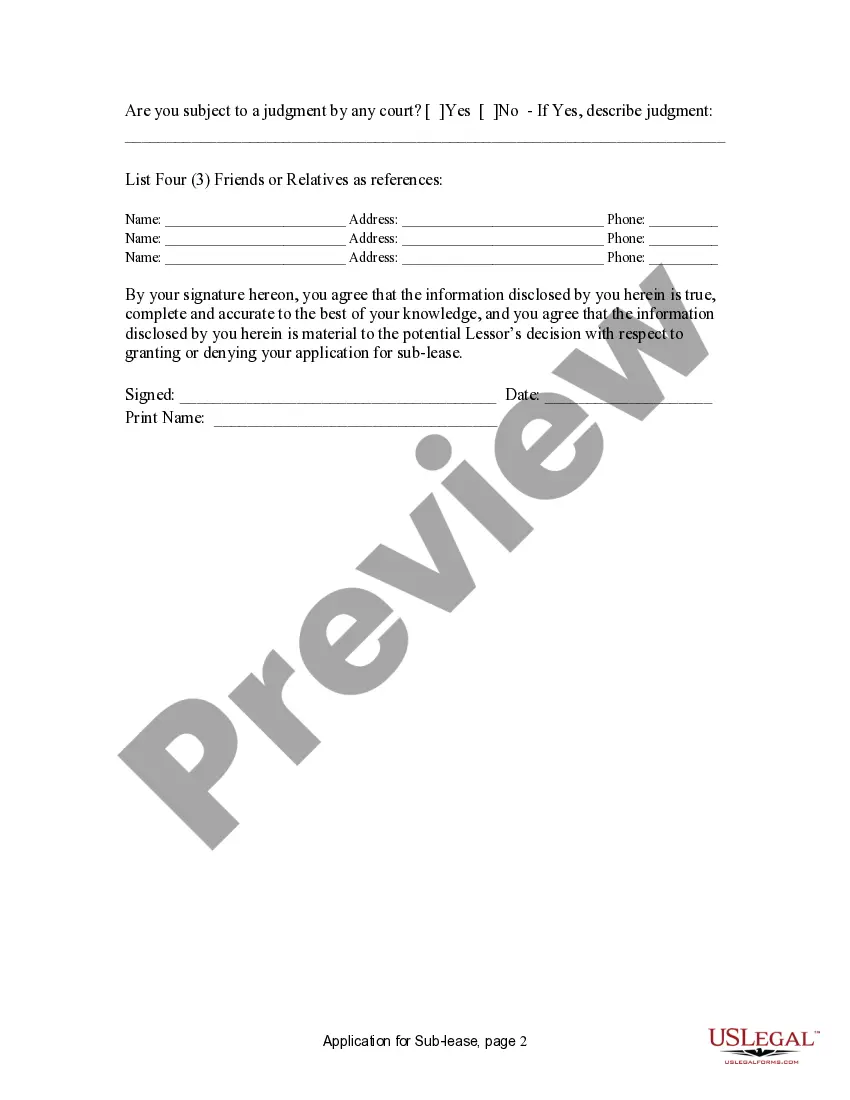
- Disclosure of any legal issues, including bankruptcies and lawsuits.
- Reference section for three friends or relatives.
- Signature section confirming the accuracy of the provided information.
When to use this form
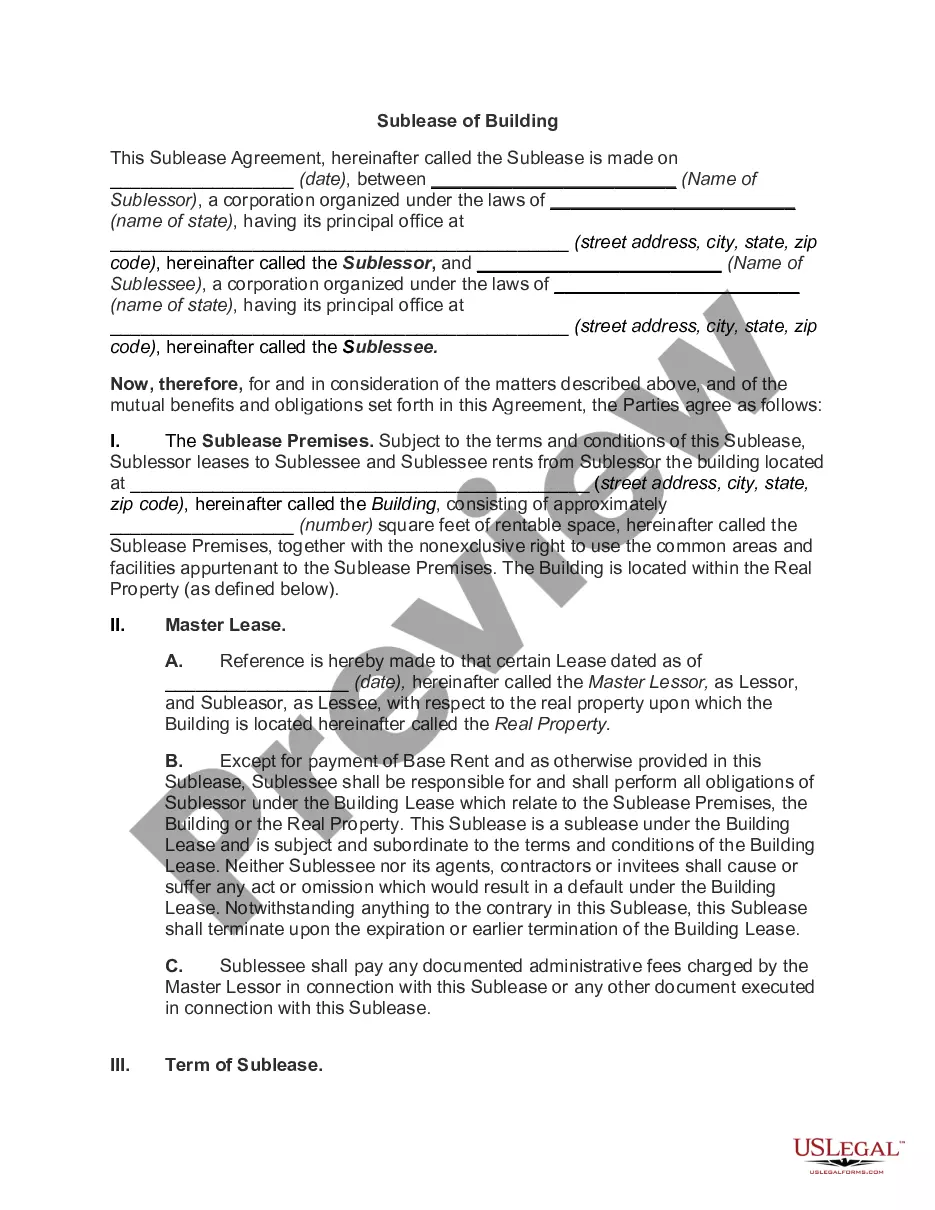
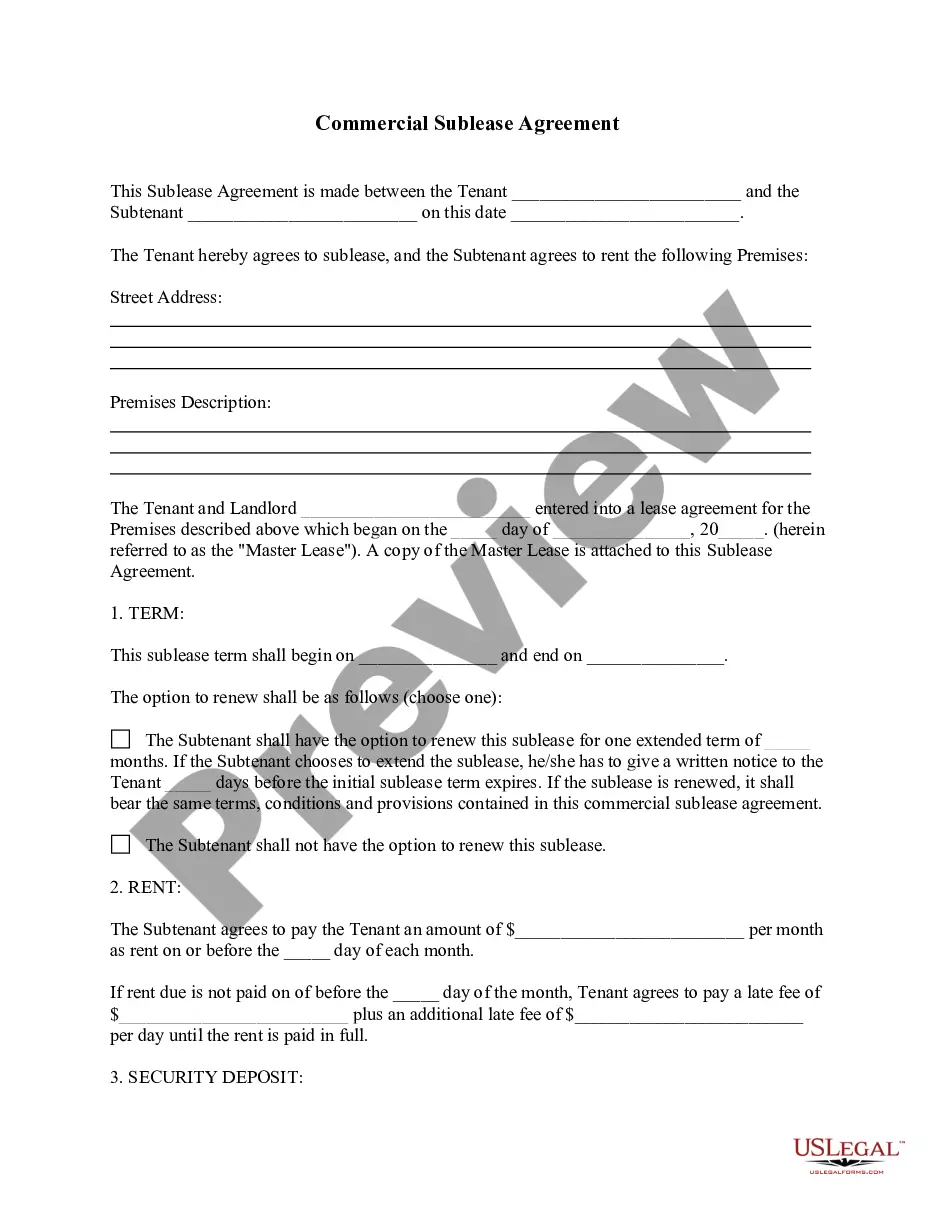
This form should be used when a tenant wishes to sublease their rental unit to another person. It is particularly useful when the original lease requires landlord approval for subleasing. Completing this application allows the landlord to assess the prospective sub-tenant's qualifications, financial stability, and overall fitness to occupy the rental property.
Who needs this form
This application is intended for:
- Current tenants looking to sublease their rental unit.
- Individuals seeking rental accommodations through a sublease.
- Landlords needing to evaluate potential sub-tenants before granting approval.
Completing this form step by step
- Provide your personal details, including your name, marital status, and contact information.
- Enter your employment information and details regarding your monthly income.
- Disclose any legal issues such as bankruptcies or ongoing lawsuits.
- List contact information for three personal references.
- Sign and date the application to affirm that the information provided is complete and accurate.
Is notarization required?
This form does not typically require notarization unless specified by local law. Review any jurisdictional requirements to determine if notarization is necessary in your area.
Get your form ready online
Our built-in tools help you complete, sign, share, and store your documents in one place.
Make edits, fill in missing information, and update formatting in US Legal Forms—just like you would in MS Word.
Download a copy, print it, send it by email, or mail it via USPS—whatever works best for your next step.
Sign and collect signatures with our SignNow integration. Send to multiple recipients, set reminders, and more. Go Premium to unlock E-Sign.
If this form requires notarization, complete it online through a secure video call—no need to meet a notary in person or wait for an appointment.
We protect your documents and personal data by following strict security and privacy standards.

Make edits, fill in missing information, and update formatting in US Legal Forms—just like you would in MS Word.

Download a copy, print it, send it by email, or mail it via USPS—whatever works best for your next step.

Sign and collect signatures with our SignNow integration. Send to multiple recipients, set reminders, and more. Go Premium to unlock E-Sign.

If this form requires notarization, complete it online through a secure video call—no need to meet a notary in person or wait for an appointment.

We protect your documents and personal data by following strict security and privacy standards.
Avoid these common issues
- Failing to provide complete or accurate income information.
- Not disclosing legal issues like bankruptcies or lawsuits.
- Neglecting to include references or providing incorrect contact details.
- Signing the form without reading the terms clearly.
Advantages of online completion
- Convenience of downloading and filling out the form from home.
- Editable fields allow customization to fit your specific situation.
- Access to templates that are drafted by licensed attorneys, ensuring legal accuracy.
Quick recap
- The Application for Sublease is a crucial step for tenants wanting to sublease their unit.
- The form gathers necessary information for landlords to make informed decisions.
- Completing the form accurately can help avoid delays in processing the sublease request.
Looking for another form?


Form popularity
FAQ
To write a sublease agreement, start by clearly outlining the terms of your original lease and any relevant modifications. Include details such as the rent amount, payment due dates, and the duration of the sublease. Make sure to incorporate a Connecticut Application for Sublease to ensure all parties understand their rights and responsibilities. This will not only avoid misunderstandings but also protect your interests throughout the subleasing period.
The subleasing process begins with you, the original tenant, seeking approval from your landlord. Next, you will need to find a suitable subtenant, ensuring they meet the requirements set by your lease. Once you have a candidate, you can proceed with a Connecticut Application for Sublease, which details the terms and conditions of the sublease. After obtaining the landlord's approval, both parties can sign the sublease agreement to finalize the arrangement.
To sublease your apartment quickly, begin by preparing your space for potential tenants and gathering all necessary documents. Using the Connecticut Application for Sublease from US Legal Forms can help you create a professional agreement that attracts quality renters. Also, promote your listing through various channels like social media, local forums, and university boards to reach a wider audience.
Finding a sublet can be challenging, especially in competitive housing markets. By utilizing platforms that offer the Connecticut Application for Sublease, like US Legal Forms, you can streamline your search and attract potential subtenants more easily. Additionally, consider broadening your search through online listings or local bulletin boards to enhance your chances.
Yes, you can sublease in Connecticut, but there are specific rules that you must follow. Most leases require the landlord's consent before proceeding with a sublease. The Connecticut Application for Sublease available on US Legal Forms makes it easy to obtain the necessary permissions and navigate the requirements smoothly.
The deposit amount for a sublease in Connecticut typically ranges from one month’s rent to a percentage of the total rent. It's essential to review your lease and discuss with your landlord to understand their requirements. By using the Connecticut Application for Sublease from US Legal Forms, you can clarify any deposit stipulations and ensure you comply with local laws.
To get a sublease quickly, start by utilizing trusted platforms like US Legal Forms, which can help simplify the Connecticut Application for Sublease. Additionally, spread the word among friends, colleagues, and on social media to reach a larger audience. Providing attractive terms and being flexible with move-in dates can also increase your chances.
Yes, notifying your landlord about your intent to sublet is typically necessary. Most lease agreements in Connecticut include clauses that require tenant notification and often approval. By using the Connecticut Application for Sublease, you can provide your landlord with all the required information to make the process easier for everyone involved.
The best way to sublease in Connecticut starts with communication. First, seek permission from your landlord and understand any requirements they have. Next, draft a clear sublease agreement using the Connecticut Application for Sublease to outline terms and conditions with your subtenant, ensuring a smooth transition.
Yes, subletting is legal in Connecticut, but it often requires your landlord's approval. You should review your lease agreement to understand any specific terms related to subleasing. To ensure you comply with all legal aspects, consider using the Connecticut Application for Sublease, which can guide you through the process.