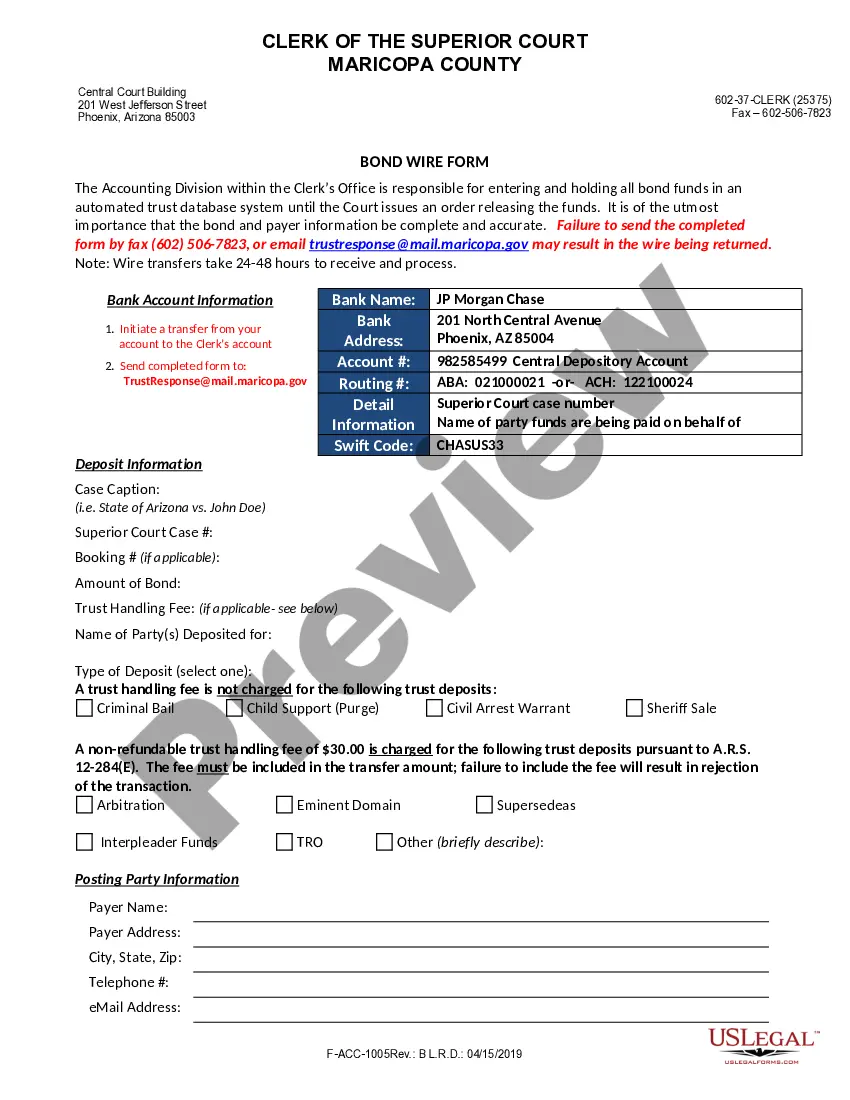
Alaska Clerk's Deed - Foreclosure of Property for Delinquent Tax Lien
Overview of this form
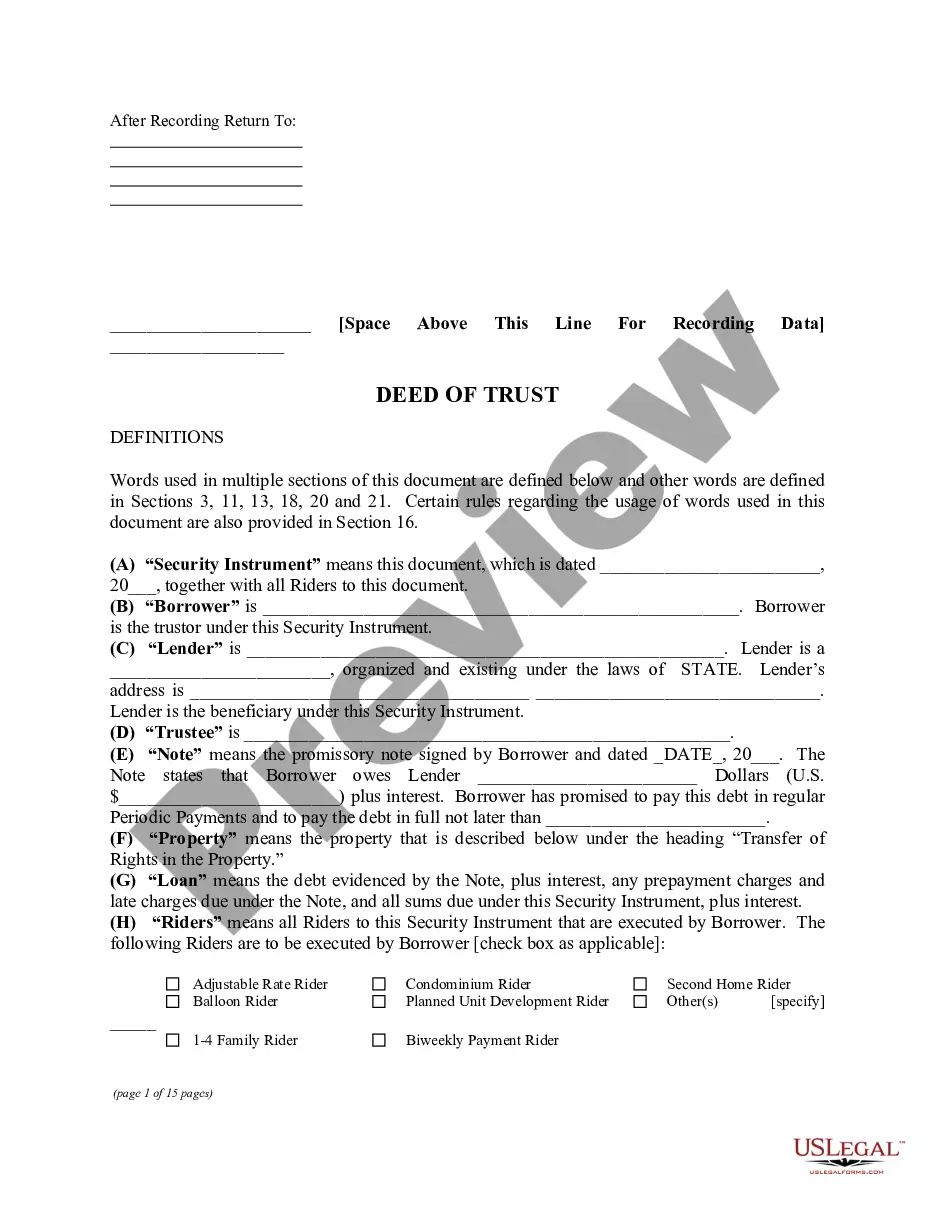
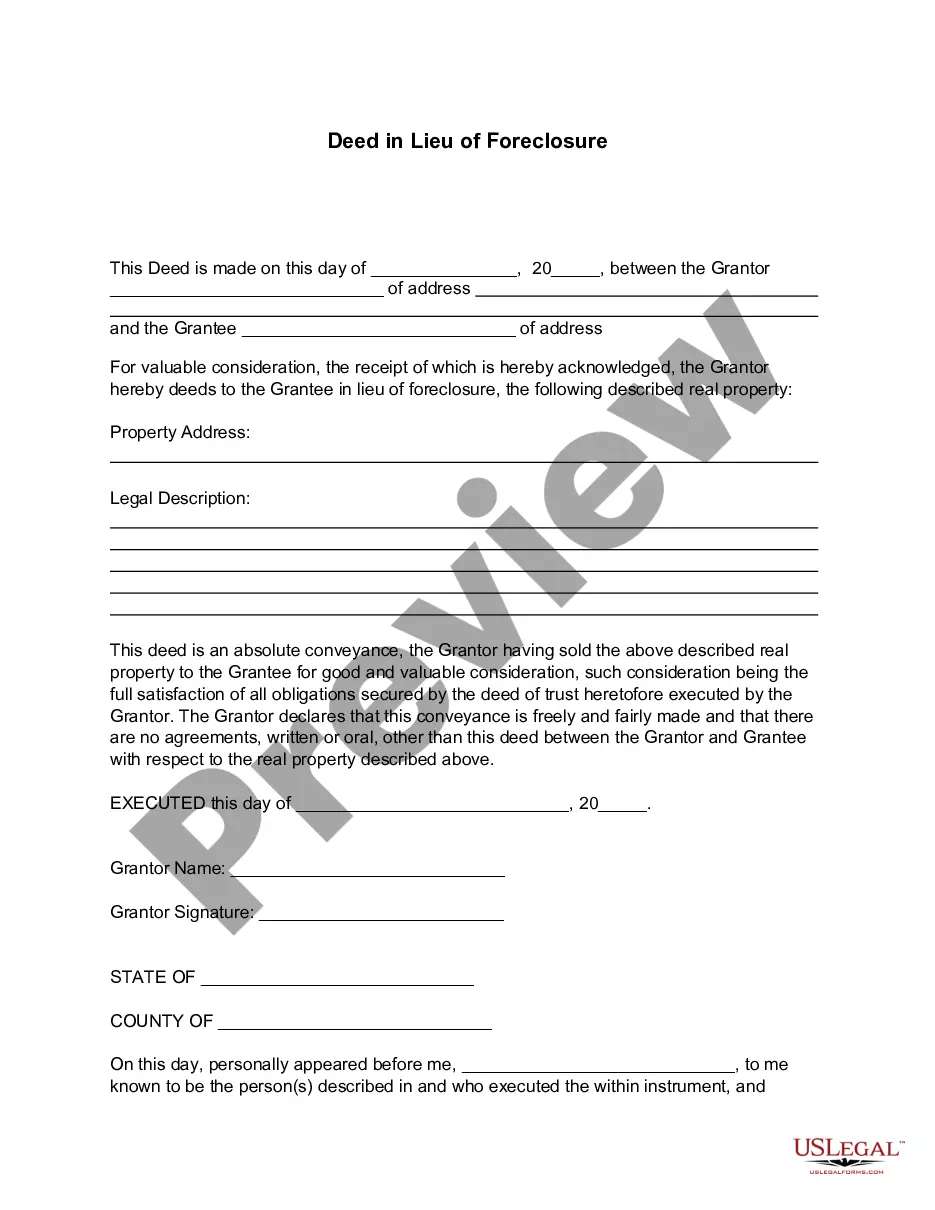
The Clerk's Deed for Foreclosure of Property for Delinquent Tax Lien is a legal document used to formally transfer ownership of real estate that has been foreclosed due to unpaid property taxes. This deed signifies that the property has not been redeemed by the original owner after the foreclosure process has been completed. Unlike other types of deeds, this specific form is issued by the Clerk of the Superior Court and pertains specifically to properties that have been subjected to a tax lien foreclosure.
What’s included in this form
- Identification of the court and judicial district handling the foreclosure.
- Details about the delinquent tax lien and involved year.
- Statement of the property rights being conveyed.
- Signature section for the Clerk of the Superior Court.
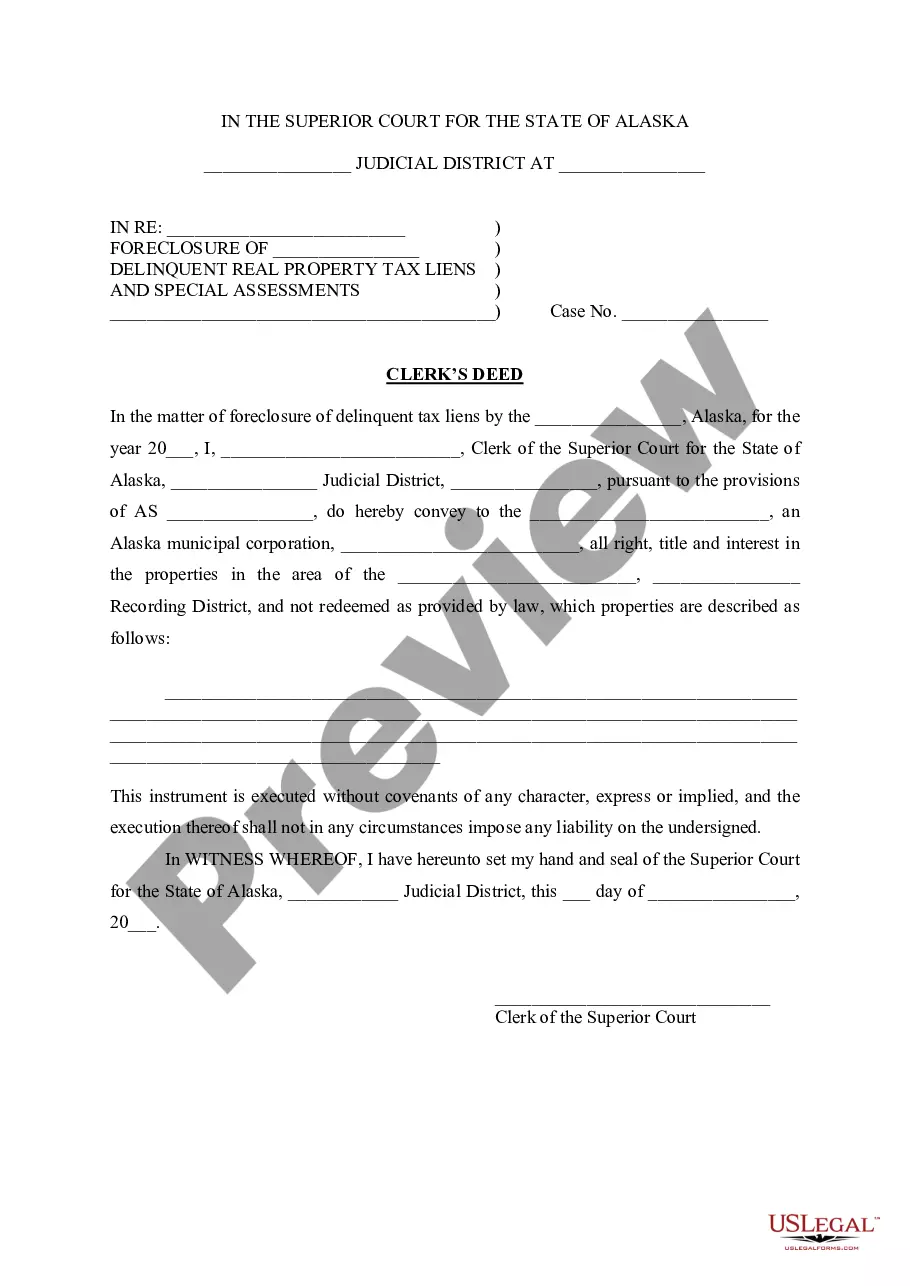
- Acknowledgment section for notarization to verify the identity of the parties involved.


When to use this document
This form should be used when a property has been foreclosed due to the owner's failure to pay real property taxes. It is essential in situations where the municipality or local government has gone through the necessary legal process to reclaim ownership of the property. Once the foreclosure proceedings are completed, this deed officially transfers ownership to the entity that has foreclosed on the property.
Intended users of this form
- Municipal corporations or local government entities that have foreclosed on properties due to tax liens.
- Clerks of the Superior Court responsible for executing and recording foreclosures.
- Real estate professionals involved in handling tax foreclosure properties.
How to complete this form
- Identify the court and fill in the relevant judicial district information.
- State the year for which the delinquent taxes were assessed.
- Provide the full legal description of the property being foreclosed.
- Include the name of the municipal corporation acquiring the property.
- Have the Clerk of the Superior Court sign and date the form.
- Ensure the acknowledgment section is completed by a notary public to validate the document.
Is notarization required?
Yes, this form must be notarized to be legally valid. The execution of the deed requires the acknowledgment of a notary public to ensure the authenticity of the document and the identities of those involved. US Legal Forms offers integrated online notarization, allowing you to complete this process securely and conveniently via video call.
Get your form ready online
Our built-in tools help you complete, sign, share, and store your documents in one place.
Make edits, fill in missing information, and update formatting in US Legal Forms—just like you would in MS Word.
Download a copy, print it, send it by email, or mail it via USPS—whatever works best for your next step.
Sign and collect signatures with our SignNow integration. Send to multiple recipients, set reminders, and more. Go Premium to unlock E-Sign.
If this form requires notarization, complete it online through a secure video call—no need to meet a notary in person or wait for an appointment.
We protect your documents and personal data by following strict security and privacy standards.

Make edits, fill in missing information, and update formatting in US Legal Forms—just like you would in MS Word.

Download a copy, print it, send it by email, or mail it via USPS—whatever works best for your next step.

Sign and collect signatures with our SignNow integration. Send to multiple recipients, set reminders, and more. Go Premium to unlock E-Sign.

If this form requires notarization, complete it online through a secure video call—no need to meet a notary in person or wait for an appointment.

We protect your documents and personal data by following strict security and privacy standards.
Avoid these common issues
- Omitting information related to the court name or judicial district.
- Failing to provide a complete legal description of the property.
- Not having the form signed by the Clerk of the Superior Court.
- Forgetting to complete the acknowledgment section by a notary.
Benefits of using this form online
- Instant access to downloadable templates designed by licensed attorneys.
- Edit and customize the form to fit specific circumstances.
- Avoid the hassle of visiting legal offices by completing paperwork online.
Main things to remember
- The Clerk's Deed for Foreclosure formally transfers property ownership due to delinquent taxes.
- This form is critical for municipalities reclaiming unpaid properties.
- Completion requires specific information and notary acknowledgment for validity.
Looking for another form?

Form popularity
FAQ
Tax deed sales must eliminate any community association liens and debts acquired prior to the tax deed. Tax deed sales must reduce any code enforcement liens to hard costs if the tax deed investor timely addresses such liens and underlying issues after purchasing the tax deed.
A tax lien sale is a method many states use to force an owner to pay unpaid taxes.The highest bidder gets the lien against the property. The tax collector uses the money earned at the tax lien sale to compensate for unpaid back taxes. The homeowner has to pay back the lien holder, plus interest, or face foreclosure.
This means that if the lender forecloses, the federal tax lien on the homebut not the debt itselfwill be wiped out in the foreclosure. If there are any excess proceeds after the foreclosure sale, the IRS may seek to recover that money and apply it to the outstanding debt.
If all attempts to collect on the delinquent taxes have been exhausted and the redemption period expires, the lien holder can initiate a judicial foreclosure proceeding against the property itself. The court then orders a foreclosure auction be held to collect the money to satisfy the unpaid tax lien.
Normally, because property tax liens are superior to all other liens, their foreclosure eliminates all junior liens, including those for mortgages. Occasionally, buyers of tax-foreclosed properties have discovered that the property actually carries a surviving mortgage lien.
In cases where the mortgage lender recorded its lien (the mortgage) before the IRS records a Notice of Federal Tax Lien, the mortgage has priority. This means that if the lender forecloses, the federal tax lien on the homebut not the debt itselfwill be wiped out in the foreclosure.
Foreclosure Eliminates Liens, Not Debt Following a first-mortgage foreclosure, all junior liens (including a second mortgage and any junior judgment liens) are extinguished and the liens are removed from the property title.
The answer is, it depends. For homeowners who would like to keep their homes (by redeeming the mortgage during the 6 month redemption period) they must pay property taxes as well as any interest and costs as well as the balance of the loan. In that case, the answer is simple the homeowner is responsible.
The biggest difference between a tax deed sale and the foreclosure sale has to do with due diligence by the buyer.The buyer is also liable for homeowner or condominium association fees after the tax deed is issued by the Clerk of Court.