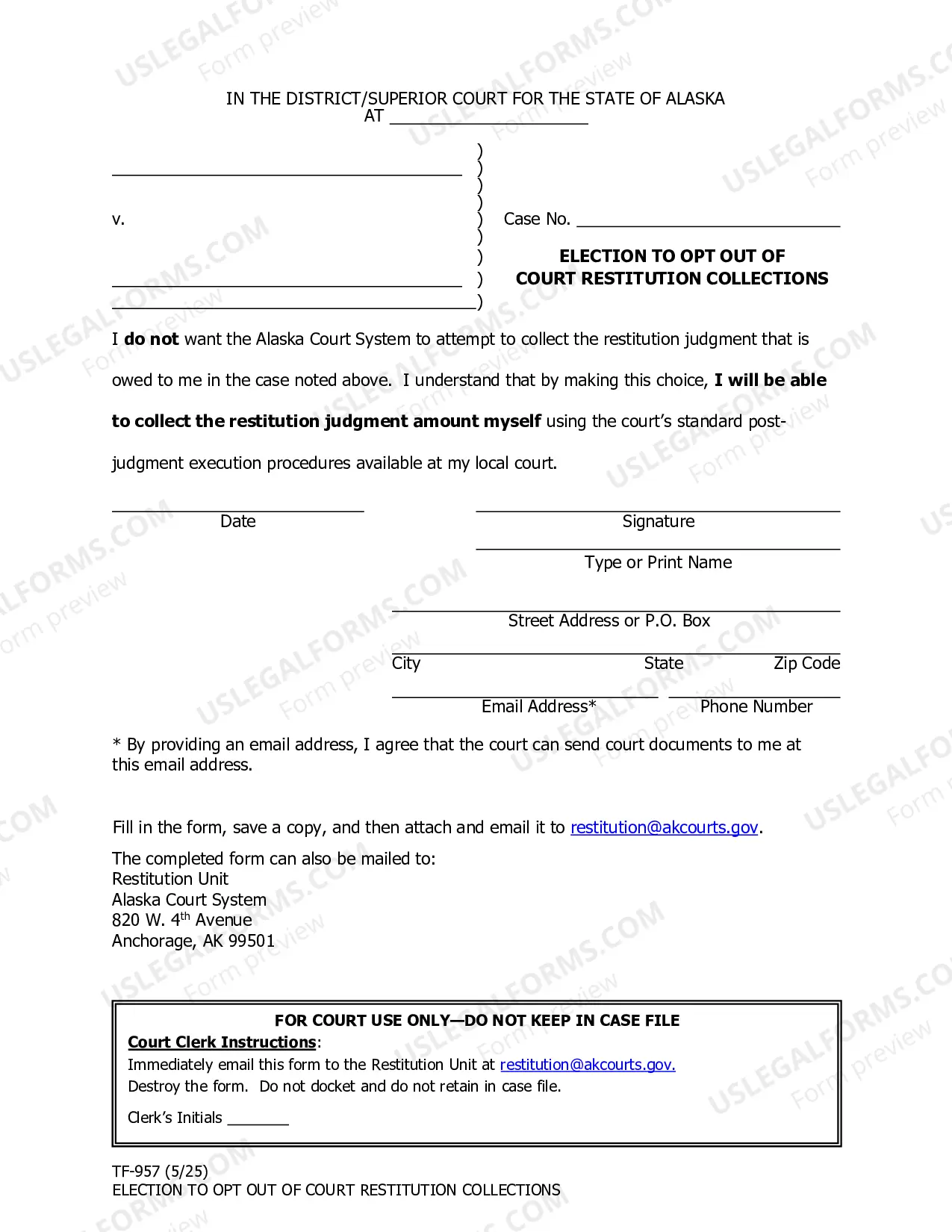
Alaska Commercial Sublease
What this document covers
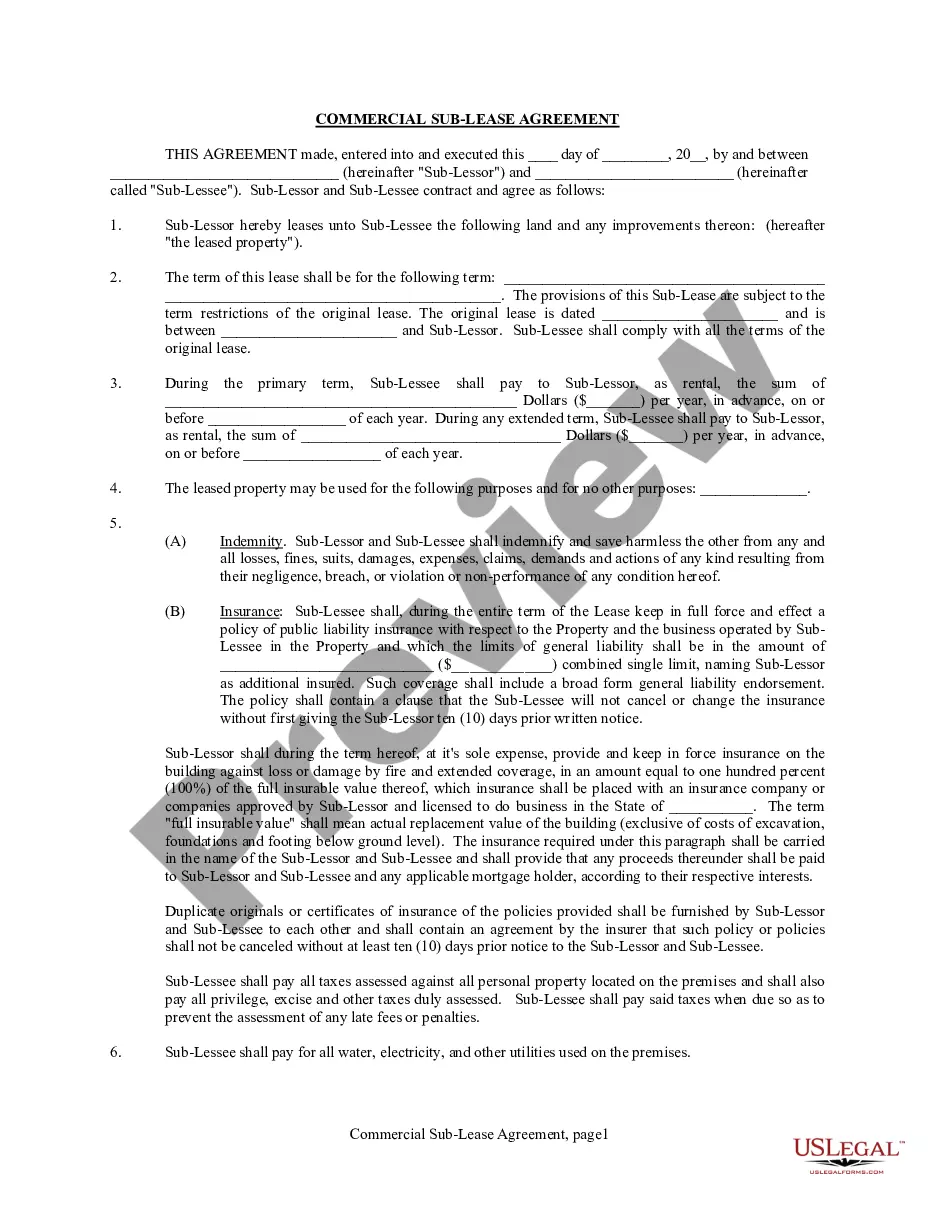
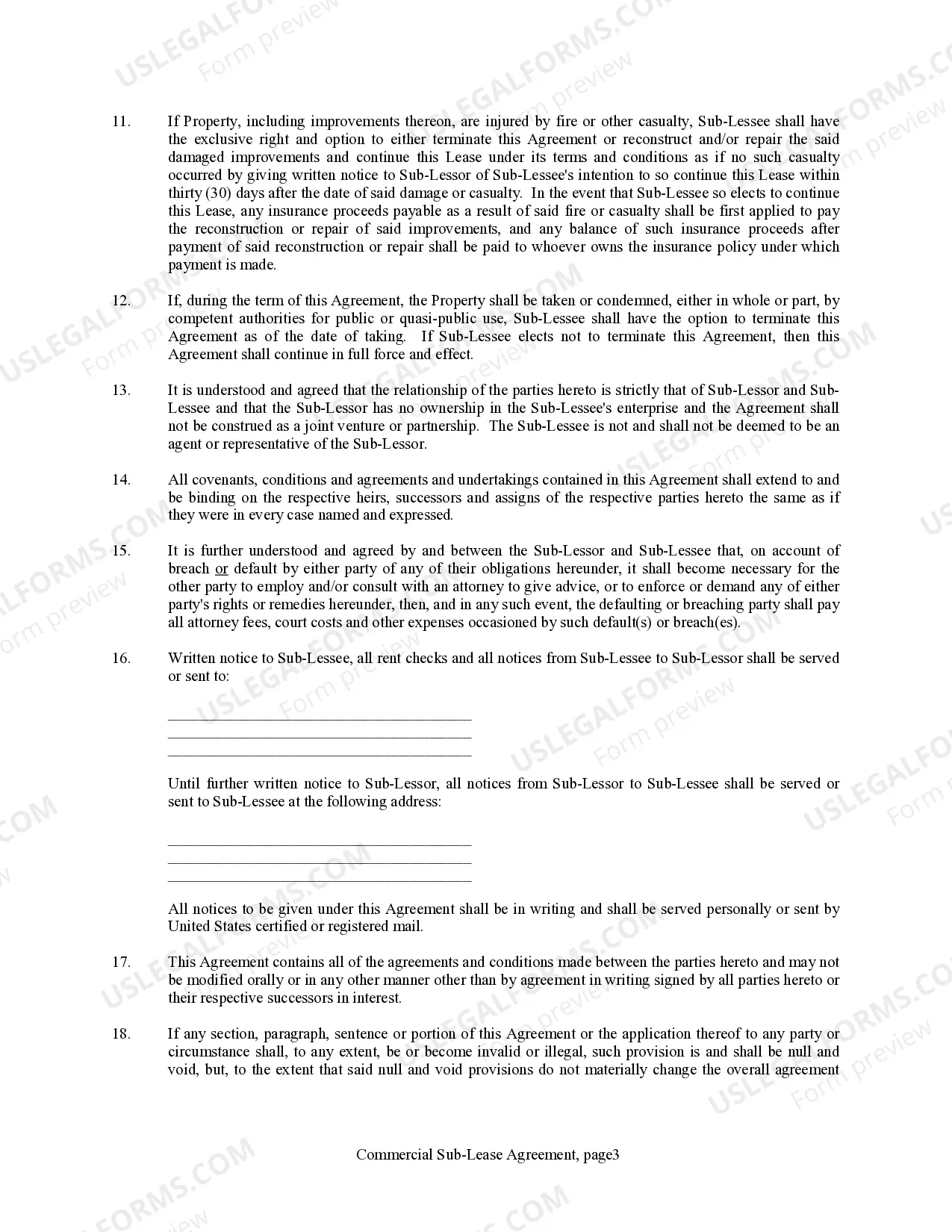
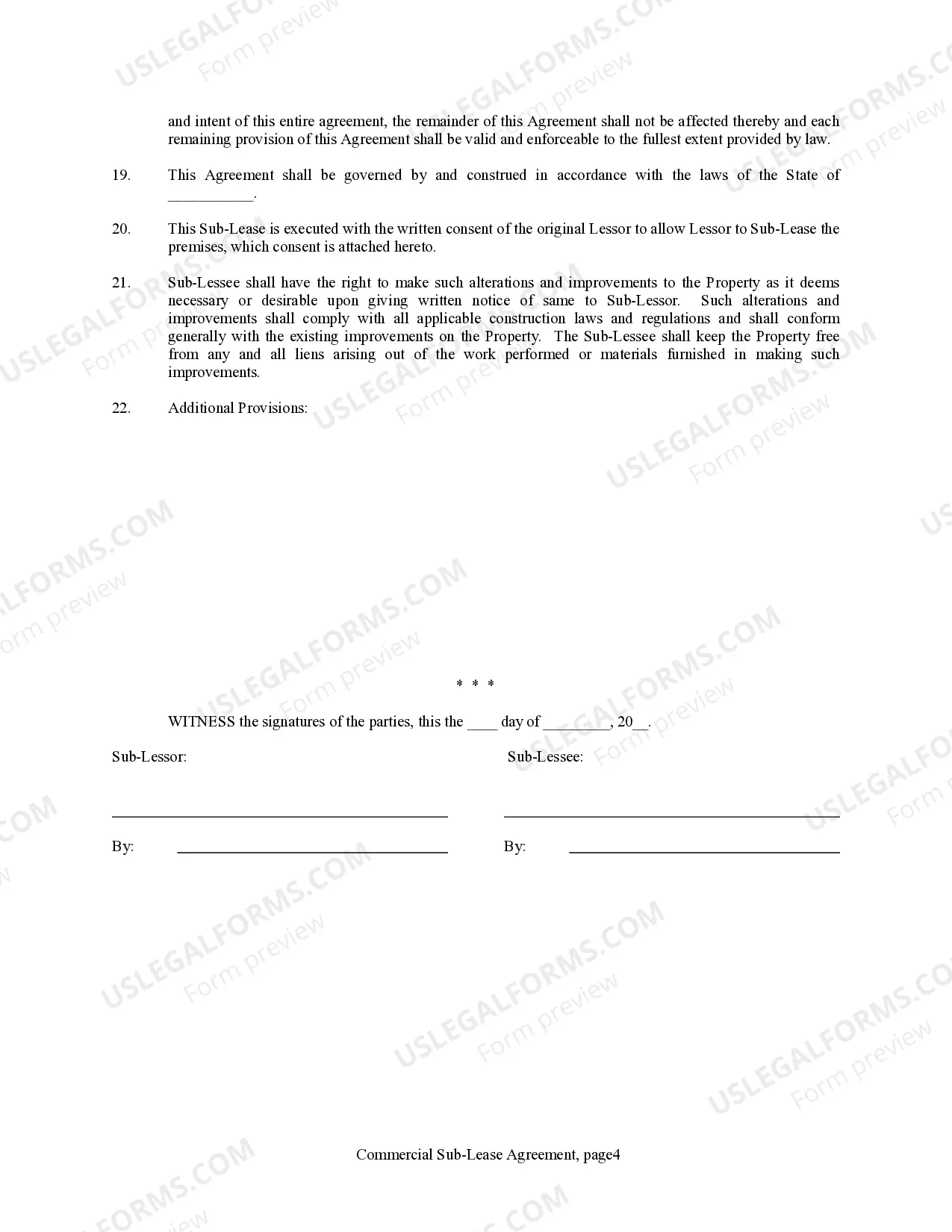
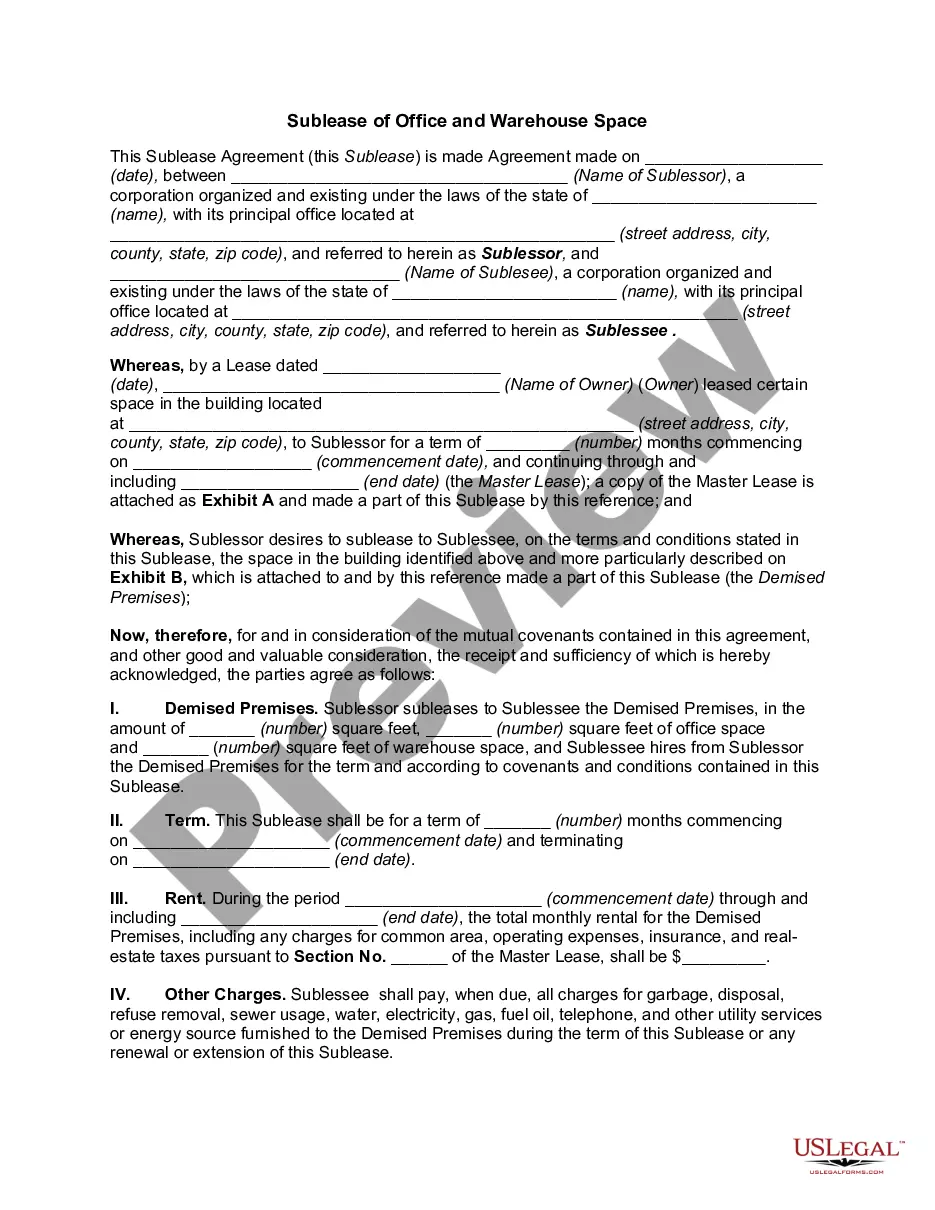
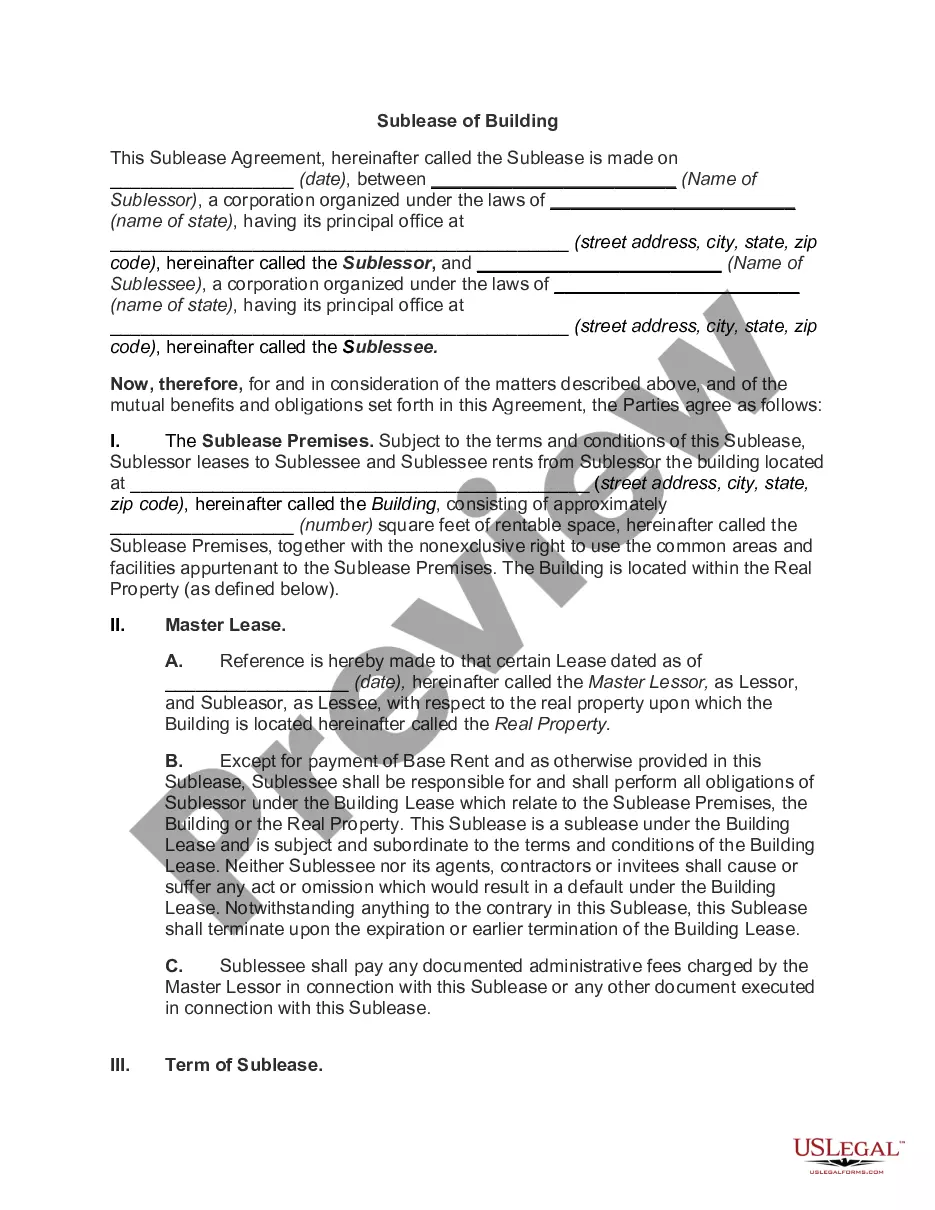
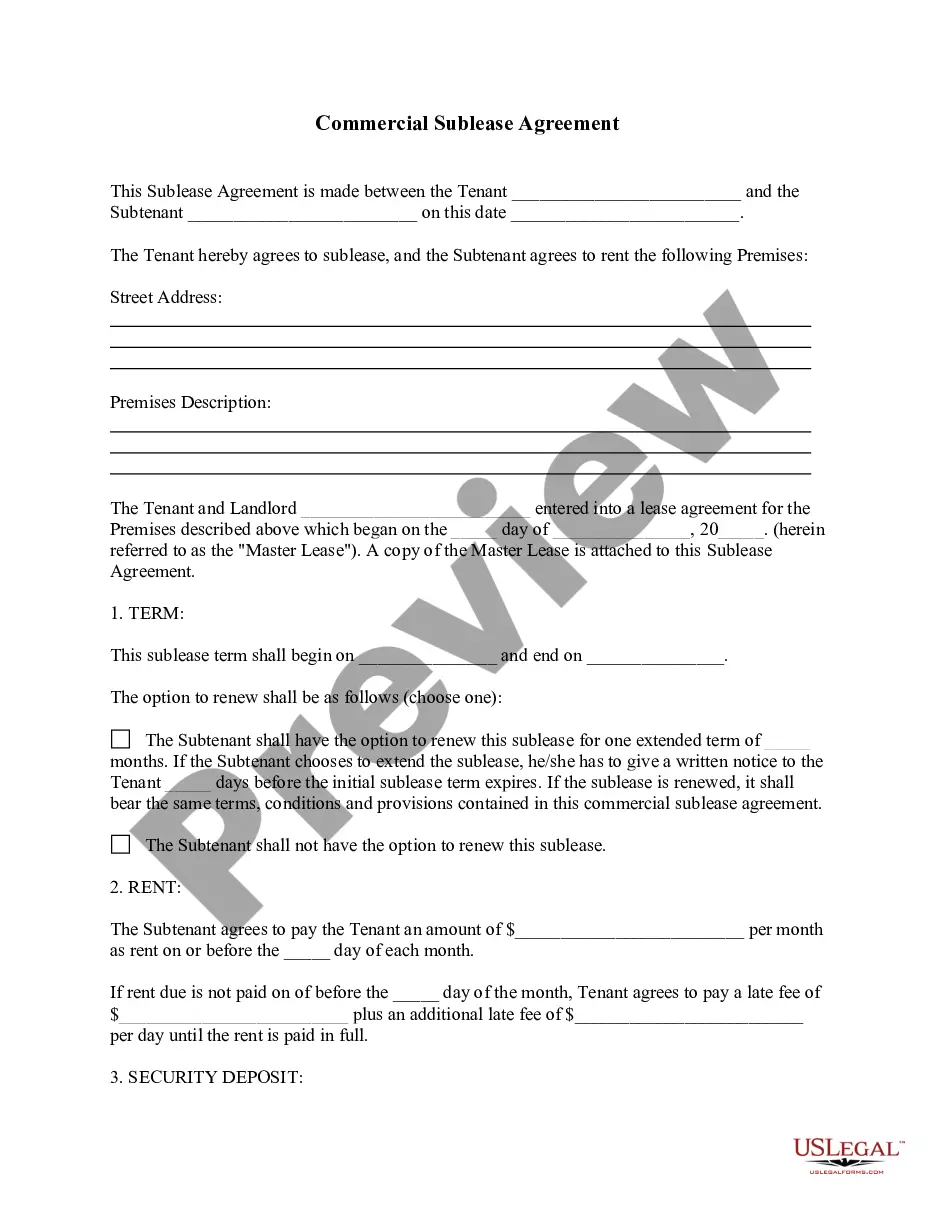
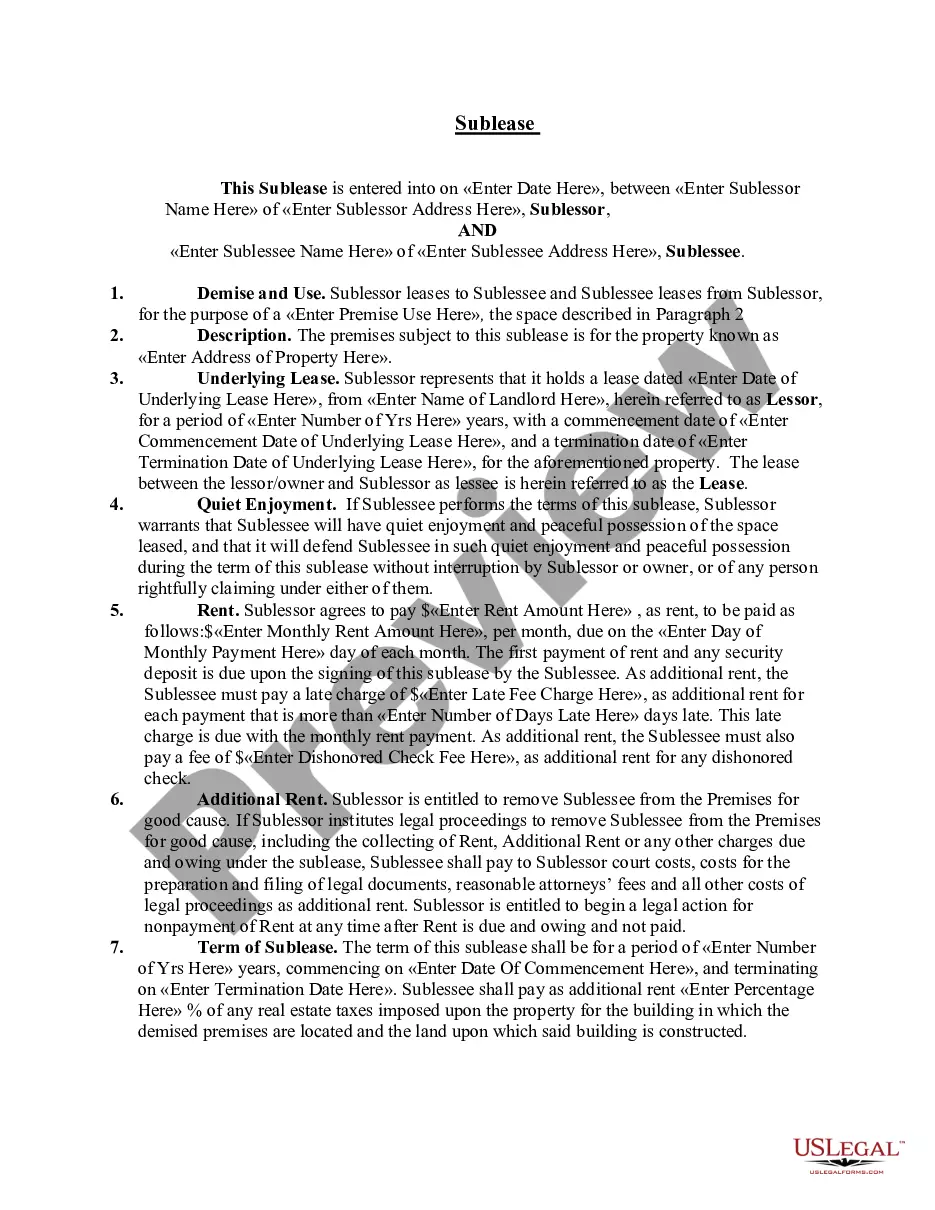
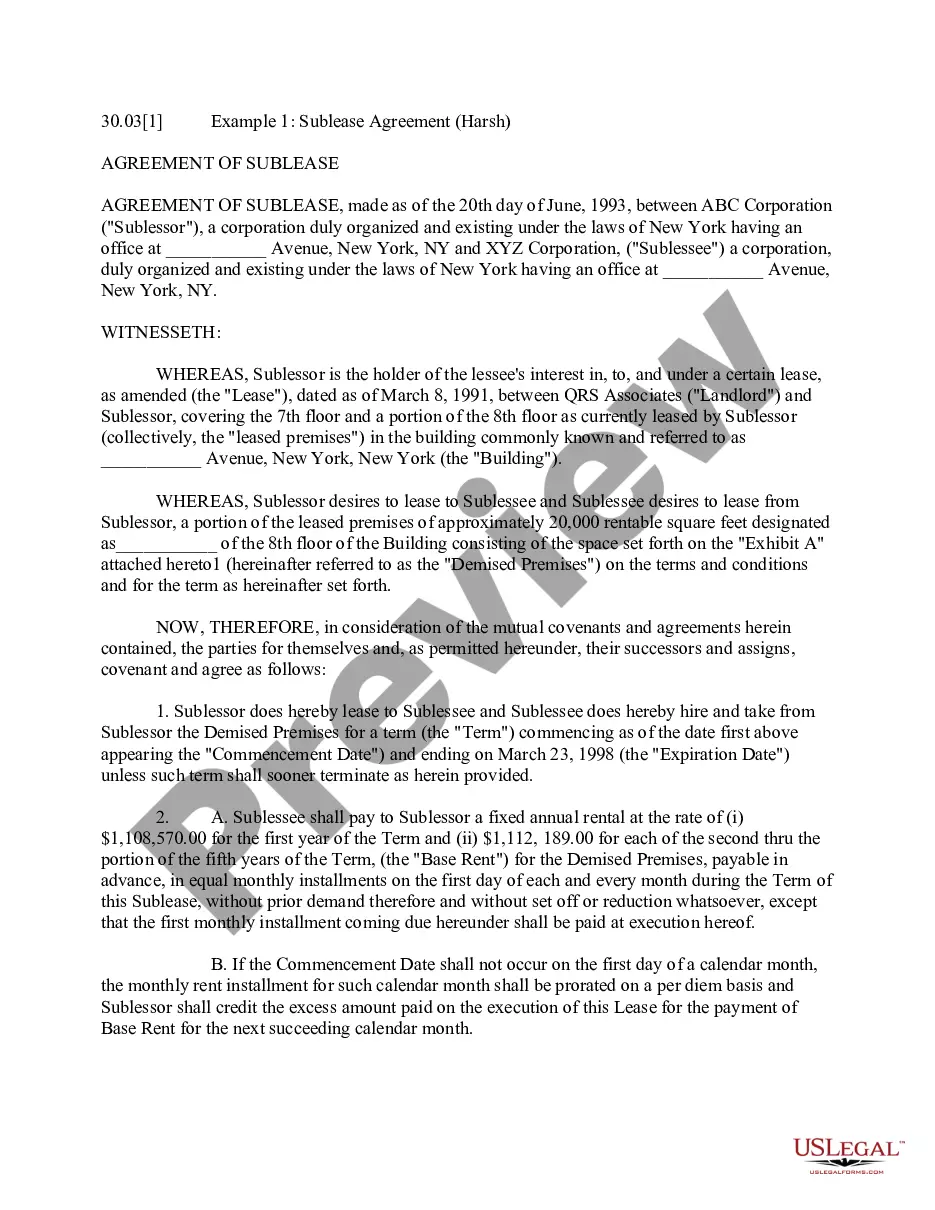
The Commercial Sublease form is a legal document that allows a current tenant (Sub-Lessor) to lease their rented property to a new tenant (Sub-Lessee). This form outlines the terms and conditions under which the Sub-Lessee can occupy the property while establishing that the original lease terms still apply. Unlike standard lease agreements, this form focuses specifically on the sub-leasing arrangement and ensures all parties adhere to the original leasing terms.
Form components explained
- Identification of parties: Names and addresses of the Sub-Lessor and Sub-Lessee.
- Description of the leased property: Detailed information about the space being sub-leased.
- Rental payment terms: Amount due annually and payment schedule.
- Use of property: Guidelines on acceptable uses for the leased space.
- Repair and maintenance responsibilities: Duties of both parties regarding upkeep of the property.
- Termination clauses: Conditions under which the lease may be ended by either party.

Common use cases
This Commercial Sublease form is useful when a tenant needs to temporarily transfer their rental rights to another party, perhaps due to relocation, a change in business strategy, or personal circumstances. It ensures that the new tenant is legally bound to the original lease terms, providing peace of mind to both the Sub-Lessor and Sub-Lessee.
Who this form is for
- Current tenants looking to sublet their leased property.
- Landlords who want to allow tenants to sublease while retaining control over the original lease agreement.
- Businesses or individuals seeking a temporary space without entering into a new lease agreement.
Instructions for completing this form
- Identify the parties involved by filling in the names and addresses of the Sub-Lessor and Sub-Lessee.
- Specify the leased property by detailing the address and physical description.
- Enter the rental amount and the payment schedule in the appropriate sections.
- Specify the intended use of the property in compliance with original lease terms.
- Both parties should sign and date the form to validate the agreement.
Notarization requirements for this form
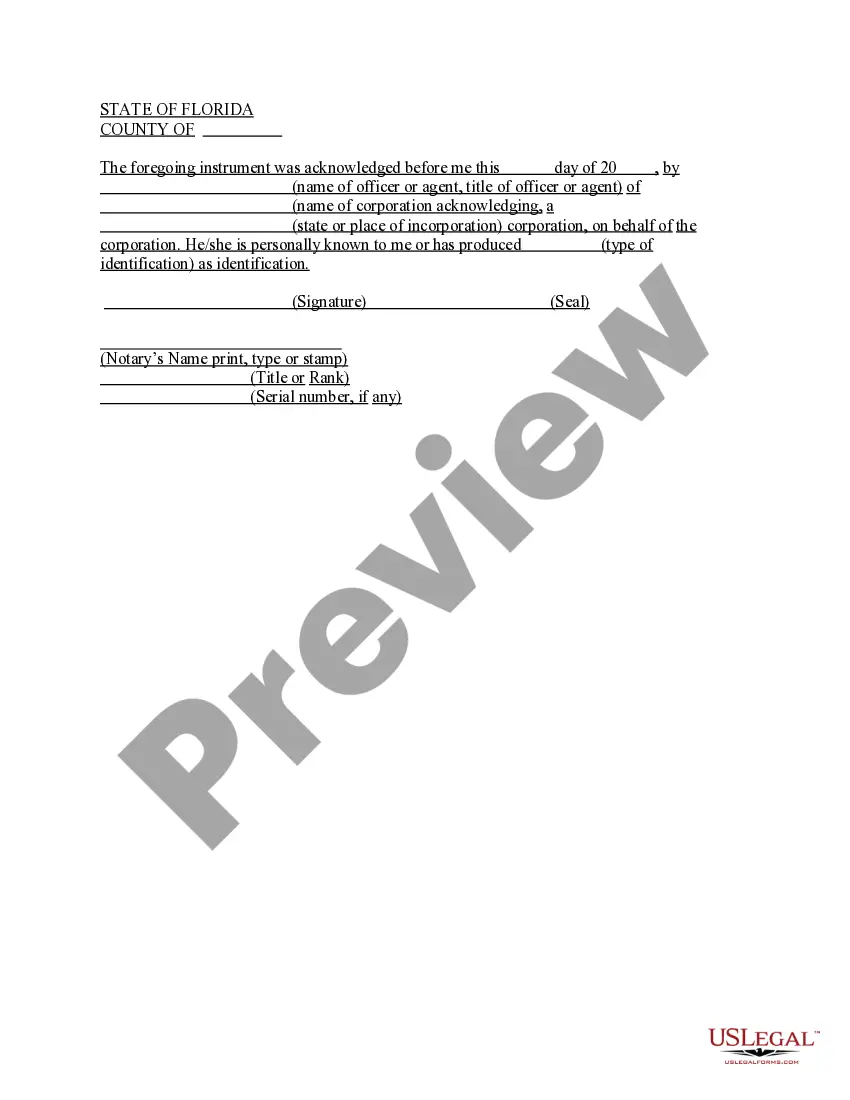
This form does not typically require notarization unless specified by local law. However, having it notarized can provide an additional layer of validity, confirming the identities of the parties involved.
Get your form ready online
Our built-in tools help you complete, sign, share, and store your documents in one place.
Make edits, fill in missing information, and update formatting in US Legal Forms—just like you would in MS Word.
Download a copy, print it, send it by email, or mail it via USPS—whatever works best for your next step.
Sign and collect signatures with our SignNow integration. Send to multiple recipients, set reminders, and more. Go Premium to unlock E-Sign.
If this form requires notarization, complete it online through a secure video call—no need to meet a notary in person or wait for an appointment.
We protect your documents and personal data by following strict security and privacy standards.

Make edits, fill in missing information, and update formatting in US Legal Forms—just like you would in MS Word.

Download a copy, print it, send it by email, or mail it via USPS—whatever works best for your next step.

Sign and collect signatures with our SignNow integration. Send to multiple recipients, set reminders, and more. Go Premium to unlock E-Sign.

If this form requires notarization, complete it online through a secure video call—no need to meet a notary in person or wait for an appointment.

We protect your documents and personal data by following strict security and privacy standards.
Common mistakes to avoid
- Not checking if subleasing is permitted under the original lease agreement.
- Failing to detail the payment schedule or rental amount clearly.
- Neglecting maintenance responsibilities of the Sub-Lessee, leading to disputes.
- Missing signatures or dates, which could render the lease invalid.
Why use this form online
- Convenience of completing the form from anywhere, at any time.
- Editable fields allow for customization according to specific needs.
- Access to attorney-drafted documents ensures they are legally sound.
Legal use & context
The Commercial Sublease form is legally binding once signed by both parties. It grants the Sub-Lessee rights to occupy the property while ensuring compliance with the original lease terms and applicable local regulations.
Looking for another form?
Form popularity
FAQ
A sublet, sometimes called a sublease, is a contract under which a tenant rents out their apartment to another individual while their name is still on the lease.When subleasing, only the original tenant's name is on the lease. In a roommate situation, all tenants are named on the lease.
Can the landlord refuse consent to an Assignment? Most leases will say that the Landlord cannot unreasonably withhold consent. According to section 19 (1A) of the Landlord and Tenant Act 1927 the landlord can insert conditions in the lease, which need to be met in the case of an assignment.
A sublease is a legally binding contract made between a tenant and a new tenant (also known as a subtenant or a sublessee).Usually, the first tenant must get consent from the landlord before he/she is allowed to sublease the premises.
In short, subletting allows a new renter to take over the lease directly with the landlord, while subleasing involves renting all or part of the space to another renter through the original renter.
Can a Landlord Break or Refuse to Renew a Commercial Lease? Your lease agreement is legally binding under contract law, but it can be broken in some circumstances. If you and the landlord agree to break the lease, you should both sign an agreement to protect you from future legal action.
Commercial landlords with multiple properties, or developments with more than one tenant, are generally loath to disclose to potential tenants the terms of leases into which they have previously entered.
Recording a lease means that it (or a Notice of Lease) is submitted to the public record, usually at the local Registry of Deeds following the signing of it by both parties. Generally, recording of the lease protects the tenant against subsequent claims to the property.
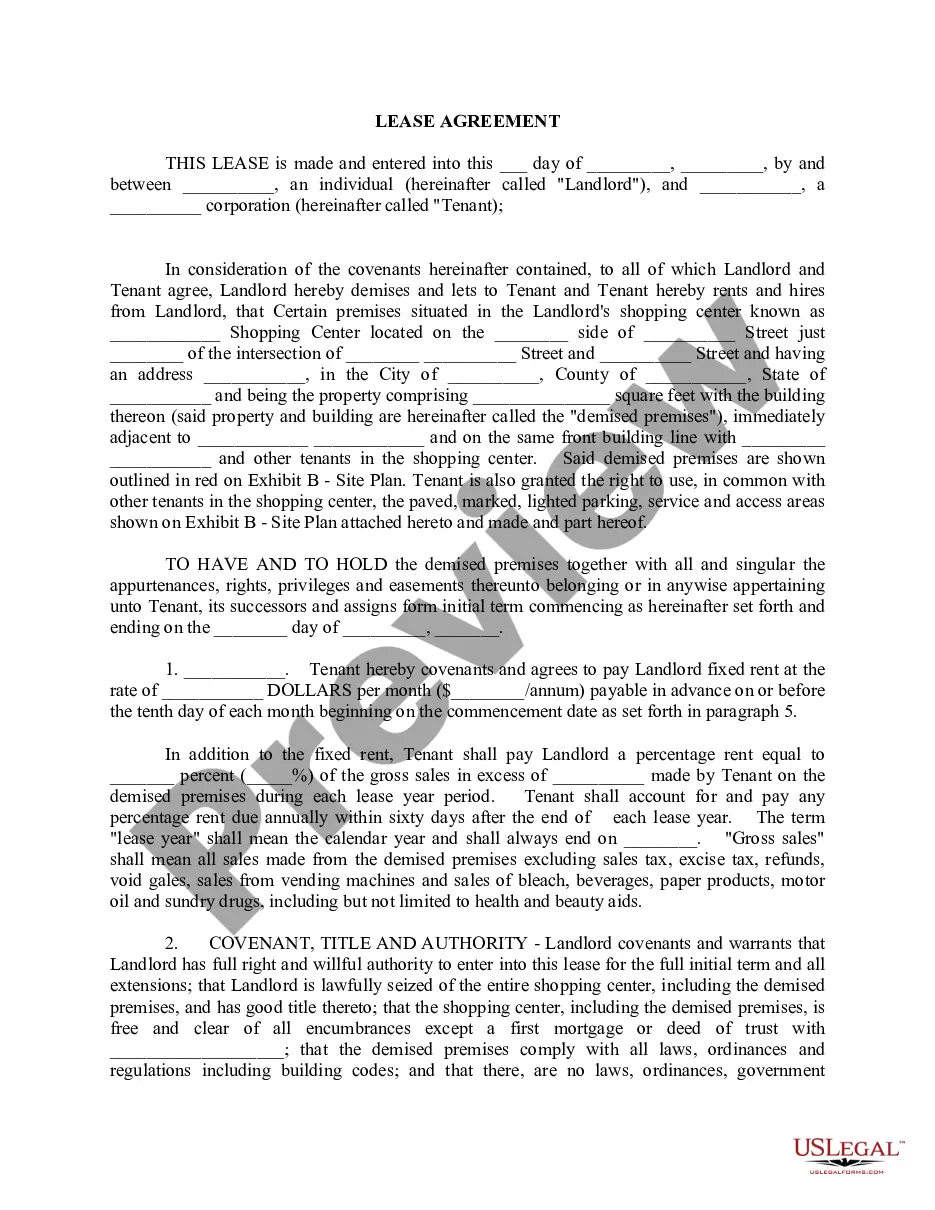
A commercial sublease is an agreement between a tenant currently leasing a property, a new tenant looking for space, and the property owner. When you sublease your space you are the sublessor (or sublandlord) and your new tenant is the sublessee (or subtenant).
A sublease is the re-renting of property by an existing tenant to a new third party for a portion of the tenant's existing lease contract.Even if a sublease is permitted, the original tenant is still liable for the obligations stated in the lease agreement, such as the payment of rent each month.