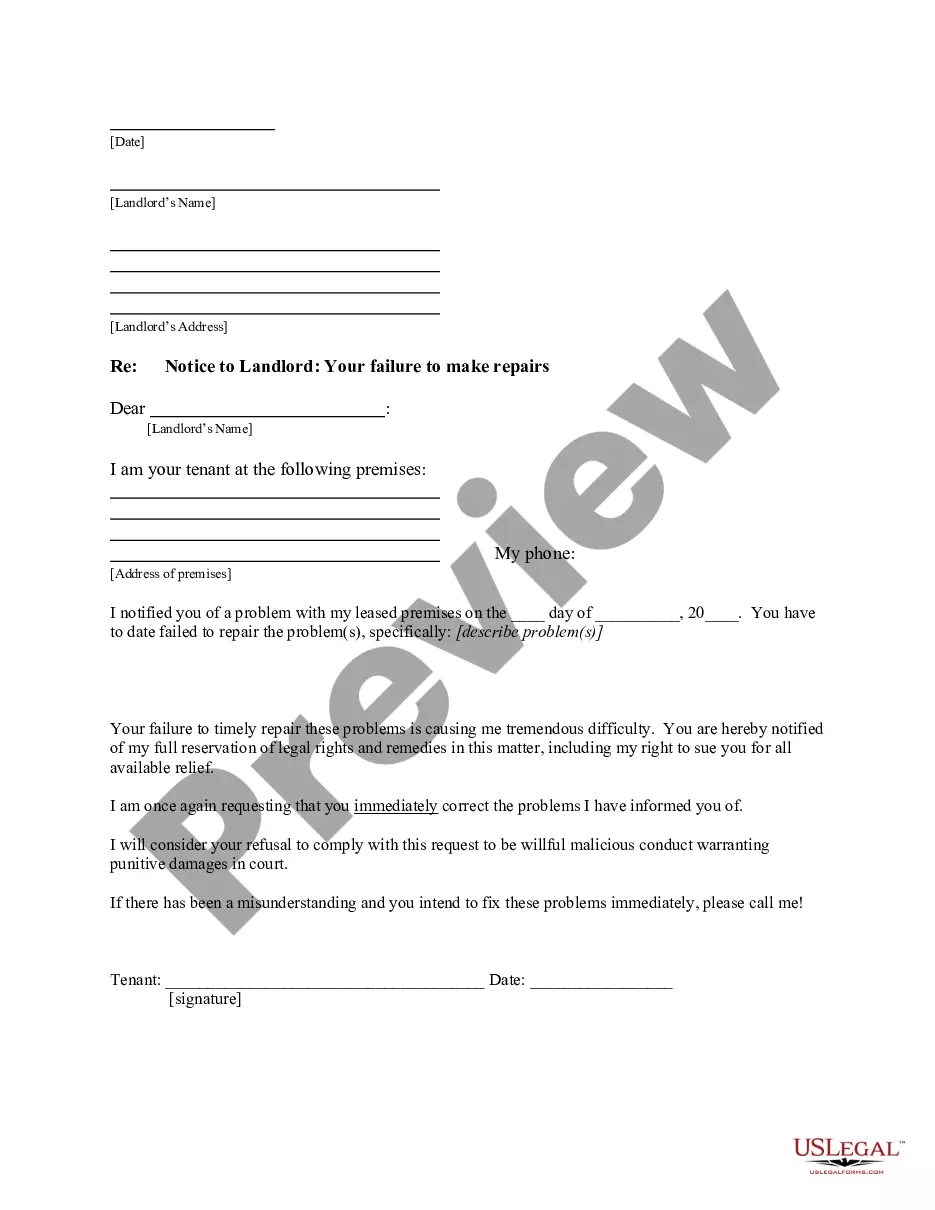
This Failure To Make Repairs - Vacating Premises letter is written by a Tenant to Landlord requesting again that Landlord make repairs to leased premises that Tenant had previously requested. Tenant reserves the right to take legal action against Landlord including the right to sue for available relief.
Alaska Letter from Tenant to Landlord about Landlord's failure to make repairs
State:
Alaska
Control #:
AK-1012LT
Format:
Word;
Rich Text
Instant download
Description
Free preview


How to fill out Alaska Letter From Tenant To Landlord About Landlord's Failure To Make Repairs?
Employing Alaska Correspondence from Tenant to Landlord concerning Landlord's negligence in conducting repairs examples crafted by proficient attorneys provides you with a means to prevent stress when submitting papers.
Easily download the template from our site, complete it, and seek a lawyer's confirmation.
This approach can save you considerably more time and effort compared to having an attorney draft a document entirely from the ground up for you.
Utilize the Preview function and review the description (if available) to determine if you need this particular template and if so, click Buy Now. Locate another document using the Search field if necessary. Choose a subscription that meets your requirements. Begin with your credit card or PayPal. Select a file format and download your document. Once you have completed all the above steps, you will be able to fill out, print, and sign the Alaska Correspondence from Tenant to Landlord regarding Landlord's negligence in conducting repairs example. Remember to double-check all entered information for accuracy before submitting or mailing it. Minimize the time you spend on paperwork with US Legal Forms!
- If you possess a US Legal Forms subscription, simply access your account and navigate back to the sample webpage.
- Locate the Download button adjacent to the templates you are reviewing.
- After downloading a template, you can find all your saved documents in the My documents section.
- If you don't have a subscription, that's fine.
- Just follow the outlined steps below to register for an account online, obtain, and complete your Alaska Correspondence from Tenant to Landlord regarding Landlord's negligence in making repairs template.
- Verify that you are downloading the appropriate state-specific form.
Form popularity
FAQ
Uninhabitable conditions can include dangerous ones, such as holes in the floor, unsafe or exposed wiring, or non-working air conditioning in dangerously hot summer months. Gross infestations of roaches, fleas or other pests are also uninhabitable conditions.
The landlord had a duty to reasonably maintain the property; The landlord knew or should have known of the dangerous condition; The landlord breached their duty by failing to repair/fix the dangerous condition;
Know your state's landlord/tenant laws. Read and respond to the court summons. Try to work out a settlement. Consider legal counsel. Show up for court. Look sharp and provide evidence.
You can file a lawsuit for negligence against the manager of a real estate property in the same way you can sue the owner of any type of business. Generally speaking, with certain exceptions, filing a lawsuit for negligence against a property manager is a straightforward process.
Can a tenant claim for improvements made during the lease? The position differs in the case of immovable and movable property. Tenant can claim for:The claim arises only once the lease is terminated and lessee vacated the property.
If you're seeking damages for emotional distress caused by a landlord's discrimination, or punitive damages for especially blatant and intentional discrimination, a lawsuit may well be your best bet. Understand what's involved in suing your landlord. You may file a lawsuit in either federal or state court.
A burst water service or a serious water service leak. A blocked or broken toilet. A serious roof leak. A gas leak. A dangerous electrical fault. Flooding or serious flood damage. Serious storm or fire damage.
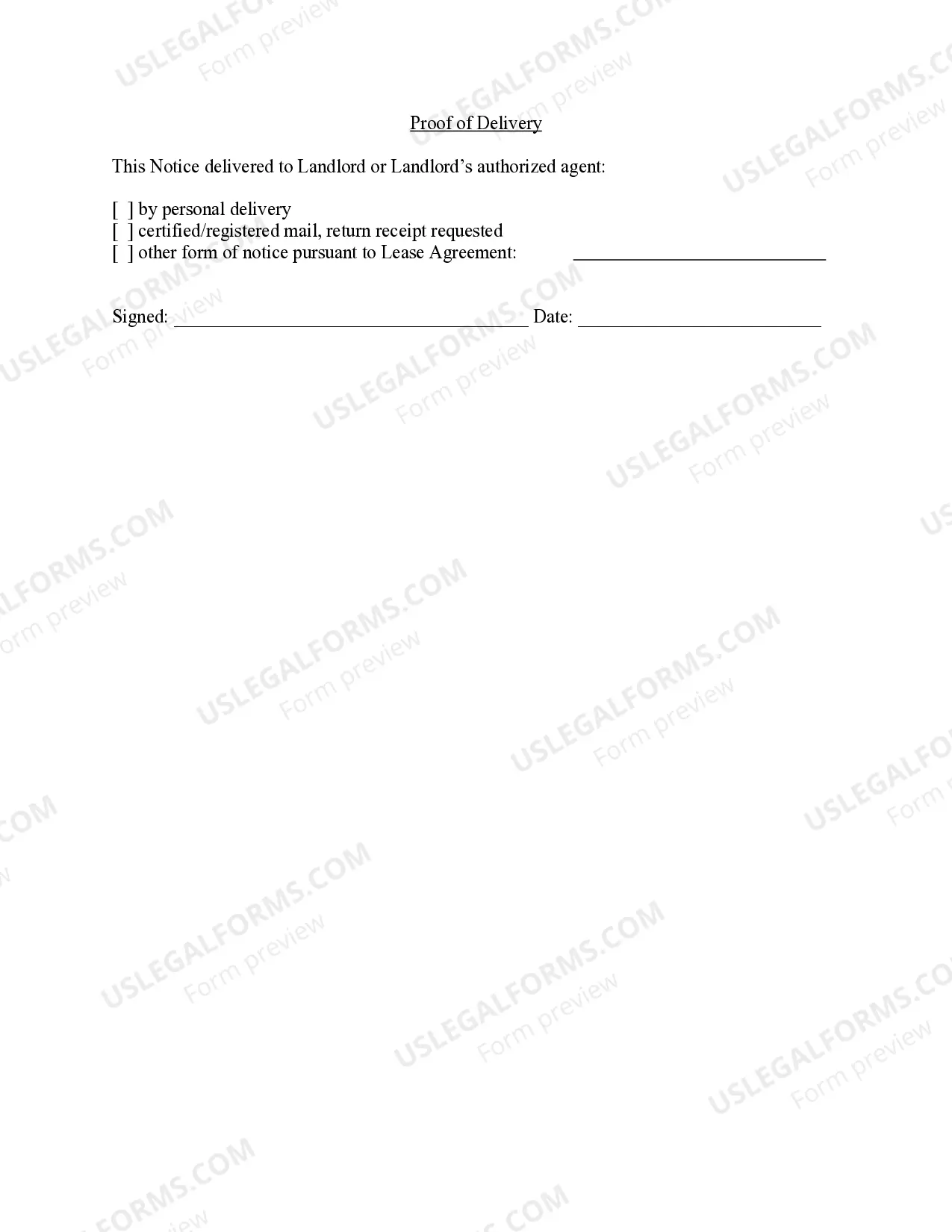
Make sure the repair is actually your landlord's responsibility. Document the problem thoroughly. Ask your landlord in writing to make the repair. Send your landlord a letter with return receipt requested.
Tenants can all agree to withhold rent until the landlord makes repairs. A group of tenants can ask a judge to order the landlord to make repairs. If the landlord absolutely refuses to fix the bad conditions, tenants can ask a court to appoint a temporary landlord called a receiver in order to make repairs.