Wyoming Amendment to Living Trust
What this document covers
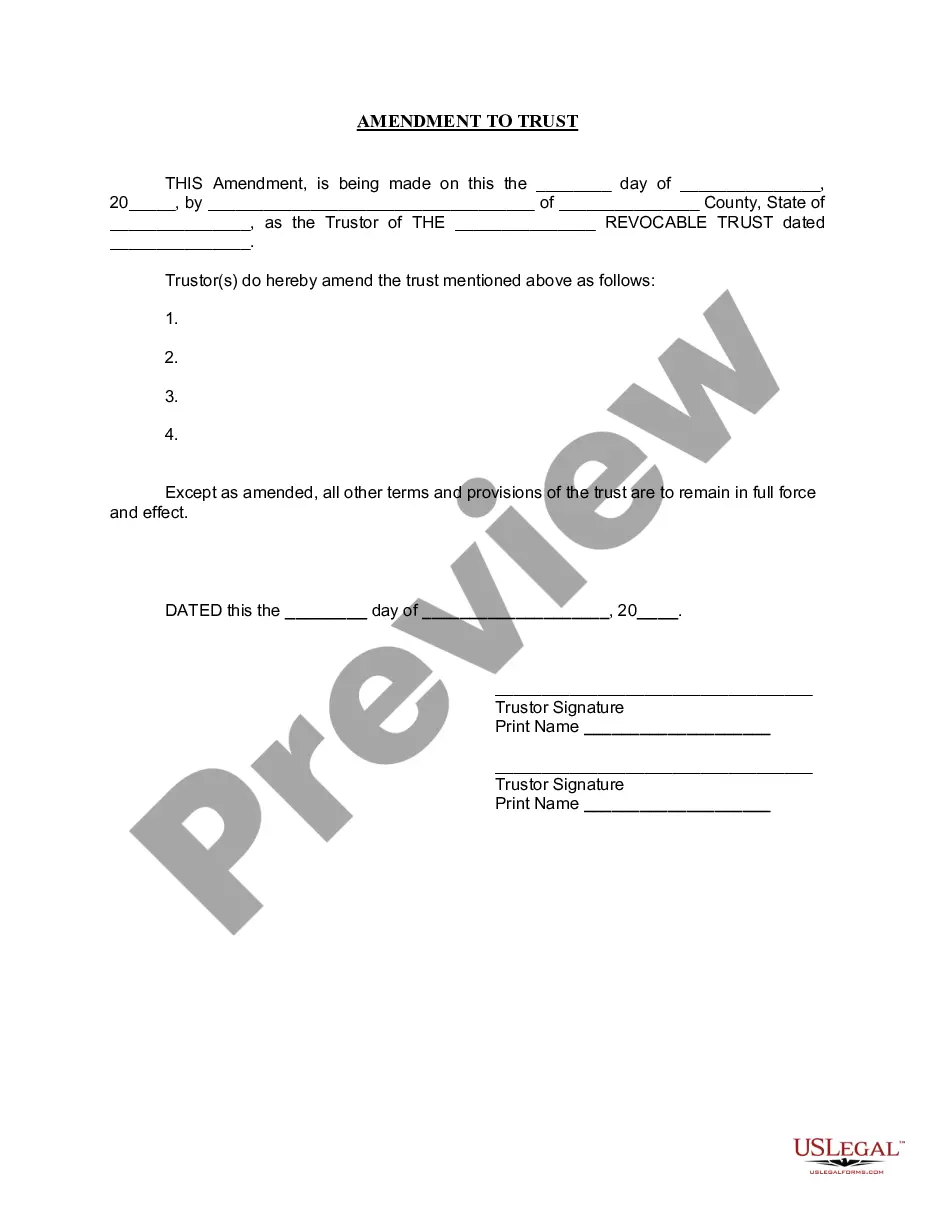
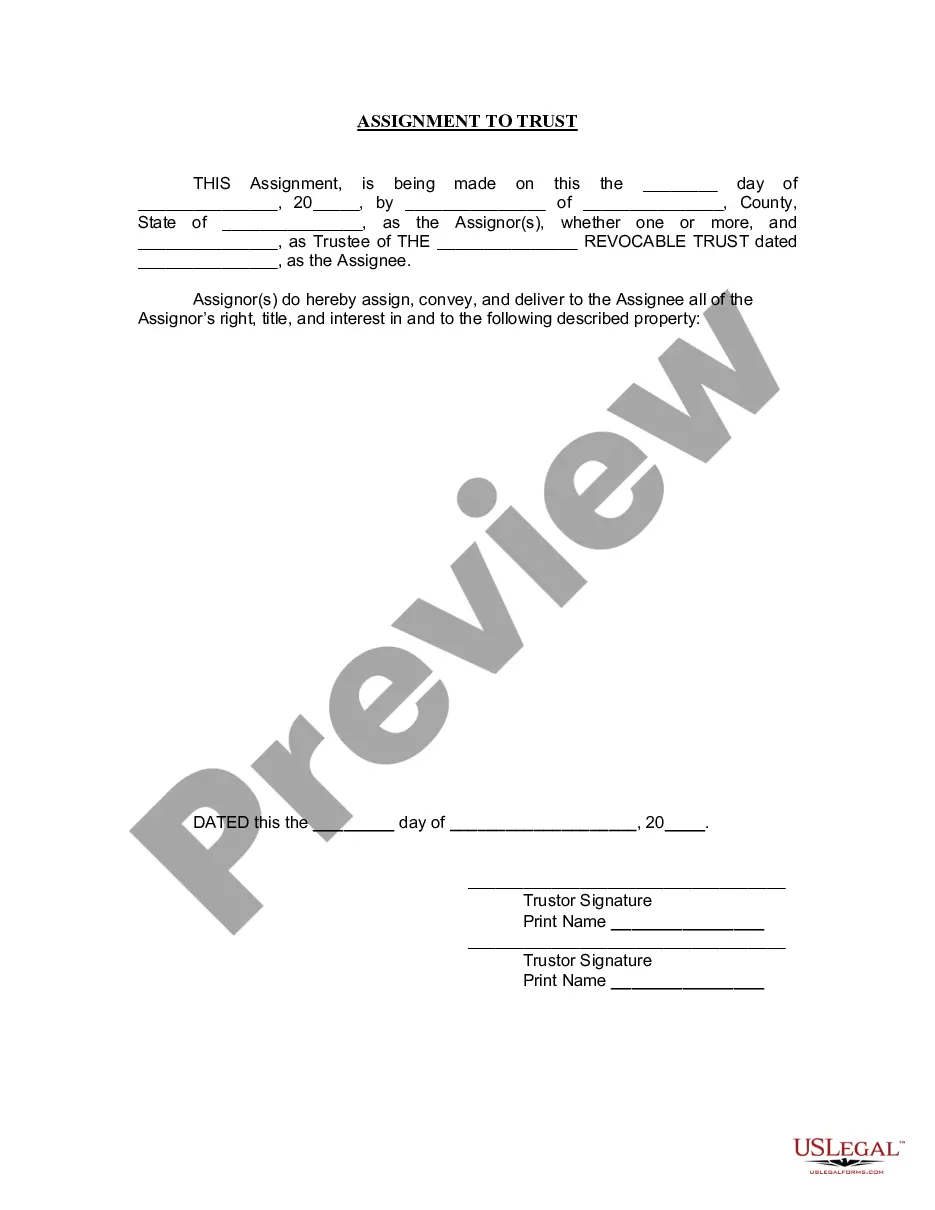
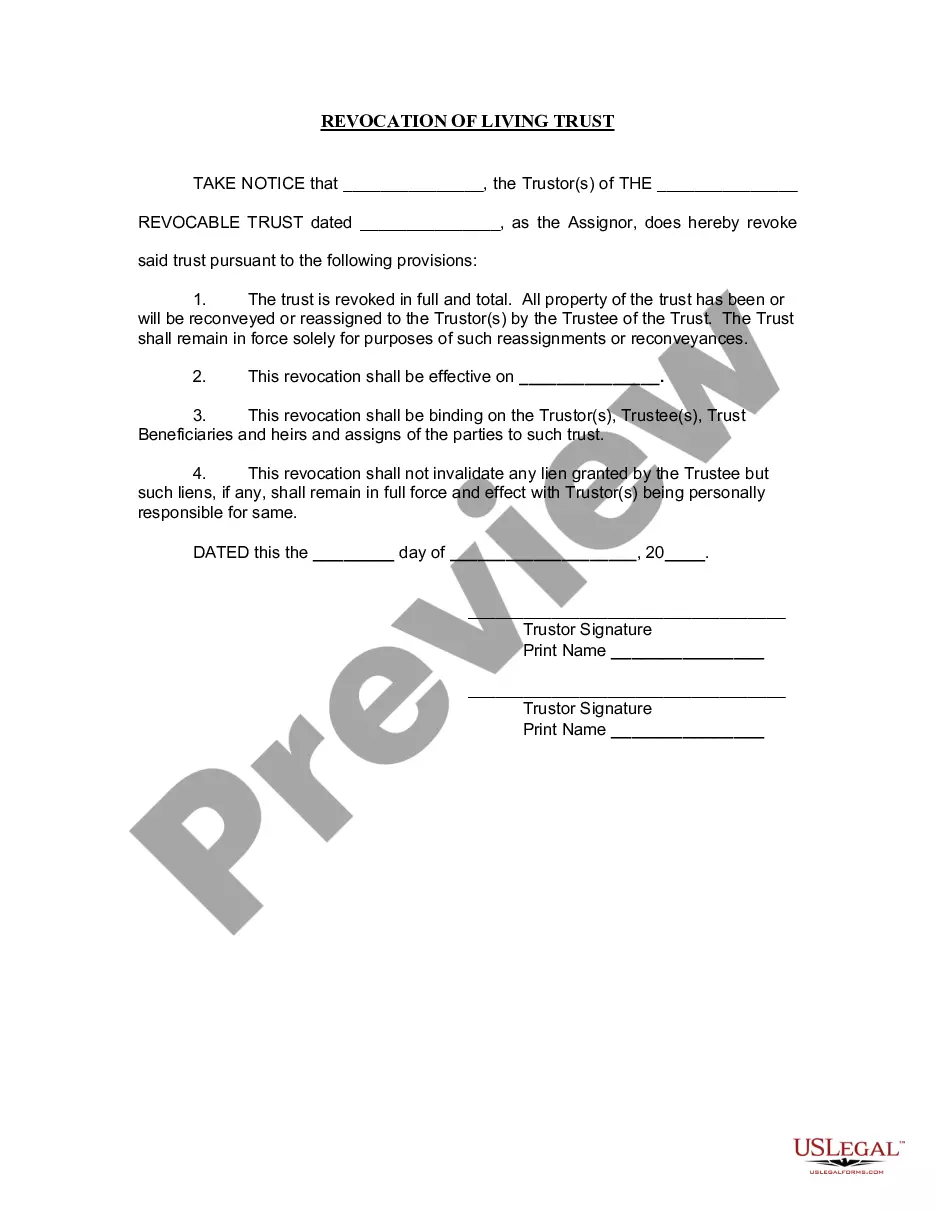
The Amendment to Living Trust is a legal document that allows a Trustor to make changes to an existing living trust without altering its fundamental purpose. This form is essential for estate planning, as it helps manage asset distribution and ensures that the trust remains valid and effective. Unlike a new trust document, this amendment adjusts specific provisions of the living trust, allowing for updates in accordance with the Trustor's wishes.
Main sections of this form
- Date of the amendment
- Identifying information of the Trustor and the original trust
- Details of the amendments being made
- Signature and printed name of the Trustor(s)
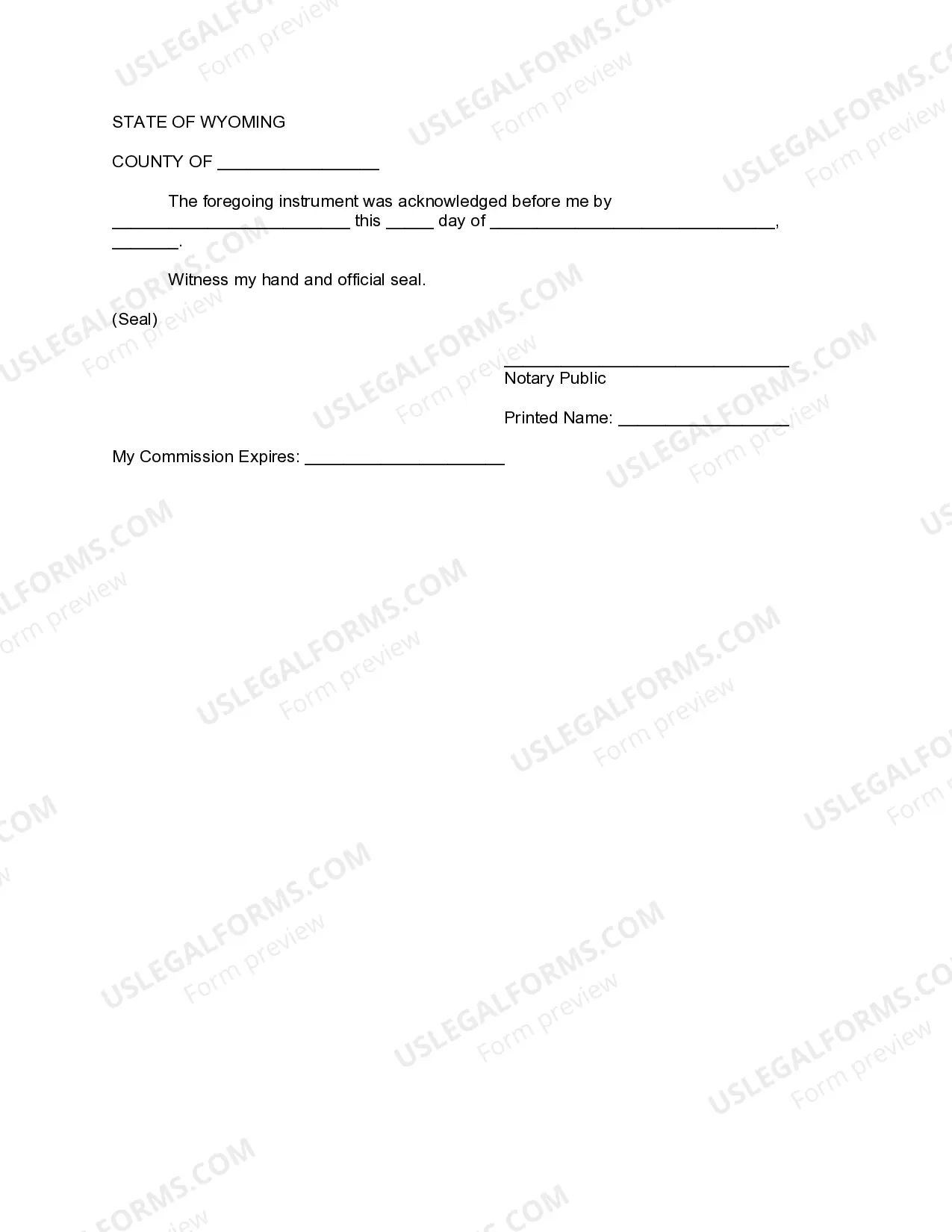
- Notarization section for official acknowledgment
Situations where this form applies
This form should be used when the Trustor wishes to amend certain provisions of a living trust. Scenarios may include changing beneficiaries, altering asset allocation, or updating trustee information. It is particularly useful when personal circumstances change, such as marriage, divorce, or the birth of a child, necessitating updates to the trust to reflect new family dynamics or financial situations.
Intended users of this form
This form is suitable for:
- Individuals who have established a living trust and need to make modifications
- Trustors looking to update their trust as their personal or financial situations change
- Those preparing to ensure their estate planning documents are current and reflect their wishes
Steps to complete this form
- Enter the date when the amendment is made.
- Provide your name and identification details as the Trustor.
- Specify the name of the trust that is being amended and its original date.
- Clearly outline the changes or amendments you wish to make to the trust.
- Sign the document in the presence of a notary public for validation.
Notarization guidance
This form must be notarized to be legally valid. US Legal Forms provides secure online notarization powered by Notarize, allowing you to complete the process through a verified video call.
Get your form ready online
Our built-in tools help you complete, sign, share, and store your documents in one place.
Make edits, fill in missing information, and update formatting in US Legal Forms—just like you would in MS Word.
Download a copy, print it, send it by email, or mail it via USPS—whatever works best for your next step.
Sign and collect signatures with our SignNow integration. Send to multiple recipients, set reminders, and more. Go Premium to unlock E-Sign.
If this form requires notarization, complete it online through a secure video call—no need to meet a notary in person or wait for an appointment.
We protect your documents and personal data by following strict security and privacy standards.

Make edits, fill in missing information, and update formatting in US Legal Forms—just like you would in MS Word.

Download a copy, print it, send it by email, or mail it via USPS—whatever works best for your next step.

Sign and collect signatures with our SignNow integration. Send to multiple recipients, set reminders, and more. Go Premium to unlock E-Sign.

If this form requires notarization, complete it online through a secure video call—no need to meet a notary in person or wait for an appointment.

We protect your documents and personal data by following strict security and privacy standards.
Mistakes to watch out for
- Failing to properly specify the amendments being made.
- Not signing the document in front of a notary public.
- Omitting relevant identifying information of the Trustor or trust.
- Using an outdated version of the form that does not comply with current laws.
- Not considering state-specific requirements for notarization or witness signatures.
Advantages of online completion
- Immediate access to legal templates drafted by licensed attorneys.
- Ability to fill out and edit online, ensuring accuracy.
- Convenience of downloading forms at any time, from anywhere.
- Reduces the likelihood of errors by providing clear instructions.
- Fast and efficient way to keep estate planning documents updated.
Main things to remember
- The Amendment to Living Trust allows for necessary updates to an existing trust.
- Ensure the form is signed and notarized to maintain its legal standing.
- Common reasons for using this form include changes in personal circumstances or asset distribution wishes.
- Using a reliable online source can reduce errors and ensure compliance with legal standards.
Looking for another form?

Form popularity
FAQ
Locate the original trust. The grantor must locate the original trust documents and identify the specific provisions that require amendment. Prepare an amendment form. Get the amendment form notarized. Attach amendment form to original trust.
So, going back to the question, the Trustor(s) or creator(s) of the document are the ones who have the power to make changes or even revoke it during their lifetime, and the Trustee(s) sign onto any changes made. But, when a person passes away, their revocable living trust then becomes irrevocable at their death.
Locate the original trust. The grantor must locate the original trust documents and identify the specific provisions that require amendment. Prepare an amendment form. Get the amendment form notarized. Attach amendment form to original trust.
You can change your living trust, usually without incurring lawyer bills.Because you and your spouse made the trust together, you should both sign the amendment, and when you sign it, get your signatures notarized, just like the original. Another way to go is to create a "restatement" of your trust.
An amendment to a trust is not required to be notarized or witnessed unless the terms of the original trust require it.
When you create a DIY living trust, there are no attorneys involved in the process. You will need to choose a trustee who will be in charge of managing the trust assets and distributing them. You generally name yourself as the initial trustee.
A court can, when given reasons for a good cause, amend the terms of irrevocable trust when a trustee and/or a beneficiary petitions the court for a modification.Such modification provisions are common with charitable trusts, to allow modifications when federal tax law changes.