West Virginia Quitclaim Deed from Husband and Wife to Husband and Wife
About this form
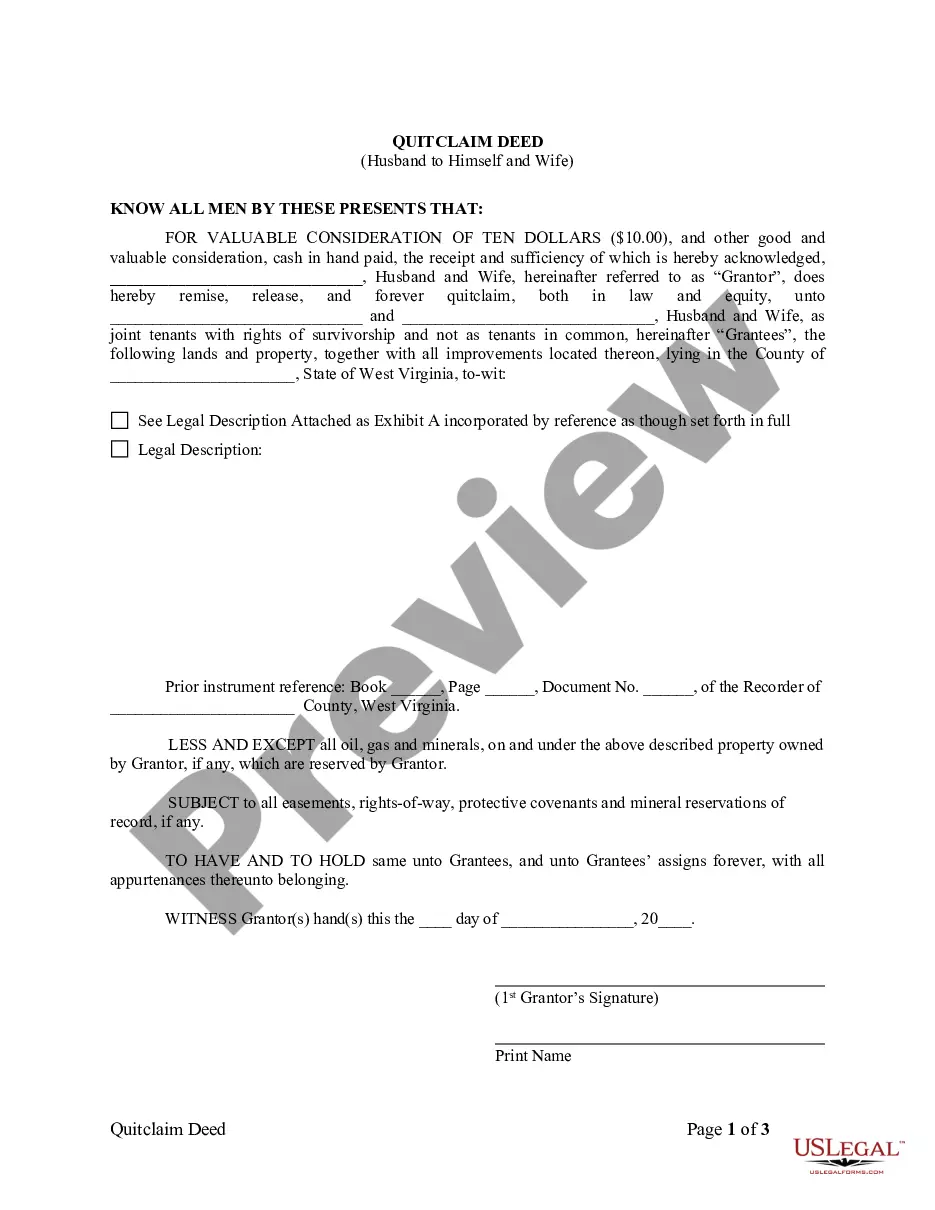
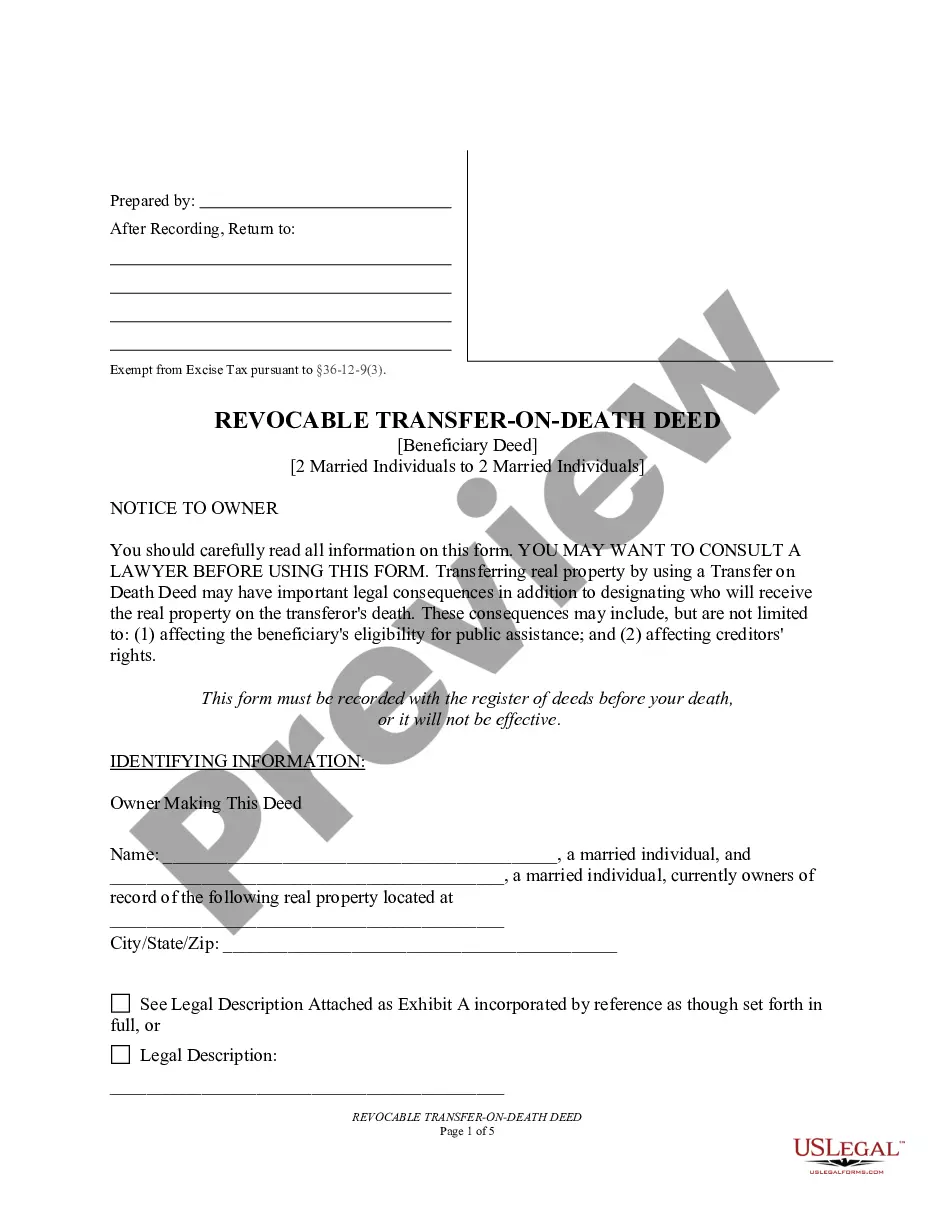
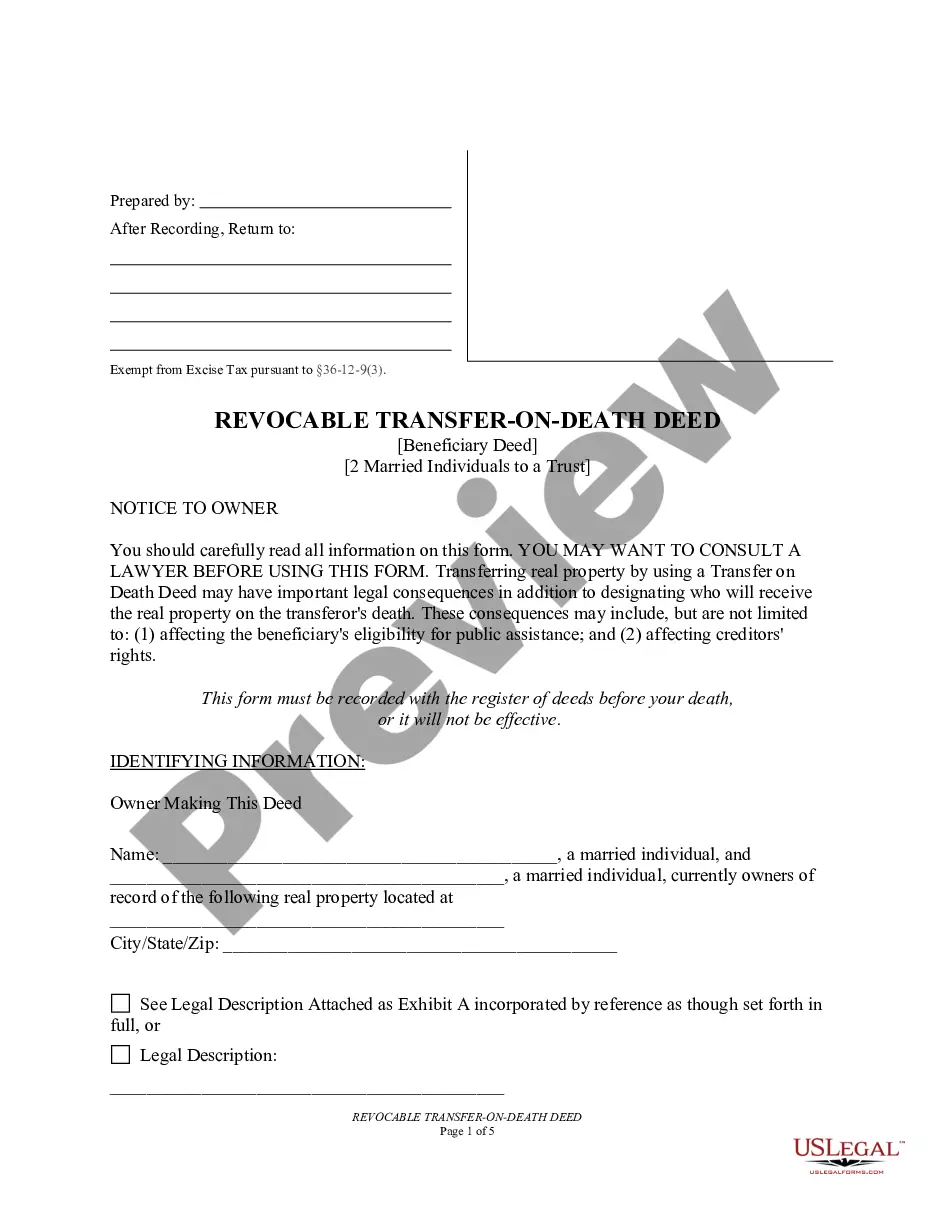
The Quitclaim Deed from Husband and Wife to Husband and Wife is a legal document used to transfer property ownership between spouses. Unlike a warranty deed, this form does not guarantee that the grantors have clear title to the property; rather, it conveys whatever interest they possess. This deed is commonly used in situations such as transferring property into joint ownership or during divorce settlements where the spouses wish to mutually release their claims on a property.
What’s included in this form
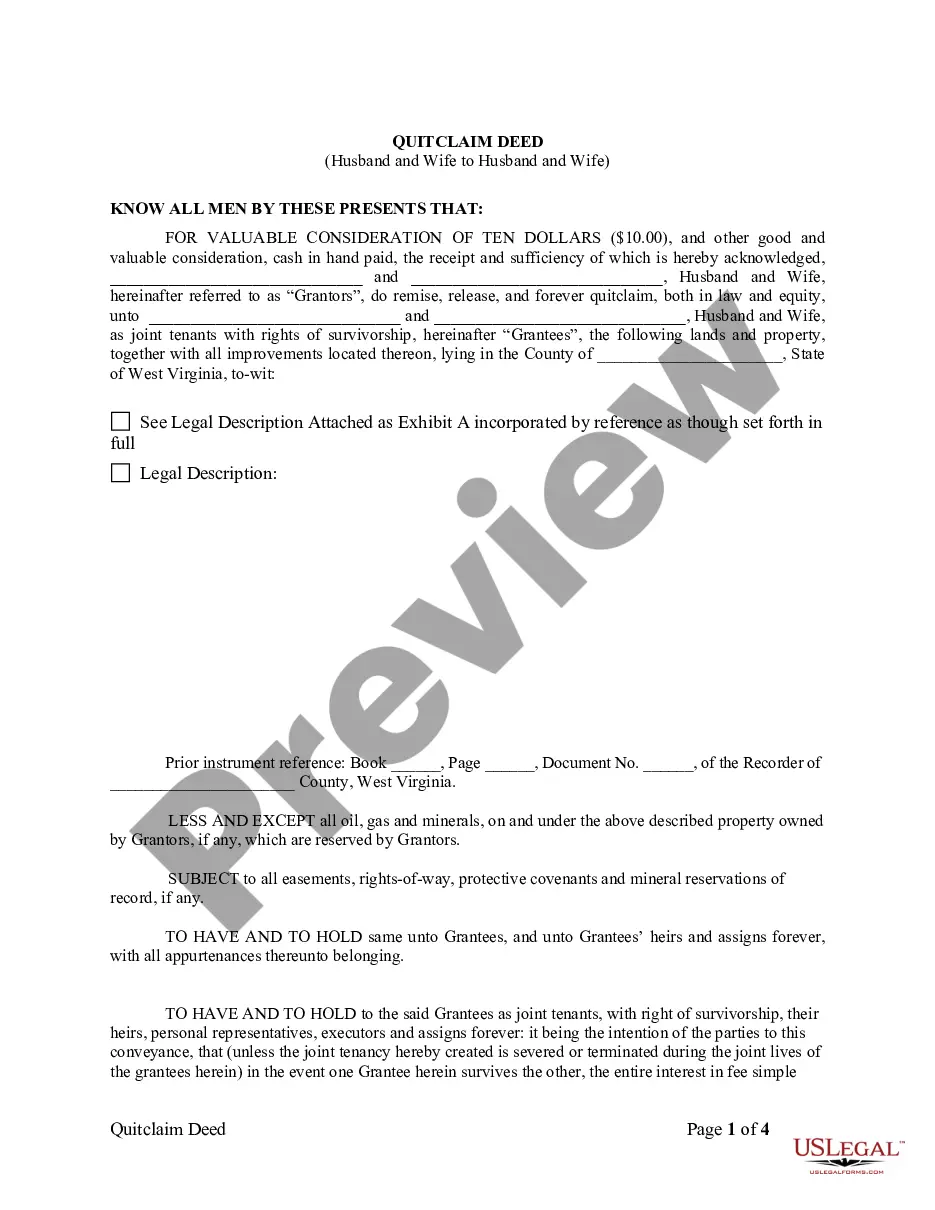
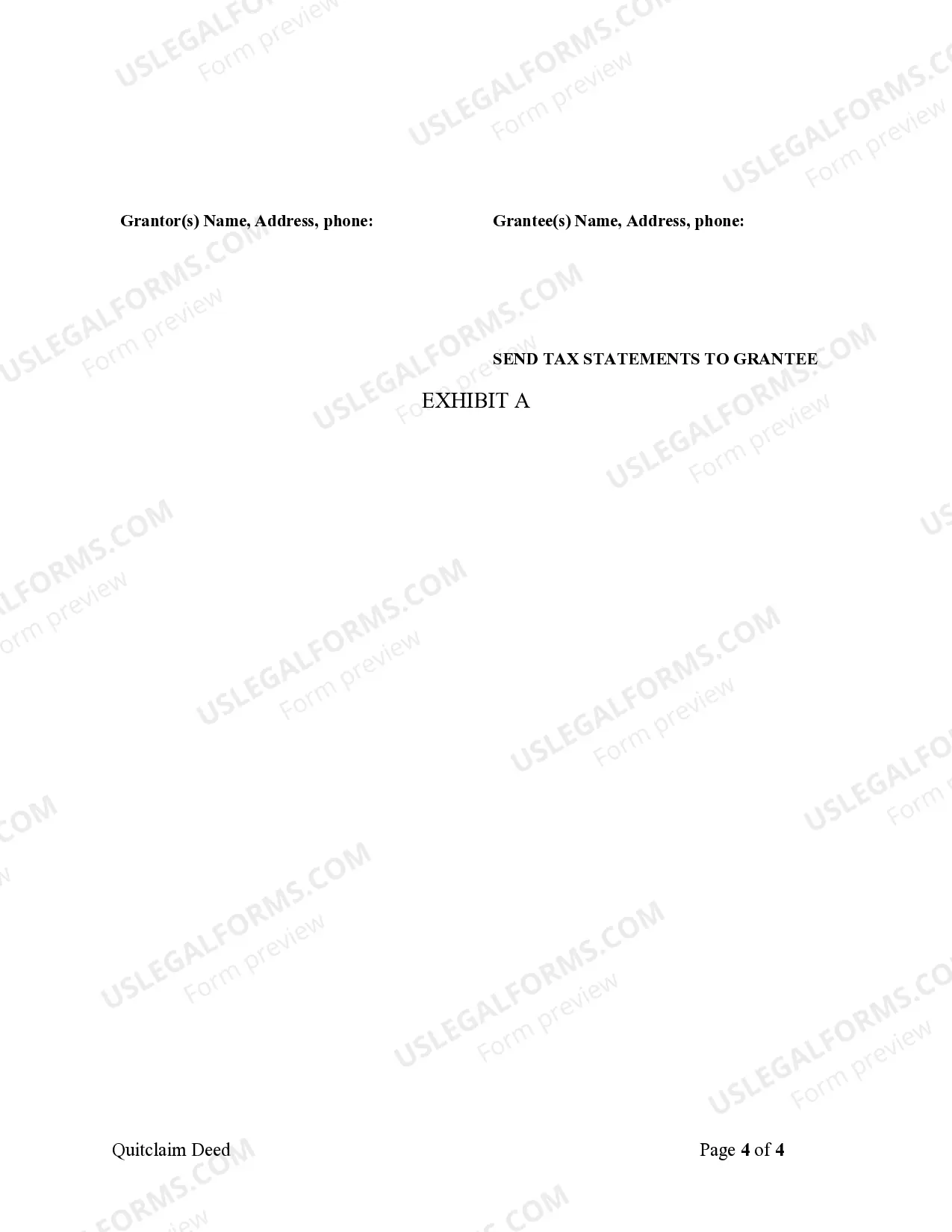
- Grantors and Grantees: Names of the husband and wife transferring the property and the names of the husband and wife receiving the property.
- Property Description: Detailed legal description of the property being transferred.
- Consideration Clause: Declaration of the value exchanged for the property, typically a nominal amount such as ten dollars.
- Joint Tenancy Clause: Specifies that the property will be held in joint tenancy with rights of survivorship.
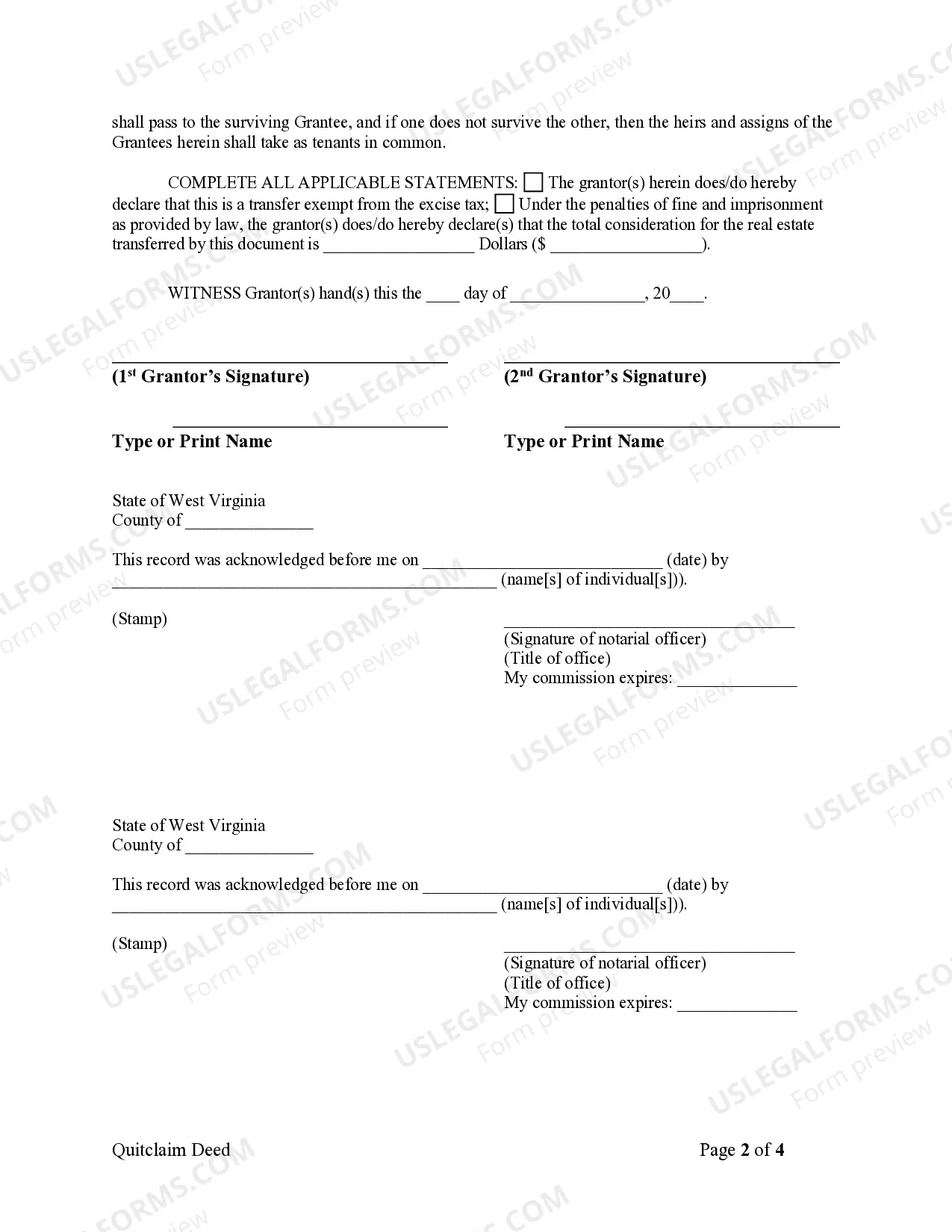
- Notary Section: Requires notarization for the deed to be legally valid.

When to use this document
This quitclaim deed is typically used when a married couple wants to transfer property ownership to themselves without a sale. Common scenarios include consolidating ownership of a family home, transferring property as part of estate planning, or resolving ownership during a divorce. It is also beneficial when one spouse wants to add the other spouse to the title of an asset they possess.
Who should use this form
- Married couples seeking to transfer property between themselves.
- Individuals who wish to clarify joint ownership of a property.
- Spouses involved in divorce proceedings who need to settle property interests.
- Couples looking to simplify their estate planning and property transfer processes.
Steps to complete this form
- Identify the Grantors: Enter the names of the husband and wife who are transferring the property.
- Identify the Grantees: Enter the names of the husband and wife who are receiving the property.
- Specify the Property: Include a detailed legal description of the property being transferred.
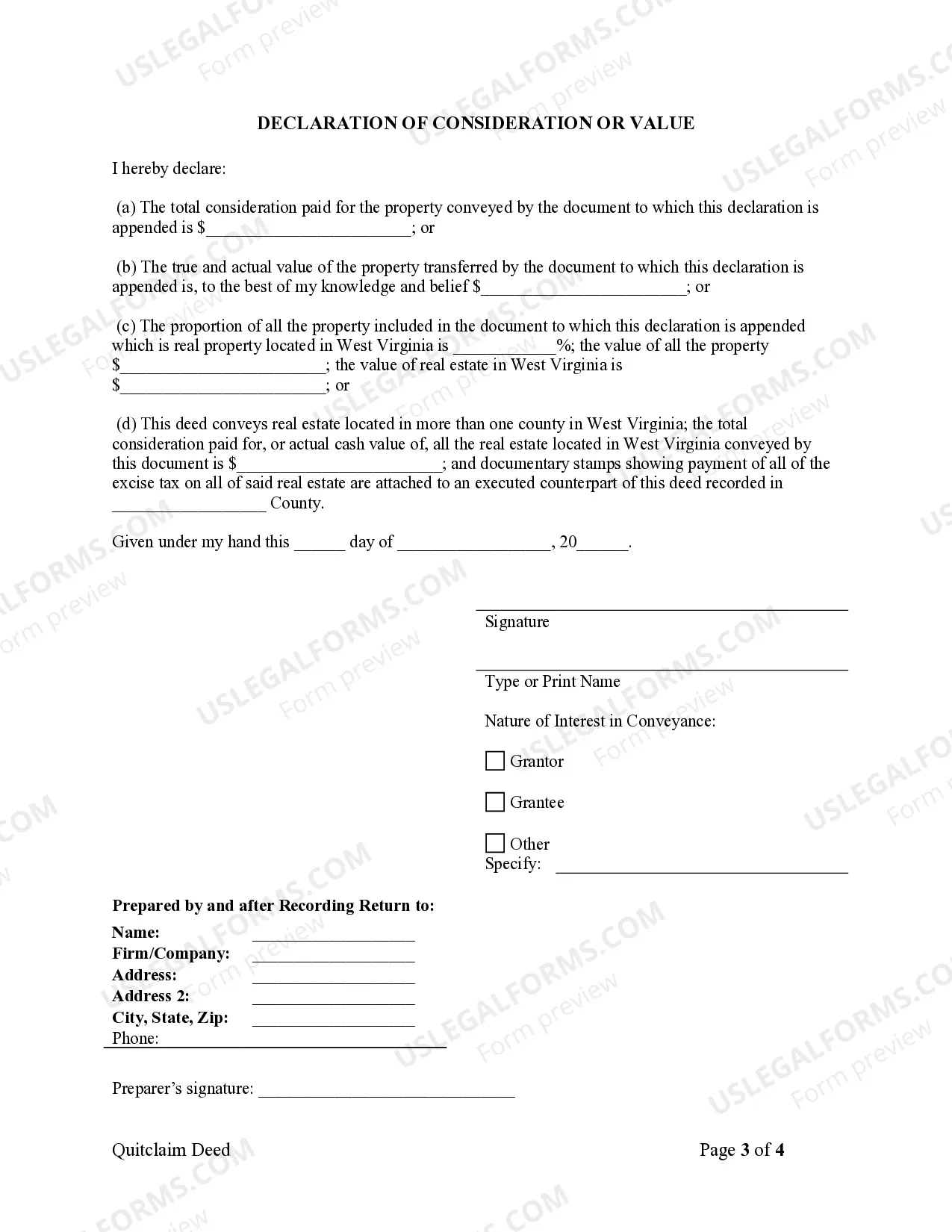
- Declare Consideration: Fill in the consideration amount, typically ten dollars, and state any other good consideration.
- Complete the Notary Section: Sign the document in the presence of a notary public, who will notarize the deed.
Does this document require notarization?
Notarization is required for this form to take effect. Our online notarization service, powered by Notarize, lets you verify and sign documents remotely through an encrypted video session, available 24/7.
Get your form ready online
Our built-in tools help you complete, sign, share, and store your documents in one place.
Make edits, fill in missing information, and update formatting in US Legal Forms—just like you would in MS Word.
Download a copy, print it, send it by email, or mail it via USPS—whatever works best for your next step.
Sign and collect signatures with our SignNow integration. Send to multiple recipients, set reminders, and more. Go Premium to unlock E-Sign.
If this form requires notarization, complete it online through a secure video call—no need to meet a notary in person or wait for an appointment.
We protect your documents and personal data by following strict security and privacy standards.

Make edits, fill in missing information, and update formatting in US Legal Forms—just like you would in MS Word.

Download a copy, print it, send it by email, or mail it via USPS—whatever works best for your next step.

Sign and collect signatures with our SignNow integration. Send to multiple recipients, set reminders, and more. Go Premium to unlock E-Sign.

If this form requires notarization, complete it online through a secure video call—no need to meet a notary in person or wait for an appointment.

We protect your documents and personal data by following strict security and privacy standards.
Typical mistakes to avoid
- Failing to include a complete legal description of the property.
- Not obtaining notarization, which is often required for the deed's validity.
- Leaving the consideration clause blank or incorrectly stating the amount.
- Not having both grantors sign the form before notarization.
Benefits of using this form online
- Convenience: Easily download the form from anywhere at any time.
- Editability: Tailor the form to meet your specific needs with straightforward instructions.
- Reliability: Assurance that the form complies with current state laws, drafted by licensed attorneys.
Looking for another form?
Form popularity
FAQ
To record a quitclaim deed with a county clerk in West Virginia, the instrument must meet state and county requirements of form and content for documents pertaining to an interest in real property. All recorded deeds must be accompanied by a Sales Listing Form.
In order to transfer ownership of the marital home pursuant to a divorce, one spouse is going to need to sign a quitclaim deed, interspousal transfer deed, or a grant deed, in order to convey the title to the property.
But you might be wondering if an owner can transfer a deed to another person without a real estate lawyer. The answer is yes. Parties to a transaction are always free to prepare their own deeds.A quitclaim deed, for example, is far simpler than a warranty deed.
Two of the most common ways to transfer property in a divorce are through an interspousal transfer deed or quitclaim deed. When spouses own property together, but then one spouse executes an interspousal transfer or a quitclaim deed, this is known as transmutation.