Wisconsin Power of Attorney Forms Package
What is this form package?
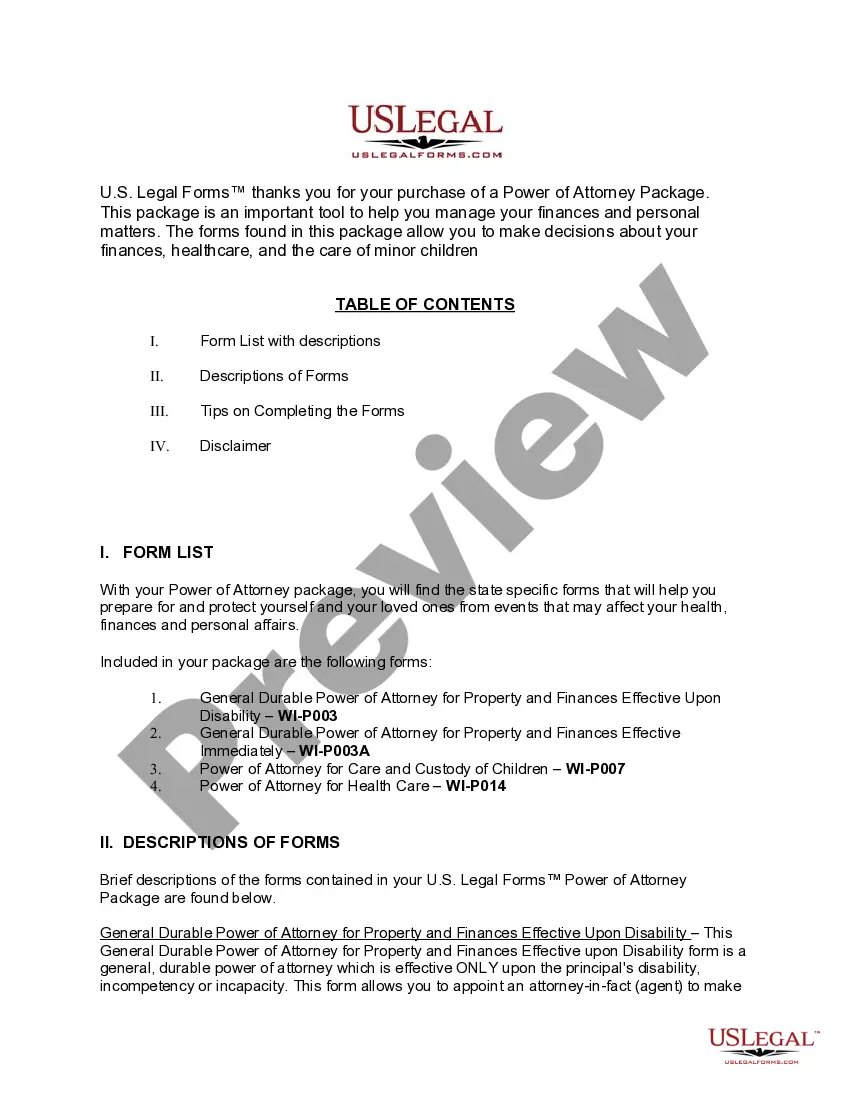
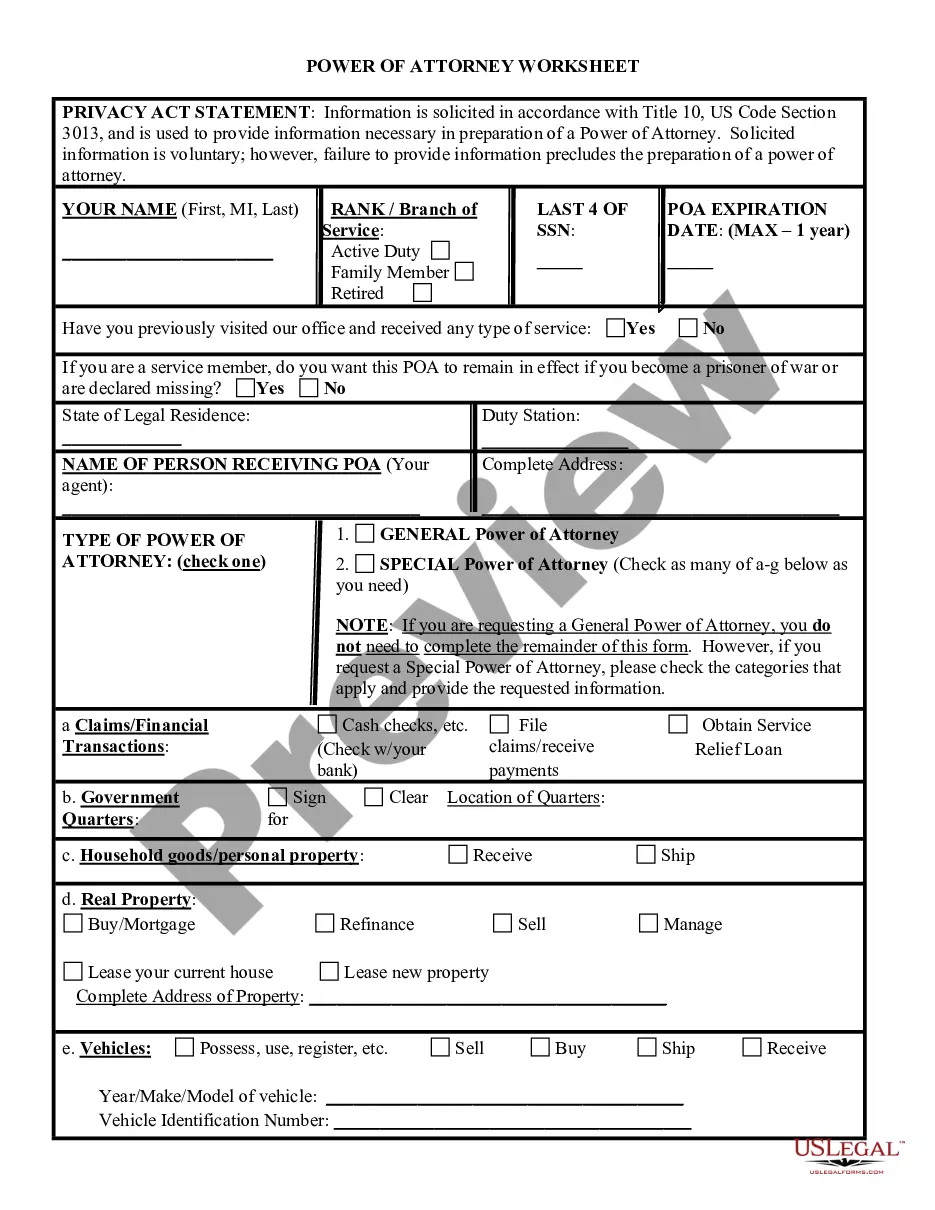
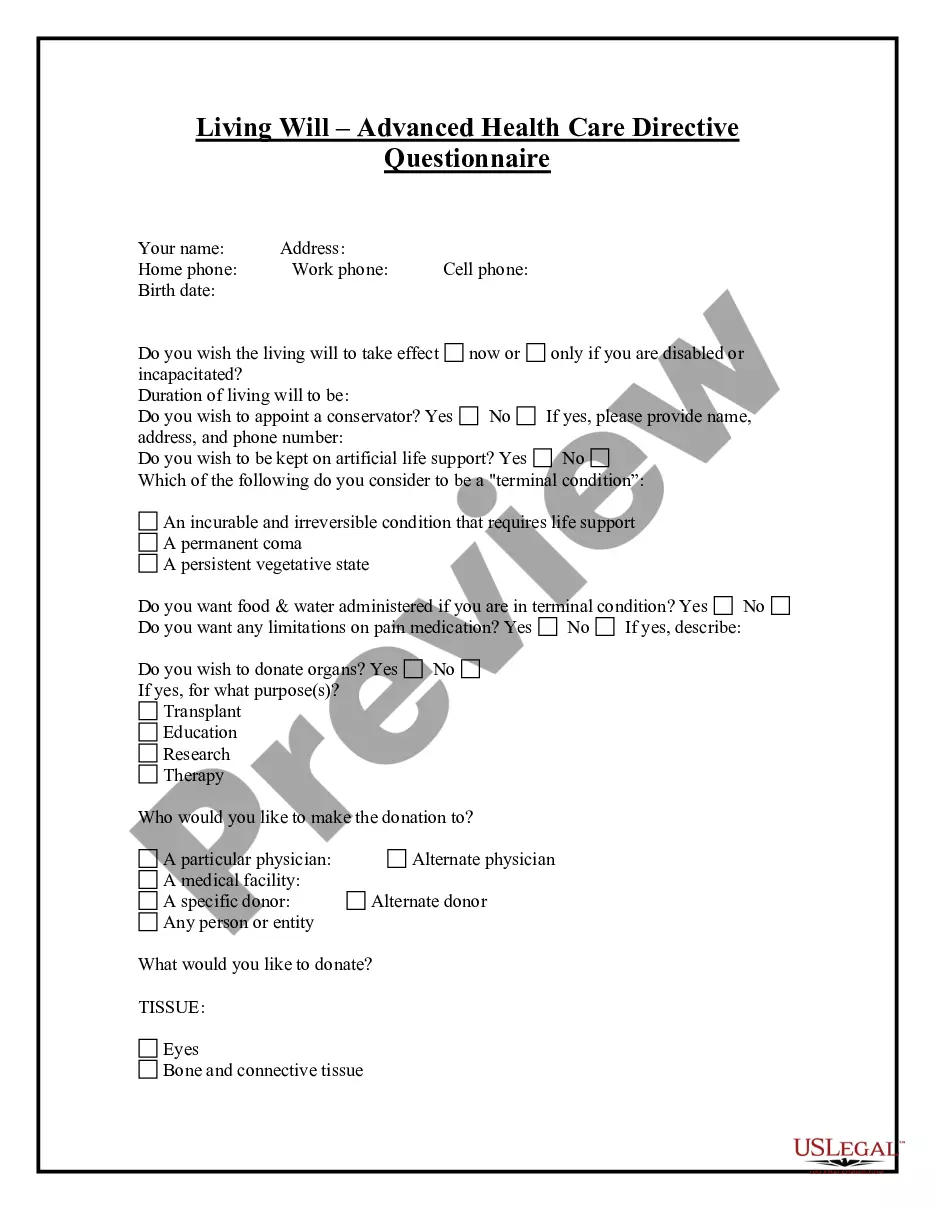
The Wisconsin Power of Attorney Forms Package provides essential legal documents that allow individuals to empower someone else to make decisions on their behalf regarding finances, healthcare, and the care of minor children. This package includes four specific forms: a General Durable Power of Attorney for Property and Finances effective immediately and upon disability, a Power of Attorney for Health Care, and a Power of Attorney for Care and Custody of Children. This package is designed to meet state-specific legal requirements, distinguishing it from generic options available elsewhere.
Forms included in this package
- General Durable Power of Attorney for Property and Finances or Financial Effective upon Disability
- General Durable Power of Attorney for Property and Finances or Financial Effective Immediately
- General Power of Attorney for Care and Custody of Child or Children
- Statutory Power of Attorney for Health Care

When to use this form package
This form package is useful in various scenarios, such as:
- When appointing a trusted individual to manage your finances if you become unable to do so.
- When designating someone to make healthcare decisions on your behalf if you are incapacitated.
- When arranging for the care and custody of your children in your absence.
- When you want to ensure that your personal and financial affairs are managed according to your wishes.
Who can use this document
- Individuals seeking to create a Durable Power of Attorney for their financial and property matters.
- Parents or guardians wanting to establish a Power of Attorney for their minor children.
- Individuals wishing to appoint someone to make healthcare decisions in case of incapacity.
- Anyone looking to ensure their preferences are respected in financial, health, and childcare decisions.
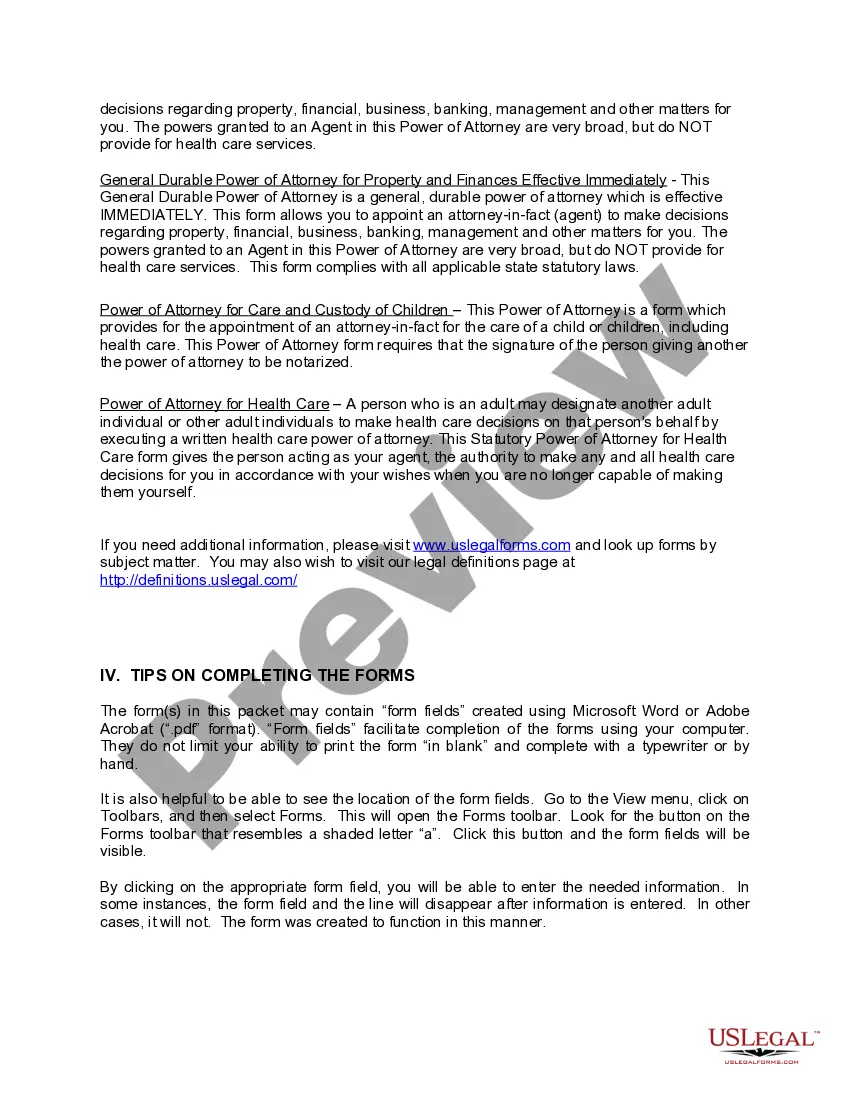
Instructions for completing these forms
- Review all included forms to identify which apply to your needs.
- Gather necessary information, such as the names and contact details of the individuals you wish to appoint as your agents.
- Complete each form by filling in the required fields with accurate information.
- Have the documents signed in the presence of a notary if required.
- Store the signed documents in a safe place and provide copies to your appointed agents.
Notarization requirements for forms in this package
Yes, forms in this package must be notarized to be legally valid. This includes the Power of Attorney for Care and Custody of Children. Utilizing US Legal Formsâ integrated online notarization service allows for secure video calls with a notary at any time, ensuring your forms are properly executed without the need for travel.
Get your form ready online
Our built-in tools help you complete, sign, share, and store your documents in one place.
Make edits, fill in missing information, and update formatting in US Legal Forms—just like you would in MS Word.
Download a copy, print it, send it by email, or mail it via USPS—whatever works best for your next step.
Sign and collect signatures with our SignNow integration. Send to multiple recipients, set reminders, and more. Go Premium to unlock E-Sign.
If this form requires notarization, complete it online through a secure video call—no need to meet a notary in person or wait for an appointment.
We protect your documents and personal data by following strict security and privacy standards.

Make edits, fill in missing information, and update formatting in US Legal Forms—just like you would in MS Word.

Download a copy, print it, send it by email, or mail it via USPS—whatever works best for your next step.

Sign and collect signatures with our SignNow integration. Send to multiple recipients, set reminders, and more. Go Premium to unlock E-Sign.

If this form requires notarization, complete it online through a secure video call—no need to meet a notary in person or wait for an appointment.

We protect your documents and personal data by following strict security and privacy standards.
Common mistakes to avoid
- Failing to specify the scope of authority granted to the agent.
- Not having the forms notarized when required by law.
- Using outdated or non-state-compliant forms.
- Neglecting to communicate with the appointed agents about your wishes.
Why complete this package online
- Convenient access to state-specific legal forms from the comfort of your home.
- Editable templates that allow for easy customization to fit your unique needs.
- Reliable legal forms drafted to meet Wisconsin's requirements, reducing the risk of errors.
Legal use & context
- These forms allow individuals to designate trusted agents to act on their behalf, providing peace of mind in financial and healthcare matters.
- Power of Attorney forms are valid under Wisconsin law if properly executed and may help avoid legal disputes regarding one's wishes.
- Using these documents can ensure that your affairs are managed according to your preferences, especially during incapacitation.
Summary of main points
- The Wisconsin Power of Attorney Forms Package includes essential documents for financial, health, and childcare decisions.
- It's important to choose the right forms based on your specific needs and ensure compliance with Wisconsin law.
- Proper execution, including notarization, is critical for the validity of these documents.
Looking for another form?
Form popularity
FAQ
If it is signed by two witnesses, they must witness either (1) the signing of the power of attorney or (2) the principal's signing or acknowledgment of his or her signature. A durable power of attorney that may affect real property should be acknowledged before a notary public so that it may easily be recorded.
Wisconsin statutes do not explicitly require a Power of Attorney to be notarized, however, it does mention that any signature acknowledged before a notary public is presumed to be genuine. Therefore, it is highly recommended that you notarize your Wisconsin Power of Attorney.
You can draft a durable power of attorney by writing out or typing the document, which should include the date, your full name, and speech that clearly identifies the document as a durable power of attorney that applies even in the case of your incapacitation.
General Power of Attorney. Durable Power of Attorney. Special or Limited Power of Attorney. Springing Durable Power of Attorney.
Personal Law & Power Of Attorney Forms - Office Depot.
The power of attorney must be signed by the principal or by another adult in the principal's presence and under the direction of the principal. The power of attorney is signed and acknowledged before a notary public or is signed by two witnesses.
In many states, notarization is required by law to make the durable power of attorney valid. But even where law doesn't require it, custom usually does. A durable power of attorney that isn't notarized may not be accepted by people with whom your attorney-in-fact tries to deal.
1. Durable Power of Attorney. A durable power of attorney, or DPOA, is effective immediately after you sign it (unless stated otherwise), and allows your agent to continue acting on your behalf if you become incapacitated.
Most states offer simple forms to help you create a power of attorney for finances. Generally, the document must be signed, witnessed and notarized by an adult. If your agent will have to deal with real estate assets, some states require you to put the document on file in the local land records office.