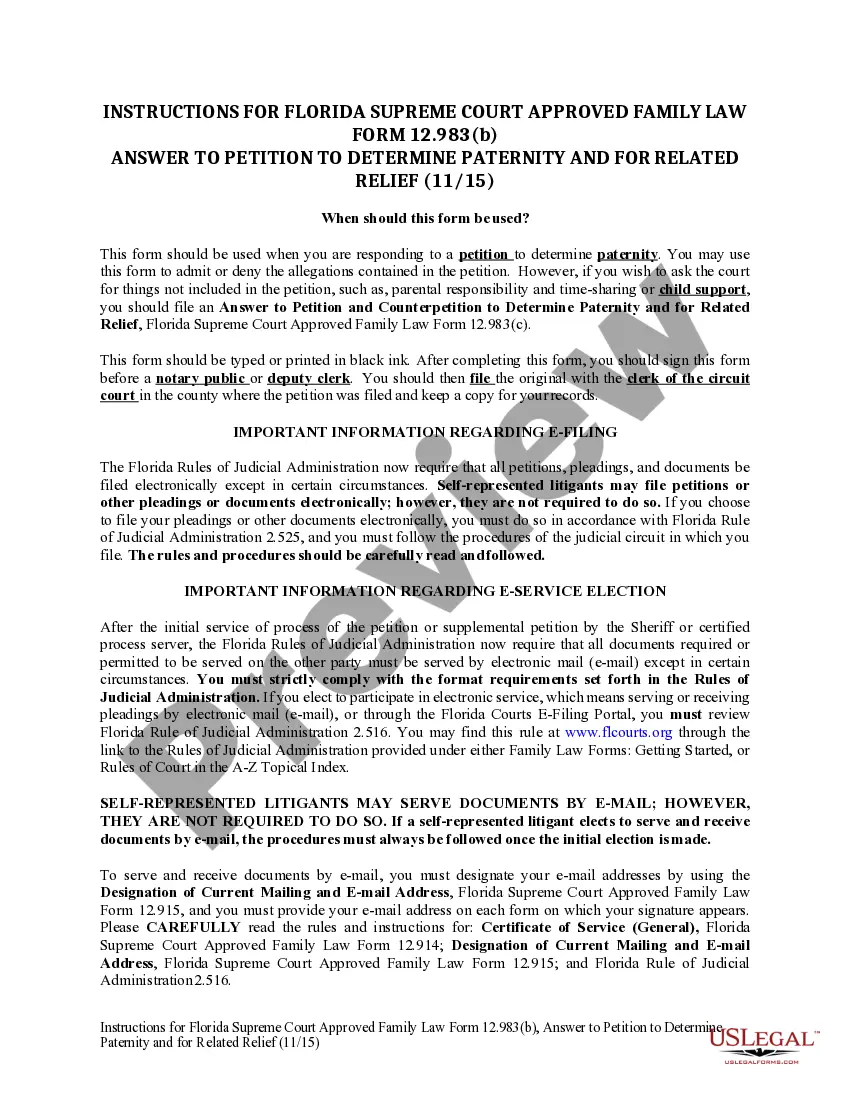
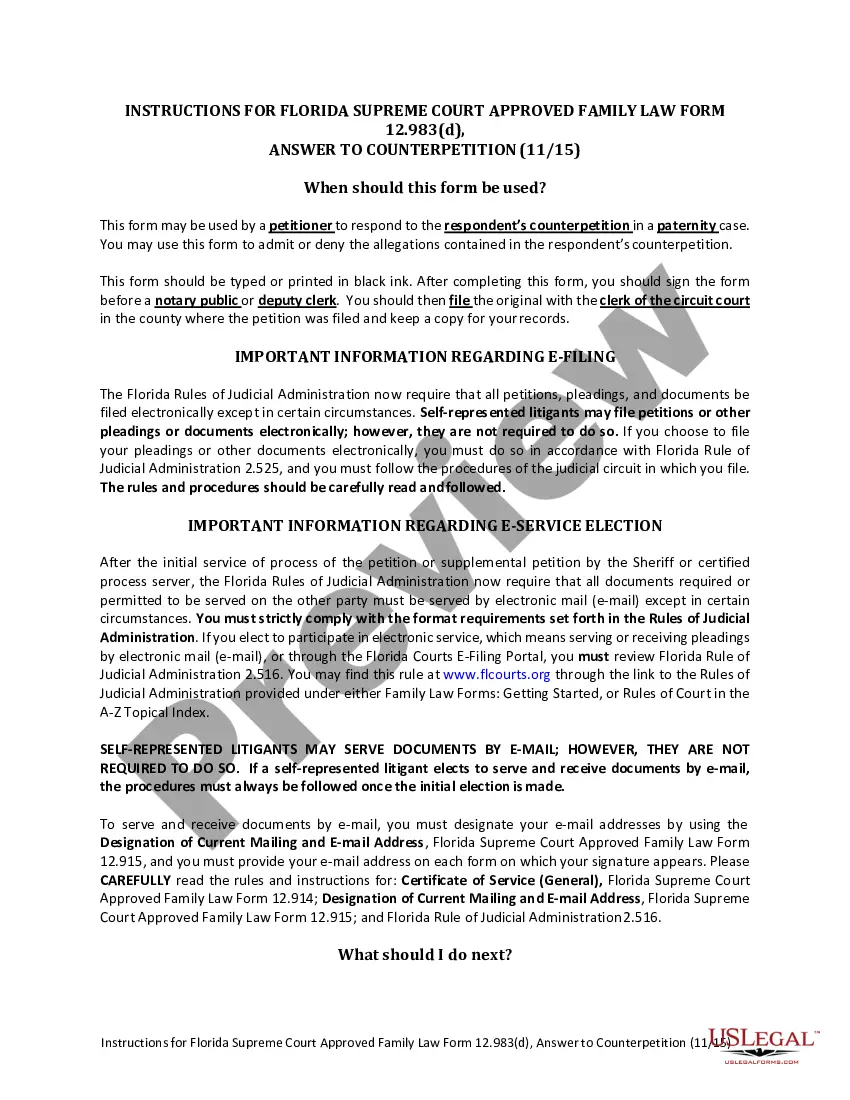
Wisconsin Seller's Disclosure of Financing Terms for Residential Property in connection with Contract or Agreement for Deed a/k/a Land Contract
Overview of this form
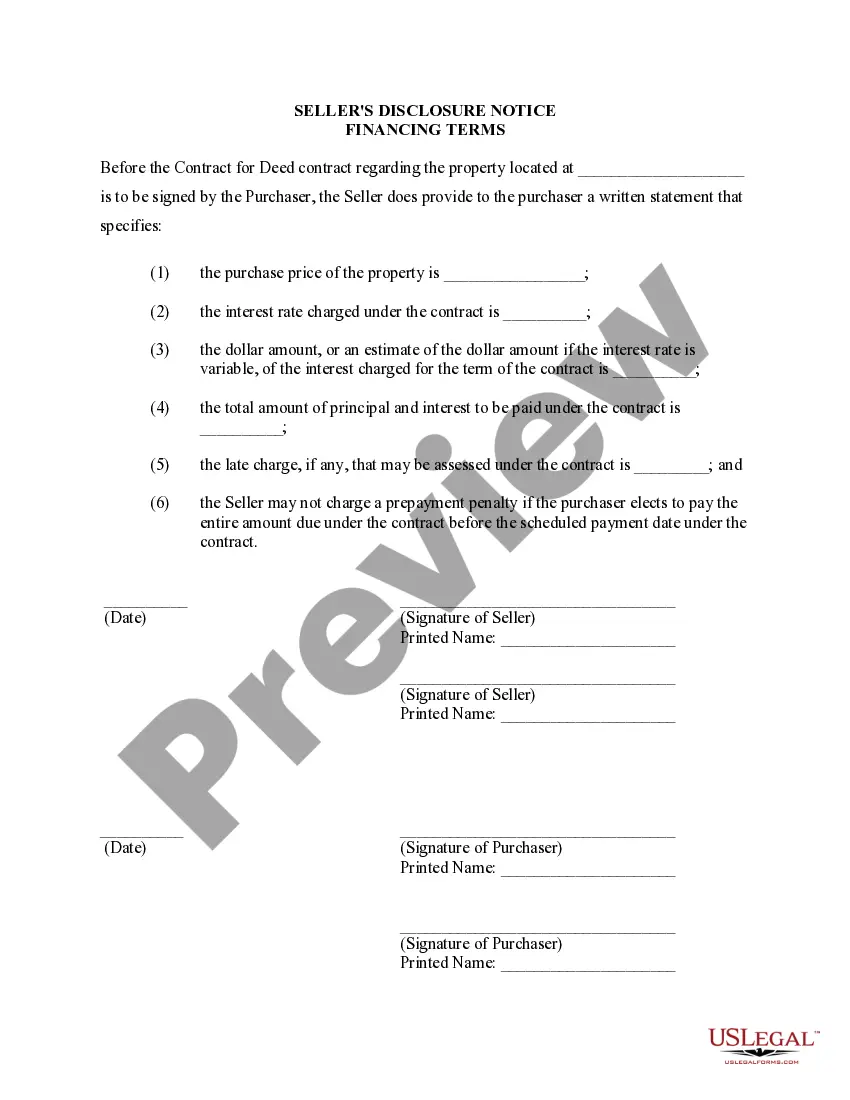
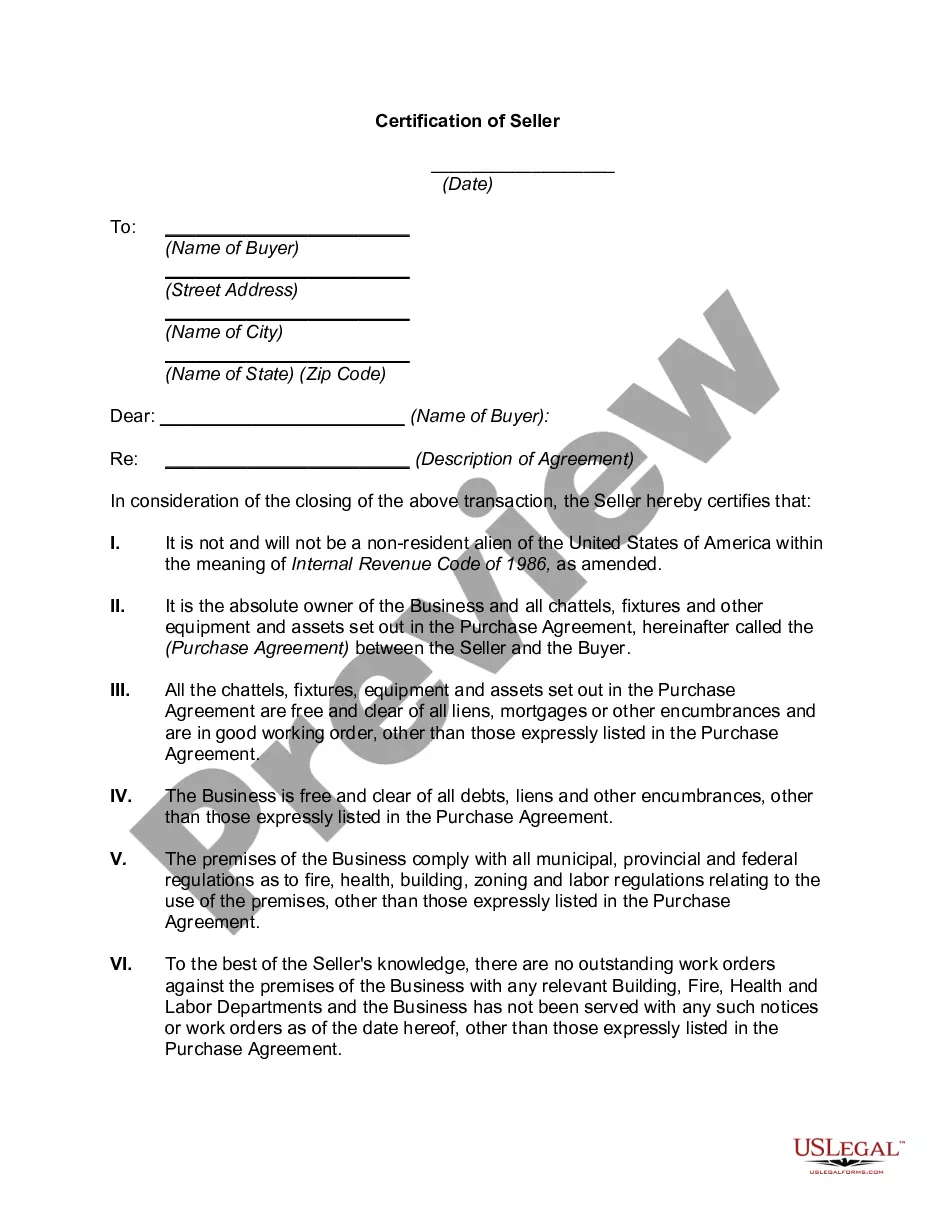
The Seller's Disclosure of Financing Terms for Residential Property is a crucial document that informs the purchaser about the financial aspects of a property being sold under a Contract for Deed, also known as a Land Contract. This form details the purchase price, payment terms, interest rates, and any applicable late charges, ensuring that the buyer is fully aware of the financial obligations involved. Unlike other real estate documents, this specific disclosure focuses exclusively on the financing details, helping both parties navigate the terms of the sale effectively.
Key parts of this document
- Purchase price of the property
- Details on payment methods and schedules
- Interest rates applied to the financing
- Information on late charges and penalties
- Signatures of both the seller and purchaser
Situations where this form applies
This form should be used when a seller and purchaser are entering into a Contract for Deed arrangement for a residential property. It is essential during negotiations to ensure that both parties understand the financial terms before finalizing the agreement. If you are a seller intending to provide financing for the sale of your property, this disclosure form is necessary to protect both your interests and those of the buyer.
Who needs this form
- Property sellers offering financing options
- Purchasers entering into a Contract for Deed
- Real estate agents and brokers facilitating the sale
- Attorneys advising clients on real estate transactions
How to complete this form
- Identify the parties involved, including seller and purchaser.
- Specify the purchase price for the residential property.
- Outline the payment terms, including frequency and amounts.
- Detail the interest rate and late charge conditions.
- Obtain signatures from both the seller and purchaser to finalize the disclosure.
Notarization requirements for this form
Notarization is required for this form to take effect. Our online notarization service, powered by Notarize, lets you verify and sign documents remotely through an encrypted video session, available 24/7.
Get your form ready online
Our built-in tools help you complete, sign, share, and store your documents in one place.
Make edits, fill in missing information, and update formatting in US Legal Forms—just like you would in MS Word.
Download a copy, print it, send it by email, or mail it via USPS—whatever works best for your next step.
Sign and collect signatures with our SignNow integration. Send to multiple recipients, set reminders, and more. Go Premium to unlock E-Sign.
If this form requires notarization, complete it online through a secure video call—no need to meet a notary in person or wait for an appointment.
We protect your documents and personal data by following strict security and privacy standards.

Make edits, fill in missing information, and update formatting in US Legal Forms—just like you would in MS Word.

Download a copy, print it, send it by email, or mail it via USPS—whatever works best for your next step.

Sign and collect signatures with our SignNow integration. Send to multiple recipients, set reminders, and more. Go Premium to unlock E-Sign.

If this form requires notarization, complete it online through a secure video call—no need to meet a notary in person or wait for an appointment.

We protect your documents and personal data by following strict security and privacy standards.
Avoid these common issues
- Forgetting to include the purchase price or payment details.
- Neglecting to specify the interest rate or late charges.
- Not obtaining signatures from both parties.
- Failing to provide the form before signing the Contract for Deed.
Why complete this form online
- Immediate access to a legally drafted template.
- Convenient download and edit options to suit specific needs.
- Accurate and reliable forms reviewed by licensed attorneys.
- Time-saving compared to traditional methods of acquiring forms.
Looking for another form?
Form popularity
FAQ
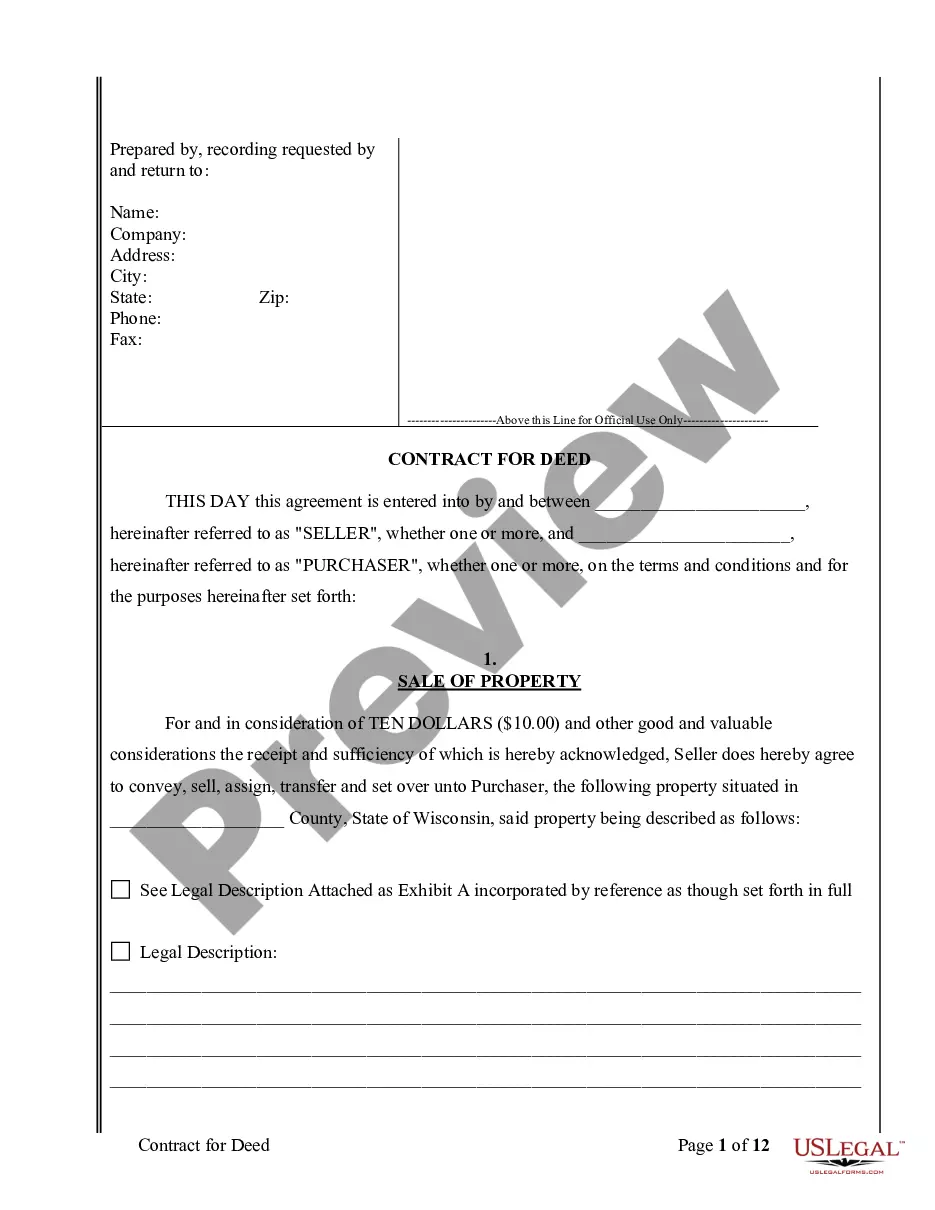
A contract for deed is a legal agreement for the sale of property in which a buyer takes possession and makes payments directly to the seller, but the seller holds the title until the full payment is made.
A: Yes you can, but you will need a good real estate attorney to do this for you, one that can structure this type of transaction.Ask someone who has recently sold a home or property, if they would recommend an attorney to get started.
The buyer must record the contract for deed with the county recorder where the land is located within four months after the contract is signed. Contracts for deed must provide the legal name of the buyer and the buyer's address.
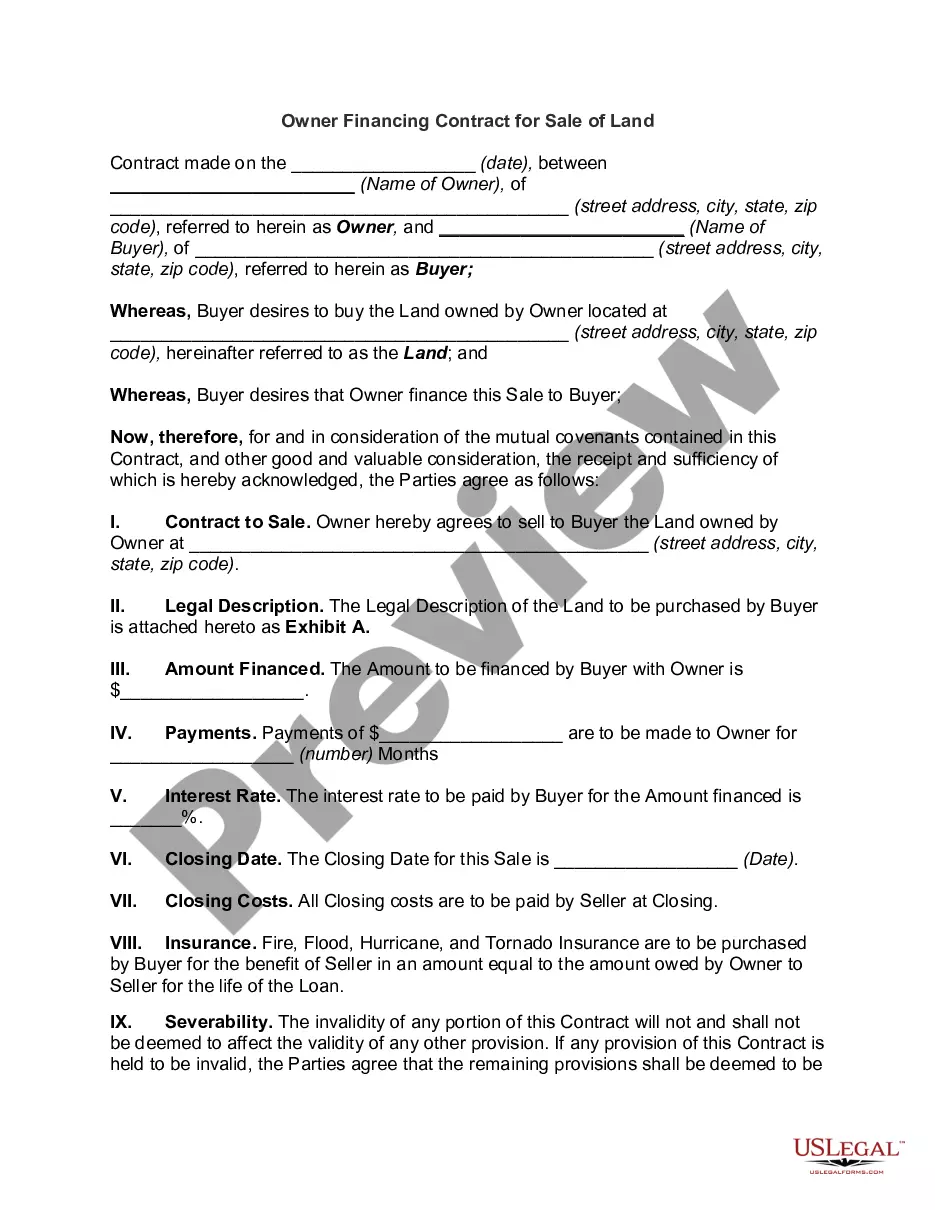
A Contract for Deed is a tool that can allow buyers who either don't qualify for traditional lending options or who want a faster financing option to purchase property.The seller retains legal title to the property until the balance is paid; the buyer gets legal title to the property once the final payment is made.
Can you back out of an accepted offer? The short answer: yes. When you sign a purchase agreement for real estate, you're legally bound to the contract terms, and you'll give the seller an upfront deposit called earnest money.
One such alternative is the contract for deed. In a contract for deed, the purchase of property is financed by the seller rather than a third-party lender such as a commercial bank or credit union.
A contract for deed is an agreement for buying property without going to a mortgage lender. The buyer agrees to pay the seller monthly payments, and the deed is turned over to the buyer when all payments have been made.
Once both buyer and seller sign the purchase agreement, the contract is legally binding. In many cases, however, the contract has contingencies or certain conditions that must be met in order for the sale to go through.
Other benefits include: no loan qualifying, low or flexible down payment, favorable interest rates and flexible terms, and a quicker settlement. The biggest risk when buying a home contract for deed is that you really don?t have a legal claim to the property until you have paid off the entire purchase price.