Virginia 14 Day Notice to Pay Rent or Lease Terminates - Residential
About this form
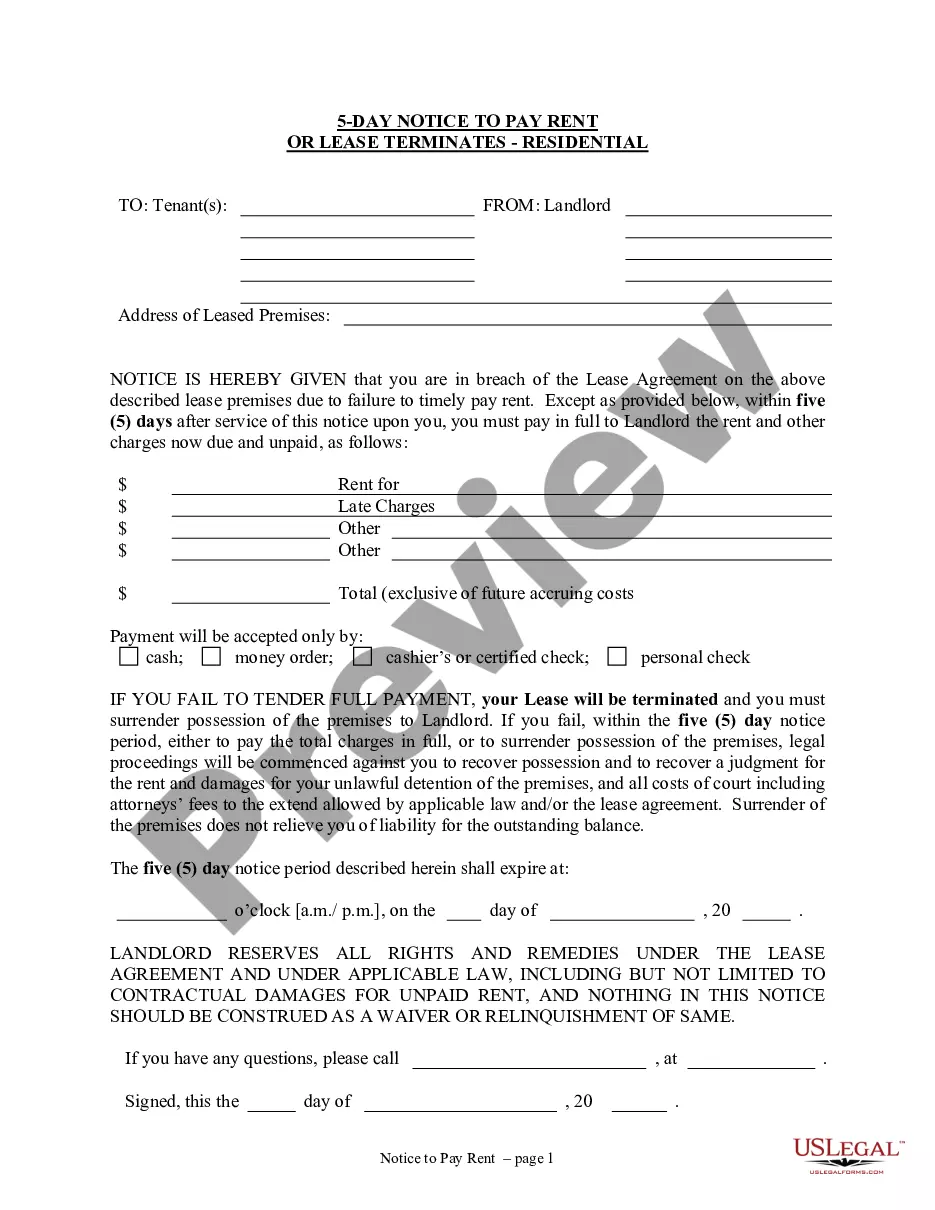
The 5 Day Notice to Pay Rent or Lease Terminates is a legal document used by landlords to demand overdue rent from residential tenants. This form is designed to inform tenants that they must pay the outstanding rent within five days of receiving the notice, or risk termination of their lease. Unlike similar forms, this notice specifically emphasizes the short timeframe for payment and outlines the consequences of non-compliance, including possible eviction proceedings.
Main sections of this form
- Identification of the landlord and tenant.
- Address of the leased premises.
- Details of overdue rent and any other charges.
- Deadline for payment â five days from receipt of notice.
- Consequences of failing to pay, including termination of the lease.
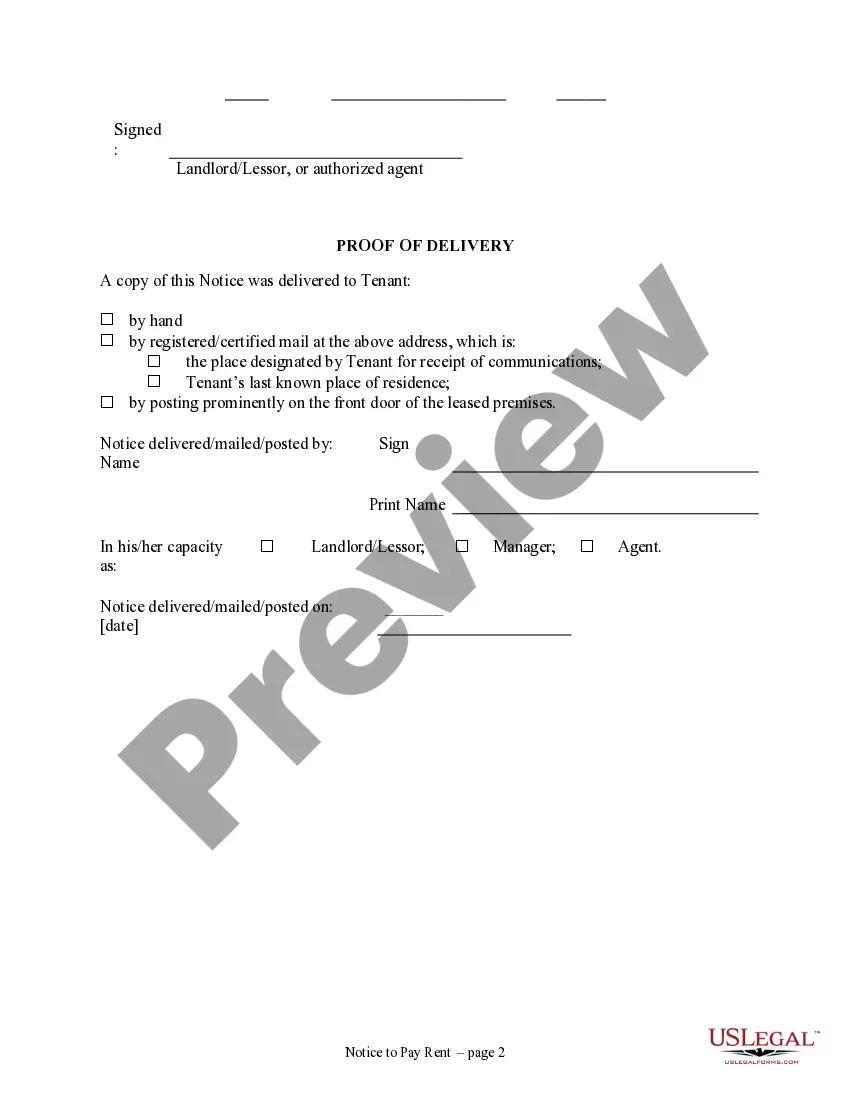
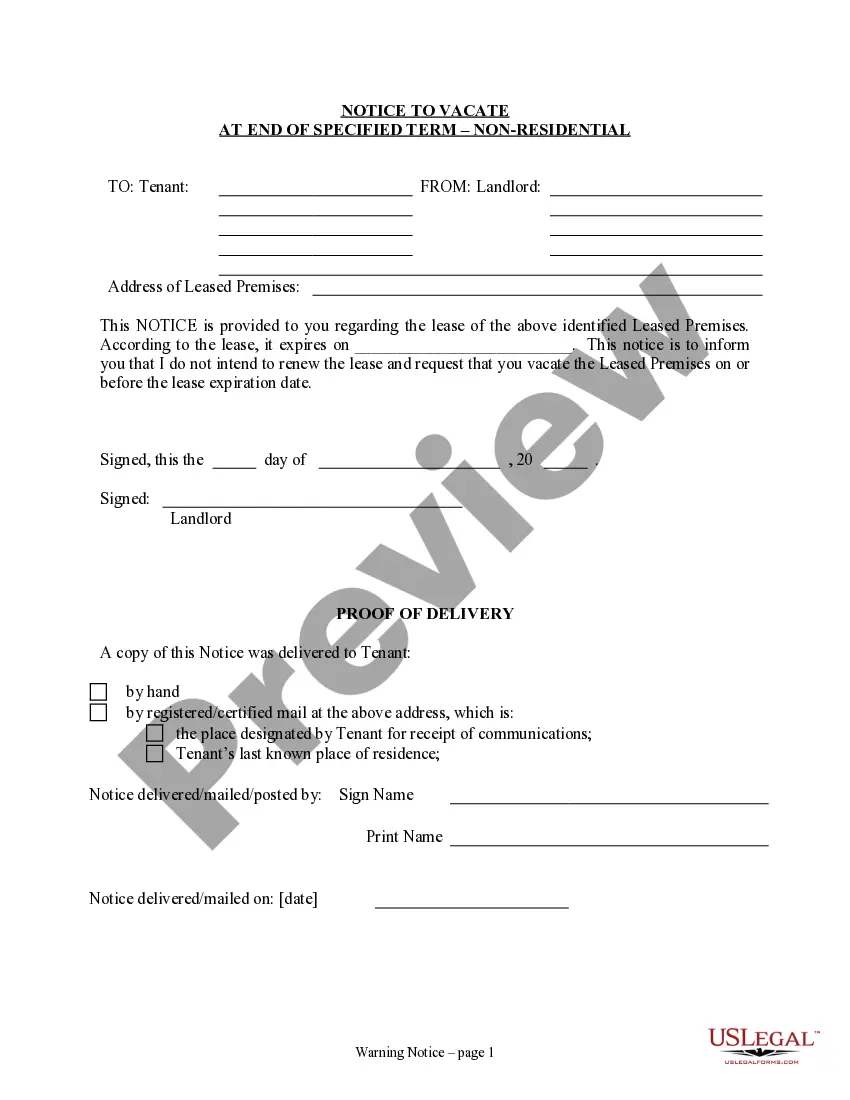
- Proof of delivery methods for the notice.
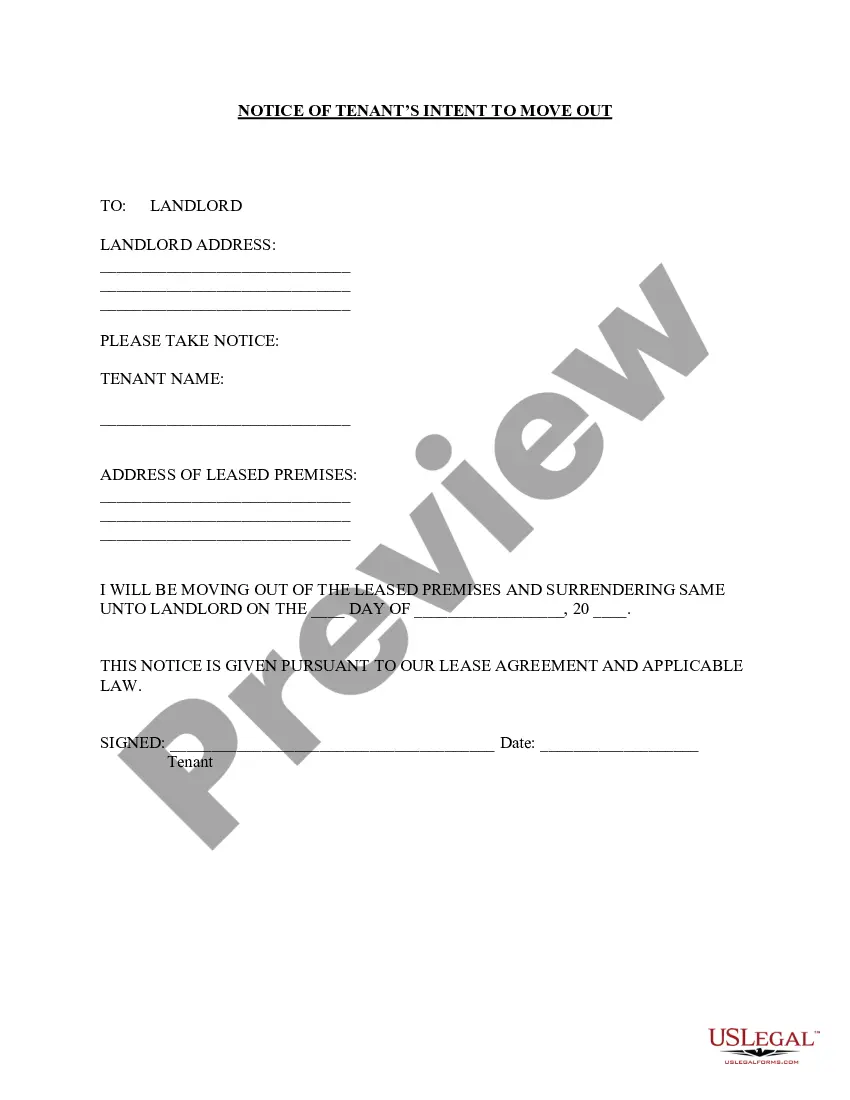
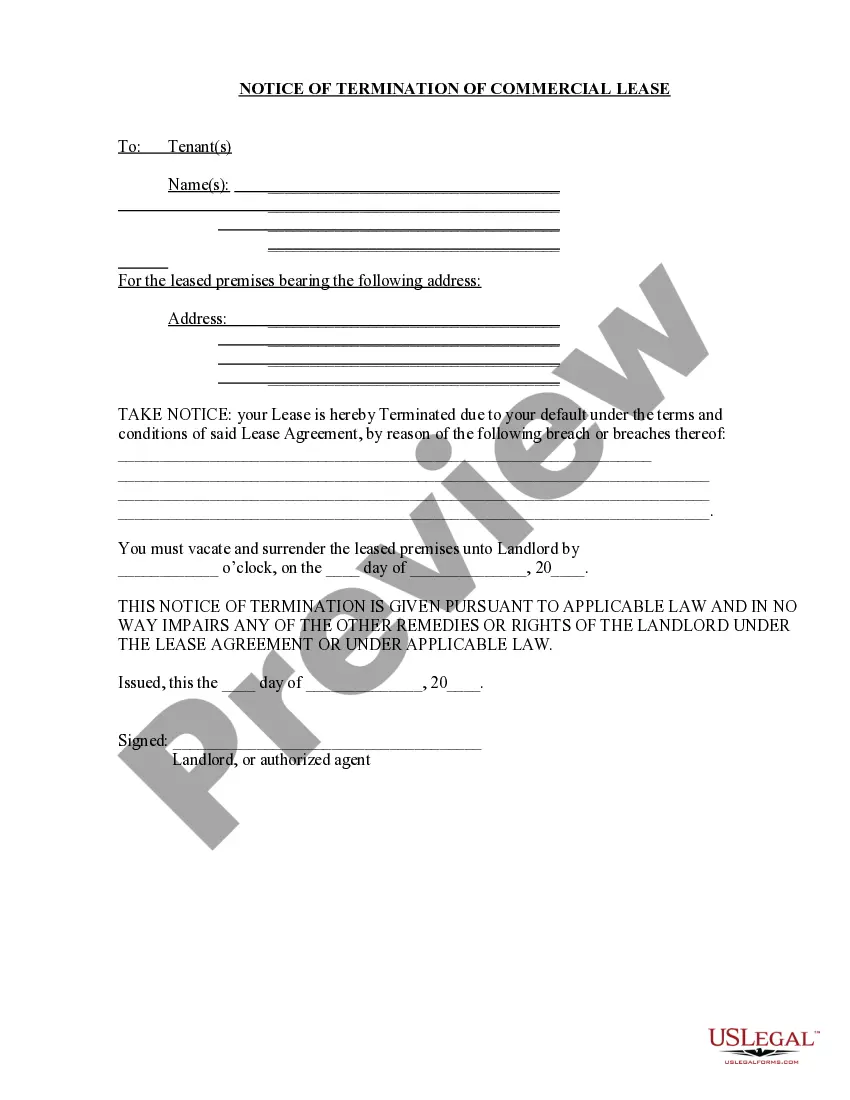

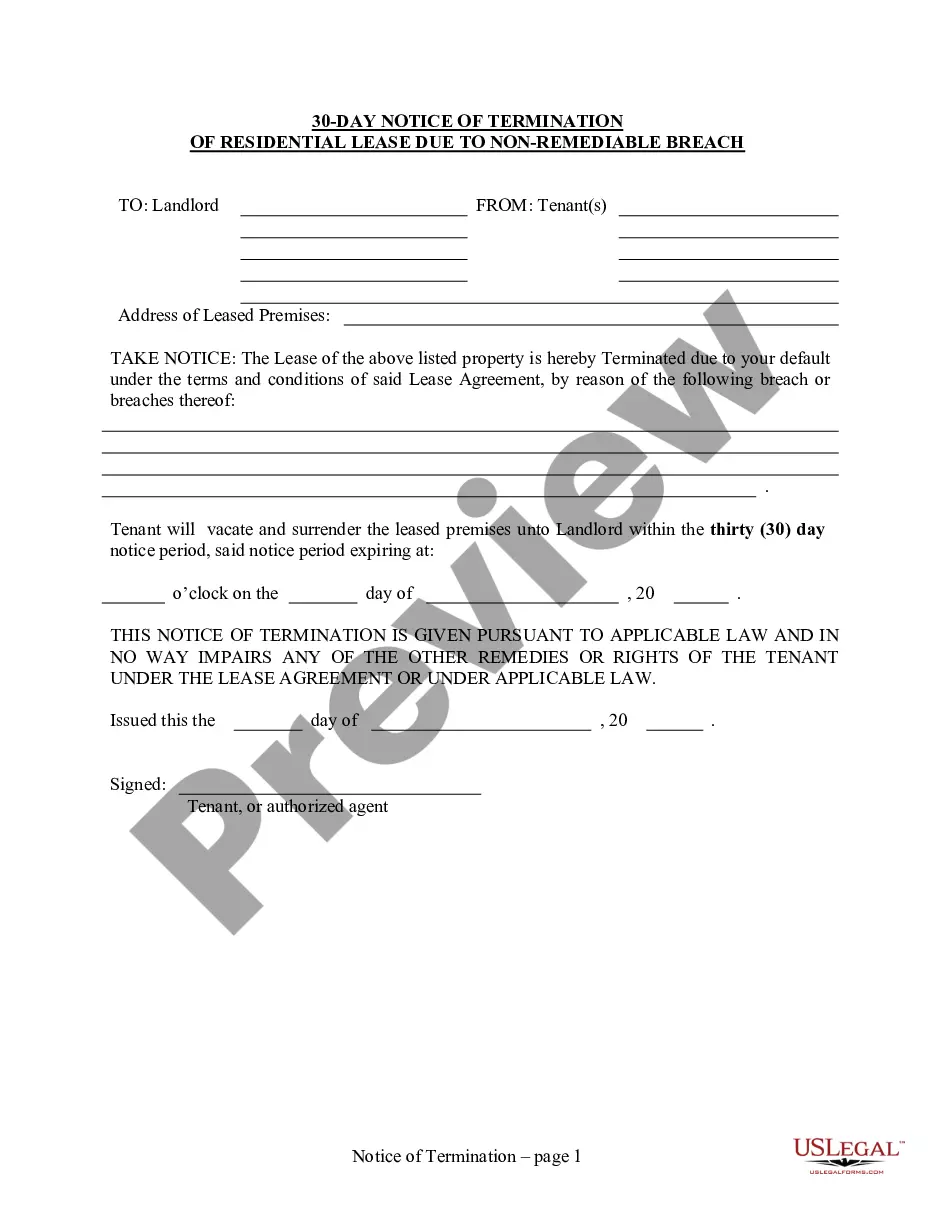
Common use cases
This form should be used when a landlord seeks to collect overdue rent from a residential tenant. It applies in situations where the tenant has not paid rent on time, and the landlord intends to notify them of a breach of the lease agreement. This notice initiates the process of rectifying the situation and establishes a firm deadline for payment to avoid lease termination.
Who should use this form
- Landlords managing residential properties.
- Property managers acting on behalf of landlords.
- Residential tenants who have been notified of overdue rent.
Completing this form step by step
- Identify and enter the names of the landlord and tenant.
- Specify the address of the leased premises.
- List the total amount of overdue rent and any additional charges.
- Set the deadline for payment and ensure it is five days from notice delivery.
- Provide details on acceptable payment methods.
- Sign and date the notice, ensuring it is delivered according to the proof of delivery methods.
Is notarization required?
This form usually doesn’t need to be notarized. However, local laws or specific transactions may require it. Our online notarization service, powered by Notarize, lets you complete it remotely through a secure video session, available 24/7.
Get your form ready online
Our built-in tools help you complete, sign, share, and store your documents in one place.
Make edits, fill in missing information, and update formatting in US Legal Forms—just like you would in MS Word.
Download a copy, print it, send it by email, or mail it via USPS—whatever works best for your next step.
Sign and collect signatures with our SignNow integration. Send to multiple recipients, set reminders, and more. Go Premium to unlock E-Sign.
If this form requires notarization, complete it online through a secure video call—no need to meet a notary in person or wait for an appointment.
We protect your documents and personal data by following strict security and privacy standards.

Make edits, fill in missing information, and update formatting in US Legal Forms—just like you would in MS Word.

Download a copy, print it, send it by email, or mail it via USPS—whatever works best for your next step.

Sign and collect signatures with our SignNow integration. Send to multiple recipients, set reminders, and more. Go Premium to unlock E-Sign.

If this form requires notarization, complete it online through a secure video call—no need to meet a notary in person or wait for an appointment.

We protect your documents and personal data by following strict security and privacy standards.
Common mistakes to avoid
- Failing to deliver the notice correctly, which can invalidate the warning.
- Not specifying the correct amounts due, leading to confusion.
- Missing the deadline for sending the notice, resulting in a lack of enforceability.
Advantages of online completion
- Easy and quick access to templates drafted by licensed attorneys.
- Editable fields make it simple to customize for your specific situation.
- Ensures compliance with legal requirements to protect your rights as a landlord.
Legal use & context
- This notice serves as a formal demand for overdue rent and informs the tenant of potential eviction.
- Landlords must follow all specified notice periods to ensure enforceability.
- Failure to serve this notice correctly may impact the landlord's ability to proceed with eviction.
Main things to remember
- The form is essential for landlords confronting unpaid rent to notify tenants effectively.
- Tenants are given a specific timeframe of five days to address overdue payments.
- Proper completion and delivery of the notice are crucial to validate the process.
Looking for another form?
Form popularity
FAQ
Yes, in Virginia, you can evict unwanted family members from your home.However, in most cases, Virginia still considers them to be a tenant. The courts will most likely treat them as a month-to-month tenant even if they have no lease, and pay no rent.
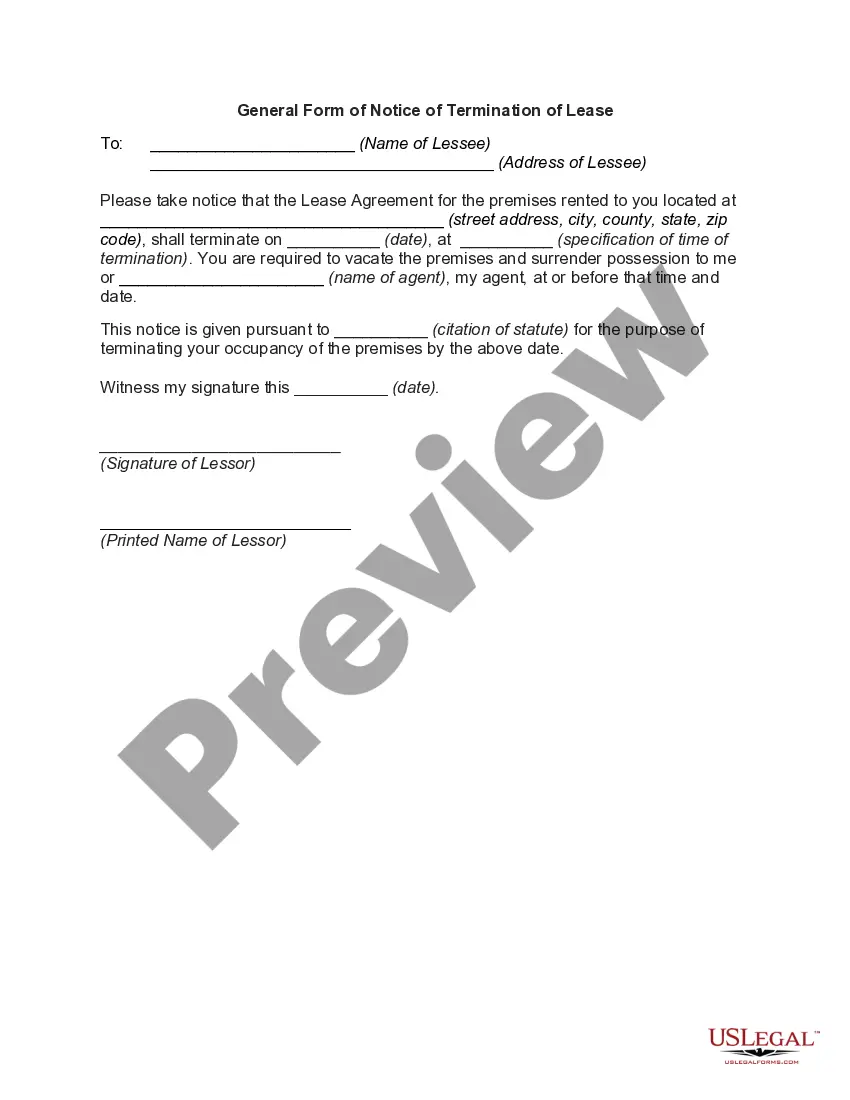
TERMINATING OR ENDING YOUR TENANCY If you have no written lease and you pay rent by the month, the tenancy can be terminated by either you or the landlord for any reason or no reason at all, by giving at least 30 days written notice before the next rental due date.
When you want to evict a tenant who is occupying the premises on a month-to-month basis, give the tenant a 30-day notice to quit, get a summons for unlawful detainer from the court, and appear at the hearing to argue the case. If you win, obtain a writ of possession and have the sheriff evict the tenants.
Notice to terminate a lease with no end date. 3 months prior to the end of the lease (§ 55-222(A)) Notice to terminate a month-to-month lease. 30 days or less if both parties agreed to a shorter notice period in the lease. (A§ 55-222(B))
This notice will inform the tenant that the tenant has 21 days to either remedy the violation or move out of the rental unit. If the tenant does not remedy the violation or move, then the landlord can file an eviction lawsuit against the tenant at the end of the 30 days. (Va. Code Ann.
How far behind on my rent can I get before eviction? The law varies depending on the type of tenancy agreement you have with your landlord. But, generally, it states that a tenant has to be 8 weeks behind on rent (if paying weekly) or two months behind (if paying monthly).
Except for an emergency or scheduled maintenance, your landlord must give you at least 24 hours of notice before entering the rental unit. If your landlord repeatedly violates your privacy by entering your unit, you may be able to break your lease without penalty.
A. In a month-to-month tenancy, the landlord may raise the rent after giving the tenant 45 days' written notice.
As a renter in Virginia, you have legal protections under the Virginia Residential Landlord and Tenant Act (VRLTA) that include the right to: A fair application fee. A fair security deposit. A decent and safe place to live.