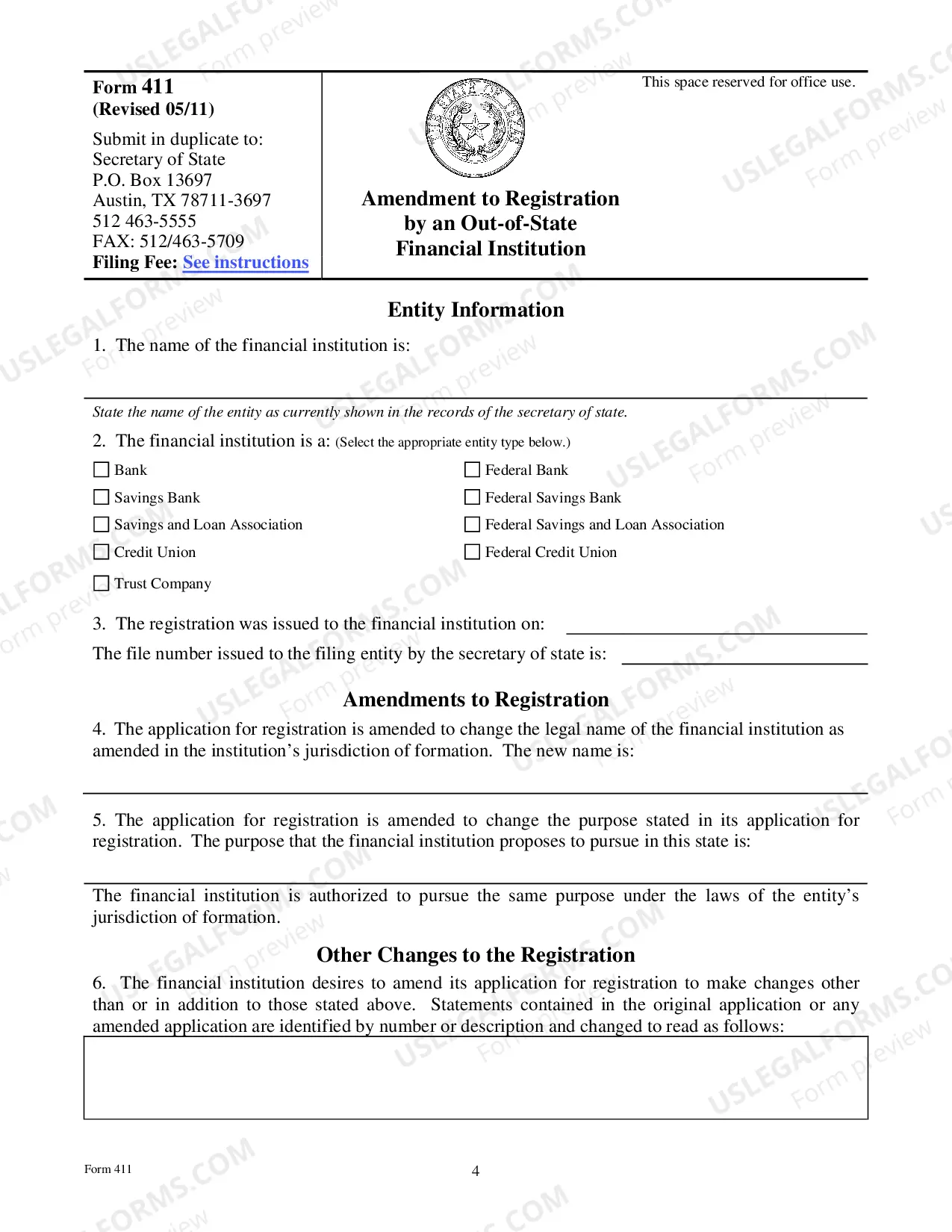
Texas General Affidavit
Description



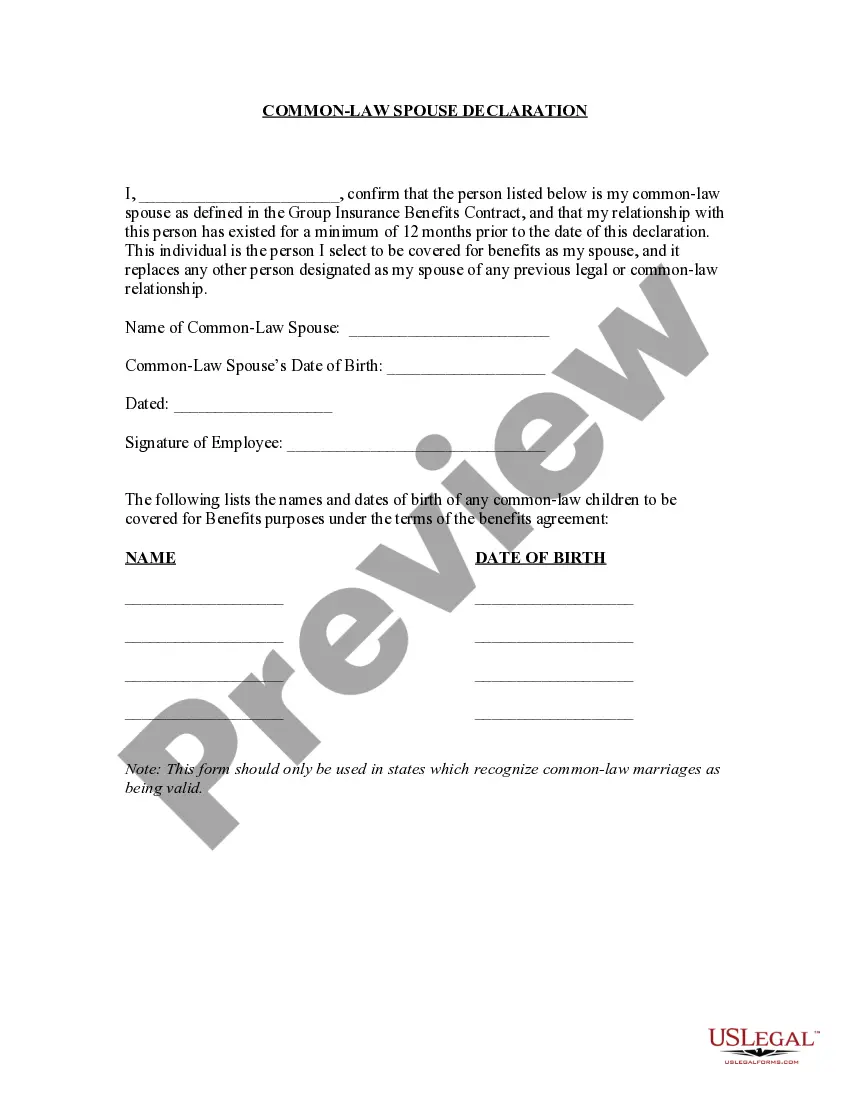
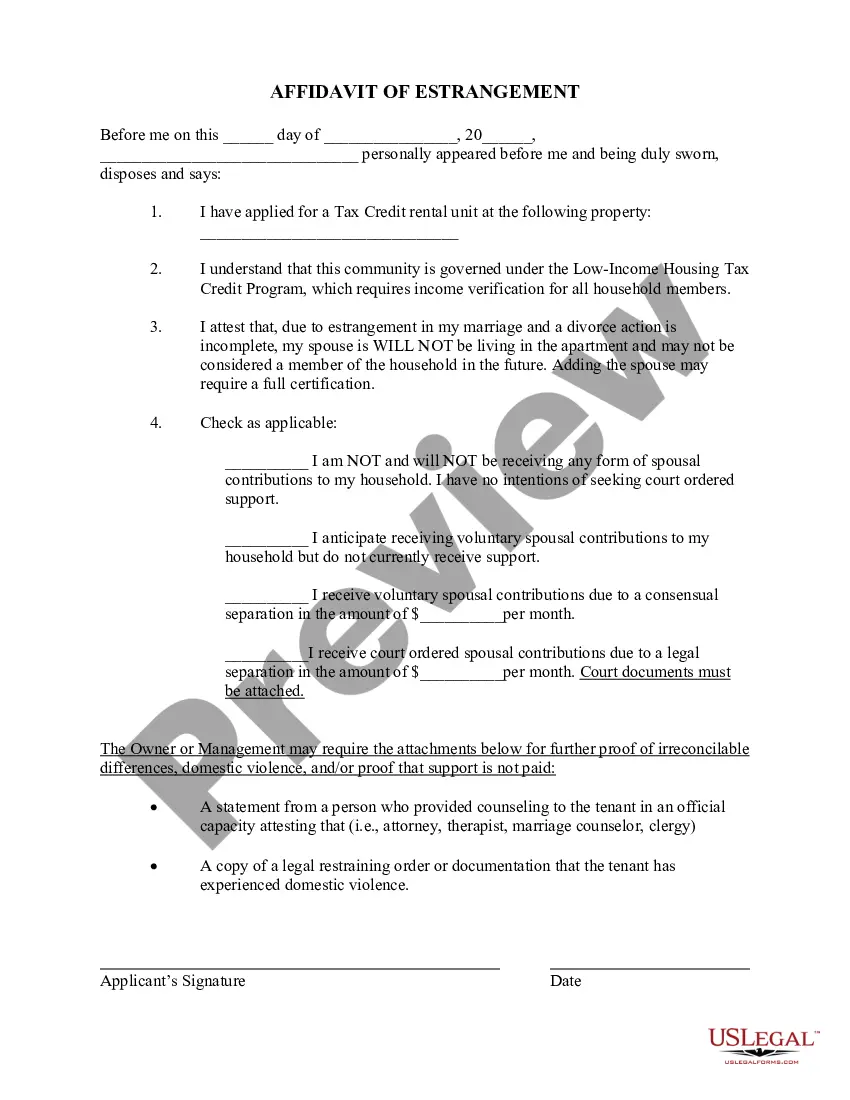
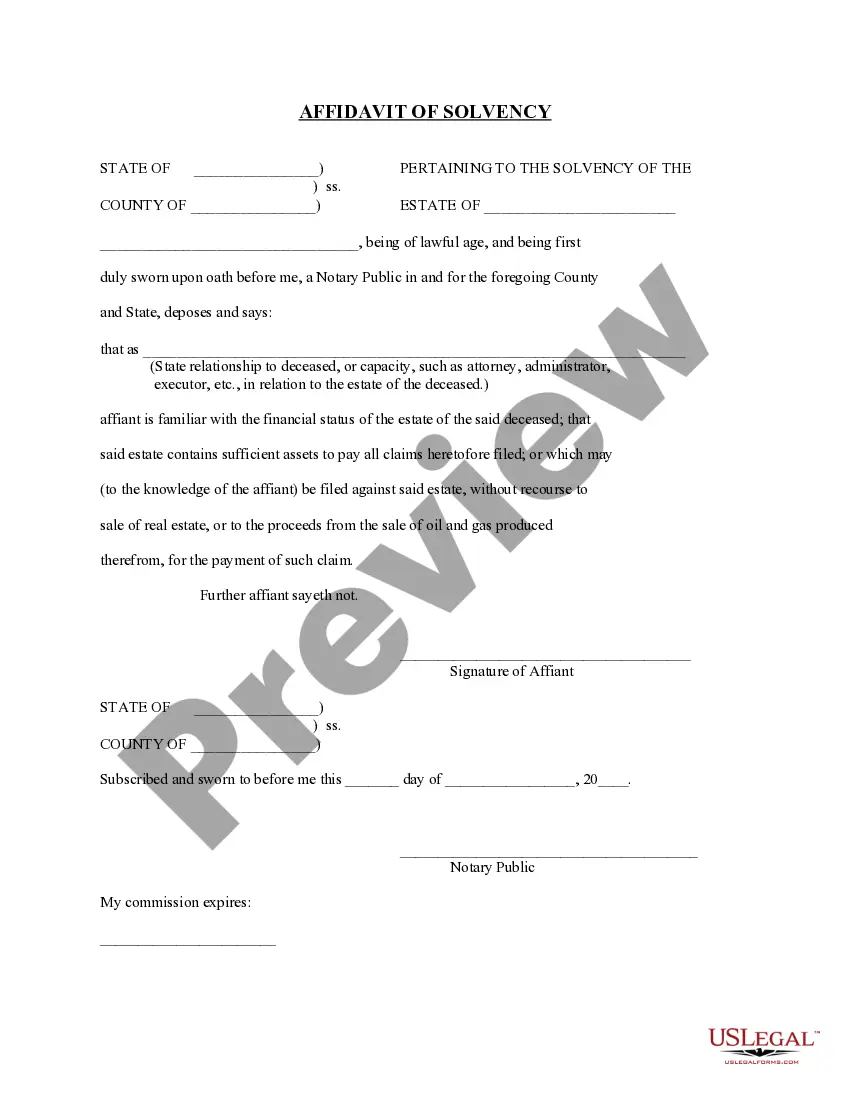
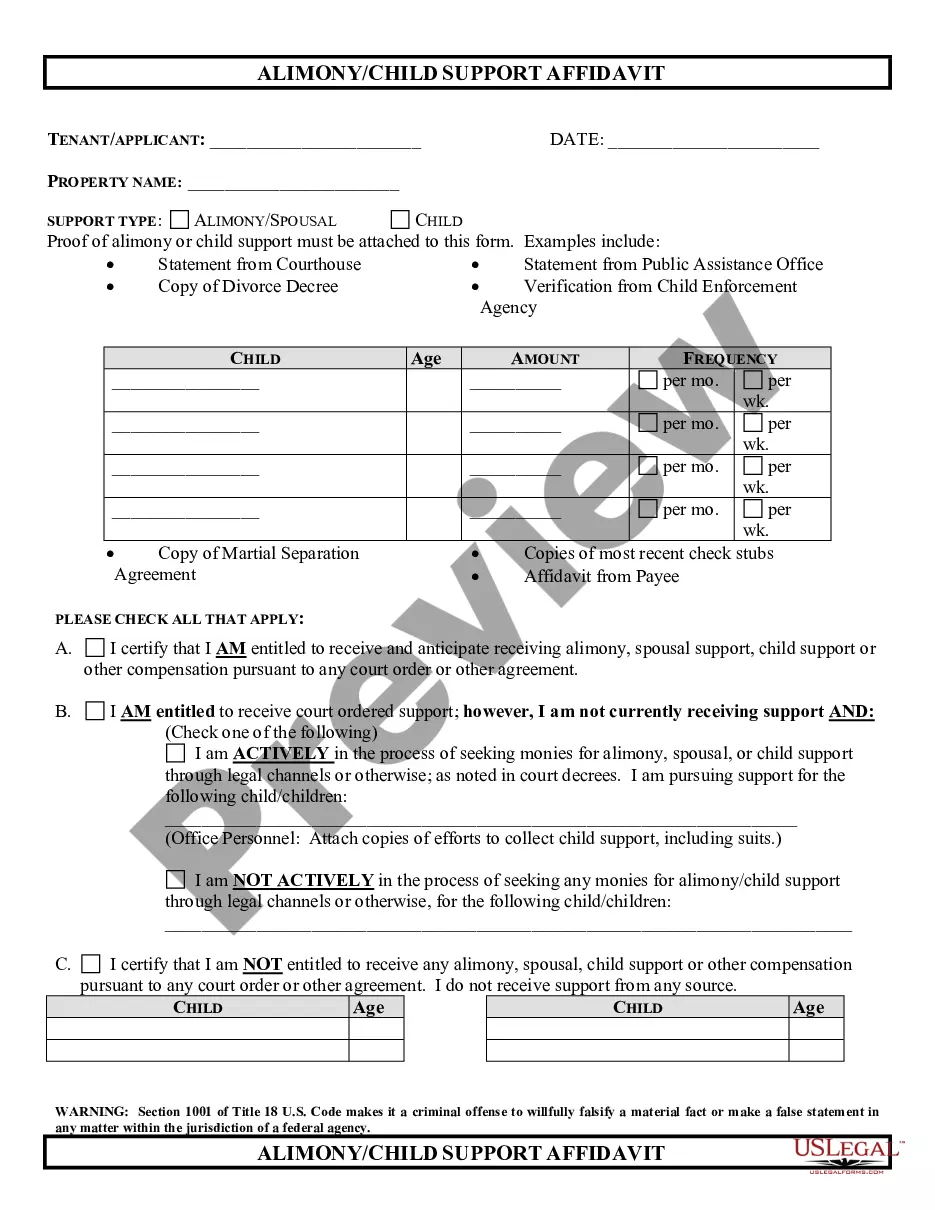
Get your form ready online
Our built-in tools help you complete, sign, share, and store your documents in one place.
Make edits, fill in missing information, and update formatting in US Legal Forms—just like you would in MS Word.
Download a copy, print it, send it by email, or mail it via USPS—whatever works best for your next step.
Sign and collect signatures with our SignNow integration. Send to multiple recipients, set reminders, and more. Go Premium to unlock E-Sign.
If this form requires notarization, complete it online through a secure video call—no need to meet a notary in person or wait for an appointment.
We protect your documents and personal data by following strict security and privacy standards.

Make edits, fill in missing information, and update formatting in US Legal Forms—just like you would in MS Word.

Download a copy, print it, send it by email, or mail it via USPS—whatever works best for your next step.

Sign and collect signatures with our SignNow integration. Send to multiple recipients, set reminders, and more. Go Premium to unlock E-Sign.

If this form requires notarization, complete it online through a secure video call—no need to meet a notary in person or wait for an appointment.

We protect your documents and personal data by following strict security and privacy standards.
Looking for another form?
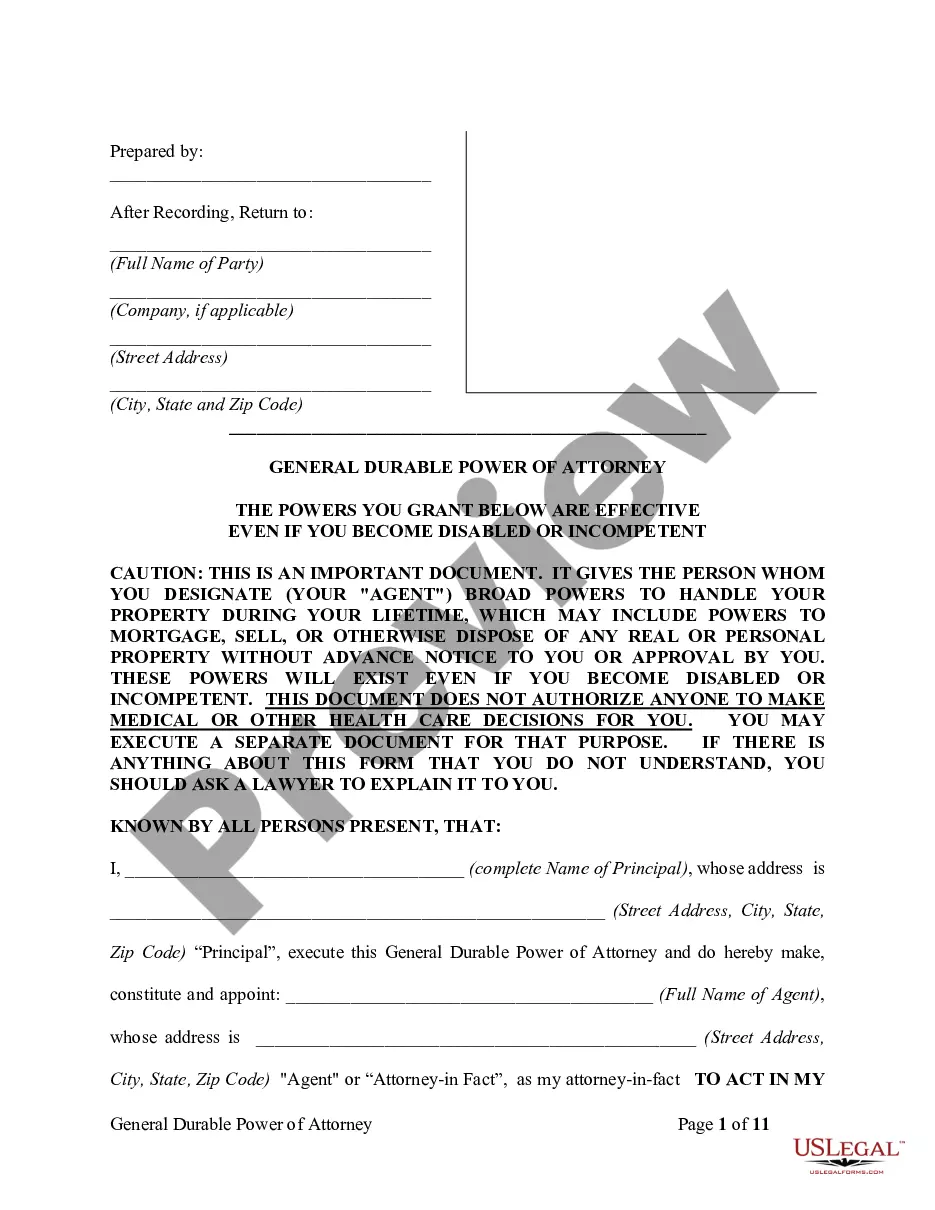
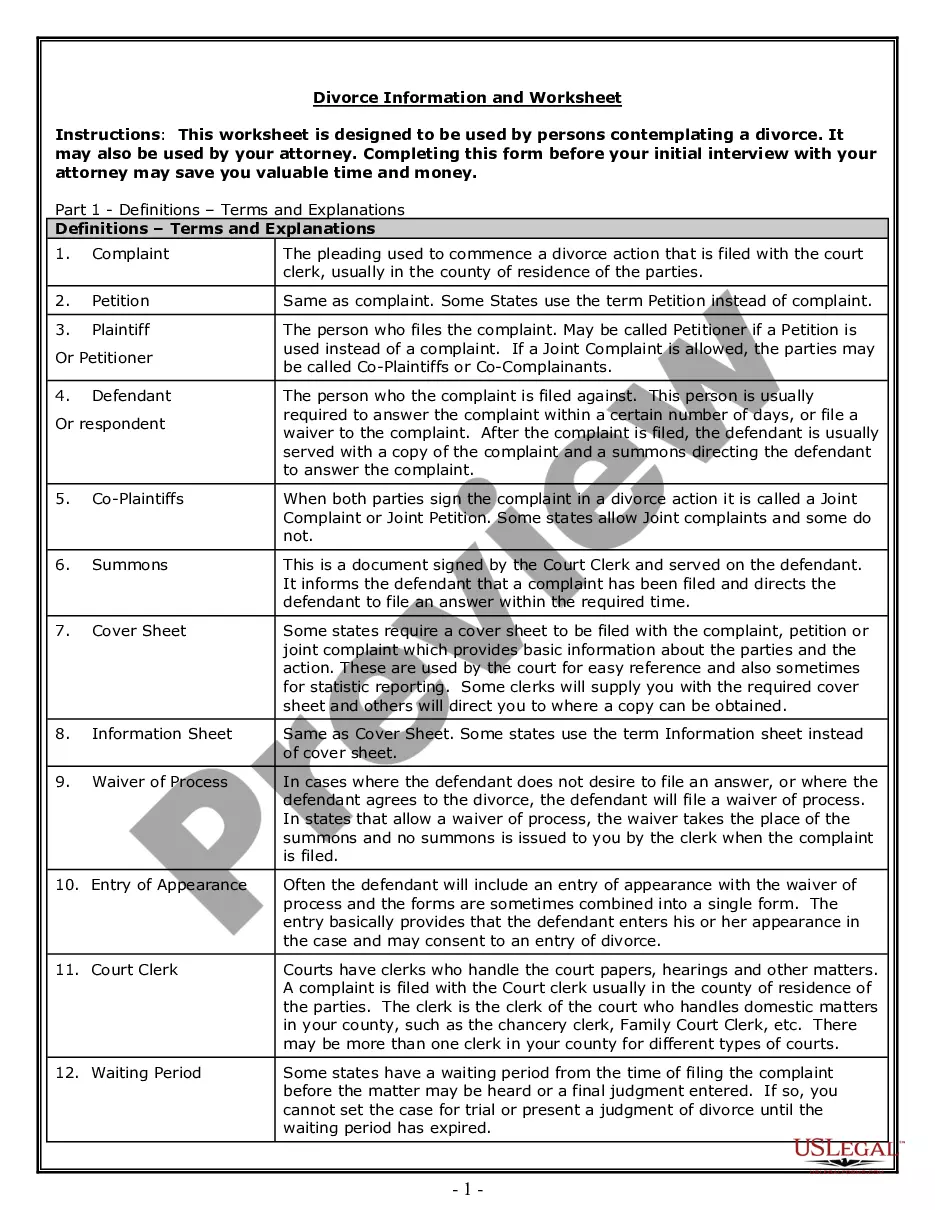
How to fill out Texas General Affidavit?
Get access to quality Texas General Affidavit samples online with US Legal Forms. Steer clear of hours of misused time searching the internet and dropped money on forms that aren’t up-to-date. US Legal Forms offers you a solution to exactly that. Find over 85,000 state-specific authorized and tax templates that you could download and complete in clicks within the Forms library.
To get the sample, log in to your account and click on Download button. The document is going to be saved in two places: on the device and in the My Forms folder.
For people who don’t have a subscription yet, check out our how-guide listed below to make getting started easier:
- Verify that the Texas General Affidavit you’re looking at is appropriate for your state.
- Look at the sample making use of the Preview function and read its description.
- Visit the subscription page by clicking on Buy Now button.
- Choose the subscription plan to continue on to sign up.
- Pay by card or PayPal to complete making an account.
- Select a preferred file format to download the file (.pdf or .docx).
You can now open the Texas General Affidavit example and fill it out online or print it and get it done by hand. Consider mailing the document to your legal counsel to be certain things are completed properly. If you make a error, print and fill application once again (once you’ve registered an account all documents you download is reusable). Make your US Legal Forms account now and get more forms.
Form popularity
FAQ
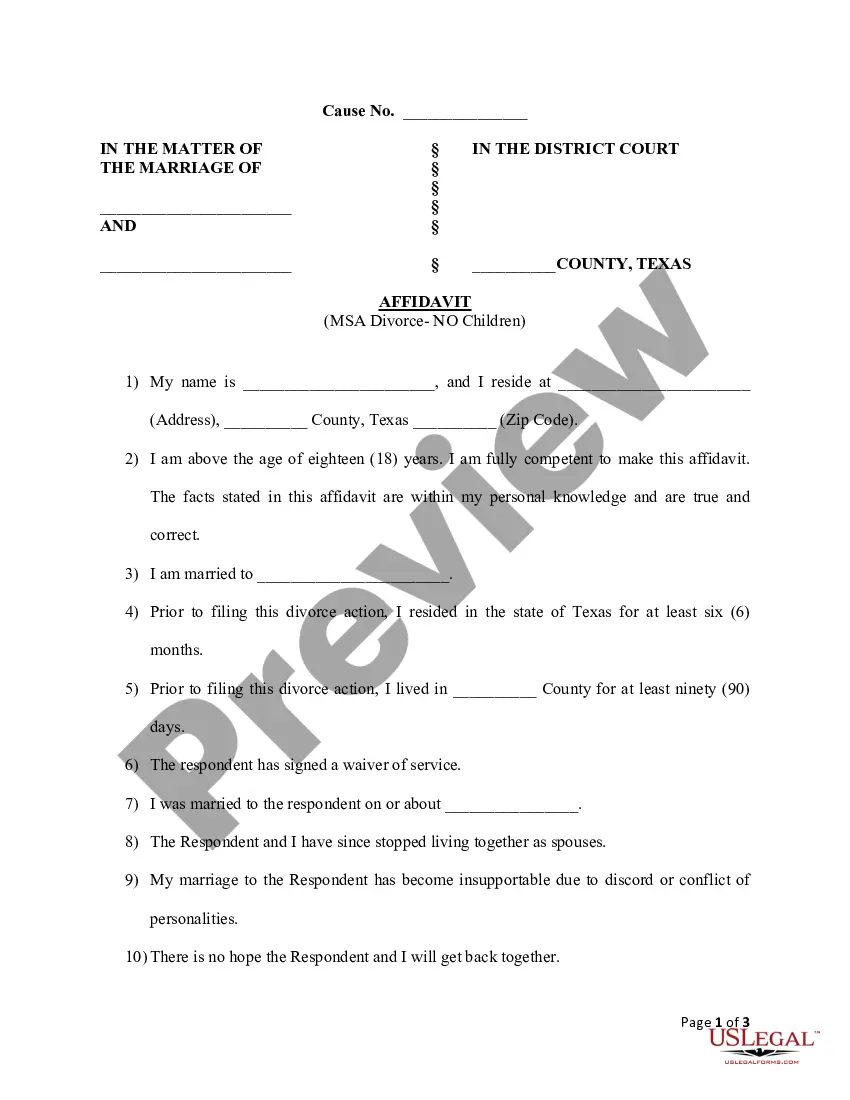
In a nutshell, an affidavit is a sworn statement that is in writing. Affidavits are usually used in a court or in negotiations. They are common in family law cases and bankruptcy cases. They are also used in civil and criminal cases, though not as often as family or bankruptcy law cases.
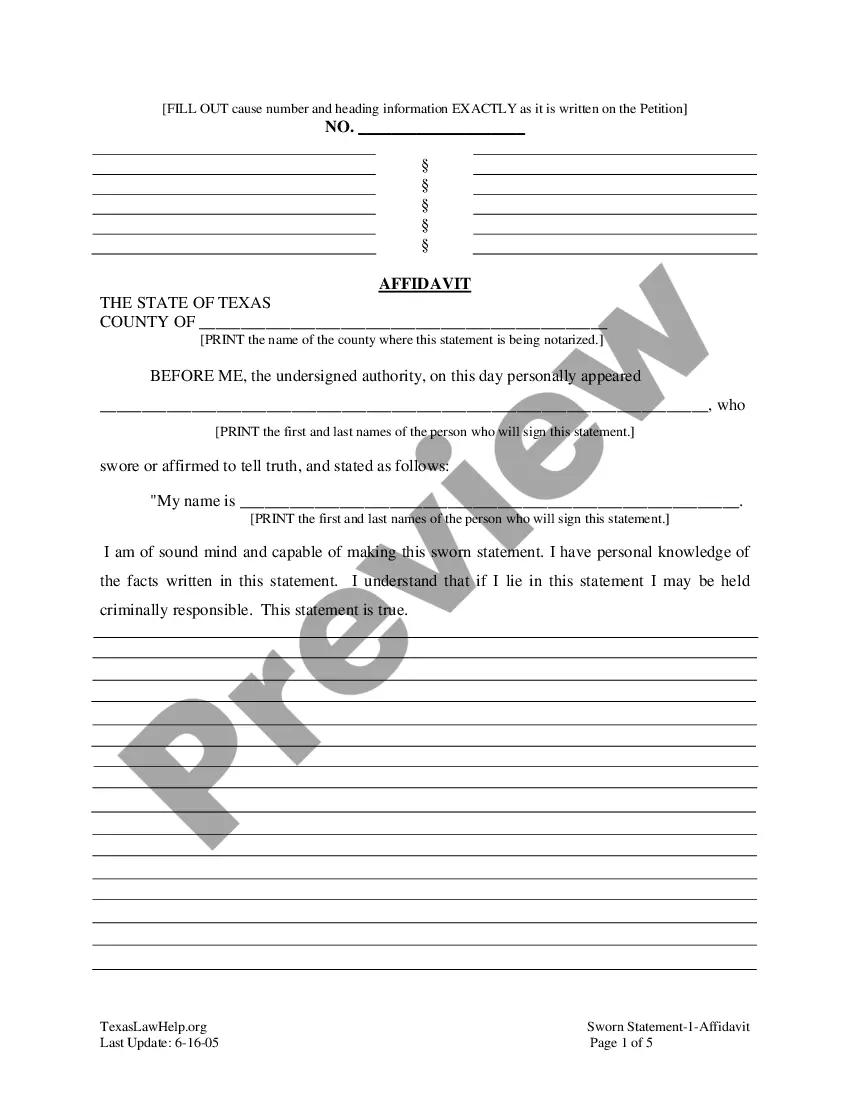
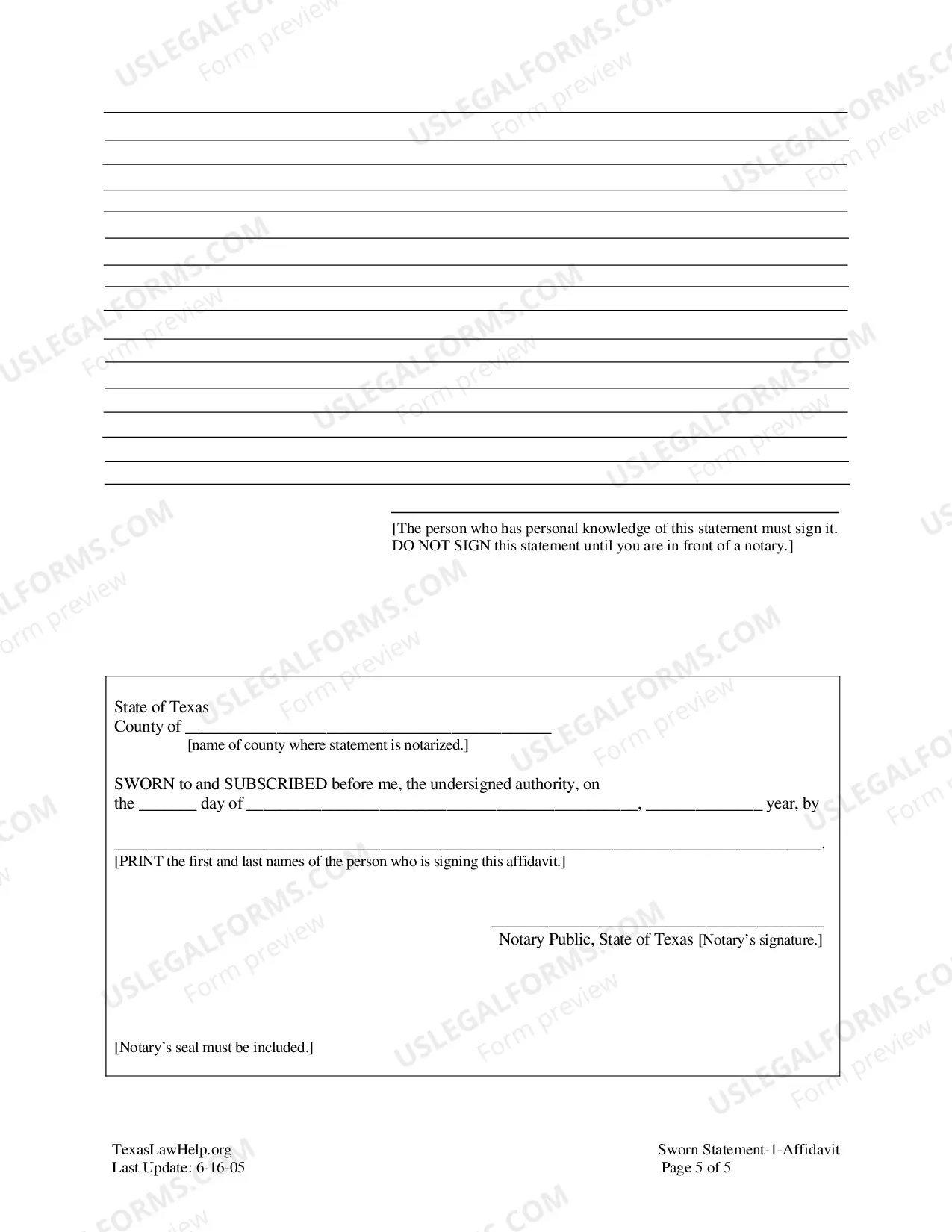
A general affidavit is a sworn statement of fact, written by an affiant who has personal or special knowledge of a specific matter. An affidavit is always signed under oath, in the presence of a notary public, in order to confirm the veracity of the statement.
Title the affidavit. First, you'll need to title your affidavit. Craft a statement of identity. Write a statement of truth. State the facts. Reiterate your statement of truth. Sign and notarize.
Steps to Notarize an Affidavit Verify the identity of the signer. Require the signer to present a form of government-issued ID, such as a driver's license or passport. Make sure the signer is acting willingly. Complete the notarization properly.
General affidavits are any sworn statement of fact on any subject. They are unlike other types of affidavits because they can be tailored to meet specific needs in any legal situation. Like other affidavits, on the other hand, general affidavits are still signed under oath and in the presence of a notary.
In the sentence, the person writing the statement must state that he or she is stating that the information is accurate. (Example: I, Jane Doe, solemnly swear that the contents of this document are true and correct, and that I agree to abide by the terms in this affidavit.)
No, an Affidavit given on the requisite value of the stamp papers is not a valid document.Affidavits shall be sworn before the officers referred to in section 139 of the Code of Civil Procedure, 1908.
Step 1: Require Personal Appearance. Almost every state requires the signer to personally appear before you during the notarization. Step 2: Check Over The Document. Step 3: Carefully Identify The Signer. Step 4: Record Your Journal Entry. Step 5: Complete The Notarial Certificate.