Texas Bylaws for Corporation
Understanding this form
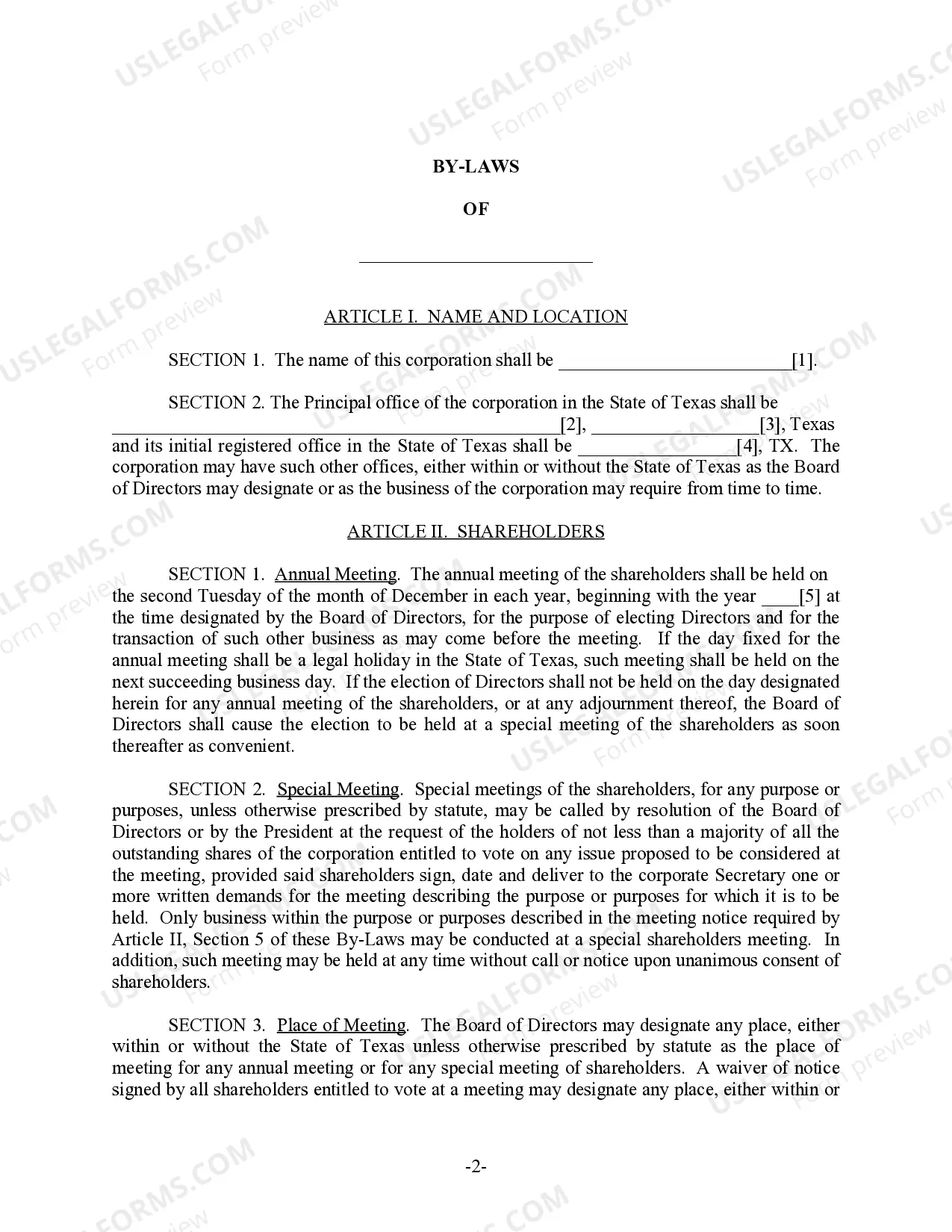
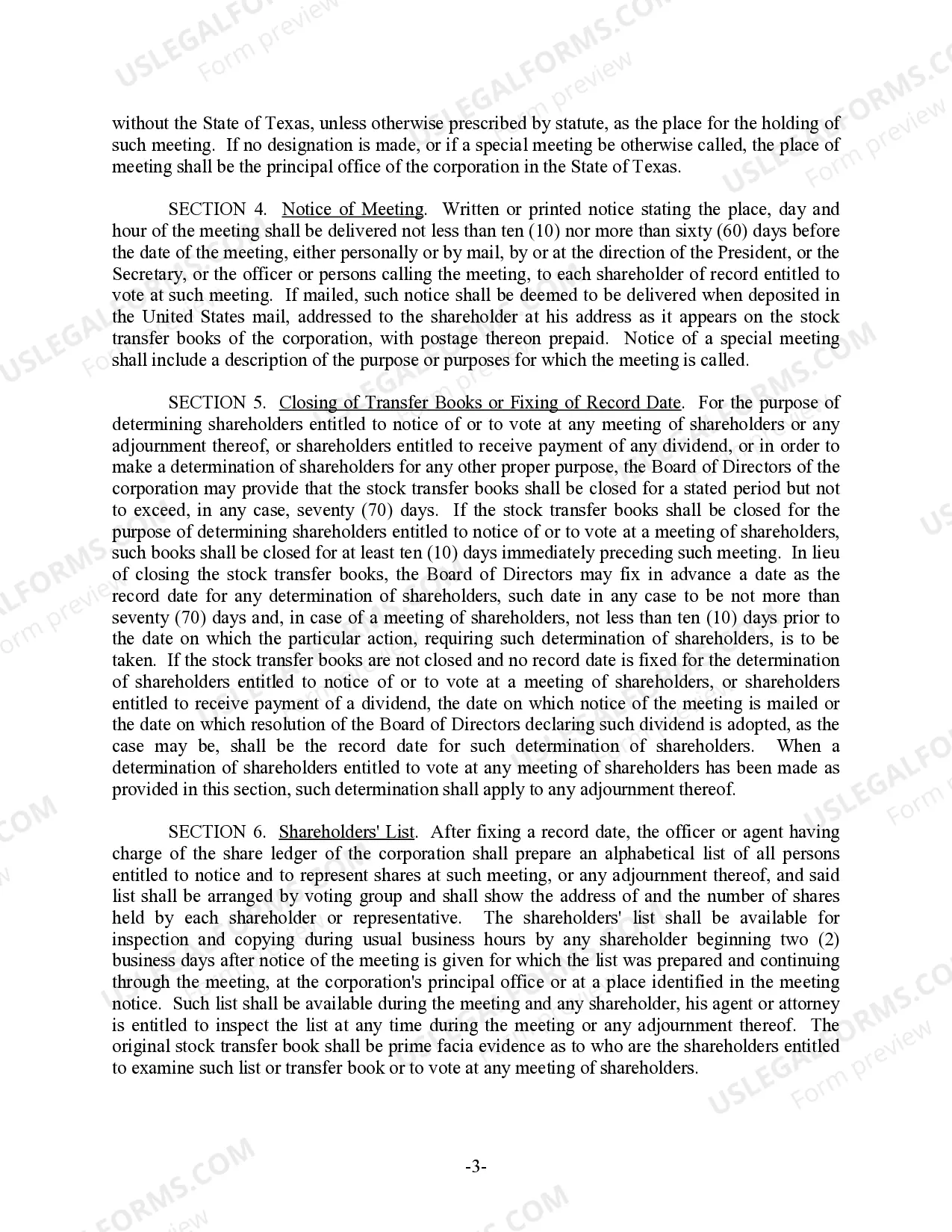
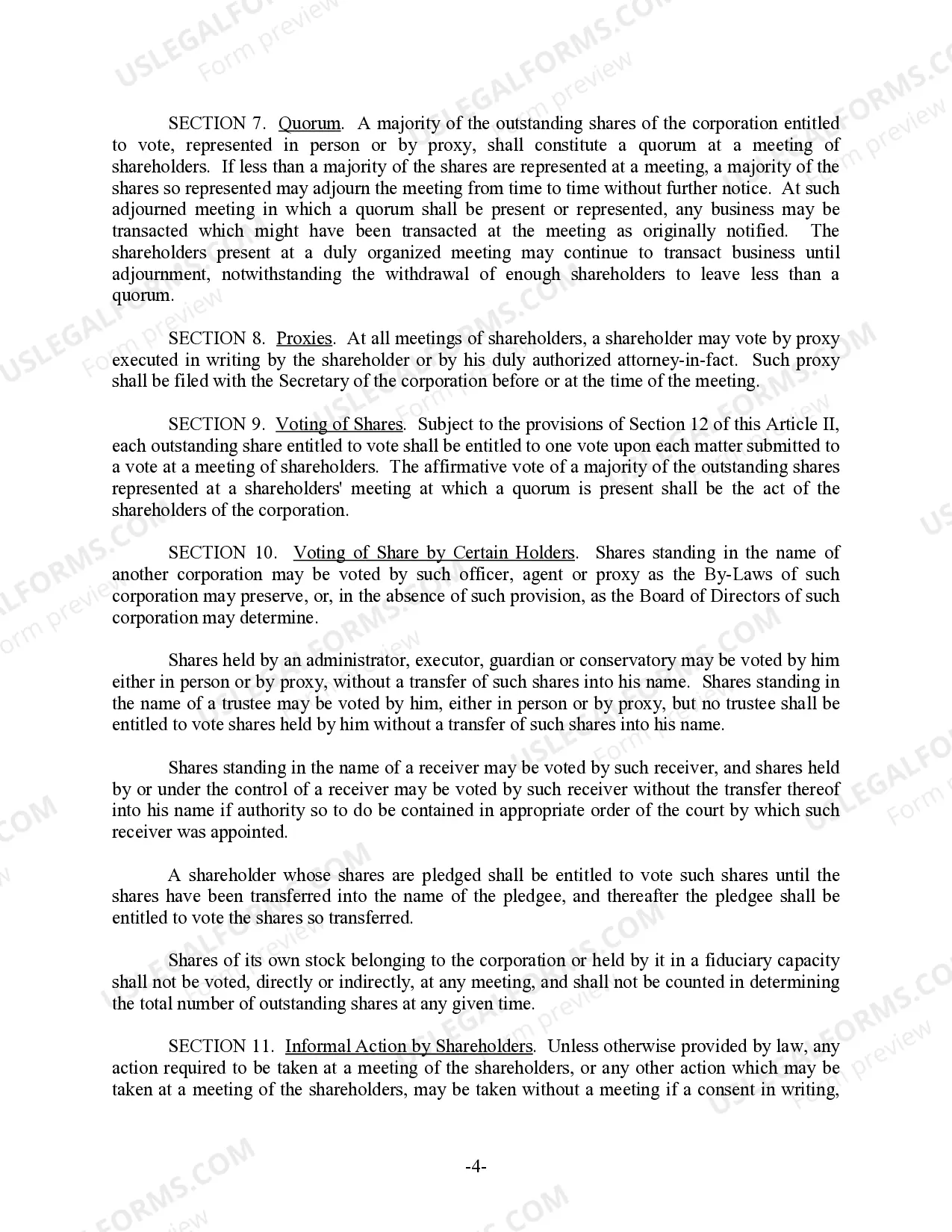
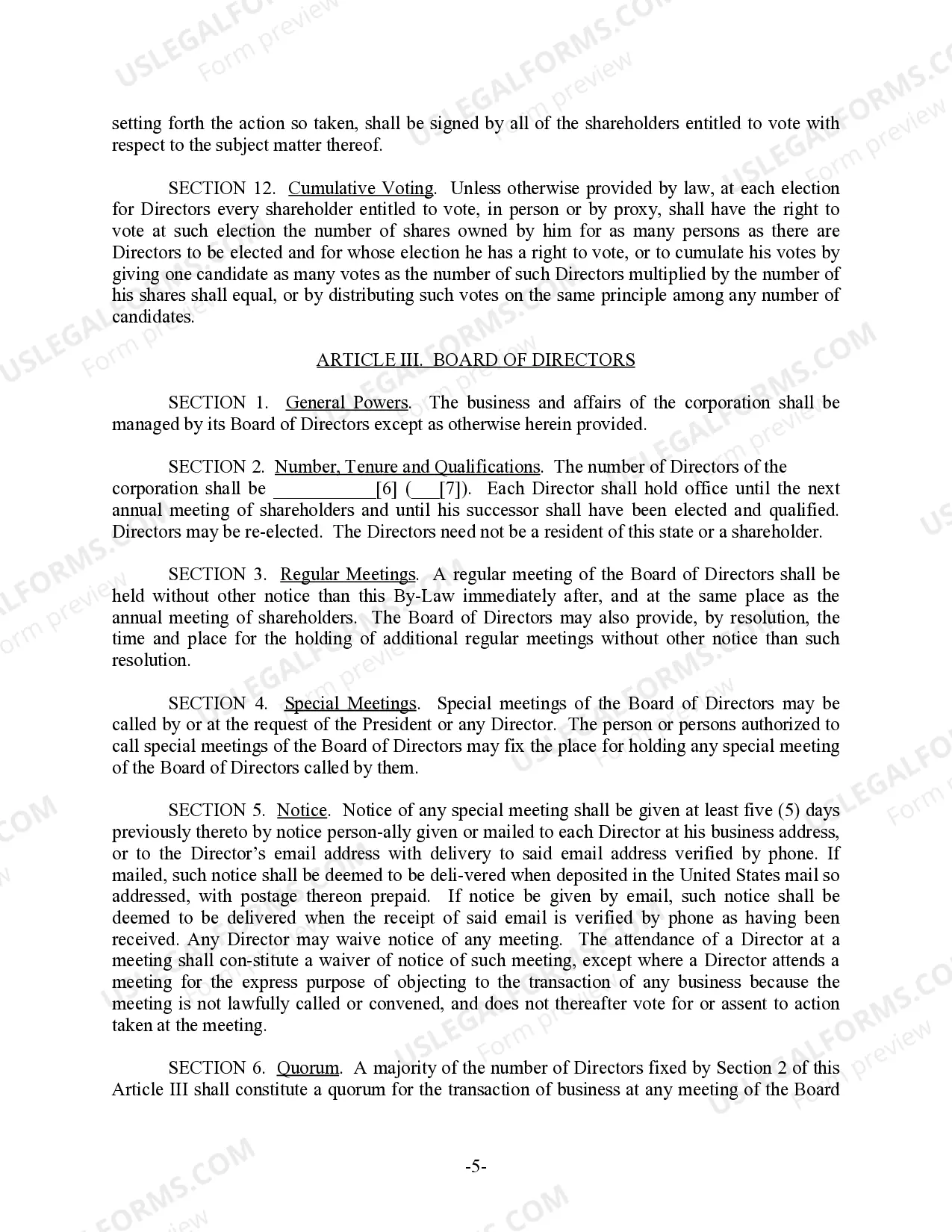
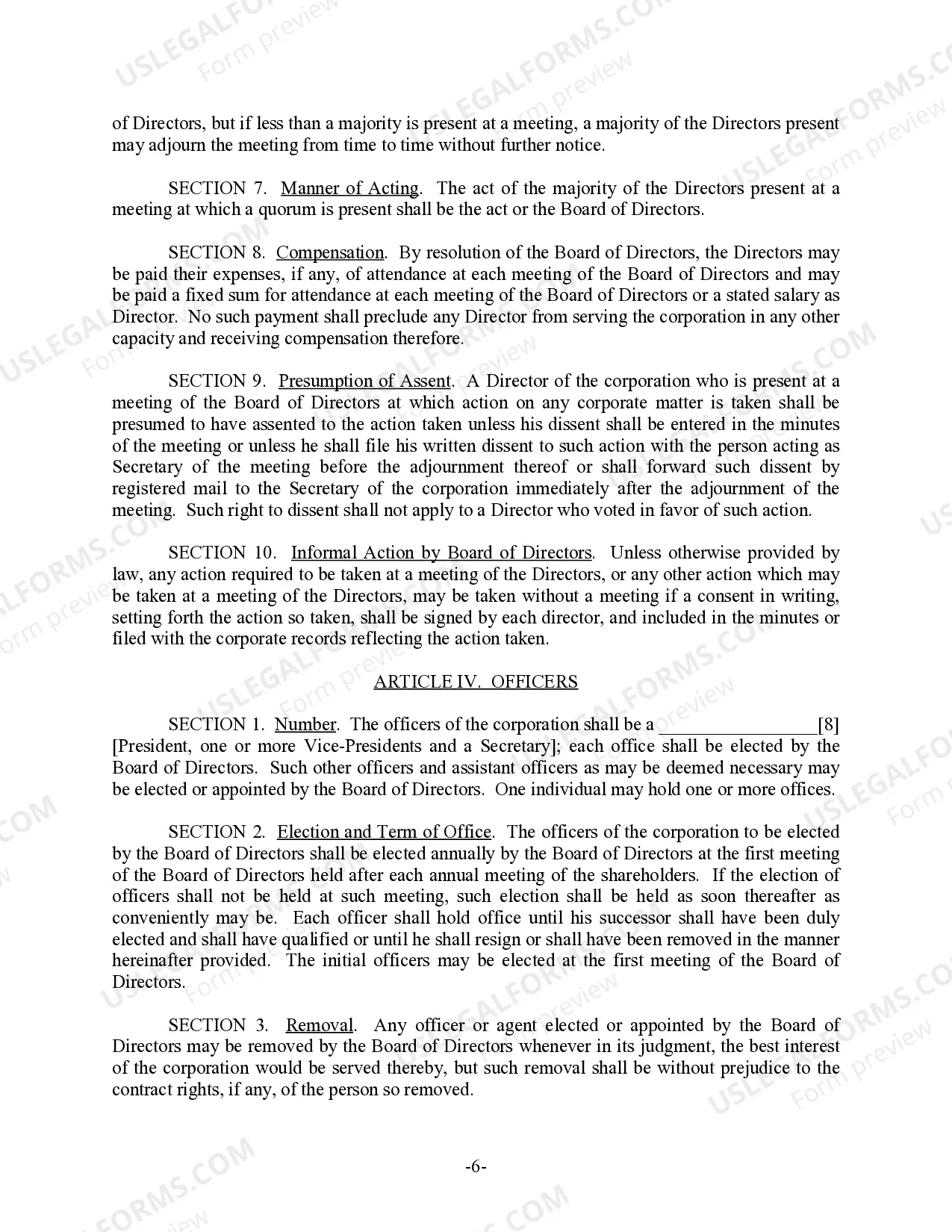
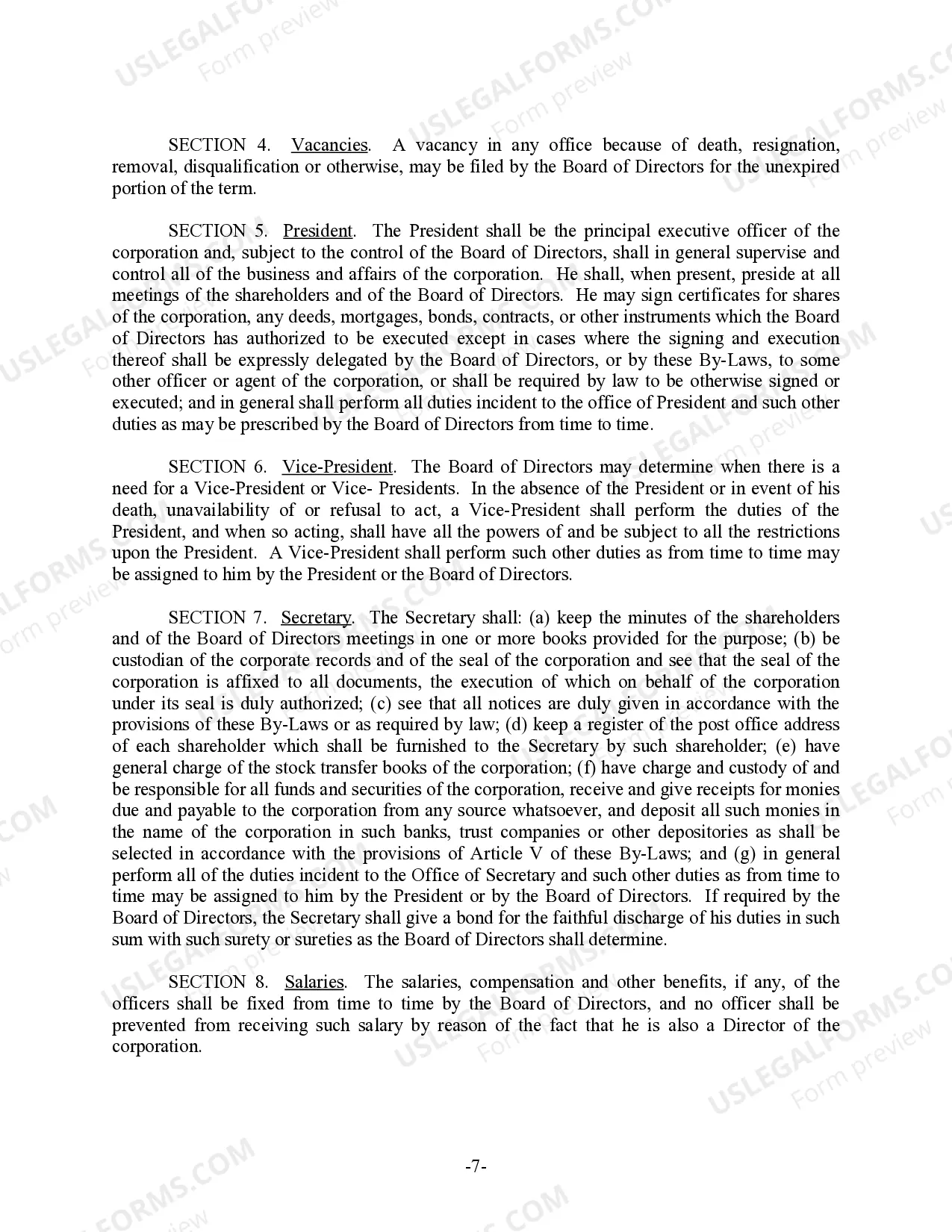
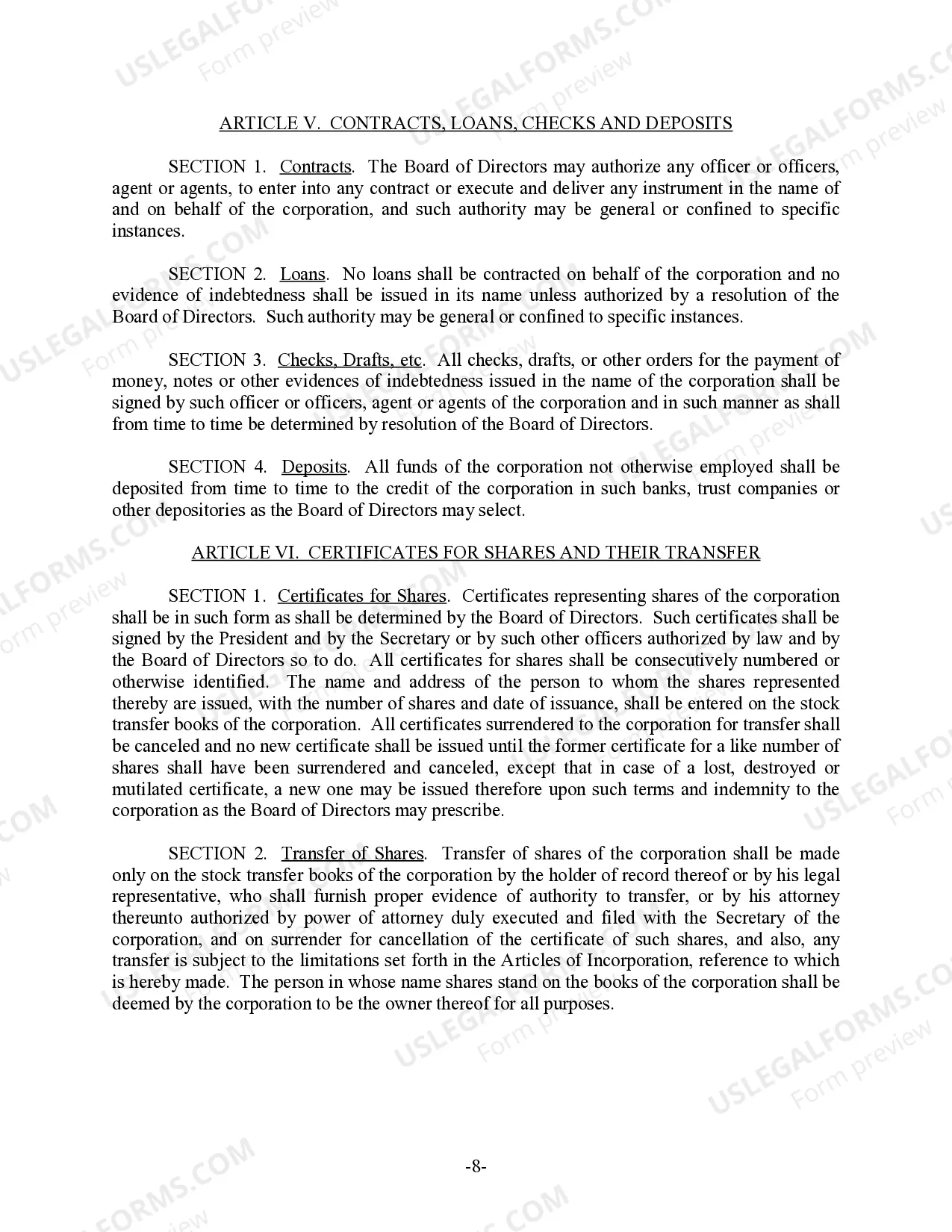
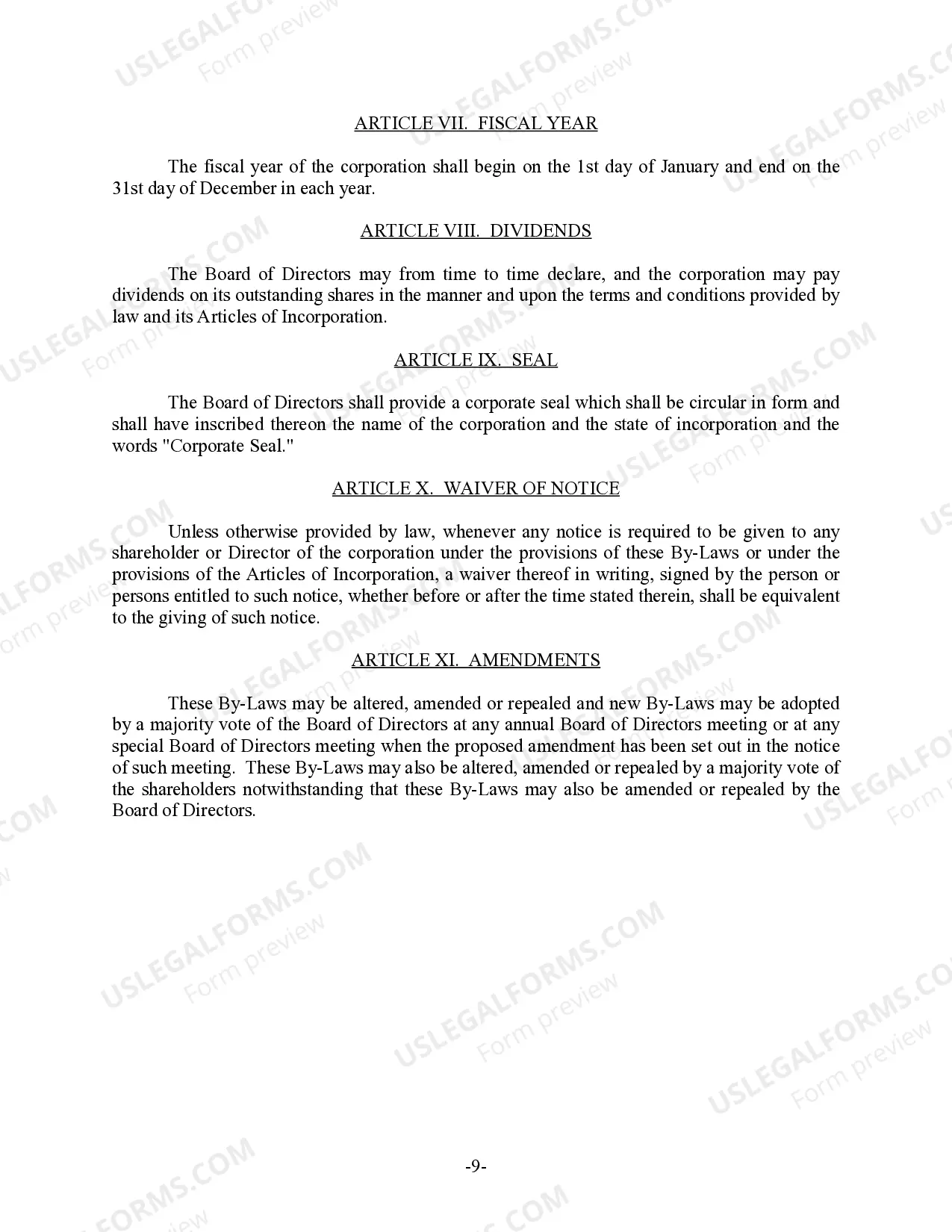
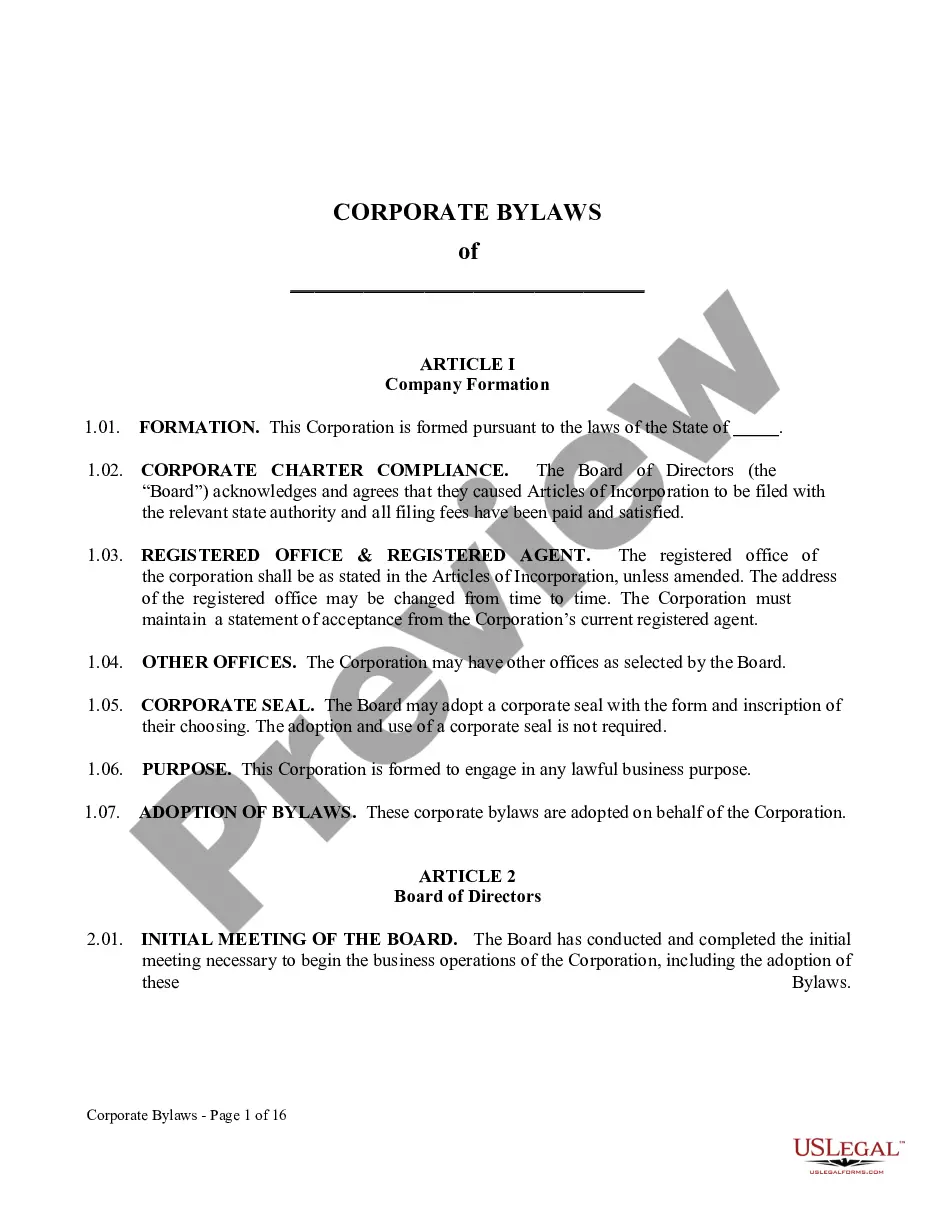
The Texas Bylaws for Corporation is a legal document that establishes the rules and procedures for managing a corporation in Texas. These bylaws outline the governance structure, detail the roles of directors and officers, and specify procedures for shareholder meetings and voting. Unlike other corporate forms, this document is tailored specifically to Texas law, ensuring compliance with local regulations.
Key parts of this document
- Name and location of the corporation
- Schedule for annual shareholder meetings
- Details on the number and powers of directors
- Roles and responsibilities of corporate officers
- Procedures for voting and shareholder action
- Rules for amendments to the bylaws

When to use this document
This form should be used by anyone forming a corporation in Texas or by existing corporations that need to establish or update their bylaws. Bylaws are essential for outlining how the corporation operates, managing shareholder interests, and ensuring legal compliance. They can also help avoid disputes among officers and shareholders by providing clear operational guidelines.
Who this form is for
- Business owners looking to establish a corporation in Texas
- Directors and officers of an existing corporation needing to formalize governance
- Legal professionals assisting clients with corporate governance matters
- Shareholders wanting to understand their rights and obligations
How to prepare this document
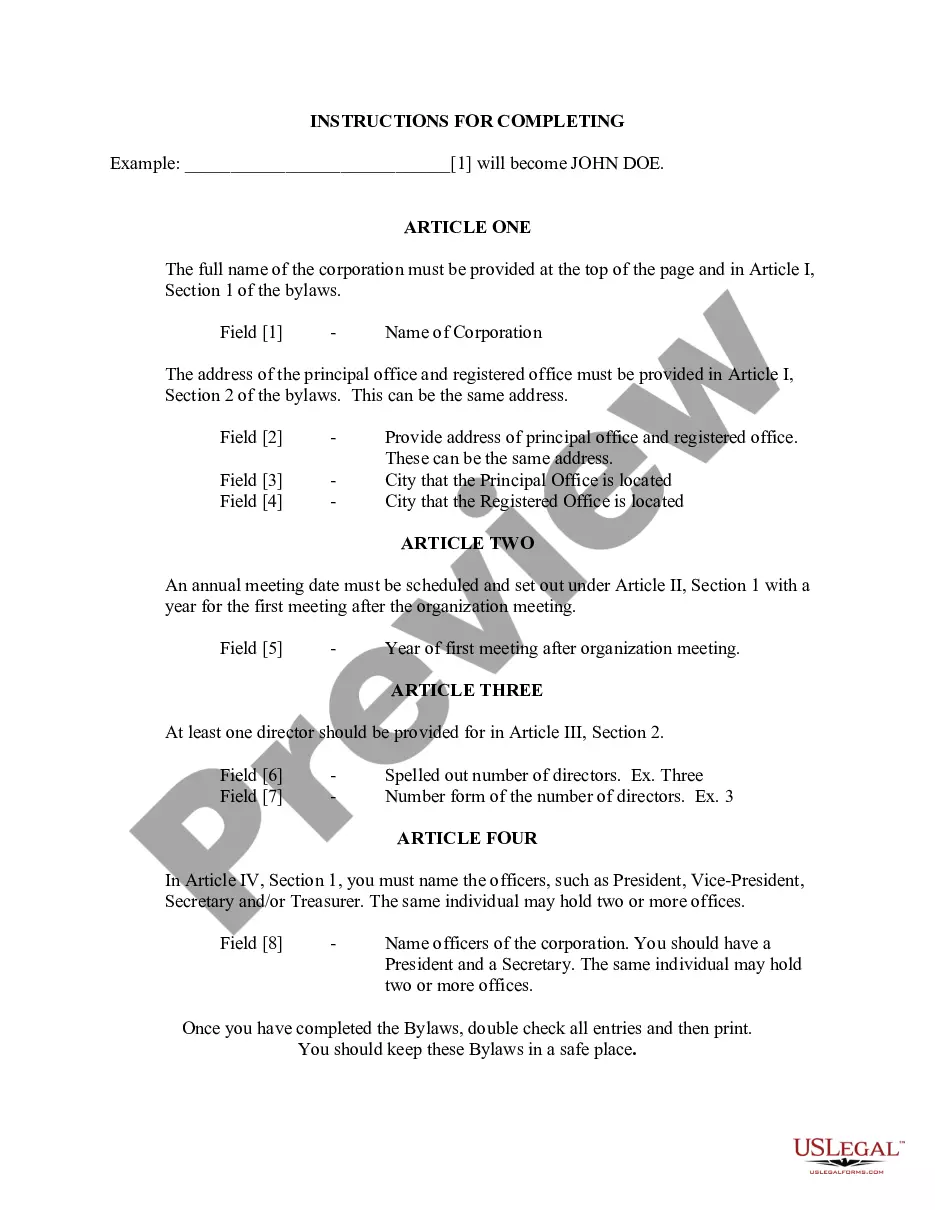
- Provide the full name of the corporation at the start of the document.
- Fill in the addresses of the principal and registered offices in the appropriate sections.
- Specify the date for the annual shareholder meeting and the number of directors.
- Name the corporate officers and their respective roles.
- Review all entries carefully and print the finalized document for safekeeping.
Notarization requirements for this form
This form does not typically require notarization unless specified by local law. However, it is advisable to check with legal counsel to ensure the document meets all legal requirements in Texas.
Get your form ready online
Our built-in tools help you complete, sign, share, and store your documents in one place.
Make edits, fill in missing information, and update formatting in US Legal Forms—just like you would in MS Word.
Download a copy, print it, send it by email, or mail it via USPS—whatever works best for your next step.
Sign and collect signatures with our SignNow integration. Send to multiple recipients, set reminders, and more. Go Premium to unlock E-Sign.
If this form requires notarization, complete it online through a secure video call—no need to meet a notary in person or wait for an appointment.
We protect your documents and personal data by following strict security and privacy standards.
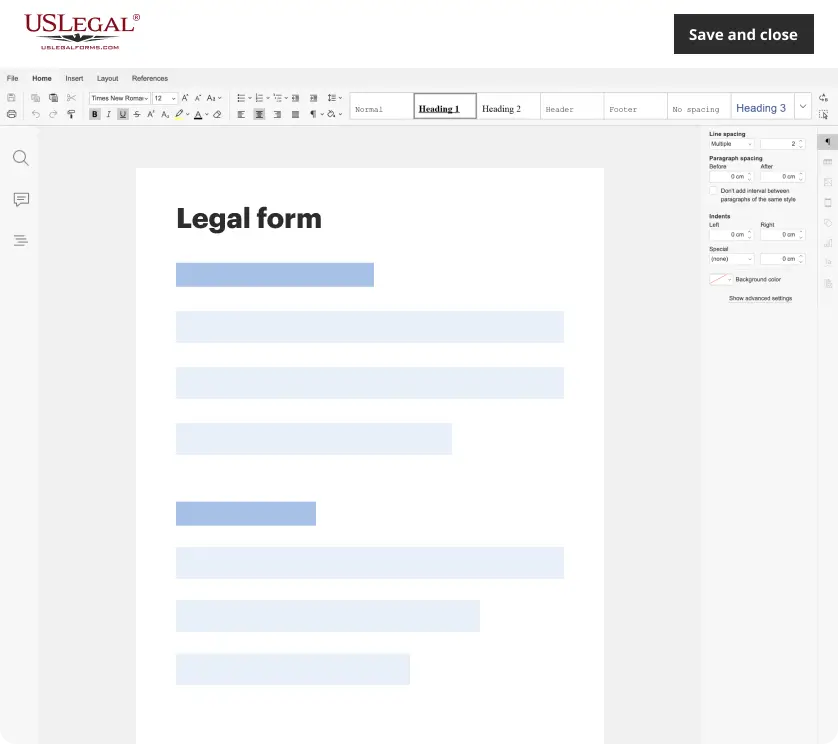
Make edits, fill in missing information, and update formatting in US Legal Forms—just like you would in MS Word.
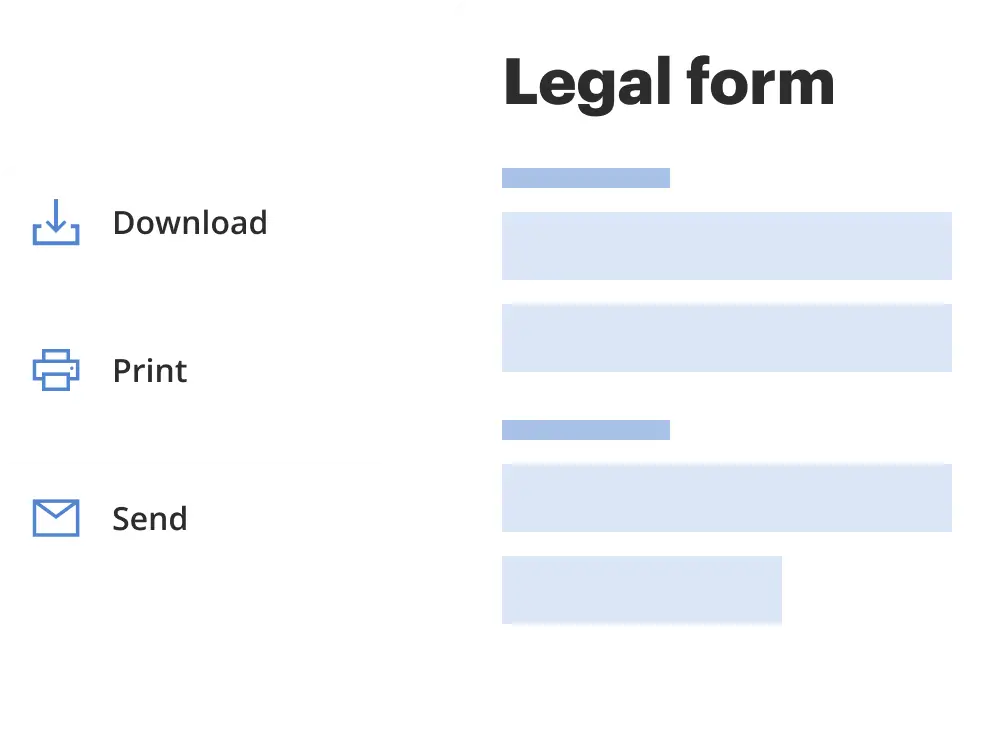
Download a copy, print it, send it by email, or mail it via USPS—whatever works best for your next step.
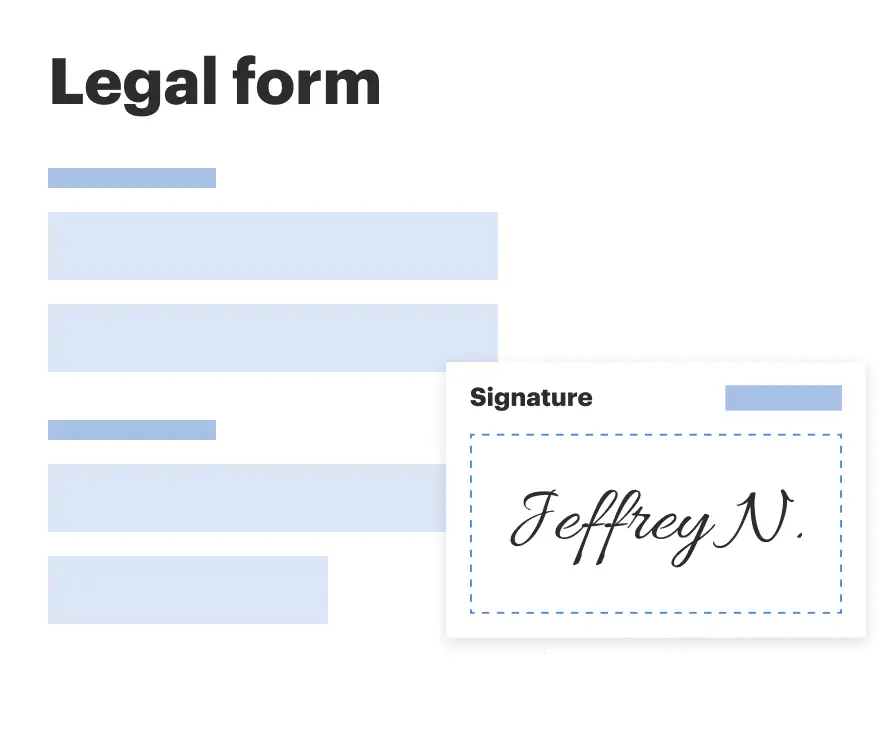
Sign and collect signatures with our SignNow integration. Send to multiple recipients, set reminders, and more. Go Premium to unlock E-Sign.

If this form requires notarization, complete it online through a secure video call—no need to meet a notary in person or wait for an appointment.
We protect your documents and personal data by following strict security and privacy standards.
Common mistakes
- Failing to include the required details about the corporation's name and addresses.
- Not specifying the correct number of directors or officers.
- Neglecting to outline the meeting schedules properly.
- Omitting important amendments or procedures for shareholder voting.
Advantages of online completion
- Convenience of downloading at any time without needing to visit an office.
- Editability allows customization to meet specific corporate needs.
- Access to forms drafted by licensed attorneys ensures compliance with legal standards.
- Quick turnaround with immediate access to the necessary documents.
Key takeaways
- Texas Bylaws for Corporation is essential for establishing corporate governance.
- It defines the structure and operations of a corporation in Texas.
- Understanding how to complete this form ensures compliance with state laws.
Looking for another form?
Form popularity
FAQ
A corporation's bylaws provide a set of operating rules and regulations which the directors, officers and shareholders will be required to abide by.Though it is not legally required that you draft a corporate bylaw, it is still highly recommended.
Corporate bylaws commonly include information that specifies, for example, the number of directors the corporation has, how they will be elected, their qualification, and the length of their terms. It can also specify when, where, and how your board of directors can call and conduct meetings, and voting requirements.
Bylaws are required when the articles of incorporation do not specify the number of directors in a corporation.Aside from number of directors, all the matters typically covered in the bylaws are otherwise covered by California statute, which would apply in the absence of any contrary lawful bylaw provision.
Taxes. Corporations must file their annual tax returns. Securities. Corporations must issue stock as their security laws and articles of incorporation mandate. Bookkeeping. Board meetings. Meeting minutes. State registration. Licensing.