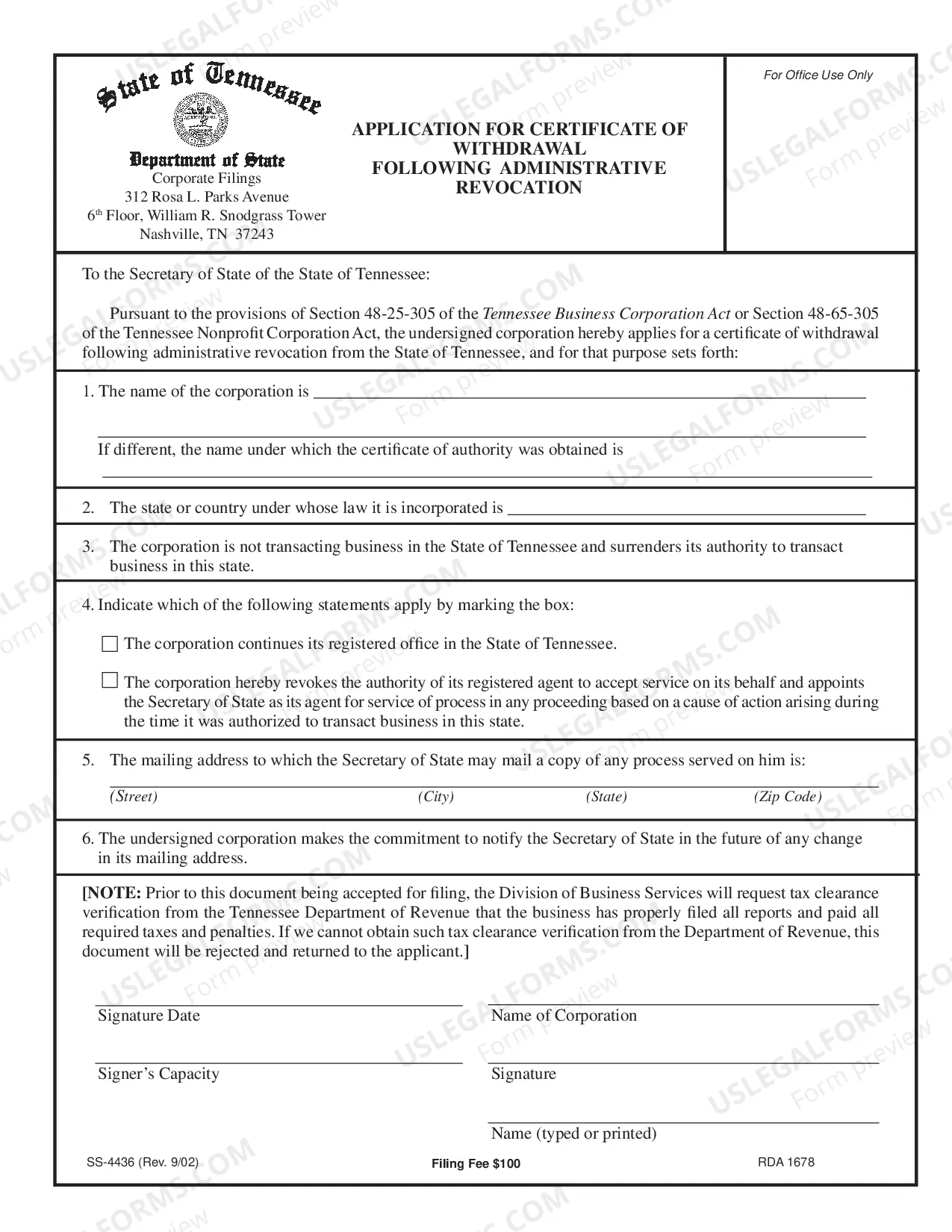
Texas Pre-Incorporation Agreement, Shareholders Agreement and Confidentiality Agreement
Understanding this form
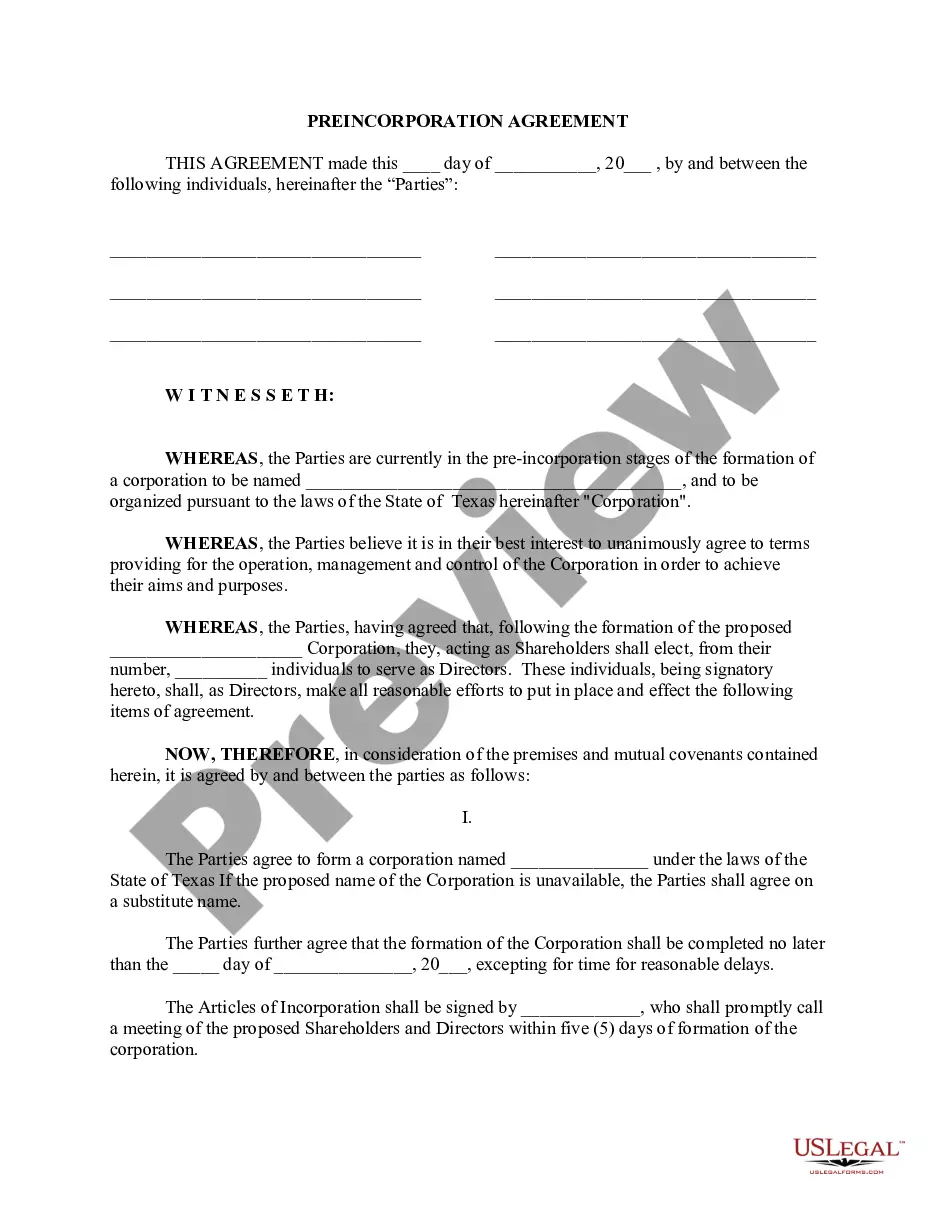
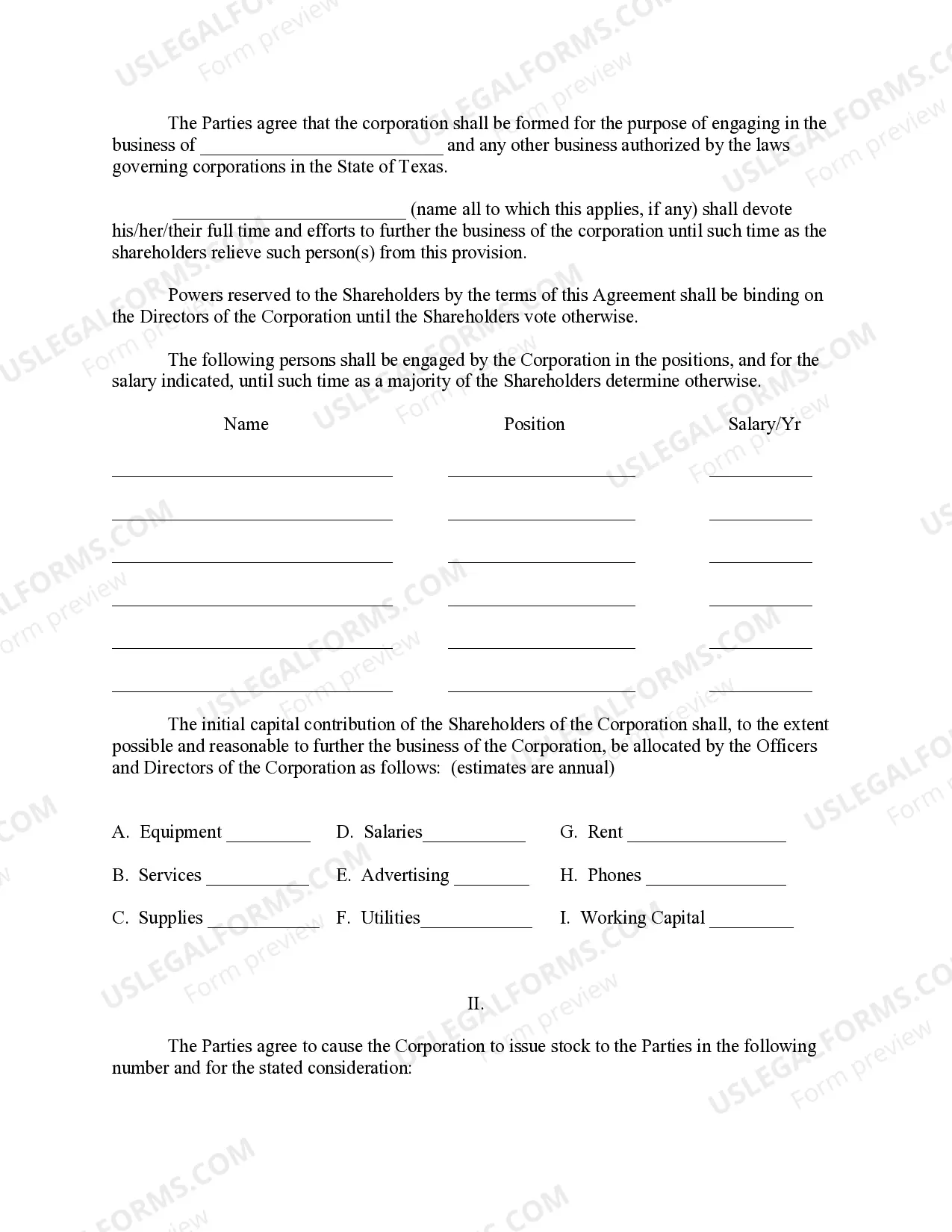
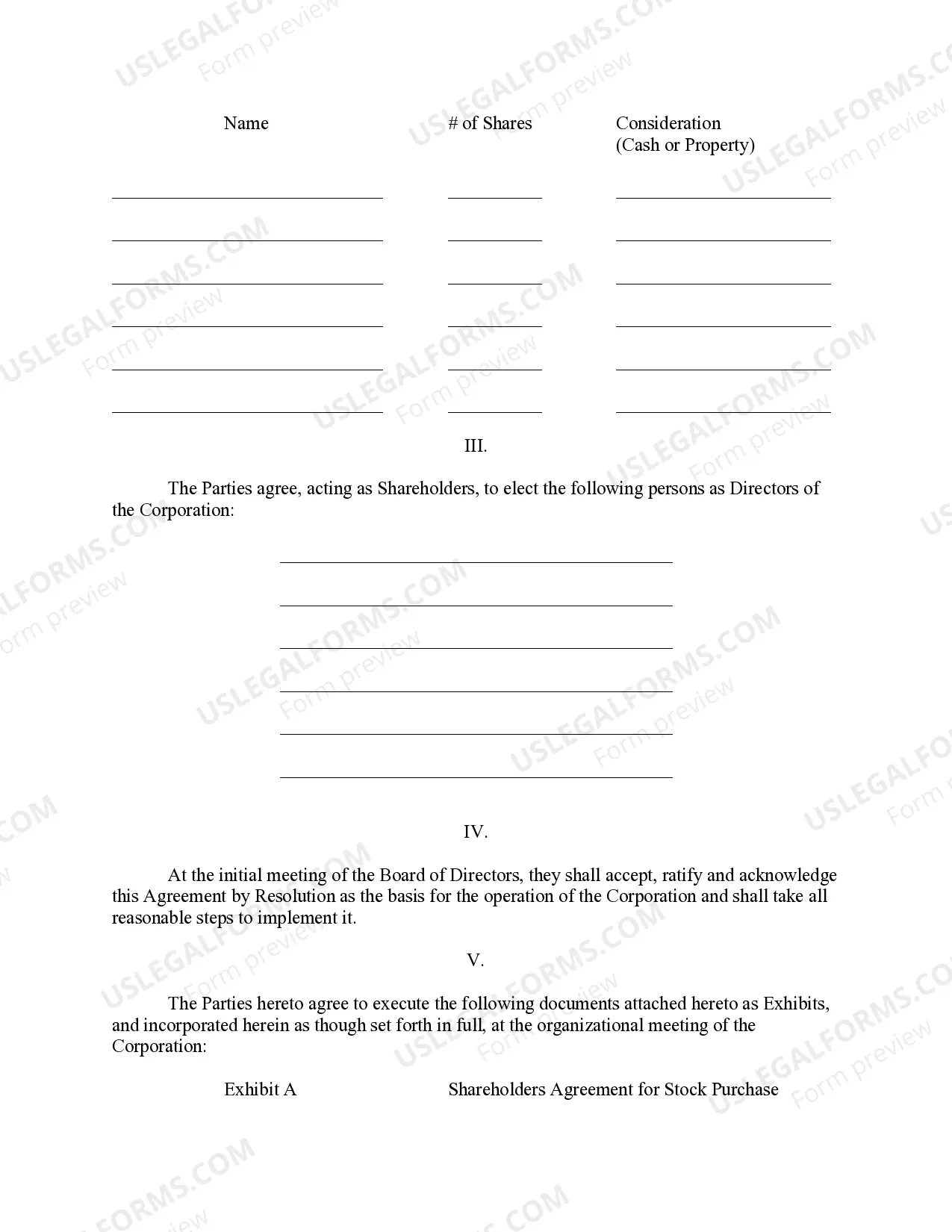
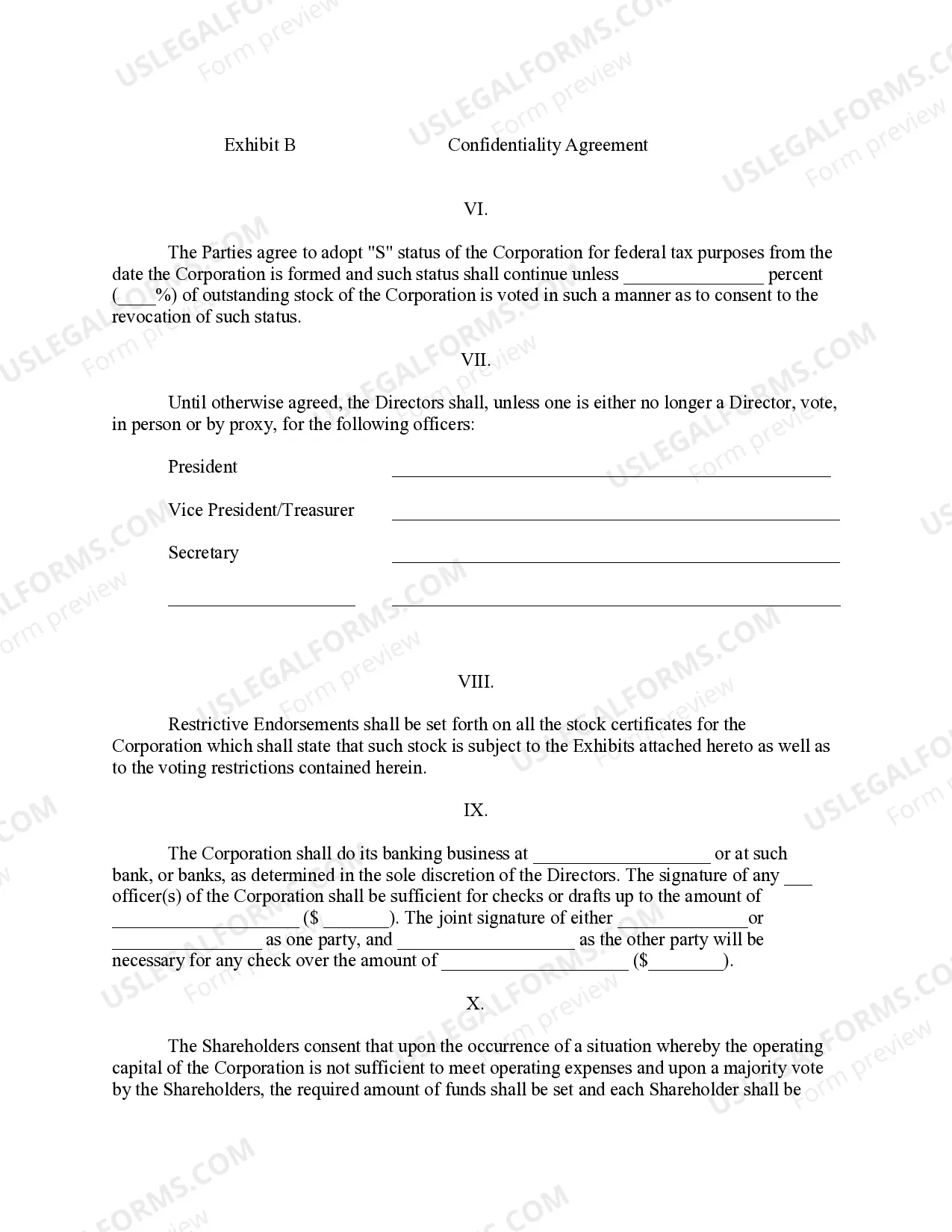
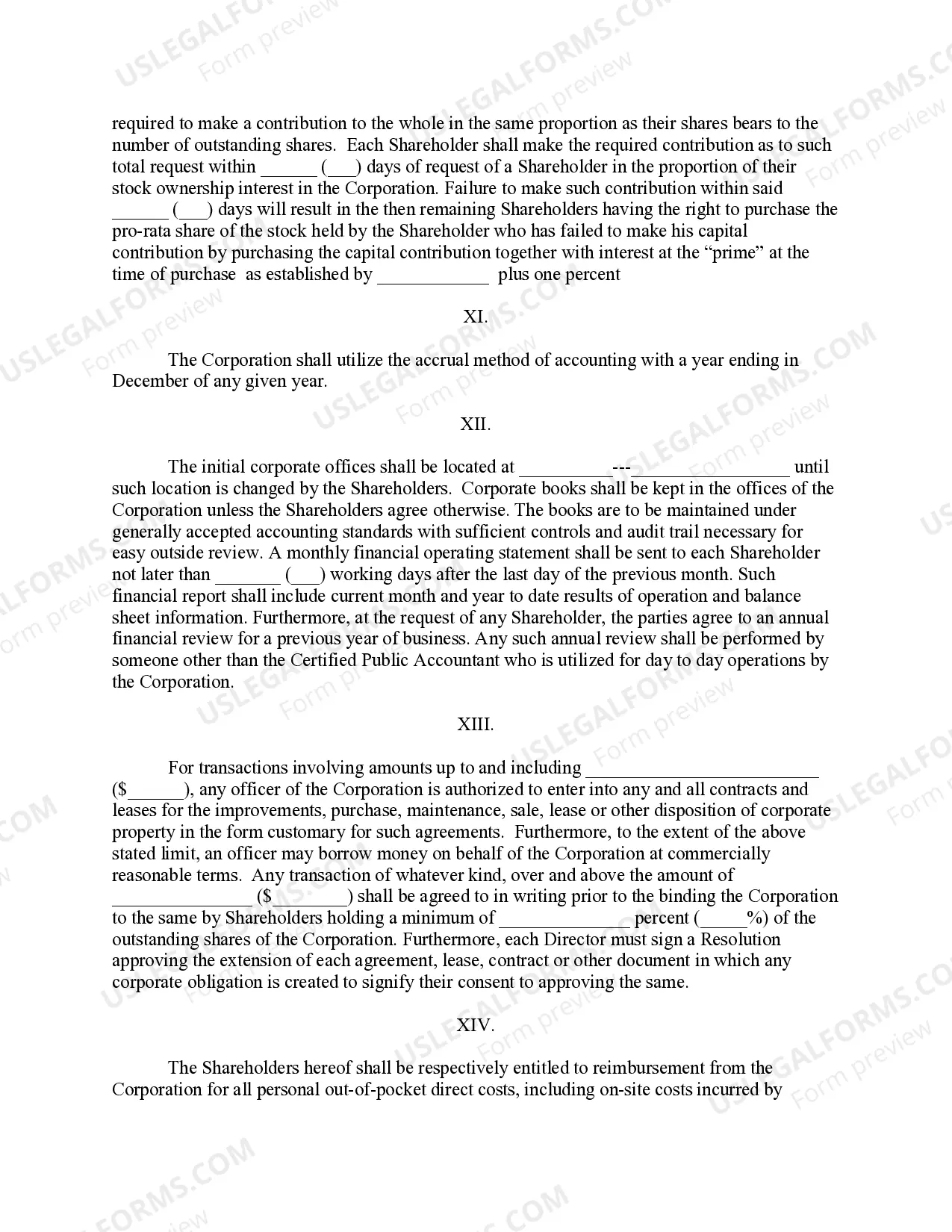
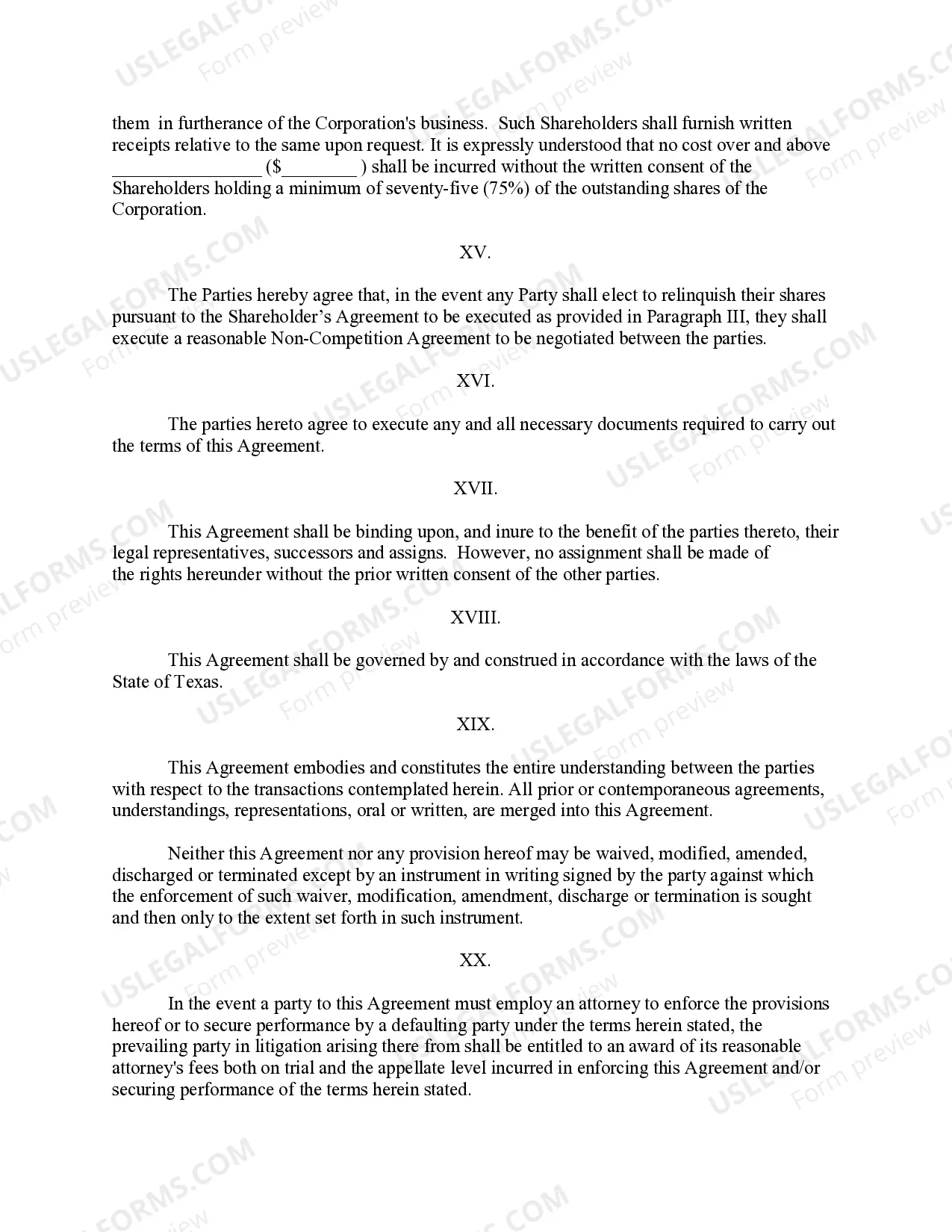
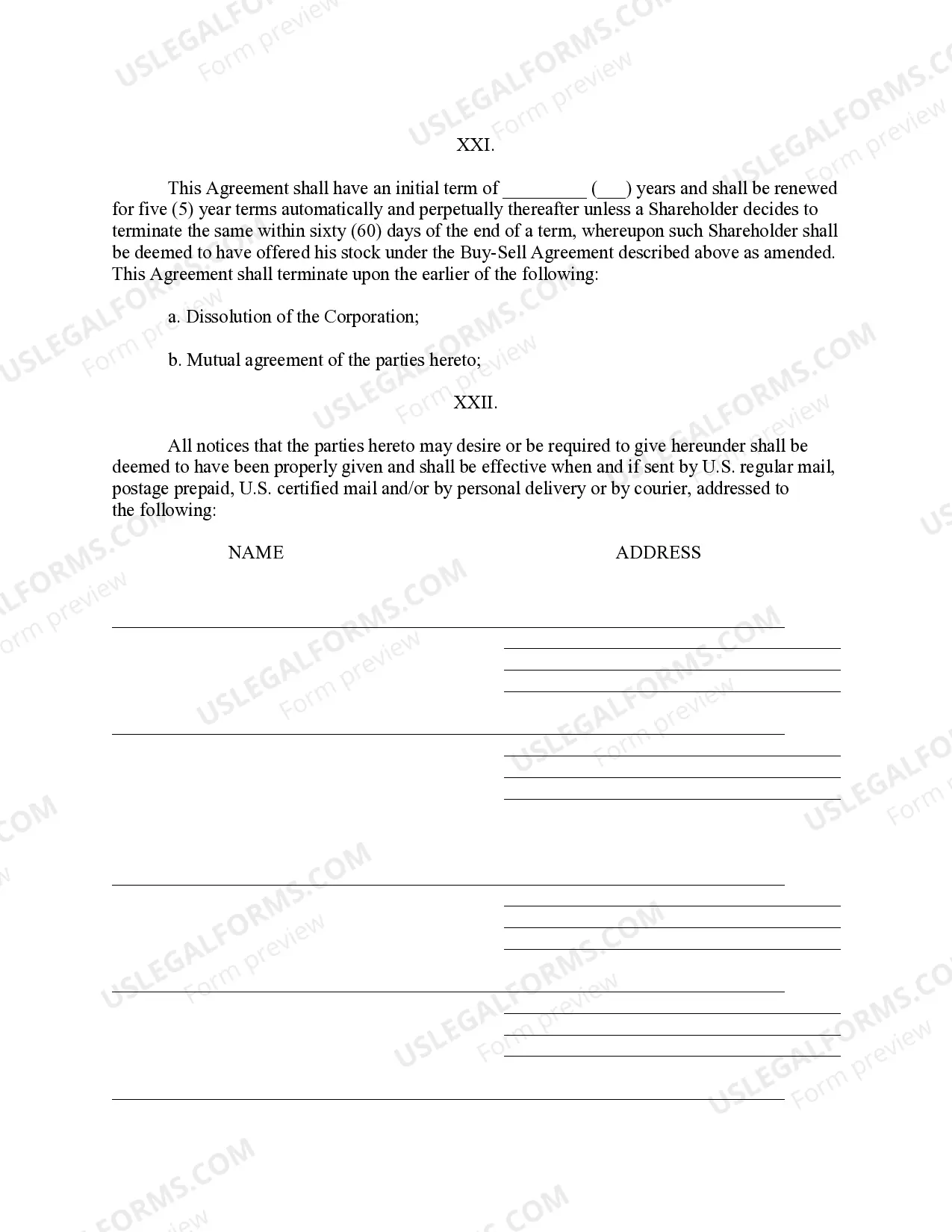
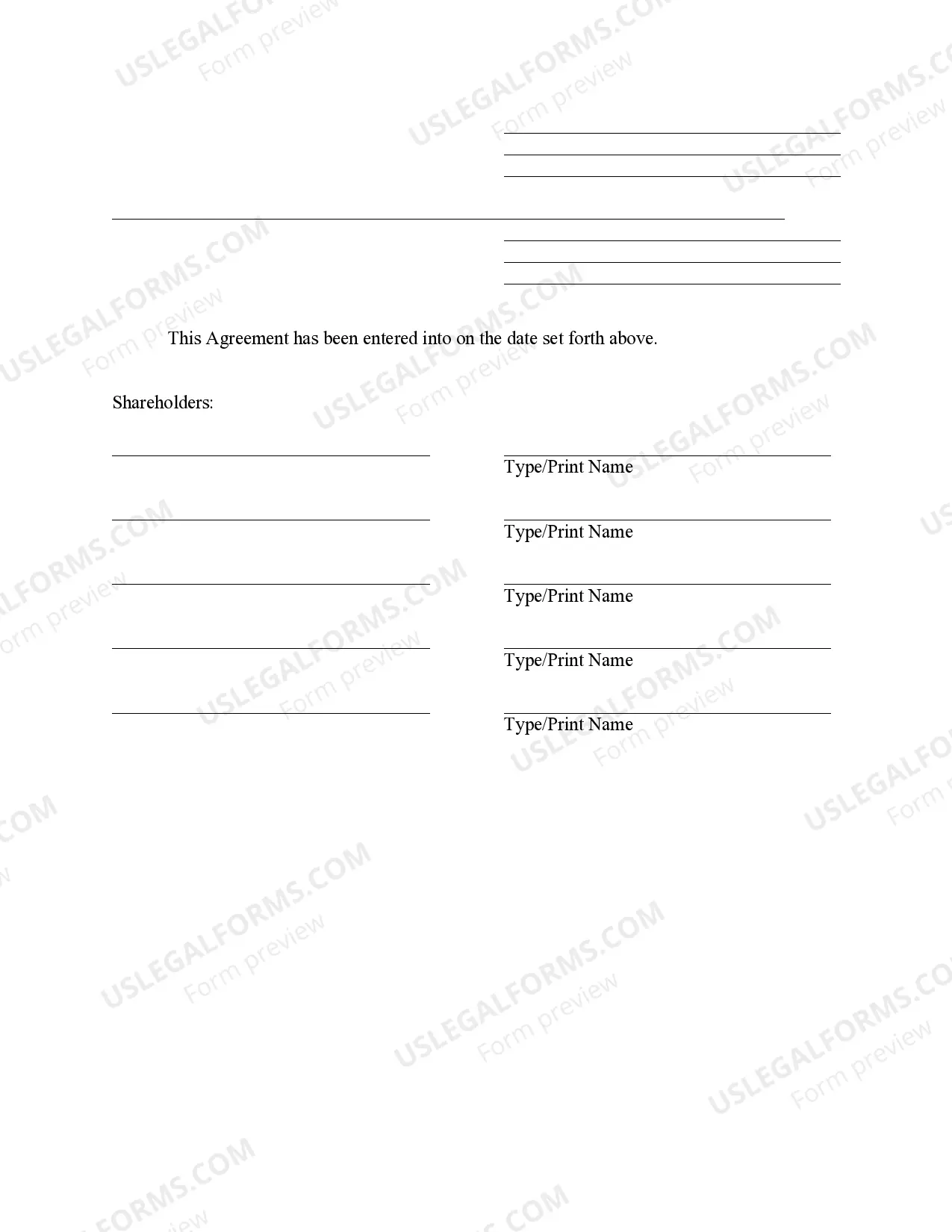
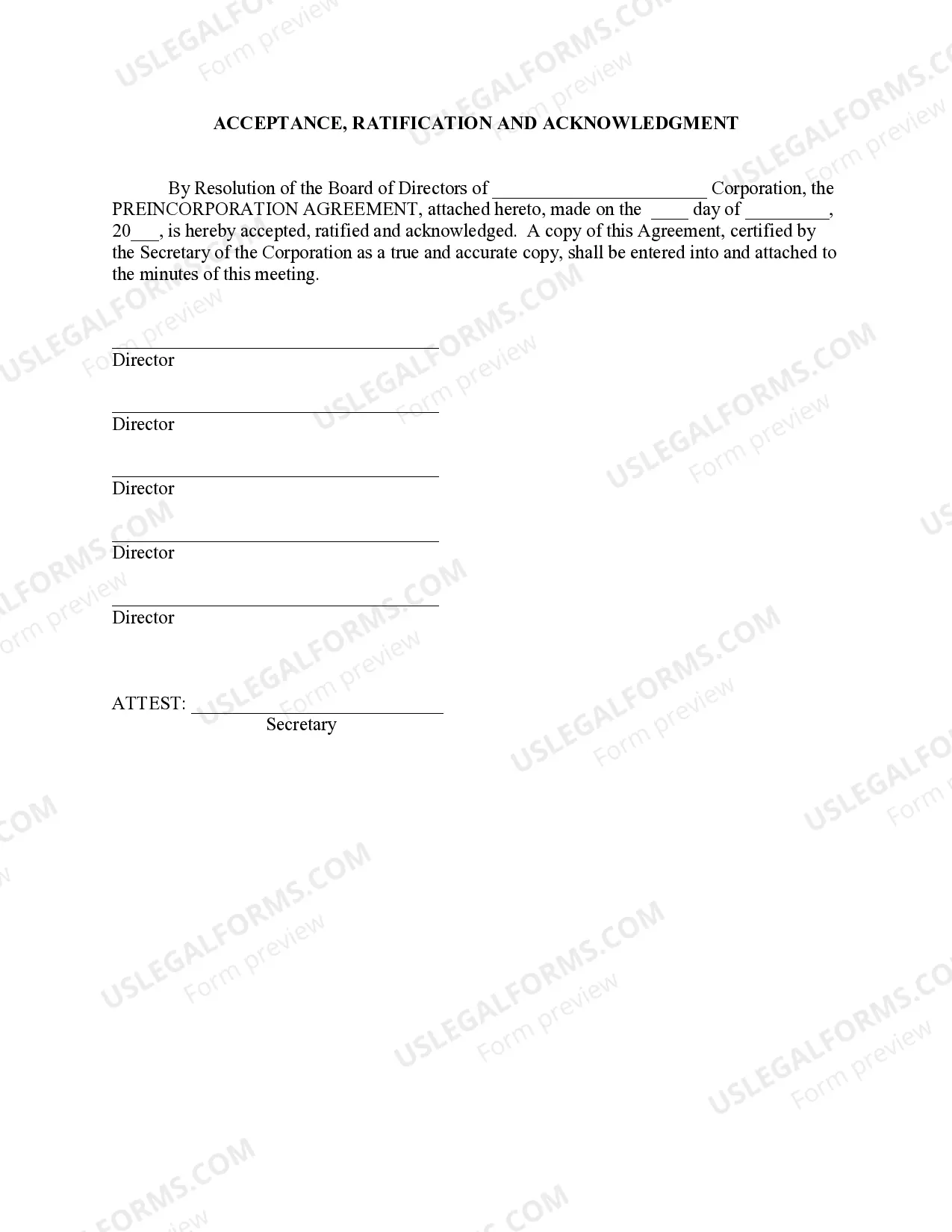
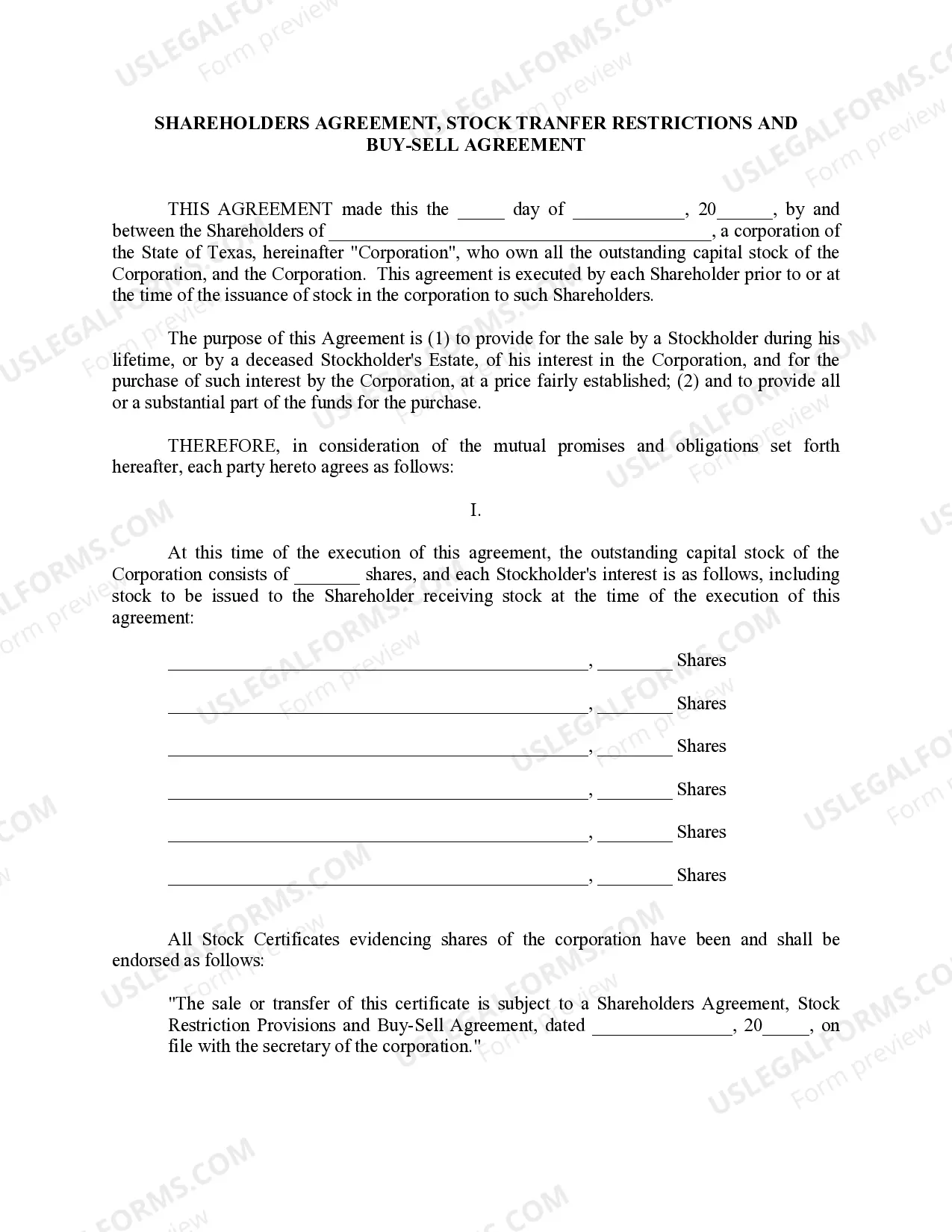
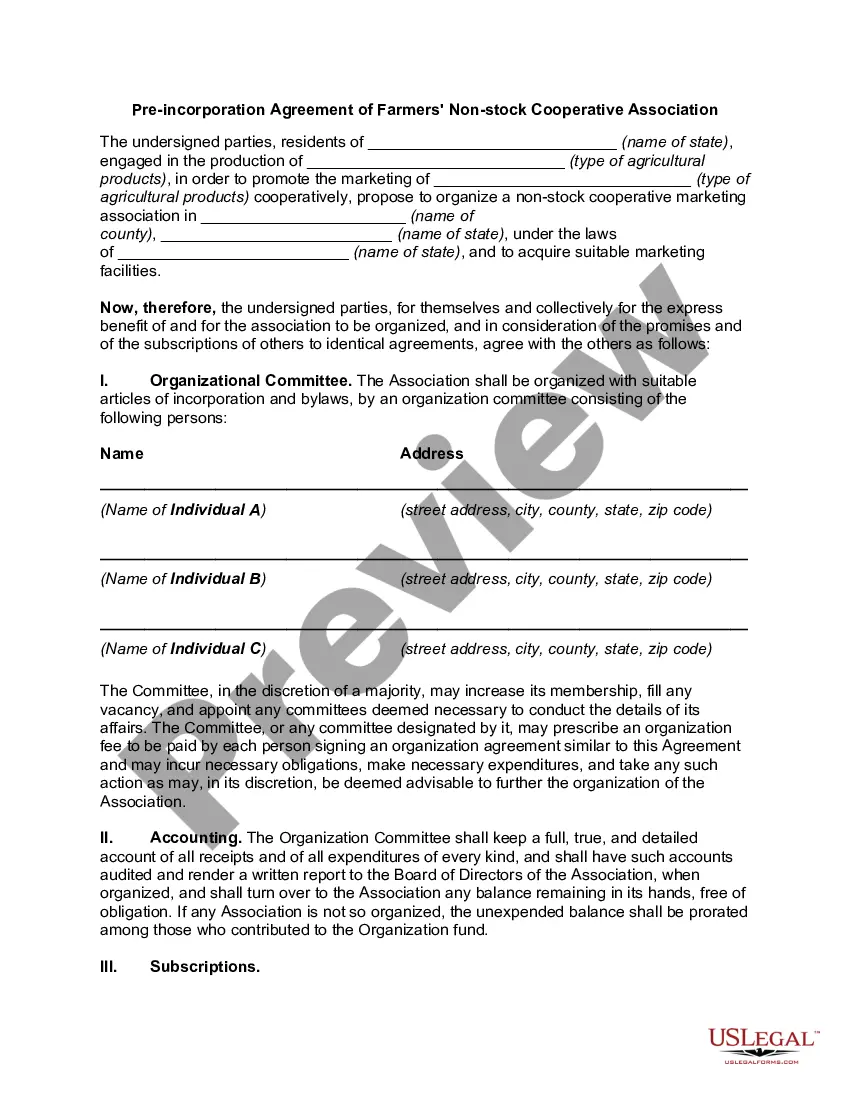
The Texas Pre-Incorporation Agreement, Shareholders Agreement, and Confidentiality Agreement package is a comprehensive set of documents designed for the establishment and management of a corporation in Texas. This package includes a pre-incorporation agreement outlining the operational structure and decision-making process, a shareholders agreement that governs the buying and selling of shares, and a confidentiality agreement to protect sensitive corporate information. Each component plays a crucial role in ensuring the corporation operates smoothly and adheres to the agreed terms among shareholders.
Main sections of this form
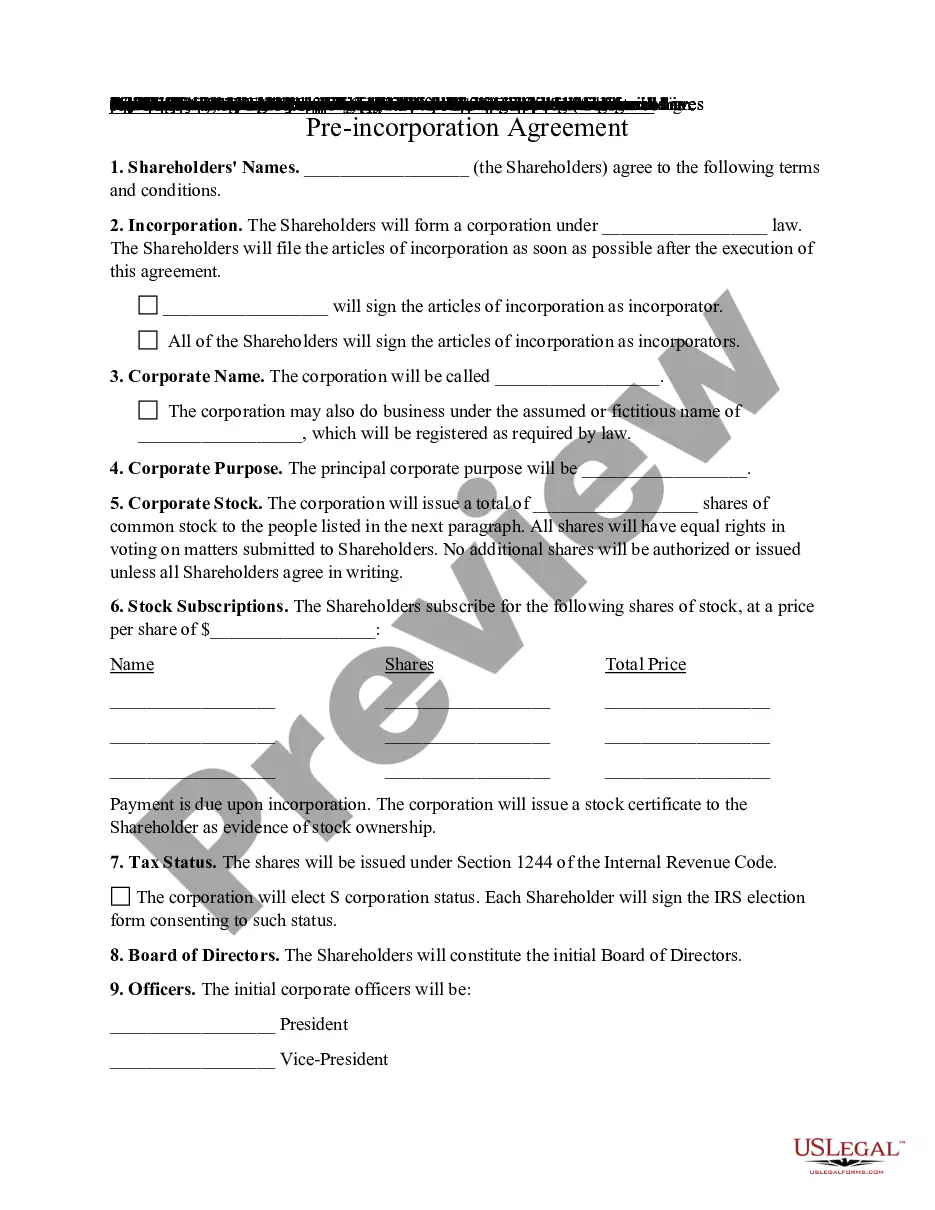
- Pre-incorporation Agreement: Defines how the corporation will be managed and operated.
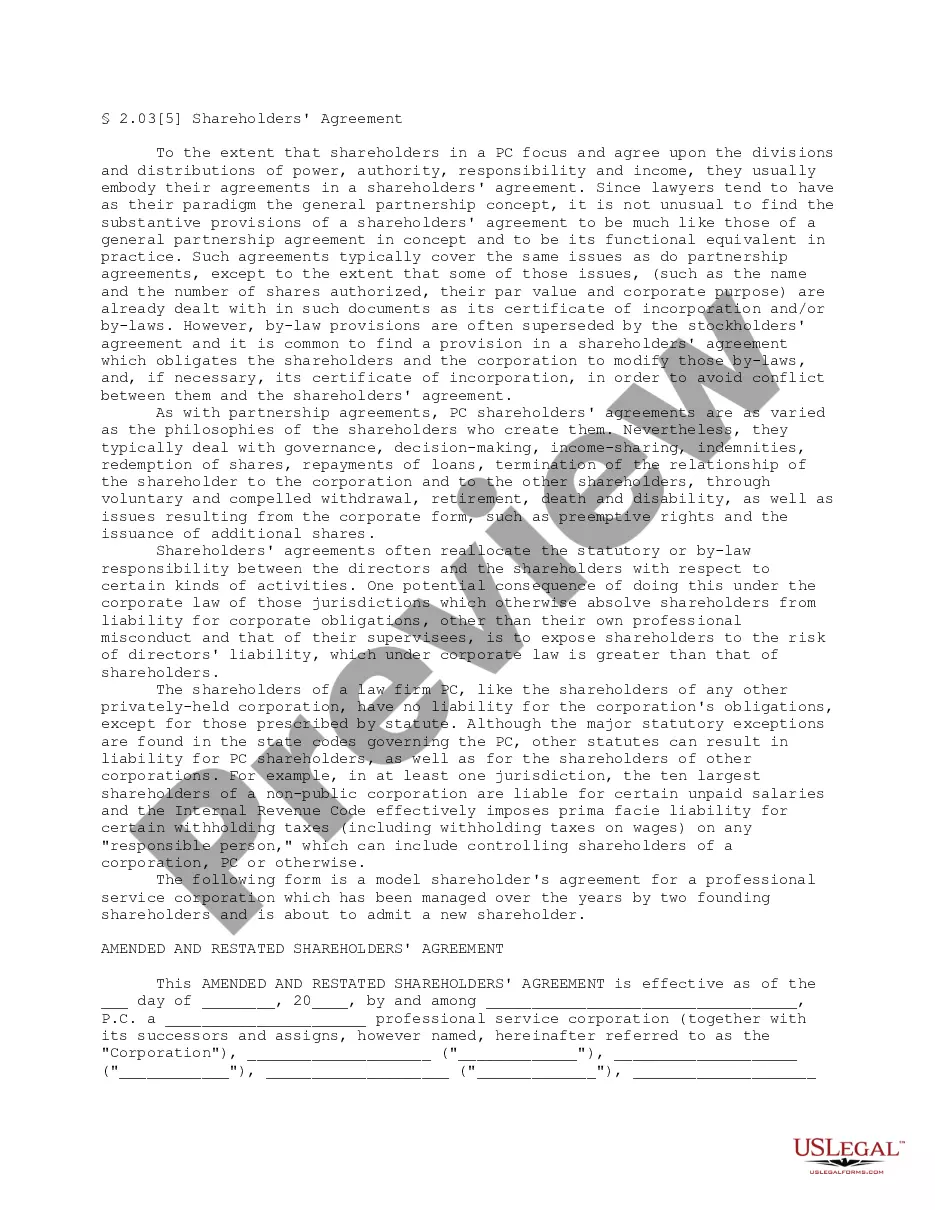
- Shareholders Agreement: Outlines terms for buying and selling shares among shareholders, particularly in cases of death or desire to sell.
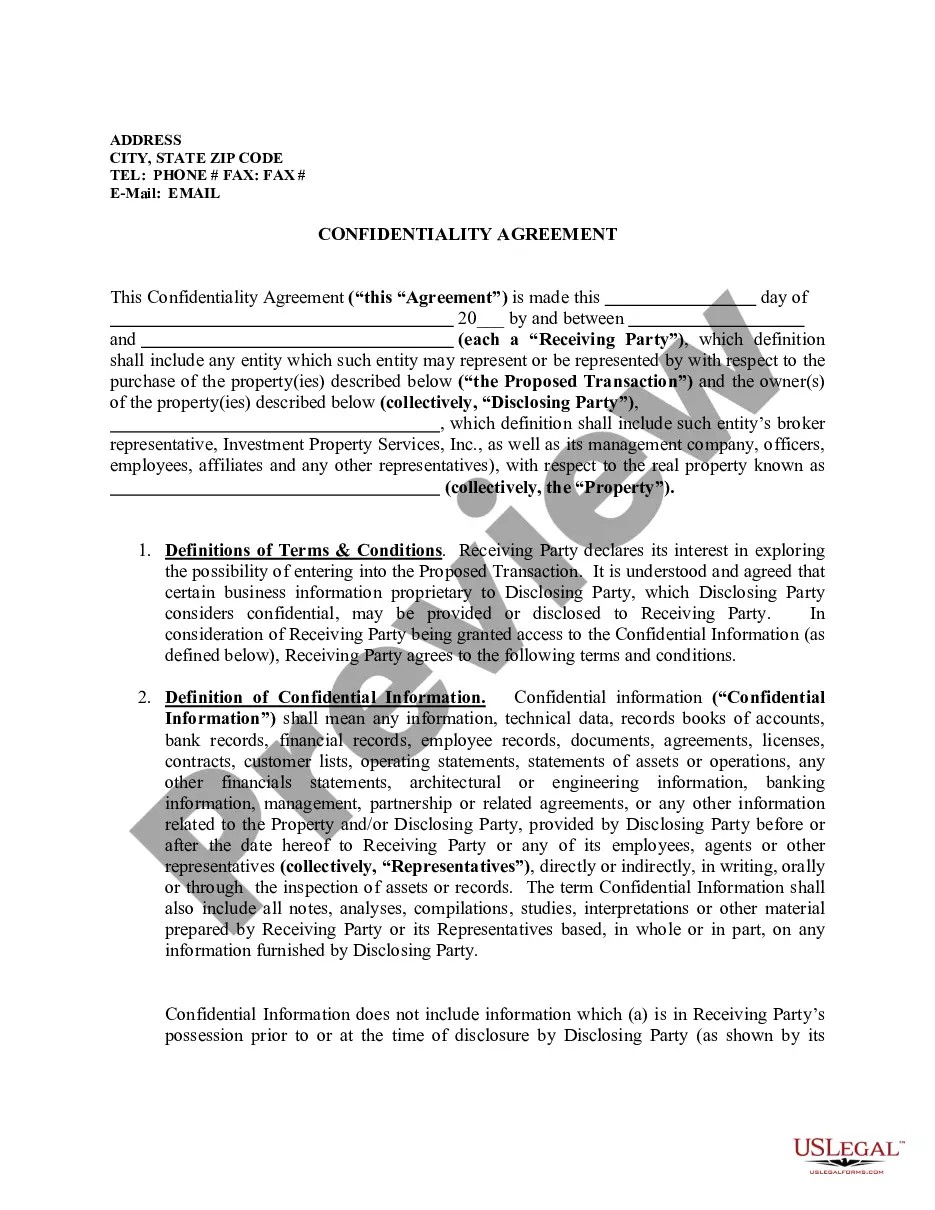
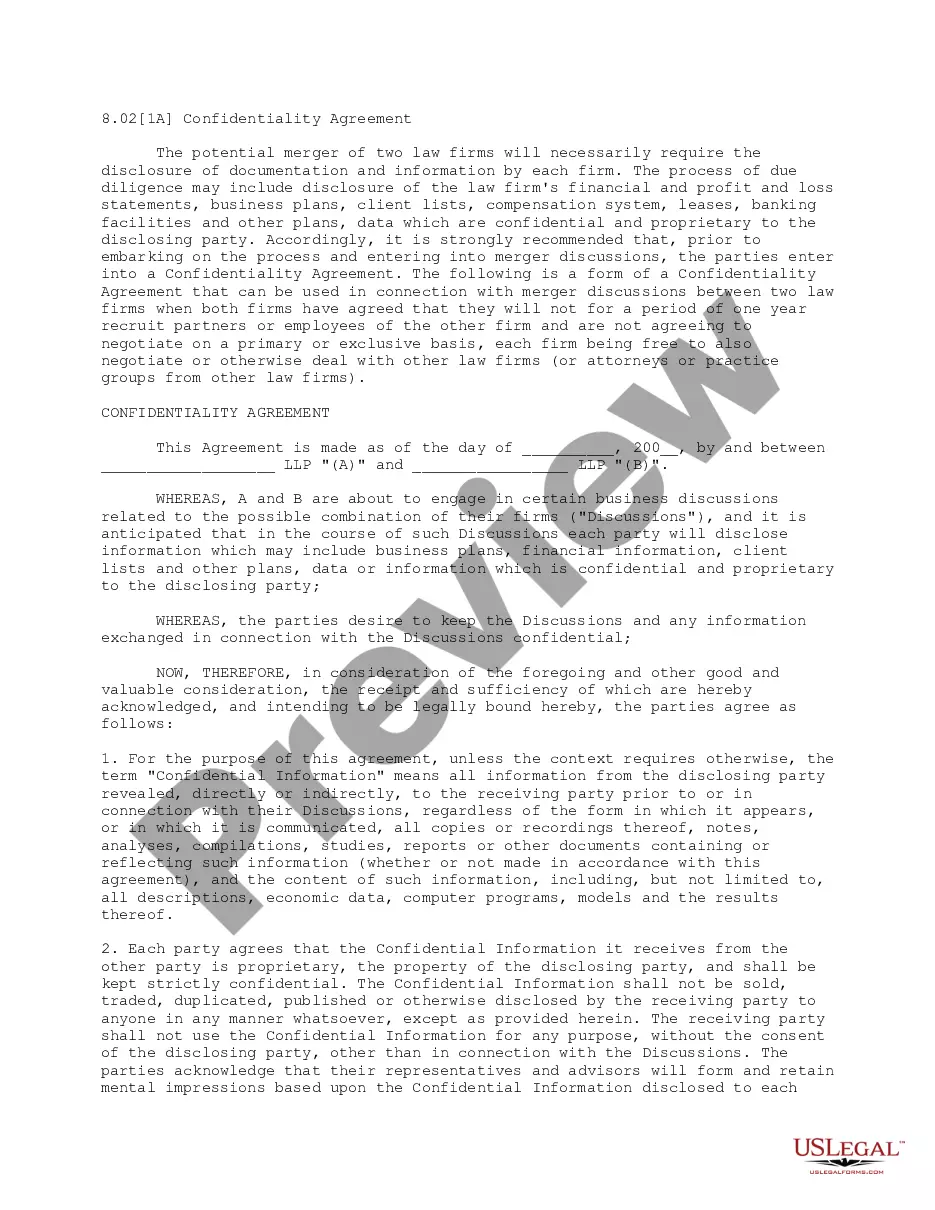
- Confidentiality Agreement: Ensures specific corporate information remains confidential among shareholders.
- Terms for capital contributions and officer/director election.
- Requirements for financial reporting and maintaining corporate governance.

When this form is needed
This form should be utilized during the initial stages of forming a corporation in Texas, specifically when key stakeholders need to establish operational rules before incorporation. It is particularly relevant when shareholders need to agree on share ownership terms, manage the transfer of shares in special situations (like death), and protect confidential company information.
Who can use this document
This form is intended for:
- Founders and initial shareholders of a corporation in Texas.
- Individuals or entities planning to incorporate and requiring a formal agreement on operations.
- Shareholders who wish to ensure their interests are protected with regards to share transfers.
- Any stakeholders needing to establish confidential agreements regarding the corporation's information.
Instructions for completing this form
- Identify the parties involved and enter their names in the agreement.
- Specify the name of the corporation to be formed and the purpose of its establishment.
- Outline the management structure, including the election of directors and their roles.
- Detail the terms regarding capital contributions and share ownership.
- Ensure all parties sign the agreement and retain a copy for their records.
Notarization requirements for this form
Notarization is generally not required for this form. However, certain states or situations might demand it. You can complete notarization online through US Legal Forms, powered by Notarize, using a verified video call available anytime.
Get your form ready online
Our built-in tools help you complete, sign, share, and store your documents in one place.
Make edits, fill in missing information, and update formatting in US Legal Forms—just like you would in MS Word.
Download a copy, print it, send it by email, or mail it via USPS—whatever works best for your next step.
Sign and collect signatures with our SignNow integration. Send to multiple recipients, set reminders, and more. Go Premium to unlock E-Sign.
If this form requires notarization, complete it online through a secure video call—no need to meet a notary in person or wait for an appointment.
We protect your documents and personal data by following strict security and privacy standards.

Make edits, fill in missing information, and update formatting in US Legal Forms—just like you would in MS Word.

Download a copy, print it, send it by email, or mail it via USPS—whatever works best for your next step.

Sign and collect signatures with our SignNow integration. Send to multiple recipients, set reminders, and more. Go Premium to unlock E-Sign.

If this form requires notarization, complete it online through a secure video call—no need to meet a notary in person or wait for an appointment.

We protect your documents and personal data by following strict security and privacy standards.
Common mistakes to avoid
- Failing to specify the name of the corporation accurately.
- Not including all necessary parties in the agreements.
- Omitting essential terms of share transfer and ownership agreement.
- Neglecting to keep a signed copy for all involved parties.
Benefits of completing this form online
- Convenience: Complete and download the forms from anywhere with internet access.
- Editability: Make changes as needed before finalizing the document.
- Reliability: Access forms prepared by licensed attorneys, ensuring legal compliance.
Looking for another form?
Form popularity
FAQ
There is no legal requirement for a limited company to have a Shareholders Agreement, but I strongly recommend every limited company to have one, even if it is just you and your spouse (and perhaps more so!) A Shareholders Agreement governs and regulates the relationship between shareholders.
Each shareholder must sign the Shareholders' Agreement.If there was ever a conflict in the future concerning the Agreement and you suspect that one or more shareholders may deny ever having seen or signed the Shareholder Agreement then maybe all signatures should be notarized.
Introduction. Why have a Shareholders' Agreement? Identify the interests of the Shareholders. Identify Shareholder Value. Identify who will make decisions - Shareholders or Directors? Decide how the voting power of Shareholders should add up. Decide on the issues that the Shareholders' Agreement should cover.
What is a shareholders' agreement? A shareholders' agreement is an agreement entered into between all or some of the shareholders in a company. It regulates the relationship between the shareholders, the management of the company, ownership of the shares and the protection of the shareholders.
Is a shareholders agreement legally binding? Once a shareholders agreement has been signed it should be legally binding, provided that it complies with the usual 4 aspects of a contract: offer, acceptance, consideration and an intention to create legal relations.
This is because a shareholders agreement is a contract between the shareholders and as such any action taken in breach of it may lead to a right to claim damages, but will usually not affect the legal validity of the act complained of.
Common problem areas include the following: Directors -v- members. Transfer of shares. Approving a change in business direction. Managing changes in the roles shareholders play. Injection of debt. Competition. Exit.
An agreement can provide for many eventualities including the financing of the company, the management of the company, the dividend policy, the procedure to be followed on a transfer of shares, deadlock situations and valuation of the shares. What different types of shareholders' agreements are there?
Normally an agreement can only be changed by unanimous agreement among the shareholders or partners. A deed of variation, or an entirely new agreement, will need to be drawn up and signed by all the shareholders or partners.