Tennessee Notice of Default in Payment of Rent as Warning Prior to Demand to Pay or Terminate for Residential Property
About this form
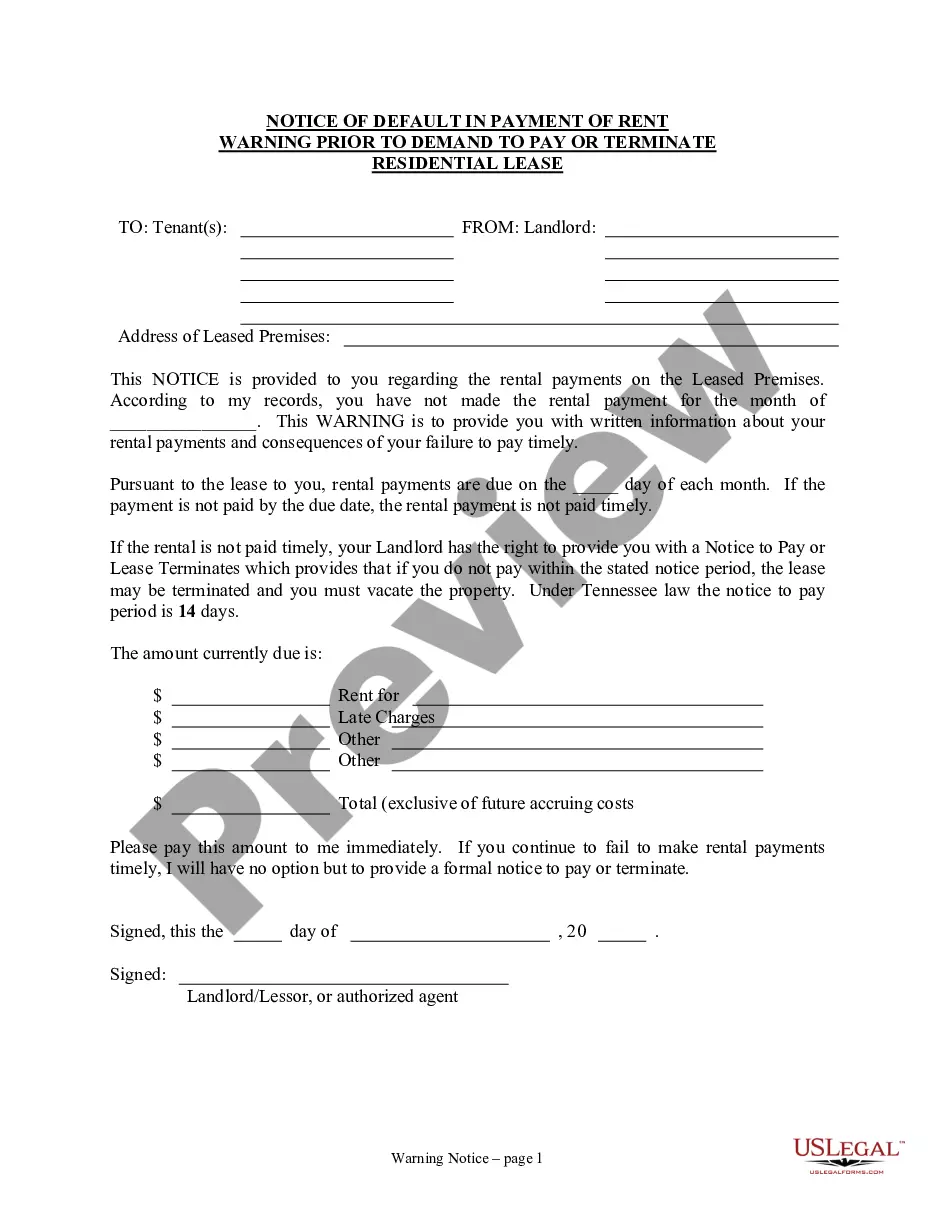
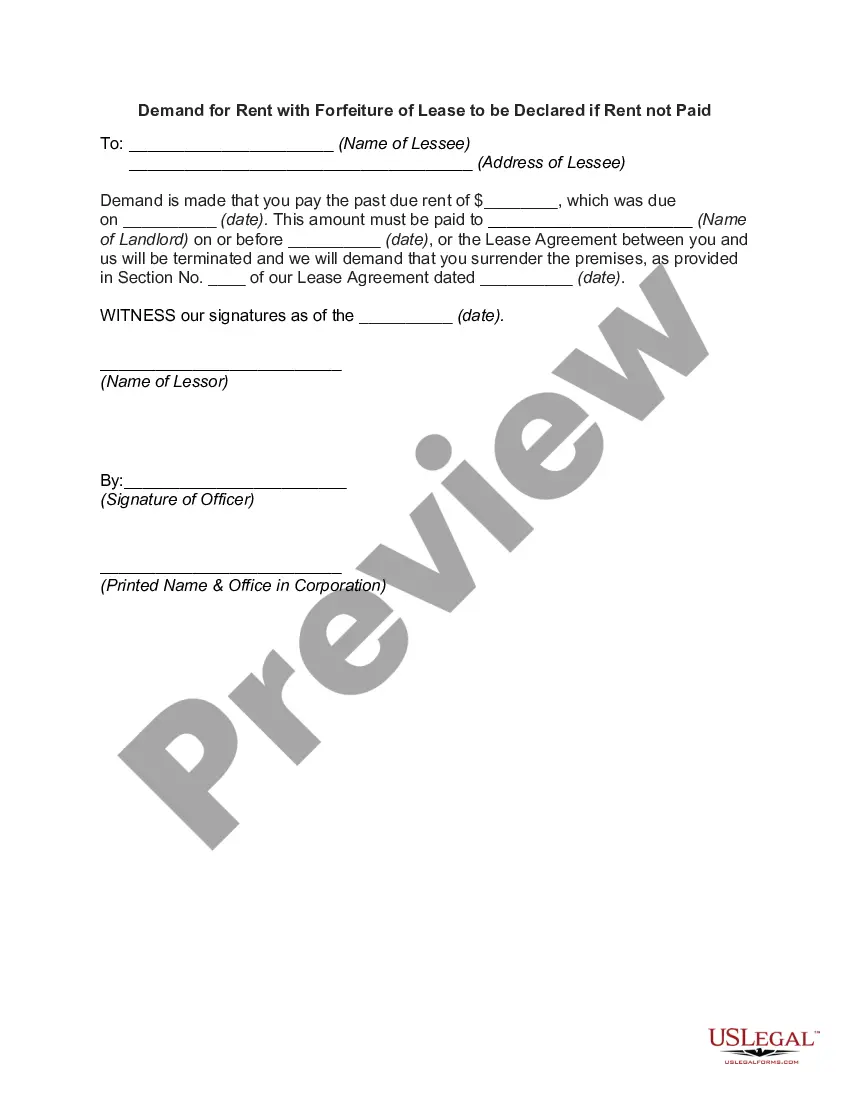
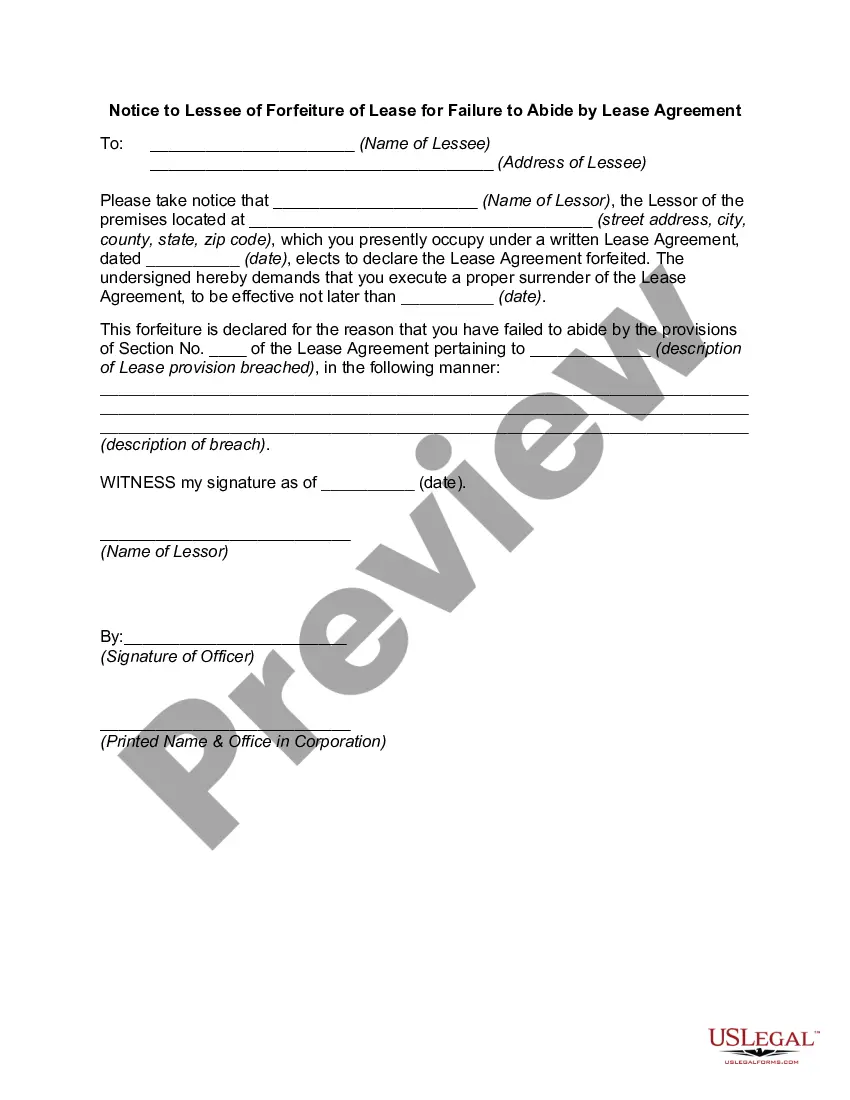
This Notice of Default in Payment of Rent as Warning Prior to Demand to Pay or Terminate for Residential Property is a crucial legal document used by landlords to inform tenants of overdue rent payments. This form serves as a formal warning, providing details about payment defaults before proceeding with a demand for payment or potential lease termination. Unlike other notices, this form specifically addresses residential properties and alerts tenants to the consequences of not fulfilling their rental obligations.
Form components explained
- Tenant's name and address of the rental property.
- The month for which rent payment is overdue.
- The specified due date for rent payments according to the lease.
- A statement of the total amount due, including any late charges.
- Warning about potential lease termination if payment is not made promptly.
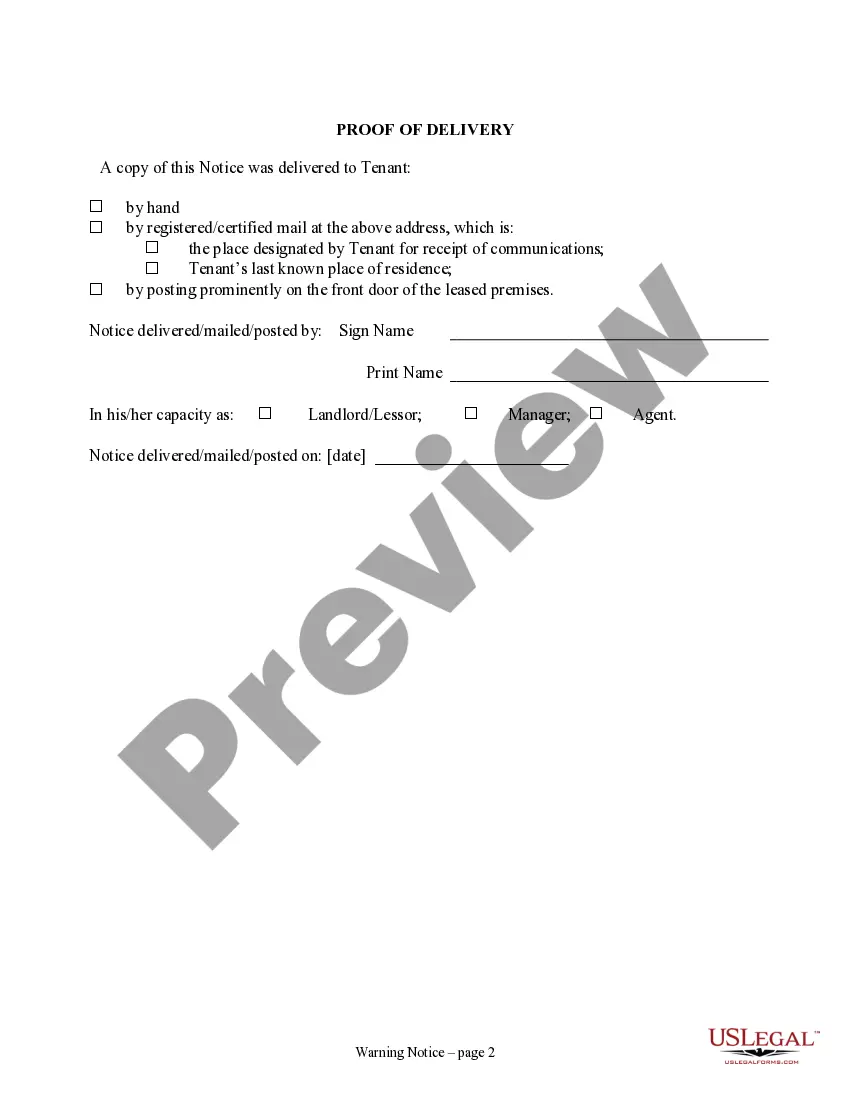
- Signature of the landlord or authorized agent and delivery proof instructions.


Situations where this form applies
This form should be used when a tenant has failed to make rent payments by the due date. It is particularly useful as a preliminary notice, notifying the tenant of their default status before the landlord takes further action, such as issuing a Notice to Pay or Lease Terminates. Utilizing this notice helps establish clear communication and documentation about the rental payment issue, potentially preventing future legal disputes.
Intended users of this form
- Landlords renting residential properties.
- Property managers acting on behalf of landlords.
- Real estate investors managing rental properties.
- Tenants who wish to understand their rights regarding overdue rent notifications.
Completing this form step by step
- Identify the parties involved: list the tenant(s) and landlord with their addresses.
- Enter the month and year for which rent has not been paid.
- Specify the due date for rental payments as outlined in the lease.
- Calculate and input the total amount due, including any applicable late charges.
- Sign and date the form to validate the notice.
- Deliver the notice to the tenant as indicated in the proof of delivery section.
Is notarization required?
Notarization is generally not required for this form. However, certain states or situations might demand it. You can complete notarization online through US Legal Forms, powered by Notarize, using a verified video call available anytime.
Get your form ready online
Our built-in tools help you complete, sign, share, and store your documents in one place.
Make edits, fill in missing information, and update formatting in US Legal Forms—just like you would in MS Word.
Download a copy, print it, send it by email, or mail it via USPS—whatever works best for your next step.
Sign and collect signatures with our SignNow integration. Send to multiple recipients, set reminders, and more. Go Premium to unlock E-Sign.
If this form requires notarization, complete it online through a secure video call—no need to meet a notary in person or wait for an appointment.
We protect your documents and personal data by following strict security and privacy standards.
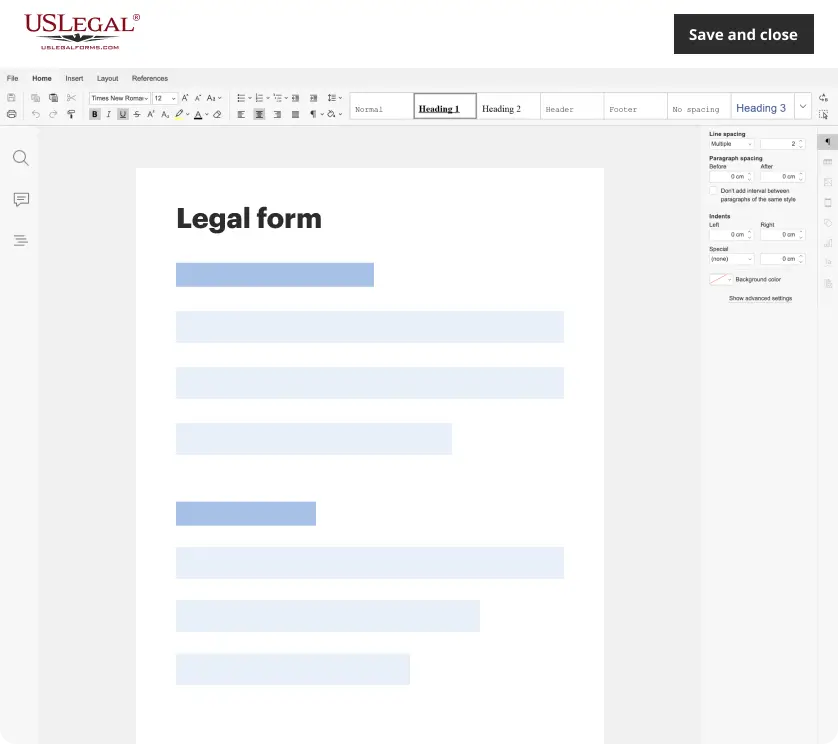
Make edits, fill in missing information, and update formatting in US Legal Forms—just like you would in MS Word.
Download a copy, print it, send it by email, or mail it via USPS—whatever works best for your next step.
Sign and collect signatures with our SignNow integration. Send to multiple recipients, set reminders, and more. Go Premium to unlock E-Sign.
If this form requires notarization, complete it online through a secure video call—no need to meet a notary in person or wait for an appointment.
We protect your documents and personal data by following strict security and privacy standards.
Typical mistakes to avoid
- Failing to specify the month for which rent is overdue.
- Not signing and dating the notice.
- Neglecting proper delivery methods, which can invalidate the notice.
- Incorrectly calculating late fees or total amounts due.
Why use this form online
- Convenient access to professional templates drafted by licensed attorneys.
- Editable fields allow for quick customization to fit specific situations.
- Provides reliability and clarity, reducing uncertainty in legal communications.
Legal use & context
- This notice serves as a formal warning to tenants, which is often required before initiating eviction proceedings.
- It provides documentation that the landlord has notified the tenant of default, which can be crucial if legal action becomes necessary.
- Properly completing and delivering this notice can help protect the landlord's interests and reinforce the terms of the lease agreement.
Main things to remember
- Use this notice early to encourage tenants to pay overdue rent and avoid lease termination.
- Accurate completion and delivery of the form are vital for legal compliance.
- This form is specific to residential properties in Tennessee, reflecting state laws and procedures.
Looking for another form?
Form popularity
FAQ
Your landlord can end the let at any time by serving a written 'notice to quit'. The notice period will depend on the tenancy or agreement, but is often at least 4 weeks.
Notice Requirements for Tennessee Landlords A landlord can simply give you a written notice to move, allowing you 30 days as required by Tennessee law and specifying the date on which your tenancy will end.
Tenant Rights to Withhold Rent in Tennessee Tenants may withhold rent or exercise the right to repair and deduct if a landlord fails to take care of important repairs, such as a broken heater.
The first thing a landlord must do is provide the tenant with a written notice that an eviction will occur in 30 days if the tenant does not comply with the terms of the lease within 14 days. This notice is required by T.C.A. Section 66-28-505.
Title 66 - Property. Chapter 28 - Uniform Residential Landlord and Tenant Act. (b) The landlord may enter the premises without consent of the tenant in case of emergency.
If a tenant does not pay the outstanding rent by the fourteenth day, they have 16 days to vacate the property. If a tenant does not leave the property by the end of the 16-day period (30 days after the landlord delivered the notice to quit) the landlord can go to court to request a detainer warrant for the tenant.
You are responsible for: paying your rent on time, paying any late fees, keeping the place clean and safe, not letting anyone else damage it, not breaking the law, disposing of your garbage, and following your landlord's rules. If you break your lease, then it may become a legal issue.