Tennessee Letter from Tenant to Landlord about Landlord using Unlawful Self-Help to Gain Possession
Understanding this form
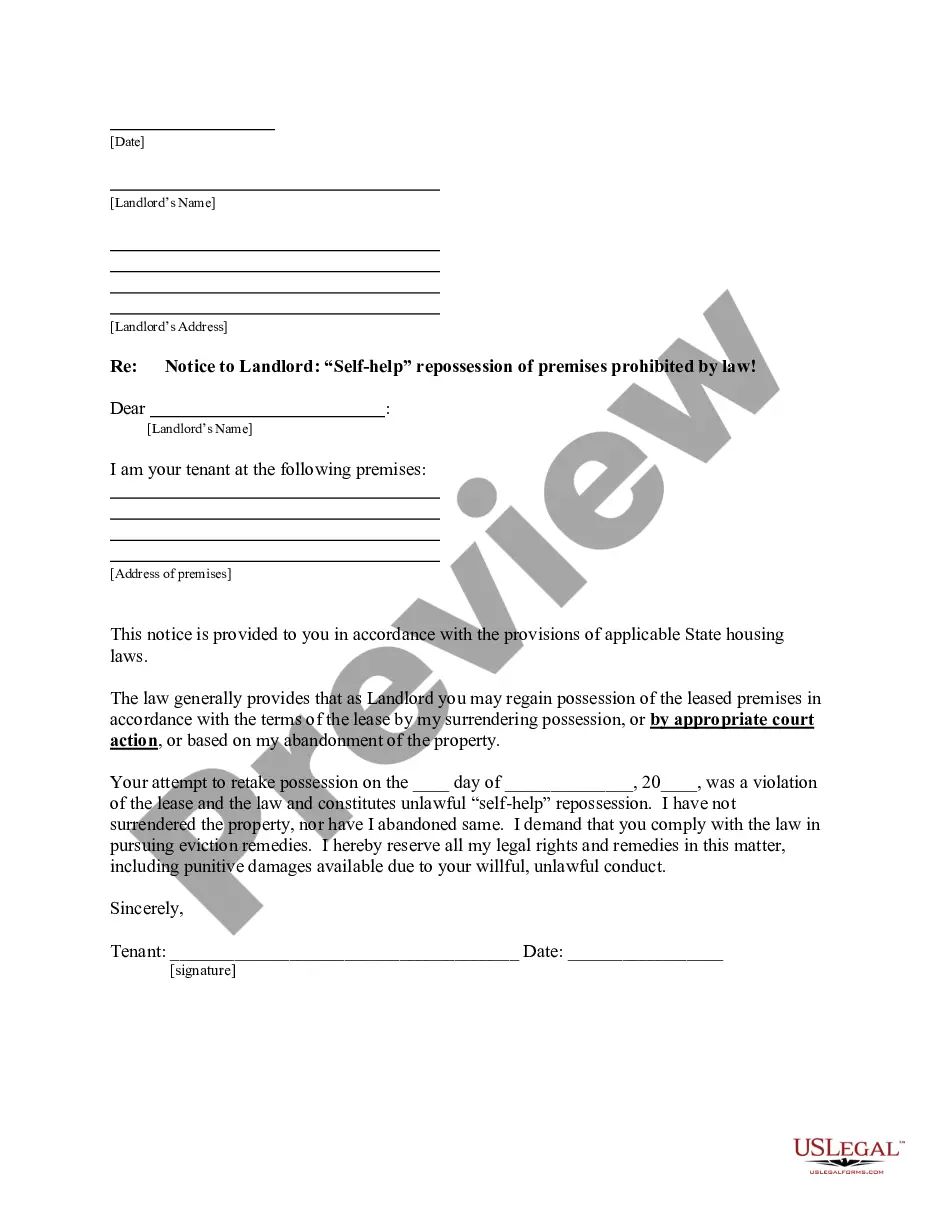
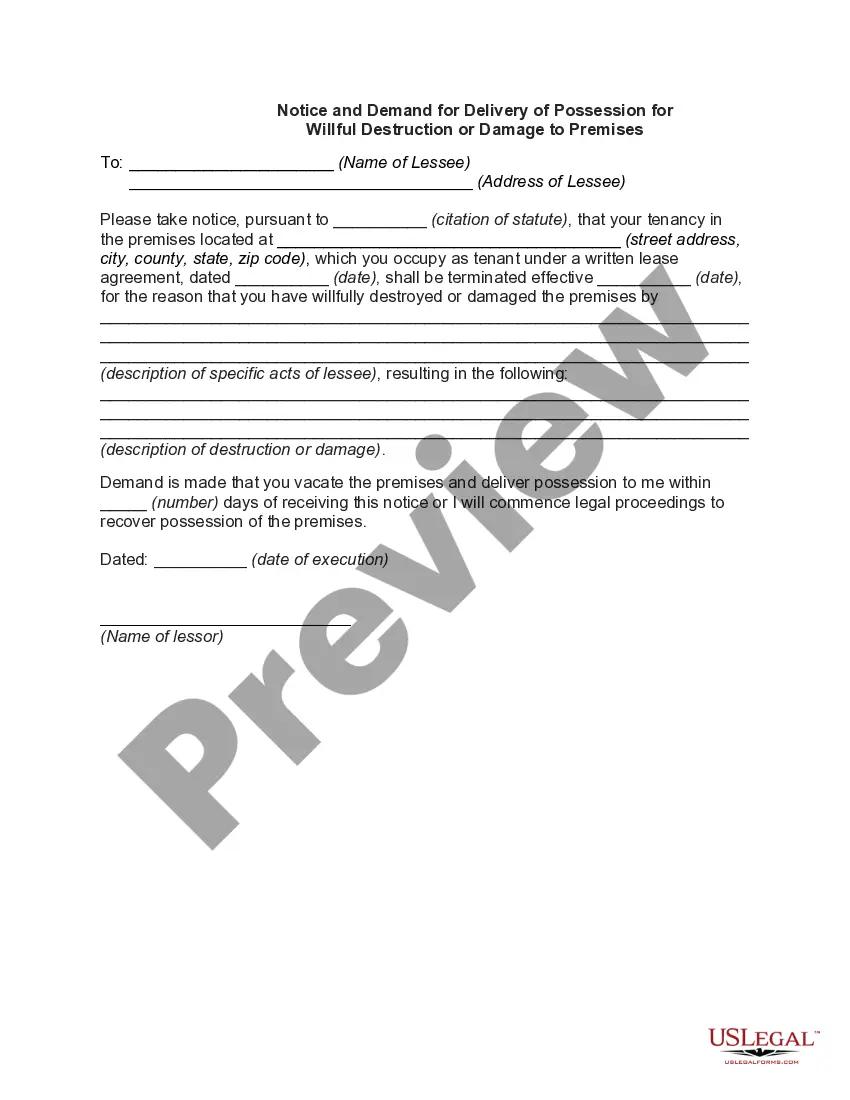
This form is a Letter from Tenant to Landlord about Landlord using Unlawful Self-Help to Gain Possession. It serves as a formal notification to the landlord that their actions to regain possession of the rental property are illegal. Unlike standard eviction notices, this letter emphasizes the tenant's legal rights and the proper legal procedures needed for possession recovery, ensuring the landlord understands that unlawful self-help methods are prohibited by law.
Main sections of this form
- Identification of the landlord's unlawful actions
- Statement confirming the tenant has not abandoned the property
- A demand for the landlord to comply with legal eviction procedures
- Reservation of the tenant's legal rights
- Spaces for dates and signatures for both parties

When to use this document
This letter should be used when a tenant believes their landlord is attempting to regain possession of the rented space through unlawful self-help tactics, such as changing locks or removing the tenant's belongings without following the proper legal eviction process. It can help the tenant assert their rights and formally communicate the landlord's legal obligations.
Intended users of this form
- Tenants facing eviction attempts by their landlord
- Individuals who believe their landlord is violating lease terms
- Anyone needing to document unlawful actions by a landlord for legal records
How to complete this form
- Identify the date of the landlord's unlawful action.
- Fill in your name as the tenant and the landlord's name.
- Clearly state that you have not surrendered the property and have not abandoned it.
- Include a demand for the landlord to comply with the law regarding eviction.
- Sign and date the letter before delivering it to the landlord or their authorized agent.
Notarization guidance
In most cases, this form does not require notarization. However, some jurisdictions or signing circumstances might. US Legal Forms offers online notarization powered by Notarize, accessible 24/7 for a quick, remote process.
Get your form ready online
Our built-in tools help you complete, sign, share, and store your documents in one place.
Make edits, fill in missing information, and update formatting in US Legal Forms—just like you would in MS Word.
Download a copy, print it, send it by email, or mail it via USPS—whatever works best for your next step.
Sign and collect signatures with our SignNow integration. Send to multiple recipients, set reminders, and more. Go Premium to unlock E-Sign.
If this form requires notarization, complete it online through a secure video call—no need to meet a notary in person or wait for an appointment.
We protect your documents and personal data by following strict security and privacy standards.
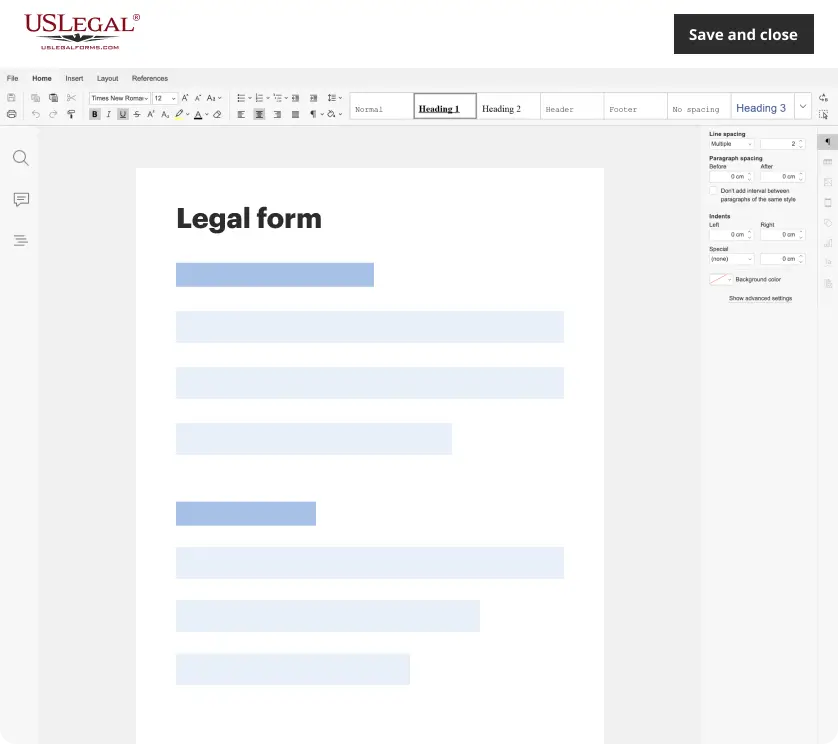
Make edits, fill in missing information, and update formatting in US Legal Forms—just like you would in MS Word.
Download a copy, print it, send it by email, or mail it via USPS—whatever works best for your next step.
Sign and collect signatures with our SignNow integration. Send to multiple recipients, set reminders, and more. Go Premium to unlock E-Sign.

If this form requires notarization, complete it online through a secure video call—no need to meet a notary in person or wait for an appointment.
We protect your documents and personal data by following strict security and privacy standards.
Common mistakes
- Failing to document details of the unlawful action.
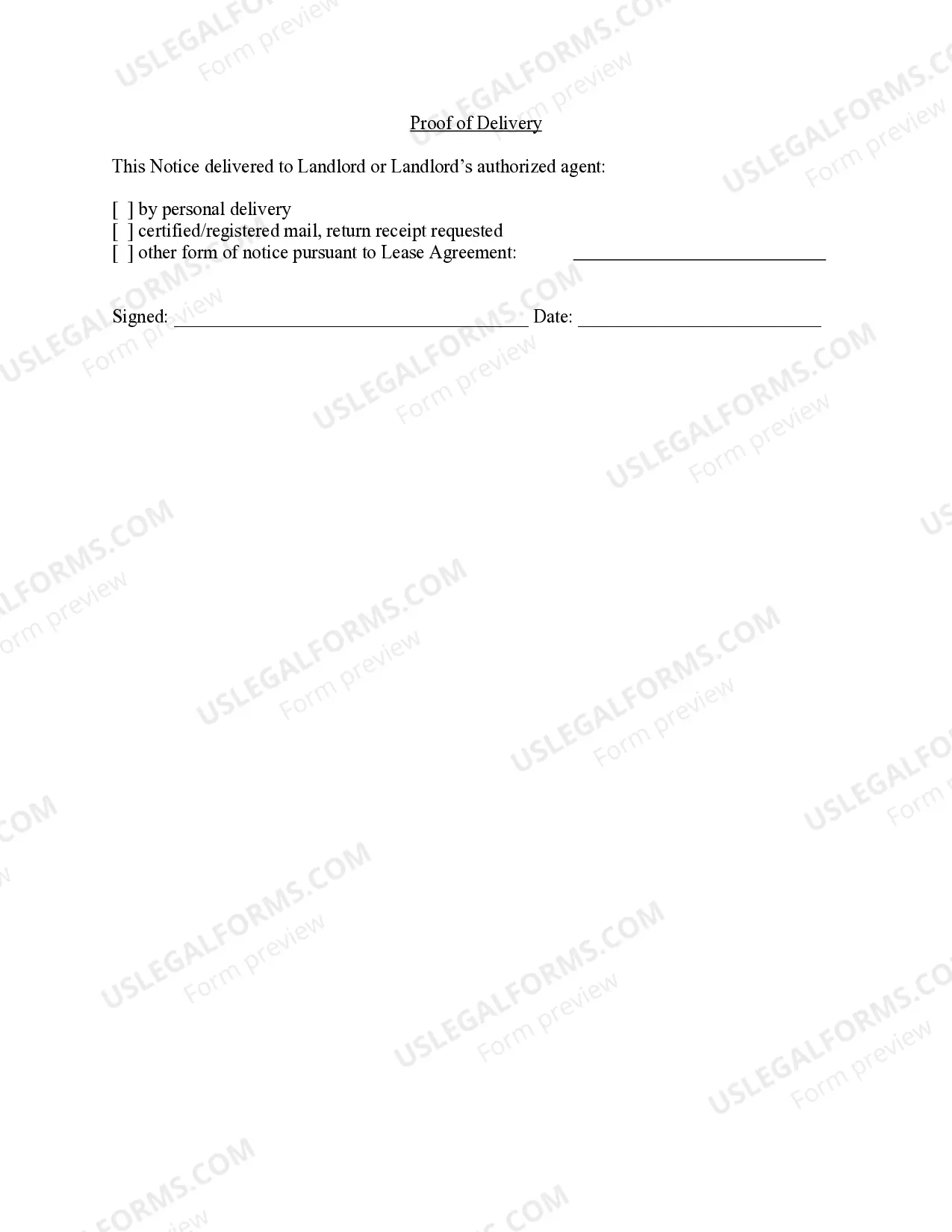
- Not sending the letter through a method that provides proof of delivery.
- Omitting a date or signature from the letter.
Benefits of completing this form online
- Immediate access to a professionally drafted template.
- Editing capabilities allow you to customize the form to your situation.
- Reliability as the form is created by licensed attorneys.
Legal use & context
- This letter serves as a formal legal notice to the landlord of their unlawful actions.
- It protects tenant rights by putting the landlord on notice to comply with legal procedures.
- Failing to adhere to legal eviction methods can result in legal consequences for landlords.
What to keep in mind
- This form is crucial for tenants facing unlawful eviction tactics.
- Clearly state the landlord's unlawful actions and your demands for legal compliance.
- Maintain proof of delivery to safeguard your legal rights.
Looking for another form?
Form popularity
FAQ
Notice Requirements for Tennessee Landlords A landlord can simply give you a written notice to move, allowing you 30 days as required by Tennessee law and specifying the date on which your tenancy will end.
Can I sue in Small Claims Court for emotional distress or lost wages? No. There must be a specific section of landlord-tenant law or a written agreement that has been violated in order to use Small Claims Court, and you can only sue for money owed to you. You cannot sue to force the landlord to do something.
If you think your landlord is violating the Fair Housing Act, you can get that landlord in trouble by filing a complaint at HUD.gov. Your remedy for breach of quiet enjoyment is to terminate the lease and move or sue in small claims court.
Every tenant has a right to enjoy peaceful possession of the property without any disturbance or encumbrance from anyone including the owner. At no point of time under your tenancy can your landlord ask you to evict or leave the premises without assigning a valid reason.
Injury at Rental Property: You could have a case for a lawsuit against your landlord if you are injured at the rental property due to a landlord's neglect. Filing an Illegal Eviction: You can countersue your landlord if you feel your landlord is trying to evict you illegally.
You can recover up to $250,000 in pain and suffering, or any non-economic damages.
Review Your Lease Before You Sign. Research Local Laws. Keep Records. Pay Your Rent. Maintain Respectful Communication. Seek an Agreeable Solution. Request Repairs in Writing. What Do You Think?
Your landlord discriminates against you. Your landlord takes your security deposit illegally. Your rental unit is inhabitable. The property owner interferes with your right to quiet enjoyment. Your landlord fails to make the necessary repairs.
A writ of possession in Tennessee is an order issued by a Tennessee court that permits an owner to recover personal property.