South Dakota Warranty Deed for Parents to Child with Reservation of Life Estate
Overview of this form
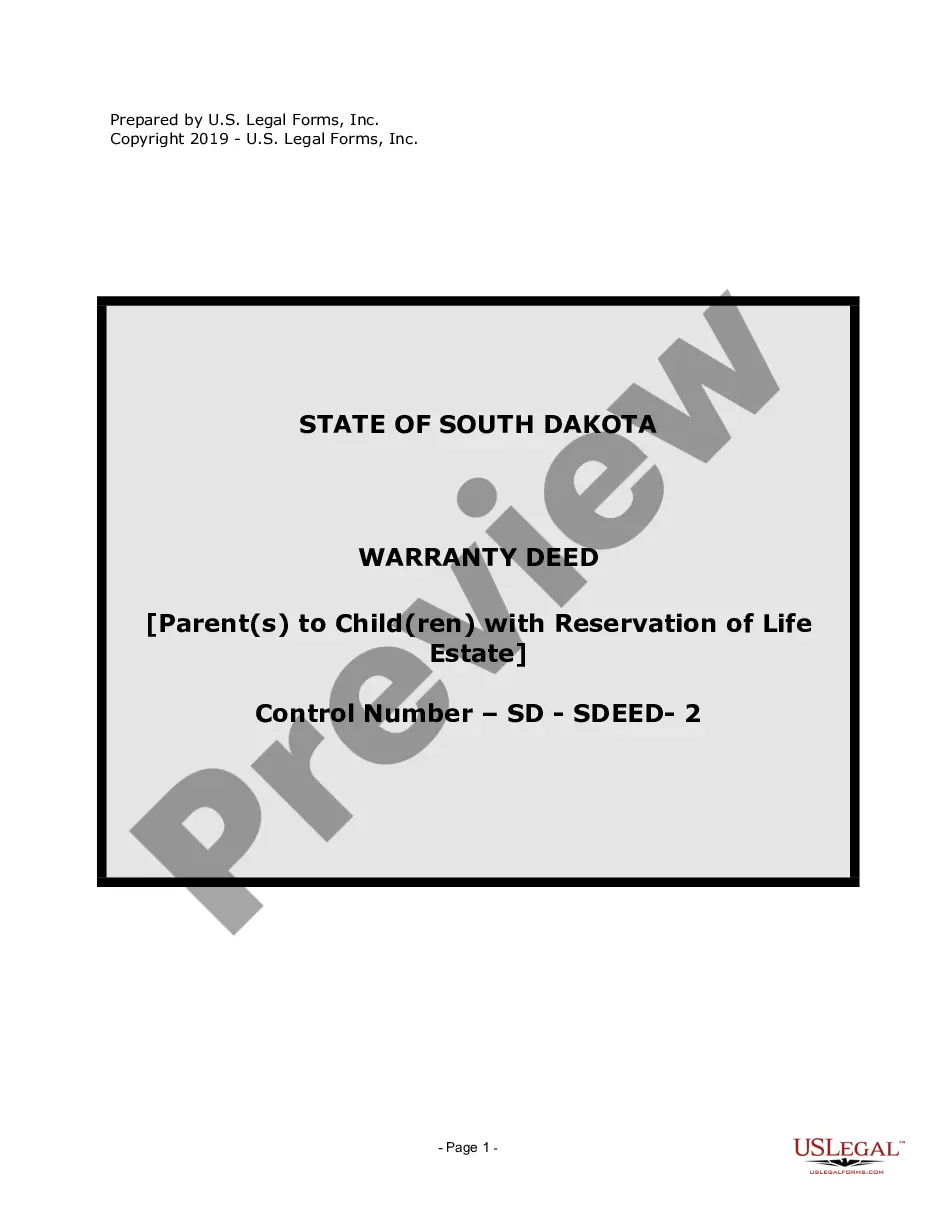
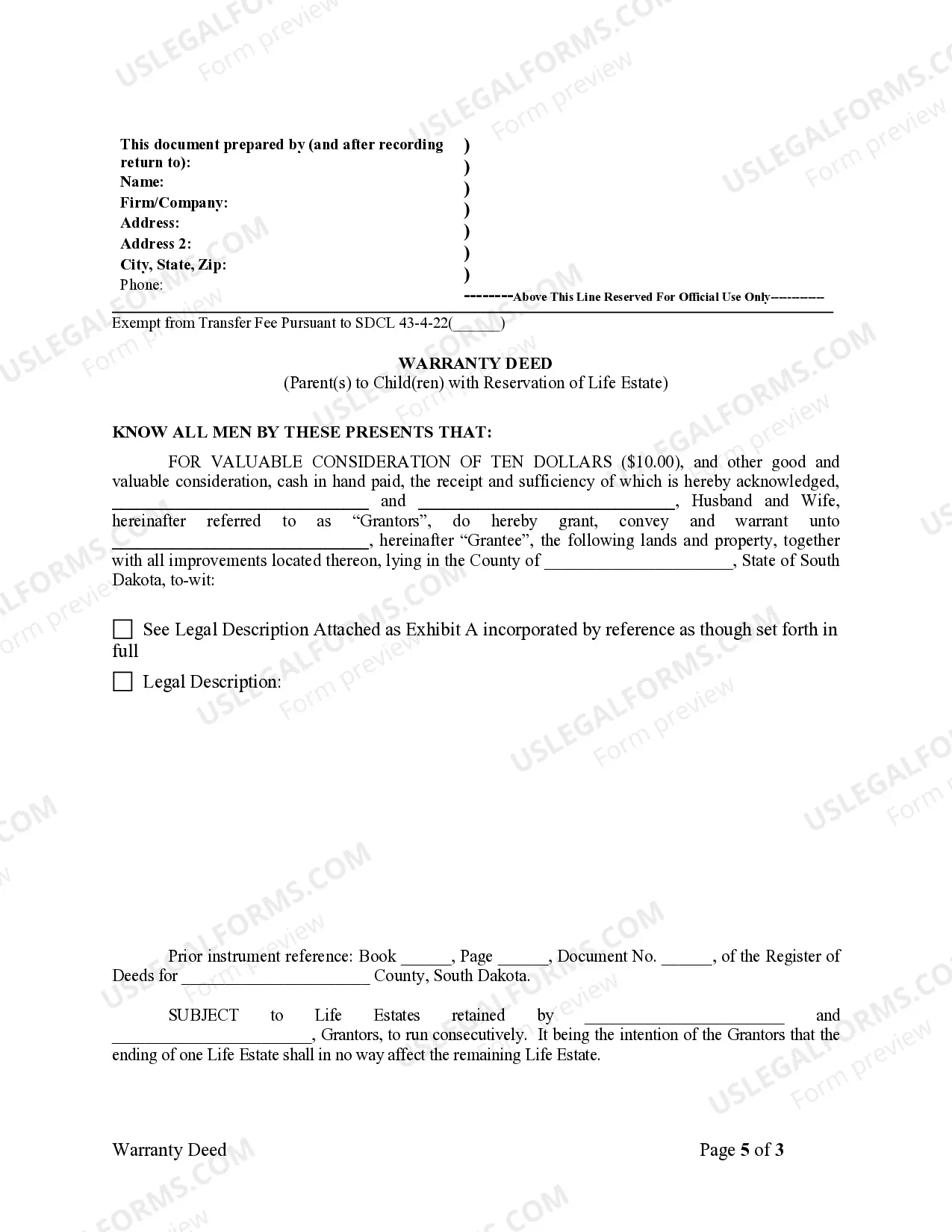
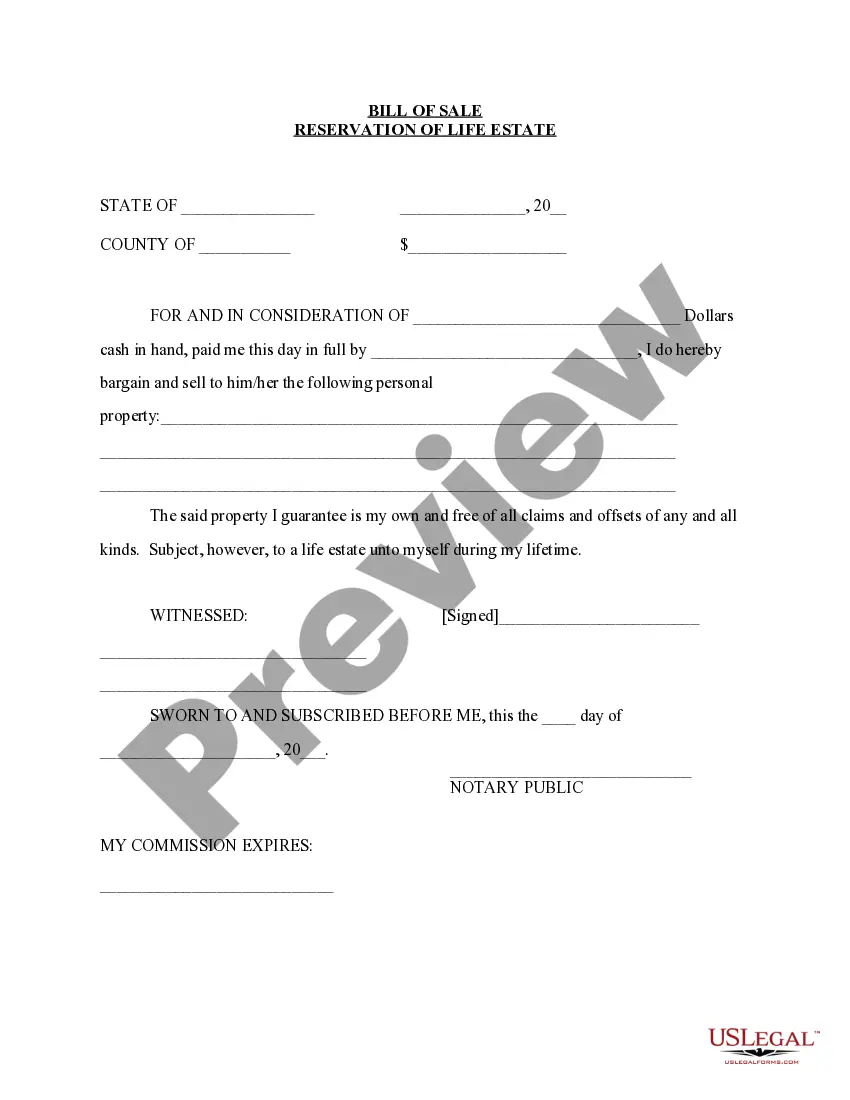
The Warranty Deed for Parents to Child with Reservation of Life Estate is a legal document that allows parents to transfer ownership of a property to their child while retaining the right to live in that property for the remainder of their life. This differs from a standard warranty deed, as it includes a life estate clause, ensuring the parents maintain a form of ownership until their passing.
What’s included in this form
- Identifies the grantors (parents) and grantee (child).
- Includes a legal description of the property being transferred.
- Specifies the nature of the life estate reservation.
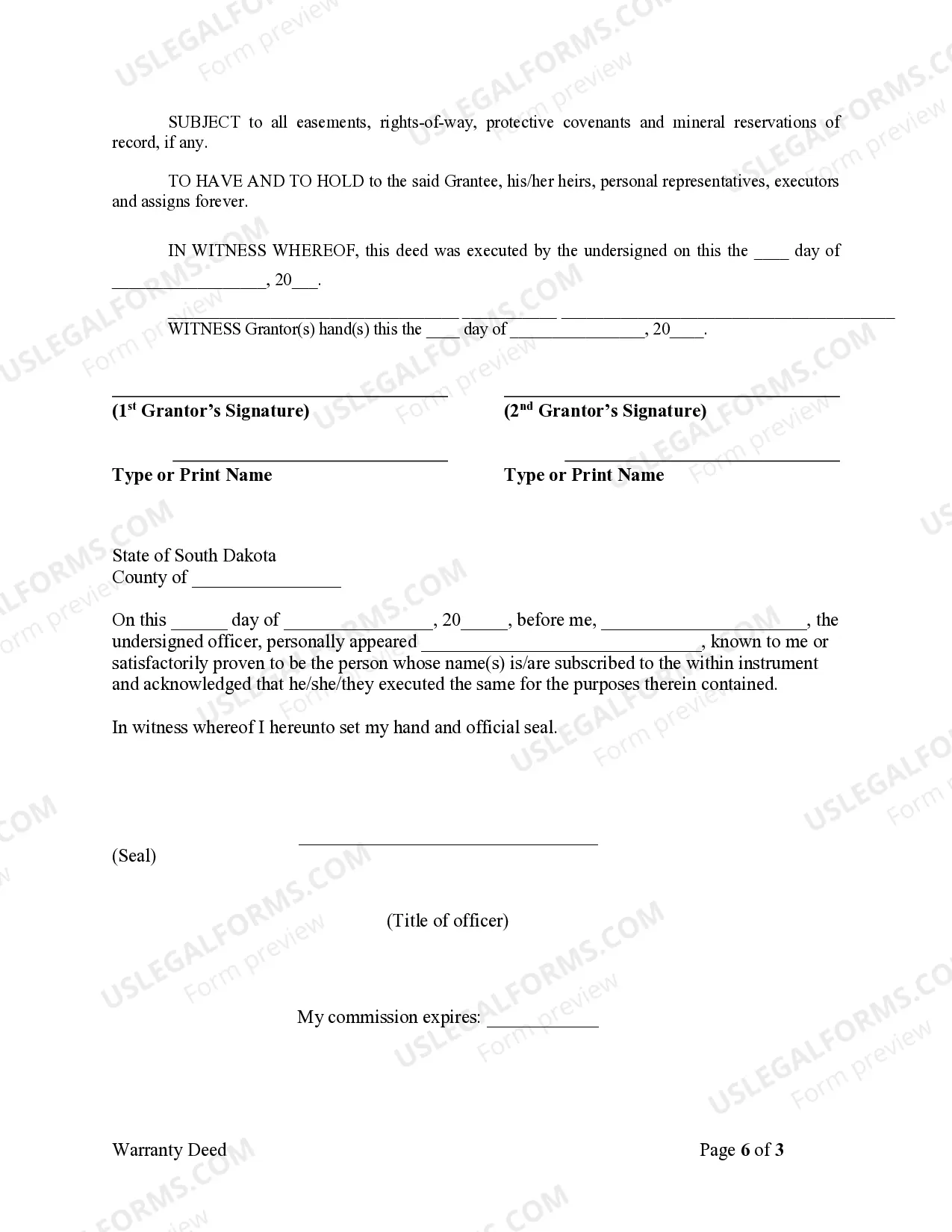
- Contains signature lines for both grantors and witnesses.
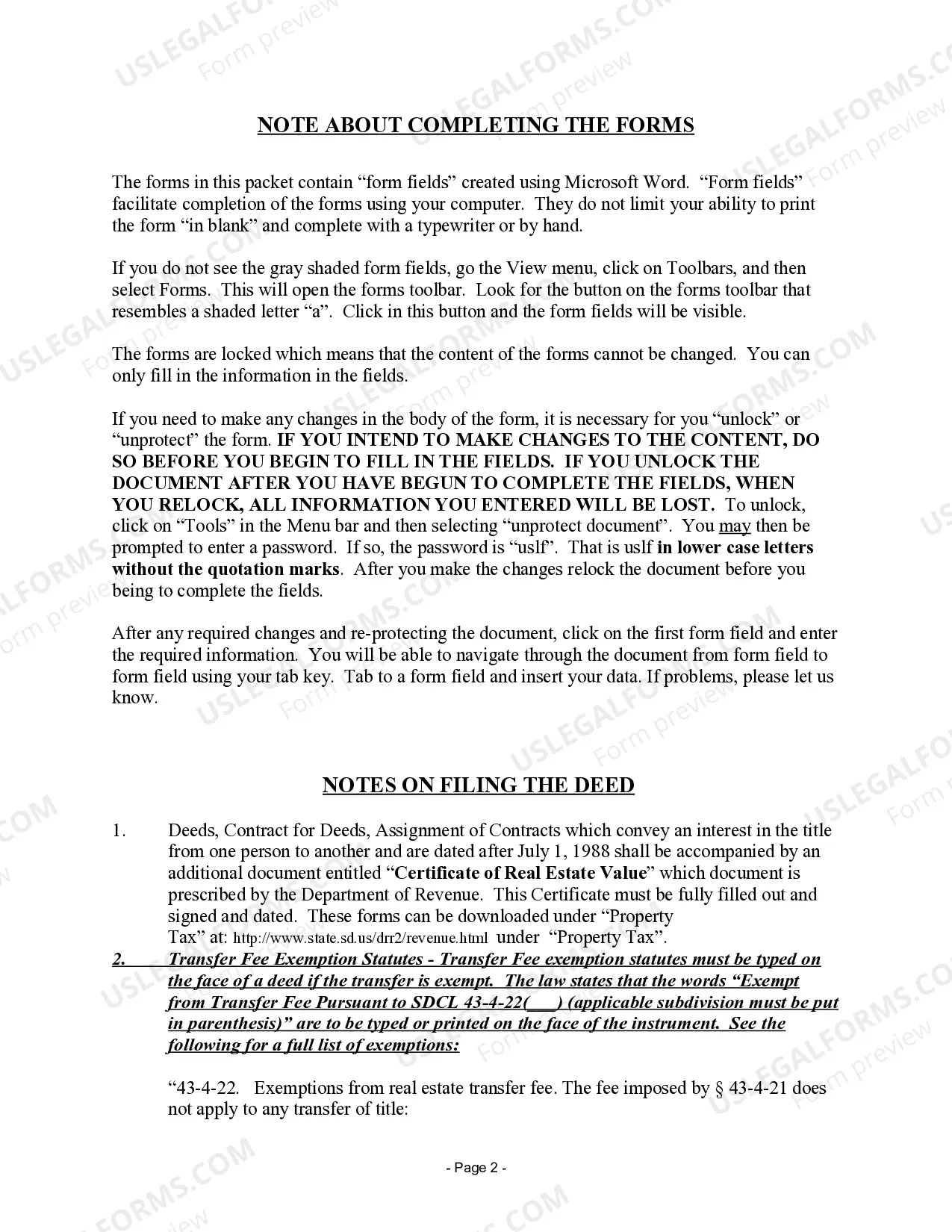
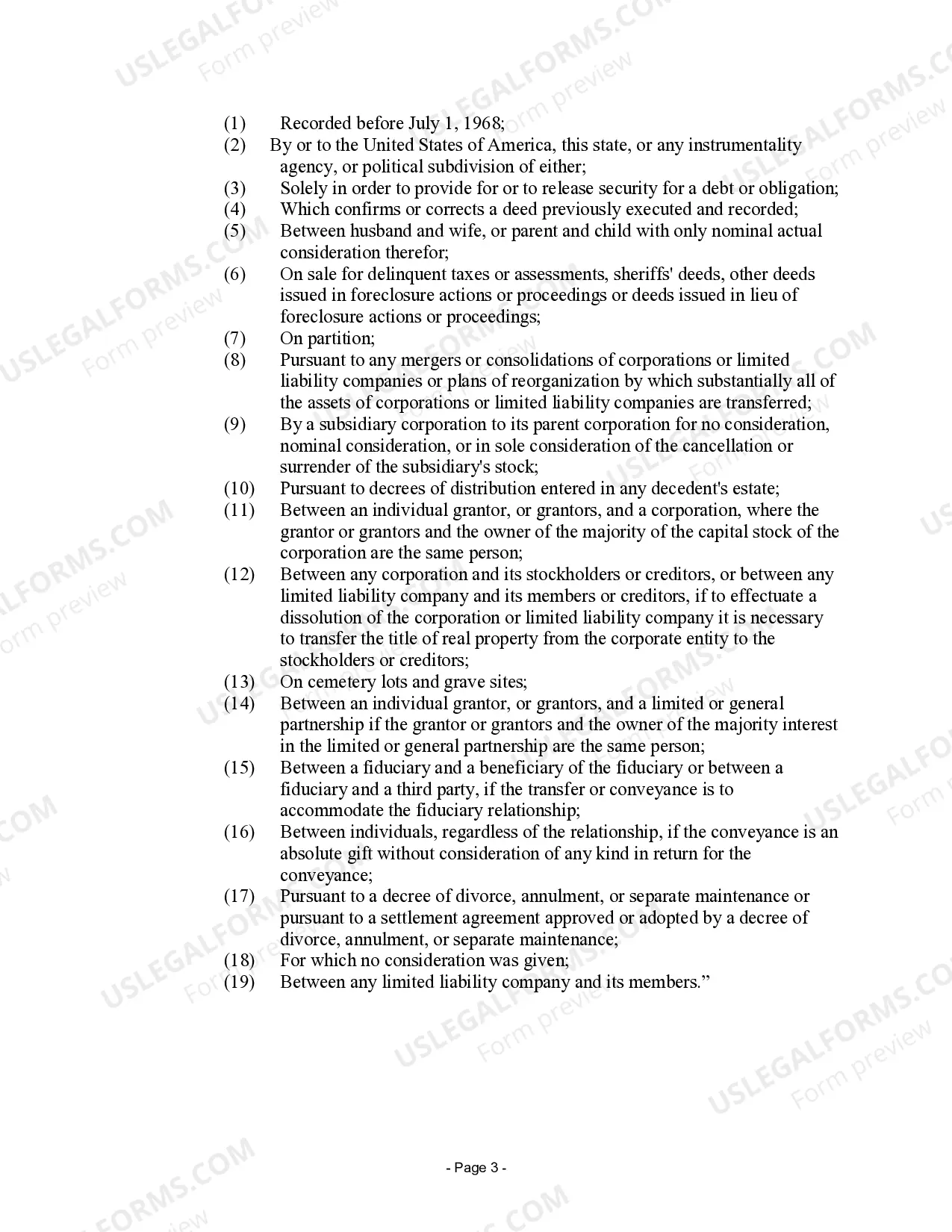
- Includes necessary clauses regarding transfer fees and exemptions.




When to use this document
This form should be used when parents wish to transfer property ownership to their child but want to maintain the right to occupy the home during their lifetime. This is useful in estate planning scenarios where parents wish to avoid probate and ensure their child inherits the property while providing for their own living arrangements.
Who can use this document
- Parents looking to transfer property to their children.
- Individuals involved in estate planning who want to retain a life estate.
- Anyone wishing to simplify the transfer of real estate assets to family members while retaining rights to use the property.
How to complete this form
- Identify the grantors (parents) and ensure their names are correctly spelled.
- Specify the grantee's name (the child receiving the property).
- Provide a legal description of the property being transferred.
- Enter the date of execution and ensure it is signed by both grantors.
- Ensure the document is witnessed where required by state law.
Notarization guidance
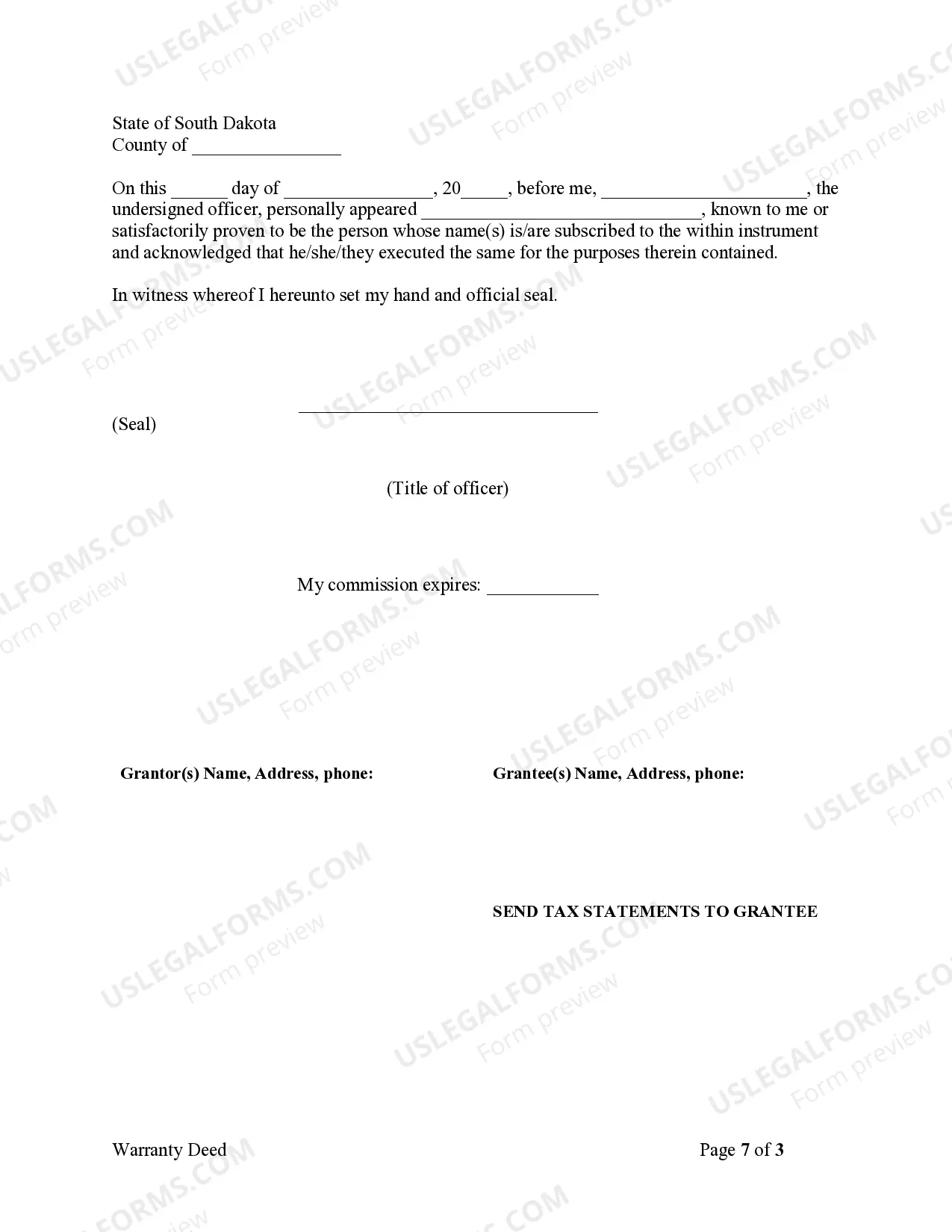
This form needs to be notarized to ensure legal validity. US Legal Forms provides secure online notarization powered by Notarize, allowing you to complete the process through a verified video call, available anytime.
Get your form ready online
Our built-in tools help you complete, sign, share, and store your documents in one place.
Make edits, fill in missing information, and update formatting in US Legal Forms—just like you would in MS Word.
Download a copy, print it, send it by email, or mail it via USPS—whatever works best for your next step.
Sign and collect signatures with our SignNow integration. Send to multiple recipients, set reminders, and more. Go Premium to unlock E-Sign.
If this form requires notarization, complete it online through a secure video call—no need to meet a notary in person or wait for an appointment.
We protect your documents and personal data by following strict security and privacy standards.

Make edits, fill in missing information, and update formatting in US Legal Forms—just like you would in MS Word.

Download a copy, print it, send it by email, or mail it via USPS—whatever works best for your next step.

Sign and collect signatures with our SignNow integration. Send to multiple recipients, set reminders, and more. Go Premium to unlock E-Sign.

If this form requires notarization, complete it online through a secure video call—no need to meet a notary in person or wait for an appointment.

We protect your documents and personal data by following strict security and privacy standards.
Common mistakes to avoid
- Failing to properly describe the property in legal terms.
- Not signing the document in front of a witness or notary when required.
- Neglecting to include the life estate reservation clause.
- Not formatting the deed in accordance with state requirements.
Advantages of online completion
- Convenience of downloading and completing the form at your own pace.
- Easy access to attorney-drafted templates ensuring compliance with legal standards.
- Editability allows for customization before printing.
- No need for a physical visit to obtain legal forms, saving time.
What to keep in mind
- The Warranty Deed for Parents to Child allows for property transfer while retaining a life estate.
- Essential for estate planning to simplify inheritances and avoid probate.
- Complete all required fields accurately to ensure legal validity.
Looking for another form?
Form popularity
FAQ
Gift Taxes In most cases, no gift tax should be owed as a result of the creation of the Life Estate form. However, since you may be required to file a gift tax return, it is important to consult your accountant prior to filing your income tax return for the year in which the transfer was made.
What happens to a life estate after someone dies? Upon the life tenant's death, the property passes to the remainder owner outside of probate.They can sell the property or move into and claim it as their primary residence (homestead). Property taxes will not be reassessed.
A person owns property in a life estate only throughout their lifetime. Beneficiaries cannot sell property in a life estate before the beneficiary's death. One benefit of a life estate is that property can pass when the life tenant dies without being part of the tenant's estate.
Can a life estate deed be changed? It is challenging to modify or change a life estate deed. The grantor cannot change the life estate as he or she has no power to do so after creating the life estate deed unless all of the future tenants agree. It requires the permission or consent of every one of the beneficiaries.
A life estate, when used to gift property, splits ownership between the giver and receiver. Many parents set up a life estate to reduce their assets in order to qualify for Medicaid. Even though the parent still retains some interest in the property, Medicaid does not count it as an asset.
The life tenant is responsible for the payment of real estate taxes on the property.
A California Revocable Transfer-On-Death Deed does not take effect until the property owner dies.As long as the original owner is alive, he can revoke the transfer, sell the property, add or remove beneficiaries, and otherwise maintain complete control over the property.
A life estate is usually property that has been acquired during the lifetime of a person with his or her ownership only lasting through the time he or she lives.This also means he or she cannot sell it, rent it or alter it until the life tenant passes on or leaves permanently.
A life estate deed permits the property owner to have full use of their property until their death, at which point the ownership of the property is automatically transferred to the beneficiary.