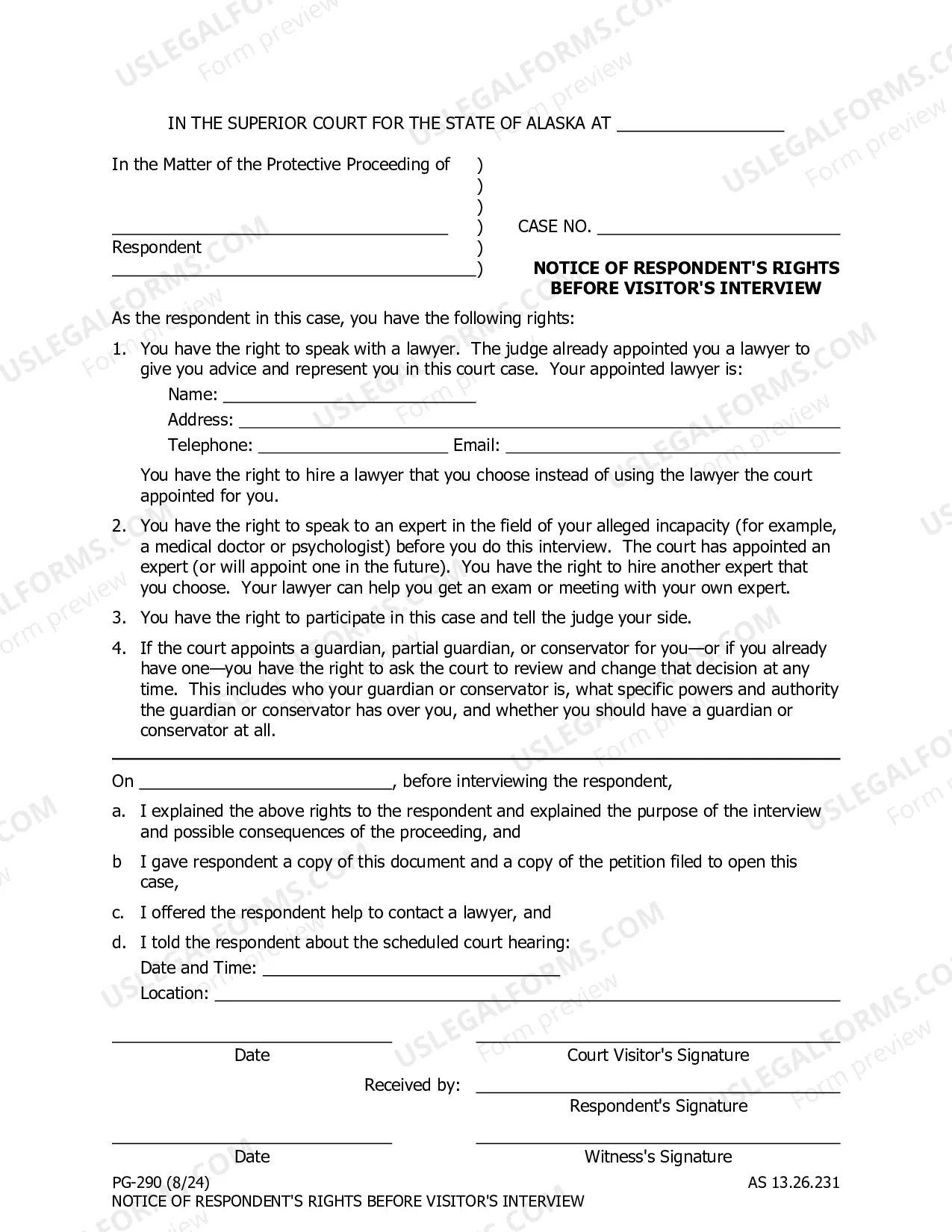
Ohio Release of Garnishee
About this form
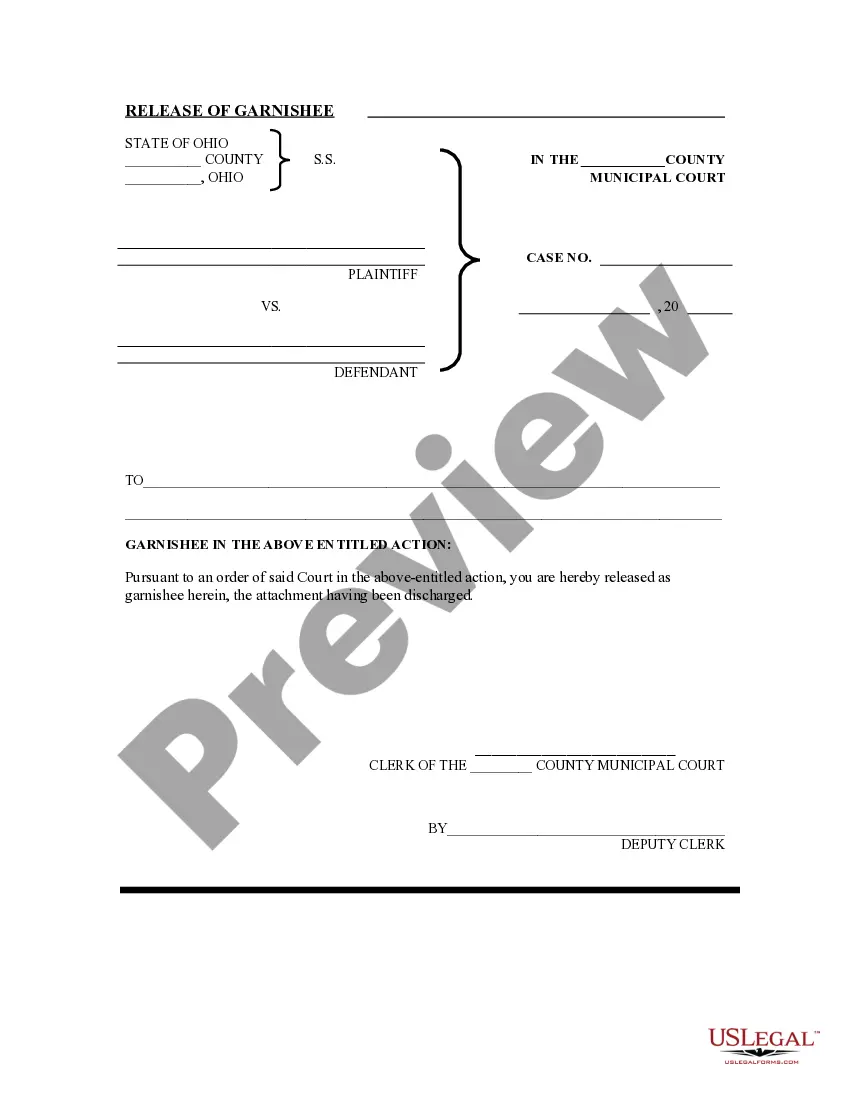
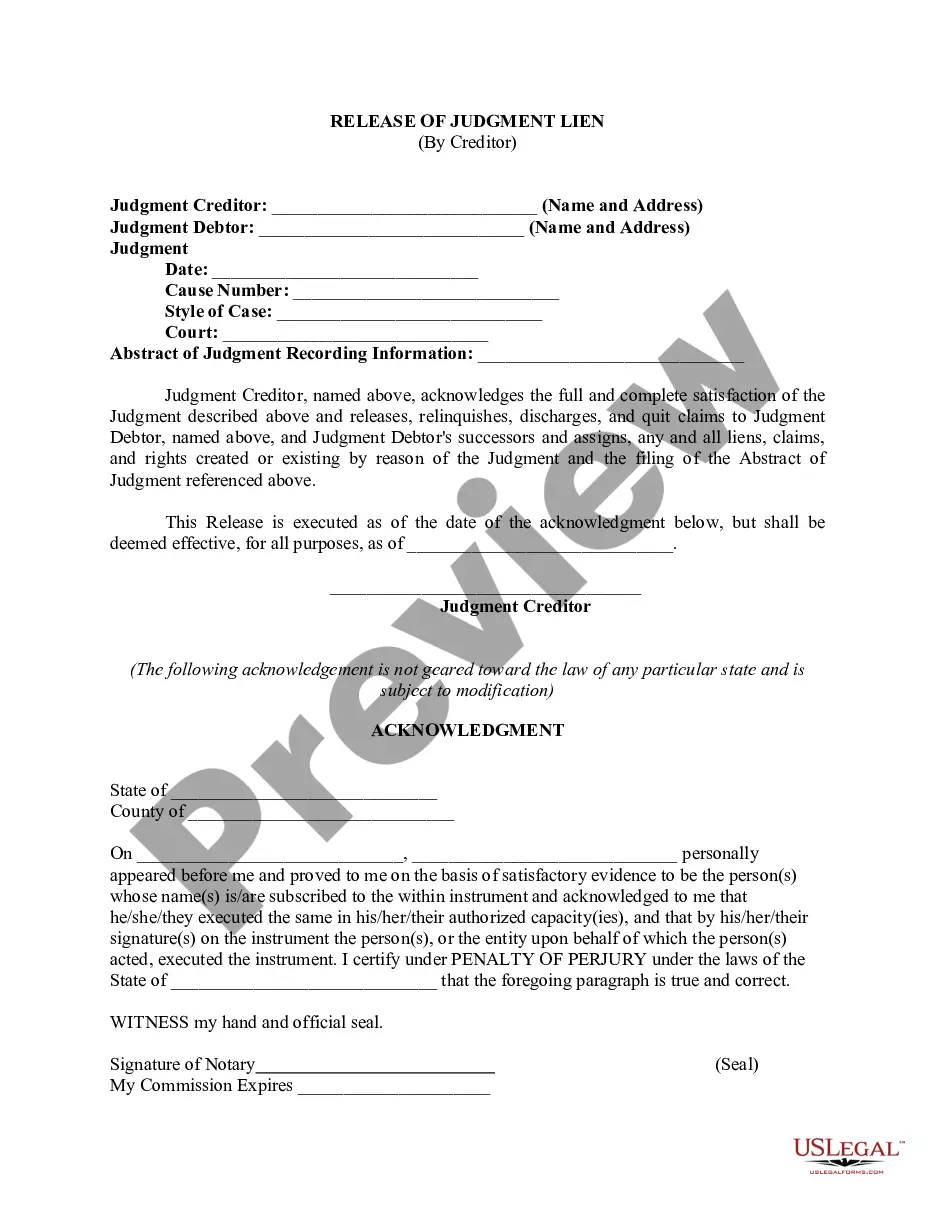
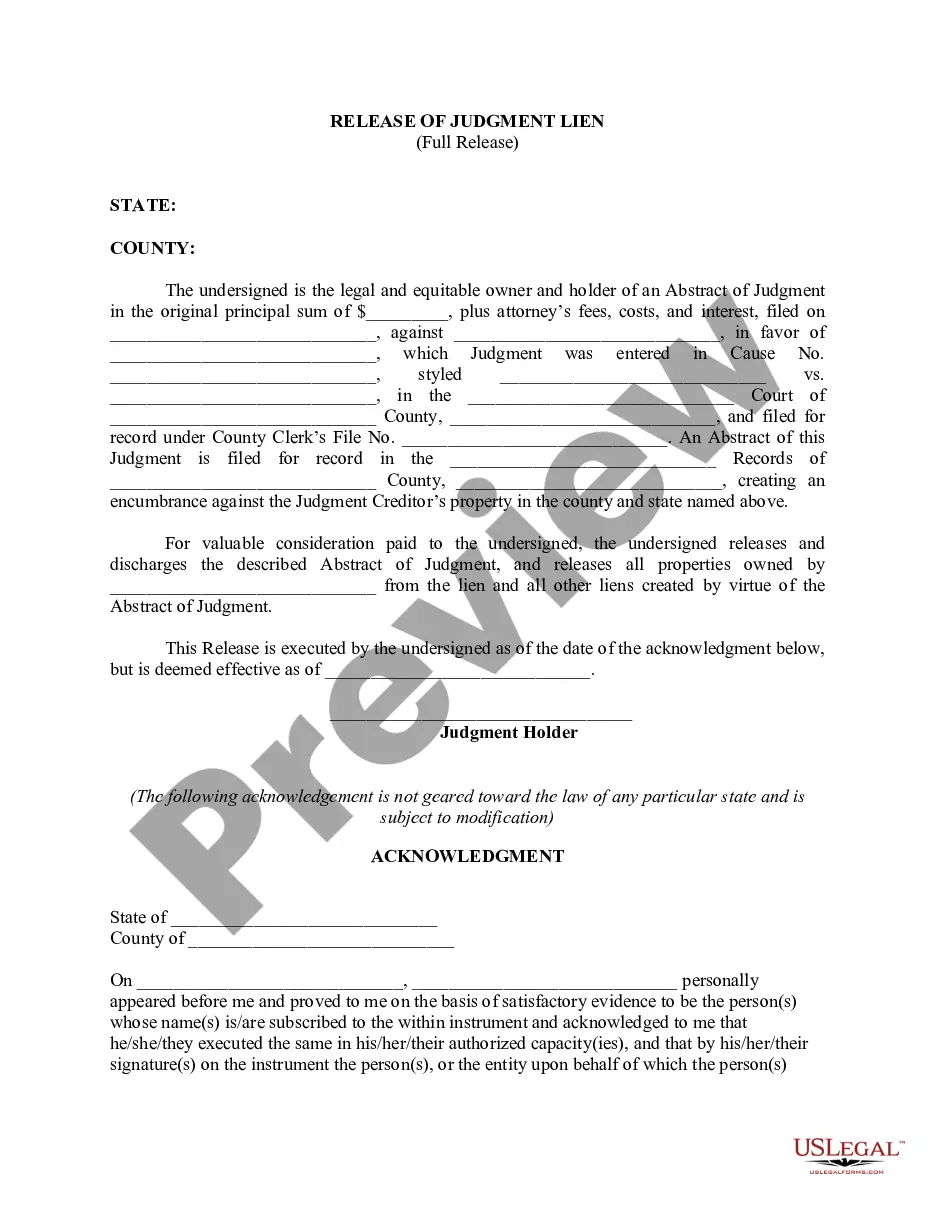
The Release of Garnishee is a legal document used in Ohio garnishment cases to formally release a third party (the garnishee) from responsibility once a court order has been fulfilled. This form ensures that the garnishee is no longer required to withhold funds from the debtor, distinguishing it from other garnishment-related forms that initiate or enforce a garnishment action.
Key components of this form
- Title of the court and case information to ensure proper identification.
- Names of the plaintiff and defendant to clarify the parties involved.
- Statement releasing the garnishee from further obligations.
- Signature lines for the clerk and deputy clerk to authenticate the document.
When to use this document
This form should be used when a court has issued an order discharging the garnishee, confirming that the garnishment has been satisfied. It is important to file this document to formally notify the garnishee they are no longer required to hold the debtor's funds, thus concluding the garnishment process.
Who should use this form
- Debtors who have successfully resolved a garnishment action.
- Plaintiffs or their legal representatives wishing to release the garnishee.
- Garnishees who require official documentation to cease withholding funds.
Completing this form step by step
- Insert the name of the court where the case was filed.
- Fill out the case number to identify the specific garnishment action.
- Provide the names of the plaintiff and defendant in the action.
- Include the name of the garnishee being released.
- Ensure the clerk and deputy clerk sign the form to validate it.
Notarization guidance
This form usually doesn’t need to be notarized. However, local laws or specific transactions may require it. Our online notarization service, powered by Notarize, lets you complete it remotely through a secure video session, available 24/7.
Get your form ready online
Our built-in tools help you complete, sign, share, and store your documents in one place.
Make edits, fill in missing information, and update formatting in US Legal Forms—just like you would in MS Word.
Download a copy, print it, send it by email, or mail it via USPS—whatever works best for your next step.
Sign and collect signatures with our SignNow integration. Send to multiple recipients, set reminders, and more. Go Premium to unlock E-Sign.
If this form requires notarization, complete it online through a secure video call—no need to meet a notary in person or wait for an appointment.
We protect your documents and personal data by following strict security and privacy standards.

Make edits, fill in missing information, and update formatting in US Legal Forms—just like you would in MS Word.

Download a copy, print it, send it by email, or mail it via USPS—whatever works best for your next step.

Sign and collect signatures with our SignNow integration. Send to multiple recipients, set reminders, and more. Go Premium to unlock E-Sign.

If this form requires notarization, complete it online through a secure video call—no need to meet a notary in person or wait for an appointment.

We protect your documents and personal data by following strict security and privacy standards.
Mistakes to watch out for
- Failing to include the correct court and case number, which can cause delays.
- Not obtaining the necessary signatures from the clerk and deputy clerk.
- Submitting the form without confirming that the garnishment has been fully satisfied.
Benefits of using this form online
- Convenient access to a downloadable template that can be completed at your own pace.
- Editability allows you to fill out the form accurately before submission.
- Access to forms drafted by licensed attorneys, ensuring compliance with legal standards.
Summary of main points
- The Release of Garnishee form is essential in concluding garnishment proceedings in Ohio.
- Accurate completion and timely filing of the form are critical to ensure the garnishee can stop withholding funds.
- This form is useful for debtors, garnishees, and their legal representatives.
Looking for another form?
Form popularity
FAQ
If it's already started, you can try to challenge the judgment or negotiate with the creditor. But, they're in the driver's seat, and if they don't allow you to stop a garnishment by agreeing to make voluntary payments, you can't really force them to. You can, however, stop the garnishment by filing a bankruptcy case.
If you cannot become current in your payments or make another arrangement with your creditor, you may be able to prevent garnishment by filing for bankruptcy or taking other steps. An attorney who is experienced with garnishment and bankruptcy law can guide you through the process.
Ohio law prevents your employer from discharging you solely because of wage garnishments by a single creditor in a 12-month period.
Respond to the Creditor's Demand Letter. Seek State-Specific Remedies. Get Debt Counseling. Object to the Garnishment. Attend the Objection Hearing (and Negotiate if Necessary) Challenge the Underlying Judgment. Continue Negotiating.
1) Paying Without Formal Garnishment. 2) Getting a Trustee. 3) Using a Credit Counseling Service. 4) Filing for Bankruptcy.
It releases your garnishment! When a creditor sues you, they eventually get a judgment in court. With this judgment, they can send a letter to your employer so that they can garnish your wages.A release of garnishment would stop any future garnishments.
1) Quit Your Job Of course, when you learn that your creditors have won a garnishment order against you, you always have the option of quitting your job.As such, while quitting your job is certainly a legal option, you may do well to consider other recourse alternatives.
When a creditor gets a court order against you for collection, it must send you a letter between 15 and 45 days after the judgment informing you of the judgment and listing your options: pay the debt or expect wage garnishment.
If you are served with a garnishment summons, do not ignore these documents because they do not directly involve a debt that you owe. Instead, you should immediately freeze any payments to the debtor, retain the necessary property, and provide the required written disclosure.