South Dakota Landlord Agreement to allow Tenant Alterations to Premises
What is this form?
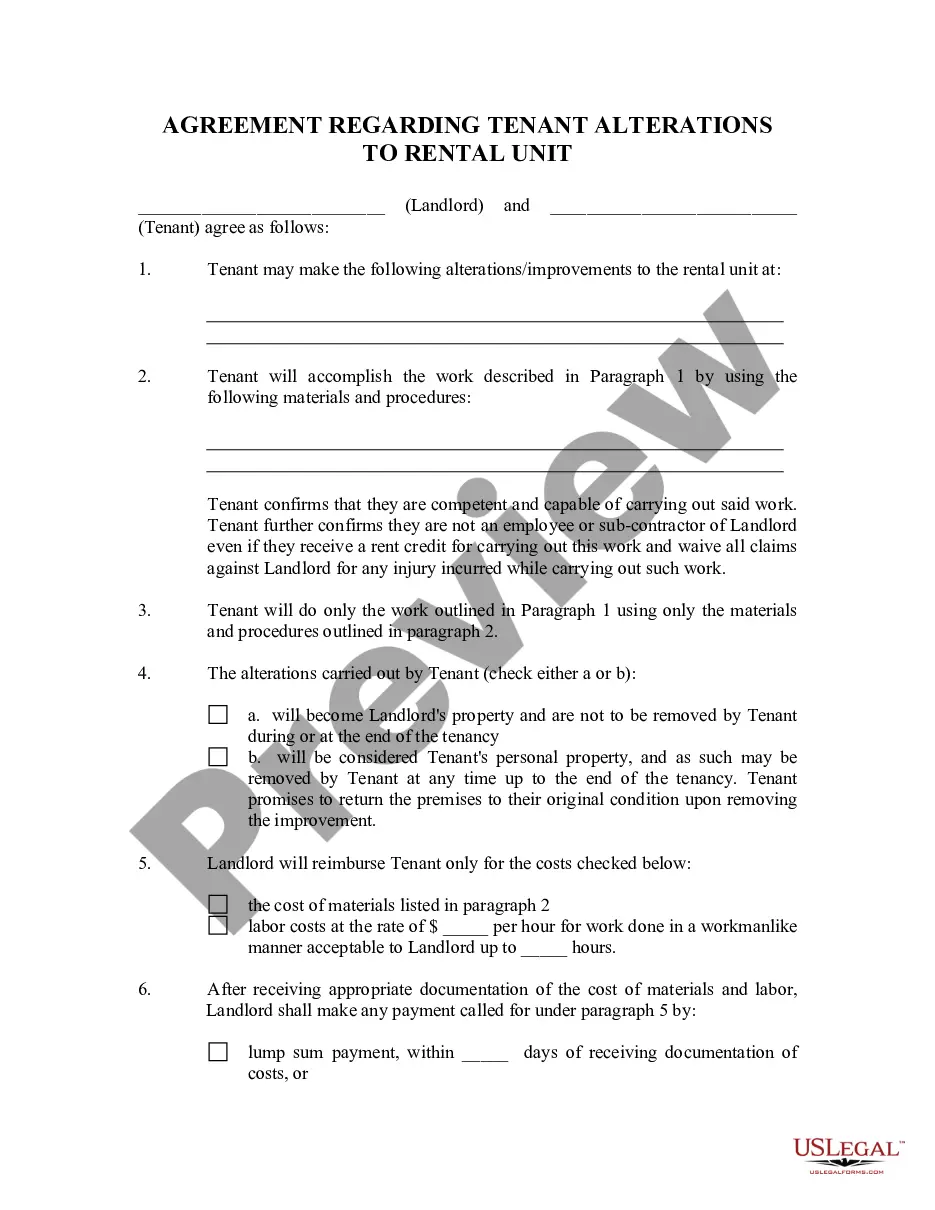
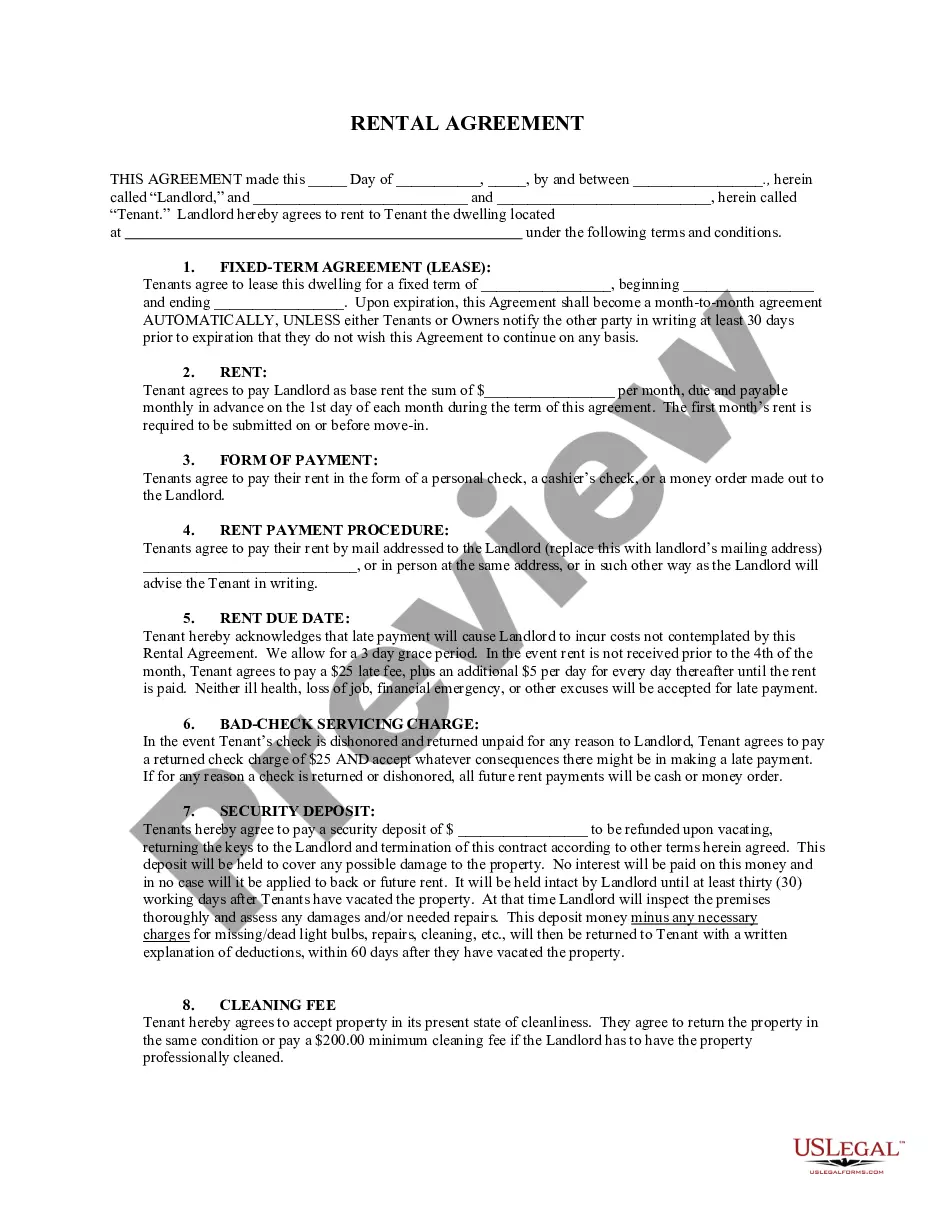
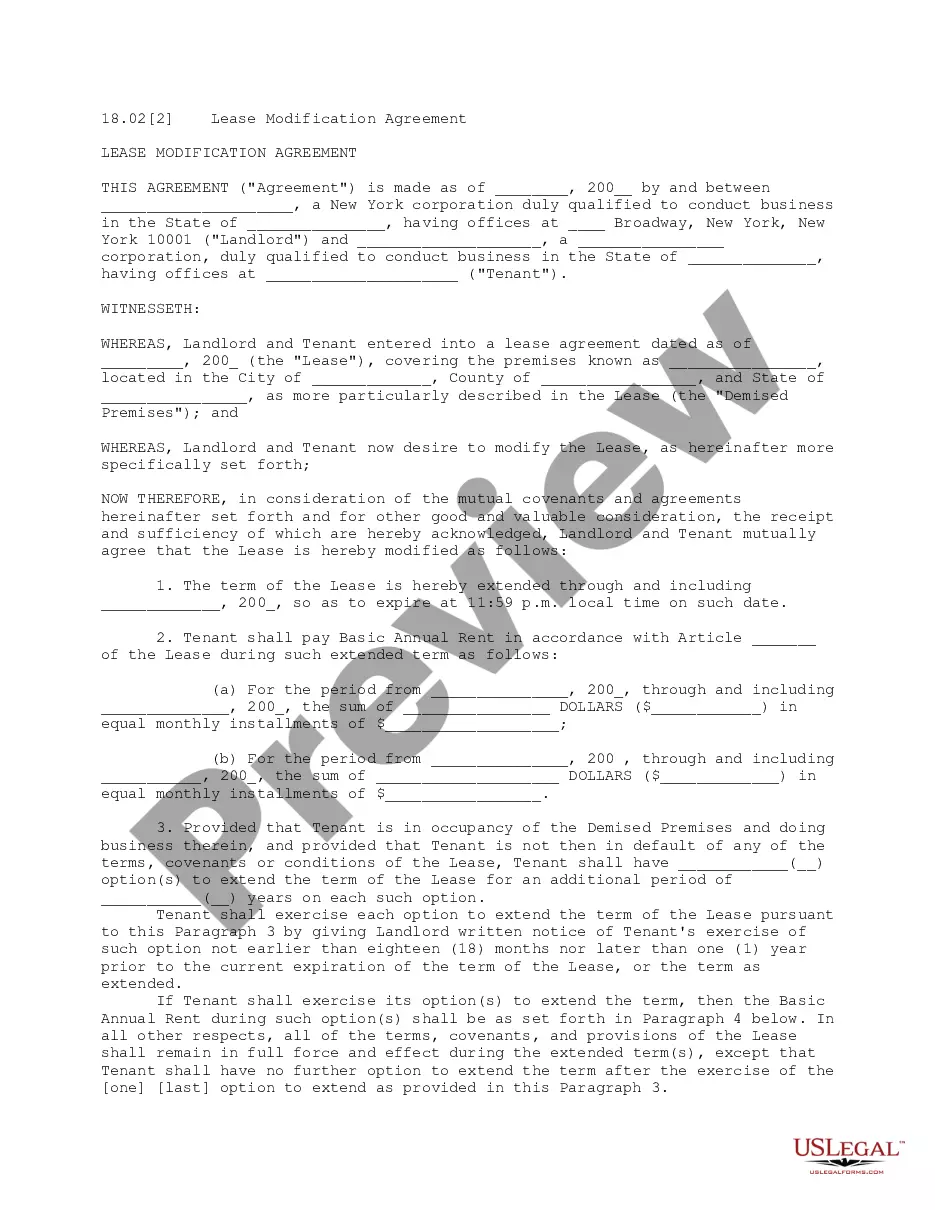
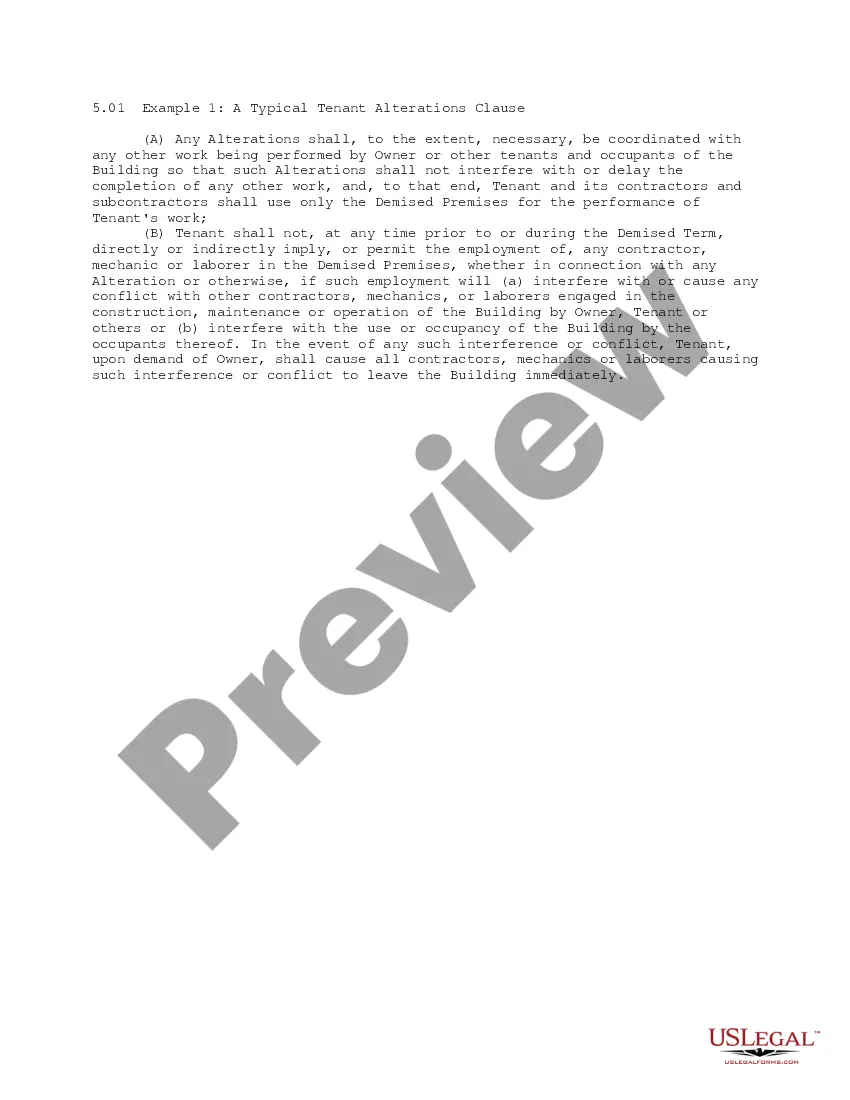
The Landlord Agreement to allow Tenant Alterations to Premises is a legal document that formalizes the agreement between a landlord and a tenant regarding any changes the tenant wishes to make to a rented property. This versatile agreement ensures clear communication and prevents misunderstandings on issues such as costs, ownership of improvements, and tenant responsibilities upon moving out. By outlining the specifics of tenant alterations, this form serves as a safeguard for both parties, distinguishing it from generic lease agreements or alteration approvals.
Form components explained
- Identifies the rental property and parties involved.
- Details the specific alterations or improvements permitted by the tenant.
- Clarifies who will bear the costs for materials and labor related to the changes.
- Establishes whether improvements will become the landlord's property or remain with the tenant.
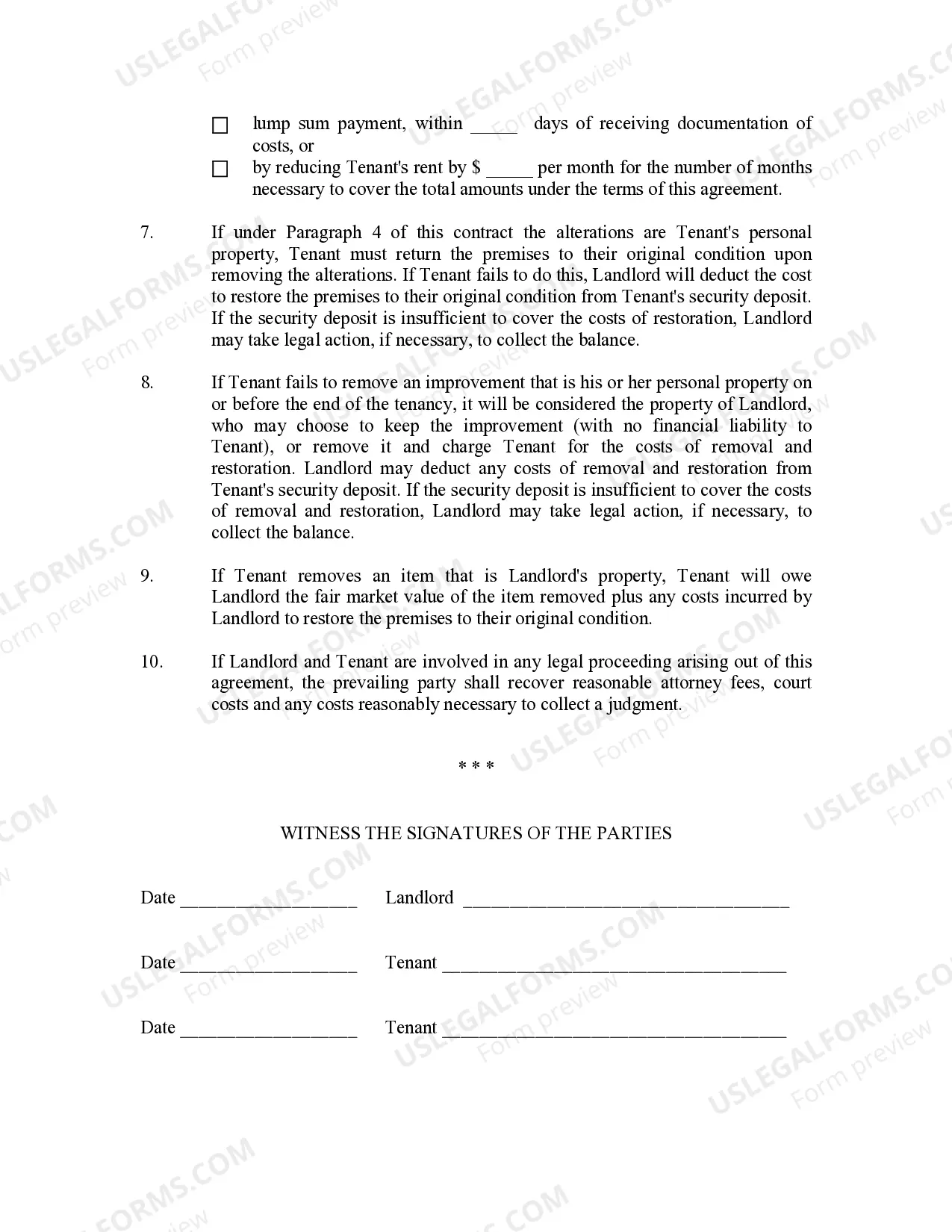
- Includes terms for reimbursement and conditions for restoring the property to its original state.
- Specifies the actions to be taken if improvements are not removed or if damages occur.
When to use this form
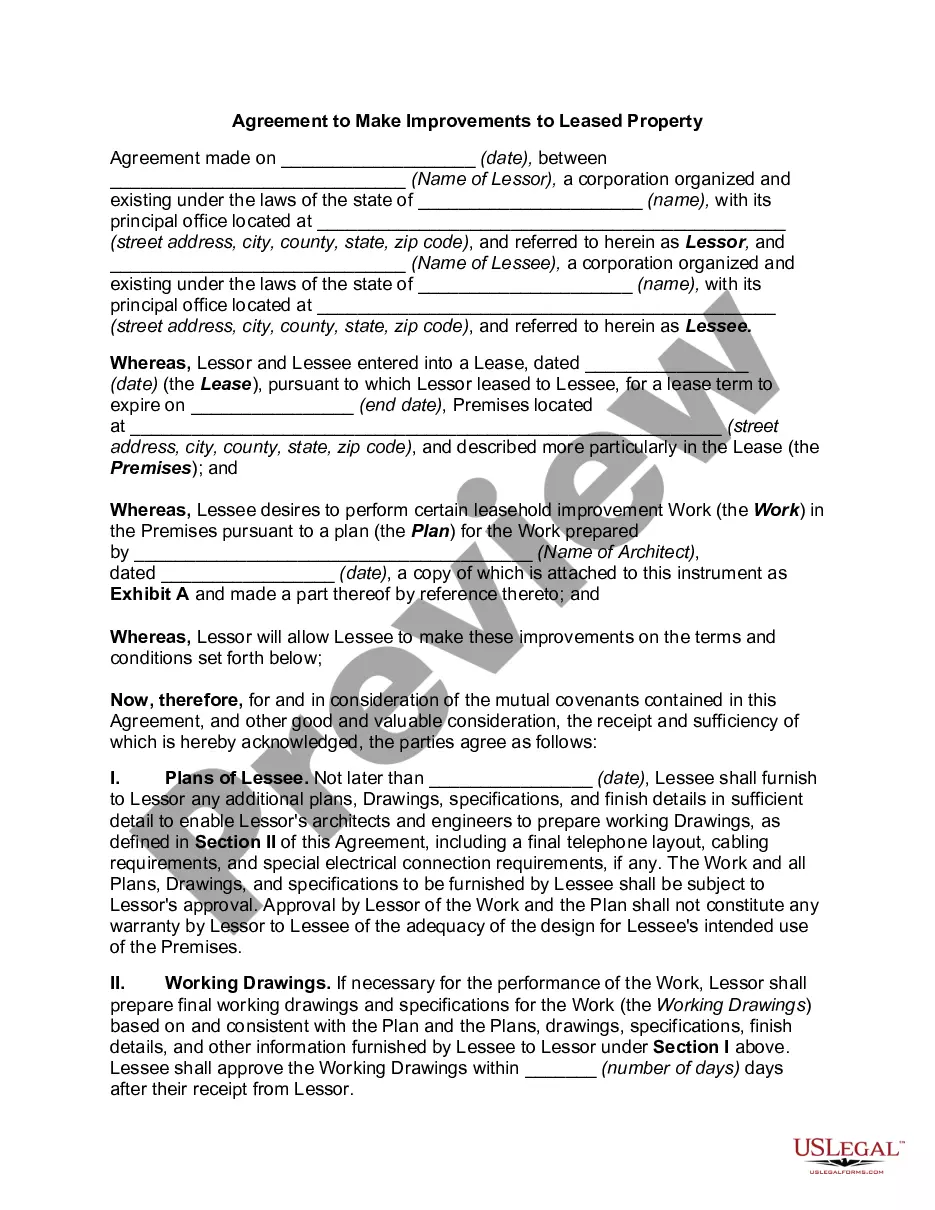
This form is essential when a tenant wishes to make physical changes or improvements to a rental unit. It is especially useful in scenarios such as a tenant wanting to repaint walls, install new fixtures, or make structural modifications. Using this agreement helps secure the landlordâs consent, ensuring that both parties have a mutual understanding of alterations and avoid potential disputes when the lease ends.
Intended users of this form
- Landlords who want to regulate alterations made by tenants to their rental properties.
- Tenants planning to make improvements and seeking permission from their landlord.
- Property managers involved in overseeing tenant-landlord relationships and agreements.
- Individuals who are looking to ensure legal clarity in rental situations involving modifications.
Steps to complete this form
- Identify the parties involved by filling in the names of the landlord and tenant at the beginning of the agreement.
- Specify the alterations or improvements the tenant is requesting to make to the rental unit.
- Outline the materials and labor involved in the alterations and who will cover the costs.
- Decide and indicate whether the improvements will remain with the landlord or be considered the tenant's personal property.
- Ensure all parties sign and date the agreement to make it legally binding.
Notarization requirements for this form
This form usually doesn’t need to be notarized. However, local laws or specific transactions may require it. Our online notarization service, powered by Notarize, lets you complete it remotely through a secure video session, available 24/7.
Get your form ready online
Our built-in tools help you complete, sign, share, and store your documents in one place.
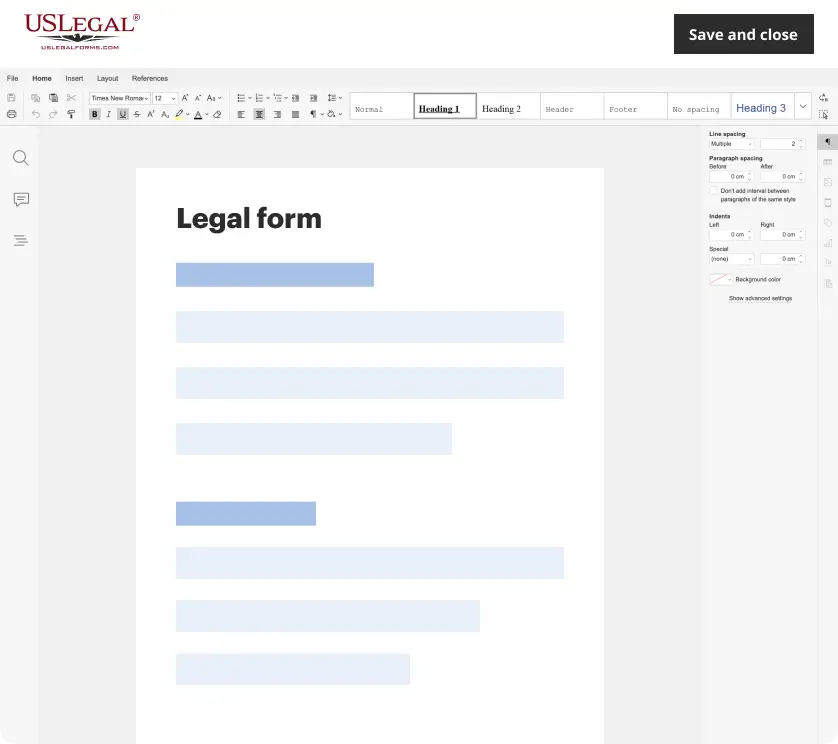
Make edits, fill in missing information, and update formatting in US Legal Forms—just like you would in MS Word.
Download a copy, print it, send it by email, or mail it via USPS—whatever works best for your next step.
Sign and collect signatures with our SignNow integration. Send to multiple recipients, set reminders, and more. Go Premium to unlock E-Sign.
If this form requires notarization, complete it online through a secure video call—no need to meet a notary in person or wait for an appointment.
We protect your documents and personal data by following strict security and privacy standards.
Make edits, fill in missing information, and update formatting in US Legal Forms—just like you would in MS Word.
Download a copy, print it, send it by email, or mail it via USPS—whatever works best for your next step.
Sign and collect signatures with our SignNow integration. Send to multiple recipients, set reminders, and more. Go Premium to unlock E-Sign.
If this form requires notarization, complete it online through a secure video call—no need to meet a notary in person or wait for an appointment.
We protect your documents and personal data by following strict security and privacy standards.
Typical mistakes to avoid
- Failing to fully describe the alterations, leading to confusion over what is allowed.
- Not specifying cost responsibilities, which can lead to disputes later.
- Overlooking the requirement for signatures, which can render the agreement unenforceable.
- Neglecting to revise the form based on state-specific regulations that apply to tenant alterations.
Benefits of completing this form online
- Convenient access to a legally vetted form that can be downloaded and customized.
- Easy to fill out with clear sections that guide the user through the process.
- Ability to keep records of agreed alterations, ensuring both parties are accountable.
Legal use & context
- This agreement is enforceable under typical tenant-landlord laws, establishing clear rights and obligations for both parties.
- Failure to adhere to the terms of the agreement can lead to legal disputes or claims against the security deposit.
- Clearly defined terms help to reduce the risk of misunderstandings and legal complications related to alterations.
Quick recap
- This form is crucial for formalizing tenant alterations in rental agreements.
- Clarity on costs and ownership of improvements minimizes potential disputes.
- Both landlords and tenants should fully understand their rights and obligations as outlined in the agreement.
Looking for another form?
Form popularity
FAQ
Can a tenant claim for improvements made during the lease? The position differs in the case of immovable and movable property. Tenant can claim for:The claim arises only once the lease is terminated and lessee vacated the property.
If the tenant wants an entire new kitchen, and it is not necessary, then you could ask them to provide you with a quotation for what they want done, and then take a view as to whether you might agree to pay half.Some tenants who wish to stay long term will make their own upgrades, and this only benefits the landlord.
Consider whether you want to keep your tenants. Know your legal limits. Do your research. Be aware of vacancy rates. Offer upgrades or tenant improvements. Approach your tenants early. Give breaks on rent for renewing. Ask for a longer lease.
Renovate Your Apartment on Your Landlord's Dime. Establish yourself as an exemplary tenant. Point out unreasonable living conditions in writing. Keep a record of your communications. Do the leg work for your landlord. Figure out the payment before the renovation begins. Offer to do some renovations yourself.
Often, landlords will provide a 'leasehold improvement allowance' for their tenants which is merely a set amount they agree to pay for. If the improvements you want cost more than the allowance, you will be responsible for those extra costs.
In cases like this, landlords are entitled to deduct the remaining tax basis in capitalized leasehold improvements made for a particular tenant upon termination of the lease if such improvements are irrevocably disposed of or abandoned and won't be used by a subsequent tenant.
Tenants can all agree to withhold rent until the landlord makes repairs. A group of tenants can ask a judge to order the landlord to make repairs. If the landlord absolutely refuses to fix the bad conditions, tenants can ask a court to appoint a temporary landlord called a receiver in order to make repairs.
Leasehold improvements are any changes made to a rental property in order to customize it for the particular needs of a tenant. These can include alterations such as painting, installing partitions, changing the flooring, or putting in customized light fixtures.
A burst water service or a serious water service leak. A blocked or broken toilet. A serious roof leak. A gas leak. A dangerous electrical fault. Flooding or serious flood damage. Serious storm or fire damage.