South Carolina Notice of Default in Payment of Rent as Warning Prior to Demand to Pay or Terminate for Residential Property
Understanding this form
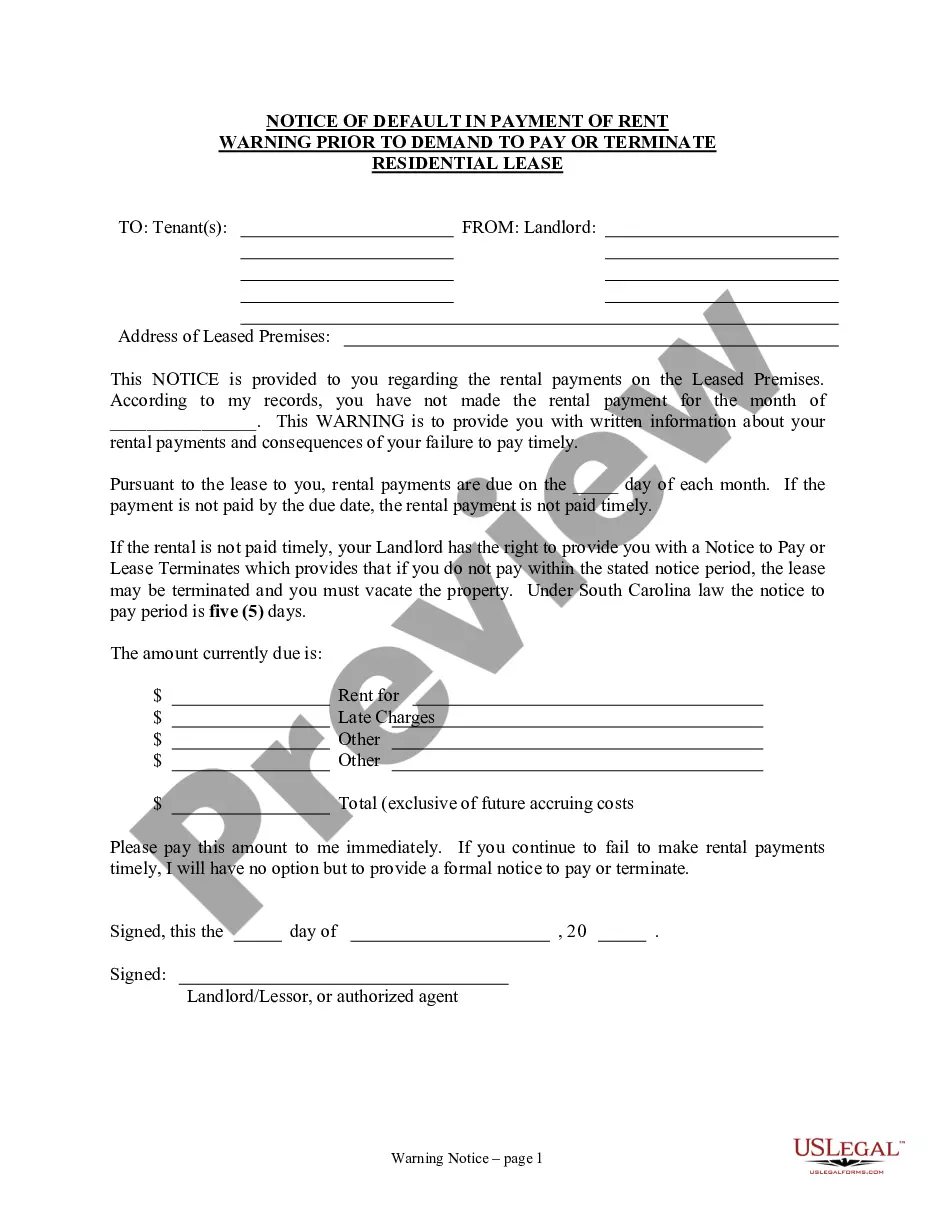
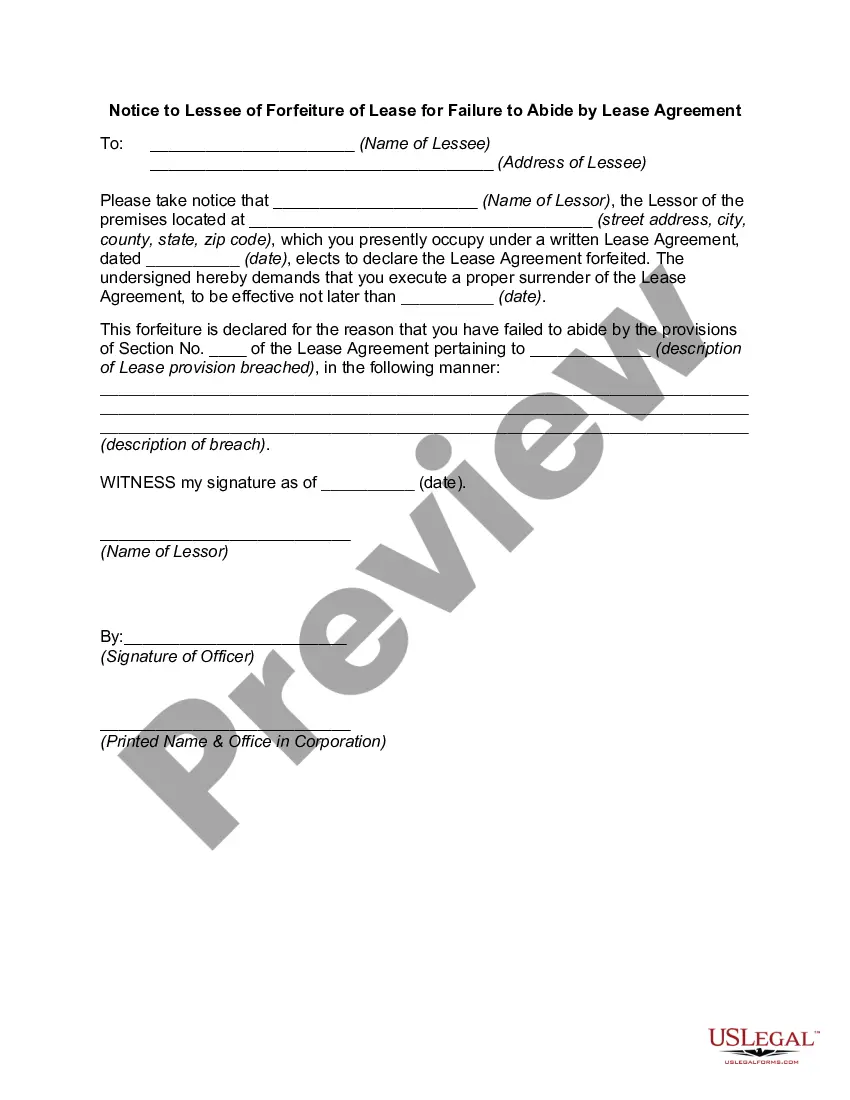
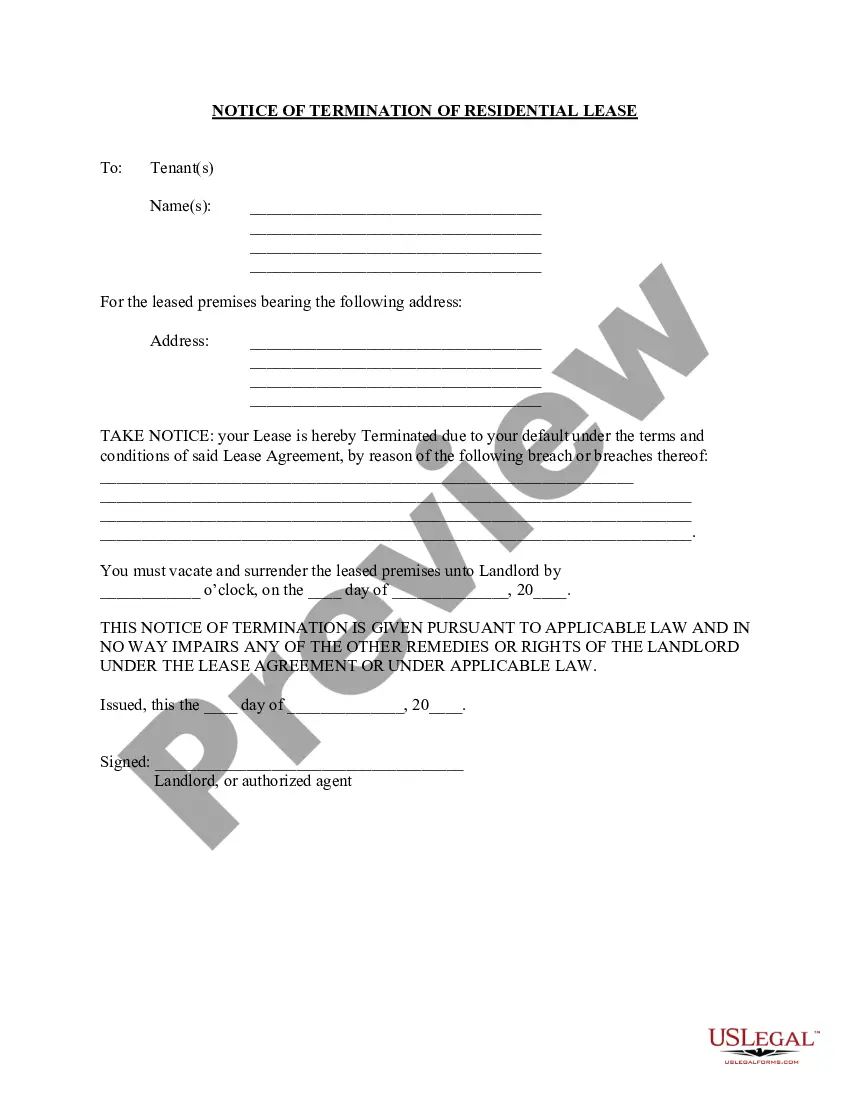
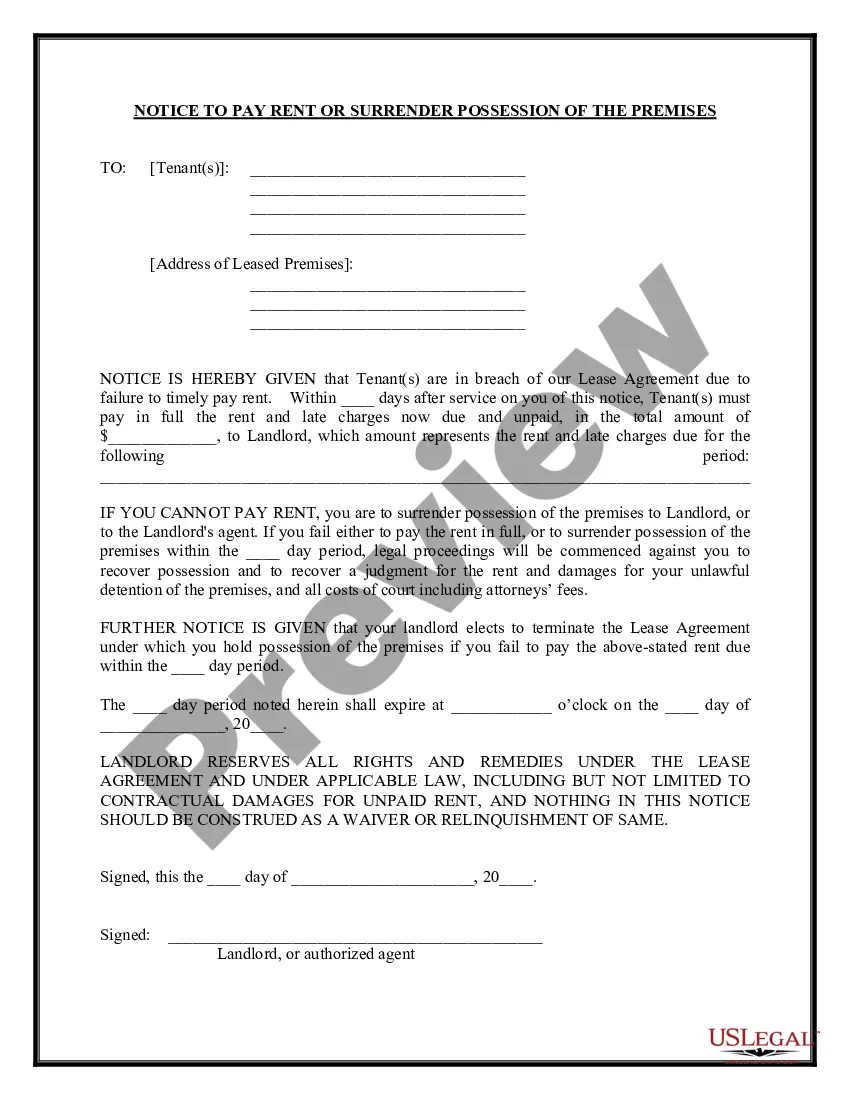
This Notice of Default in Payment of Rent as Warning Prior to Demand to Pay or Terminate for Residential Property is a legal document used by landlords to formally notify tenants of late rent payments. The purpose of this notice is to inform the tenant of their default in payment and the potential consequences, including the risk of lease termination. Unlike a formal eviction notice, this document serves as a warning, allowing tenants the opportunity to rectify the situation before more severe actions are taken.
What’s included in this form
- Identification of the landlord and tenant, including addresses.
- Specific due date of the unpaid rent.
- Total amount due, including any late charges.
- Consequences of non-payment, including a potential eviction notice.
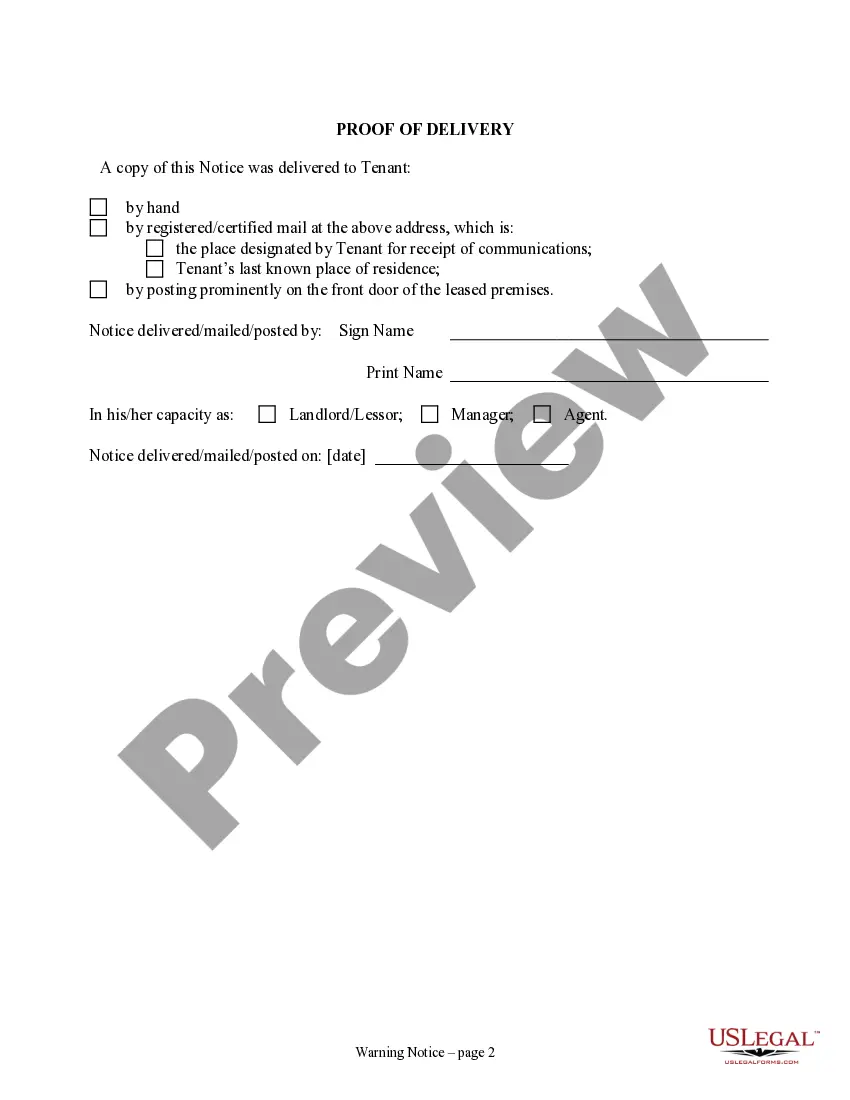
- Proof of delivery, indicating how the notice was provided to the tenant.
When to use this document
This form should be used when a landlord needs to formally notify a tenant about a late rent payment. It serves as an initial step before issuing a formal demand to pay or terminate the lease. If a tenant has failed to pay rent by the due date, this notice provides them with an official warning and outlines the timeline and consequences of failing to make the payment.
Who needs this form
- Landlords managing residential rental properties.
- Property managers acting on behalf of a landlord.
- Legal representatives of landlords seeking to communicate with tenants regarding payment defaults.
How to complete this form
- Identify the parties involved by filling in the landlord's and tenant's names and addresses.
- Specify the property by entering the address of the leased premises.
- Enter the month for which rent has not been paid.
- Detail the due date of the unpaid rent and any applicable late fees.
- Provide the total amount due and sign the document.
- Choose the method of delivery for the notice and document it accordingly.
Is notarization required?
This form does not typically require notarization unless specified by local law. It is generally accepted as a valid notice if delivered according to the instructions outlined in the document.
Get your form ready online
Our built-in tools help you complete, sign, share, and store your documents in one place.
Make edits, fill in missing information, and update formatting in US Legal Forms—just like you would in MS Word.
Download a copy, print it, send it by email, or mail it via USPS—whatever works best for your next step.
Sign and collect signatures with our SignNow integration. Send to multiple recipients, set reminders, and more. Go Premium to unlock E-Sign.
If this form requires notarization, complete it online through a secure video call—no need to meet a notary in person or wait for an appointment.
We protect your documents and personal data by following strict security and privacy standards.
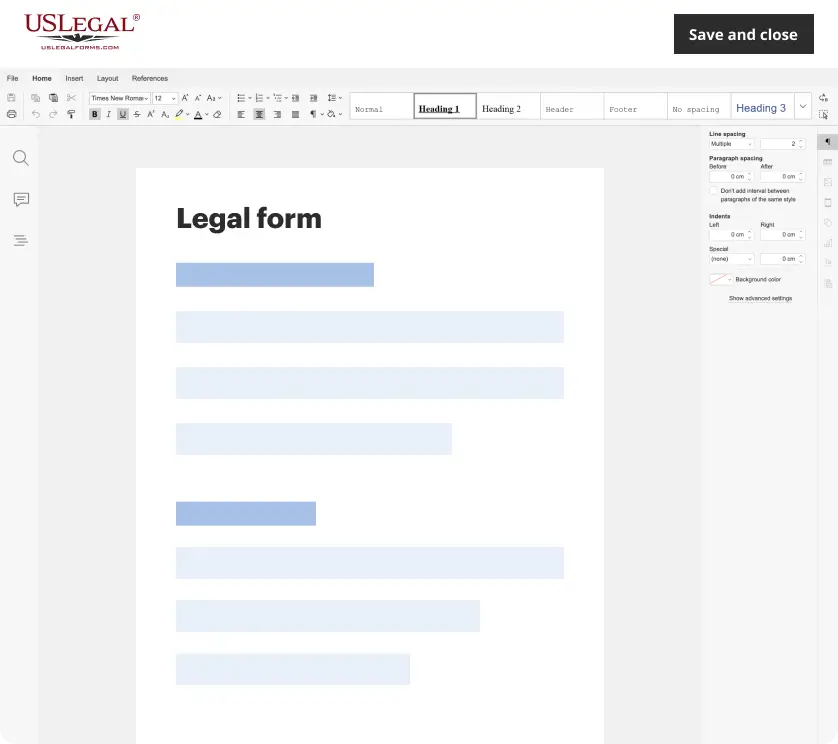
Make edits, fill in missing information, and update formatting in US Legal Forms—just like you would in MS Word.
Download a copy, print it, send it by email, or mail it via USPS—whatever works best for your next step.
Sign and collect signatures with our SignNow integration. Send to multiple recipients, set reminders, and more. Go Premium to unlock E-Sign.
If this form requires notarization, complete it online through a secure video call—no need to meet a notary in person or wait for an appointment.
We protect your documents and personal data by following strict security and privacy standards.
Mistakes to watch out for
- Failing to include the specific month for which the payment is overdue.
- Not accurately stating the total amount due, including late fees.
- Incorrectly identifying the landlord or tenant's names and addresses.
- Neglecting to provide proper proof of delivery to the tenant.
Benefits of completing this form online
- Convenient access to a legally reviewed template.
- Editable to meet specific needs and circumstances.
- Instant download allows for immediate use.
- Reduces the risk of errors compared to handwritten notices.
Legal use & context
- This notice serves to protect landlords' rights by legally documenting a tenant's default.
- It provides a clear record that could be used in court if eviction proceedings become necessary.
- Failure to provide this notice before proceeding with eviction may affect the enforceability of eviction actions.
Summary of main points
- The notice serves as a warning prior to a more formal eviction process.
- Landlords must clearly state the amount due and the consequences of non-payment.
- Proper delivery of the notice is crucial for legal compliance.
Looking for another form?
Form popularity
FAQ
South Carolina landlords cannot enter an apartment unless they give at least 24-hour notice to the tenant, and may only enter at reasonable times.
Tenant Rights to Withhold Rent in South CarolinaTenants may withhold rent or exercise the right to repair and deduct if a landlord fails to take care of important repairs, such as a broken heater. For specifics, see South Carolina Tenant Rights to Withhold Rent or Repair and Deduct.
Both the landlord and tenant must give at least one month's notice to the other party when wanting to cancel the lease. (See Rental Housing Act 1999.) The Consumer Protection Act (CPA) gives additional rights to the tenant by allowing them to cancel the lease provided 20 business days' notice is given.
A Notice to Vacate is a notice written by the landlord or property manager giving a notice to leave the premises within a specified time frame. This type of notice is typically given during the end of a lease period, or due to an infringement of the lease agreement.
Although renters must abide by the Homeowners' Association rules, they still have rights under the law. The property owner must also follow their home state's Landlord-Tenant Laws that include the Fair Housing Act and Fair Credit Reporting Act.
A landlord cannot evict a tenant without an adequately obtained eviction notice and sufficient time. A landlord cannot retaliate against a tenant for a complaint. A landlord cannot forego completing necessary repairs or force a tenant to do their own repairs.A landlord cannot remove a tenant's personal belongings.
A. In a month-to-month tenancy, the landlord may raise the rent after giving the tenant 45 days' written notice.
Eviction notices When written by a landlord, a notice to vacate is commonly known as an "eviction notice," which tells the tenant they must move out of the rental property.
Tenant Rights to Withhold Rent in South CarolinaTenants may withhold rent or exercise the right to repair and deduct if a landlord fails to take care of important repairs, such as a broken heater.