South Carolina Revocation of Premarital or Prenuptial Agreement
Overview of this form
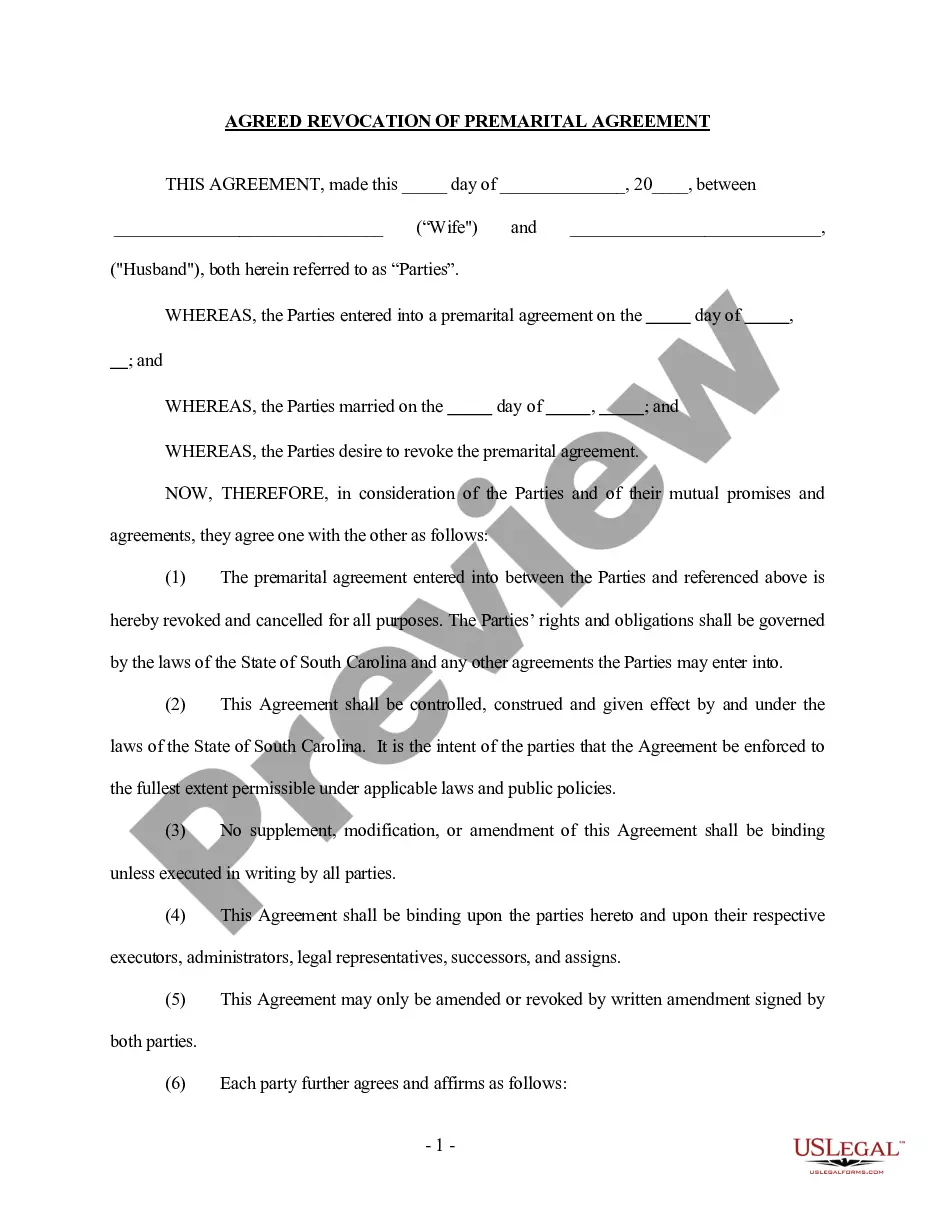
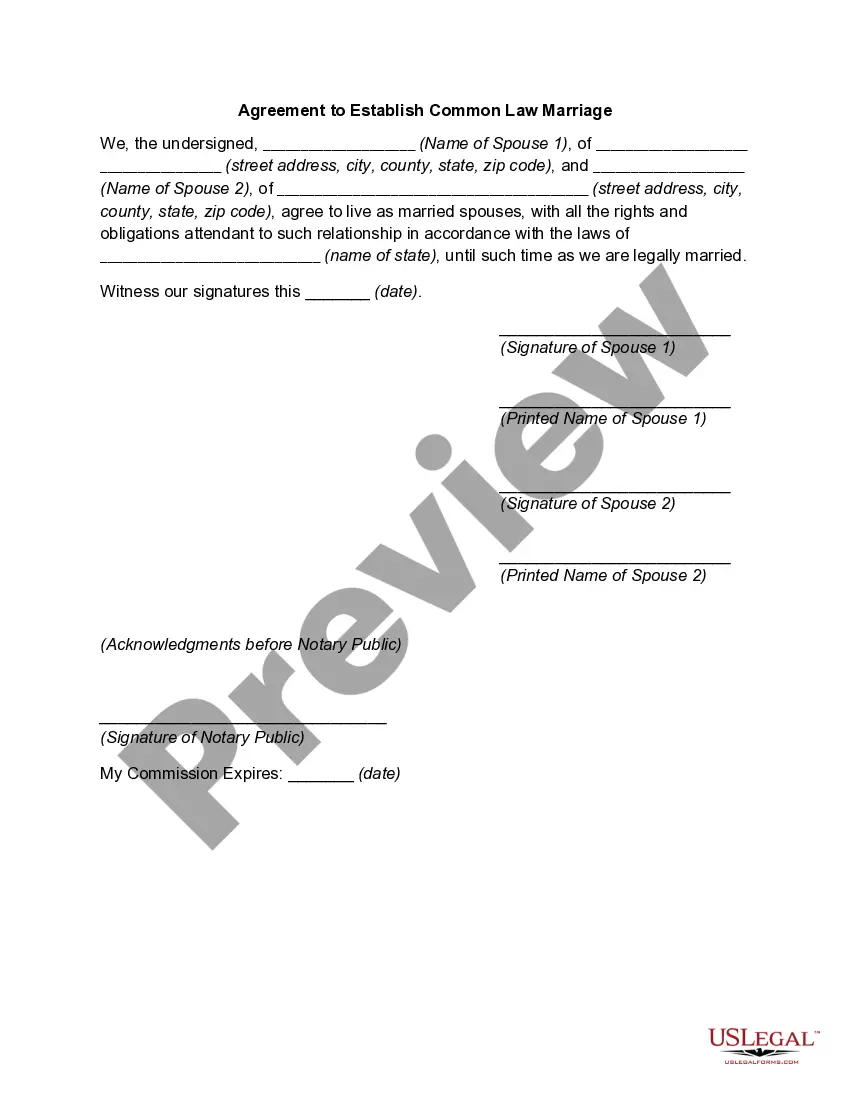
The Revocation of Premarital or Prenuptial Agreement form is a legal document used by spouses to cancel an existing premarital agreement. This form formally dissolves the obligations set forth in the original agreement and establishes that both parties will adhere to the laws of their state, without any binding obligations from the initial agreement. This differs from a premarital agreement, which outlines the rights and responsibilities of both parties before marriage; this form effectively reverses those stipulations.
Key parts of this document
- Date of agreement execution
- Identification of the parties (Wife and Husband)
- Revocation statement that cancels the original premarital agreement
- Governing laws stipulating that South Carolina law applies
- Clauses regarding modifications and binding nature of the agreement
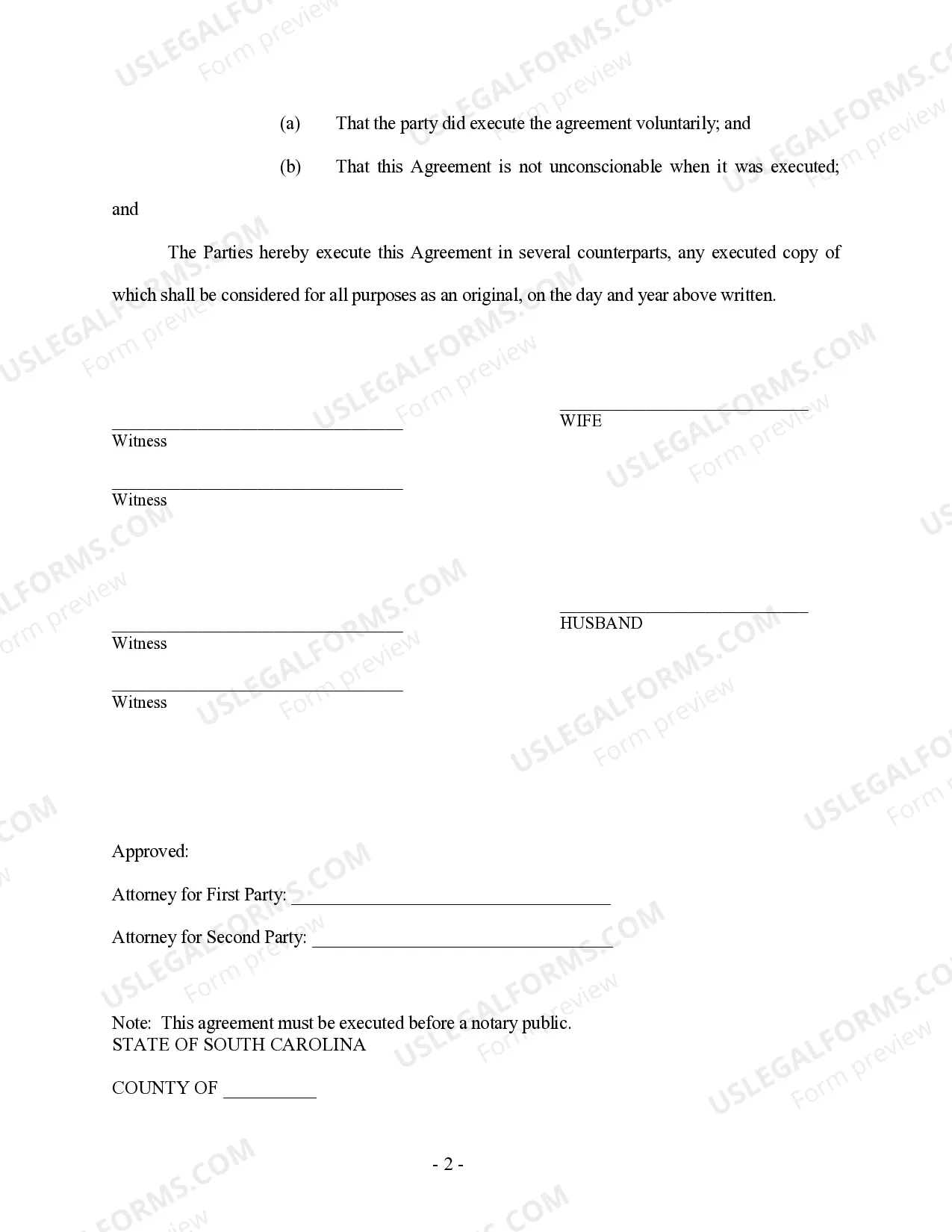
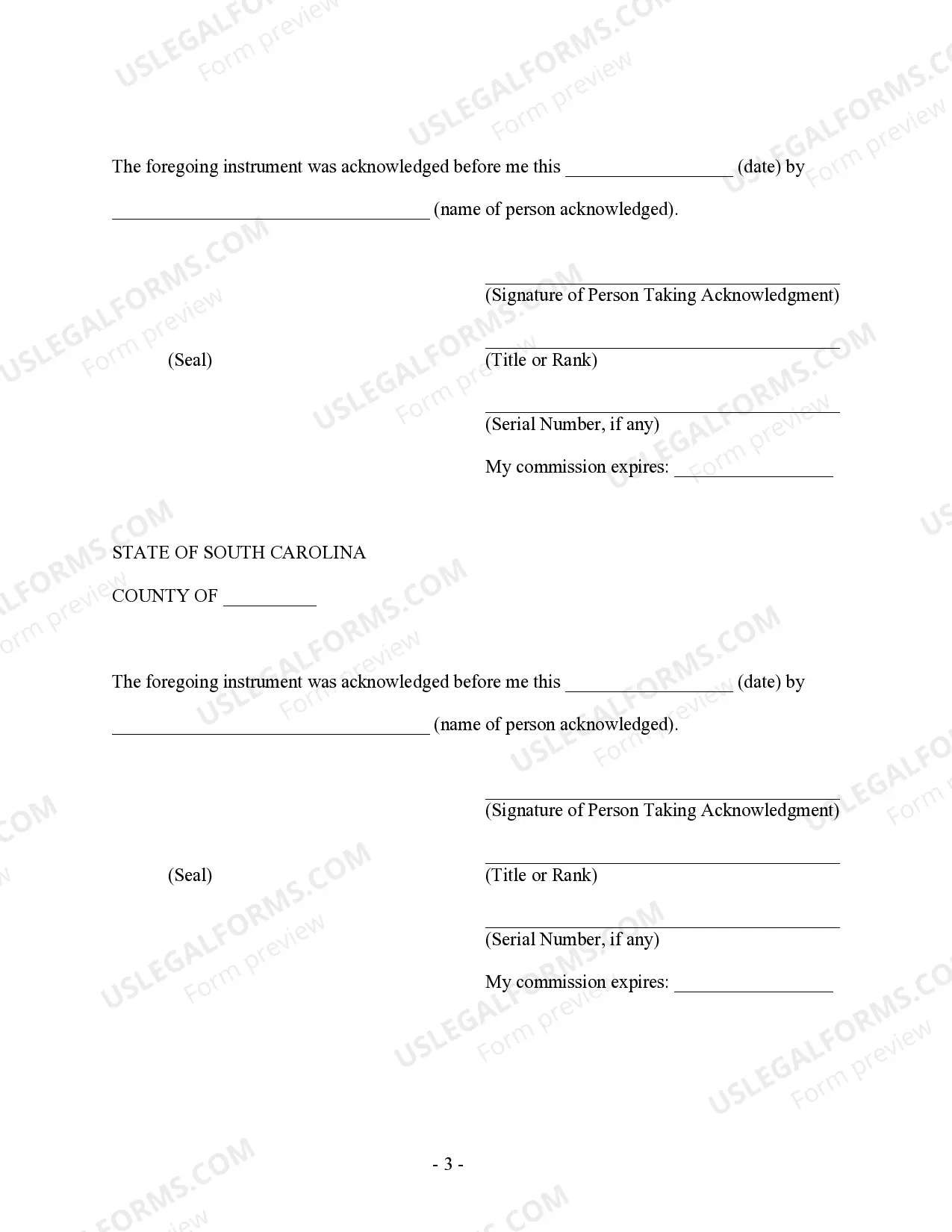
- Signature fields along with witness and notary requirements
When to use this form
This form should be used when a married couple decides that they no longer wish to abide by the terms of a previously established premarital or prenuptial agreement. This may occur in situations where relationships have evolved, circumstances have changed, or the parties simply agree that the prior terms are no longer applicable. It is an essential step to ensure that both parties are legally clear of any previous obligations.
Who this form is for
This form is designed for:
- Married couples in South Carolina seeking to revoke their premarital agreement.
- Individuals who are sure they want to nullify any previous premarital agreements.
- Spouses who have discussed and reached a mutual agreement regarding the termination of the prior contract.
Instructions for completing this form
- Identify and enter the names of both parties (Wife and Husband).
- Enter the date on which the agreement is executed.
- Clearly state the revocation of the original premarital agreement.
- Ensure both parties sign the document in the presence of witnesses.
- Have the form notarized to confirm its legal validity.
Is notarization required?
Yes, this form must be notarized to be legally valid. It ensures that the identities of the parties are verified and that the document is executed in a lawful manner. US Legal Forms provides integrated online notarization, allowing for secure video calls, 24/7 availability, and no need for travel.
Get your form ready online
Our built-in tools help you complete, sign, share, and store your documents in one place.
Make edits, fill in missing information, and update formatting in US Legal Forms—just like you would in MS Word.
Download a copy, print it, send it by email, or mail it via USPS—whatever works best for your next step.
Sign and collect signatures with our SignNow integration. Send to multiple recipients, set reminders, and more. Go Premium to unlock E-Sign.
If this form requires notarization, complete it online through a secure video call—no need to meet a notary in person or wait for an appointment.
We protect your documents and personal data by following strict security and privacy standards.

Make edits, fill in missing information, and update formatting in US Legal Forms—just like you would in MS Word.

Download a copy, print it, send it by email, or mail it via USPS—whatever works best for your next step.

Sign and collect signatures with our SignNow integration. Send to multiple recipients, set reminders, and more. Go Premium to unlock E-Sign.

If this form requires notarization, complete it online through a secure video call—no need to meet a notary in person or wait for an appointment.

We protect your documents and personal data by following strict security and privacy standards.
Mistakes to watch out for
- Failing to have the document notarized, which may affect its legality.
- Not entering the correct names of the parties, leading to possible disputes.
- Omitting witness signatures, which can invalidate the revocation.
- Using the form without consulting legal advice, which could result in unforeseen consequences.
Benefits of completing this form online
- Convenience of downloading the form instantly from anywhere.
- Editability to fill in personal information as needed.
- Access to reliable templates drafted by licensed attorneys.
- Time-saving compared to traditional methods of obtaining legal documents.
Looking for another form?
Form popularity
FAQ
Prenuptial agreements may be nullified or declared void in some situations. Certain clauses could also be voided if they are unconscionable or forbidden by law. For example, a prenup can't decide issues of child support or child custody.
Prenuptial agreements help couples determine what will happen to the parties' assets in the event of a divorce or a spouse's death. The law states that couples cannot revoke prenuptial agreements unless both parties agree to it.
Spousal abuse or cheating does not void or invalidate a prenuptial or partition agreement unless the agreement specifically states that.A custom marital agreement can include an infidelity clause, but the ramifications should be carefully considered.
If a spouse is able to prove non-disclosure of all previous assets or property, then the prenuptial agreement can be considered void. Second, if a spouse is able to prove that he or she was compelled to sign the prenuptial agreement under stressful circumstances, then the prenup can be invalidated.
The three most common grounds for nullifying a prenup are unconscionability, failure to disclose, or duress and coercion.Duress and coercion can also invalidate a prenup. If the prenup was signed the day before your wedding, it may appear that the parties didn't have much time to fully review the agreement.
No, you cannot get a prenup if you are already married.You can still sign a postnuptial agreement (or postnup), which achieves the same goals as a prenup in most cases. Prenups are a common step before marriage. Texas community property rules are the reason why prenups are common in Texas.
False Information: A premarital agreement is valid only if it is entered into after full disclosure by both parties -- as to their income, assets, and liabilities. If one prospective spouse provides the other with information that is not true, the agreement is invalid.