Rhode Island Guaranty Attachment to Lease for Guarantor or Cosigner
Overview of this form
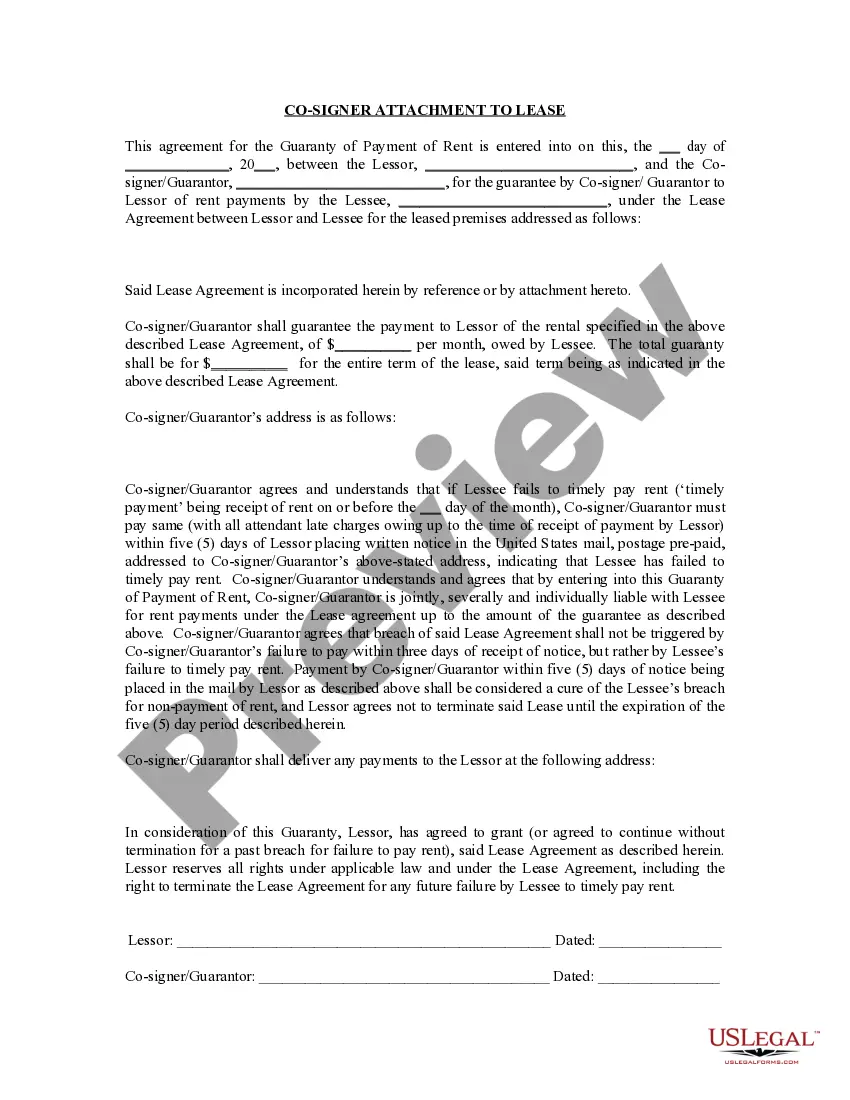
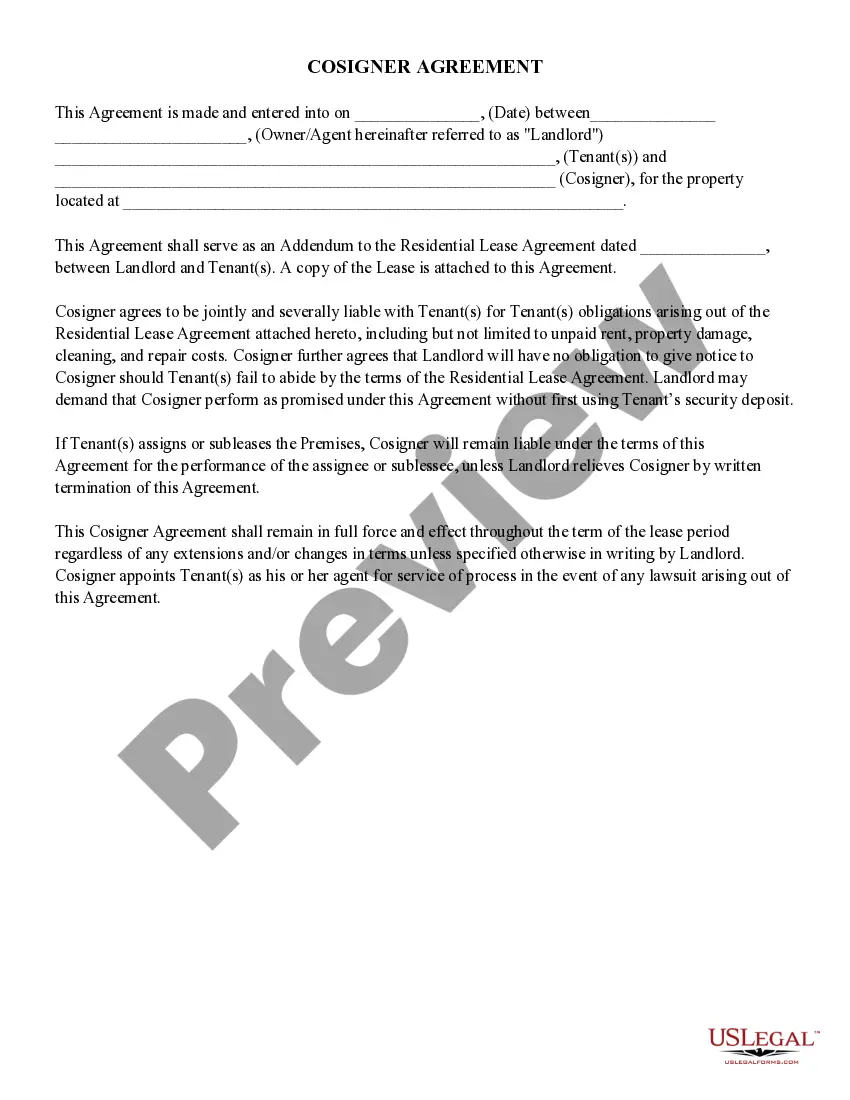
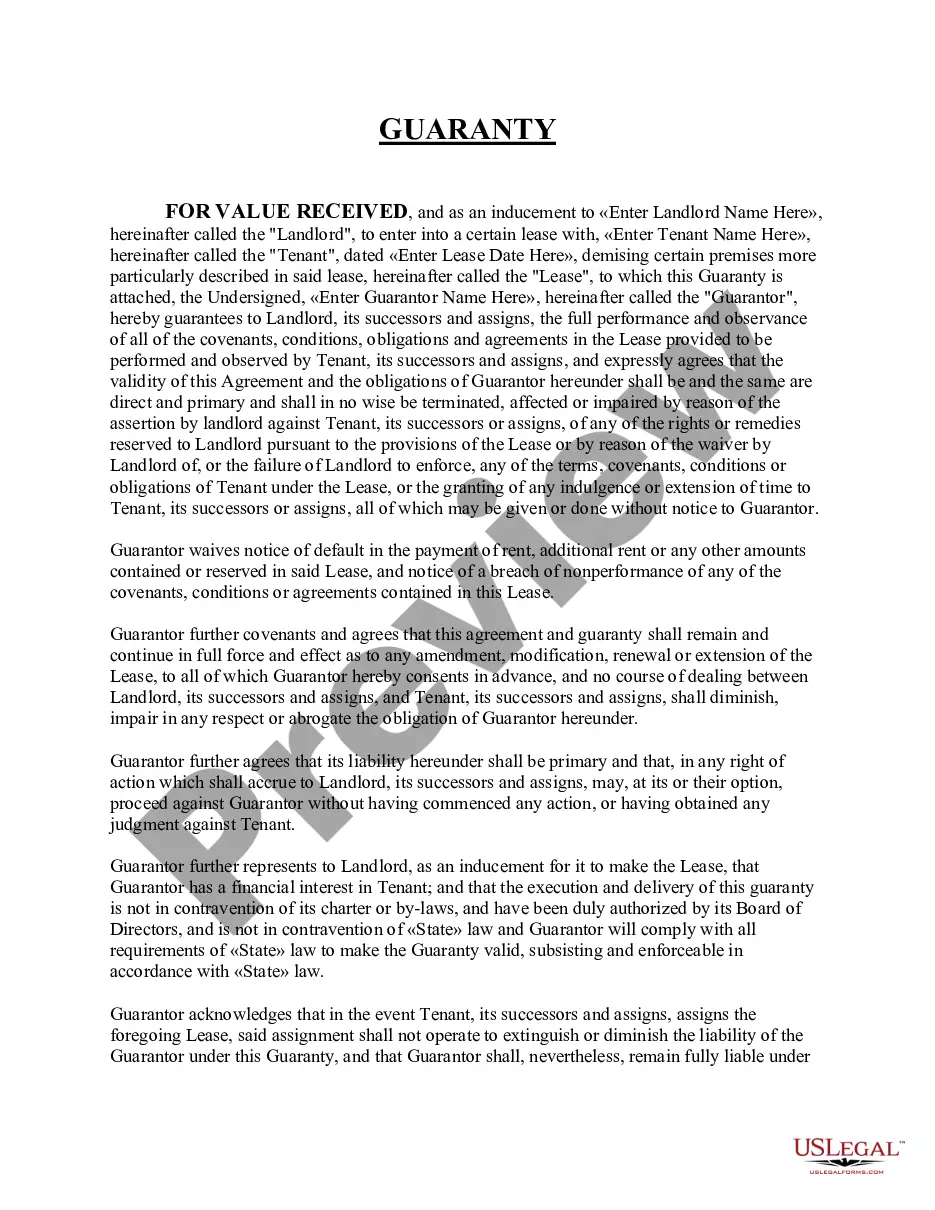
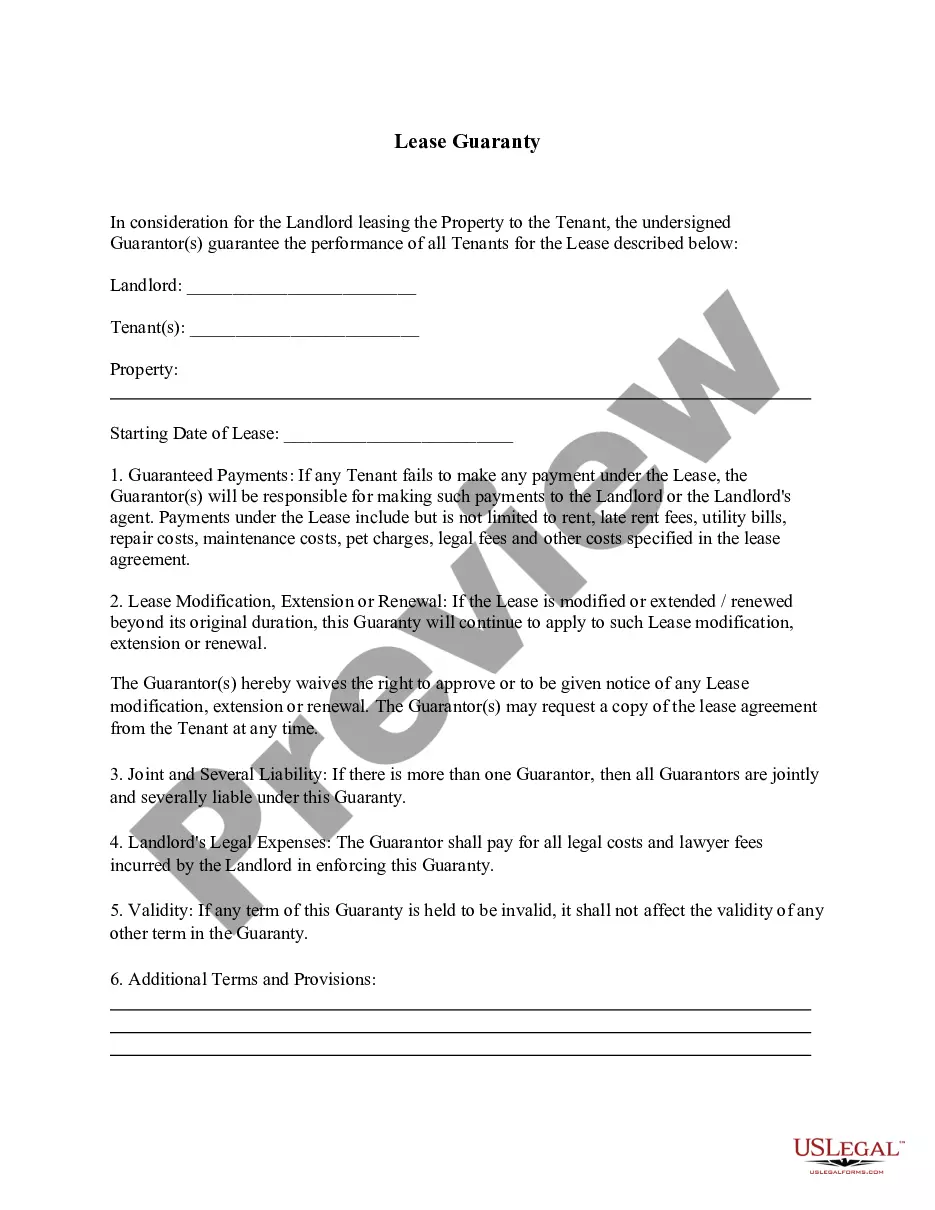
The Guaranty Attachment to Lease for Guarantor or Cosigner is a legal document in which a third party agrees to co-sign a lease. This guarantor promises to cover any unpaid rent if the tenant fails to make payments. Unlike a regular lease, this attachment serves to protect the landlord by ensuring that the rent is guaranteed by someone other than the tenant, providing an extra layer of security for the lease agreement.
Form components explained
- Guarantor's name and address: Identifies the third party responsible for the guarantee.
- Lessor information: Details about the landlord or property owner.
- Signature and date sections: Formalizes the agreement by requiring signatures from both the guarantor and the lessor.
- Terms of the guarantee: Outlines the specific obligations of the guarantor under the lease.
When to use this form
This form is useful in scenarios where a tenant may not have sufficient credit history or income to qualify for a lease on their own. Landlords often require a guarantor to ensure that rent will be paid, particularly in residential leases. It is also applicable in commercial leases when a business may lack the financial backing required by the landlord.
Intended users of this form
This form is intended for:
- Landlords who want an additional security measure for rental agreements.
- Tenants lacking a solid financial profile who need a guarantor to secure a lease.
- Individuals (guarantors) willing to take on financial responsibility for a tenant's lease obligations.
Steps to complete this form
- Identify the parties: Fill in the names of the tenant, lessor, and guarantor.
- Specify the property: Include the address of the rental property subject to the lease.
- Read the terms: Ensure the obligations of the guarantor are clear and understood.
- Sign and date: Both the guarantor and lessor must sign and date the document to make it valid.
- Keep a copy: Store a signed copy for your records once completed.
Notarization requirements for this form
This form does not typically require notarization unless specified by local law. It is always recommended to check state regulations to confirm any specific requirements.
Get your form ready online
Our built-in tools help you complete, sign, share, and store your documents in one place.
Make edits, fill in missing information, and update formatting in US Legal Forms—just like you would in MS Word.
Download a copy, print it, send it by email, or mail it via USPS—whatever works best for your next step.
Sign and collect signatures with our SignNow integration. Send to multiple recipients, set reminders, and more. Go Premium to unlock E-Sign.
If this form requires notarization, complete it online through a secure video call—no need to meet a notary in person or wait for an appointment.
We protect your documents and personal data by following strict security and privacy standards.

Make edits, fill in missing information, and update formatting in US Legal Forms—just like you would in MS Word.

Download a copy, print it, send it by email, or mail it via USPS—whatever works best for your next step.

Sign and collect signatures with our SignNow integration. Send to multiple recipients, set reminders, and more. Go Premium to unlock E-Sign.

If this form requires notarization, complete it online through a secure video call—no need to meet a notary in person or wait for an appointment.

We protect your documents and personal data by following strict security and privacy standards.
Typical mistakes to avoid
- Not fully understanding the financial obligations assumed by the guarantor.
- Failing to include all necessary information about the property or parties involved.
- Neglecting to obtain signatures, rendering the agreement unenforceable.
Advantages of online completion
- Convenience: Easily fill out and download the form from anywhere.
- Editability: Make necessary adjustments to tailor the form to specific circumstances.
- Reliability: Forms are drafted by licensed attorneys, ensuring legal compliance and clarity.
Legal use & context
- The guaranty is legally enforceable, providing security to the landlord.
- This form creates a binding agreement that obligates the guarantor to fulfill the tenant's financial responsibilities.
Quick recap
- The Guaranty Attachment to Lease is essential for landlords who need additional security.
- Tenants can use this form to enhance their chances of lease approval.
- Completing the form accurately is crucial for its enforceability.
Looking for another form?
Form popularity
FAQ
Ask the owner whether he allows for co-signers. Schedule a meeting with the owner and your co-signer. Sign the lease or rental agreement once the co-signer passes the property owner's requirements. Ask the landlord whether he objects to another tenant moving into the home.
According to Nolo, a cosigner is a person designated to make the rental payments if the tenant does not pay. They sign their name to the lease agreement and are held fully responsible for rent if the tenant stops paying rent.
The short answer is yes. Handwritten contracts are slightly impractical when you could just type them up, but they are completely legal if written properly. In fact, they're even preferable to verbal contracts in many ways.
Guarantors sign the lease and are responsible for the payments under the law, but they don't occupy the apartment nor are they entitled to occupy it.
Co-signers have equal responsibility for payment of monthly rental costs, while a guarantor is generally sought for payment only when the primary signer is unable to make the rental payment.
Note that the guarantor must always see and approve the tenancy agreement before he signs this is not a problem if the guarantee is part of the tenancy agreement.A guarantor cannot be forced to pay up in respect of a tenancy agreement he has never seen.
Create your state-specific lease agreement outlining the terms of the cosigner and the responsibility of each party and add both parties to the lease agreement. Get all parties to sign so the lease agreement is legally binding. Make sure they both understand when and how rent should be paid every month.
According to Nolo, a cosigner is a person designated to make the rental payments if the tenant does not pay.However, if a lease doesn't have this provision, then the only people who need to sign the lease are the people responsible for paying the rent.
Some landlords don't accept co-signers for their apartments, so you are not guaranteed an apartment if you have a co-signer. In addition, your co-signer is taking on a fair amount of risk by consenting to be monetarily responsible for your lease.