Rhode Island Letter from Landlord to Tenant for Failure of to dispose all ashes, rubbish, garbage or other waste in a clean and safe manner in compliance with community rules
Understanding this form
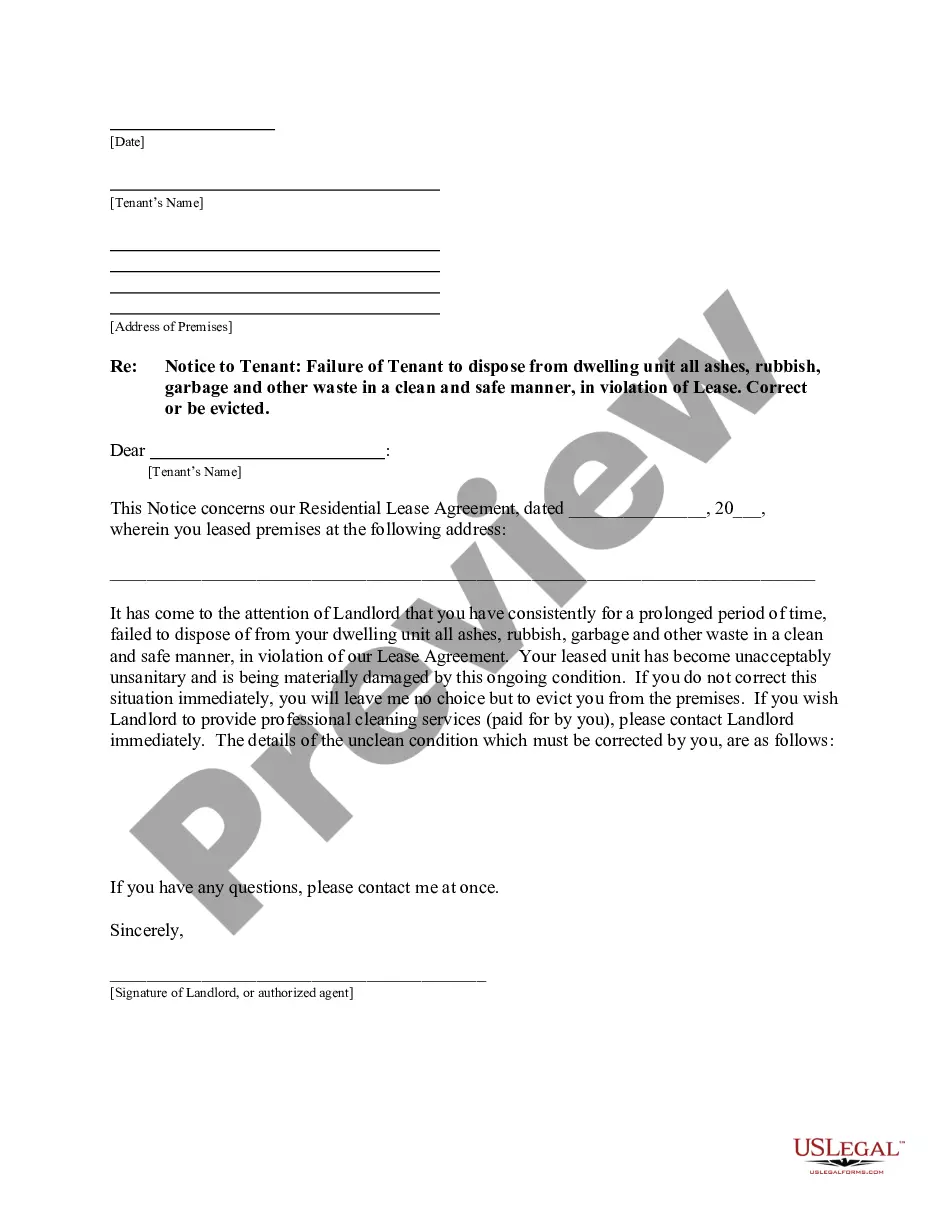
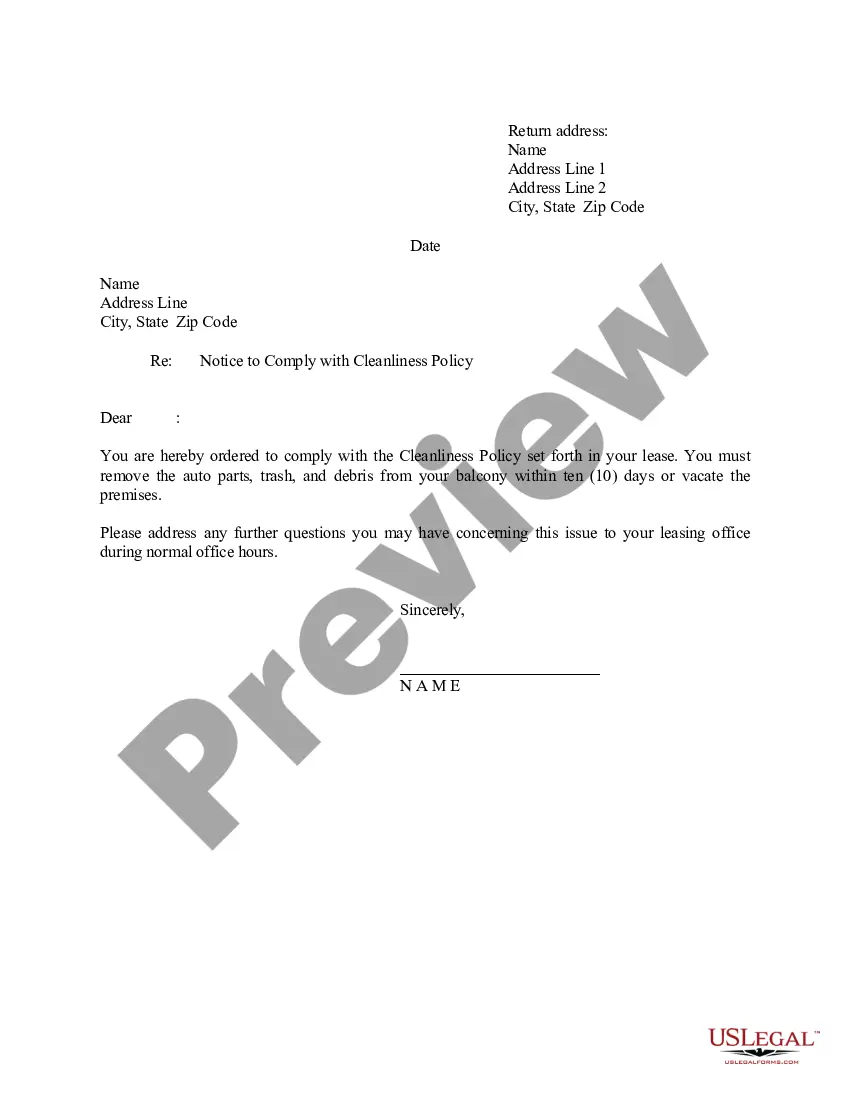
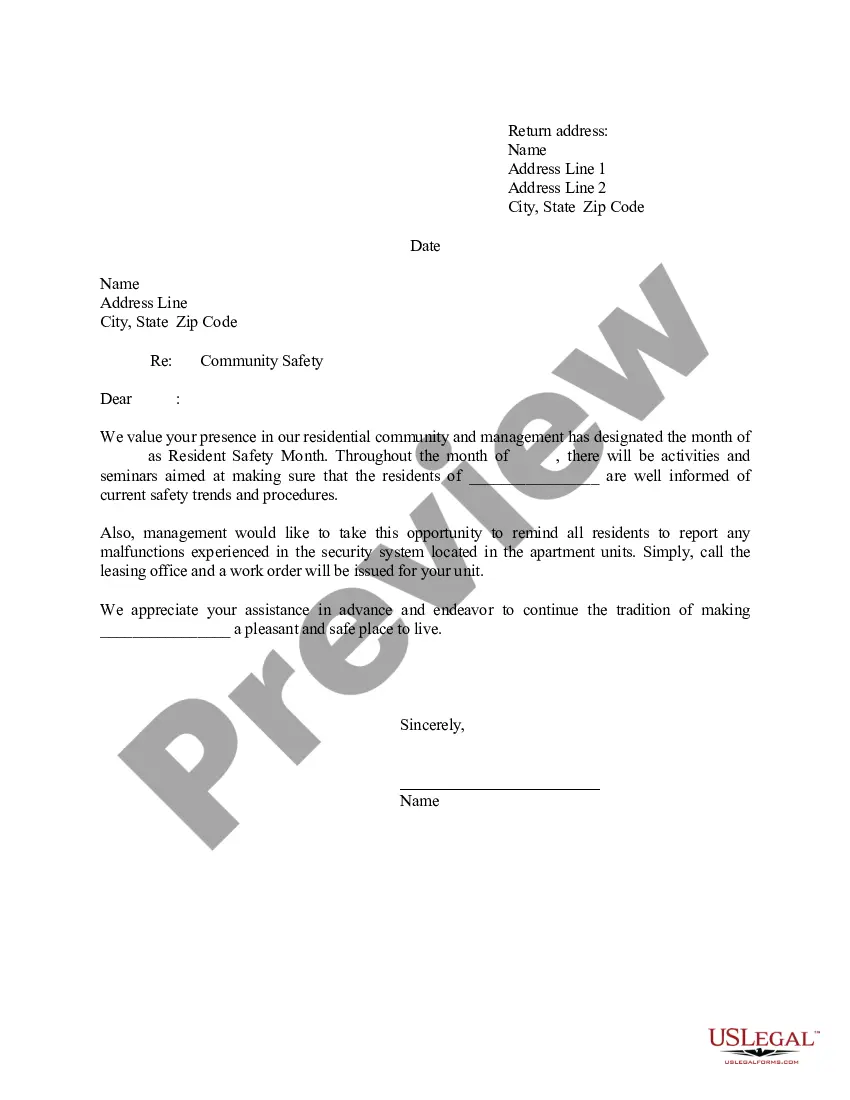
The Letter from Landlord to Tenant for Failure to Dispose of Waste is a formal notice from a landlord to a tenant, addressing issues surrounding improper waste disposal. This document serves as a warning to the tenant, notifying them that their actions violate community standards and the terms of the lease agreement. If the tenant does not comply with the notice, the landlord may initiate eviction proceedings. Unlike an informal complaint, this letter clearly outlines the legal implications of the tenant's actions and offers a specific time frame for correction.
Main sections of this form
- Introduction stating the purpose of the notice.
- Description of the tenant's failure to dispose of waste properly.
- Consequences of non-compliance, including potential eviction.
- Invitation for the tenant to contact the landlord for cleaning services.
- Details of the unclean conditions that must be addressed.


When to use this document
This form should be used when a landlord observes ongoing issues with a tenant's waste disposal methods that violate community rules and standards. It is appropriate in situations where the cleanliness of the rental unit is compromised, leading to potential property damage or health concerns, and when previous informal requests for compliance have been unsuccessful.
Intended users of this form
- Landlords or property managers who rent residential units.
- Tenants receiving a notice regarding waste disposal violations.
- Individuals unfamiliar with legal processes needing a formalized notice template.
How to complete this form
- Identify the parties involved (landlord and tenant).
- Specify the property address related to the lease agreement.
- Clearly state the issue regarding waste disposal.
- Outline the required actions to resolve the issue.
- Include a deadline for compliance and consequences of non-compliance.
- Sign and date the letter to validate it.
Notarization guidance
This form does not typically require notarization unless specified by local law. It can serve as a valid notice when properly filled out and delivered to the tenant.
Get your form ready online
Our built-in tools help you complete, sign, share, and store your documents in one place.
Make edits, fill in missing information, and update formatting in US Legal Forms—just like you would in MS Word.
Download a copy, print it, send it by email, or mail it via USPS—whatever works best for your next step.
Sign and collect signatures with our SignNow integration. Send to multiple recipients, set reminders, and more. Go Premium to unlock E-Sign.
If this form requires notarization, complete it online through a secure video call—no need to meet a notary in person or wait for an appointment.
We protect your documents and personal data by following strict security and privacy standards.
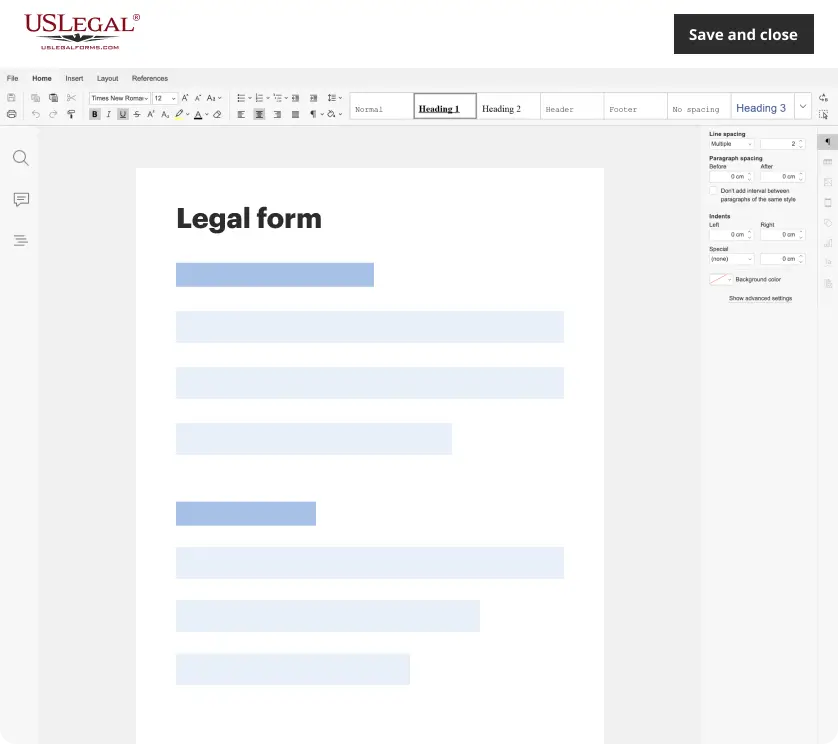
Make edits, fill in missing information, and update formatting in US Legal Forms—just like you would in MS Word.
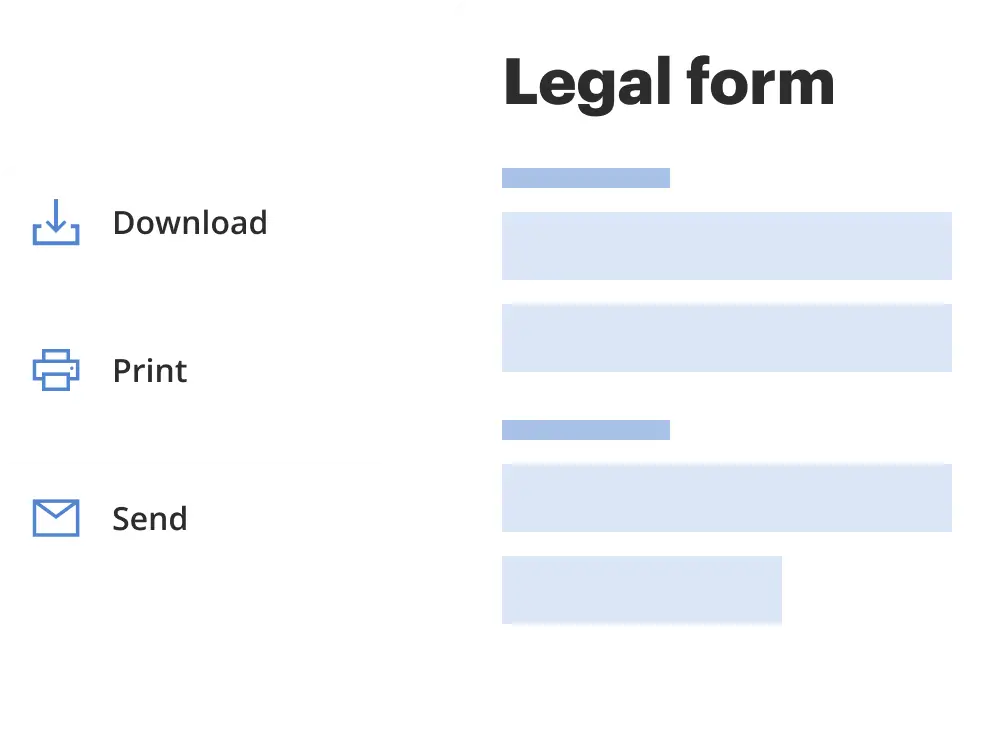
Download a copy, print it, send it by email, or mail it via USPS—whatever works best for your next step.
Sign and collect signatures with our SignNow integration. Send to multiple recipients, set reminders, and more. Go Premium to unlock E-Sign.
If this form requires notarization, complete it online through a secure video call—no need to meet a notary in person or wait for an appointment.
We protect your documents and personal data by following strict security and privacy standards.
Common mistakes to avoid
- Using vague language that does not specify the violations.
- Failing to include a clear deadline for compliance.
- Not documenting previous warnings or issues.
- Neglecting to sign and date the notice.
Why use this form online
- Convenient access to professionally drafted templates.
- Editability to tailor the form to specific situations.
- Reliable and legally compliant documentation for rental issues.
Legal use & context
- This notice serves as a formal warning, which can be presented in court if eviction is pursued.
- It establishes a documented history of the rental issue, supporting the landlordâs case.
- Understanding local laws is essential to ensure enforceability.
Quick recap
- The letter is a formal notice addressing unsanitary waste disposal by a tenant.
- It outlines the necessary corrective actions and timelines.
- This notice is crucial for legal documentation in potential eviction situations.
Looking for another form?
Form popularity
FAQ
Indiana. Indiana laws allow landlords to hold on to security deposits for 45 days to give them time to determine any damages caused by tenants. Colorado. Colorado is one of few states that allow landlords to access the rental property without an advance notice requirement. Georgia.
Under Rhode Island law, the rental agreement between a tenant and a landlord is a contract. A landlord is permitted to attempt to increase a tenant's rent by any amount for any reason, as long as the increase was not done for an illegal reason, and as long as the increase was done by proper procedures.
Rhode Island Eviction Process Timeline Initial Notice Period between 5 and 90 days, depending on the notice type and reason for eviction. Issuance/Service of Summons and Complaint 5 days prior to the hearing for nonpayment of rent evictions. Answer is filed 9-20 days, depending on the reason for the eviction.
Vermont ranked first among the renter-friendly states, followed closely by Delaware and Hawaii who were tied for second place. Rhode Island, Arizona, D.C., Maine and Alaska Statutes also seem to take good care of their renters according to our analysis.
There is no rent control in Rhode Island, so a landlord is free to set the rent at whatever s/he decides. You and the landlord can agree on the date that rent will be paid. If your rent is more than 15 days late, you can be evicted for non-payment and the landlord can use a quick court proceeding.
Evicting a tenant in Rhode Island can take around 1-4 months, depending on the reason for the eviction.
Under Rhode Island law, the rental agreement between a tenant and a landlord is a contract. A landlord is permitted to attempt to increase a tenant's rent by any amount for any reason, as long as the increase was not done for an illegal reason, and as long as the increase was done by proper procedures.
Rhode Island is a partially landlord-friendly state. There are no rent control policies and landlords are not limited in the kinds of fees they charge. However, tenants normally require a substantial amount of notice before eviction.
Put cameras everywhere (Nest Cam is a good brand), make sure you put signs "Premises secured by video surveillance" and you will be good to go. While it won't prevent the landlord from entering, it will prevent the landlord from doing anything funky, and who knows, with time even stop.