Pennsylvania Complex Will with Credit Shelter Marital Trust for Large Estates
What is this form?
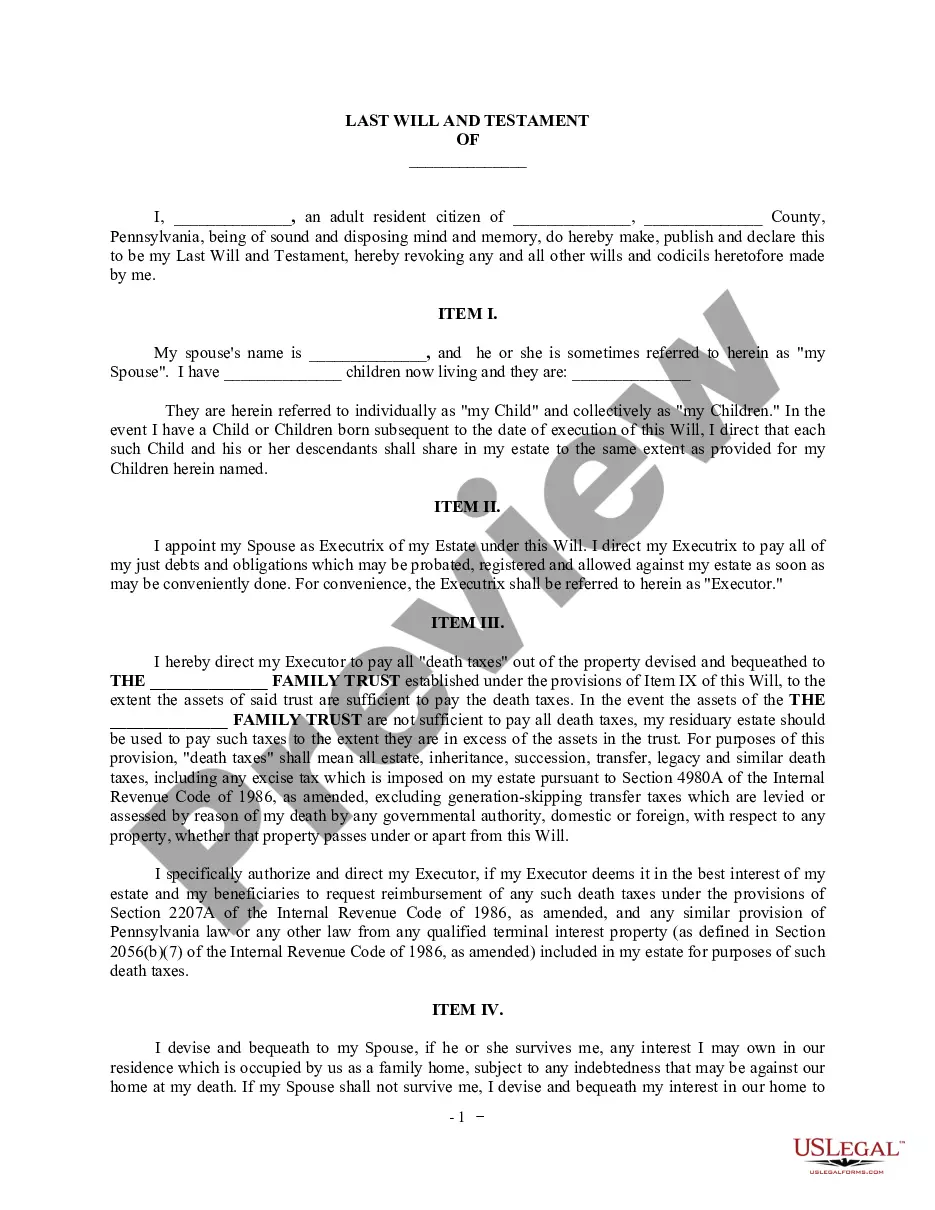
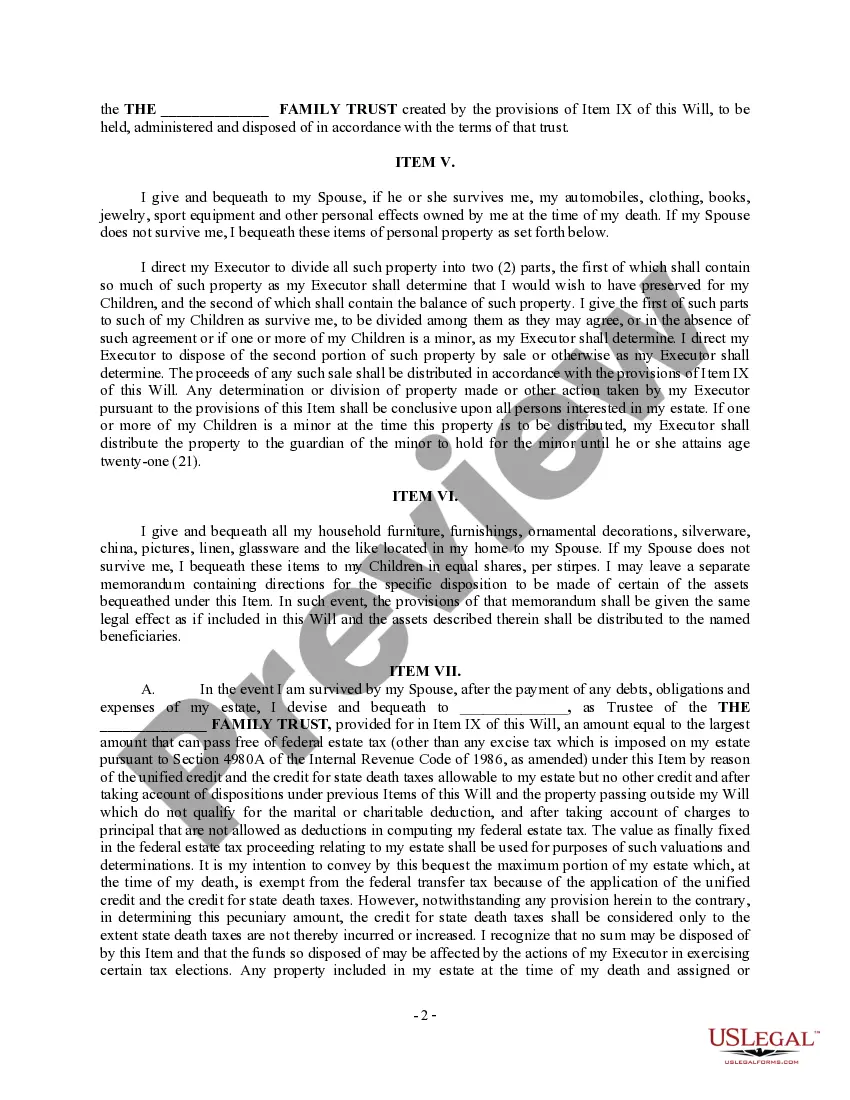
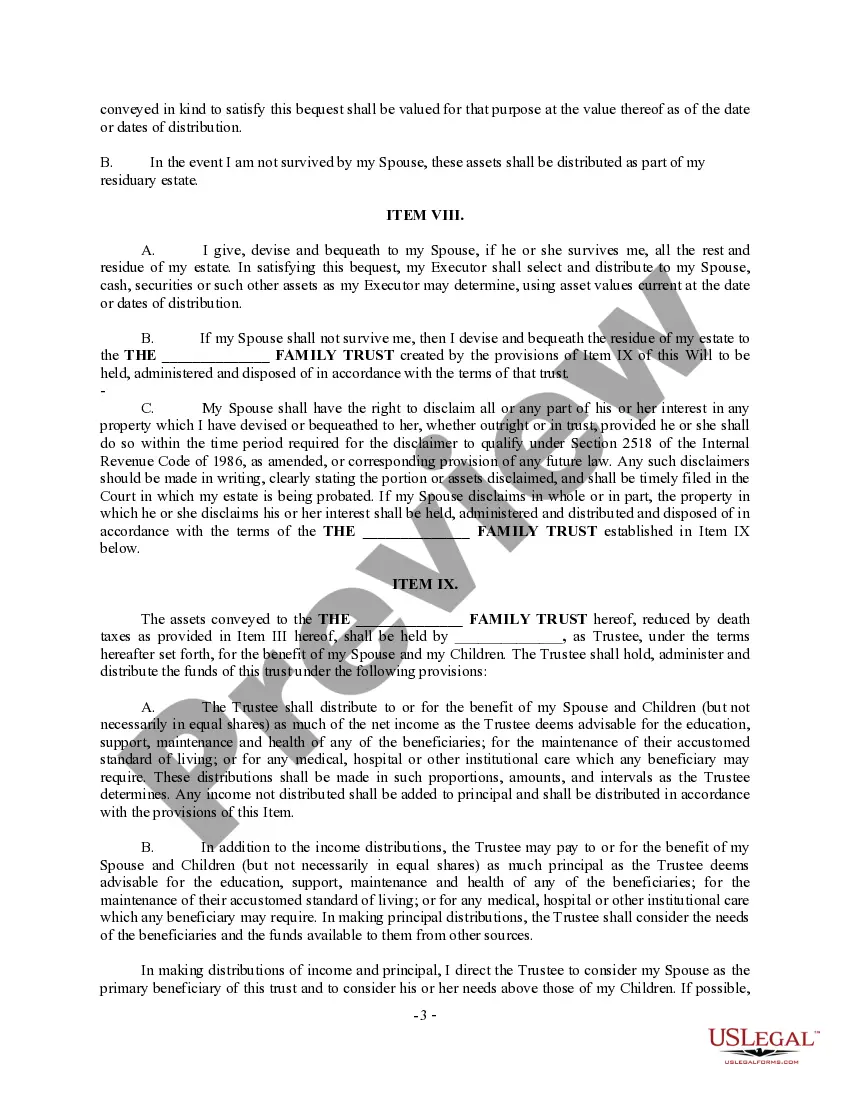
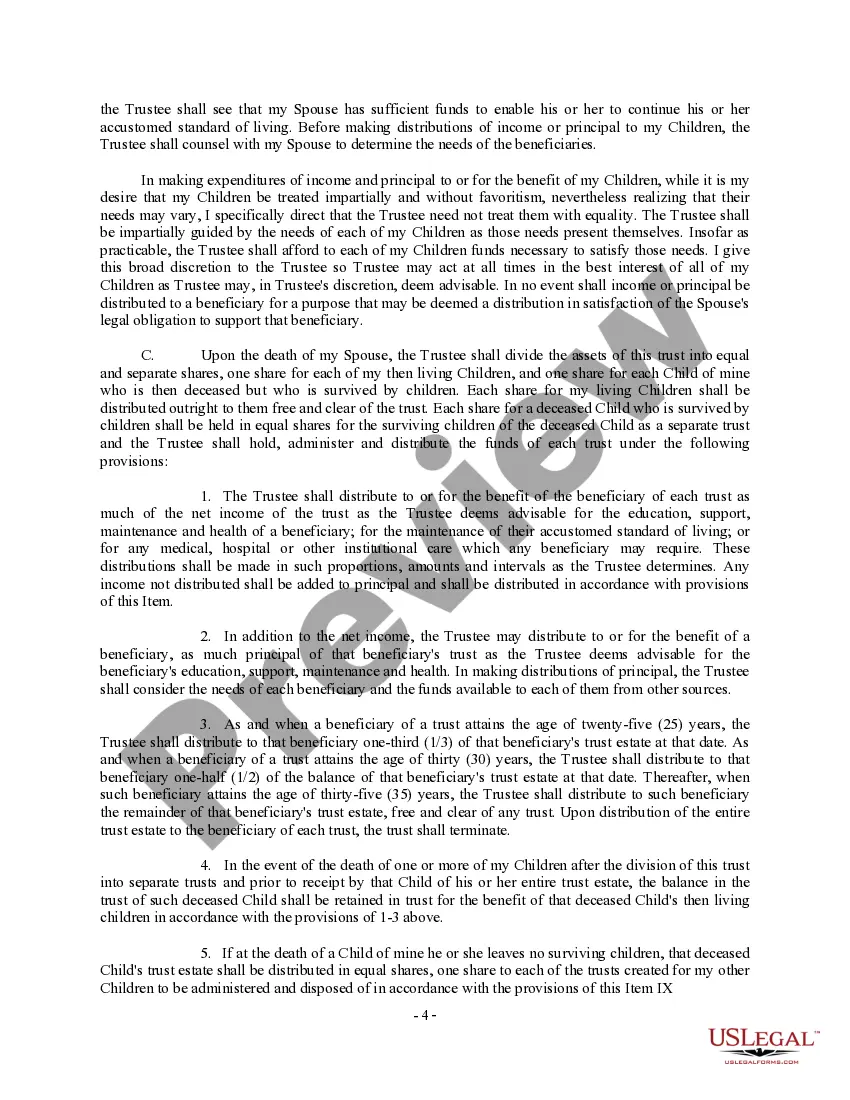
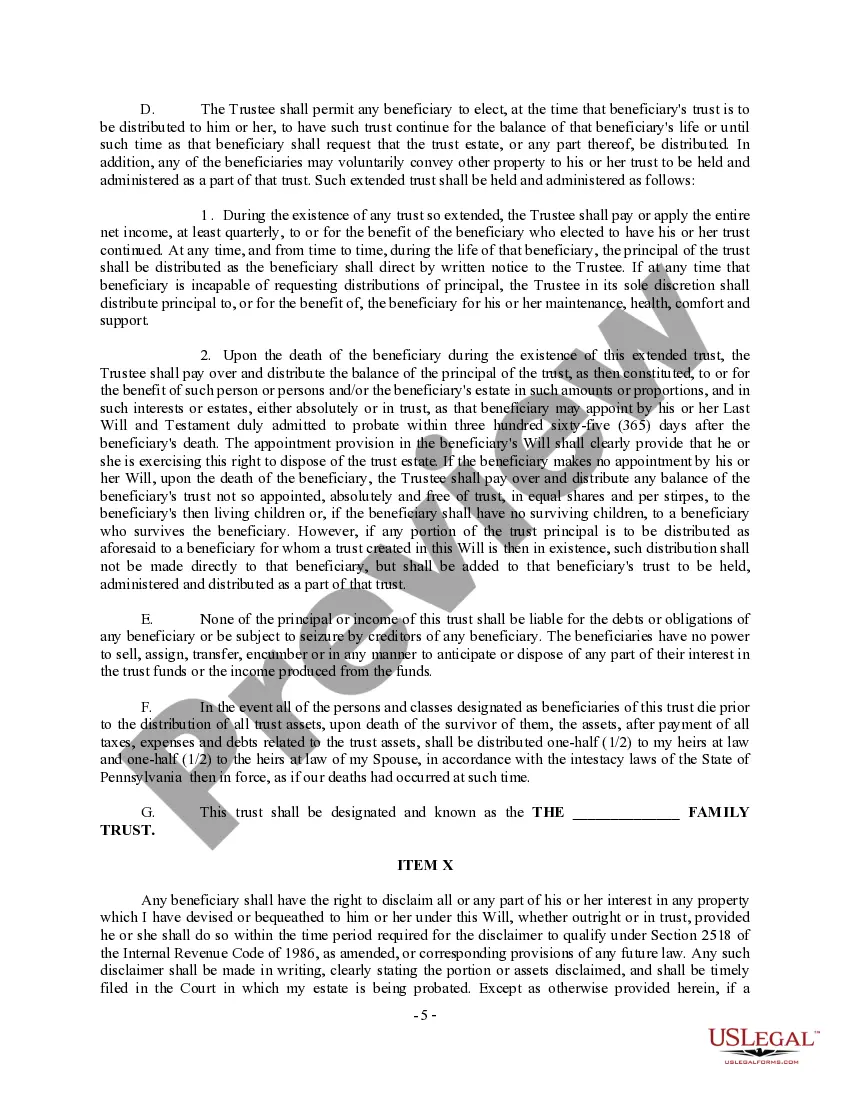
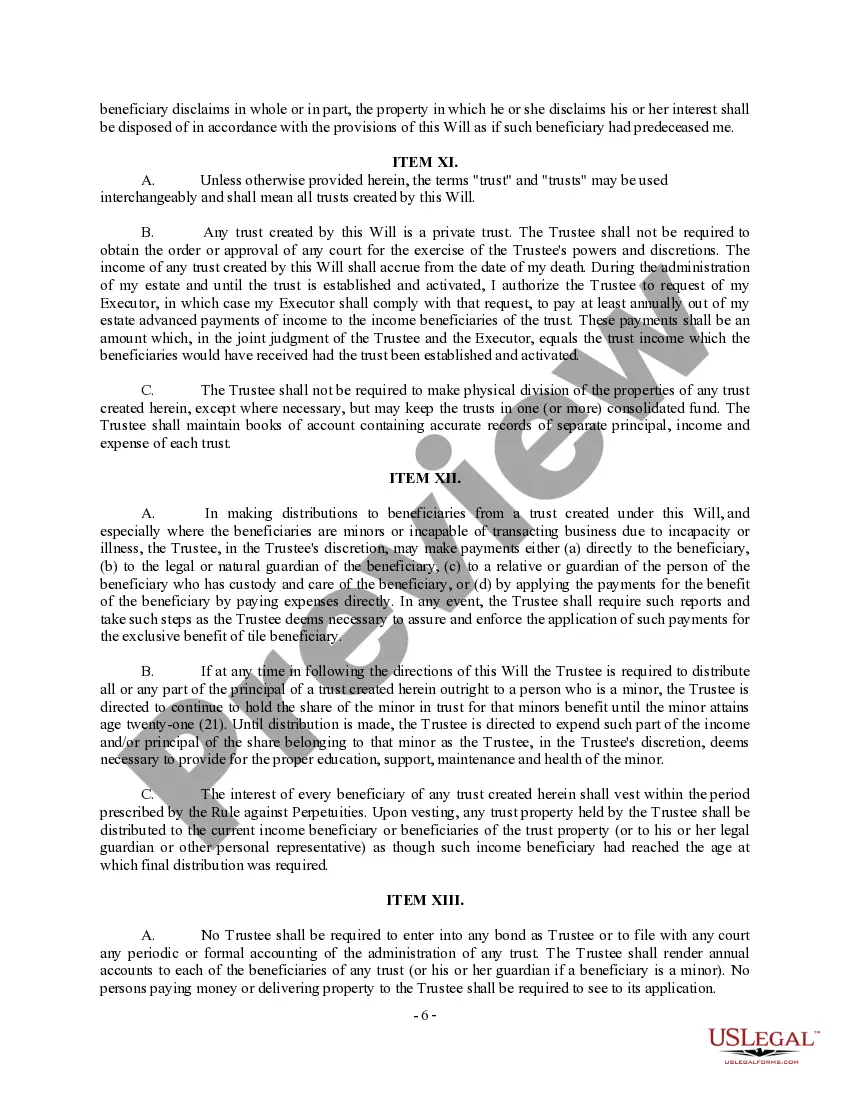
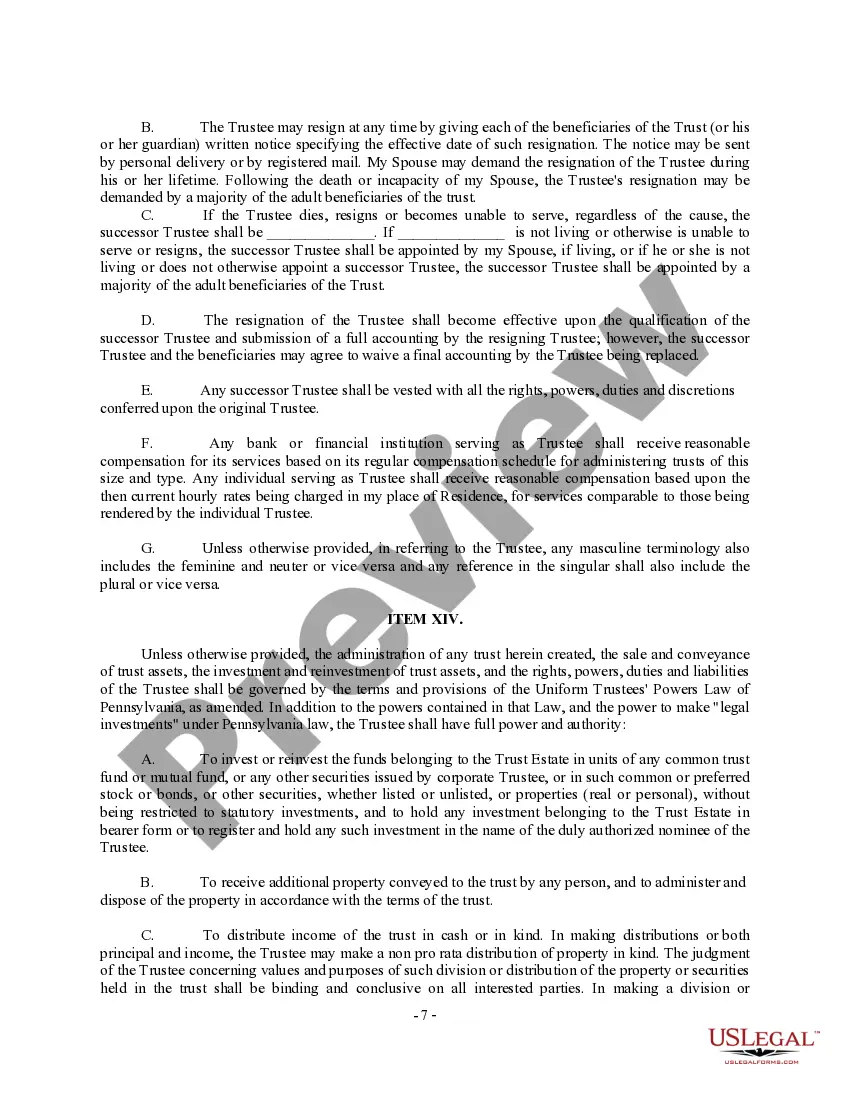
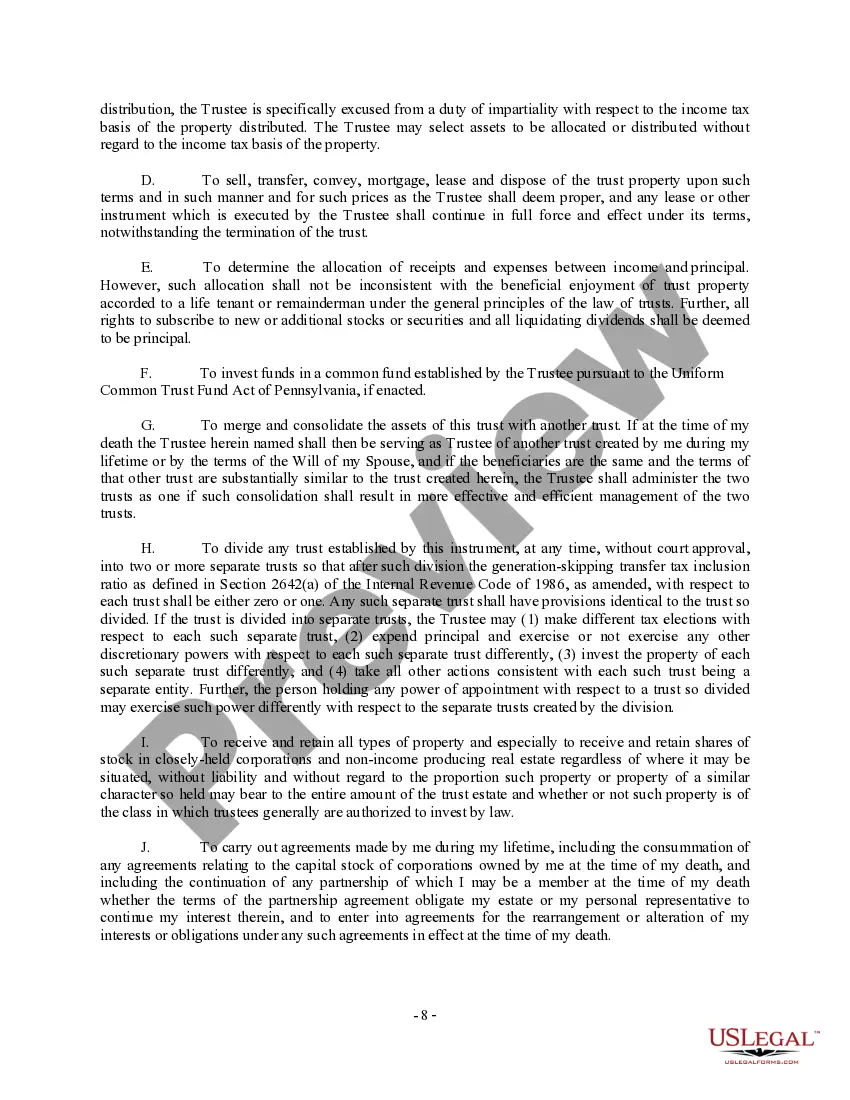
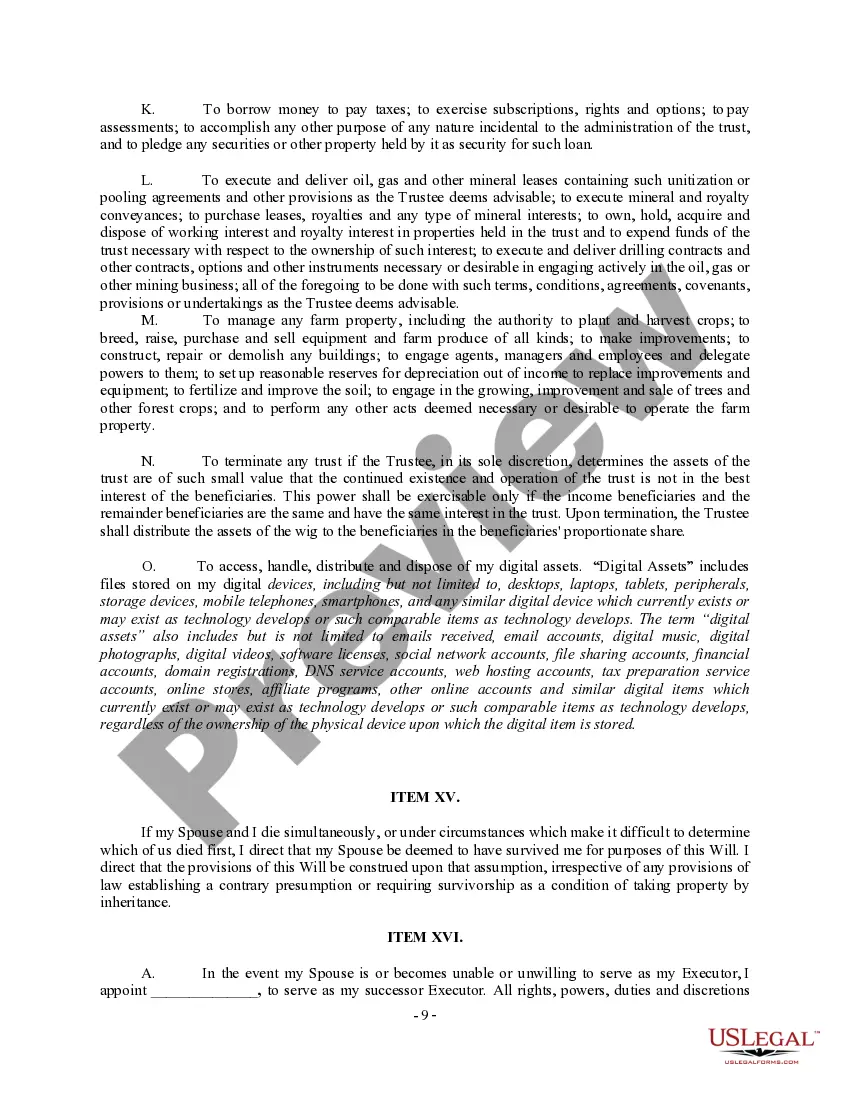
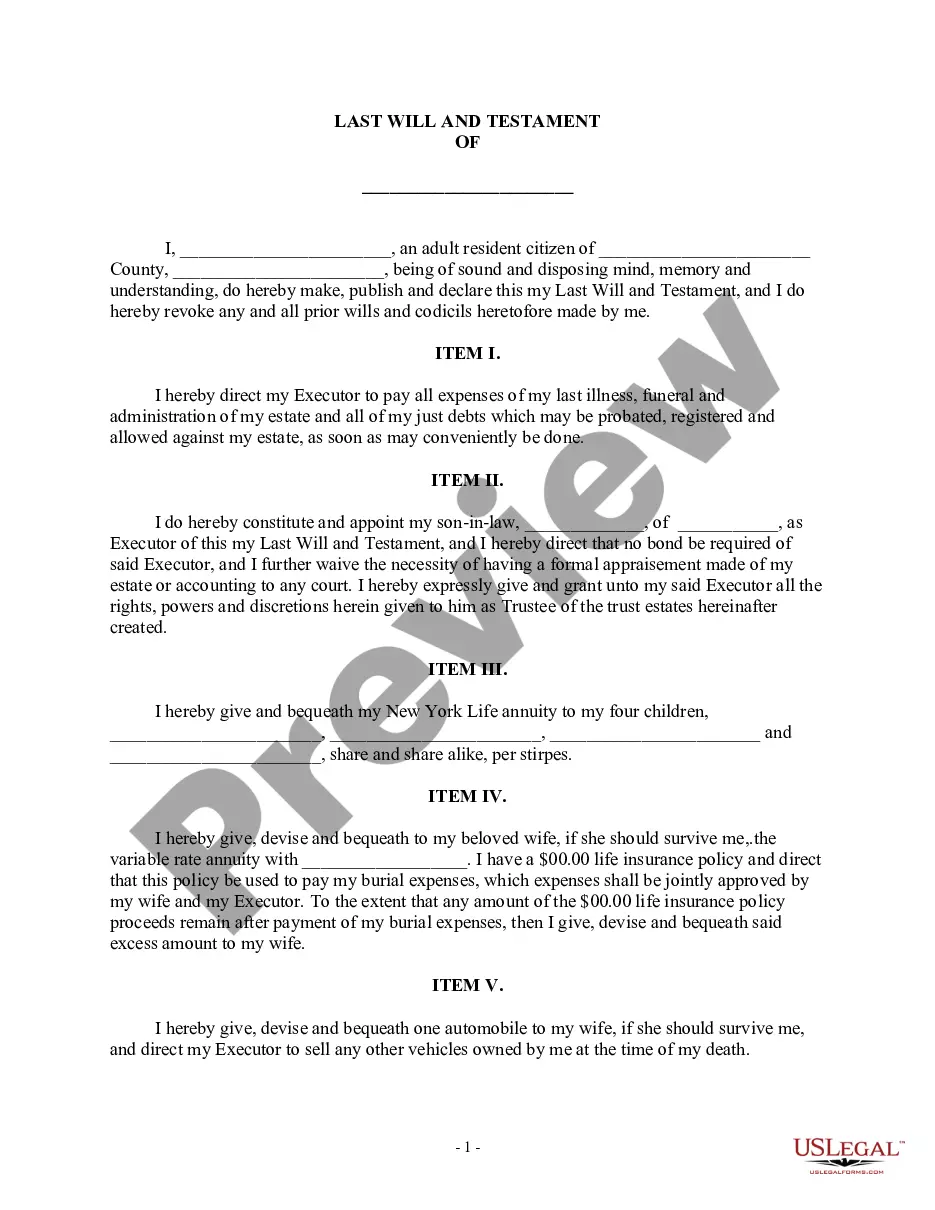
The Complex Will with Credit Shelter Marital Trust for Large Estates is a legal document designed for couples with substantial assets. This form facilitates the passing of property to beneficiaries in a manner that maximizes estate tax exemptions, allowing up to two million dollars to be passed tax-free to heirs. It is tailored to integrate tax-efficient strategies utilizing trusts, distinguishing it from simpler wills that do not provide these advanced tax benefits.
Key parts of this document
- Declaration of last will and revocation of previous wills.
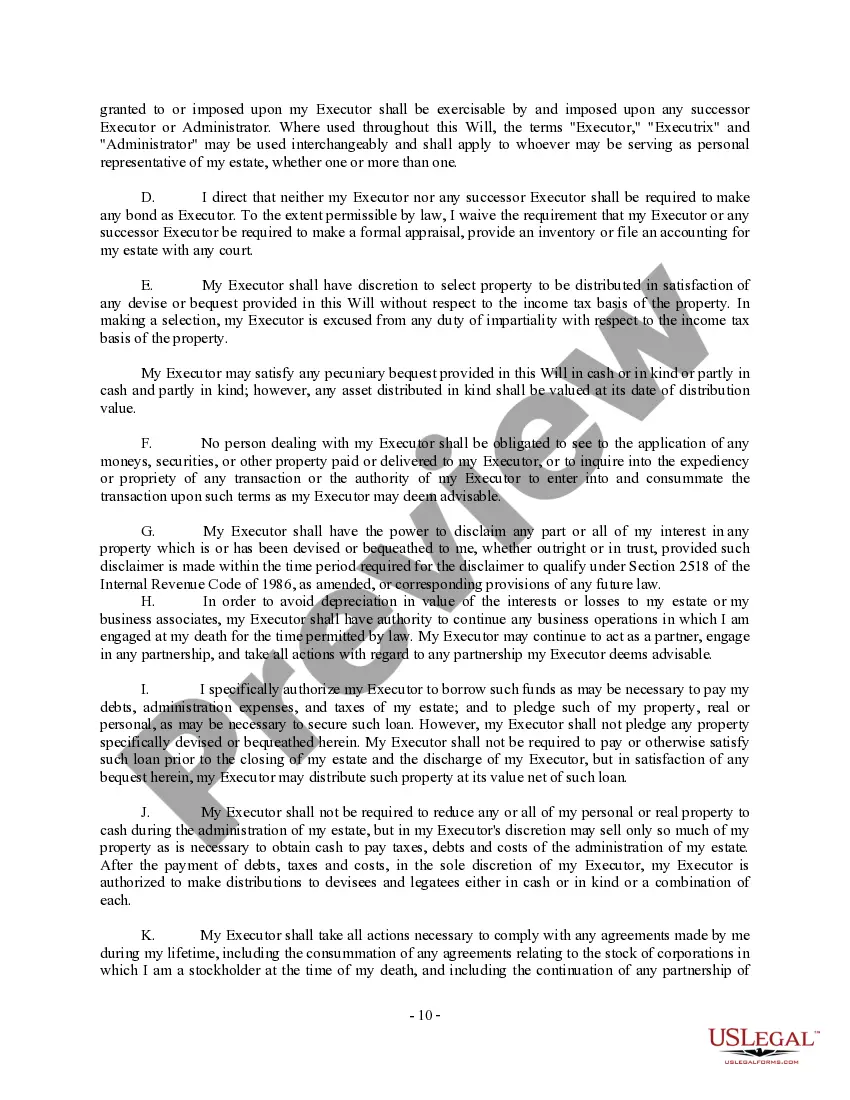
- Appointment of an executor to handle estate matters.
- Provisions for bequeathing property to a spouse and distributing remainder to a trust for children.
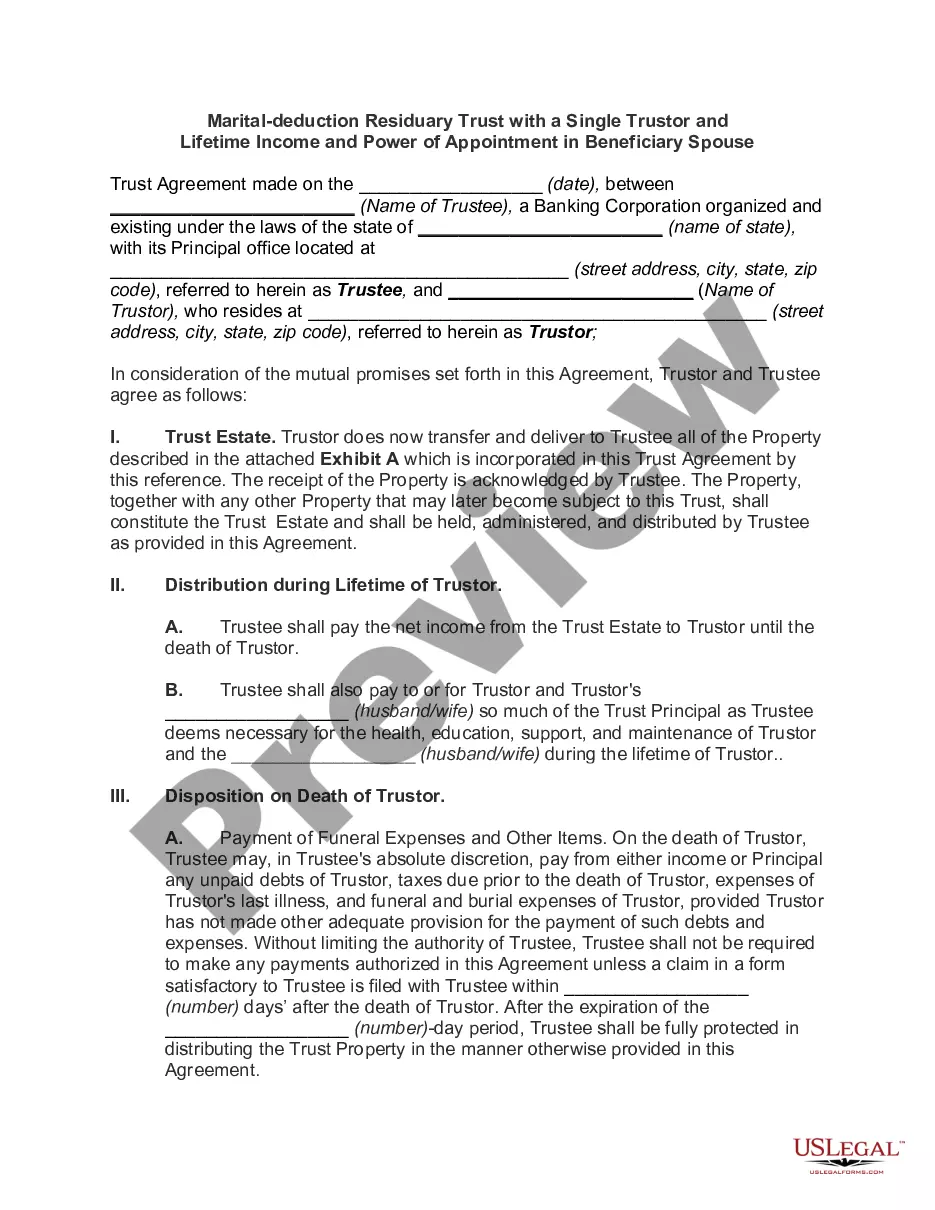
- Establishment of a family trust to manage and distribute assets according to specified conditions.
- Directions for the payment of debts and taxes from the trust or estate assets.




When to use this form
This form is appropriate when a married couple has a substantial estate, particularly when the combined value exceeds the estate tax exemption threshold. It is ideal for individuals who want to ensure financial protection for their spouse while providing for their children's inheritance in a tax-efficient manner. Use this form when planning a complex estate strategy that requires careful division of assets to minimize tax liabilities upon the death of either spouse.
Who should use this form
- Married couples with high net worth seeking to protect their estate from excessive taxes.
- Individuals who wish to provide for their spouse and children through tax-efficient strategies.
- Persons who have substantial real estate or other property assets they want to manage and distribute effectively.
- Estate planners and legal advisors looking for a comprehensive will template for clients with significant estates.
How to prepare this document
- Begin by entering the testator's name and residence information at the start of the document.
- Specify the executor's name and the names of the children to be included in the will.
- State the provisions for asset distribution, including specific bequests to the spouse and trust establishment.
- Detail the trustee appointments, if applicable, and funding for the family trust.
- Sign the document in the presence of witnesses, ensuring they also sign to validate the will.
Notarization guidance
This document requires notarization to meet legal standards. US Legal Forms provides secure online notarization powered by Notarize, allowing you to complete the process through a verified video call, available 24/7.
Get your form ready online
Our built-in tools help you complete, sign, share, and store your documents in one place.
Make edits, fill in missing information, and update formatting in US Legal Forms—just like you would in MS Word.
Download a copy, print it, send it by email, or mail it via USPS—whatever works best for your next step.
Sign and collect signatures with our SignNow integration. Send to multiple recipients, set reminders, and more. Go Premium to unlock E-Sign.
If this form requires notarization, complete it online through a secure video call—no need to meet a notary in person or wait for an appointment.
We protect your documents and personal data by following strict security and privacy standards.

Make edits, fill in missing information, and update formatting in US Legal Forms—just like you would in MS Word.

Download a copy, print it, send it by email, or mail it via USPS—whatever works best for your next step.

Sign and collect signatures with our SignNow integration. Send to multiple recipients, set reminders, and more. Go Premium to unlock E-Sign.

If this form requires notarization, complete it online through a secure video call—no need to meet a notary in person or wait for an appointment.

We protect your documents and personal data by following strict security and privacy standards.
Common mistakes to avoid
- Failing to list all beneficiaries, which can lead to disputes.
- Not updating the will after significant life events, such as births, deaths, or changes in financial status.
- Neglecting to ensure that the document is signed and witnessed according to state laws.
- Overlooking tax implications that may arise from asset distribution strategies.
Benefits of completing this form online
- Convenience of completing forms from anywhere at any time, without the need for physical paperwork.
- Editability allows users to customize the template to suit specific needs easily.
- Access to templates drafted by licensed attorneys, ensuring legal reliability.
- Time-saving by streamlining the process of creating complex legal documents.
Looking for another form?
Form popularity
FAQ
In the case of a marital trust, the IRS subjects the remaining trust assets to federal estate taxes when the surviving spouse passes. However, a couple can take advantage of the federal gift and estate tax exemption. This is the amount that you can pass on to heirs before you'd ever owe an actual estate tax.
A marital trust starts as a revocable living trust. A surviving spouse can be its trustee.
The assets in the marital trust, the A trust, do receive a step-up at the death of the surviving spouse since these assets are included in the spouse's taxable estate.
You can be trustee of your own living trust. If you are married, your spouse can be trustee with you. Most married couples who own assets together, especially those who have been married for some time, are usually co-trustees.
In the case of a marital trust, the IRS subjects the remaining trust assets to federal estate taxes when the surviving spouse passes. However, a couple can take advantage of the federal gift and estate tax exemption.
Trust B is irrevocable, the surviving spouse cannot change its terms. When one spouse dies the survivor must hire a lawyer or an accountant to determine how to best divide the couple's assets between the deceased spouse's irrevocable trust and the surviving spouse's revocable trust.
Yes, the surviving spouse may serve as trustee of the credit shelter trust.All of the assets in the credit shelter trust, including any appreciation in value during the surviving spouse's lifetime, pass free of estate tax to the beneficiaries.
First, in a standard credit shelter trust, there is no step-up in basis at the death of the surviving spouse.Second, the credit shelter trust is a separate taxpayer and requires its own tax return, Form 1041.
The "A Trust" is also commonly referred to as the "Marital Trust," "QTIP Trust," or "Marital Deduction Trust." The "B Trust" is also commonly referred to as the "Bypass Trust," "Credit Shelter Trust," or "Family Trust."