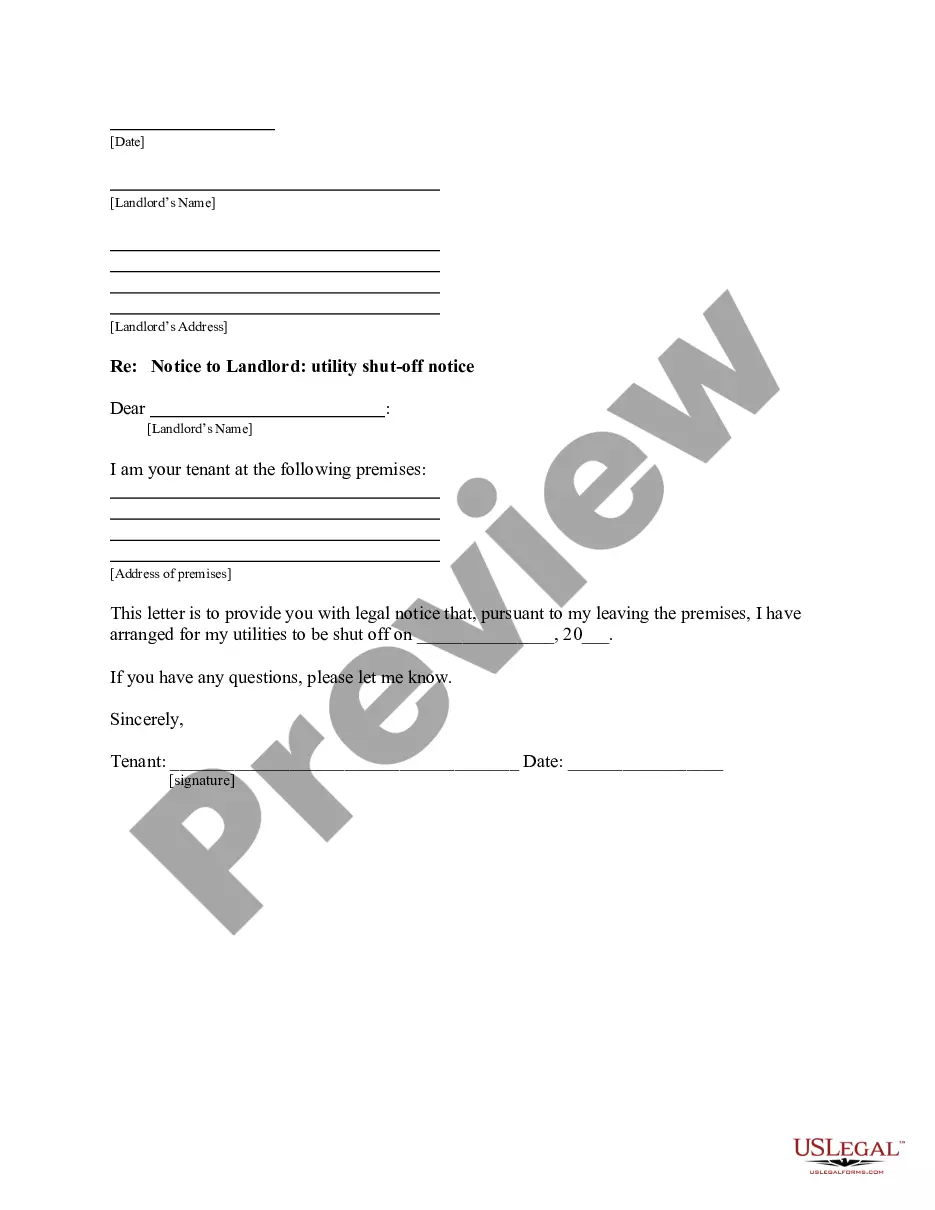
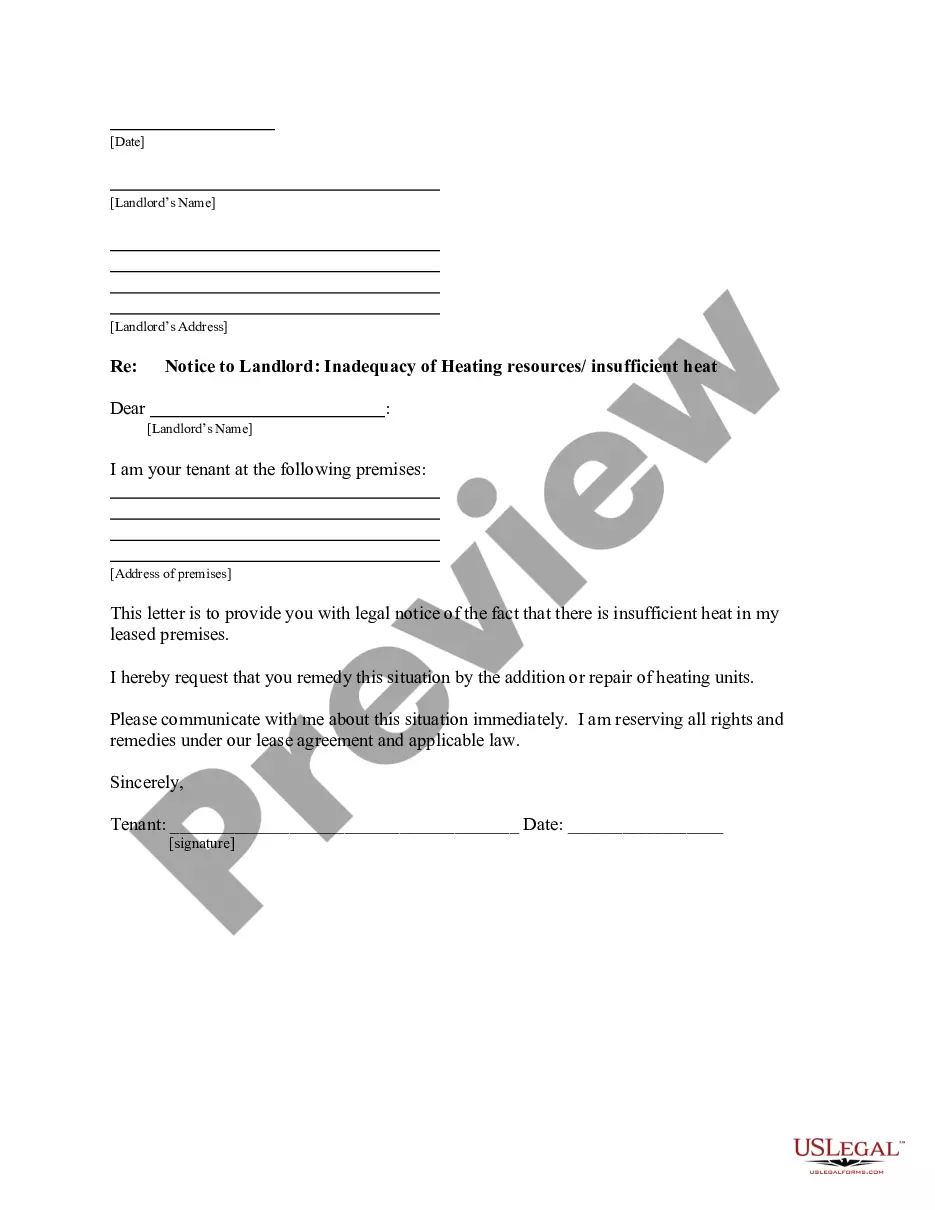
Pennsylvania Letter from Landlord to Tenant about Tenant engaging in illegal activity in premises as documented by law enforcement and if repeated, lease terminates
What this document covers
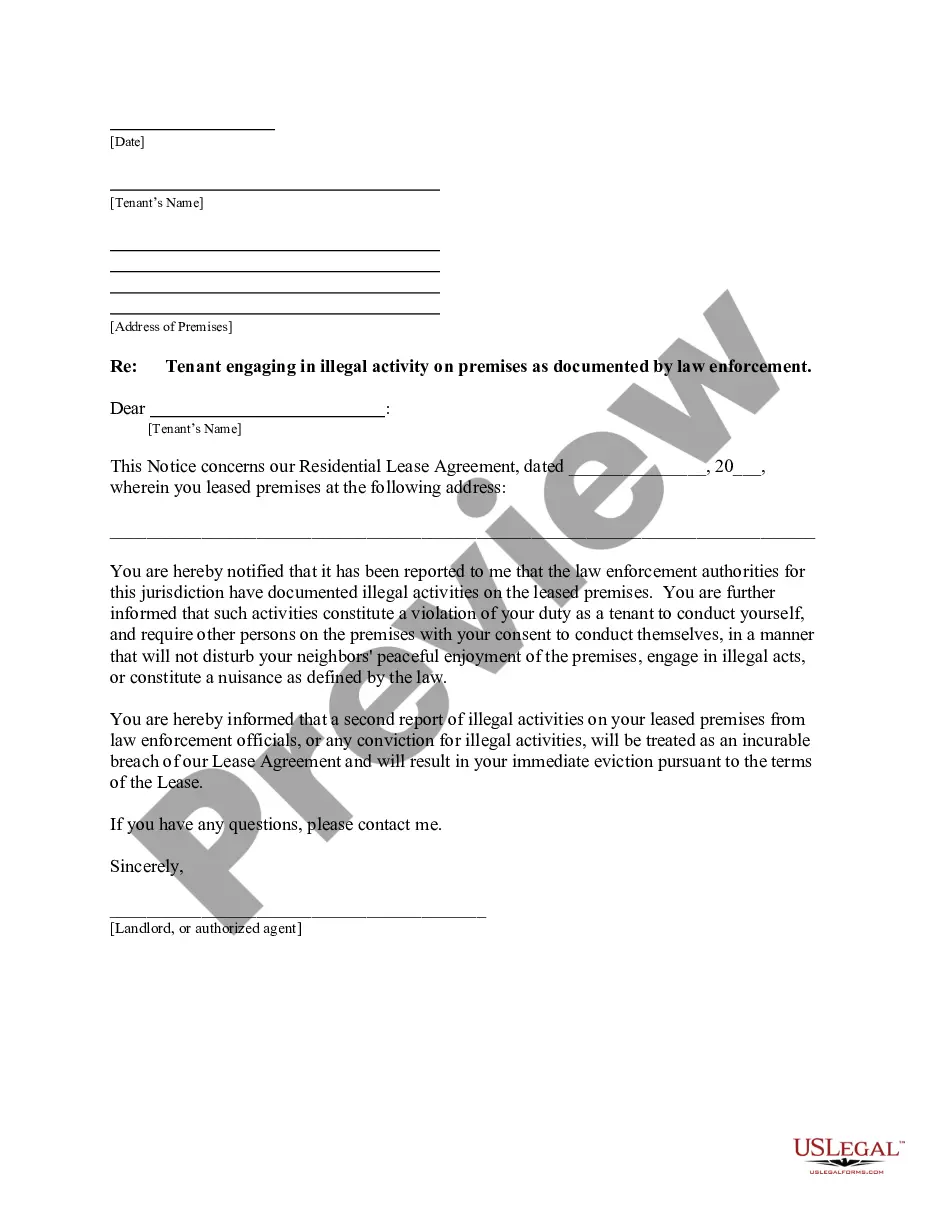
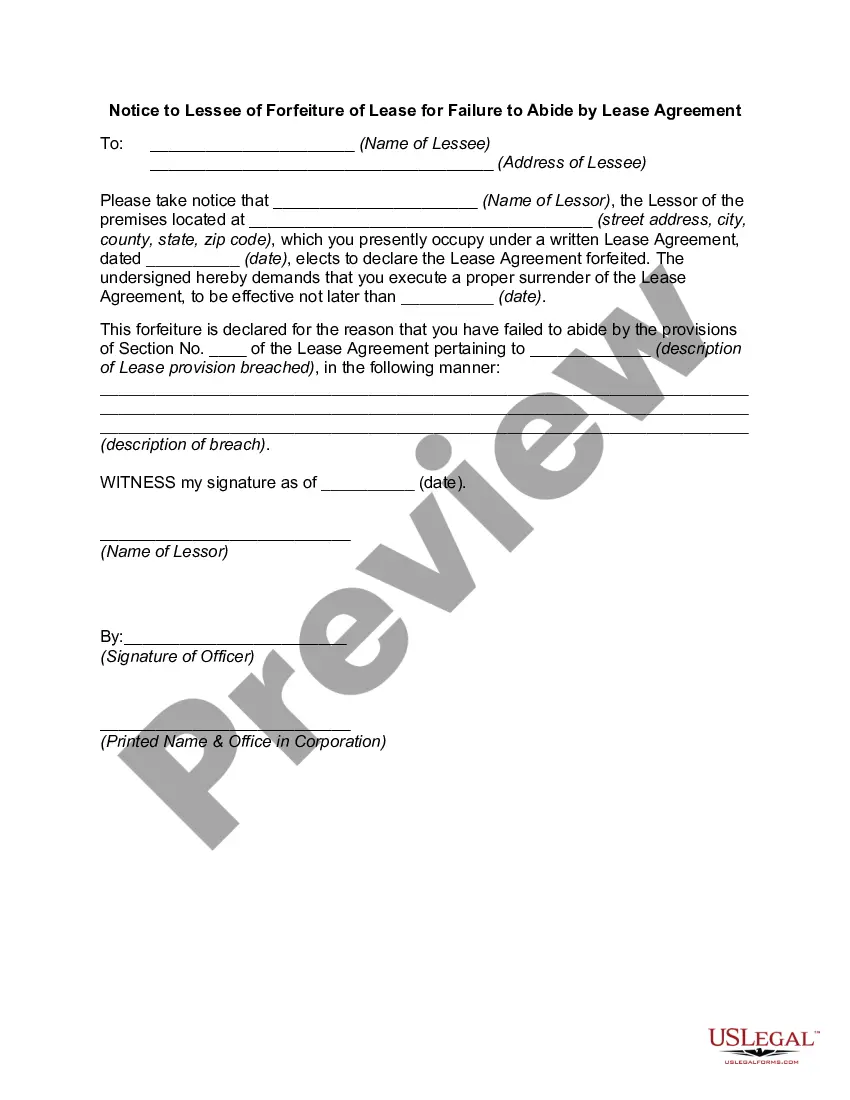
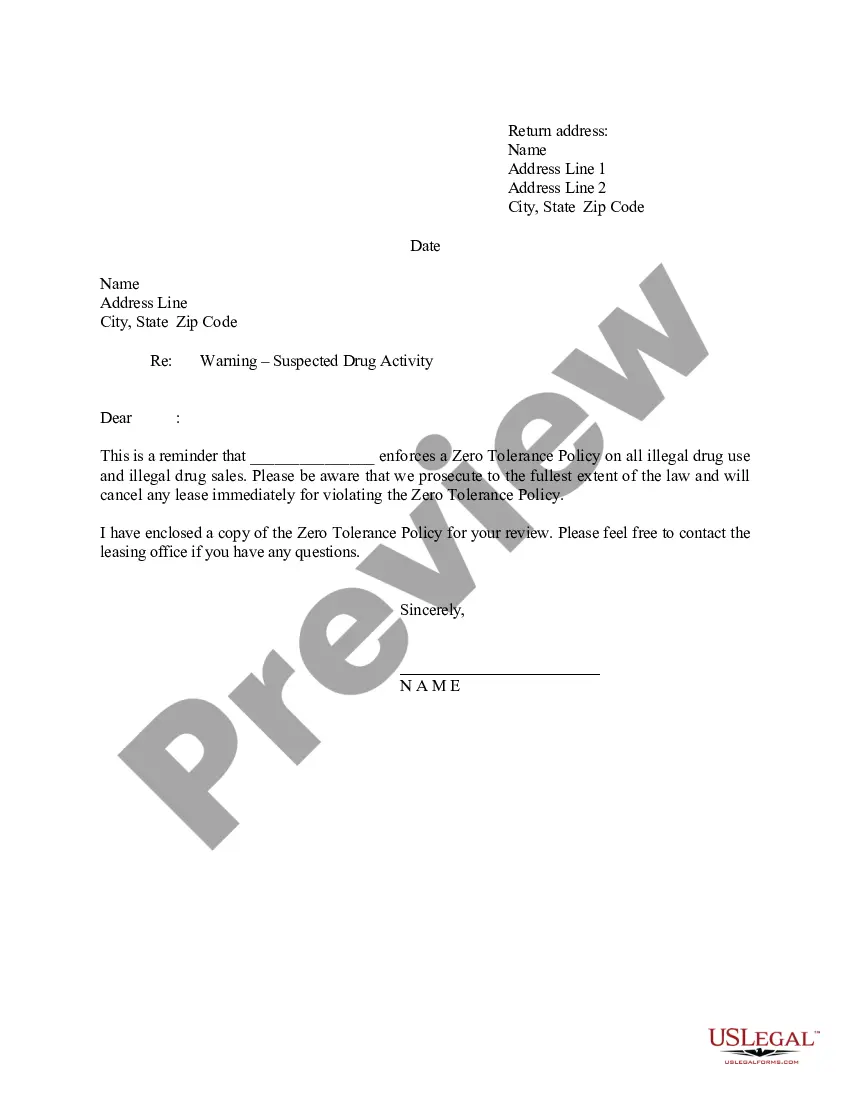
This letter from the landlord to the tenant serves as a formal notice regarding the tenant's engagement in illegal activities on the leased premises, which have been documented by law enforcement. Unlike other general notices, this form specifically addresses the legal implications of such behavior and warns the tenant that further violations could lead to lease termination.
Main sections of this form
- Identification of the landlord and tenant.
- Detailed account of the reported illegal activities documented by law enforcement.
- Clarification of the tenant's obligations to maintain legal behavior on the premises.
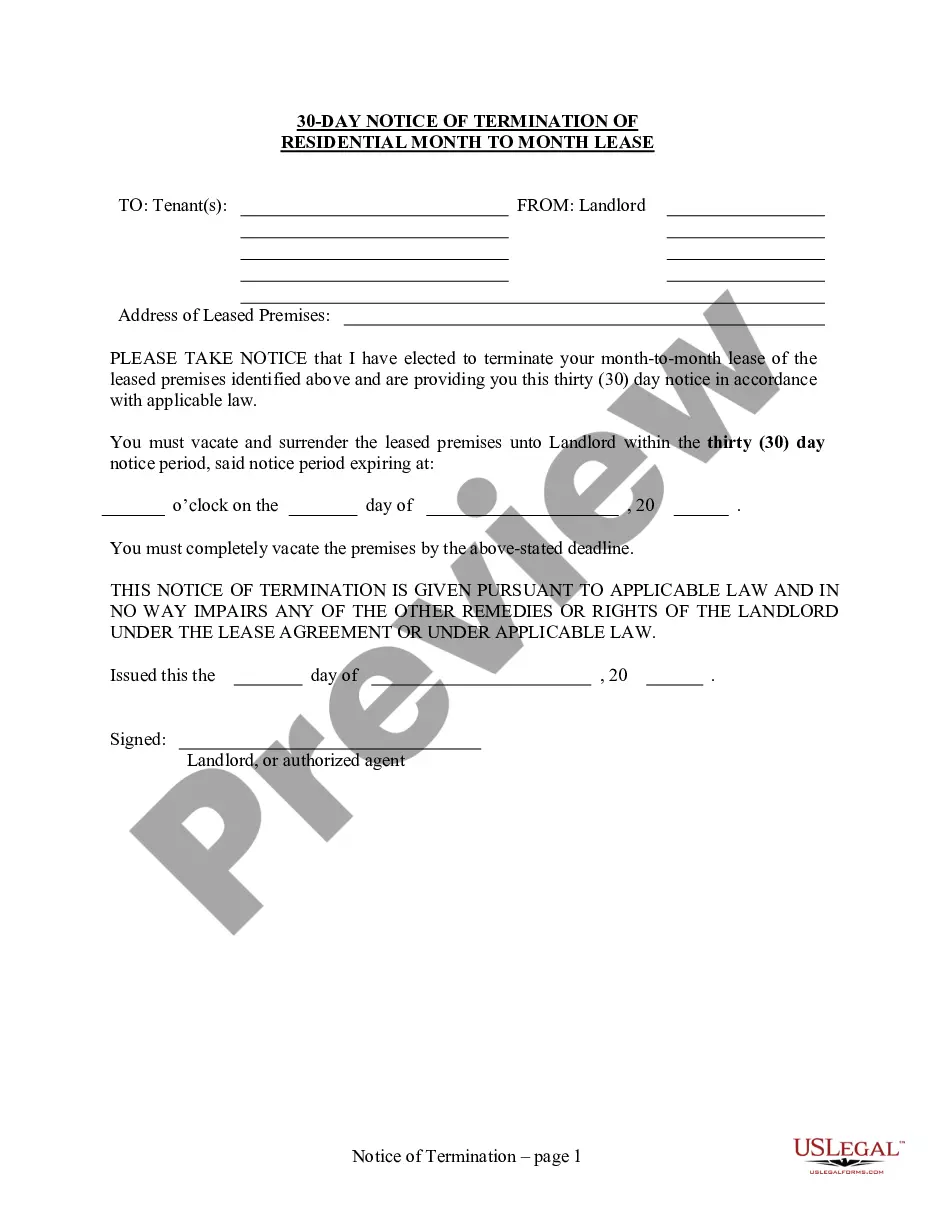
- Warning about potential lease termination after a second documented violation.
- Contact information for any questions or clarifications.

When to use this document
This letter is necessary when a landlord has been informed by law enforcement of illegal activities occurring on the rental property. It acts as a formal warning to the tenant, informing them that such conduct violates the lease terms. Use this form to clearly articulate the legal ramifications of continued illegal activity and to initiate the process of potential eviction if necessary.
Who can use this document
- Landlords who have received reports of illegal activities at their rental property.
- Property managers handling disputes regarding tenant behaviors.
- Rental property owners looking to enforce lease agreements effectively.
Completing this form step by step
- Identify and include the full names of the landlord and the tenant at the top of the letter.
- Document the illegal activities reported by law enforcement, specifying dates and nature of the violations.
- Remind the tenant of their obligations under the lease regarding lawful behavior.
- State the consequences of further violations clearly, including the potential for lease termination.
- Provide your contact information for the tenant to reach out with questions or concerns.
Notarization requirements for this form
This form does not typically require notarization unless specified by local law. It is important to check your state's regulations regarding notice requirements and documentation procedures.
Get your form ready online
Our built-in tools help you complete, sign, share, and store your documents in one place.
Make edits, fill in missing information, and update formatting in US Legal Forms—just like you would in MS Word.
Download a copy, print it, send it by email, or mail it via USPS—whatever works best for your next step.
Sign and collect signatures with our SignNow integration. Send to multiple recipients, set reminders, and more. Go Premium to unlock E-Sign.
If this form requires notarization, complete it online through a secure video call—no need to meet a notary in person or wait for an appointment.
We protect your documents and personal data by following strict security and privacy standards.

Make edits, fill in missing information, and update formatting in US Legal Forms—just like you would in MS Word.

Download a copy, print it, send it by email, or mail it via USPS—whatever works best for your next step.

Sign and collect signatures with our SignNow integration. Send to multiple recipients, set reminders, and more. Go Premium to unlock E-Sign.

If this form requires notarization, complete it online through a secure video call—no need to meet a notary in person or wait for an appointment.

We protect your documents and personal data by following strict security and privacy standards.
Mistakes to watch out for
- Failing to accurately document the illegal activities reported by law enforcement.
- Not including the specific consequences for continued illegal behavior, leading to confusion.
- Neglecting to provide the tenant with a means to contact the landlord for clarification.
Benefits of completing this form online
- Immediate access to a professionally drafted legal template tailored for your needs.
- Easy editing capabilities to customize details relevant to your specific situation.
- Time-saving convenience, allowing you to address tenant issues promptly and effectively.
Summary of main points
- A letter from landlord to tenant about illegal activities serves as an official notice.
- It is crucial for landlords to act promptly upon receiving reports of illegal conduct.
- Ensuring compliance with state laws is essential to avoid complications in the eviction process.
Looking for another form?
Form popularity
FAQ
Uninhabitable conditions can include dangerous ones, such as holes in the floor, unsafe or exposed wiring, or non-working air conditioning in dangerously hot summer months. Gross infestations of roaches, fleas or other pests are also uninhabitable conditions.
Tenants may be able to file their complaints with their city or county rent control board, local tenant association, rental housing association, district attorney's office and consumer protection agency. California residents can find the appropriate agencies based on the nature of their complaint by contacting the
If the structure is unstable or there is a severe problem with damp in the property, it may be deemed uninhabitable.If the layout is unsafe, if there isn't enough natural light, or if there is not enough ventilation, the problem may be uninhabitable.
The rental property address, including unit number (if applicable) The names of all tenants on the lease agreement. The date the lease violation notice was written. The specific reason for the notice. The time and date the violation occurred (if applicable)
Tell Them The Problem & Consequences. Explain the reason that you want the tenant to go. Offer Them a Way Out. Let the tenant know that you are willing to give them a lump sum of cash in agreement for leaving the property. The Release.
Uninhabitable conditions can include dangerous ones, such as holes in the floor, unsafe or exposed wiring, or non-working air conditioning in dangerously hot summer months. Gross infestations of roaches, fleas or other pests are also uninhabitable conditions.
In most states, if the landlord fails to fix a serious problem that makes the rental unit uninhabitablesuch as holes or leaks in the walls, unsafe floorboards, or no waste disposaltenant options include:suing the landlord for the difference between the monthly rent and the value of the unit with defects, or.
Be in writing. be signed and dated by you as the property manager, or by your client. be properly addressed to the tenant. give the day on which the residential tenancy agreement is terminated and by which the tenant is required to vacate. where appropriate, give the grounds or reason for the notice.
For assistance filing a housing discrimination complaint, call toll-free, PA FAIR HOUSING HOTLINE, 855-866-5718. The form at the link below is used to file complaints of illegal discrimination in housing & commercial property.