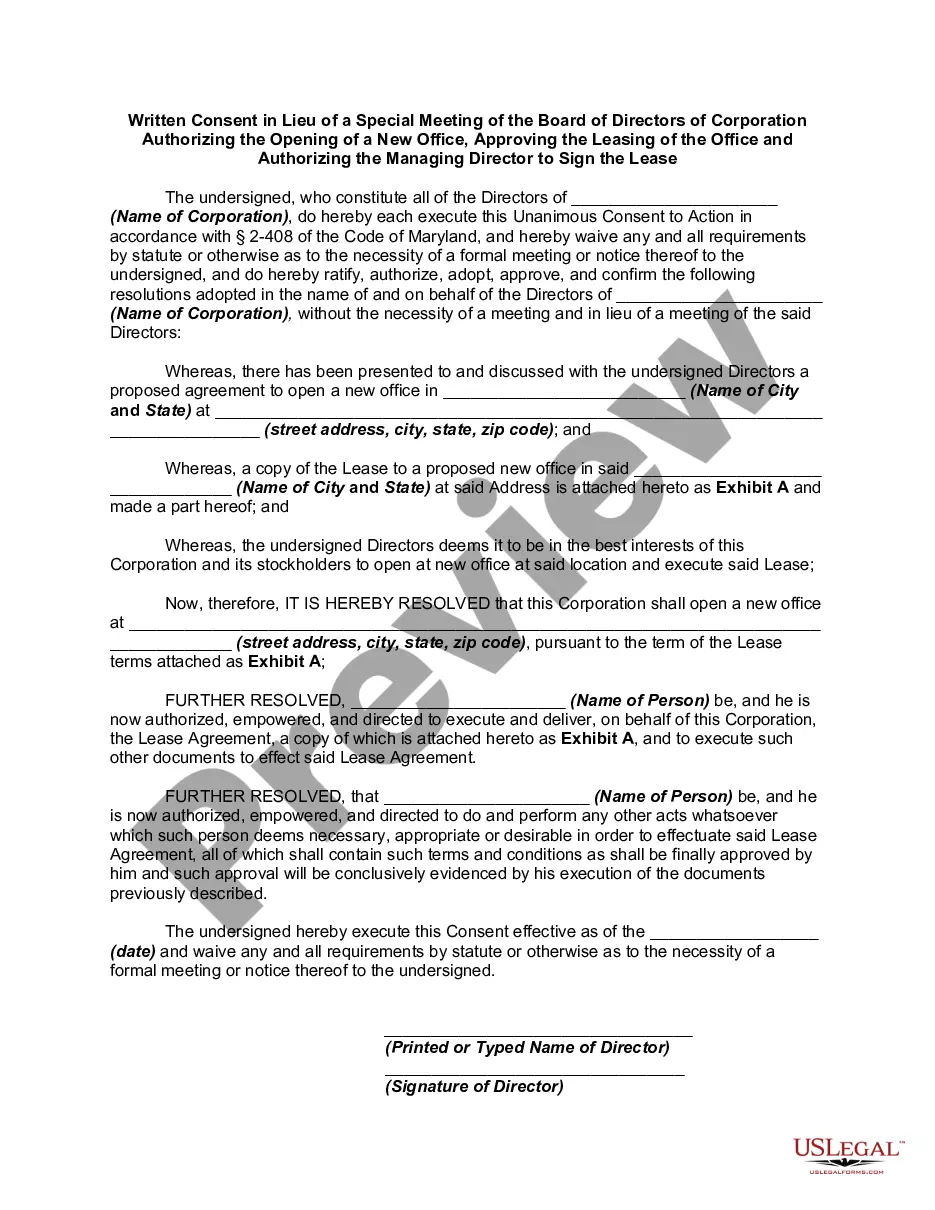
Pennsylvania Letter from Tenant to Landlord with Demand that landlord repair floors, stairs or railings
Understanding this form
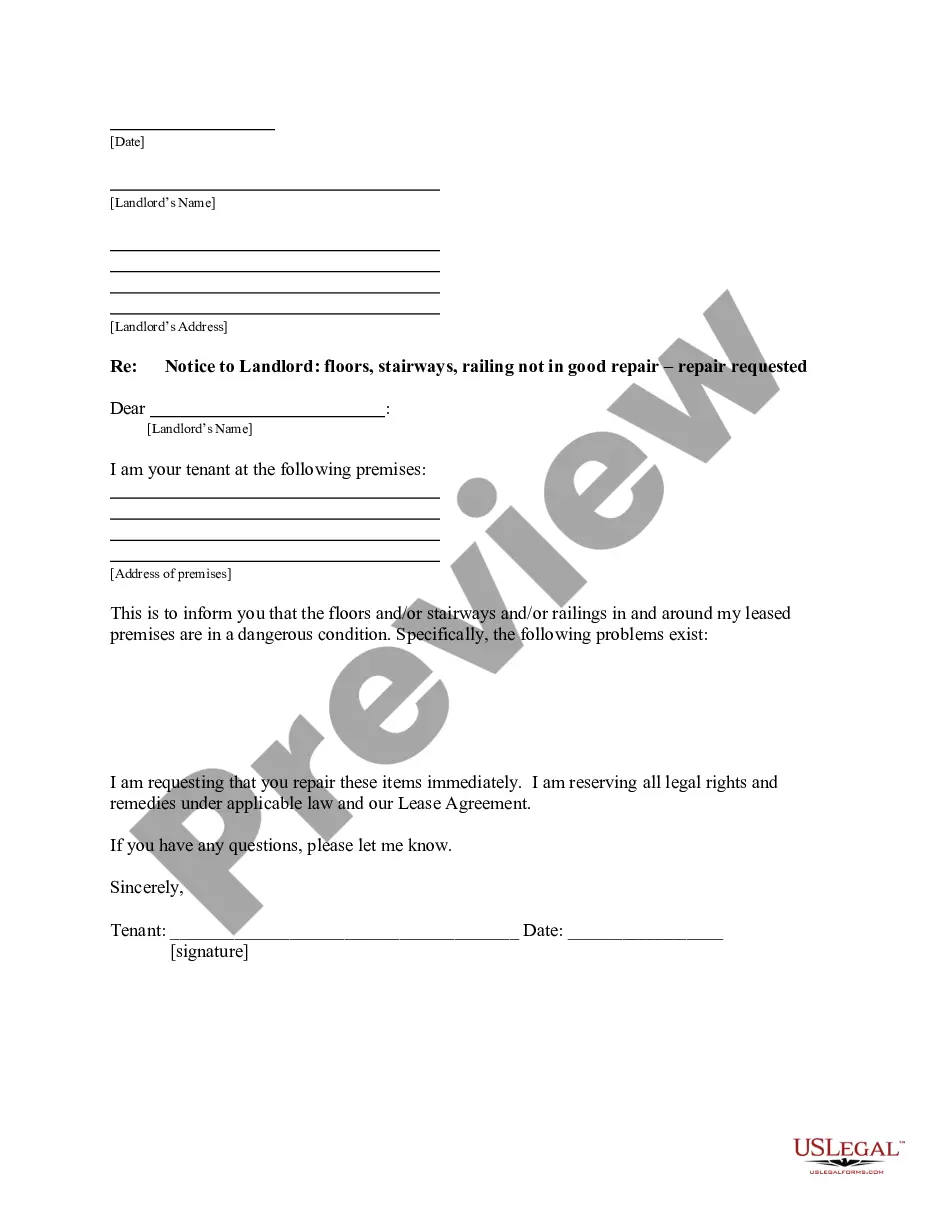
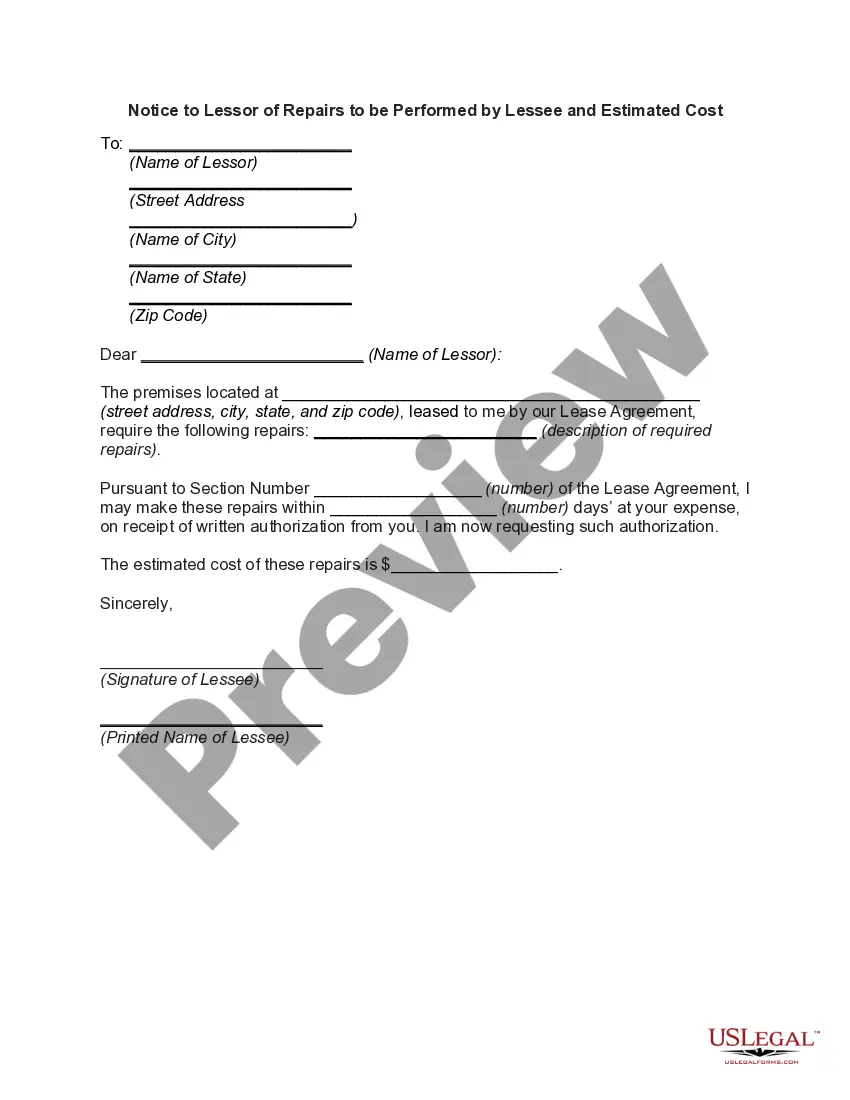
This letter from tenant to landlord with a demand for repair is a formal notice informing your landlord about issues with the floors, stairs, or railings in your rental property. It serves to notify your landlord of their legal obligation to maintain the property and demands that they address the repairs needed. This form is crucial for tenants who wish to formally document their request and potentially pursue further action if the landlord fails to comply.
Form components explained
- Tenant's identification information
- Details of the property location
- Description of the repair issues (floors, stairs, railings)
- Notification of landlord's breach of duty to maintain
- Demand for prompt repairs
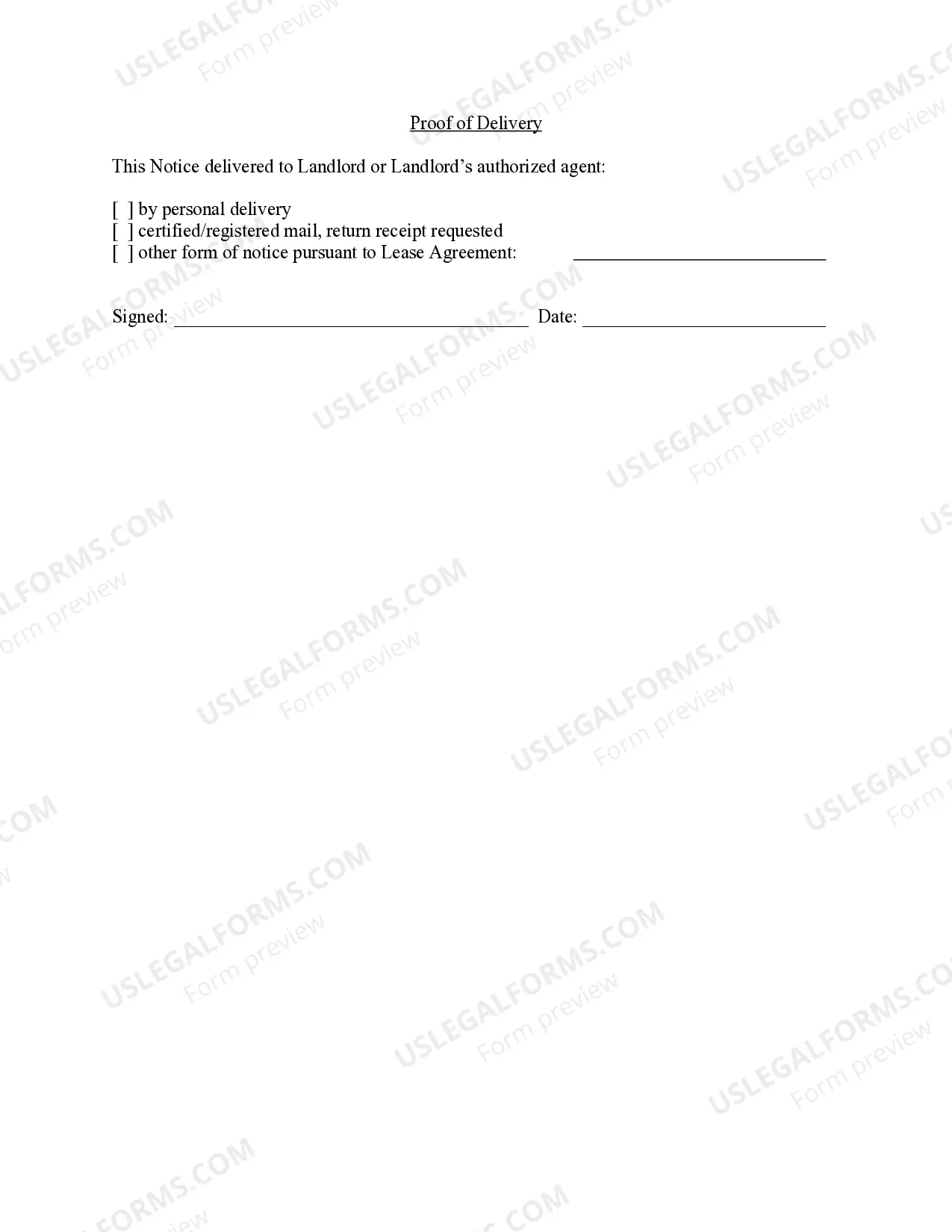
- Proof of delivery method to the landlord



When this form is needed
This form should be used when a tenant identifies safety or habitability issues in their rental unit, specifically related to floors, stairs, or railings that are in disrepair. It is essential when the tenant has already communicated these issues informally to the landlord but has not seen any action taken to resolve them. Using this form provides a written record and formal demand for repairs.
Who needs this form
- Tenants currently renting a property with repair issues
- Individuals looking to enforce landlord obligations to maintain safe living conditions
- Anyone who has previously reported repair issues but has not received a response
- Renters seeking to document their maintenance request for future legal purposes
Instructions for completing this form
- Identify and enter your personal information as the tenant.
- Specify the address of the rental property.
- Clearly describe the issues with the floors, stairs, or railings.
- State your demand for repairs and any relevant dates.
- Include your signature and the date to validate the request.
- Select the method of proof of delivery to your landlord.
Does this form need to be notarized?
This form does not typically require notarization unless specified by local law. It is recommended to confirm local regulations to ensure compliance with state requirements.
Get your form ready online
Our built-in tools help you complete, sign, share, and store your documents in one place.
Make edits, fill in missing information, and update formatting in US Legal Forms—just like you would in MS Word.
Download a copy, print it, send it by email, or mail it via USPS—whatever works best for your next step.
Sign and collect signatures with our SignNow integration. Send to multiple recipients, set reminders, and more. Go Premium to unlock E-Sign.
If this form requires notarization, complete it online through a secure video call—no need to meet a notary in person or wait for an appointment.
We protect your documents and personal data by following strict security and privacy standards.

Make edits, fill in missing information, and update formatting in US Legal Forms—just like you would in MS Word.

Download a copy, print it, send it by email, or mail it via USPS—whatever works best for your next step.

Sign and collect signatures with our SignNow integration. Send to multiple recipients, set reminders, and more. Go Premium to unlock E-Sign.

If this form requires notarization, complete it online through a secure video call—no need to meet a notary in person or wait for an appointment.

We protect your documents and personal data by following strict security and privacy standards.
Avoid these common issues
- Failing to provide specific details about the repair issues.
- Not keeping a copy of the letter for personal records.
- Omitting the method of delivery verification, which can affect your documentation.
- Not addressing the letter to the correct landlord or management company.
Benefits of completing this form online
- Convenient access from anywhere at any time.
- Easy to customize to fit your specific circumstances.
- Templates drafted by licensed attorneys ensure reliability and legal accuracy.
- Downloadable formats allow for easy printing and delivery.
Key takeaways
Key Takeaways
- The form is essential for tenants needing to formally request repairs from their landlords.
- It serves as an important record of communication regarding safety concerns within the rental property.
- Tenants should ensure they provide detailed descriptions of the issues and keep copies of the correspondence.
Looking for another form?
Form popularity
FAQ
A burst water service or a serious water service leak. A blocked or broken toilet. A serious roof leak. A gas leak. A dangerous electrical fault. Flooding or serious flood damage. Serious storm or fire damage.
Landlords Must Fix Major Problems Your landlord must keep the structure of the building sound, including stairways, floors, and roofs; keep electrical, heating, and plumbing systems operating safely; supply hot and cold water in reasonable amounts; and exterminate infestations of pests such as cockroaches.
A slumlord (or slum landlord) is a slang term for a landlord, generally an absentee landlord with more than one property, who attempts to maximize profit by minimizing spending on property maintenance, often in deteriorating neighborhoods, and to tenants that they can intimidate.
Your landlord is always responsible for repairs to: the property's structure and exterior. basins, sinks, baths and other sanitary fittings including pipes and drains. heating and hot water.
Make sure the repair is actually your landlord's responsibility. Document the problem thoroughly. Ask your landlord in writing to make the repair. Send your landlord a letter with return receipt requested. Wait for your landlord to respond.
Your landlord has to do anything your tenancy agreement says they have to do. Your landlord is also generally responsible for keeping in repair: the structure and exterior of your home, for example, the walls, roof, foundations, drains, guttering and external pipes, windows and external doors.
Uninhabitable conditions can include dangerous ones, such as holes in the floor, unsafe or exposed wiring, or non-working air conditioning in dangerously hot summer months. Gross infestations of roaches, fleas or other pests are also uninhabitable conditions.
The landlord had a duty to reasonably maintain the property; The landlord knew or should have known of the dangerous condition; The landlord breached their duty by failing to repair/fix the dangerous condition;
Property Needs to Meet Local Health and Building Codes. Visible Mold. Pests. Changing Locks. Heat, Electric, Hot and Cold Water. Structural Integrity and Weather Protected. Regularly Discarding Trash. Damage Caused by the Tenant or Their Guests.