Pennsylvania Seller's Disclosure of Financing Terms for Residential Property in connection with Contract or Agreement for Deed a/k/a Land Contract
What is this form?
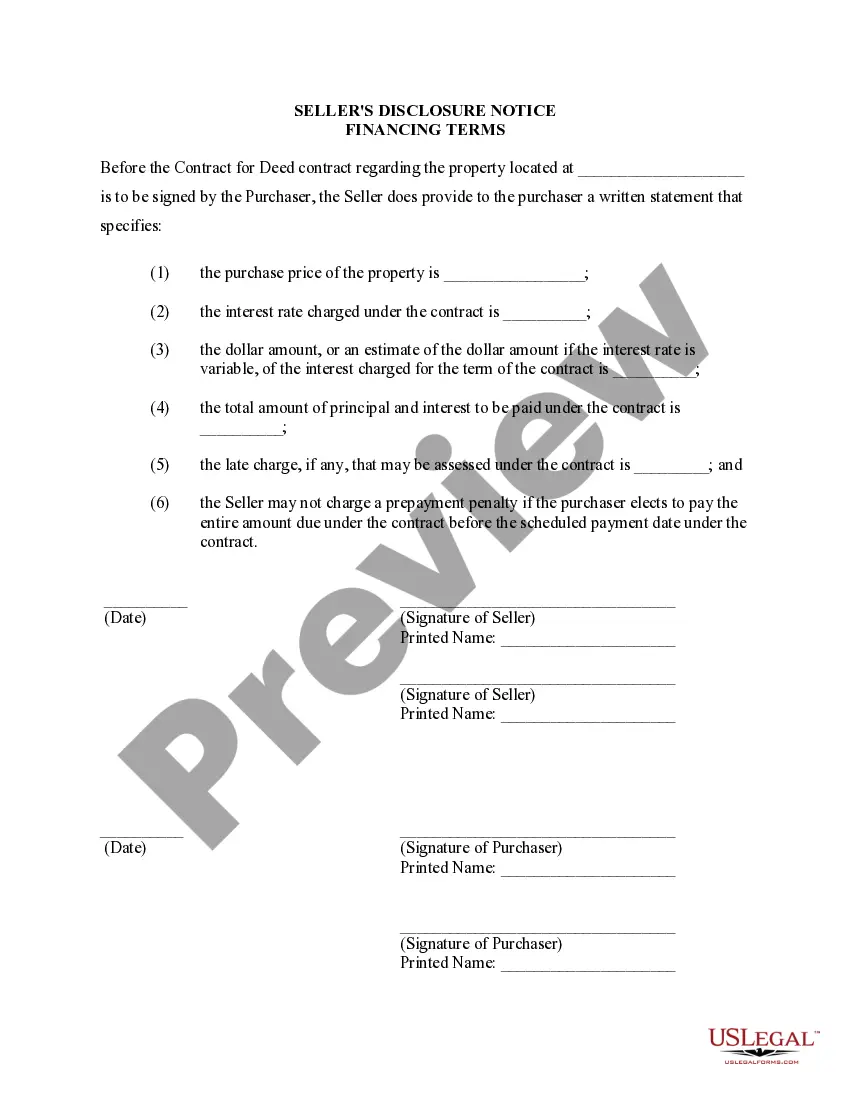
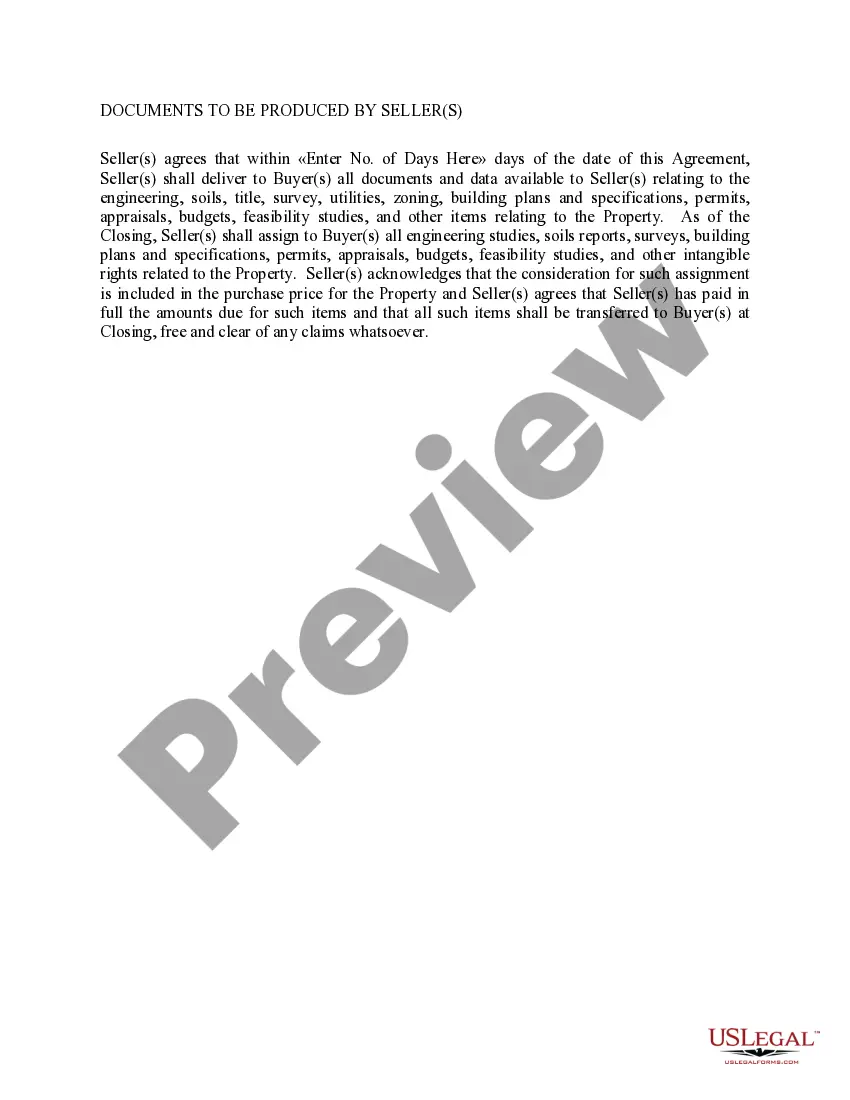
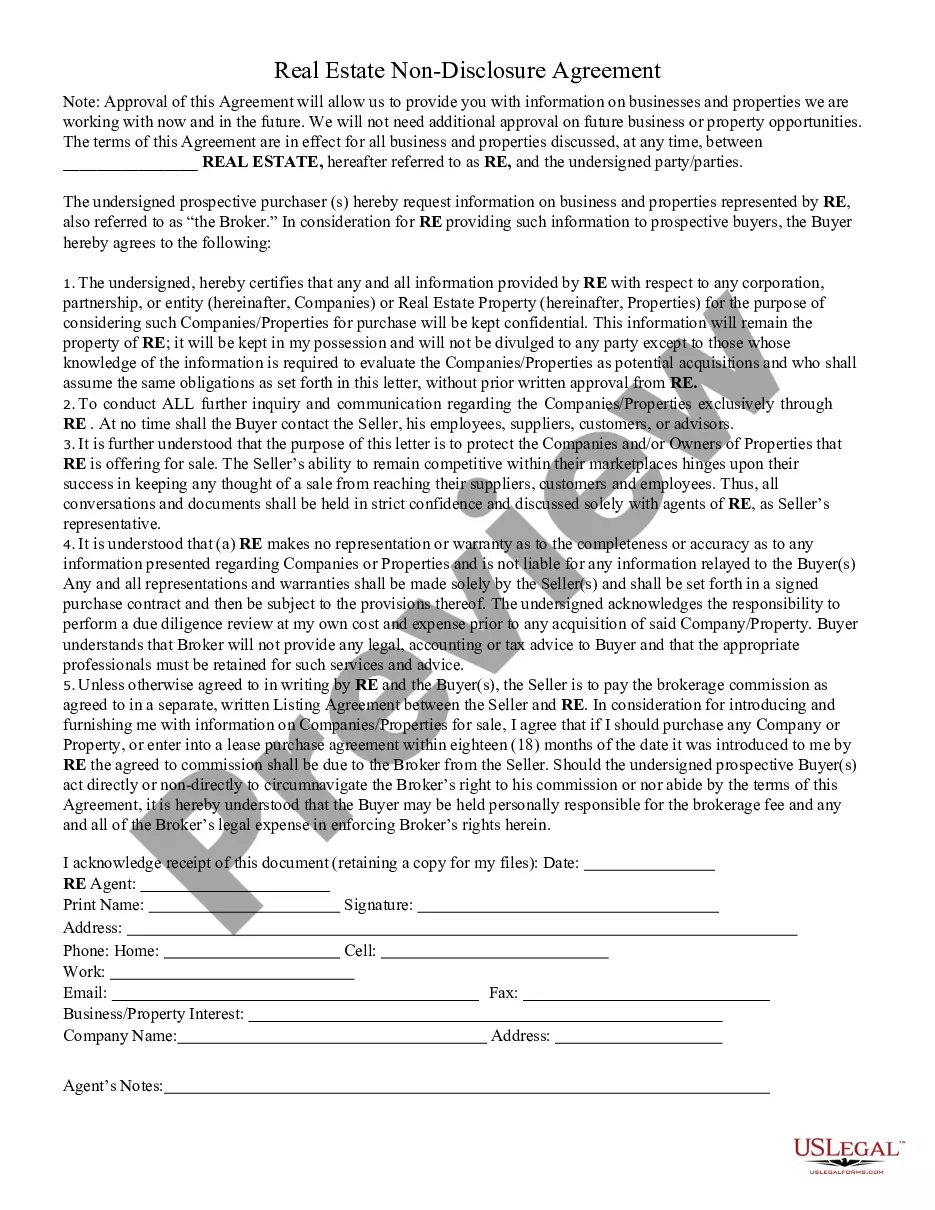
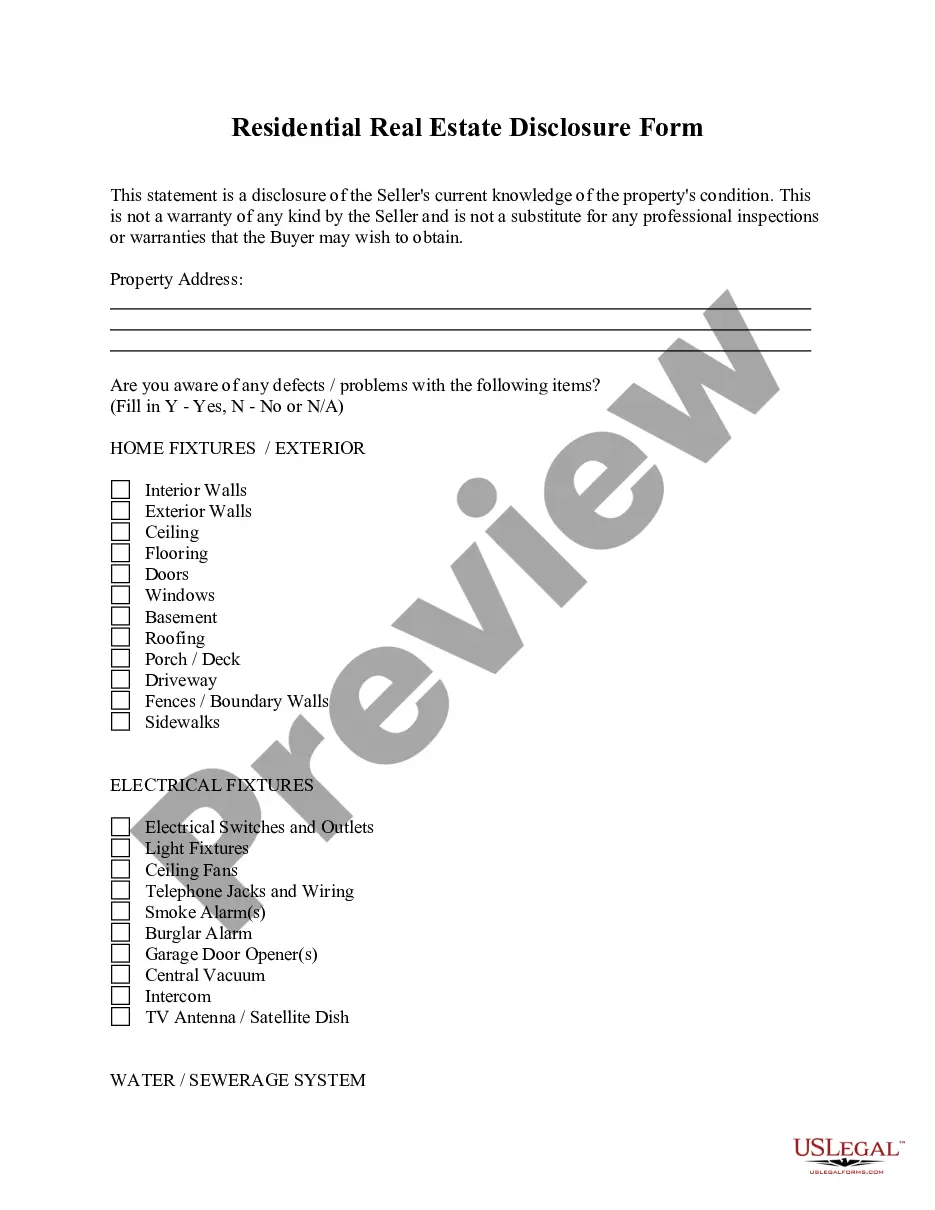
The Seller's Disclosure of Financing Terms for Residential Property is a legal document that outlines the purchase price, payment structure, interest rates, and late charges associated with a contract for deed, also known as a land contract. This form is specifically designed to provide potential buyers with clear financial terms before they enter into an agreement to purchase property. Unlike other financing forms, this document serves as a formal notification from the seller to the purchaser, ensuring transparency in the transaction.
Form components explained
- Property information: Details about the residential property being sold.
- Purchase price: The total amount the buyer must pay for the property.
- Payment terms: Monthly payment amount and due dates specified.
- Interest rate: The percentage charged on the remaining balance of the purchase price.
- Late charges: Any fees applicable if payments are not made by the due date.
When this form is needed
This form should be used when a seller offers financing to a buyer for the purchase of residential property through a contract for deed. It is essential for providing the buyer with all necessary details regarding the financial obligations before the signing of the contract. This form is crucial in situations where traditional bank financing is not utilized, and the seller acts as the lender.
Who this form is for
The following individuals or entities should consider using this form:
- Property sellers offering financing options for buyers.
- Buyers entering into a land contract or contract for deed.
- Real estate agents involved in the financing arrangements.
- Investors interested in purchasing residential properties with seller financing.
How to prepare this document
- Identify the parties: Clearly state the names of the seller and buyer.
- Specify the property: Provide a detailed description of the residential property.
- Enter the purchase price: Indicate the total price of the property.
- Details of payment terms: Specify the amount and frequency of payments.
- Document interest rates and late charges: Clearly outline these financial aspects.
Notarization guidance
To make this form legally binding, it must be notarized. Our online notarization service, powered by Notarize, lets you verify and sign documents remotely through an encrypted video session.
Get your form ready online
Our built-in tools help you complete, sign, share, and store your documents in one place.
Make edits, fill in missing information, and update formatting in US Legal Forms—just like you would in MS Word.
Download a copy, print it, send it by email, or mail it via USPS—whatever works best for your next step.
Sign and collect signatures with our SignNow integration. Send to multiple recipients, set reminders, and more. Go Premium to unlock E-Sign.
If this form requires notarization, complete it online through a secure video call—no need to meet a notary in person or wait for an appointment.
We protect your documents and personal data by following strict security and privacy standards.
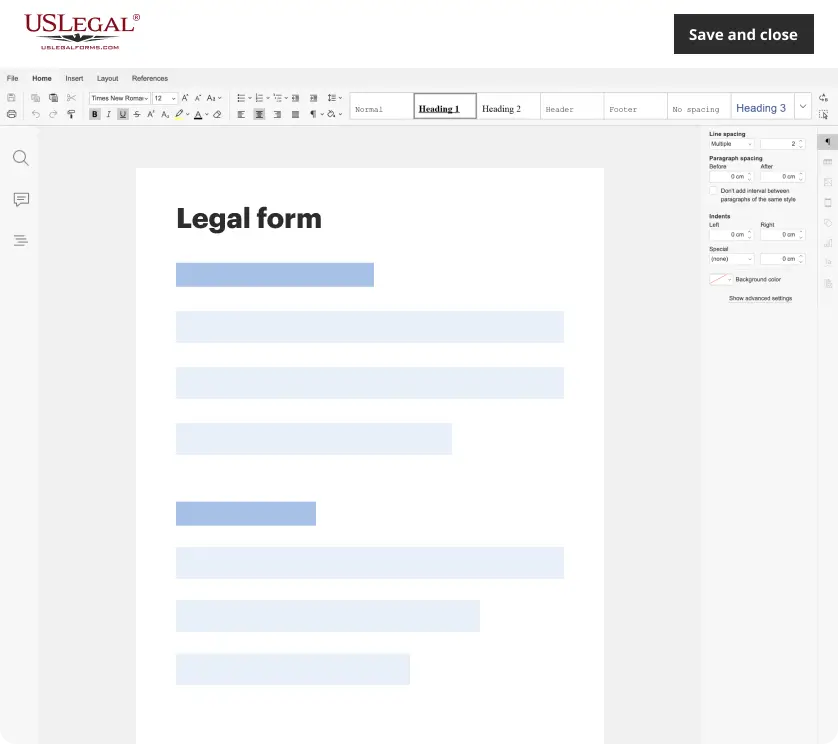
Make edits, fill in missing information, and update formatting in US Legal Forms—just like you would in MS Word.
Download a copy, print it, send it by email, or mail it via USPS—whatever works best for your next step.
Sign and collect signatures with our SignNow integration. Send to multiple recipients, set reminders, and more. Go Premium to unlock E-Sign.

If this form requires notarization, complete it online through a secure video call—no need to meet a notary in person or wait for an appointment.
We protect your documents and personal data by following strict security and privacy standards.
Common mistakes
- Failing to disclose all applicable fees and charges.
- Not providing a complete property description.
- Leaving out the interest rate or payment schedule.
- Using vague language that may lead to misunderstandings.
Advantages of online completion
- Easy access: Download the form anytime, anywhere.
- Customizable: Easily fill in your specific property and financial details.
- Cost-effective: Save money by using a professionally drafted template.
- Reliable: Ensure legal compliance with standardized documentation.
Legal use & context
- Informs buyers of financing terms before entering a contract.
- Promotes transparency and reduces potential disputes.
- Helps establish enforceable financial agreements between parties.
Summary of main points
- The form outlines crucial financing terms in a contract for deed.
- Essential for both sellers and buyers in seller-financed property transactions.
- Helps prevent misunderstandings regarding payment obligations.
Looking for another form?
Form popularity
FAQ
In Pennsylvania, the sellers of a house are usually required by law to disclose the condition of that home.Where applicable, the law requires a seller to disclose to a buyer all known material defects about the property being sold that are not readily observable.
A contract for deed is a legal agreement for the sale of property in which a buyer takes possession and makes payments directly to the seller, but the seller holds the title until the full payment is made.
A contract for deed is an agreement for buying property without going to a mortgage lender. The buyer agrees to pay the seller monthly payments, and the deed is turned over to the buyer when all payments have been made.
One such alternative is the contract for deed. In a contract for deed, the purchase of property is financed by the seller rather than a third-party lender such as a commercial bank or credit union.
A Contract for Deed is a tool that can allow buyers who either don't qualify for traditional lending options or who want a faster financing option to purchase property.The seller retains legal title to the property until the balance is paid; the buyer gets legal title to the property once the final payment is made.
As the property is mortgaged, you can not sell part of the land without first getting your lender's consent.You may find that the lender wants to have a professional valuation carried out, for which you will have to pay and if there is still sufficient equity to support your mortgage you should get consent.
Once both buyer and seller sign the purchase agreement, the contract is legally binding. In many cases, however, the contract has contingencies or certain conditions that must be met in order for the sale to go through.
You can sell your house on a land contract with an outstanding loan balance if your lender agrees and if the contract doesn't have a due-on-sale clause.
The buyer must record the contract for deed with the county recorder where the land is located within four months after the contract is signed. Contracts for deed must provide the legal name of the buyer and the buyer's address.