Oregon Letter from Tenant to Landlord about Illegal entry by landlord
What this document covers
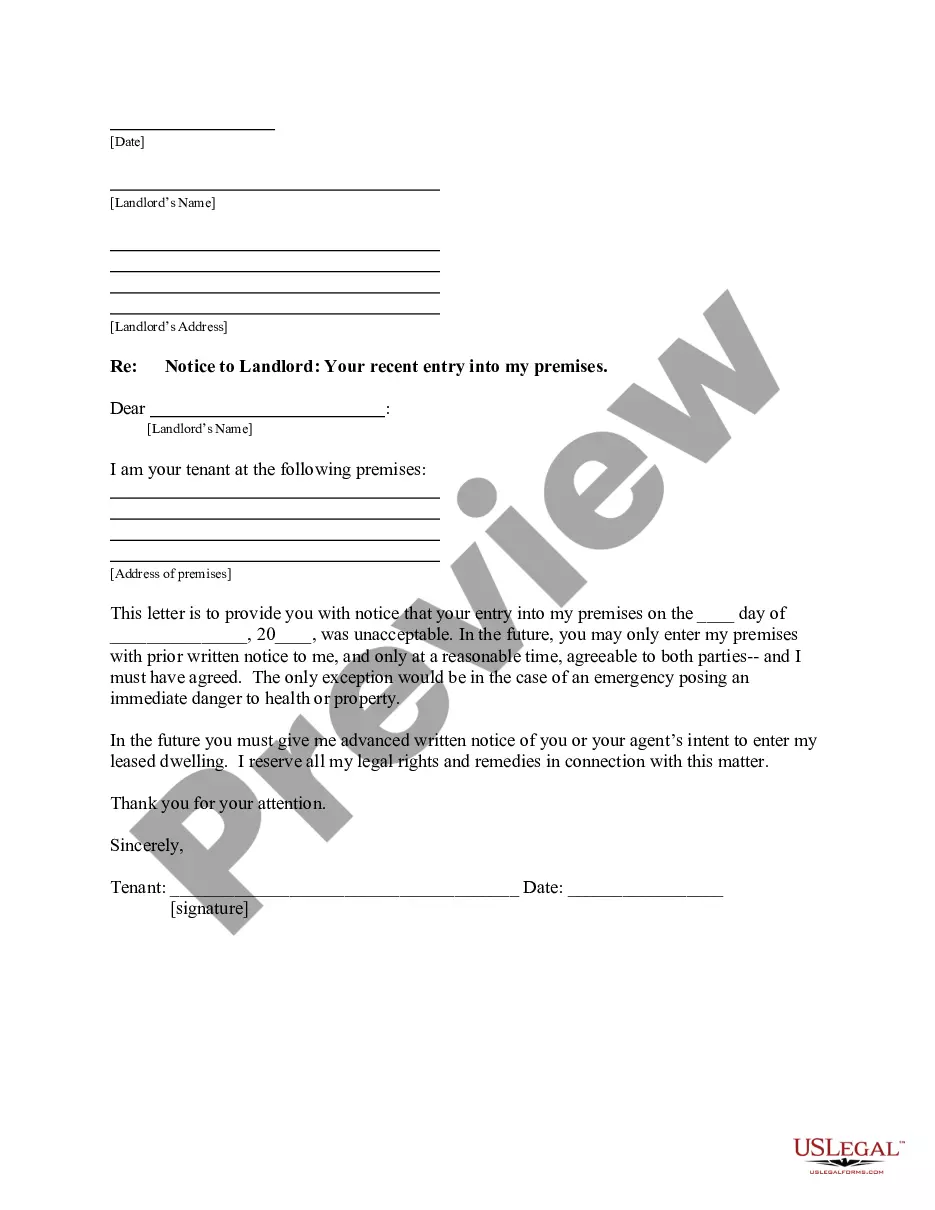
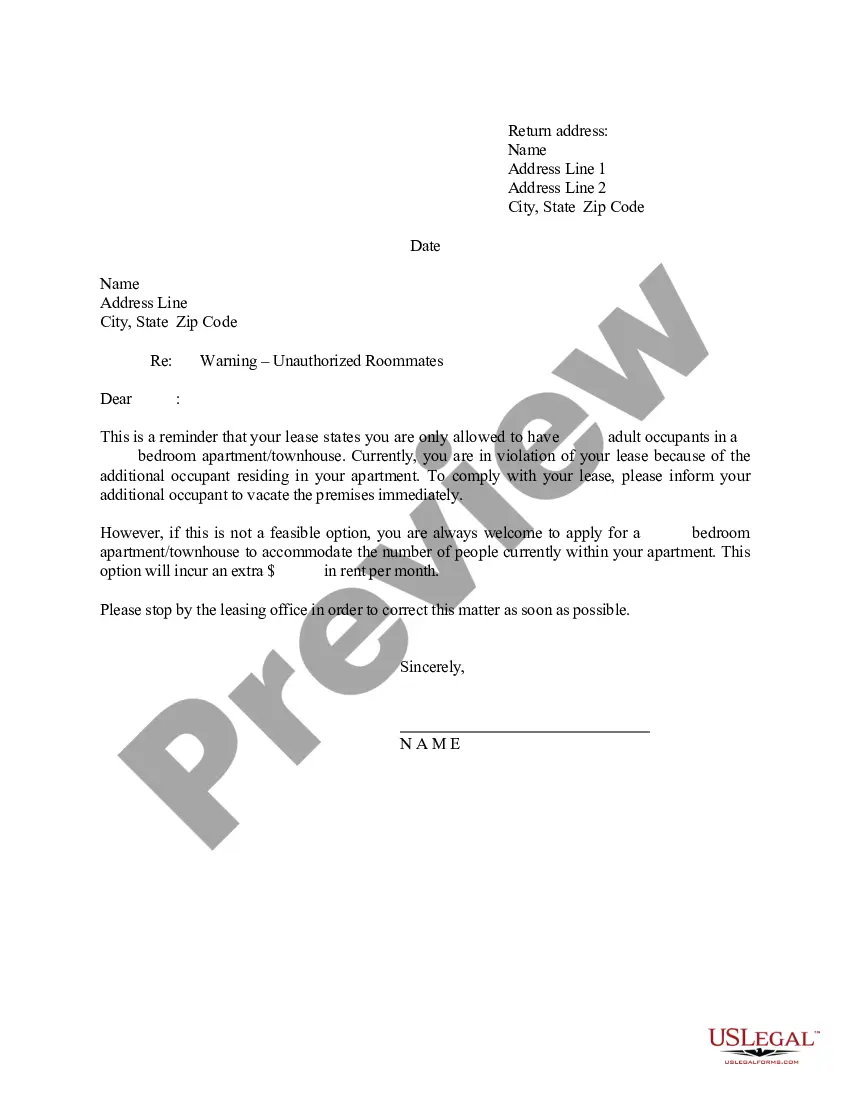
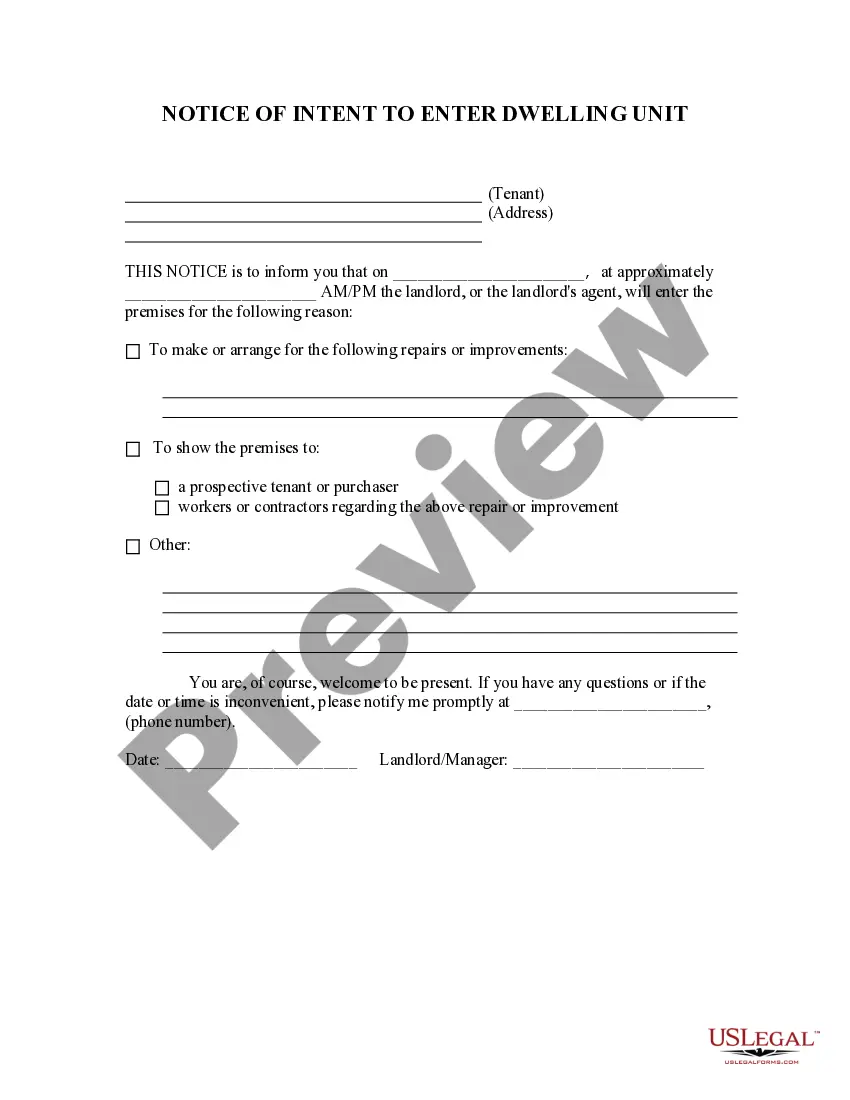
This form is a Letter from Tenant to Landlord regarding illegal entry by the landlord. It is designed to formally request that the landlord provides advance written notice before entering the leased premises, except in emergencies that pose an immediate threat to health or property. This document aims to protect tenant rights and clarify entry protocols, differing from general complaint forms by focusing specifically on unauthorized access issues.
What’s included in this form
- Identification of tenant and landlord.
- Clear statement of future notice requirements for entry.
- Reserved legal rights clause to protect tenant interests.
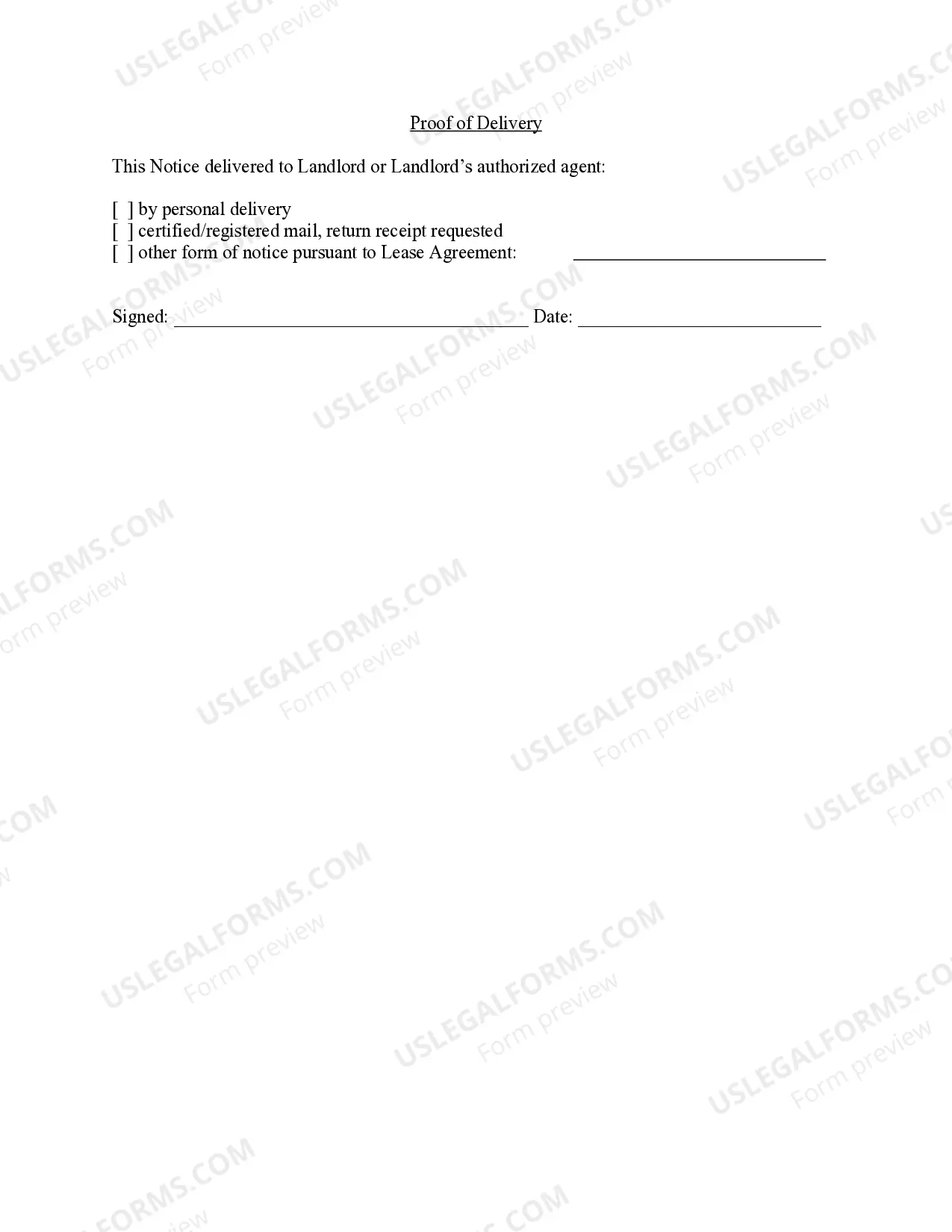
- Proof of delivery options including personal delivery or certified mail.

Situations where this form applies
This form should be used when a tenant wishes to formally notify their landlord of illegal entry into their rental unit. It is particularly useful if the landlord has previously entered without proper notice, allowing the tenant to reaffirm their rights and set clear expectations for future interactions.
Who this form is for
- Tenants experiencing unauthorized entry by their landlord.
- Individuals who want to assert their rights regarding privacy in their residence.
- Anyone seeking to establish formal communication with their landlord about entry policies.
How to prepare this document
- Fill in your name and address as the tenant.
- Provide the landlordâs name and address.
- Clearly state your request for advance written notice of entry.
- Include the date and sign your name.
- Choose your method of delivery for this letter and note it on the proof of delivery section.
Does this form need to be notarized?
This form does not typically require notarization unless specified by local law.
Get your form ready online
Our built-in tools help you complete, sign, share, and store your documents in one place.
Make edits, fill in missing information, and update formatting in US Legal Forms—just like you would in MS Word.
Download a copy, print it, send it by email, or mail it via USPS—whatever works best for your next step.
Sign and collect signatures with our SignNow integration. Send to multiple recipients, set reminders, and more. Go Premium to unlock E-Sign.
If this form requires notarization, complete it online through a secure video call—no need to meet a notary in person or wait for an appointment.
We protect your documents and personal data by following strict security and privacy standards.

Make edits, fill in missing information, and update formatting in US Legal Forms—just like you would in MS Word.

Download a copy, print it, send it by email, or mail it via USPS—whatever works best for your next step.

Sign and collect signatures with our SignNow integration. Send to multiple recipients, set reminders, and more. Go Premium to unlock E-Sign.

If this form requires notarization, complete it online through a secure video call—no need to meet a notary in person or wait for an appointment.

We protect your documents and personal data by following strict security and privacy standards.
Typical mistakes to avoid
- Failing to specify the required notice period before landlord entry.
- Not providing a method of delivery for the notice.
- Omitting signatures or dates, which can render the letter invalid.
Advantages of online completion
- Convenience of completing the form from home at any time.
- Editability allows for customization to fit specific situations.
- Access to reliable templates drafted by licensed attorneys.
Legal use & context
- This letter serves as a formal institution of tenant rights regarding privacy and entry.
- It is important to maintain documentation of delivery and receipt for future reference.
- Understanding local laws regarding tenant-landlord relationships can enhance the effectiveness of this form.
Quick recap
- The form is essential for tenants facing unauthorized entry issues.
- Always provide clear and documented written notice to protect your rights.
- Using this form can help ensure respectful and lawful landlord interactions.
Looking for another form?
Form popularity
FAQ
In all states, a landlord can enter the property in an emergency without notice or permission.Even if your landlord gives you notice, he or she must have a good reason to enter the property. In most cases, your landlord can enter your home: In an emergency.
You are paying rent to the landlord for exclusive use as the property as your home and as such you have the right to decide who enters it and when. If a landlord enters your home without permission they are, technically, trespassing, unless they have a court order to allow them otherwise.
Put cameras everywhere (Nest Cam is a good brand), make sure you put signs "Premises secured by video surveillance" and you will be good to go. While it won't prevent the landlord from entering, it will prevent the landlord from doing anything funky, and who knows, with time even stop.
Sue the landlord and whoever for up to $10,000 in small claims court for trespassing, breach of contract, invasion of privacy, and breach of quiet enjoyment; if you are two or more tenants, each can separately sue them for up to $10,000, and a joint action is not required.
Your landlord or their representatives may be allowed reasonable access to carry out inspections or repairs, but must first get your permission. According to Section 11, from The Landlord and Tenant Act 1985, your landlord needs to give you at least 24 hour notice before they come around and visit for any reason.
Your landlord also can't use the right of entry to inspect your belongings. You have the right to refuse entry after receiving a 24-hour notice. You may refuse entry by specifically alerting the landlord of your decision, or you may attach a written notice of refusal to the front of your apartment in a secure manner.
Oregon Rent RulesOregon has a statewide rent control law that limits the amount of rent increases, bars landlords from raising rent more than once in any 12-month period, and requires landlords to give tenants proper notice before raising rent.
The big take-away is that in most circumstances a landlord cannot enter a property without agreement from the tenant. And If the landlord ignores the law and enters the property without permission, the tenant may be able to claim damages or gain an injunction to prevent the landlord doing it again.