Oregon Letter from Tenant to Landlord with Demand that landlord repair unsafe or broken lights or wiring
What is this form?
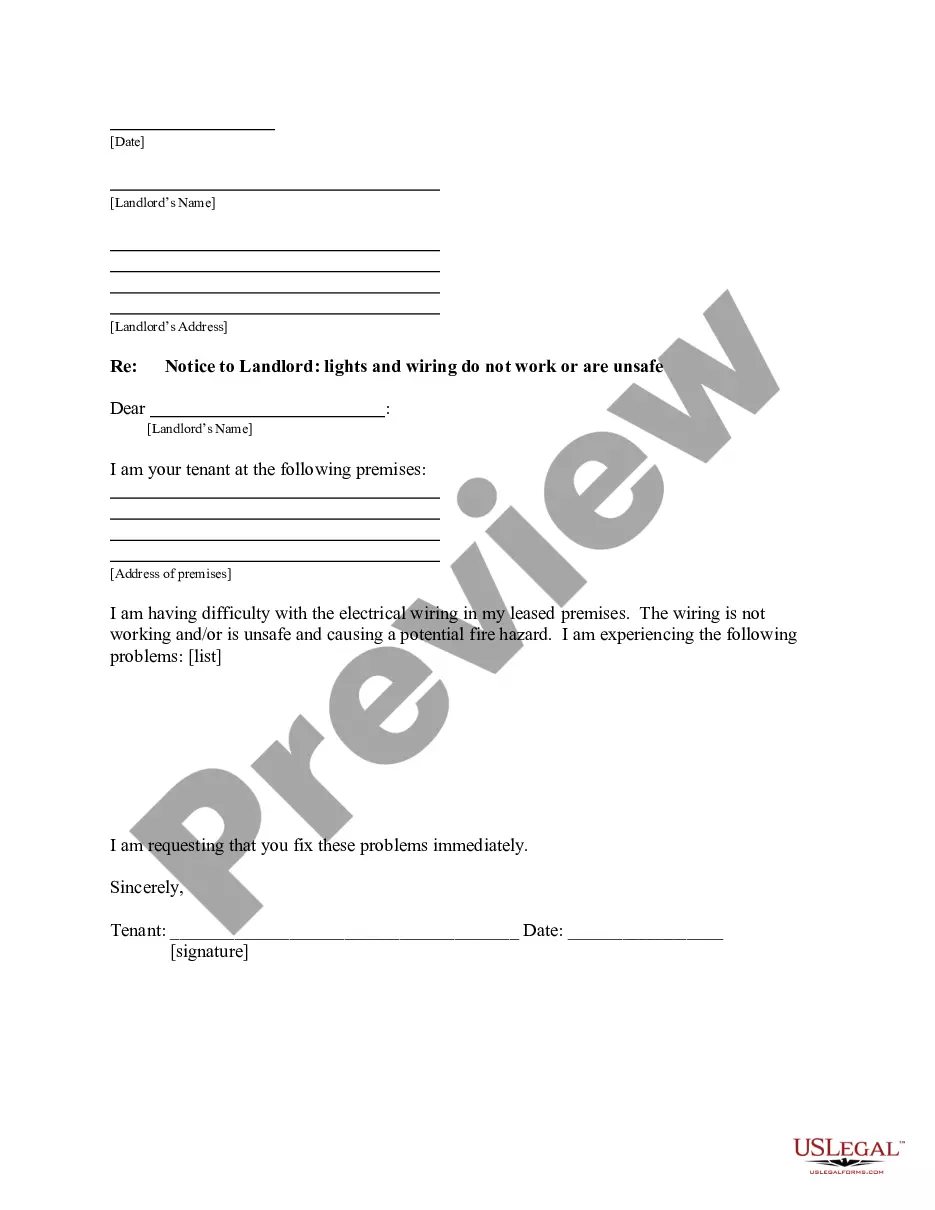
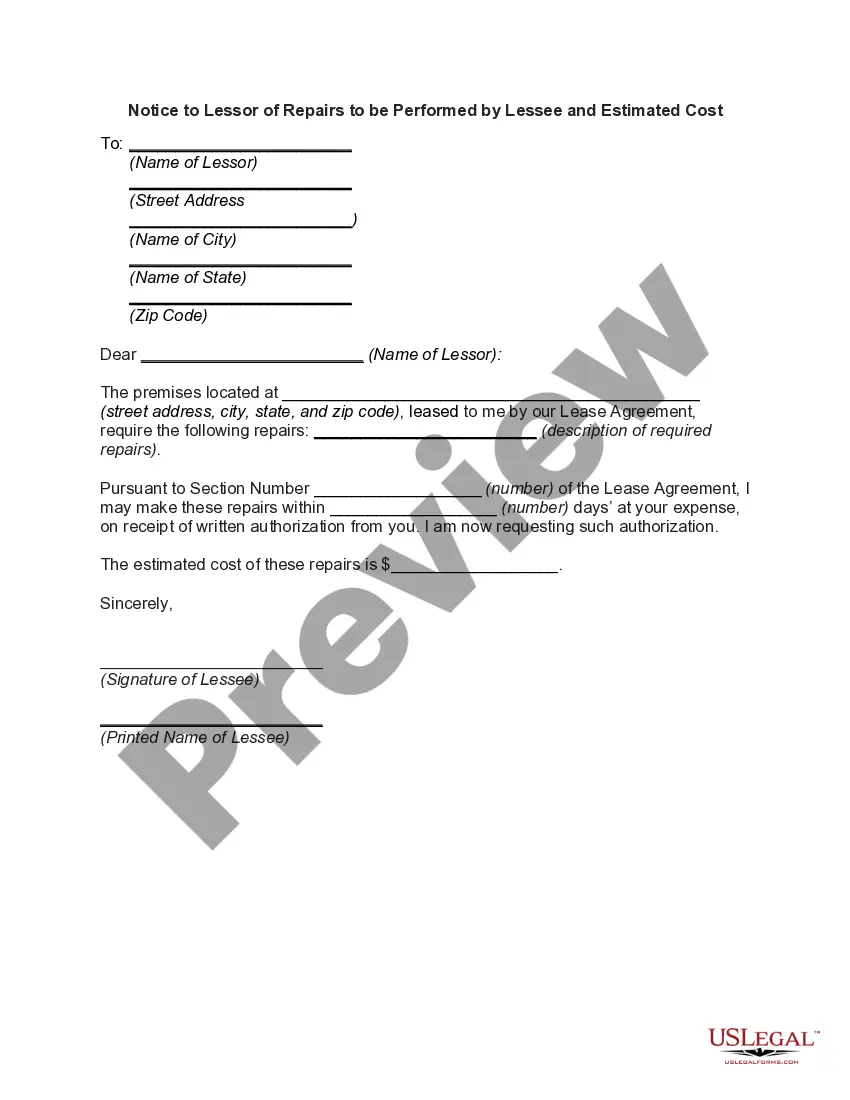
This form is a notification from a tenant to their landlord regarding safety issues with the lighting and wiring in the rental property. It formally indicates that the landlord has failed to fulfill their legal obligation to maintain a safe and functional living environment. This letter serves as a demand for immediate repairs, distinguishing it from general complaint letters by focusing specifically on safety concerns related to electrical issues.
What’s included in this form
- Tenant's identification: Clearly states the tenant's name and contact information.
- Property details: Specifies the address of the leased property.
- Statement of issues: Describes the condition of the unsafe or broken lights or wiring.
- Landlord notification: Indicates the landlord's breach of their duty to maintain the property.
- Repair demand: Clearly states the request for immediate repairs to be made.
- Delivery proof: Includes a section for proof of delivery to the landlord or authorized agent.


When to use this document
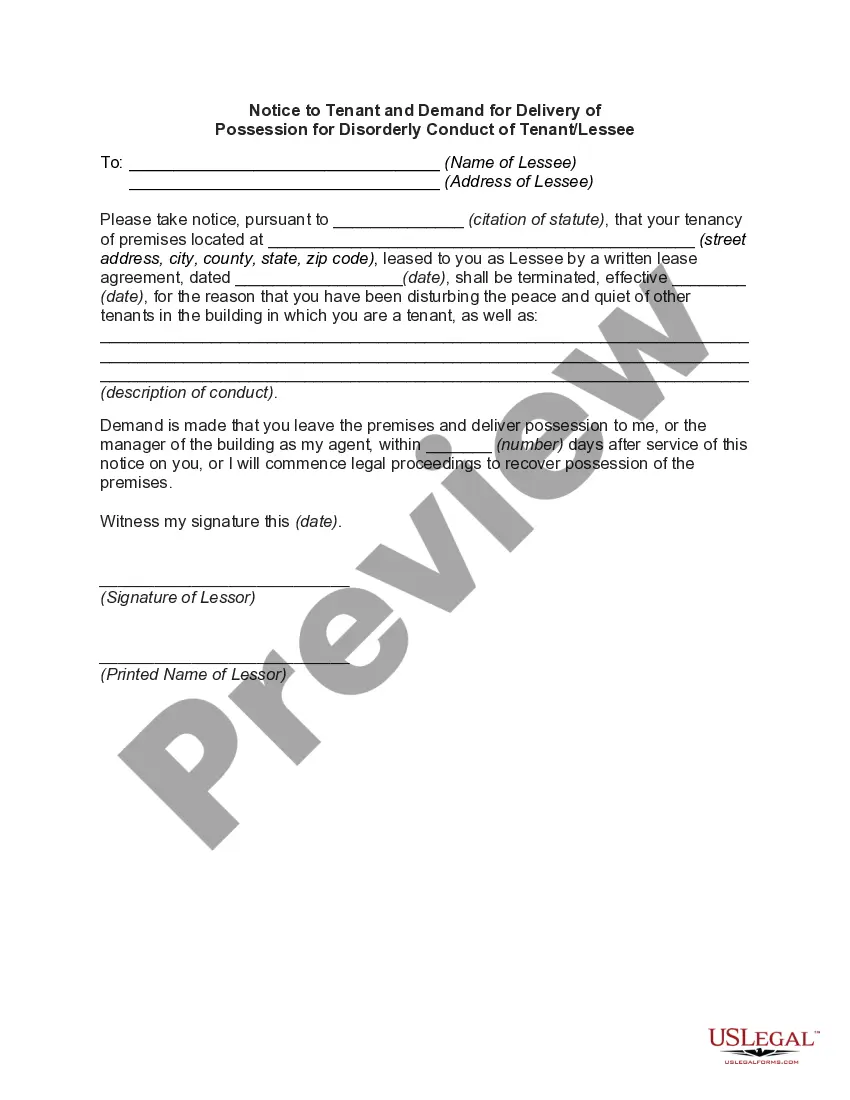
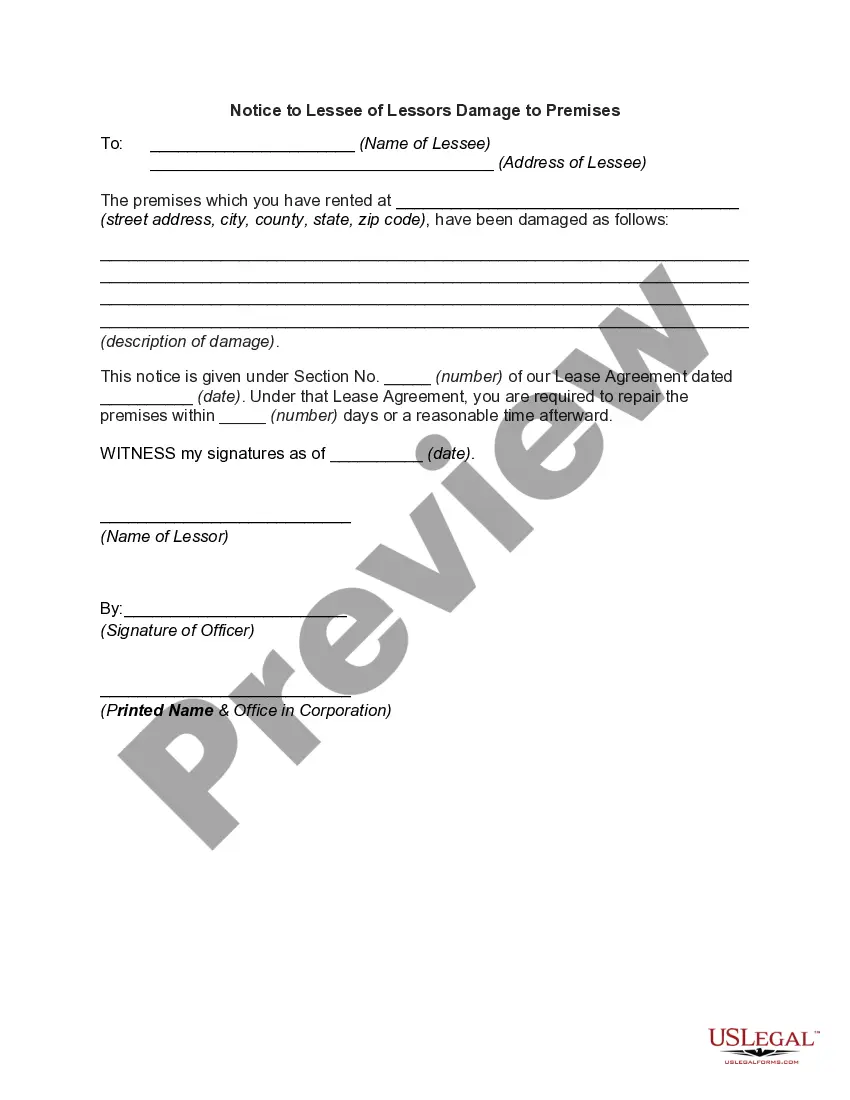
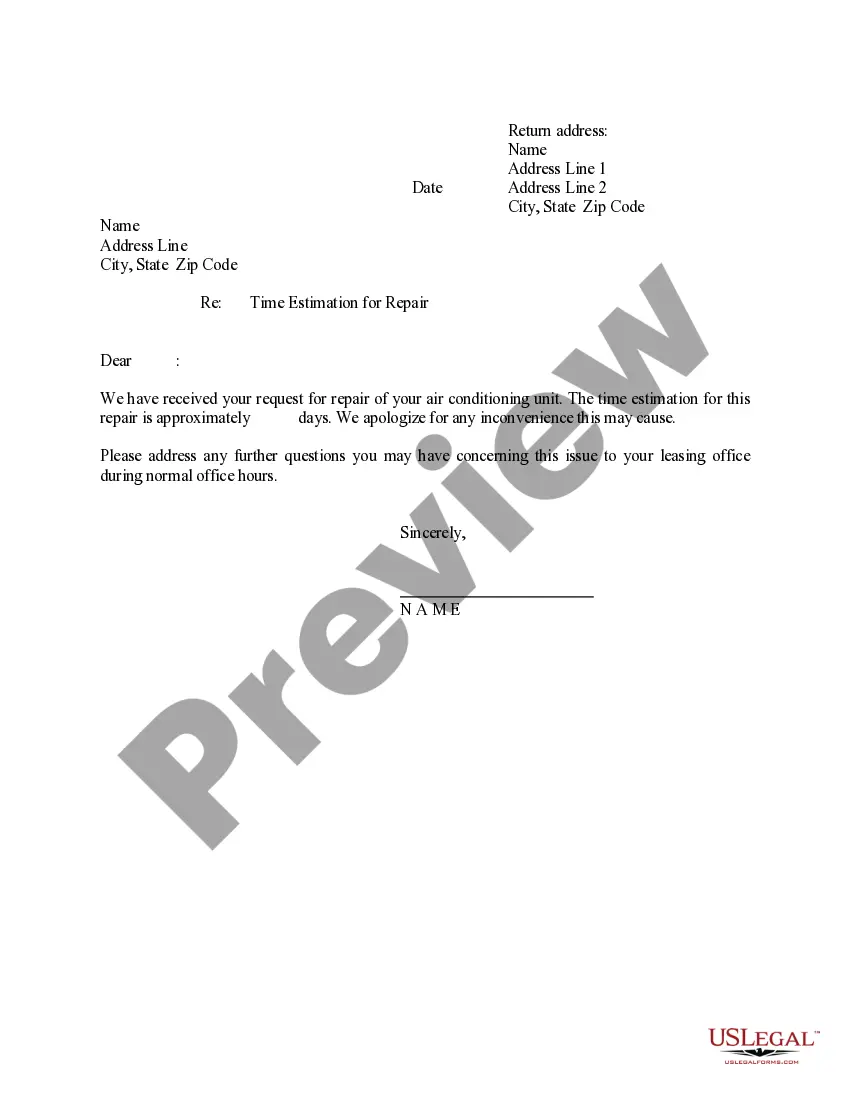
Use this form when you encounter unsafe or broken lighting and wiring in your rental property, which poses a risk to your safety. It is essential when you have already communicated these issues verbally or through other means without receiving a satisfactory response. This letter formally documents the problem and your demand for necessary repairs to ensure the landlord addresses the issue promptly.
Who needs this form
- Current tenants experiencing unsafe lighting or wiring issues in their rental units.
- Tenants who have notified their landlord about the issues previously but have not received a response.
- Individuals who prefer a formal written record of their requests for repairs.
Instructions for completing this form
- Identify the tenants: Fill in your name and contact details at the top of the form.
- Specify the property: Enter the complete address of the rental property in question.
- Describe the issues: Clearly state the problems with lighting and wiring.
- State your demand: Include a clear request for immediate repairs from the landlord.
- Sign and date the form: Include your signature and the date of completion.
- Deliver the notice: Use certified or registered mail to ensure the landlord receives it, or deliver it in person if possible.
Does this document require notarization?
This form does not typically require notarization unless specified by local law. Ensure to check your local regulations to confirm any specific requirements.
Get your form ready online
Our built-in tools help you complete, sign, share, and store your documents in one place.
Make edits, fill in missing information, and update formatting in US Legal Forms—just like you would in MS Word.
Download a copy, print it, send it by email, or mail it via USPS—whatever works best for your next step.
Sign and collect signatures with our SignNow integration. Send to multiple recipients, set reminders, and more. Go Premium to unlock E-Sign.
If this form requires notarization, complete it online through a secure video call—no need to meet a notary in person or wait for an appointment.
We protect your documents and personal data by following strict security and privacy standards.

Make edits, fill in missing information, and update formatting in US Legal Forms—just like you would in MS Word.

Download a copy, print it, send it by email, or mail it via USPS—whatever works best for your next step.

Sign and collect signatures with our SignNow integration. Send to multiple recipients, set reminders, and more. Go Premium to unlock E-Sign.

If this form requires notarization, complete it online through a secure video call—no need to meet a notary in person or wait for an appointment.

We protect your documents and personal data by following strict security and privacy standards.
Common mistakes
- Failing to provide a clear description of the issues.
- Not including the date of delivery for proof.
- Not keeping a copy of the sent notice for personal records.
- Assuming the landlord is aware of the issues without notifying them formally.
Benefits of completing this form online
- Convenience: Quickly download and personalize the form from anywhere.
- Editability: Easily fill in the required fields to fit your specific situation.
- Reliability: Forms are drafted by licensed attorneys to ensure legal compliance.
Legal use & context
- This form serves as a legal notice that can be used in potential disputes.
- It creates a formal record of the request for repair that may be referenced in court if necessary.
- Failure to address such notices can have legal implications for landlords.
Key takeaways
- This form is essential for addressing unsafe living conditions.
- It formalizes communication between tenants and landlords.
- Proper documentation of the issue and demand is crucial for tenant rights protection.
Looking for another form?
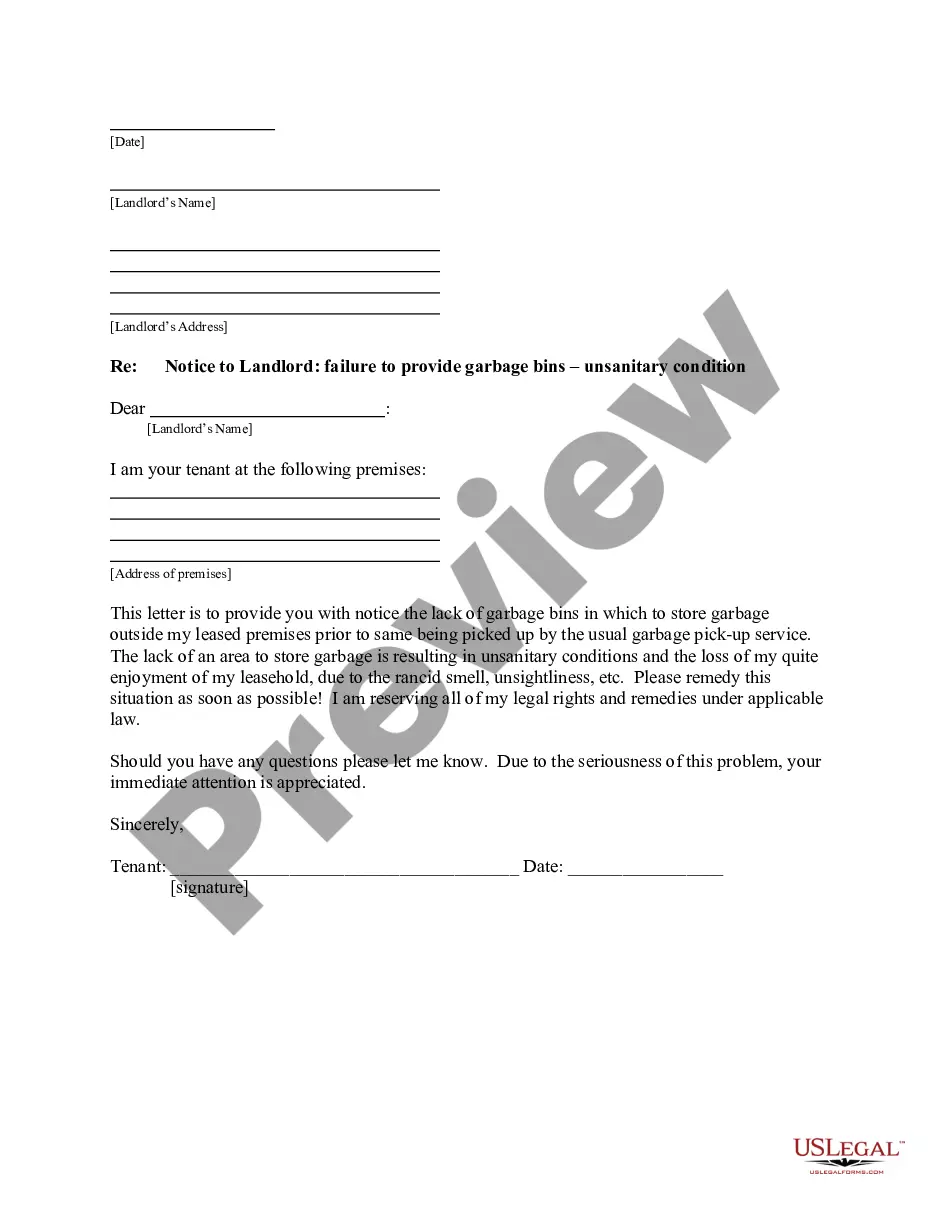
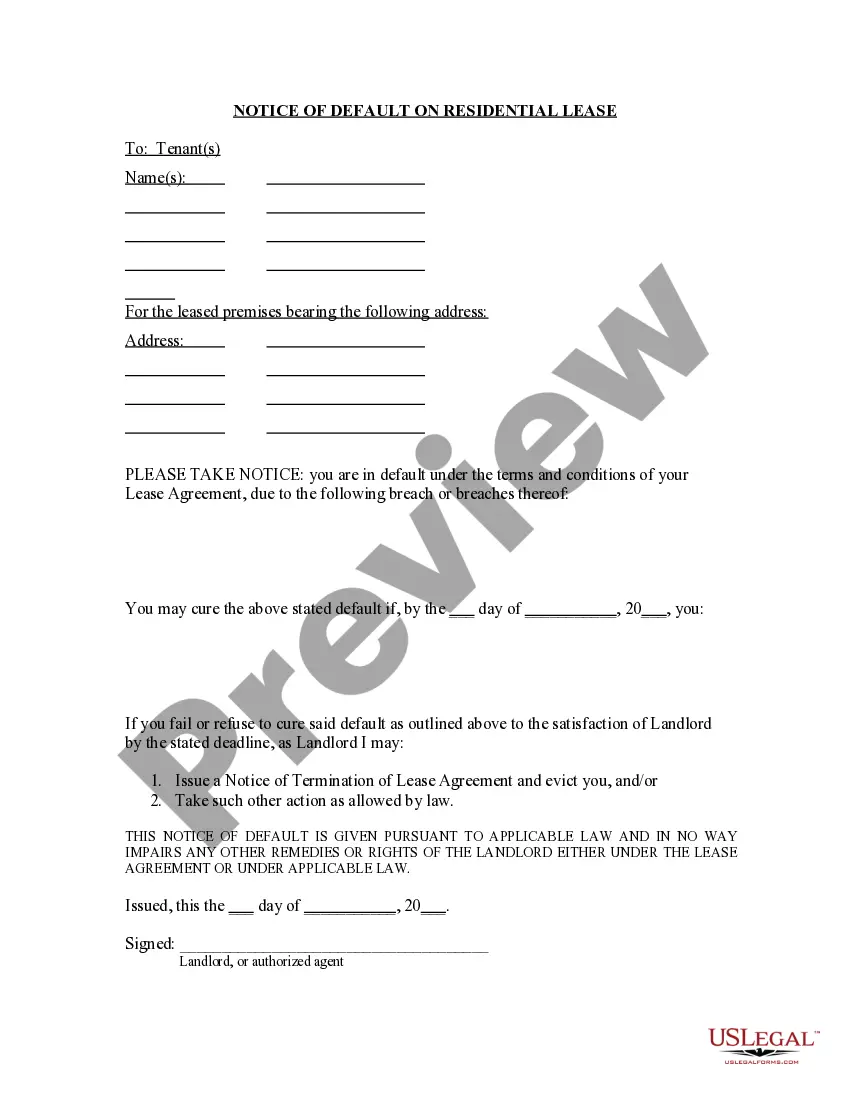
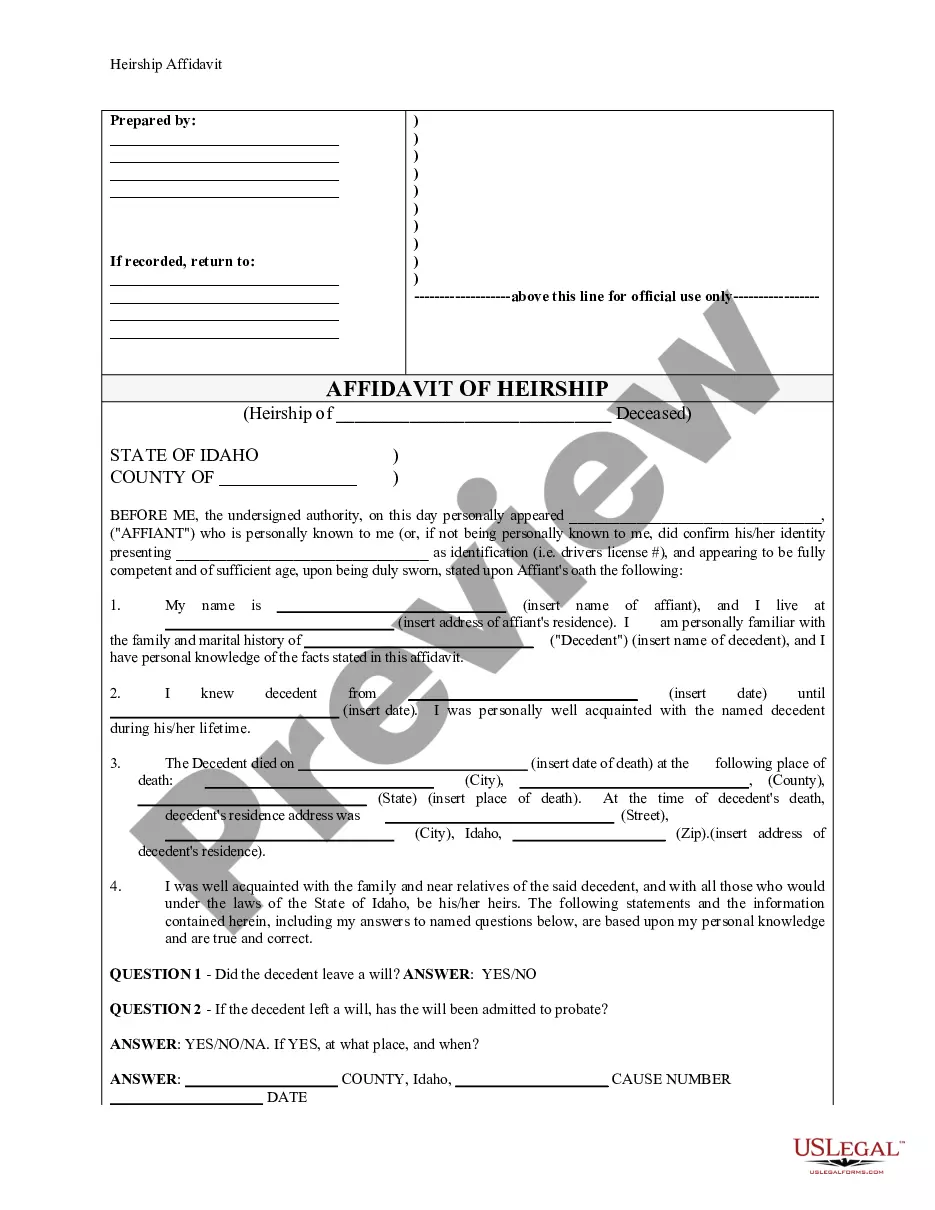
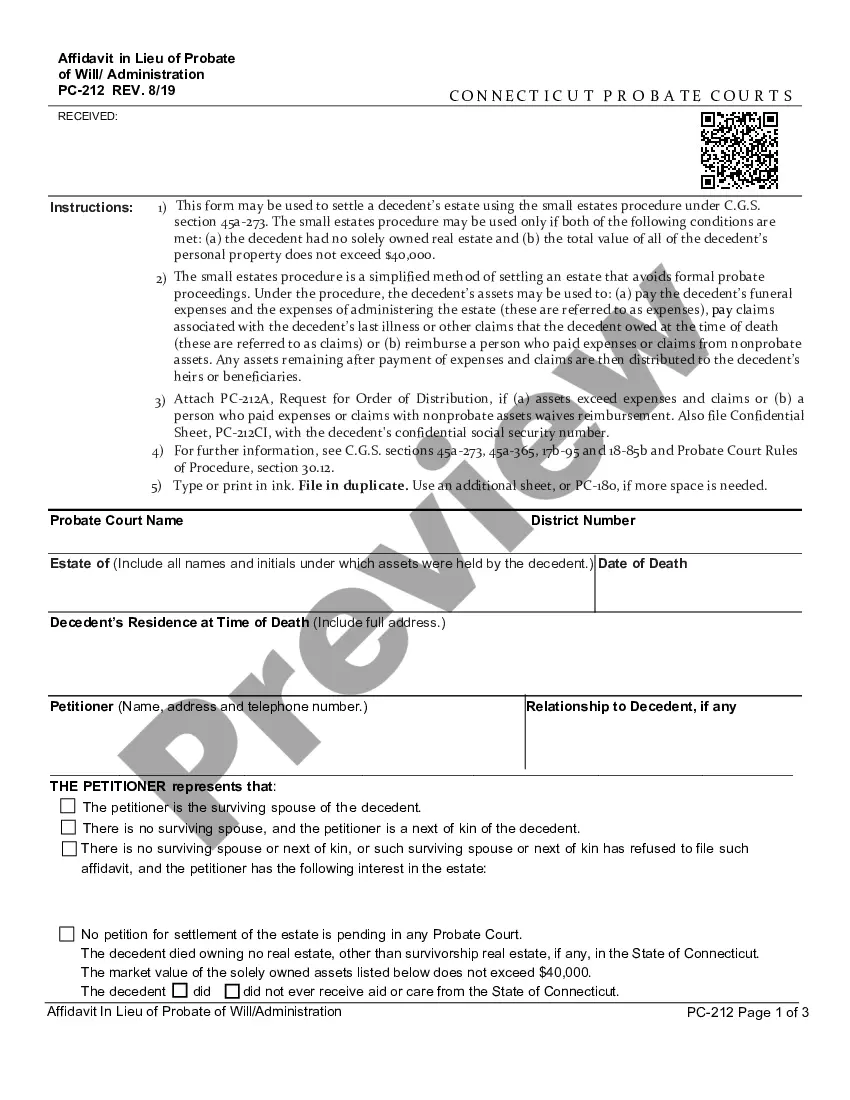

Form popularity
FAQ
The landlord is required to keep the units kept up nicely and in safe order. They are responsible for keeping up the heating, plumbing and hot water and making sure that all of those amenities stay in working and safe order. All landlords should abide by their state and federal laws, including health and safety codes.
Every tenant has a right to enjoy peaceful possession of the property without any disturbance or encumbrance from anyone including the owner. At no point of time under your tenancy can your landlord ask you to evict or leave the premises without assigning a valid reason.
Oregon landlords can require tenants to pay a security deposit. Under Oregon law, a last month's rent deposit is considered to be a security deposit. Landlords must provide tenants with a receipt when they receive the deposit. Written rental agreements must include the amount of the security deposit.
Your landlord discriminates against you. Your landlord takes your security deposit illegally. Your rental unit is inhabitable. The property owner interferes with your right to quiet enjoyment. Your landlord fails to make the necessary repairs.
Review Your Lease Before You Sign. Research Local Laws. Keep Records. Pay Your Rent. Maintain Respectful Communication. Seek an Agreeable Solution. Request Repairs in Writing. What Do You Think?
If you think your landlord is violating the Fair Housing Act, you can get that landlord in trouble by filing a complaint at HUD.gov. Your remedy for breach of quiet enjoyment is to terminate the lease and move or sue in small claims court.
In a month-to-month tenancy, that time period is 7 days for essential services such as water, plumbing and heat, and 30 days for all other kinds of repairs. In a week-to-week tenancy, your notice must give the landlord 7 days to repair the problem. The notice period starts when the landlord receives the notice.
Injury at Rental Property: You could have a case for a lawsuit against your landlord if you are injured at the rental property due to a landlord's neglect. Filing an Illegal Eviction: You can countersue your landlord if you feel your landlord is trying to evict you illegally.
For 2020, the maximum rent increase is 9.9%. Between tenants, there is no limit to how much the rent can go up (except if a short-term tenant was just evicted from the unit, a provision that discourages a revolving door of tenants for rent increases.)