Oregon Satisfaction of Judgment
What is this form?
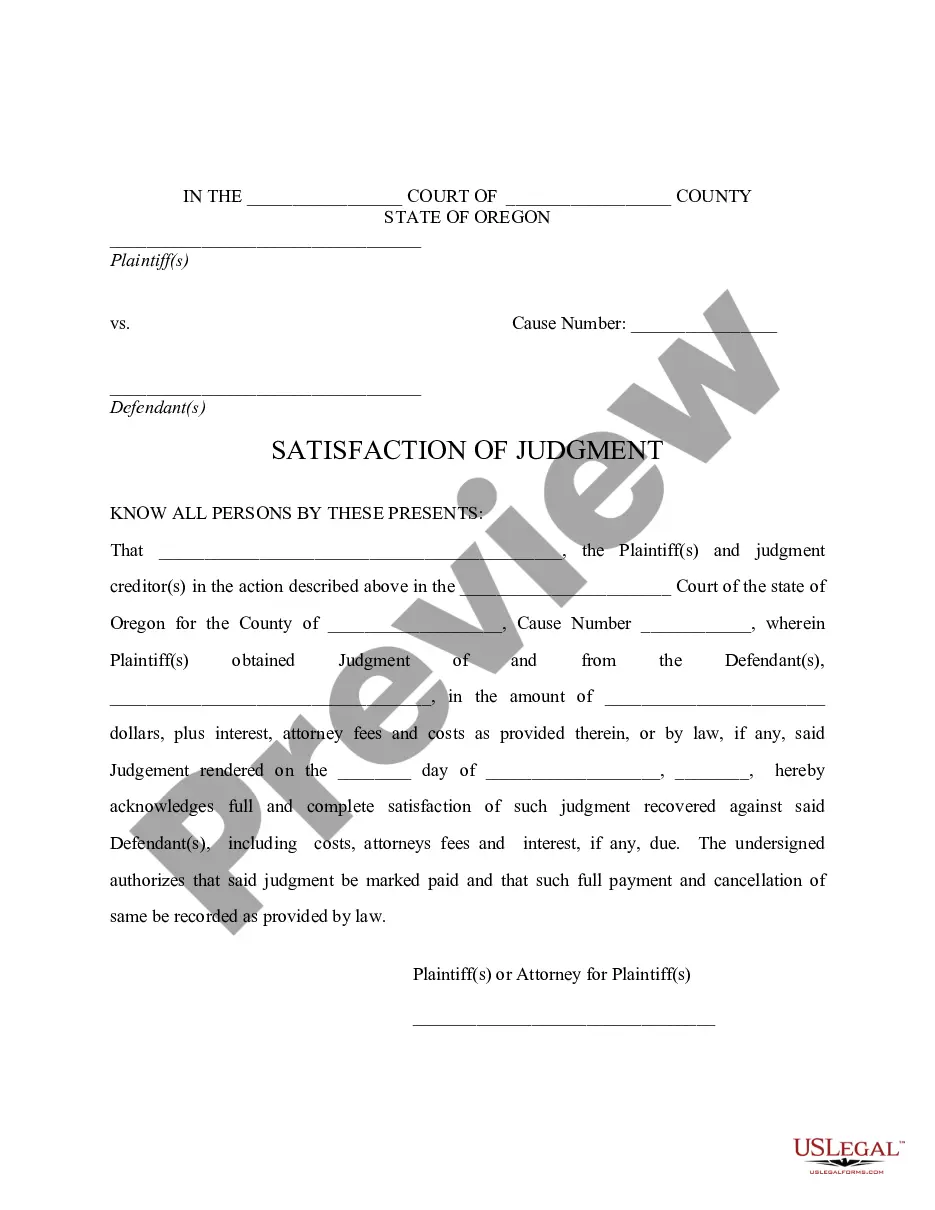
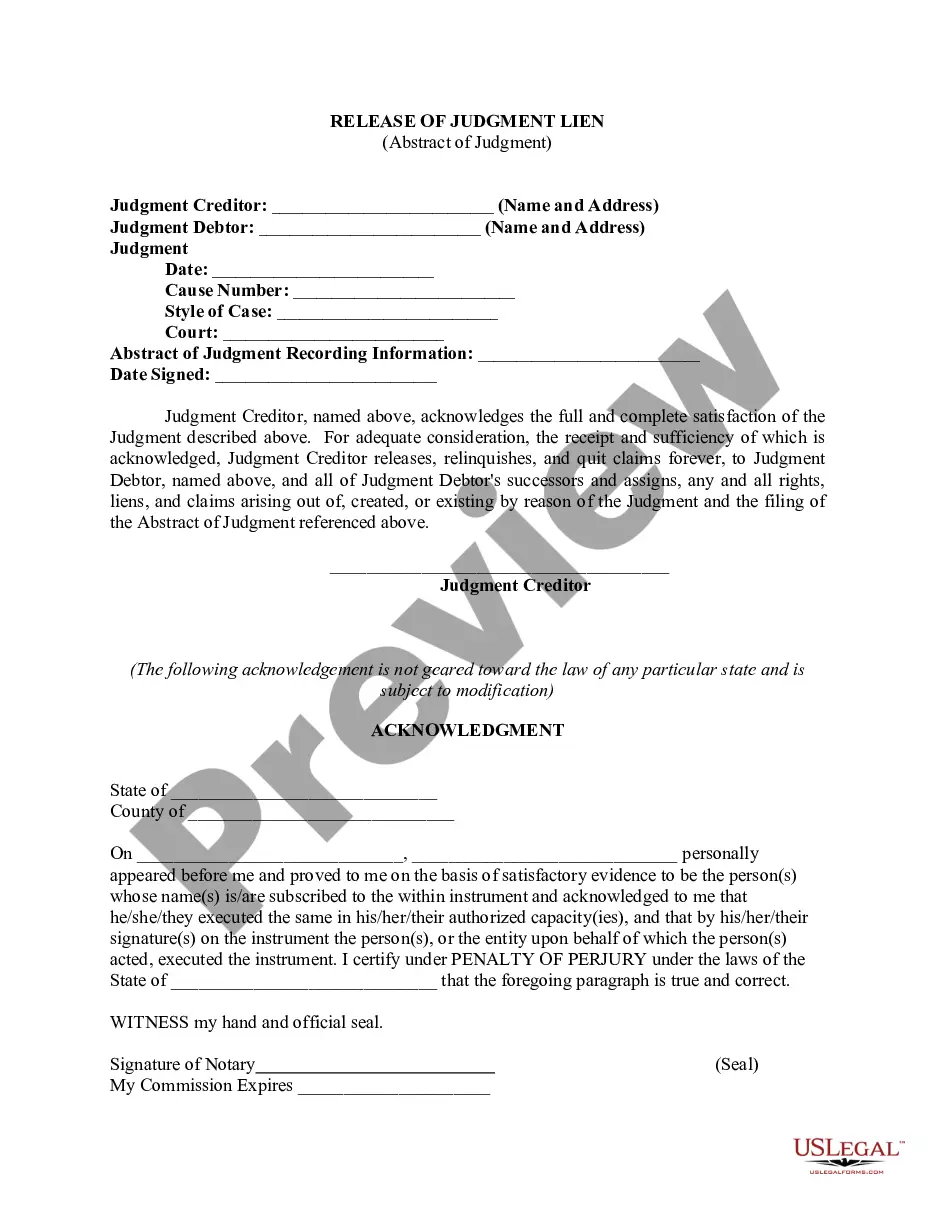
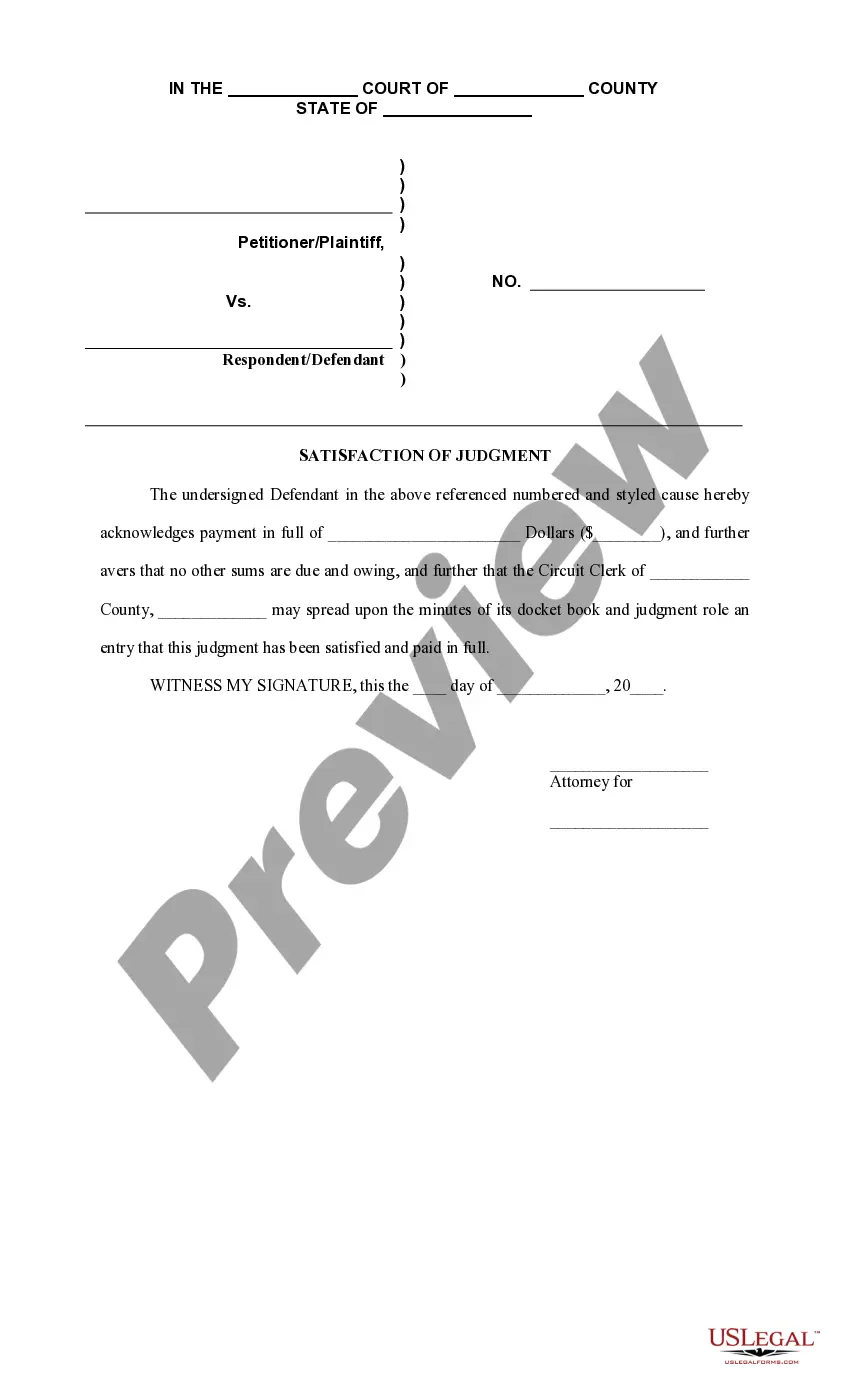
The Oregon Satisfaction of Judgment is a legal document used to acknowledge that a court judgment has been fully paid, including all associated fees, costs, and interest. This form serves to officially inform the court and relevant parties that the judgment against a defendant has been satisfied, allowing for the record to be updated to reflect that the judgment is paid in full. It is essential for releasing debtors from the obligations of the judgment and differs from other forms that may merely acknowledge payment without formal recognition from the court.
What’s included in this form
- Identification of the court and county in Oregon.
- Details of the plaintiff(s) and defendant(s) involved in the judgment.
- Statement of the judgment amount, including interest and fees.
- Authorization for marking the judgment as paid.
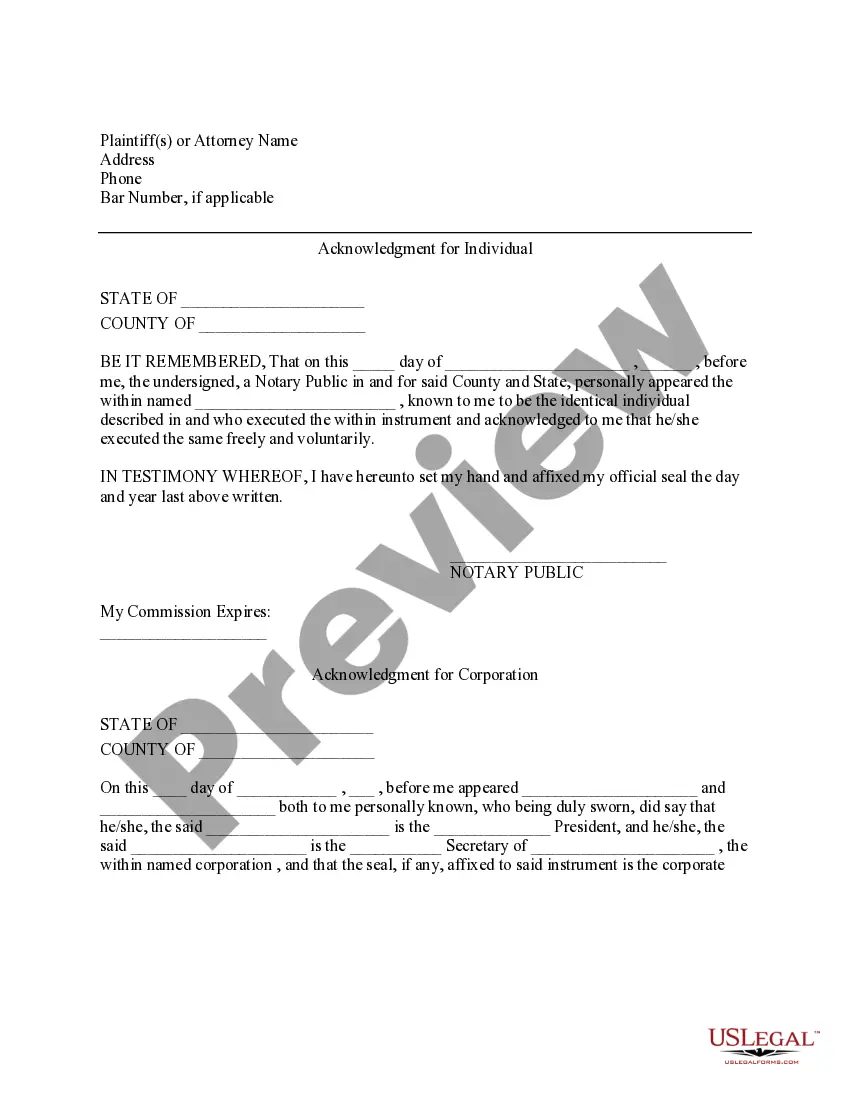
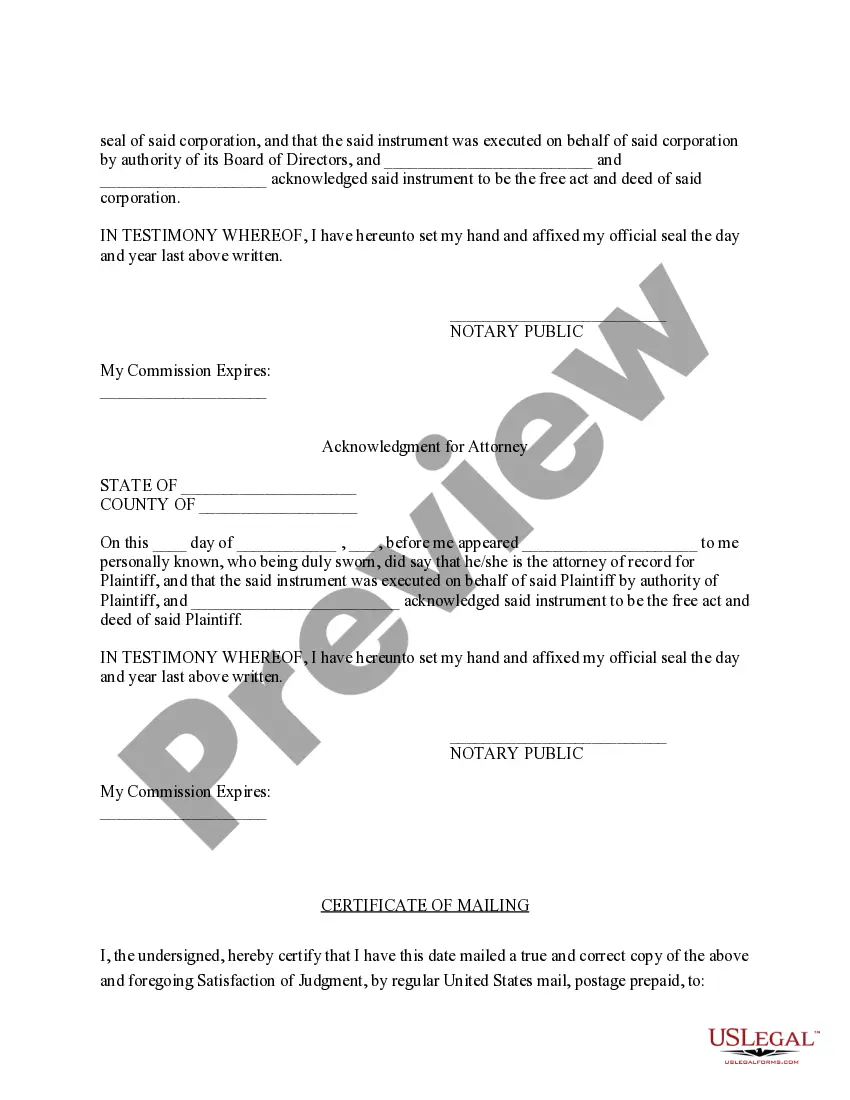
- Notarization requirements for individuals, corporations, or attorneys involved.
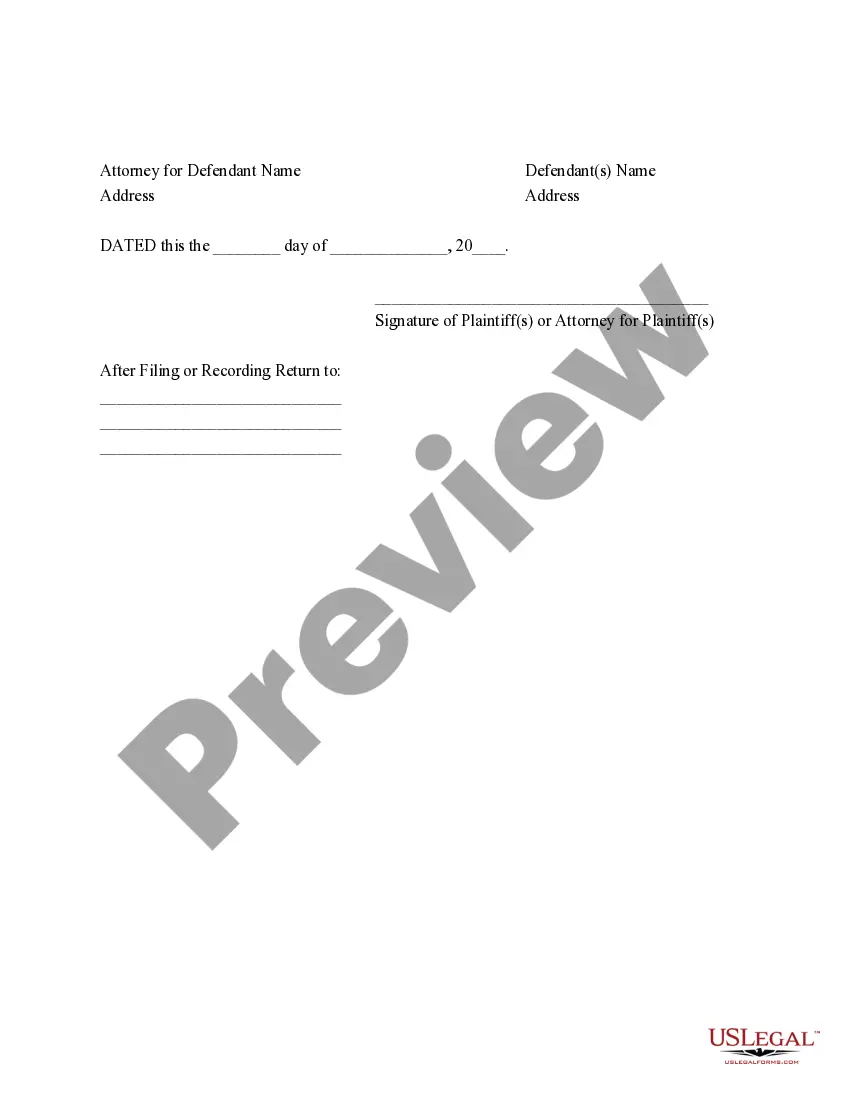
- Certificate of mailing to notify the defendant(s) and their attorney of the satisfaction.


Situations where this form applies
This form should be used when a judgment creditor has received full payment of the judgment amount from the debtor. It is necessary to file this form once all payments have been made to ensure that the debtor's financial obligations are cleared. Using this form correctly prevents any future complications, such as additional claims or misunderstandings regarding the status of the judgment.
Who can use this document
Eligibility for using the Oregon Satisfaction of Judgment includes:
- The plaintiff(s) or judgment creditor(s) who received the payment.
- Authorized attorneys representing the plaintiff(s).
- Corporate representatives acting on behalf of the creditor corporation.
How to prepare this document
- Identify the court and county where the judgment was issued.
- Fill in the names of the plaintiff(s) and defendant(s) as listed in the original judgment.
- Specify the cause number and the judgment amount paid.
- Provide the date of the original judgment and your signature along with your contact information.
- Have the document notarized to validate the signatures and acknowledgements.
- Mail a copy of the completed form to the defendant(s) or their attorney as required.
Does this document require notarization?
This form must be notarized to be legally valid. US Legal Forms provides secure online notarization powered by Notarize, allowing you to complete the process through a verified video call.
Get your form ready online
Our built-in tools help you complete, sign, share, and store your documents in one place.
Make edits, fill in missing information, and update formatting in US Legal Forms—just like you would in MS Word.
Download a copy, print it, send it by email, or mail it via USPS—whatever works best for your next step.
Sign and collect signatures with our SignNow integration. Send to multiple recipients, set reminders, and more. Go Premium to unlock E-Sign.
If this form requires notarization, complete it online through a secure video call—no need to meet a notary in person or wait for an appointment.
We protect your documents and personal data by following strict security and privacy standards.
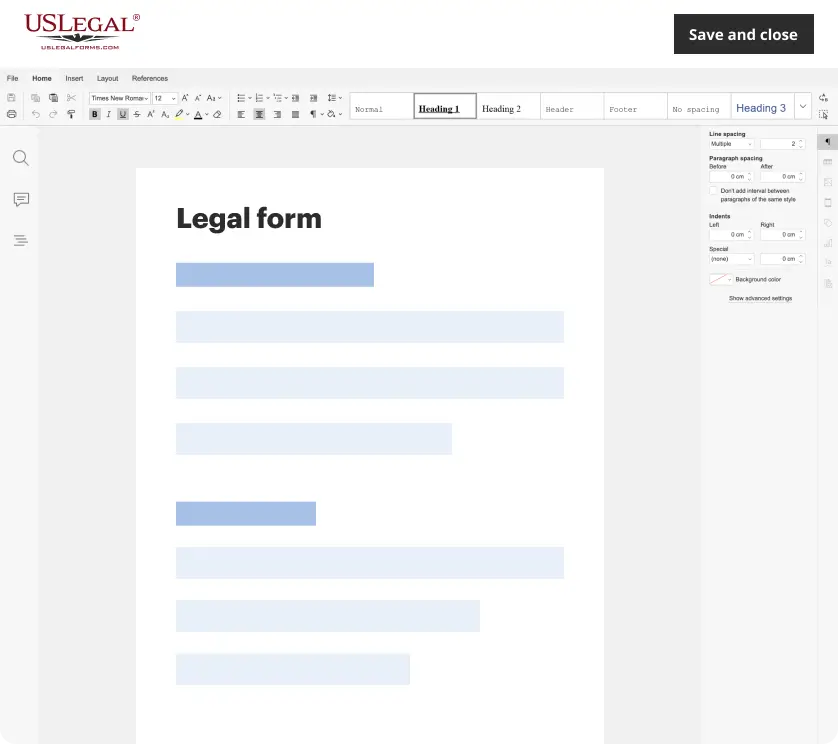
Make edits, fill in missing information, and update formatting in US Legal Forms—just like you would in MS Word.
Download a copy, print it, send it by email, or mail it via USPS—whatever works best for your next step.
Sign and collect signatures with our SignNow integration. Send to multiple recipients, set reminders, and more. Go Premium to unlock E-Sign.

If this form requires notarization, complete it online through a secure video call—no need to meet a notary in person or wait for an appointment.
We protect your documents and personal data by following strict security and privacy standards.
Avoid these common issues
- Failing to include all necessary details such as the court name or case number.
- Neglecting to sign the form or have it notarized.
- Not notifying the defendant of the satisfaction of judgment.
- Incorrectly calculating the total amount paid, including interest or fees.
Benefits of completing this form online
- Convenience of completing the form from any location.
- Editability to ensure all details are accurate before printing.
- A reliable source of legal forms drafted by licensed attorneys.
Quick recap
- The Oregon Satisfaction of Judgment confirms that a judgment has been fully paid.
- This form is essential to officially release the debtor from obligations.
- Always ensure the document is properly completed and notarized.
Looking for another form?
Form popularity
FAQ
A document signed by the party who is owed money under a court judgment (called the judgment creditor) stating that the full amount due on the judgment has been paid.
Once a judgment is paid, whether in installments or a lump sum, a judgment creditor (the person who won the case) must acknowledge that the judgment has been paid by filing a Satisfaction of Judgment form with the court clerk.
In order to vacate a judgment in California, You must file a motion with the court asking the judge to vacate or set aside the judgment. Among other things, you must tell the judge why you did not respond to the lawsuit (this can be done by written declaration).
If the judgment creditor does not immediately file an Acknowledgement of Satisfaction of Judgment (EJ-100) when the judgment is satisfied, the judgment debtor may make a formal written demand for the creditor to do so. The judgment creditor has 15 days after receiving the debtor's request to serve the acknowledgement.
A Satisfaction of Judgment is a document signed by one party acknowledge receipt of the payment. The Satisfaction of Judgment is then filed with the court. This is beneficial to the paying party for multiple reasons. One, the court is put on notice that the debt has been satisfied.
Oregon judgments expire after 10 years from the date of entry by a court, unless a creditor (i.e., you or your attorney) files a certificate within that 10 year time period to have enforcement of the judgment extended for another 10 years.
Judgments are no longer factored into credit scores, though they are still public record and can still impact your ability to qualify for credit or loans.If a civil judgment is still on your credit report, file a dispute with the appropriate credit reporting agencies to have it removed.
Once a judgment is paid, whether in installments or a lump sum, a judgment creditor (the person who won the case) must acknowledge that the judgment has been paid by filing a Satisfaction of Judgment form with the court clerk.