Oregon Amendment to Postnuptial Property Agreement
Overview of this form
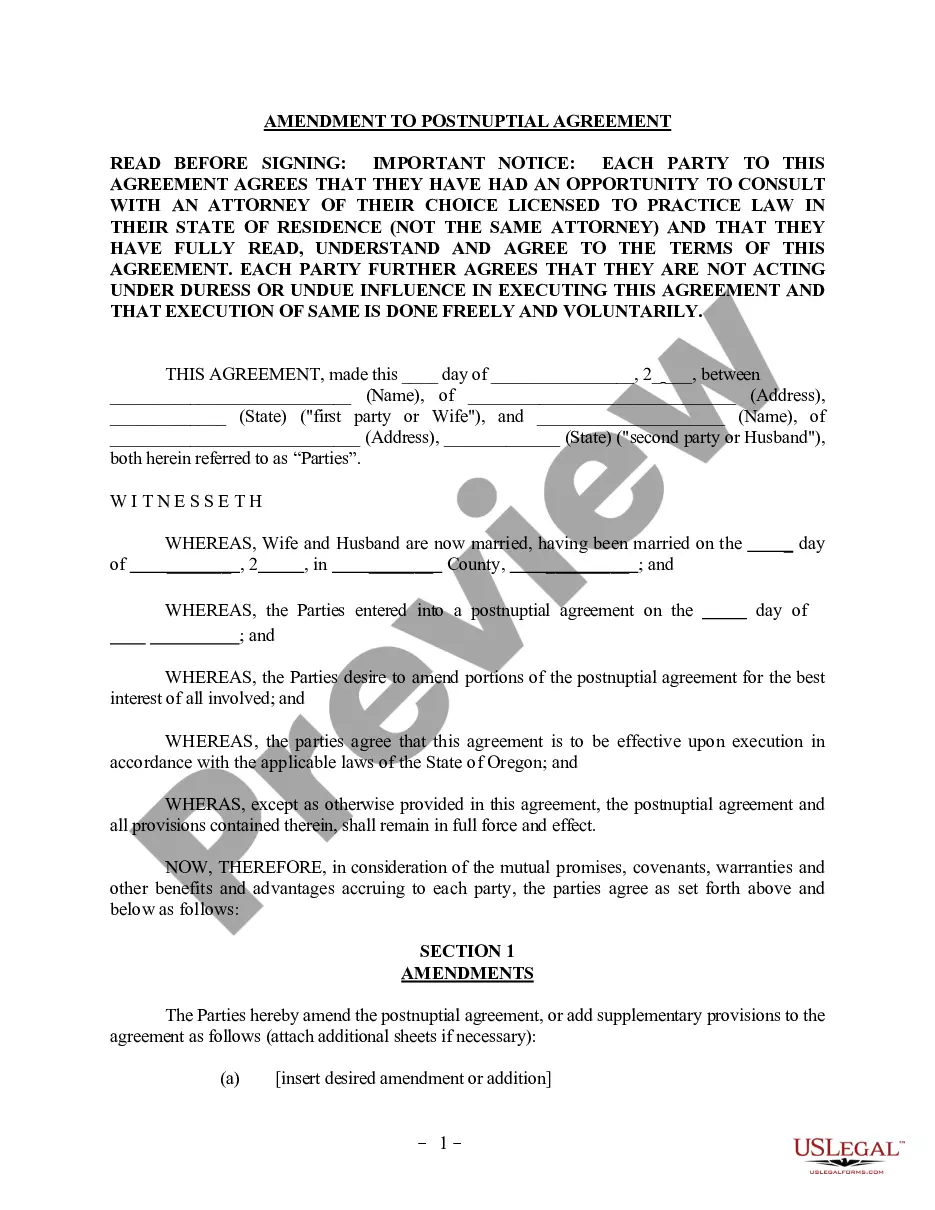
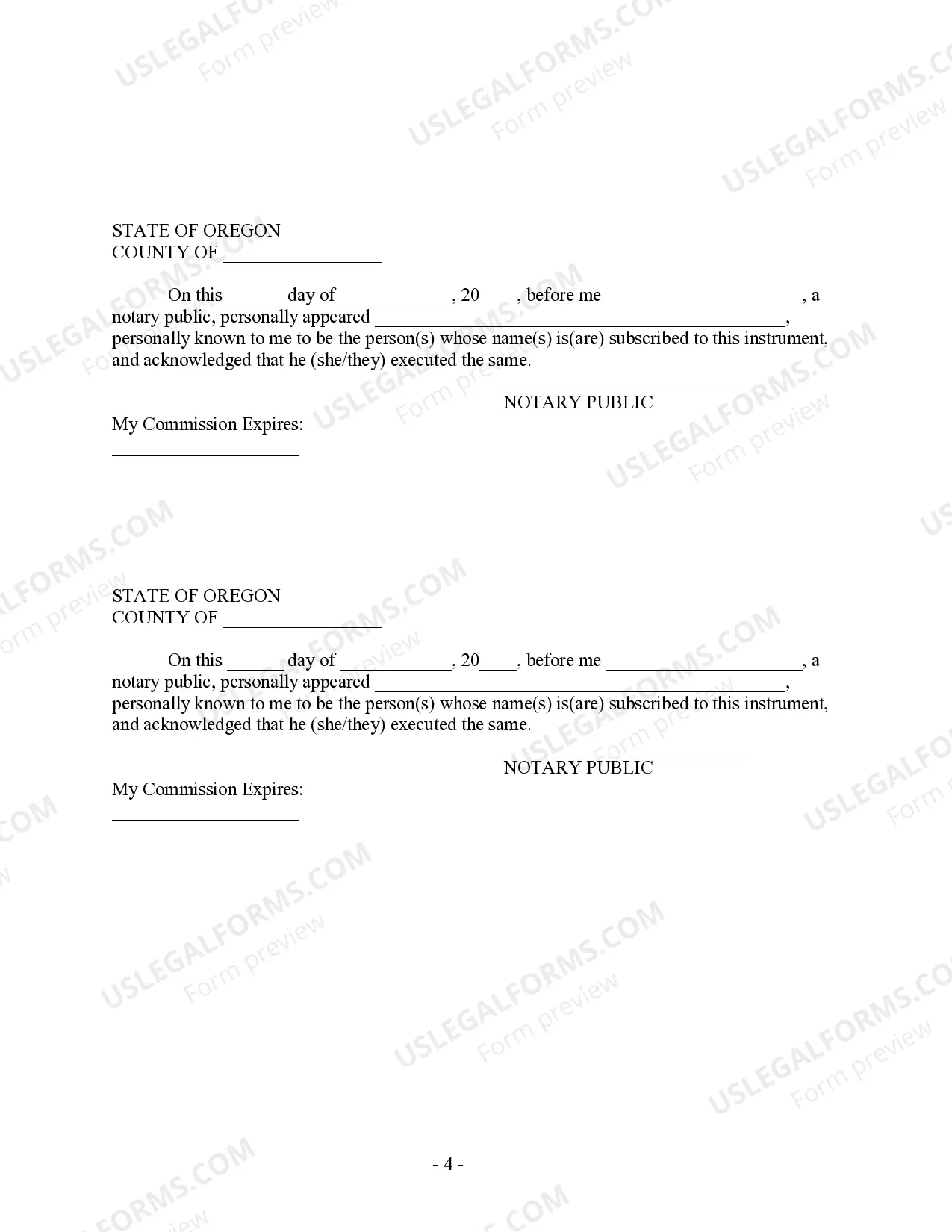
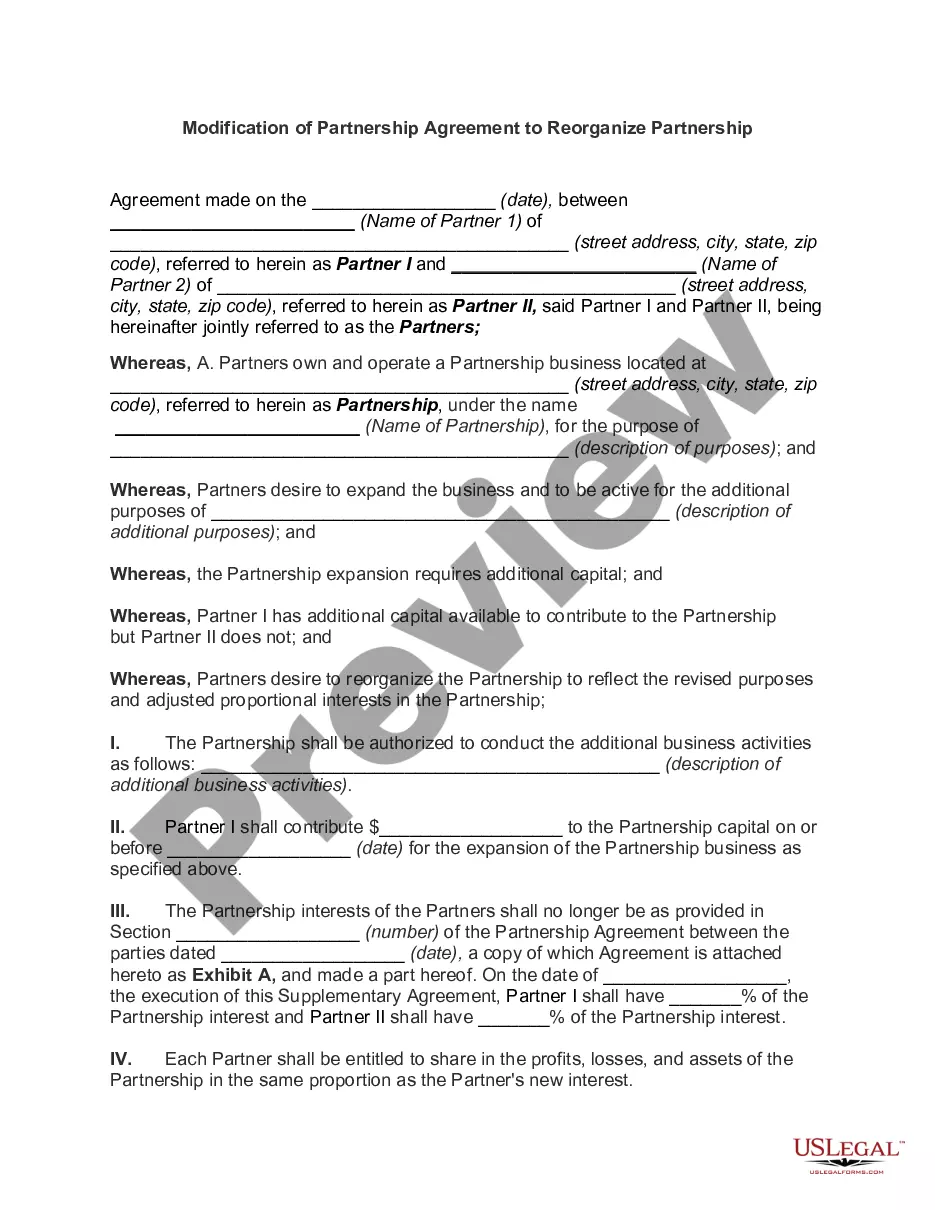
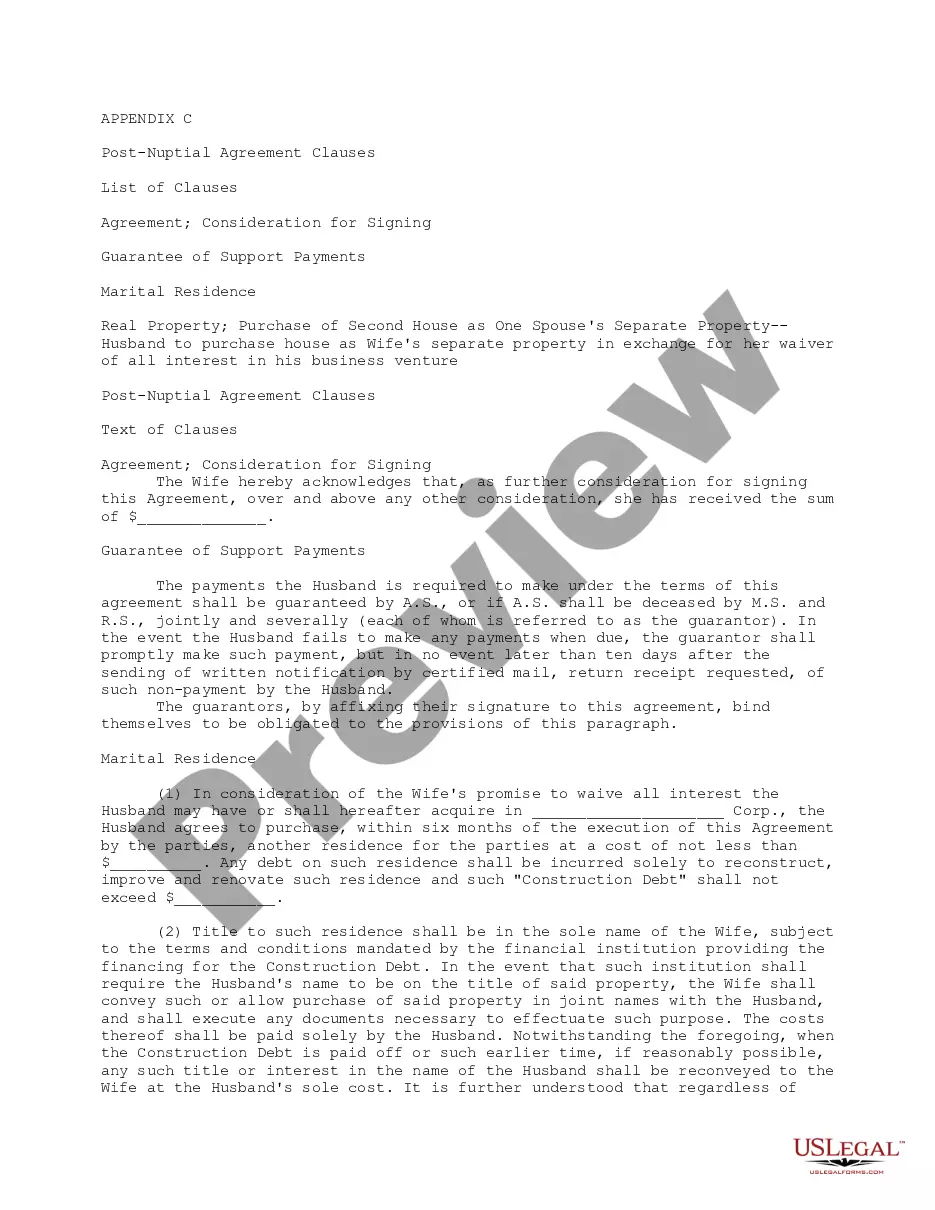
The Amendment to Postnuptial Property Agreement is a legal document used by married couples to modify an existing postnuptial agreement. This form allows both parties to make amendments or add provisions pertaining to their property rights. It is essential to note that this amendment must be signed by both parties in the presence of a notary public to ensure its legality and enforceability.
Key components of this form
- Identification of parties involved and the effective date of the amendment.
- Specific amendments or additions to the existing postnuptial agreement.
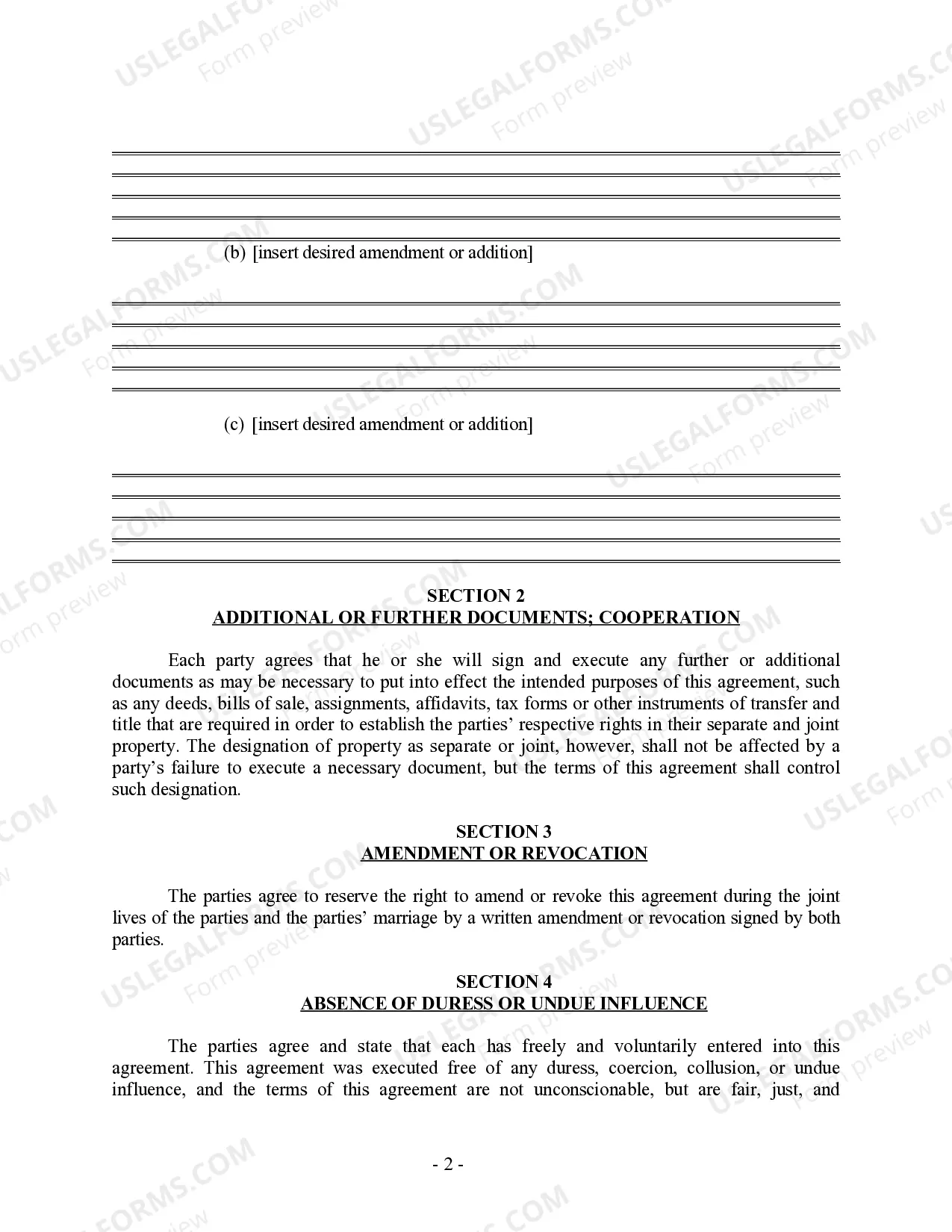
- Provisions on cooperation for signing additional documents, if necessary.
- Clauses allowing for future amendments or revocations, ensuring flexibility.
- A declaration of absence of duress or undue influence during the signing process.
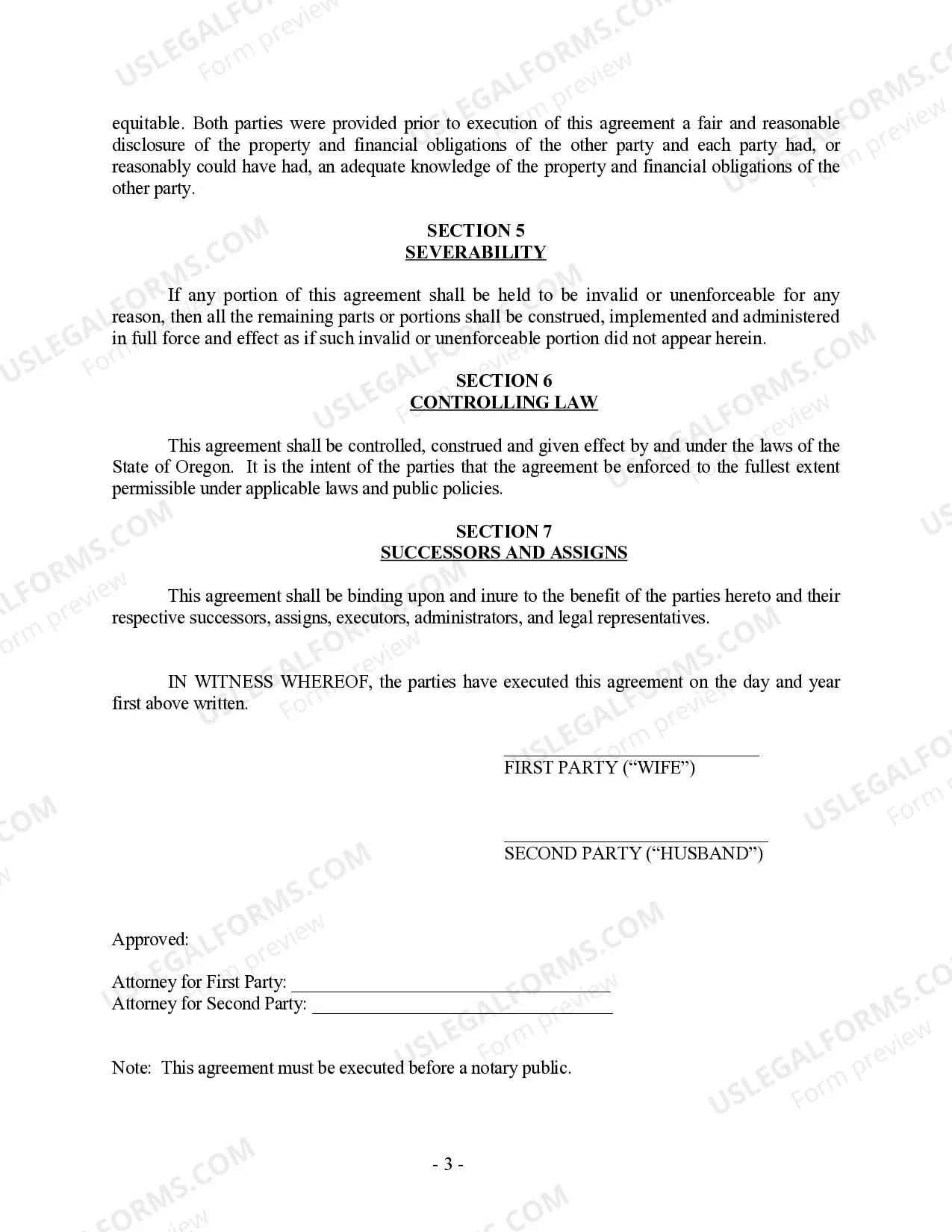
- Legal jurisdiction specified, relating to the laws of the State of Oregon.
When to use this form
This form is useful when couples wish to update their existing postnuptial agreement due to changing circumstances, such as the acquisition of new property, changes in financial situations, or personal agreements that have evolved over time. Utilizing this amendment form allows for clear documentation of these changes, ensuring both parties' rights and obligations are accurately reflected.
Who can use this document
- Couples who have an existing postnuptial agreement that needs revision.
- Married individuals looking to clarify property rights or responsibilities.
- Individuals who wish to ensure that their agreement reflects their current financial situation.
How to prepare this document
- Identify all parties involved in the existing postnuptial agreement.
- Clearly specify the amendments or additions being made.
- Include the date on which the amendment is executed.
- Have both parties sign the document in the presence of a notary public.
- Consider consulting with a licensed attorney to review the completed amendment.
Does this form need to be notarized?
This form needs to be notarized to ensure legal validity. US Legal Forms provides secure online notarization powered by Notarize, allowing you to complete the process through a verified video call, available anytime.
Get your form ready online
Our built-in tools help you complete, sign, share, and store your documents in one place.
Make edits, fill in missing information, and update formatting in US Legal Forms—just like you would in MS Word.
Download a copy, print it, send it by email, or mail it via USPS—whatever works best for your next step.
Sign and collect signatures with our SignNow integration. Send to multiple recipients, set reminders, and more. Go Premium to unlock E-Sign.
If this form requires notarization, complete it online through a secure video call—no need to meet a notary in person or wait for an appointment.
We protect your documents and personal data by following strict security and privacy standards.

Make edits, fill in missing information, and update formatting in US Legal Forms—just like you would in MS Word.

Download a copy, print it, send it by email, or mail it via USPS—whatever works best for your next step.

Sign and collect signatures with our SignNow integration. Send to multiple recipients, set reminders, and more. Go Premium to unlock E-Sign.

If this form requires notarization, complete it online through a secure video call—no need to meet a notary in person or wait for an appointment.

We protect your documents and personal data by following strict security and privacy standards.
Common mistakes to avoid
- Failing to have the form notarized, which can lead to issues with enforceability.
- Not clearly outlining the amendments, causing confusion later on.
- Neglecting to provide adequate disclosures of financial obligations beforehand.
- Not allowing both parties sufficient time to review the amendment.
Advantages of online completion
- Convenient access to professionally drafted legal templates anytime.
- Editable formats allow for customization to fit your unique situation.
- Quick download capability ensures you can start the process without delays.
- Peace of mind knowing the forms are crafted by licensed attorneys.
What to keep in mind
- The amendment specifies changes to an existing postnuptial property agreement.
- Mutual consent is required for any modifications made.
- Notarization is essential for the agreement's validity.
Looking for another form?
Form popularity
FAQ
There are various reasons for a post-up contract, but one common reason is to ensure financial security in the case of a divorce. A postnup agreement usually has to do with financial assets, but it can contain anythingfrom how often in-laws can visit or how the couple will share household chores.
Postnuptial agreements must be in writing. Voluntary Both parties to a postnuptial agreement must have signed the agreement voluntarily and intentionally.Generally speaking, to make a postnuptial agreement valid, both parties' signatures need to be notarized.
As long as both parties are in agreement to the terms of the post nuptial contract, and have the ability to put those terms into a legal document, most states don't make it a legal requirement to have an attorney.
It needs to be in writing. An oral contract is often difficult to enforce legally in any case. It needs to be signed and notarized. It needs to be fair and reasonable. There must be full disclosure of assets by both spouses. Both parties agree to the terms of the postnuptial agreement.
You cannot amend your prenuptial agreement after marriage. What you can do is prepare a post-nuptial agreement to make the necessary amendments. A post-nuptial agreement requires similar disclosure so you again will need to exchange full financial disclosures with your husband.
Reasons a Judge Can Overturn a Prenuptial Agreement There are no specific rules that state what will overturn a prenup.Neither person should be in a state of duress or under any pressure to sign the prenup. Any indication of coercion or lack of willingness can give way for a divorce judge to overturn the agreement.
Per , since postnuptial agreements generally handle the same issues that prenuptial agreements address, the same circumstances that can cause a court to void part or all of a prenuptial agreement also apply to a postnuptial. Like a prenuptial, a postnuptial agreement should be in written form.
Postnuptial agreements are generally enforceable if the parties of the document adhere to all state laws regarding inheritance, child custody, visitation and monetary support if a divorce does occur.If any state laws are in violation within the postnuptial, the judge may throw out the entire document.