Oklahoma Mutual Wills package with Last Wills and Testaments for Married Couple with No Children
About this form
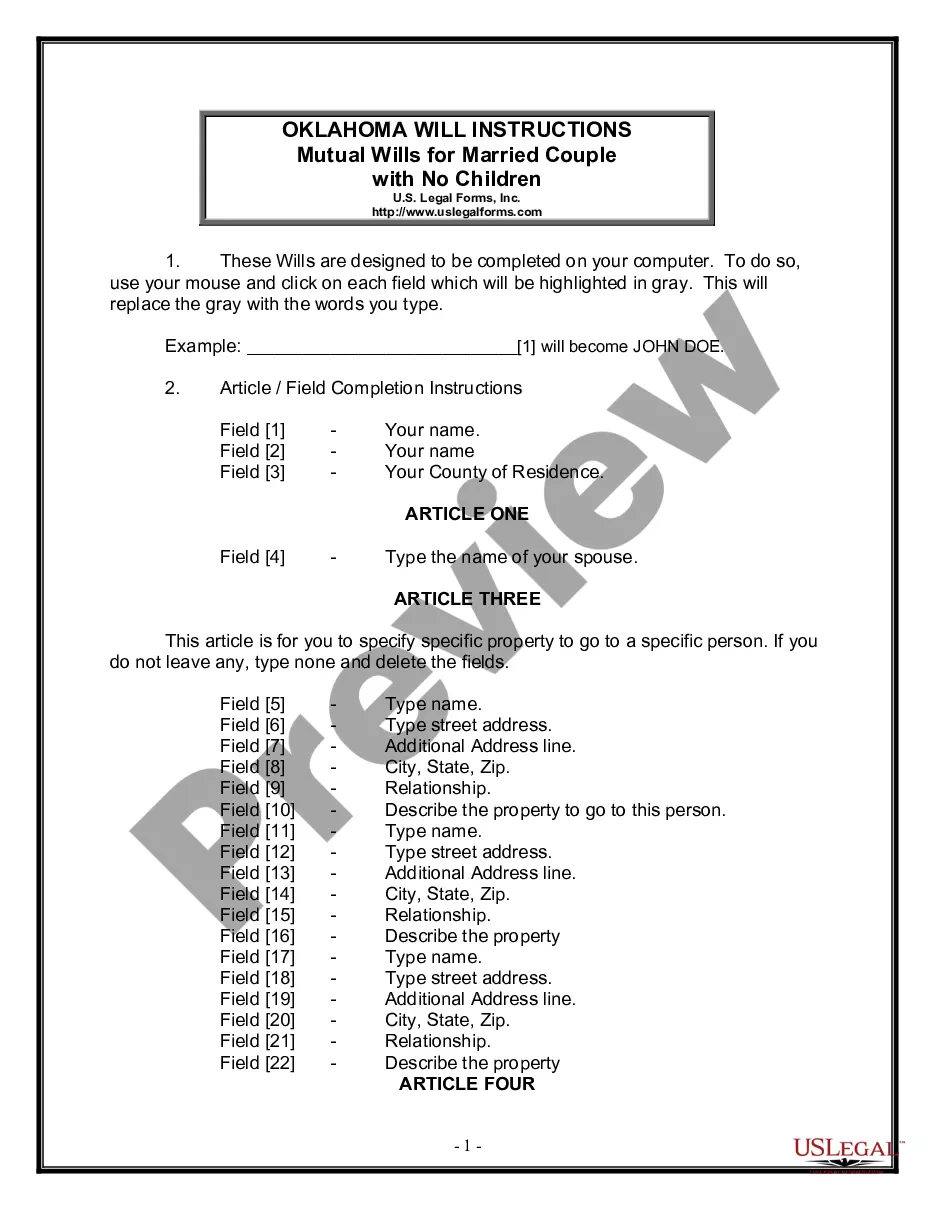
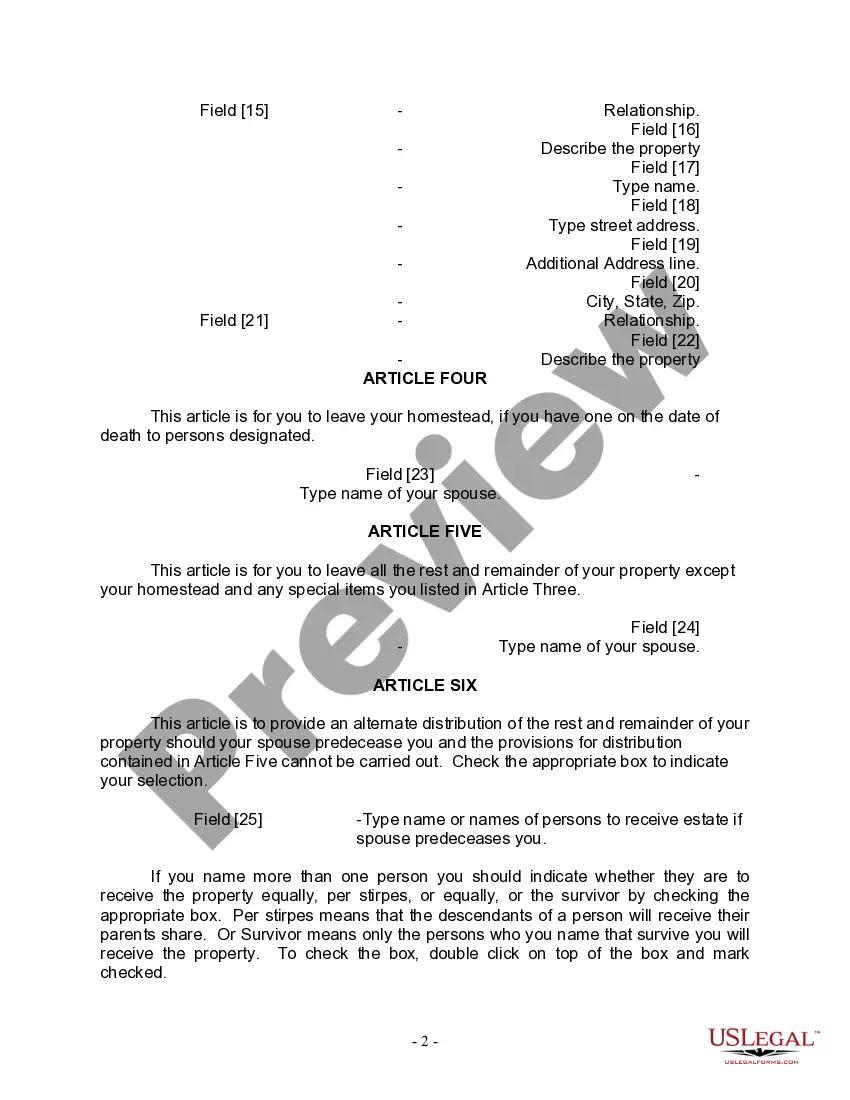
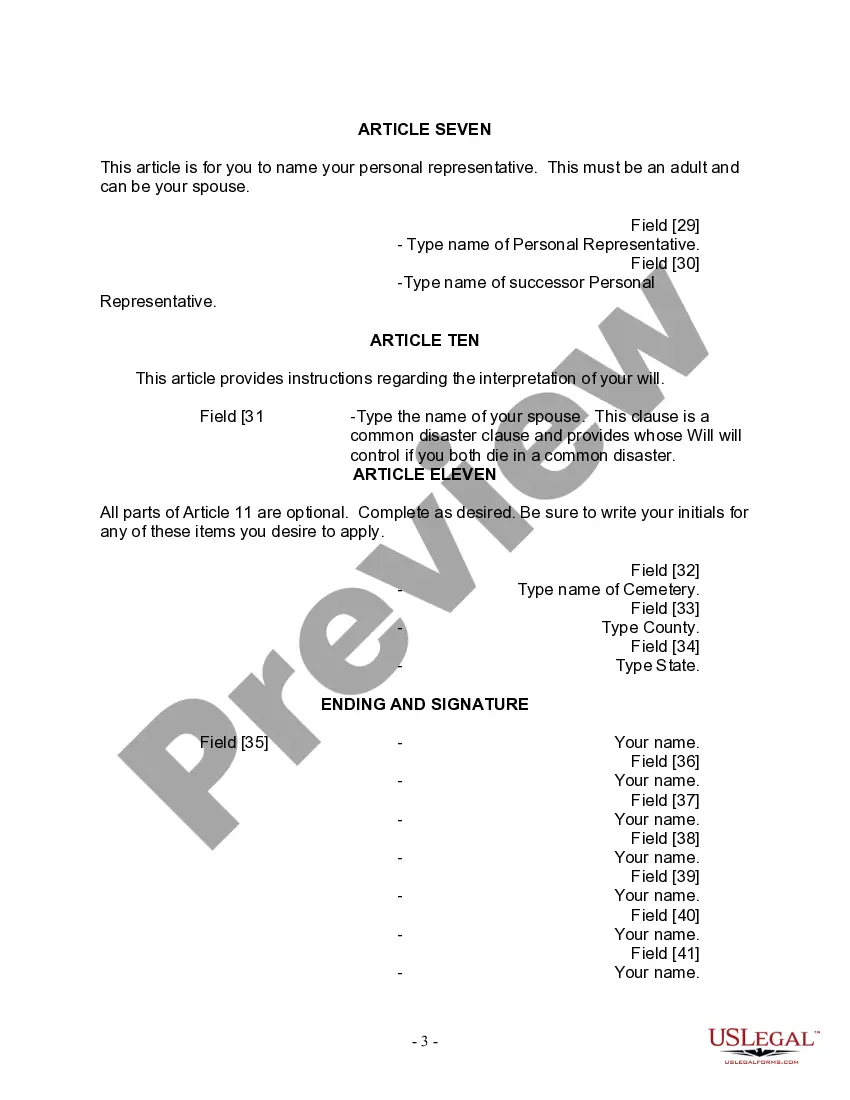
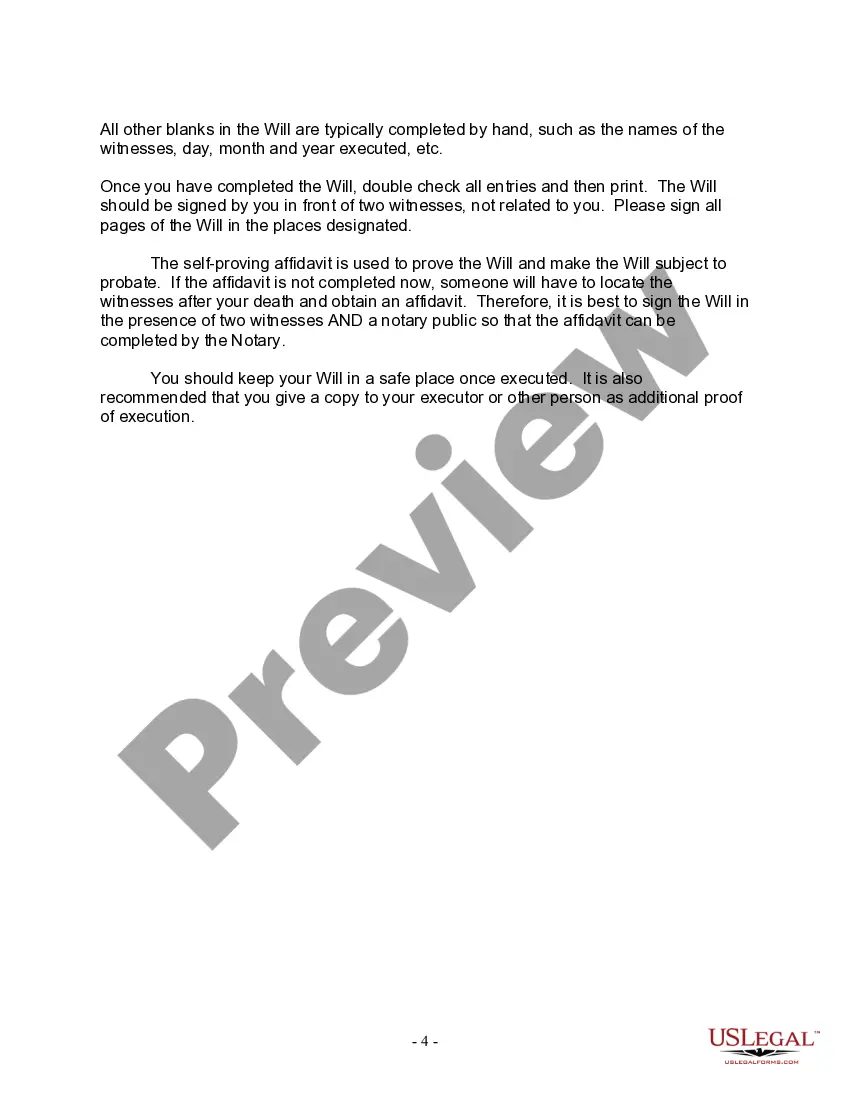
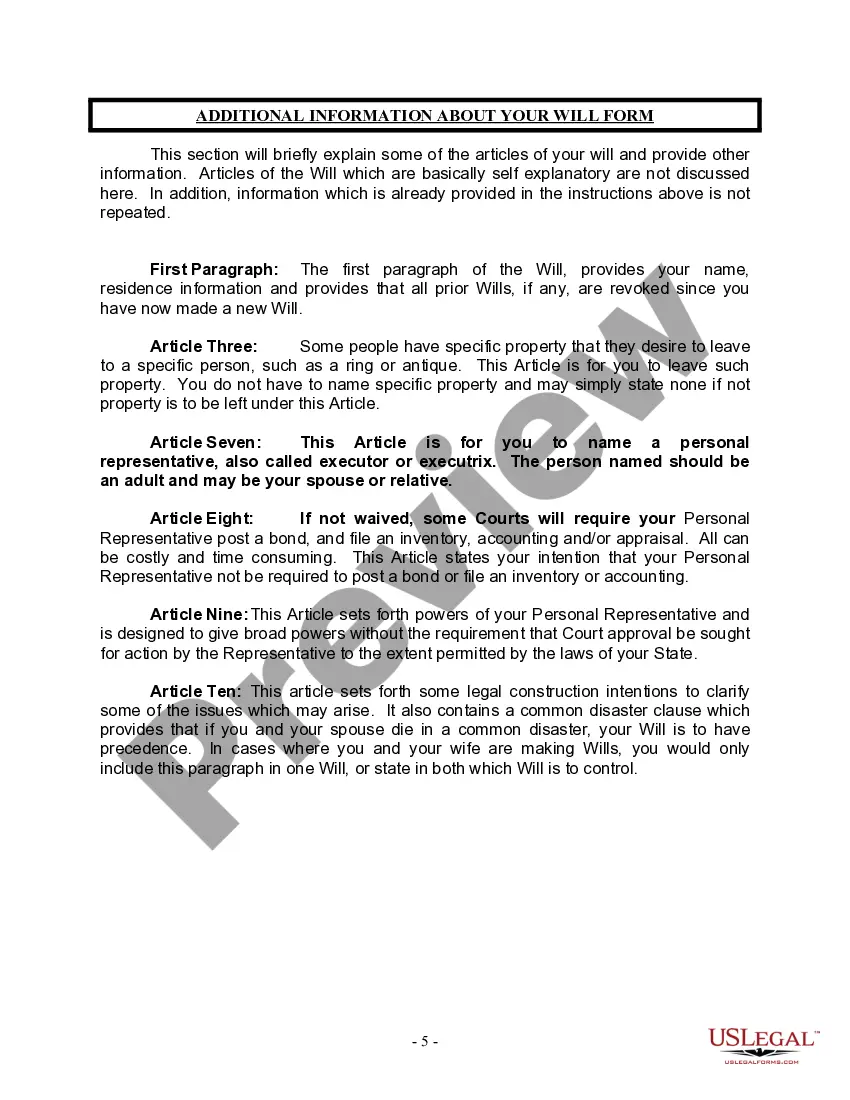
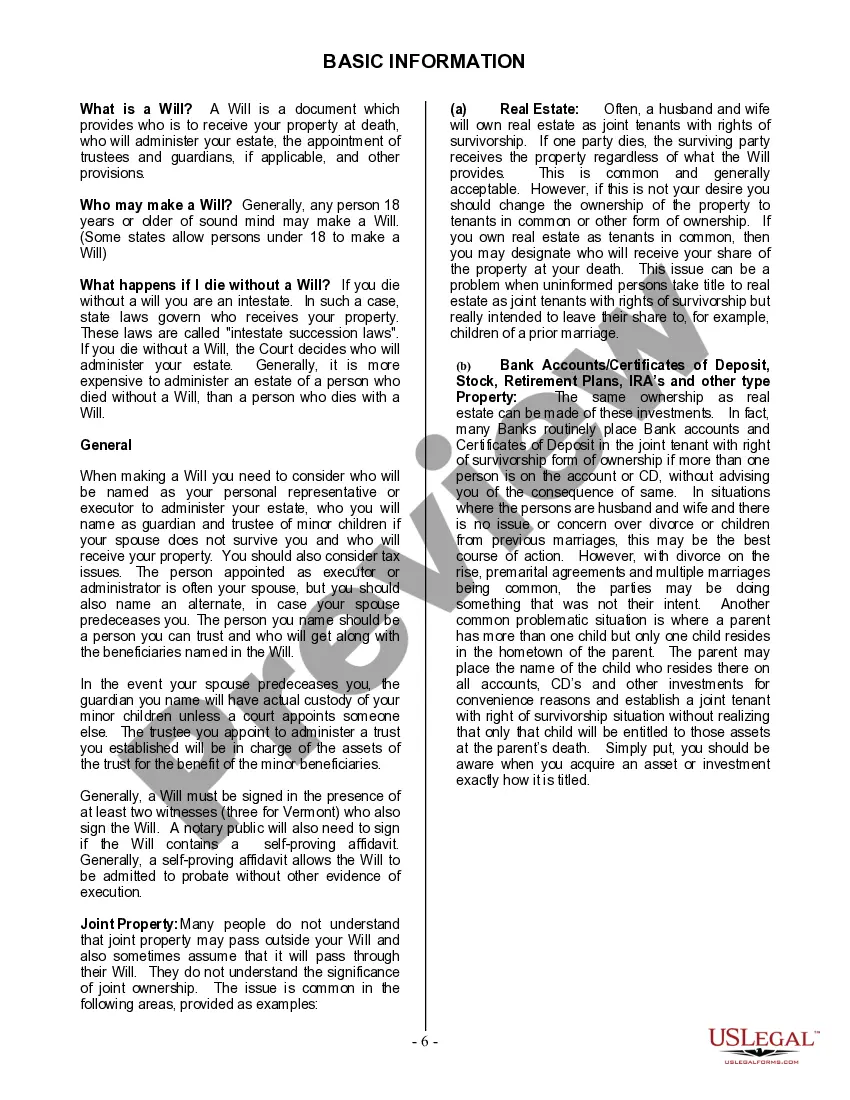
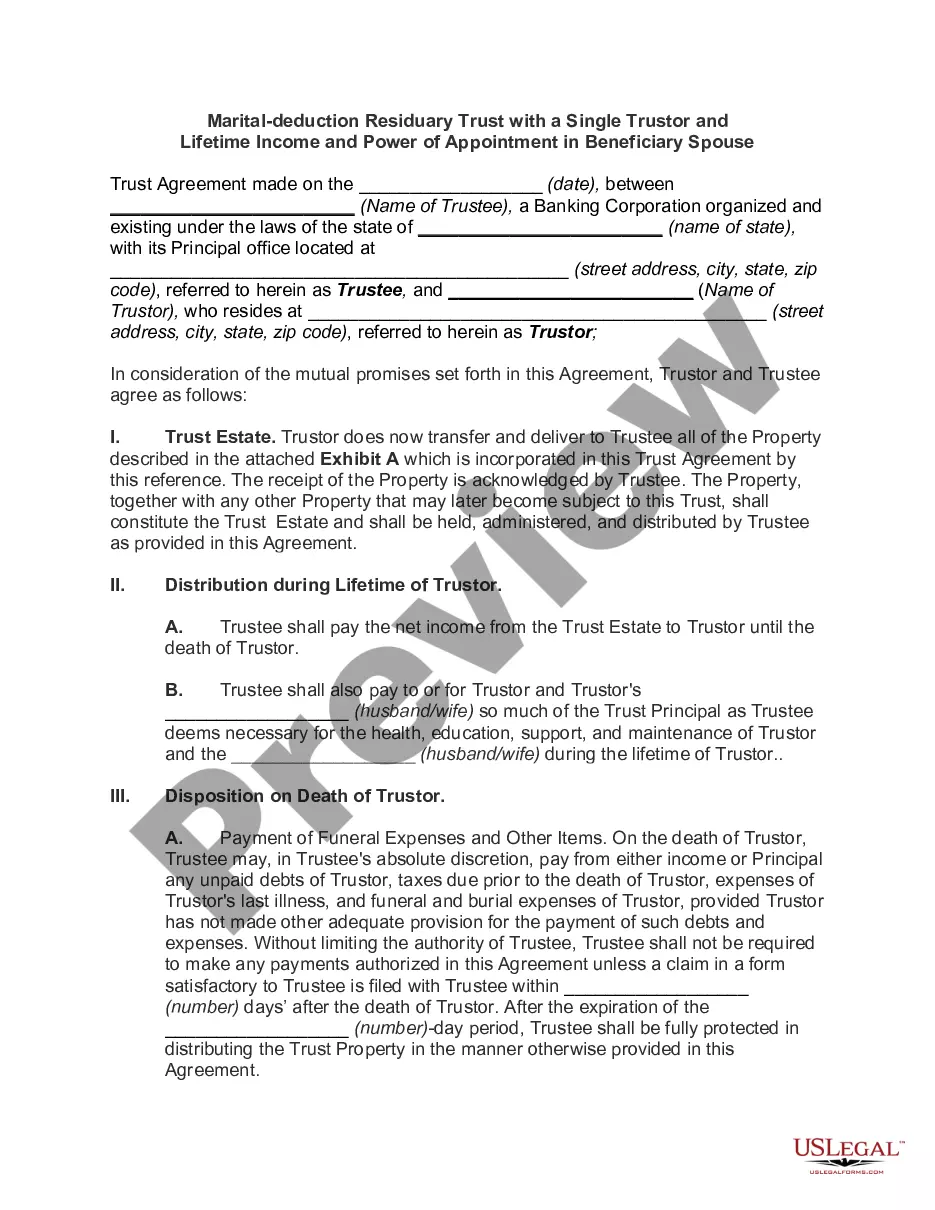
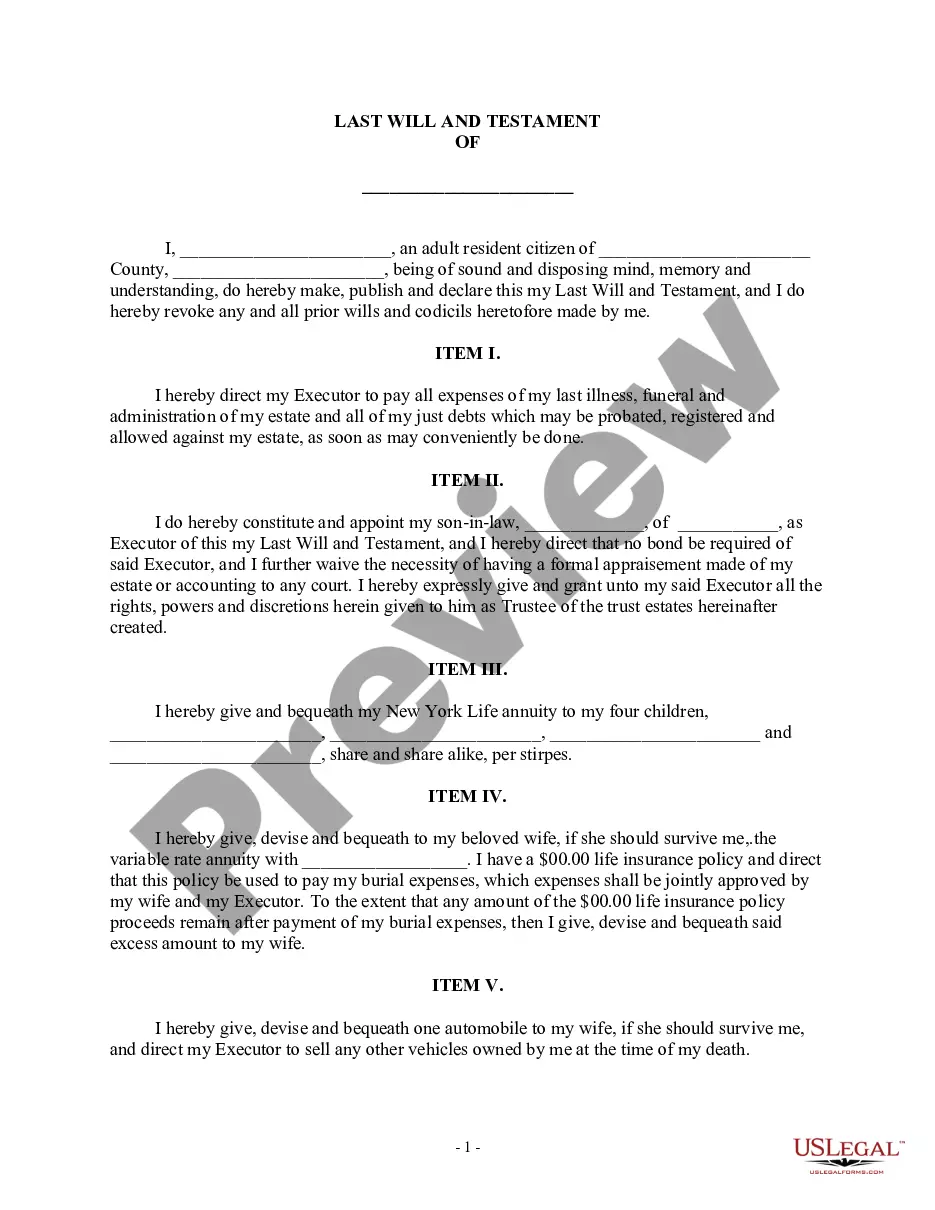
The Mutual Wills package with Last Wills and Testaments is a legal document designed for married couples with no children. This package includes two individual willsâone for each spouseâboth structured to ensure that they can designate specific beneficiaries, allocate their property, and make arrangements for their estates in a cohesive manner. This form differs from other wills as it acknowledges the mutual agreement between spouses while focusing on their unique needs as a childless couple.
Form components explained
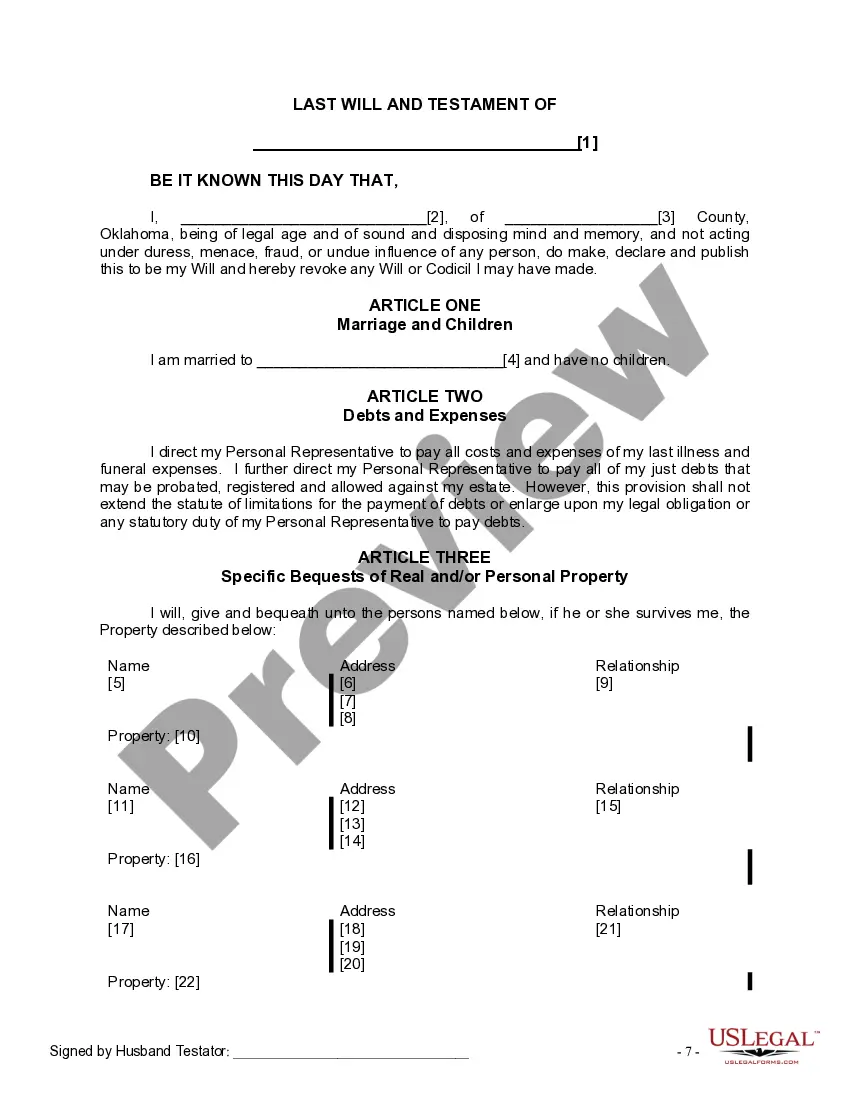
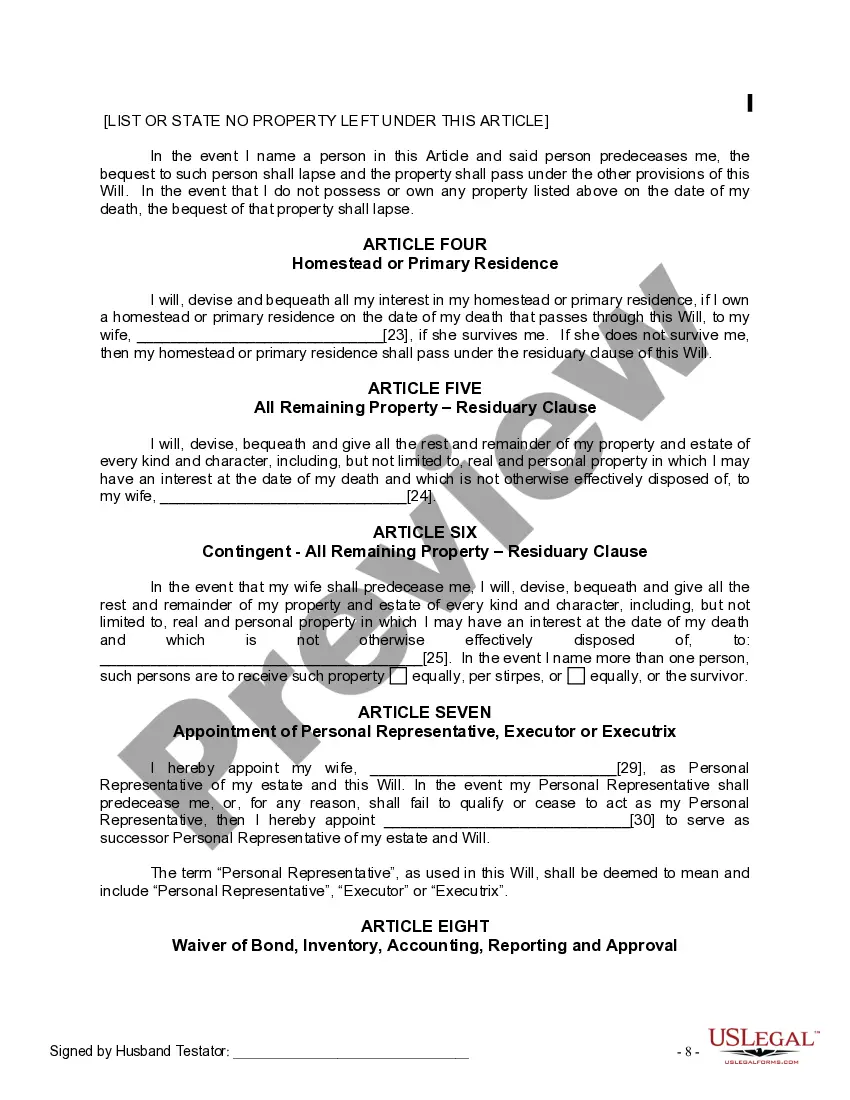
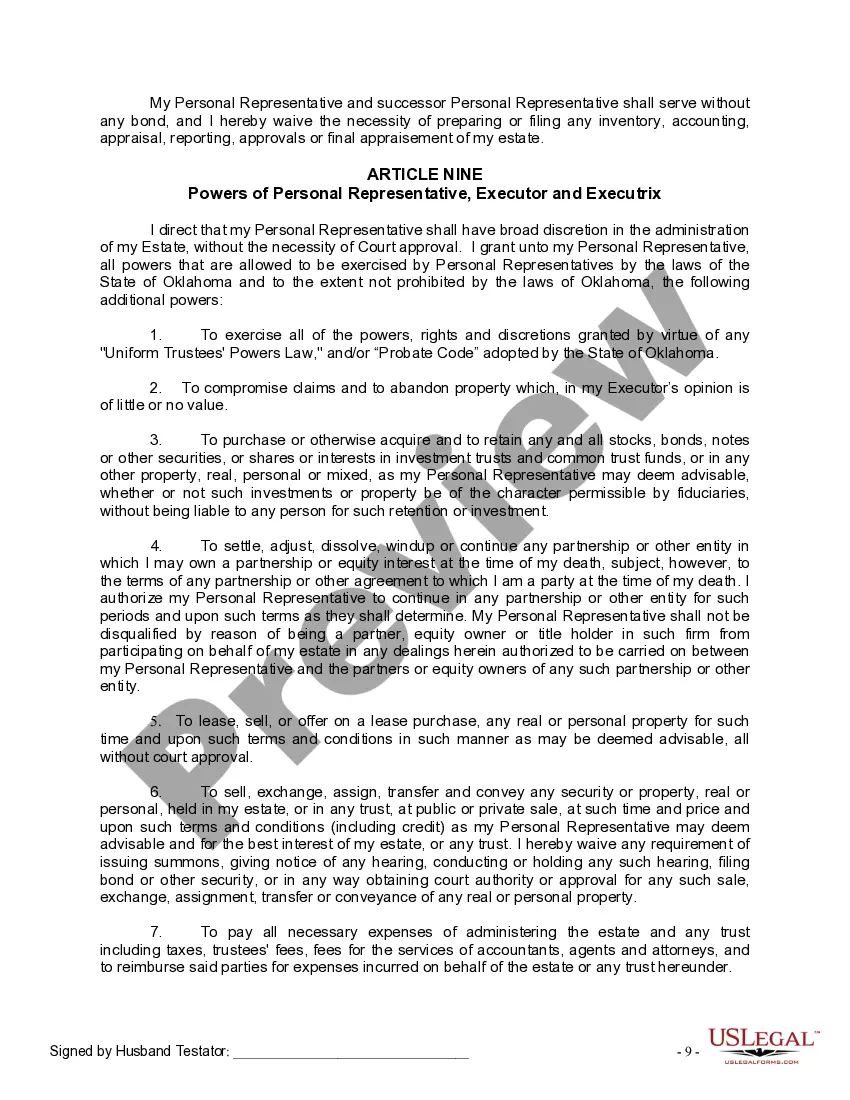
- Personal representative or executor appointment for estate management.
- Designation of property beneficiaries and specific bequests.
- Provisions for mutual property distribution in case of one spouse's death.
- Family-specific terms defining how debts and expenses are managed.
- Instructions for witnessing and notarization requirements.





When this form is needed
This form is useful in several situations, including when you and your spouse want to ensure that your assets are distributed according to mutual preferences. It is ideal for couples without children who wish to provide for each other, specify bequests to relatives or friends, and avoid probate disputes. Use it to simplify estate planning and clarify how your assets should be handled after one or both spouses pass away.
Who this form is for
- Married couples with no children seeking to establish wills together.
- Spouses who want to ensure mutual distribution of their property.
- Couples interested in clearly defining the management of their estates.
Instructions for completing this form
- Identify the full names of both spouses and their county of residence.
- Designate beneficiaries for specific assets, detailing their name and relationship.
- Appoint a personal representative for each will to manage the estate.
- Sign the wills in the presence of two witnesses, ensuring they are not related.
- Optionally, have the wills notarized to include a self-proving affidavit if permitted by state law.
Is notarization required?
Yes, this form must be notarized to be legally valid in many jurisdictions. Notarization provides an additional layer of verification that the wills were executed properly. US Legal Forms offers integrated online notarization, allowing you to complete the process via a secure video call anytime, ensuring reliability and convenience.
Get your form ready online
Our built-in tools help you complete, sign, share, and store your documents in one place.
Make edits, fill in missing information, and update formatting in US Legal Forms—just like you would in MS Word.
Download a copy, print it, send it by email, or mail it via USPS—whatever works best for your next step.
Sign and collect signatures with our SignNow integration. Send to multiple recipients, set reminders, and more. Go Premium to unlock E-Sign.
If this form requires notarization, complete it online through a secure video call—no need to meet a notary in person or wait for an appointment.
We protect your documents and personal data by following strict security and privacy standards.

Make edits, fill in missing information, and update formatting in US Legal Forms—just like you would in MS Word.

Download a copy, print it, send it by email, or mail it via USPS—whatever works best for your next step.

Sign and collect signatures with our SignNow integration. Send to multiple recipients, set reminders, and more. Go Premium to unlock E-Sign.

If this form requires notarization, complete it online through a secure video call—no need to meet a notary in person or wait for an appointment.

We protect your documents and personal data by following strict security and privacy standards.
Common mistakes to avoid
- Failing to have the wills signed by two independent witnesses.
- Not notarizing the wills when required by local law.
- Leaving ambiguous terms regarding property distribution.
- Not consulting with a legal expert to ensure compliance with state laws.
Why use this form online
- Easy to complete directly on your computer, making it convenient and efficient.
- Templates drafted by licensed attorneys ensure legal compliance and accuracy.
- Downloadable format allows for easy storage and access at any time.
Legal use & context
- Mutual wills establish clear terms for estate distribution, minimizing conflicts.
- They provide a legal framework that upholds the agreed-upon wishes of both spouses.
- These wills may be subject to state laws, particularly in terms of notarization and witness requirements.
Main things to remember
- The Mutual Wills package serves to clarify asset distribution for married couples with no children.
- Proper signing and witnessing are critical for legal validity.
- This package can be adapted to meet state-specific requirements, making it a versatile choice.
Looking for another form?




Form popularity
FAQ
A joint will is one that two people, typically a married couple, sign together. Instead of each spouse having a separate will, they have one document that they've both agreed to. Most joint wills are written such that when one spouse dies, their portion of the estate passes to the other.
Making one will for two people is usually not advisable because it's irrevocable after the first spouse's death.Even though married couples often have the same goals in mind when making their estate plan, most attorneys advise against joint wills.
Joint wills are usually created by married couples. They often state that: After one spouse has died, all the couple's property will be left to the surviving spouse; and. After the surviving spouse dies, the remaining property will be left to the couple's children.
The reality is, however, that both you and your spouse should each have your own will, and it should be planned as soon as possible. Some couples think that they can have one joint will together, but this is not a sound approach.
You and your spouse may have one of the most common types of estate plans between married couples, which is a simple will leaving everything to each other. With this type of plan, you leave all of your assets outright to your surviving spouse. The kids or other beneficiaries only get something after you are both gone.
It is a customary estate planning practice for each spouse to have his or her own will. While some practitioners may draft a joint will for a married couple, it is not recommended.
Mirror wills are based on the idea that married or unmarried couples will likely have the same wishes regarding their estate. No matter which spouse dies first, the estates are handled the same way. The basic structure of a mirror will is similar to an individual last will.
Making one will for two people is usually not advisable because it's irrevocable after the first spouse's death.Even though married couples often have the same goals in mind when making their estate plan, most attorneys advise against joint wills.
Bank accounts. Brokerage or investment accounts. Retirement accounts and pension plans. A life insurance policy.