Oklahoma Revocation of General Power of Attorney for Care and Custody of Child or Children
Overview of this form
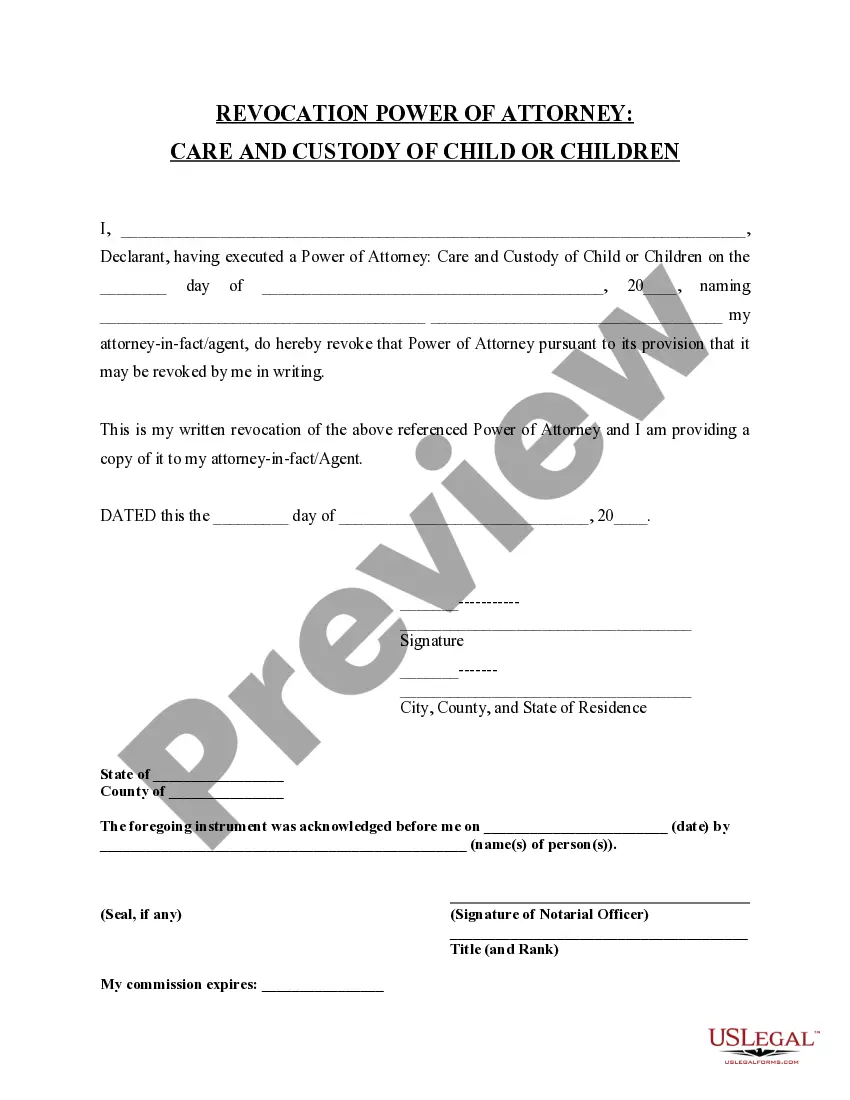
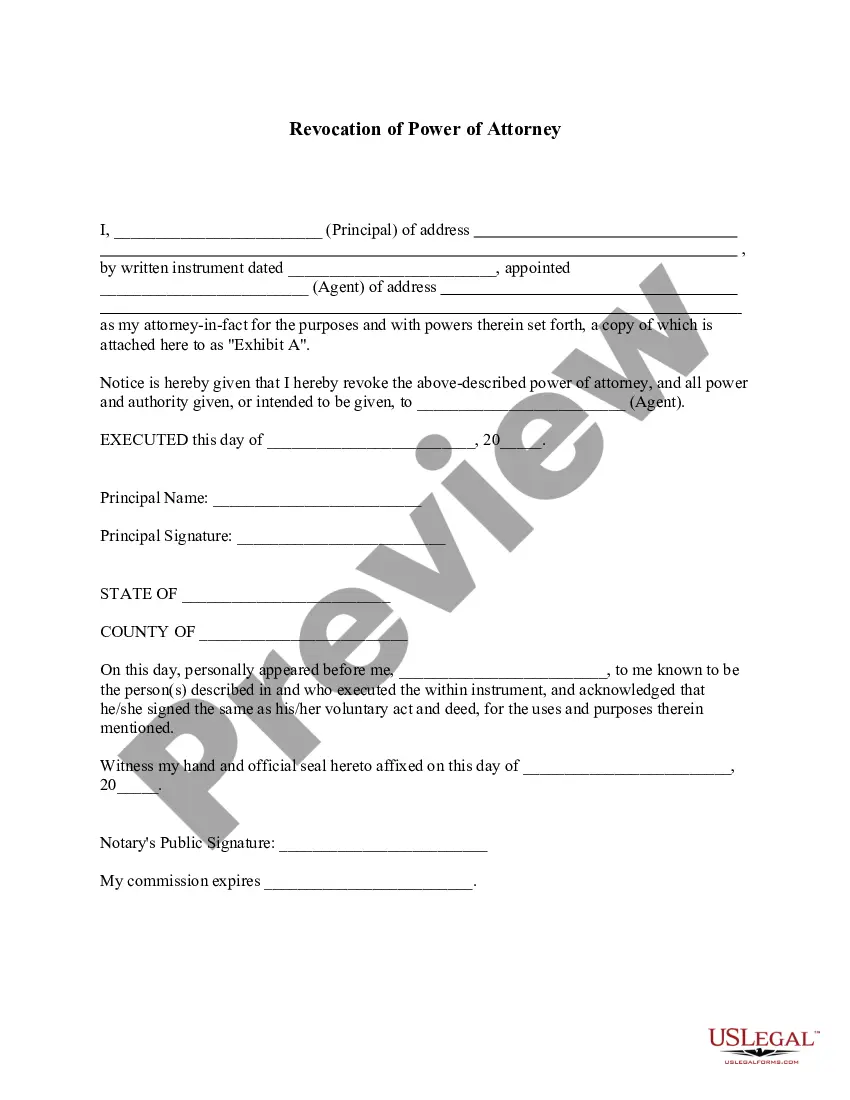
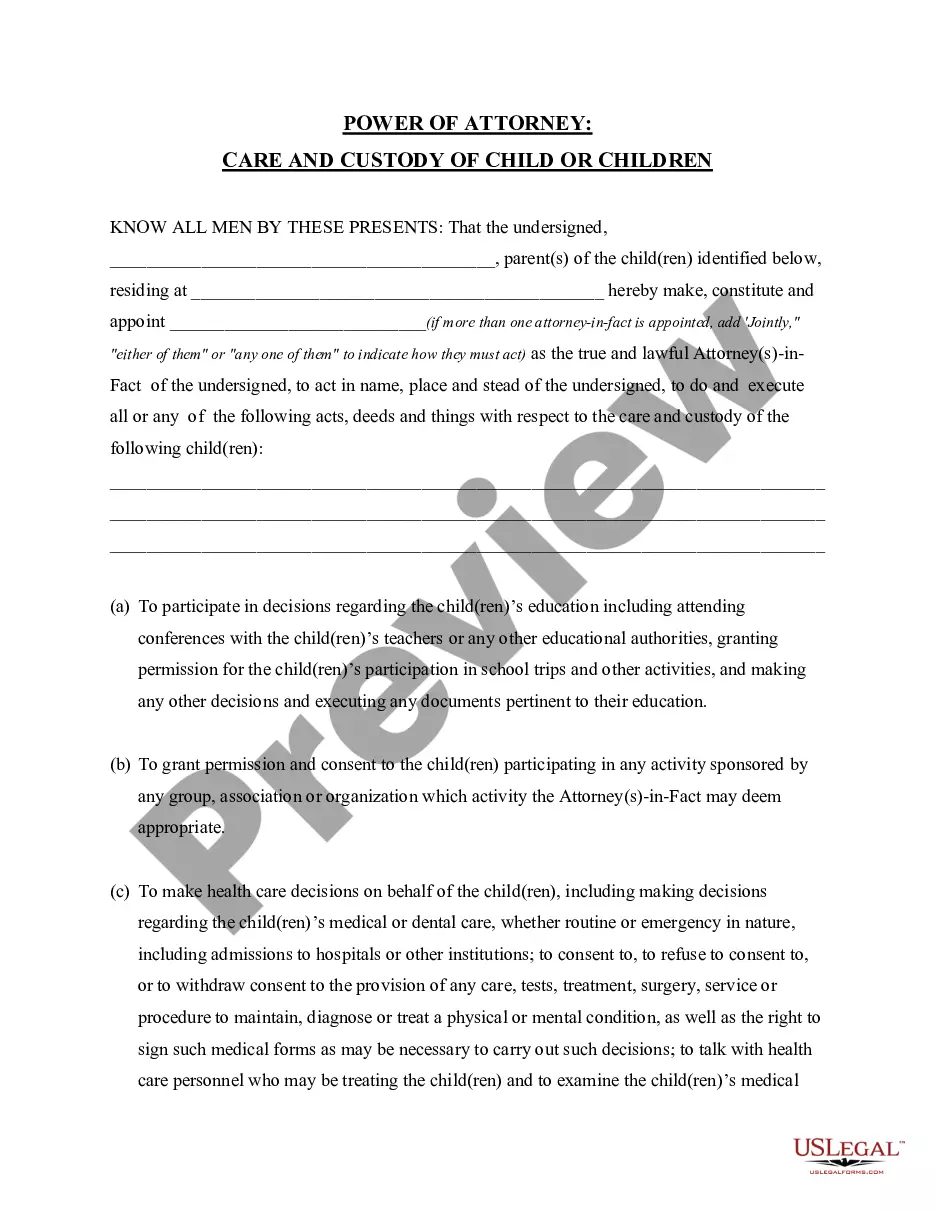
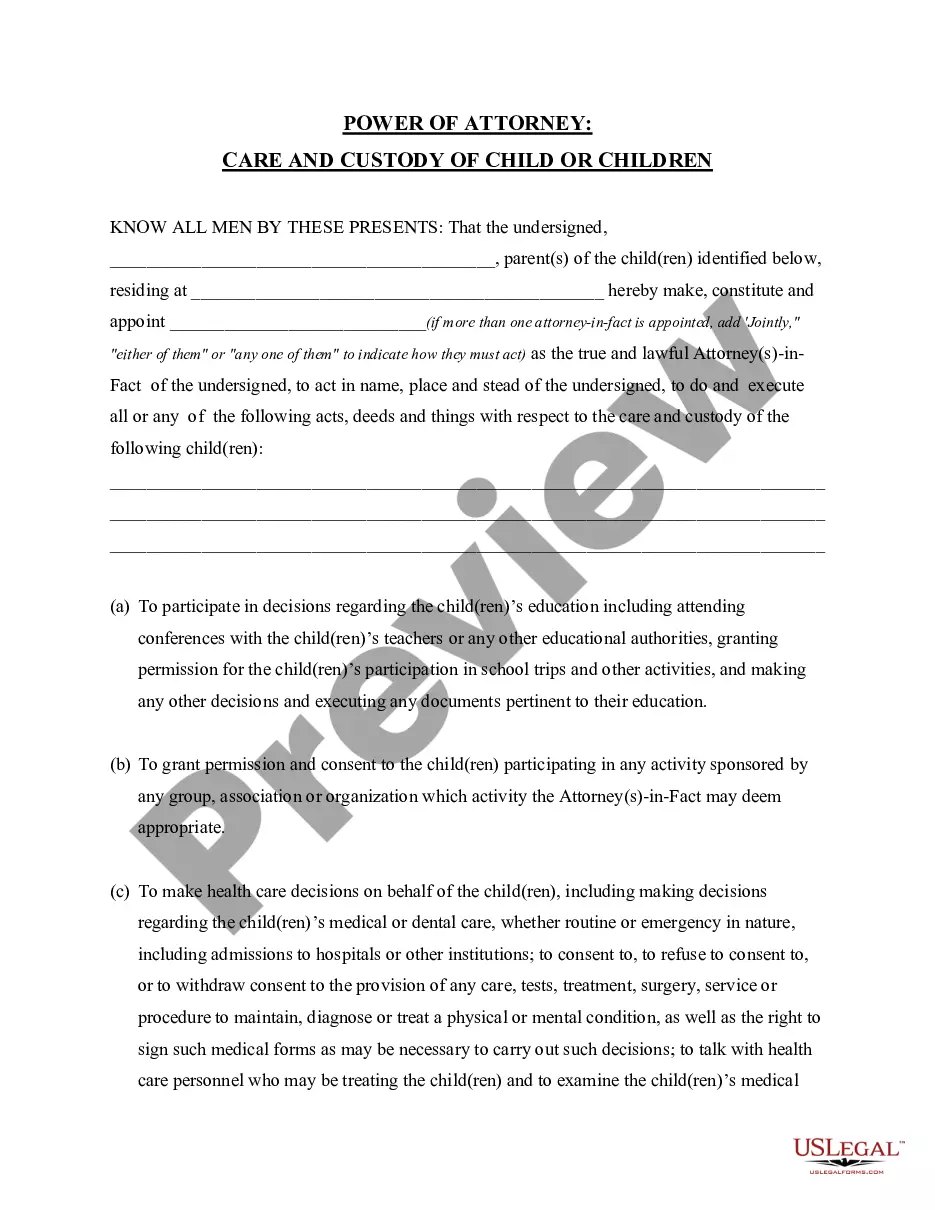
The Revocation of General Power of Attorney for Care and Custody of Child or Children is a legal document that officially cancels a previously granted power of attorney relating to the care and custody of a child or children. This form allows the principal to revoke authority from their attorney-in-fact at any time while they are competent, ensuring that they maintain control over their children's custody arrangements. This document is vital for parents or guardians wishing to withdraw their consent for another individual to make decisions regarding their children's care.
Key components of this form
- Declarant's name and details of the original power of attorney.
- Statement of revocation specifying the attorney-in-fact being revoked.
- Date of the original power of attorney's execution.
- Signature of the declarant with city, county, and state of residence.
- Notarial acknowledgment section for legal verification.

Situations where this form applies
This form should be used when a principal who has previously granted a power of attorney for their child's care and custody decides to retract that authority. Common situations include changes in living situations, disputes regarding caregiving, or when a parent no longer feels comfortable with the powers previously granted. It is essential to complete this revocation when the change in custody authority is decided to ensure clarity and legal standing.
Who needs this form
This form is intended for:
- Parents or legal guardians who have previously designated another individual as their attorney-in-fact for child custody.
- Individuals who wish to revoke a power of attorney due to changes in personal circumstances or parenting arrangements.
- Any principal who retains the mental competency to make decisions regarding their children's care.
Steps to complete this form
- Identify yourself as the declarant and insert your name and contact details.
- Provide the date when the original power of attorney was executed.
- Specify the name of the attorney-in-fact whose authority you are revoking.
- Sign and date the form, including your city, county, and state of residence.
- Have the form notarized to validate the revocation, ensuring that the appropriate notarial officer completes the acknowledgment section.
Notarization guidance
To make this form legally binding, it must be notarized. Our online notarization service, powered by Notarize, lets you verify and sign documents remotely through an encrypted video session.
Get your form ready online
Our built-in tools help you complete, sign, share, and store your documents in one place.
Make edits, fill in missing information, and update formatting in US Legal Forms—just like you would in MS Word.
Download a copy, print it, send it by email, or mail it via USPS—whatever works best for your next step.
Sign and collect signatures with our SignNow integration. Send to multiple recipients, set reminders, and more. Go Premium to unlock E-Sign.
If this form requires notarization, complete it online through a secure video call—no need to meet a notary in person or wait for an appointment.
We protect your documents and personal data by following strict security and privacy standards.
Make edits, fill in missing information, and update formatting in US Legal Forms—just like you would in MS Word.
Download a copy, print it, send it by email, or mail it via USPS—whatever works best for your next step.
Sign and collect signatures with our SignNow integration. Send to multiple recipients, set reminders, and more. Go Premium to unlock E-Sign.
If this form requires notarization, complete it online through a secure video call—no need to meet a notary in person or wait for an appointment.
We protect your documents and personal data by following strict security and privacy standards.
Typical mistakes to avoid
- Failing to date the revocation, which can lead to confusion.
- Not providing complete and correct information regarding the original power of attorney.
- Forgetting to notarize the document if required under local law.
- Not providing a copy of the revocation to the former attorney-in-fact.
Why use this form online
- Convenient access to complete the form at any time.
- Editable template allows for easy customization with personal information.
- Reliable, attorney-drafted material ensures compliance with legal standards.
Looking for another form?
Form popularity
FAQ
If the donor in an LPA (whether 'Property and financial affairs LPA' or 'Health and welfare LPA') wishes to object to their LPA being registered, they should complete an 'LPA 6 - Objection by donor of LPA registration' form and send it to the Office of the Public Guardian (OPG).
If the agent is acting improperly, family members can file a petition in court challenging the agent. If the court finds the agent is not acting in the principal's best interest, the court can revoke the power of attorney and appoint a guardian.
In other words, a Revocation of Power of Attorney is written confirmation that a principal (the person who appointed power in a Power of Attorney) no longer wants or needs their attorney-in-fact (the person who was appointed power in a Power of Attorney, sometimes called an agent or donor) to act on their behalf.
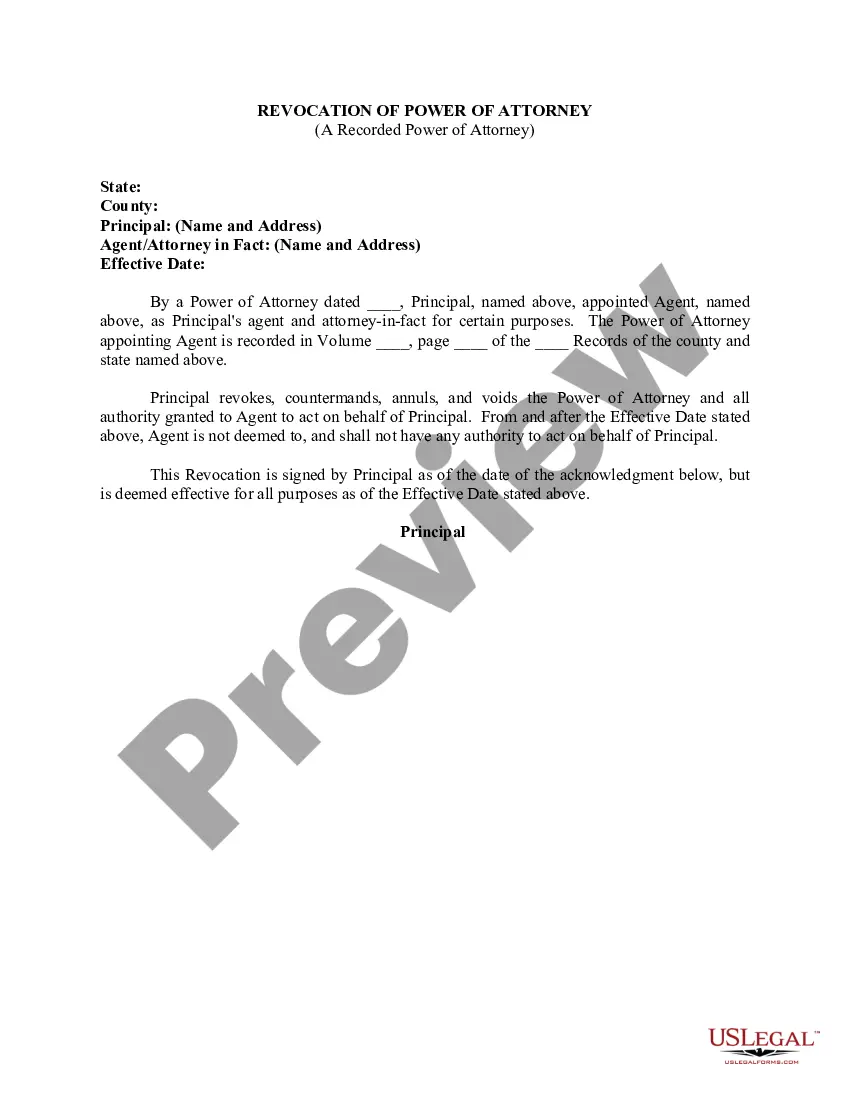
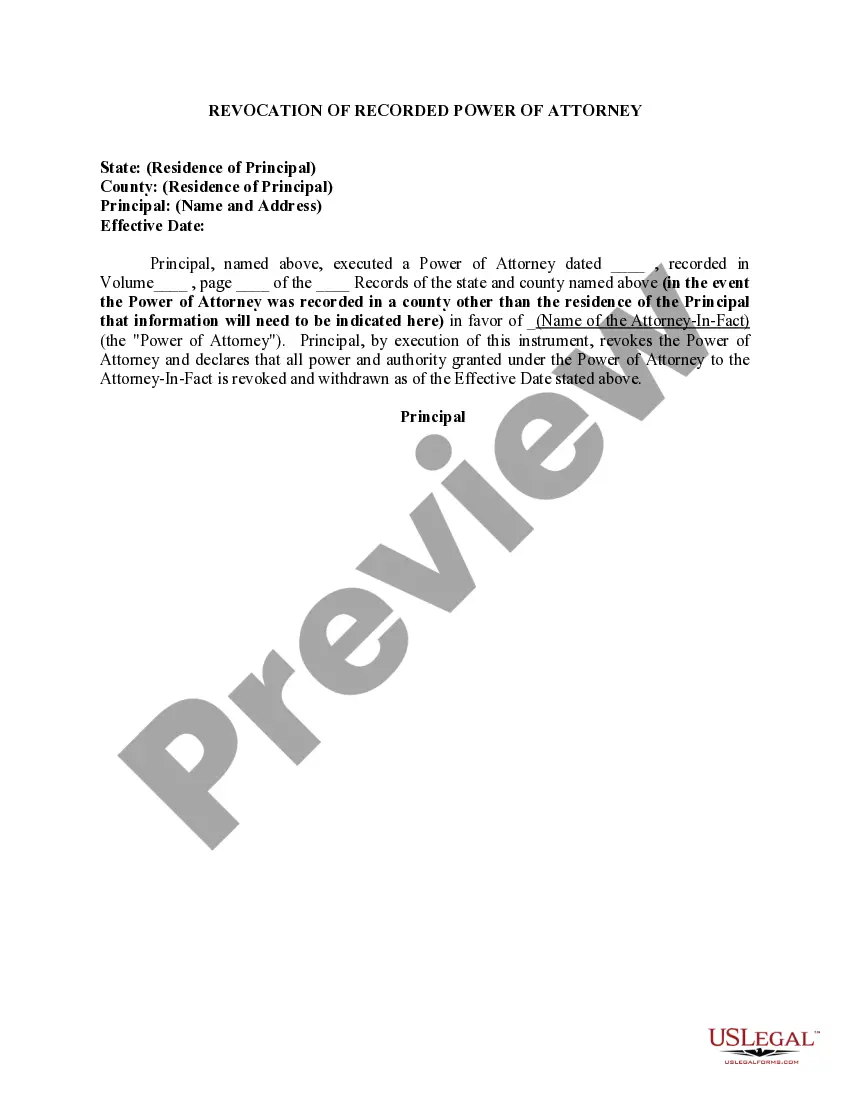
Until an attorney-in-fact's powers are properly revoked, they can continue to legally act for the principal. To cancel a Power of Attorney, the principal can create a document called a Revocation of Power of Attorney or create a new Power of Attorney that indicates the previous Power of Attorney is revoked.
The answer is Yes. If you change your mind about the person you chose to make decisions for you under a durable power of attorney, you can change it. In order to make changes to your Power of Attorney, however, you must have Legal Mental Capacity.
The revocation should include your name, a statement that you are of sound mind, and your wish to revoke the power of attorney. You should also specify the date the original power of attorney was executed and the person selected as your agent.
A power of attorney in the wrong hands can result in a financial predator stealing money, transferring assets or taking other adverse action against the principal. A power of attorney can bypass safeguards that financial institutions implement to protect their customers.
Revoke Your Current Power of Attorney. To change or cancel your current power of attorney, you should complete a formal, written revocation. Notify Your Power of Attorney. Once you complete your revocation, notify your agent of the cancellation in writing. Notify Relevant Third Parties. Execute a New Power of Attorney.
Revoke Your Current Power of Attorney. To change or cancel your current power of attorney, you should complete a formal, written revocation. Notify Your Power of Attorney. Once you complete your revocation, notify your agent of the cancellation in writing. Notify Relevant Third Parties. Execute a New Power of Attorney.