Oklahoma Landlord Tenant Eviction / Unlawful Detainer Forms Package
About this form package
The Oklahoma Landlord Tenant Eviction / Unlawful Detainer Forms Package provides landlords with state-specific forms necessary to evict a tenant legally. This package is designed to ensure compliance with Oklahoma laws, making the eviction process smoother and more efficient. Unlike generic eviction forms, these documents are tailored to meet the unique legal requirements of Oklahoma, providing peace of mind for landlords facing tenant issues.
Forms provided in this package
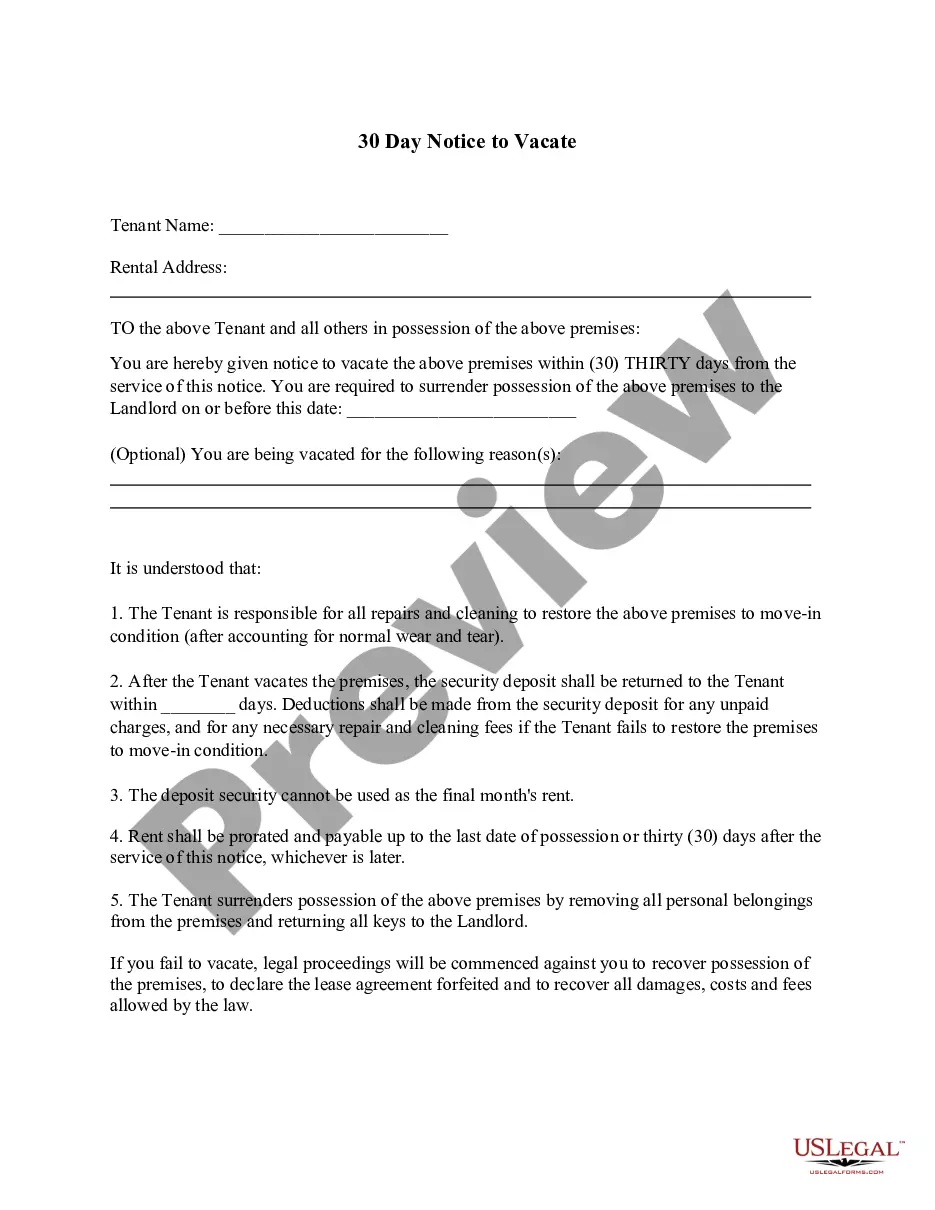
- 30 Day Notice to Terminate Month to Month Lease - Residential from Landlord to Tenant
- 30 Day Notice to Terminate Month to Month Lease or Suffer Double Rent - Residential
- 5 Day Notice to Pay Rent or Quit Prior to Eviction - Residential Property
- 5 Day Notice to Pay Rent or Quit Prior to Eviction - Nonresidential
- Affidavit of Landlord for Forcible Entry and Detainer / Eviction
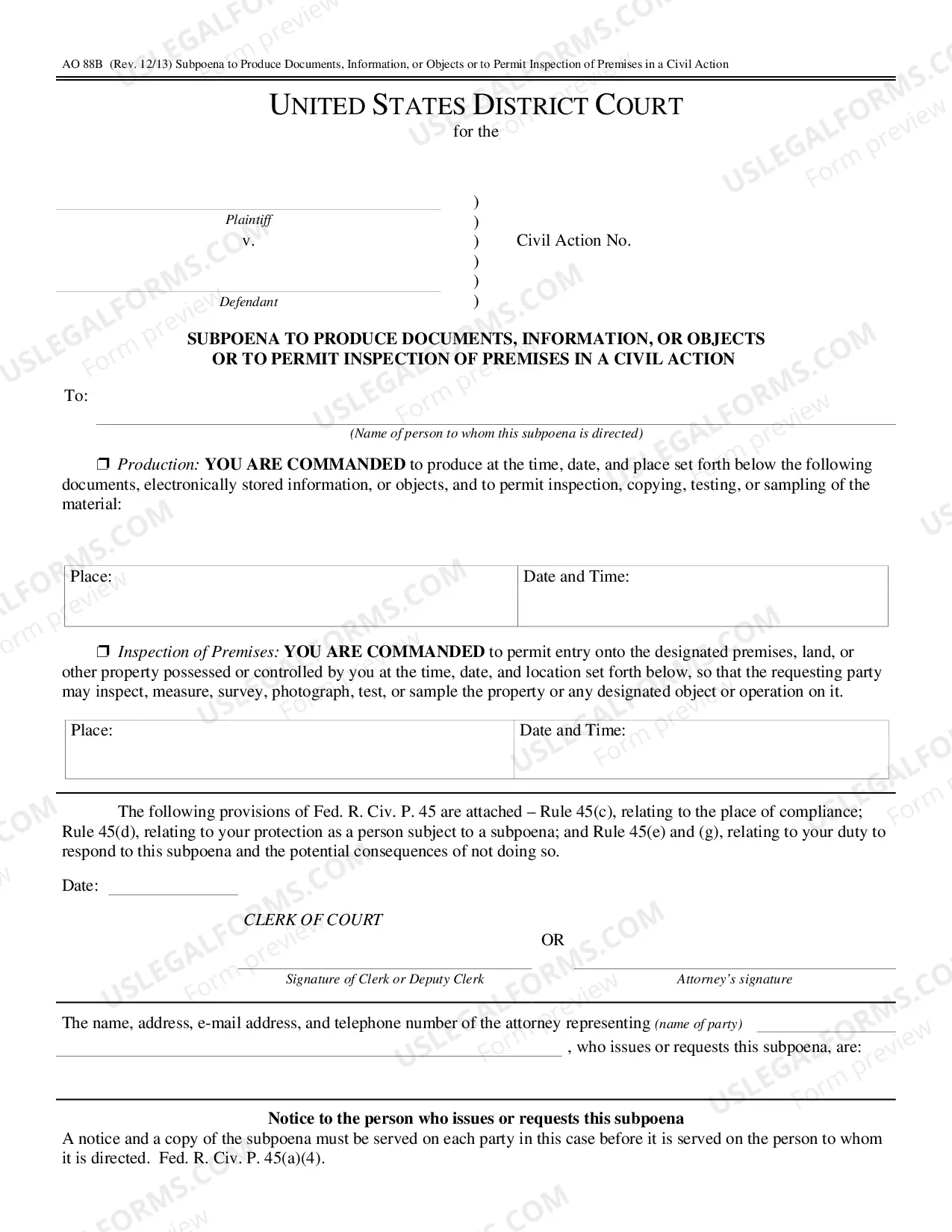
- Eviction / Forcible Entry and Detainer Summons
- Writ of Execution in Forcible Entry and Detainer Action





When this form package is needed
This package is suitable for landlords who need to take action against tenants for various reasons, including non-payment of rent or the desire to terminate a month-to-month lease. Use this package when:
- You have a tenant who is consistently late on rent payments.
- You wish to terminate a month-to-month lease without needing to specify a reason.
- Your tenant has failed to comply with prior notices for rent payment.
Who should use this form package
- Landlords of residential properties, such as houses or apartments.
- Property managers overseeing rental properties.
- Individuals handling nonresidential rental agreements.
- Landlords looking to navigate the eviction process efficiently.
Steps to complete these forms
- Review the included forms and determine which ones apply to your situation.
- Fill in the necessary information for each form, such as tenant details and property information.
- Follow the specific instructions for each form, including any required notice periods.
- If applicable, have the Affidavit of Landlord notarized before filing.
- File the completed forms with the appropriate court and serve copies to the tenant as required by law.
Do forms in this package need to be notarized?
Some included forms must be notarized to ensure validity. US Legal Forms provides secure online notarization powered by Notarize, allowing you to complete the process through a verified video call anytime.
Get your form ready online
Our built-in tools help you complete, sign, share, and store your documents in one place.
Make edits, fill in missing information, and update formatting in US Legal Forms—just like you would in MS Word.
Download a copy, print it, send it by email, or mail it via USPS—whatever works best for your next step.
Sign and collect signatures with our SignNow integration. Send to multiple recipients, set reminders, and more. Go Premium to unlock E-Sign.
If this form requires notarization, complete it online through a secure video call—no need to meet a notary in person or wait for an appointment.
We protect your documents and personal data by following strict security and privacy standards.

Make edits, fill in missing information, and update formatting in US Legal Forms—just like you would in MS Word.

Download a copy, print it, send it by email, or mail it via USPS—whatever works best for your next step.

Sign and collect signatures with our SignNow integration. Send to multiple recipients, set reminders, and more. Go Premium to unlock E-Sign.

If this form requires notarization, complete it online through a secure video call—no need to meet a notary in person or wait for an appointment.

We protect your documents and personal data by following strict security and privacy standards.
Common mistakes
- Failing to provide the required notice period before filing for eviction.
- Not properly filling out forms, leading to potential delays in the process.
- Overlooking the need for notarization on specific forms.
- Not maintaining a copy of all served documents for your records.
Why use this package online
- Convenience of downloading forms instantly from your computer or mobile device.
- Editability allows you to customize forms to fit your specific situation.
- Reliability, with all documents drafted by licensed attorneys to meet legal standards.
- Cost-effective solution compared to hiring a lawyer for simple eviction processes.
Looking for another form?

Form popularity
FAQ
Addresses. Date. Tenant names. Status and date of the lease. Why the eviction notice is served (clear and concise explanation) Date tenant must vacate the property. Proof of service or delivery of notice.
An unlawful detainer is an eviction lawsuit. This won't be reported to the credit bureaus unless you are actually evicted.Much like losing a lawsuit, unlawful-detainer suits are reported to the credit bureaus.
At the trial, the landlord will put on her case.The landlord will talk about the Notice of Termination that was sent to the tenant and her reasons for wanting to evict the tenant. The landlord may present other witnesses to support her claims against the tenant.
Know Your Rights. It goes without saying, but take some time to know your rights as a tenant. Keep Good Records. Make Sure Notice is Proper. Service of the Unlawful Detainer. Talking to an Attorney. Managing Partner Lipton Legal Group, A PC Beverly Hills, CA.
Step 1 The landlord must provide the tenant or occupant with a notice as to why they are being evicted. Step 2 A landlord must file and serve a Summons and Complaint in Forcible Entry and Detainer as the next step in the Oklahoma eviction process. Step 3 File an Execution.
Know Your Rights. It goes without saying, but take some time to know your rights as a tenant. Keep Good Records. Make Sure Notice is Proper. Service of the Unlawful Detainer. Talking to an Attorney. Managing Partner Lipton Legal Group, A PC Beverly Hills, CA.
If you file an eviction (unlawful detainer) case and you decide you do not want to move forward, you can ask the court to dismiss the case.You included more than one tenant in your eviction case but have decided you only want to evict one or some of them, so you dismiss the case as to the others.
Courts commonly refer to eviction actions as "forcible entry and detainer" or "unlawful detainer" actions. The legal theory is that the landlord alleges the tenant unlawfully continues to have use and possession of the rental property, and the landlord seeks the assistance of the court to have the tenant removed.