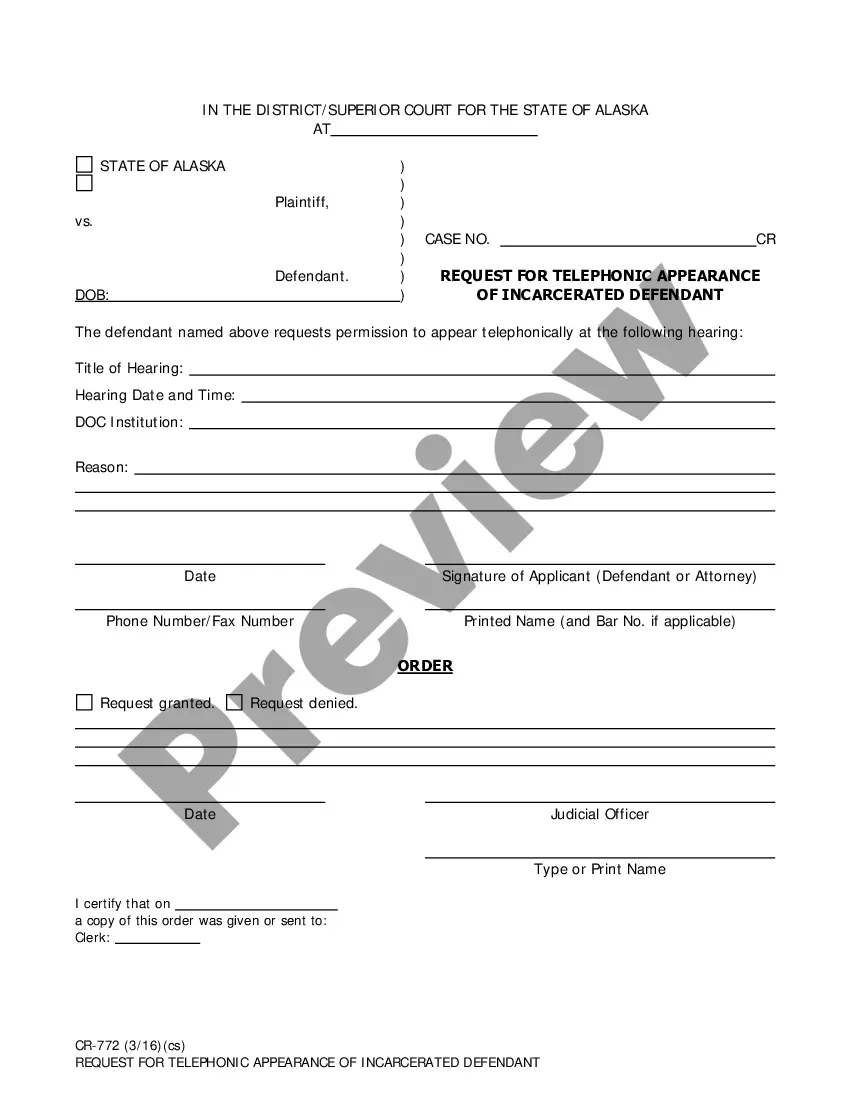
Ohio Letter from Tenant to Landlord containing Notice that premises in uninhabitable in violation of law and demand immediate repair
Overview of this form
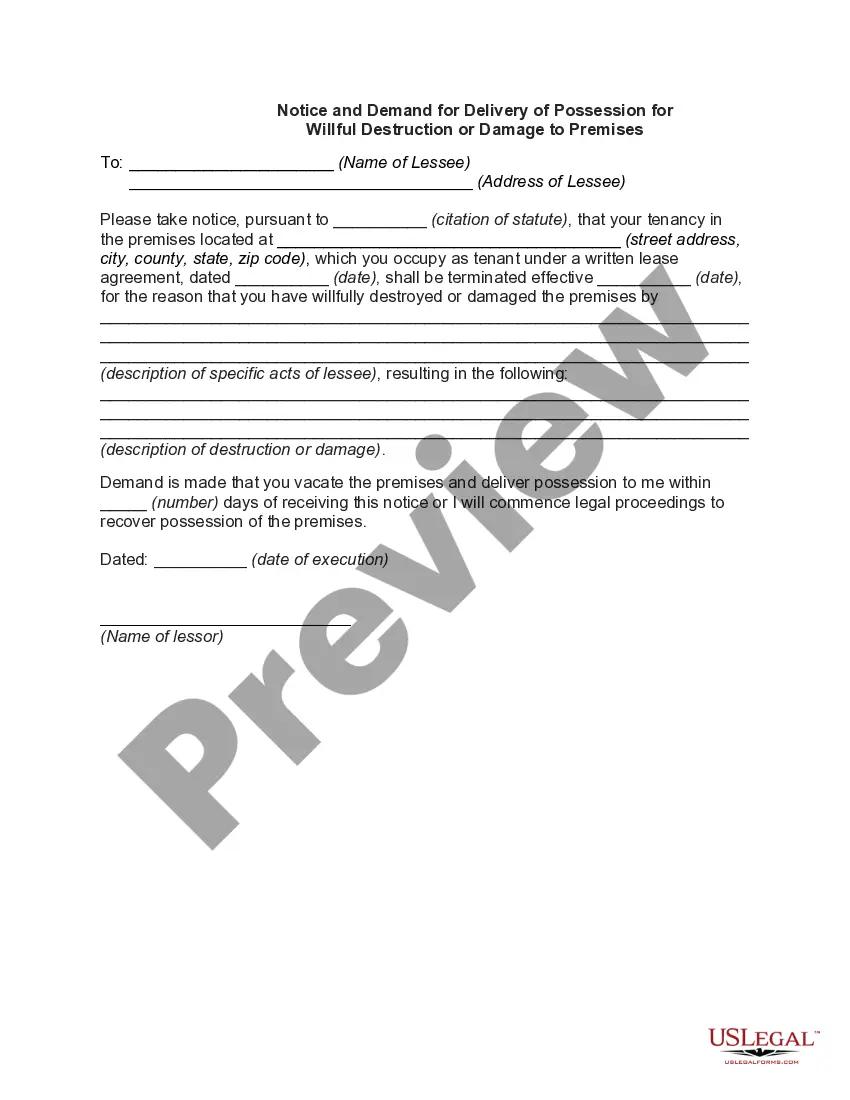
This letter from tenant to landlord notifies the landlord that the premises are uninhabitable and not in compliance with legal standards. It serves as a formal demand for immediate repair, distinguishing it from general notices or letters. If the landlord fails to address the issues, the tenant may have the right to terminate the lease or reduce rent until repairs are made.
Key components of this form
- Tenant's identification: Includes names and contact information.
- Landlord's information: Name and address of the landlord.
- Property details: Description of the leased premises in question.
- Specific issues: A clear outline of the conditions making the property uninhabitable.
- Demand for repairs: A direct request for the landlord to undertake necessary repairs.
- Signature lines: Spaces for the tenant's signature and date.



When this form is needed
This form is essential when a tenant discovers that the rental property is uninhabitable due to issues such as severe plumbing problems, electrical hazards, mold, or other dangerous conditions. It should be used when the tenant has already notified the landlord verbally or informally of these issues but requires a formal written notice to proceed with repair demands or potential lease termination.
Who should use this form
- Tenants experiencing uninhabitable living conditions.
- Individuals who have previously communicated issues to their landlord.
- Renters looking to formally document their concerns about the property.
Completing this form step by step
- Identify the parties: Fill in your name and contact details, along with the landlord's information.
- Specify the property: Clearly describe the address and details of the leased premises.
- List the uninhabitable conditions: Clearly state the issues affecting habitability.
- Make a demand for repairs: Specify that you require immediate action from the landlord.
- Sign and date the letter: Ensure you sign the document and include the date for legal purposes.
Does this document require notarization?
In most cases, this form does not require notarization. However, some jurisdictions or signing circumstances might. US Legal Forms offers online notarization powered by Notarize, accessible 24/7 for a quick, remote process.
Get your form ready online
Our built-in tools help you complete, sign, share, and store your documents in one place.
Make edits, fill in missing information, and update formatting in US Legal Forms—just like you would in MS Word.
Download a copy, print it, send it by email, or mail it via USPS—whatever works best for your next step.
Sign and collect signatures with our SignNow integration. Send to multiple recipients, set reminders, and more. Go Premium to unlock E-Sign.
If this form requires notarization, complete it online through a secure video call—no need to meet a notary in person or wait for an appointment.
We protect your documents and personal data by following strict security and privacy standards.

Make edits, fill in missing information, and update formatting in US Legal Forms—just like you would in MS Word.

Download a copy, print it, send it by email, or mail it via USPS—whatever works best for your next step.

Sign and collect signatures with our SignNow integration. Send to multiple recipients, set reminders, and more. Go Premium to unlock E-Sign.

If this form requires notarization, complete it online through a secure video call—no need to meet a notary in person or wait for an appointment.

We protect your documents and personal data by following strict security and privacy standards.
Common mistakes to avoid
- Failing to provide specific details about the conditions that render the property uninhabitable.
- Not keeping a copy of the notice for personal records.
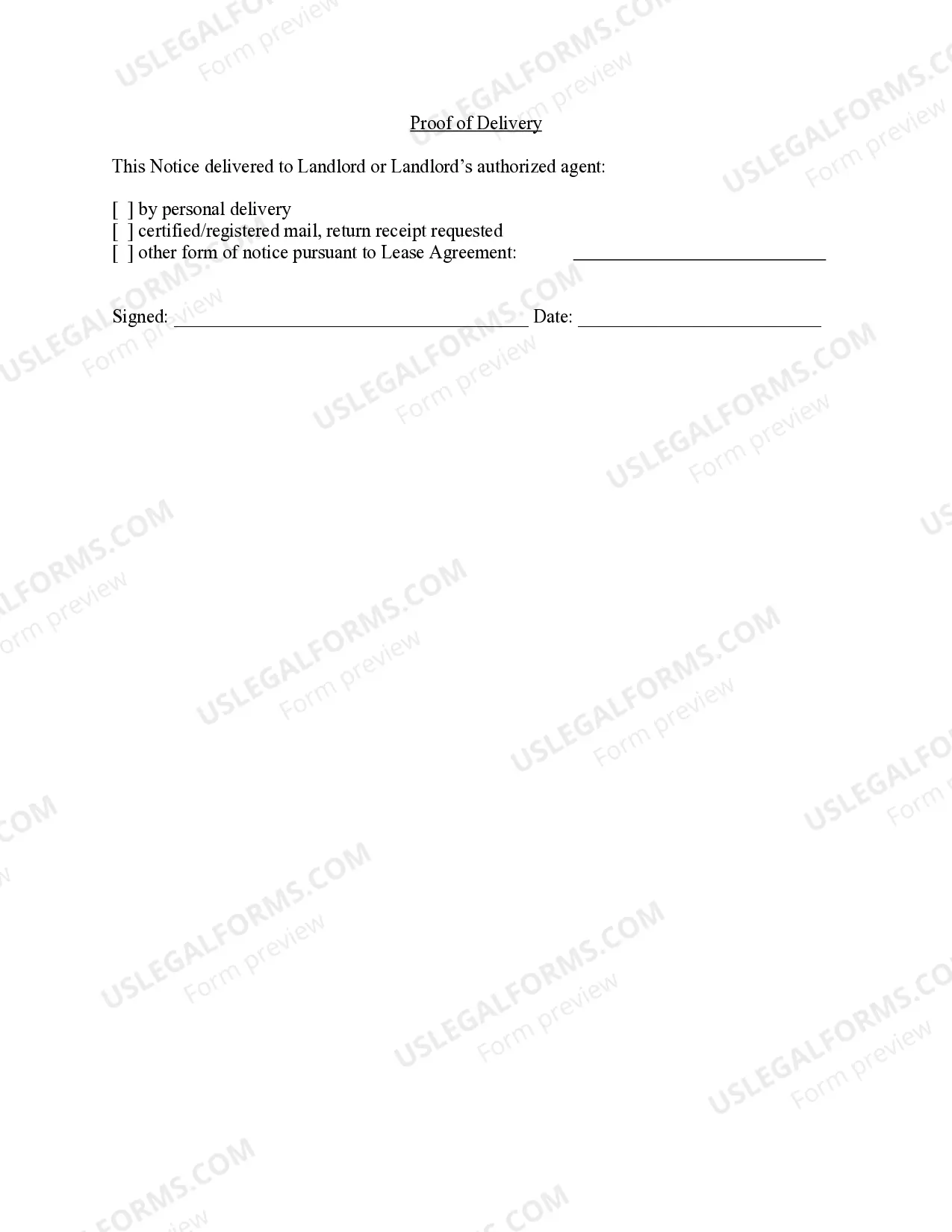
- Neglecting to send the notice via a method that confirms receipt, like certified mail.
Why use this form online
- Convenience: Download the template immediately and complete it at your own pace.
- Editability: Tailor the form to your specific situation with ease.
- Reliability: Ensure that you are using a legally sound document created by licensed attorneys.
Key takeaways
- Use this form to notify your landlord of uninhabitable living conditions.
- Include specific details about the problems and repairs needed.
- Ensure accuracy with signatures and dates for proper documentation.
- Understand state-specific rules regarding landlord responsibilities for repairs.
Looking for another form?
Form popularity
FAQ
They don't have to give you any reasons why they want to evict you. They have to give you at least 28 days notice, but this could be longer depending on your agreement. If you don't leave by the time your notice ends, your landlord has to go to court to get a court order to make you leave.
To end a month-to-month tenancy, a landlord must give a tenant at least a 30-day written notice to move. The notice must state the date by which the tenant needs to be out of the rental unit.
Can the tenant refuse the landlord access for viewings?If the tenant doesn't want to allow access, whether it be for viewings, inspections or general maintenance, that's their statutory right. The tenant has the right to possession and to the lawful use and enjoyment of the premises.
Yes. You can kick that person out. (Unless you've been directed by a court to provide housing for the person.)
Notice Requirements for Ohio Landlords A landlord can simply give you a written notice to move, allowing you 30 days as required by Ohio law and specifying the date on which your tenancy will end.
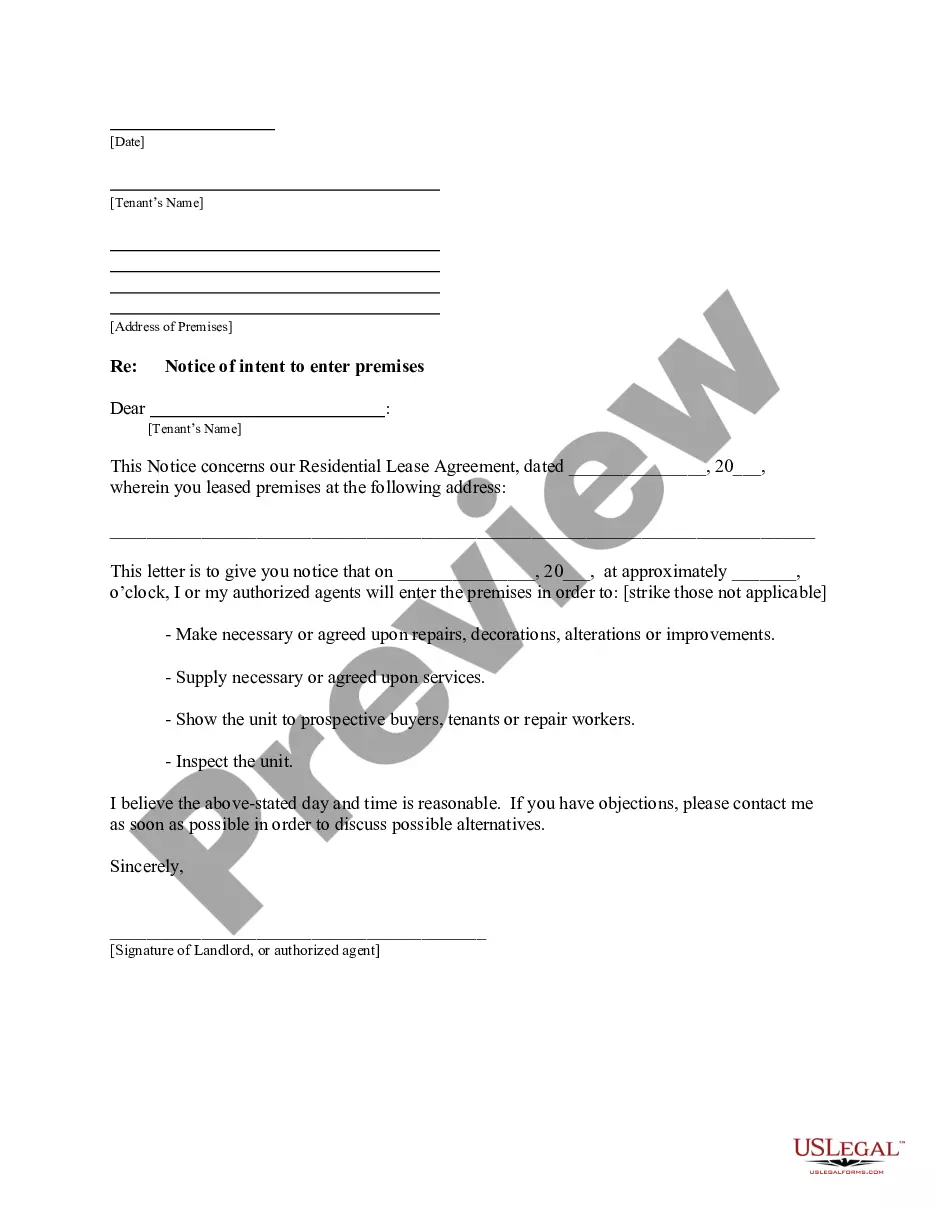
Allow your landlord reasonable access (upon 24 hours' notice) to the premises to inspect, make repairs or show the property to prospective buyers or renters. Twenty-four hours of notice is not required in emergencies, or for the landlord to deliver large parcels, or upon agreement with the landlord.
Tenants in the state of Ohio are granted certain rights by the state's landlord-tenant code, including the right to fair housing, the right to a return of the security deposit, and the right to notice before landlord entry.
Your landlord has up to 30 days to make requested repairs. Emergency repairs (like no heat in the winter) must be finished faster.