Ohio Brick Mason Contract for Contractor
Overview of this form
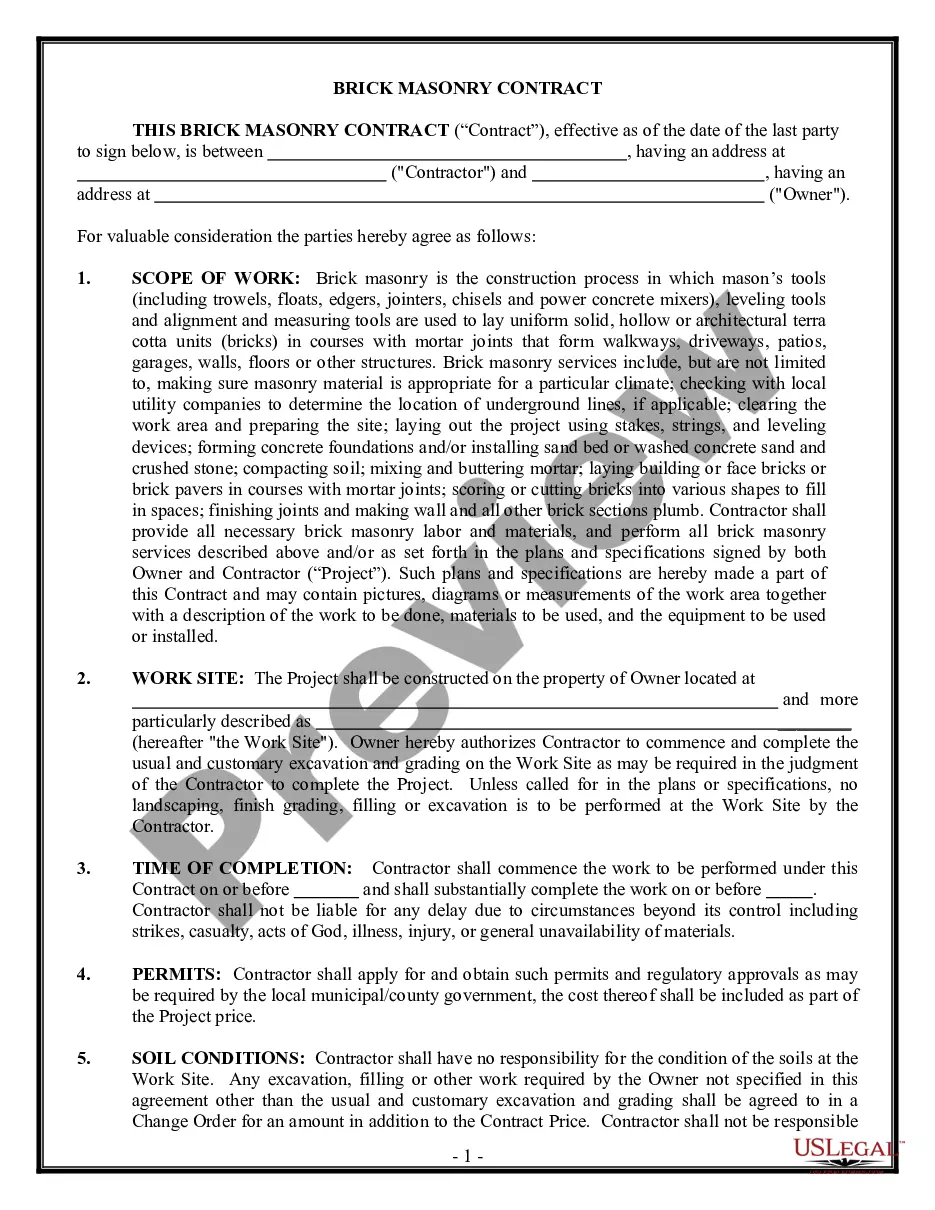
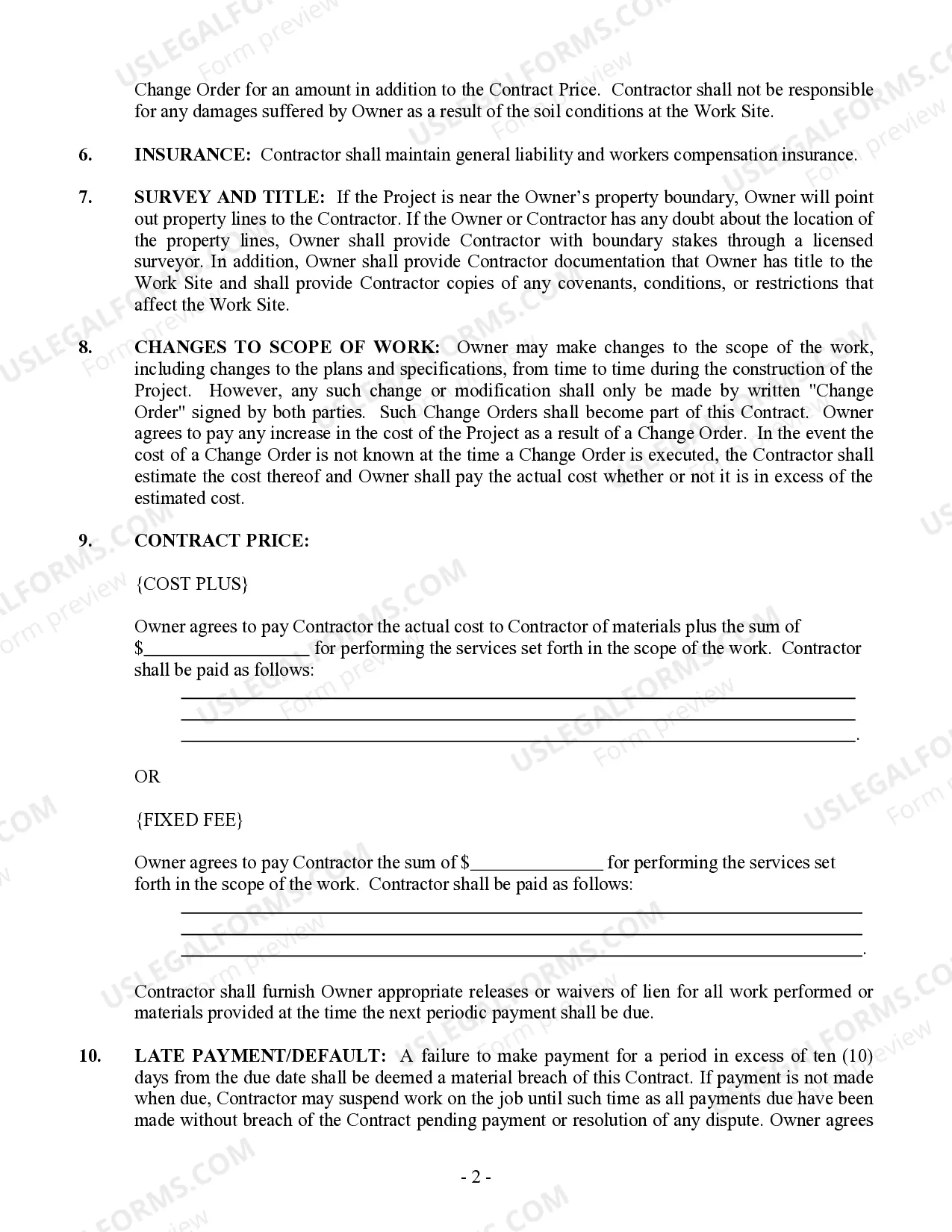
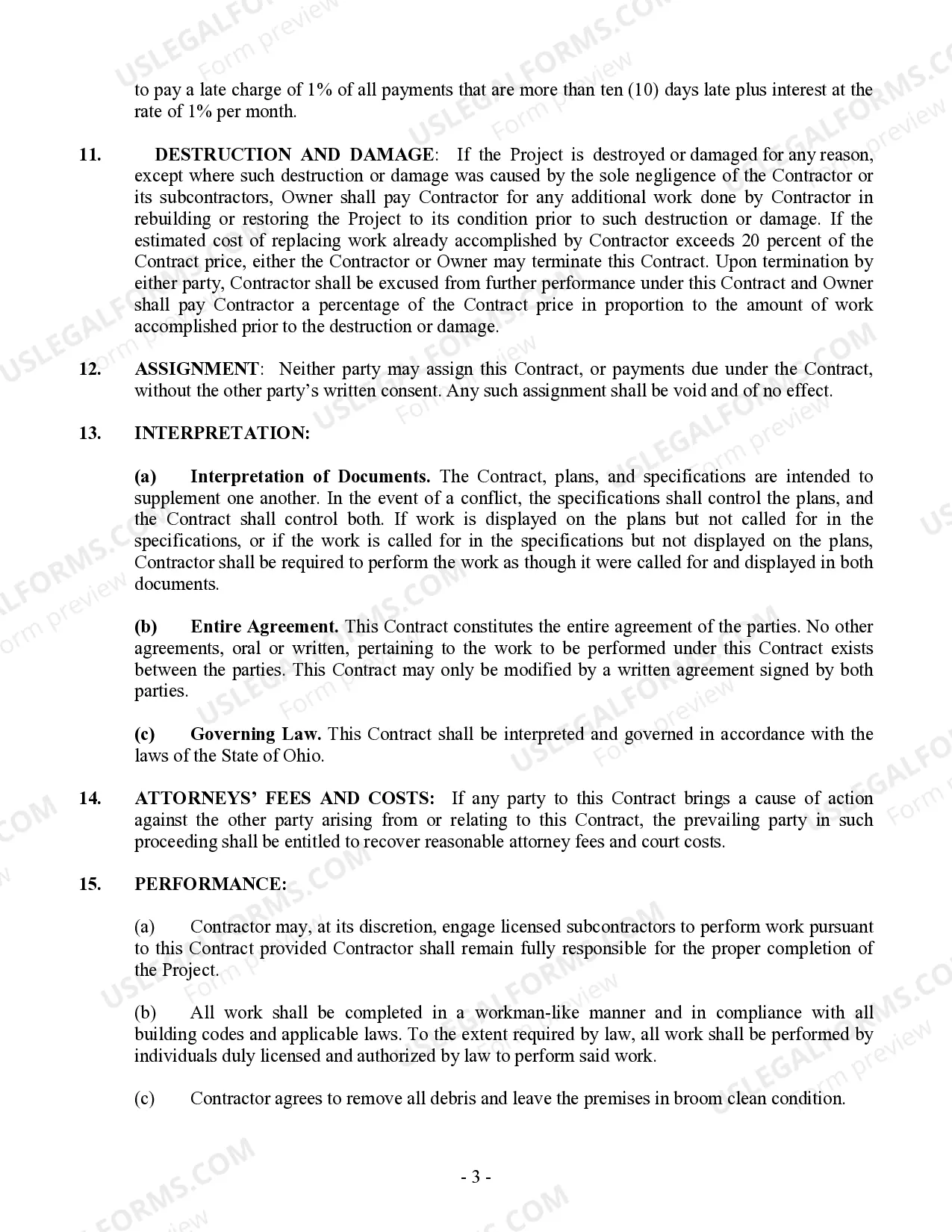
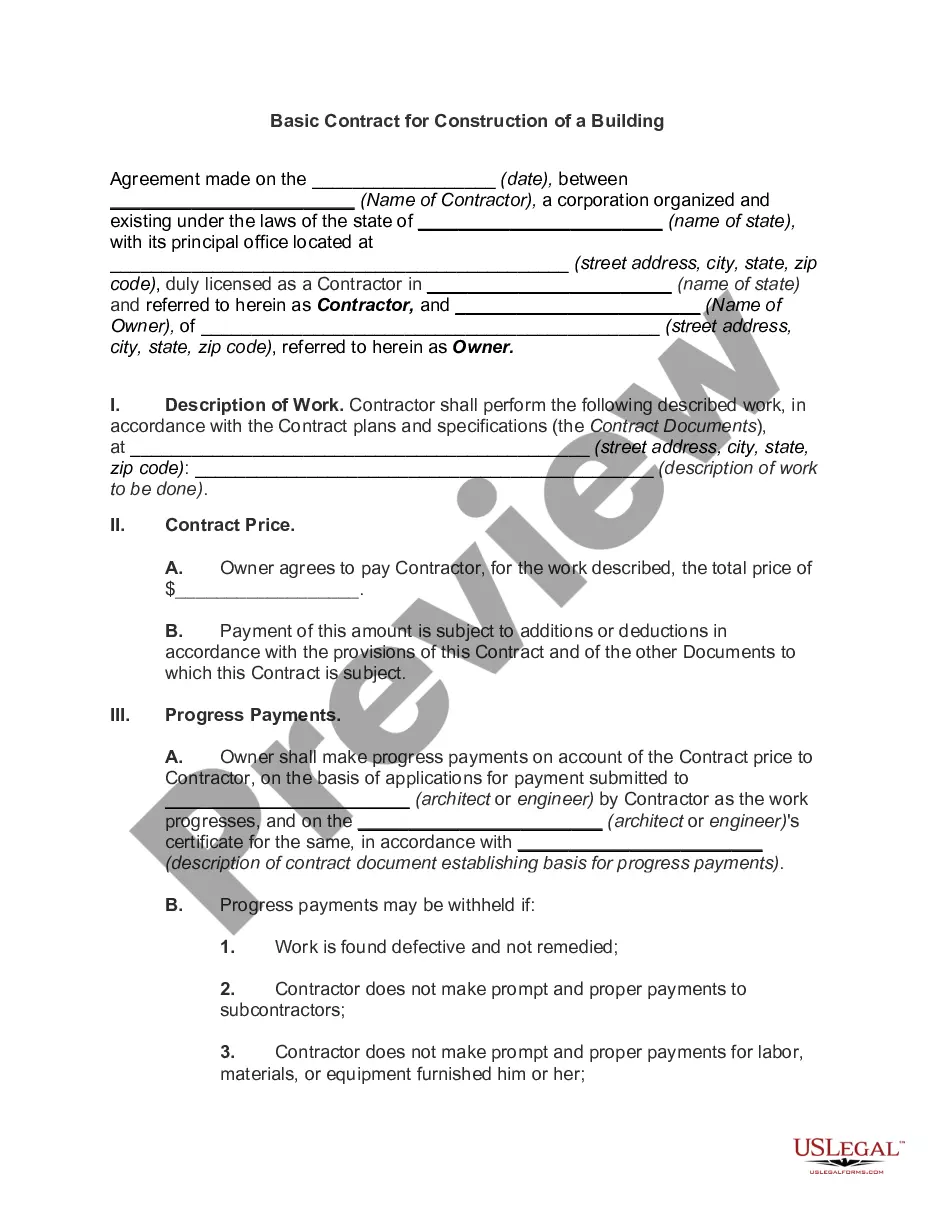
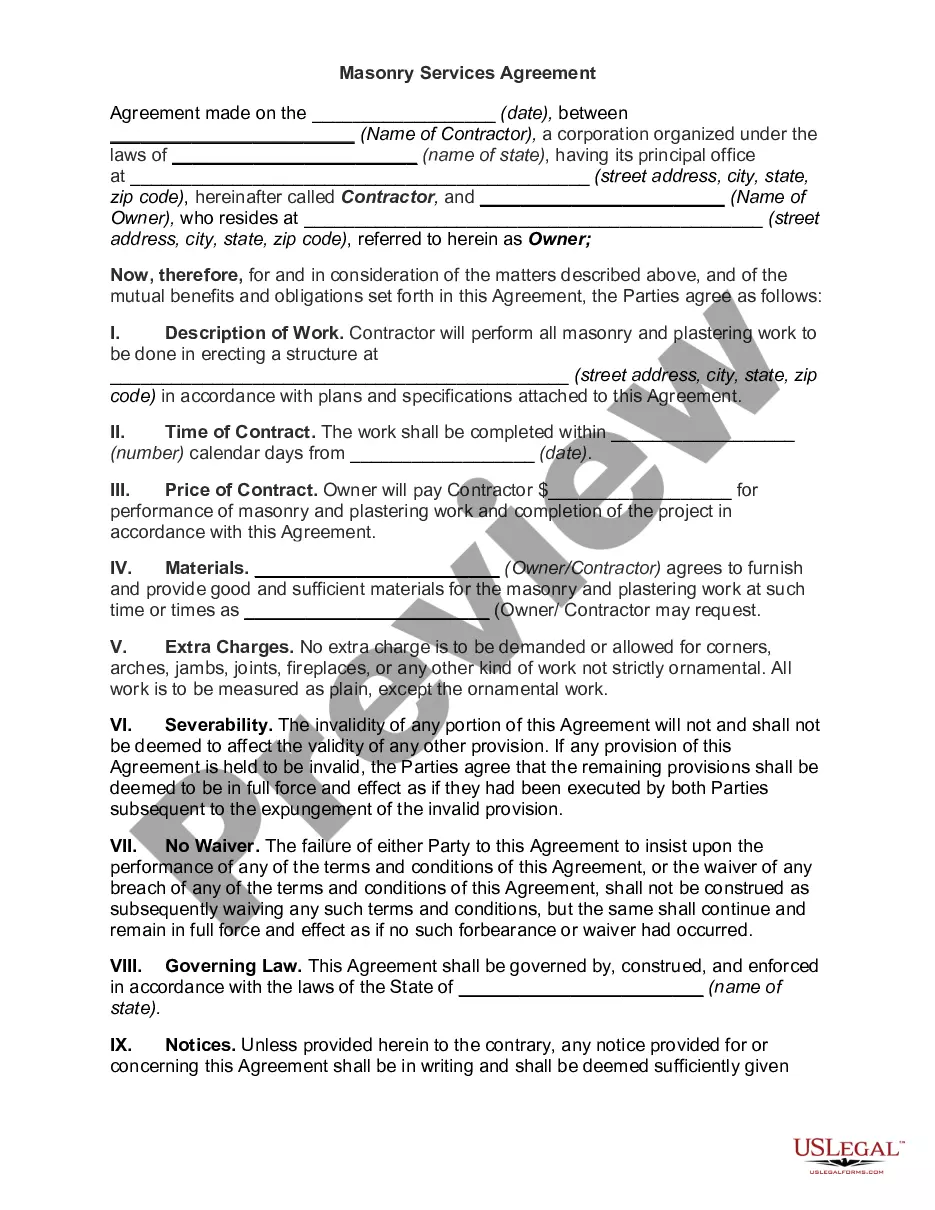
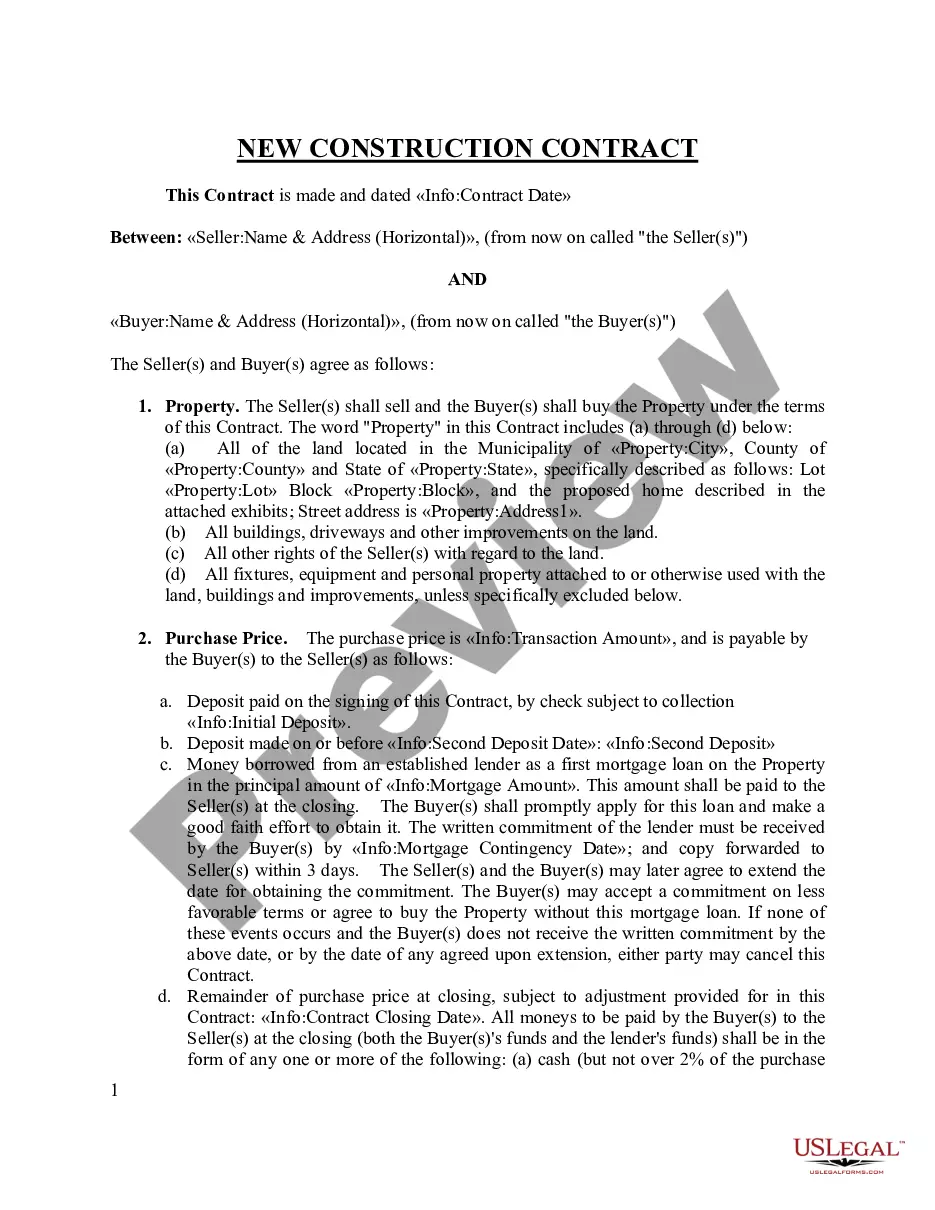
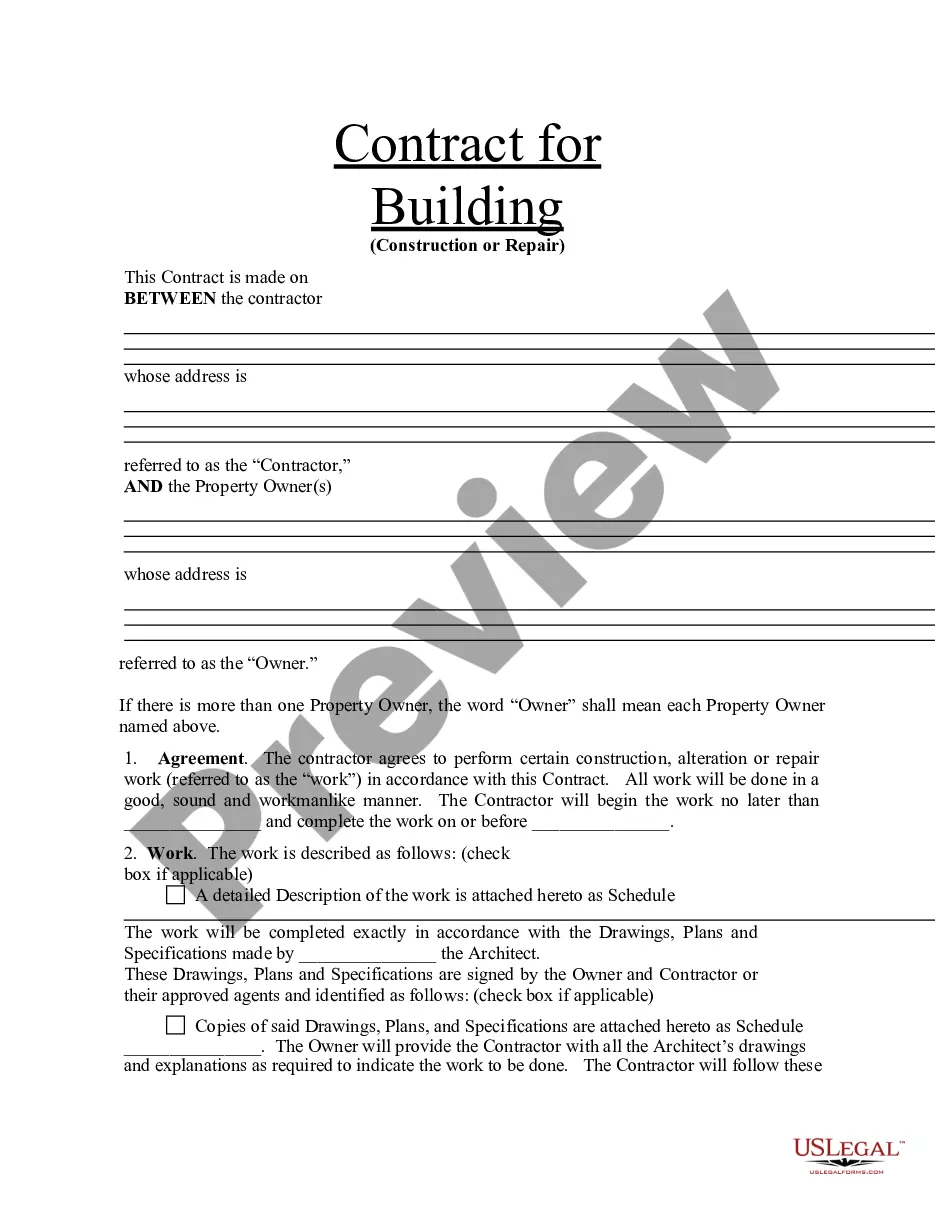
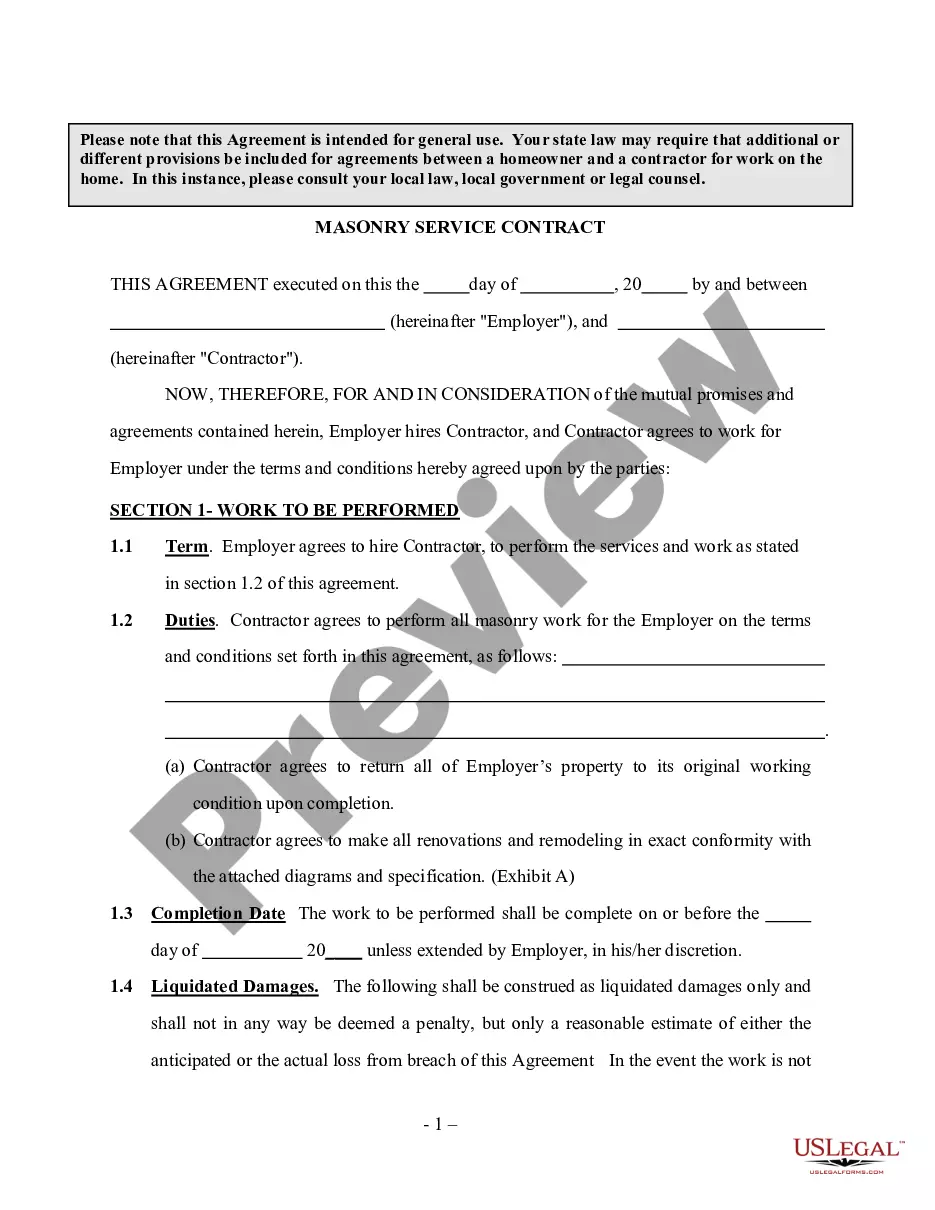
The Brick Mason Contract for Contractor is a crucial legal document used between brick mason contractors and property owners, allowing them to formally outline the terms of construction projects. This contract distinguishes itself from other construction agreements by offering specific provisions for either cost-plus or fixed-fee payment arrangements, as well as detailing the responsibilities regarding permits, soil conditions, insurance, and change orders. Tailored to comply with the laws of Ohio, this form provides clarity and protection for both parties involved in masonry work.
Key components of this form
- Work site location and responsibilities
- Permit application requirements and costs
- Soil condition disclaimers
- Insurance obligations for the contractor
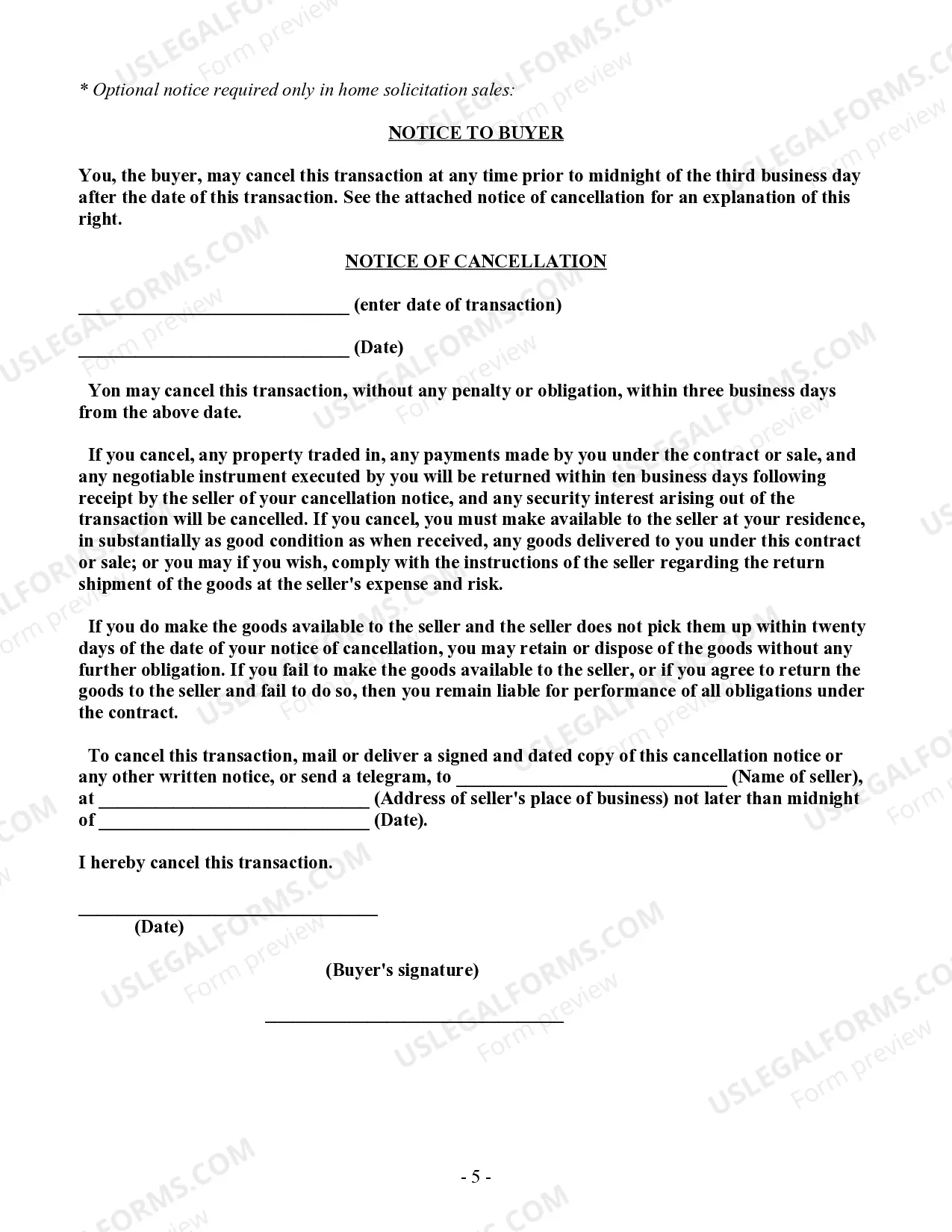
- Change order provisions and cost adjustments
- Late payment and default penalties
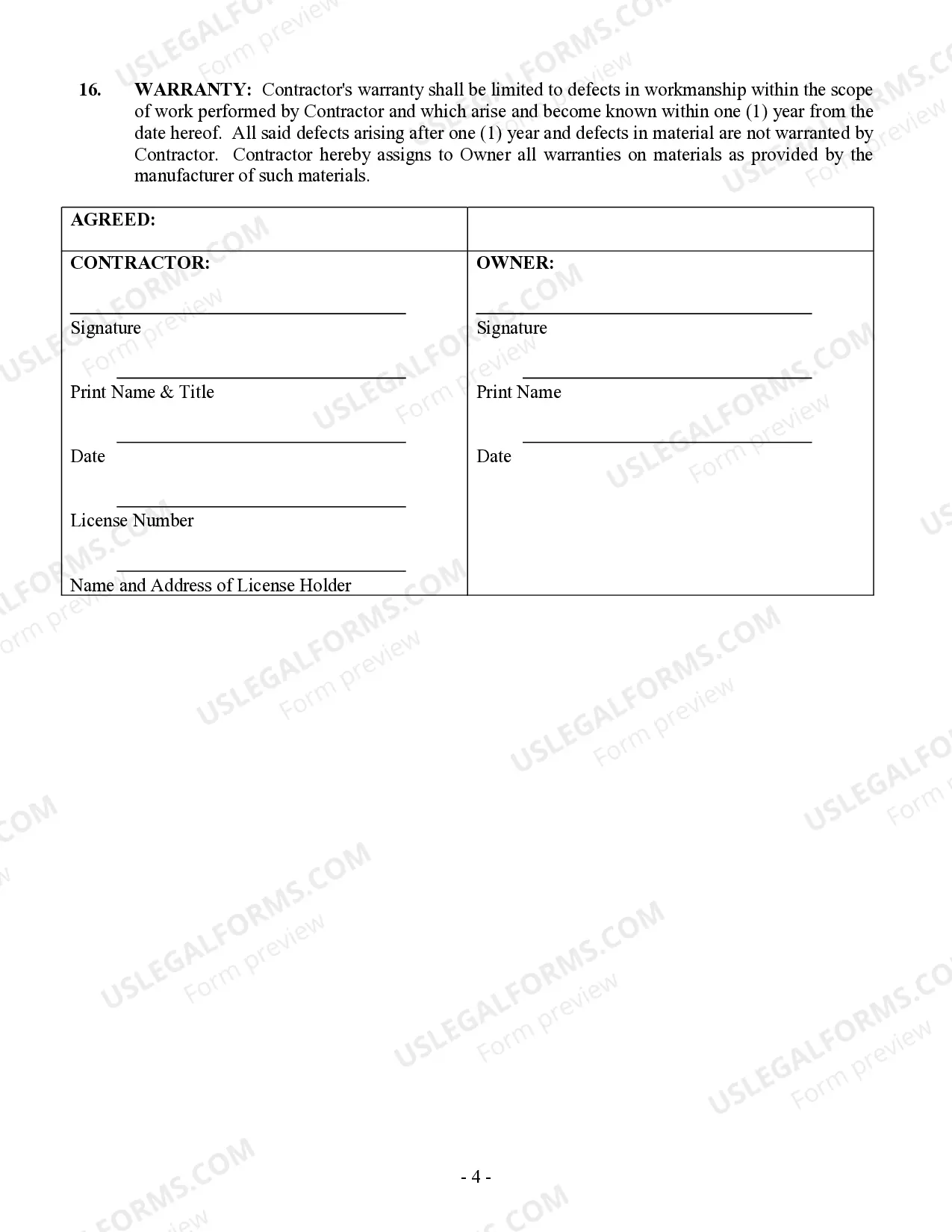
- Warranty terms for workmanship
- Provisions for termination and assignment
When this form is needed
This form should be used when a property owner hires a brick mason contractor for construction or repair work. It is particularly useful when the scope of work may change during the project and when specific terms regarding payment, insurance, and project management need to be established. Utilizing this form ensures that both parties are on the same page regarding expectations and responsibilities, reducing the possibility of disputes.
Who needs this form
This Brick Mason Contract is intended for:
- Brick mason contractors looking for a legally binding agreement with clients
- Property owners who need to formalize terms before construction begins
- Individuals or businesses involved in masonry projects in Ohio
Instructions for completing this form
- Identify and enter the names and addresses of both parties: the contractor and the property owner.
- Specify the work site location where the masonry project will take place.
- Determine and state the payment arrangement: either cost plus or fixed fee.
- Discuss and include any relevant change orders that may arise during construction.
- Ensure both parties sign and date the contract to confirm agreement.
Is notarization required?
Notarization is not commonly needed for this form. However, certain documents or local rules may make it necessary. Our notarization service, powered by Notarize, allows you to finalize it securely online anytime, day or night.
Get your form ready online
Our built-in tools help you complete, sign, share, and store your documents in one place.
Make edits, fill in missing information, and update formatting in US Legal Forms—just like you would in MS Word.
Download a copy, print it, send it by email, or mail it via USPS—whatever works best for your next step.
Sign and collect signatures with our SignNow integration. Send to multiple recipients, set reminders, and more. Go Premium to unlock E-Sign.
If this form requires notarization, complete it online through a secure video call—no need to meet a notary in person or wait for an appointment.
We protect your documents and personal data by following strict security and privacy standards.
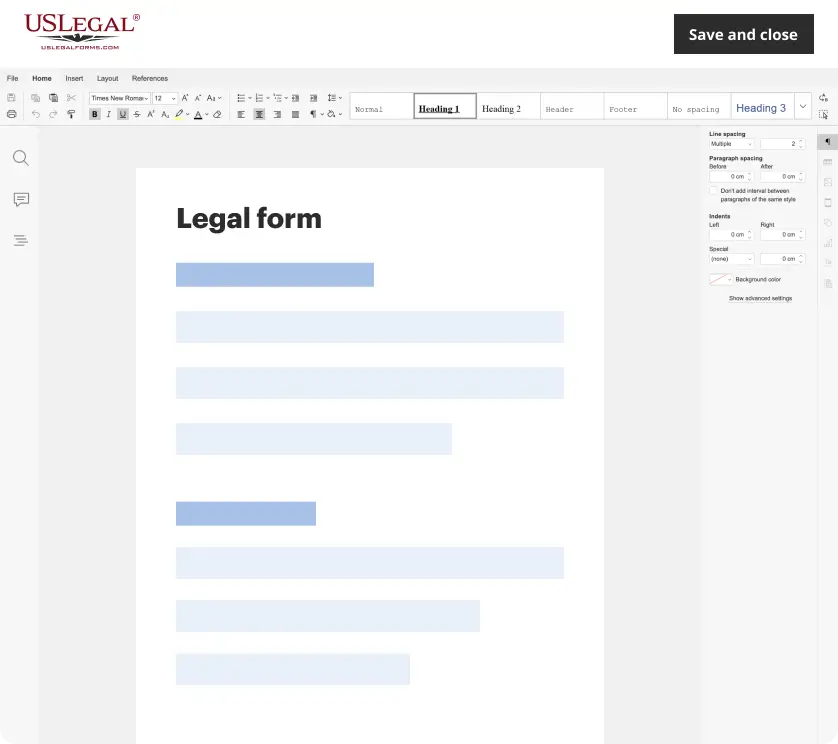
Make edits, fill in missing information, and update formatting in US Legal Forms—just like you would in MS Word.
Download a copy, print it, send it by email, or mail it via USPS—whatever works best for your next step.
Sign and collect signatures with our SignNow integration. Send to multiple recipients, set reminders, and more. Go Premium to unlock E-Sign.
If this form requires notarization, complete it online through a secure video call—no need to meet a notary in person or wait for an appointment.
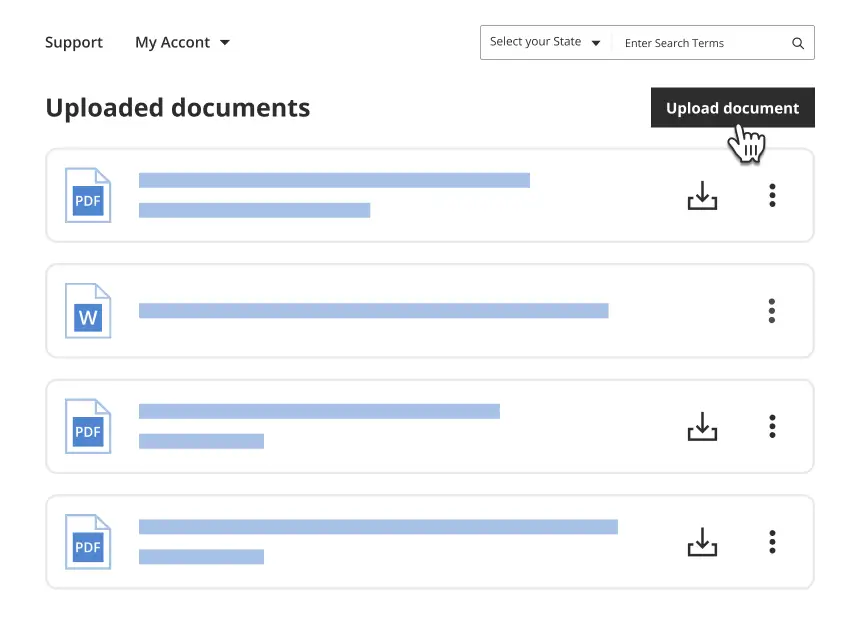
We protect your documents and personal data by following strict security and privacy standards.
Avoid these common issues
- Failing to specify the exact work site address.
- Omitting necessary insurance details for the contractor.
- Not documenting any verbal changes to the scope of work.
- Forgetting to include signature lines for both parties.
Why complete this form online
- Convenience of downloading and completing the form at your own pace.
- Editability allows customization to fit specific project needs.
- Access to legal templates crafted by licensed attorneys ensures reliability.
What to keep in mind
- Use the Brick Mason Contract to formalize agreements between contractors and property owners.
- Ensure compliance with Ohio's legal standards when completing the form.
- Clearly outline payment agreements, insurance, and project responsibilities to avoid disputes.
Looking for another form?

Form popularity
FAQ
Your general contractor should provide proof of licensing, bonding and insurance before a project starts, but it's better to have it in hand before you sign any contracts. It's important that contractors carry any licensing and/or certification required for the specific trade or skill they practice.
Timeframe or key milestones of the project; hours of work; deliverables of the project; and. way the business will pay the contractor for their services.
An agreement between private parties creating mutual obligations enforceable by law. The basic elements required for the agreement to be a legally enforceable contract are: mutual assent, expressed by a valid offer and acceptance; adequate consideration; capacity; and legality.
Begin with the Date and the Address of the Other Party. Start with the Basic Details of the Planned Work. Include Special Stipulations. State Whether There Will be a Further Agreement. Create an Area for Signatures. Sign and Date the Contract Letter.
Identifying/Contact Information. Title and Description of the Project. Projected Timeline and Completion Date. Cost Estimate and Payment Schedule. Stop Work Clause and Stop Payment Clause. Act of God Clause. Change Order Agreement. Warranty.
Look for assistance from others who may have bid on construction contracts in the past or review a list bid service companies you can find through FedSpending.org or USASpending.gov. In addition to helping you locate and complete bid documents, a bid service may also alert you to available subcontracting opportunities.
The date of the contract. The names of all parties or entities involved. Payment amounts and due dates. Contract expiration dates. Potential damages for breach of contract, missed deadlines or incomplete services.
Name of contractor and contact information. Name of homeowner and contact information. Describe property in legal terms. List attachments to the contract. The cost. Failure of homeowner to obtain financing. Description of the work and the completion date. Right to stop the project.
Contract Types Overview. Express and Implied Contracts. Unilateral and Bilateral Contracts. Unconscionable Contracts. Adhesion Contracts. Aleatory Contracts. Option Contracts. Fixed Price Contracts.